GalNAc-siRNA Conjugates: A Complete Guide to Targeted Liver Delivery, Mechanism, and Clinical Applications
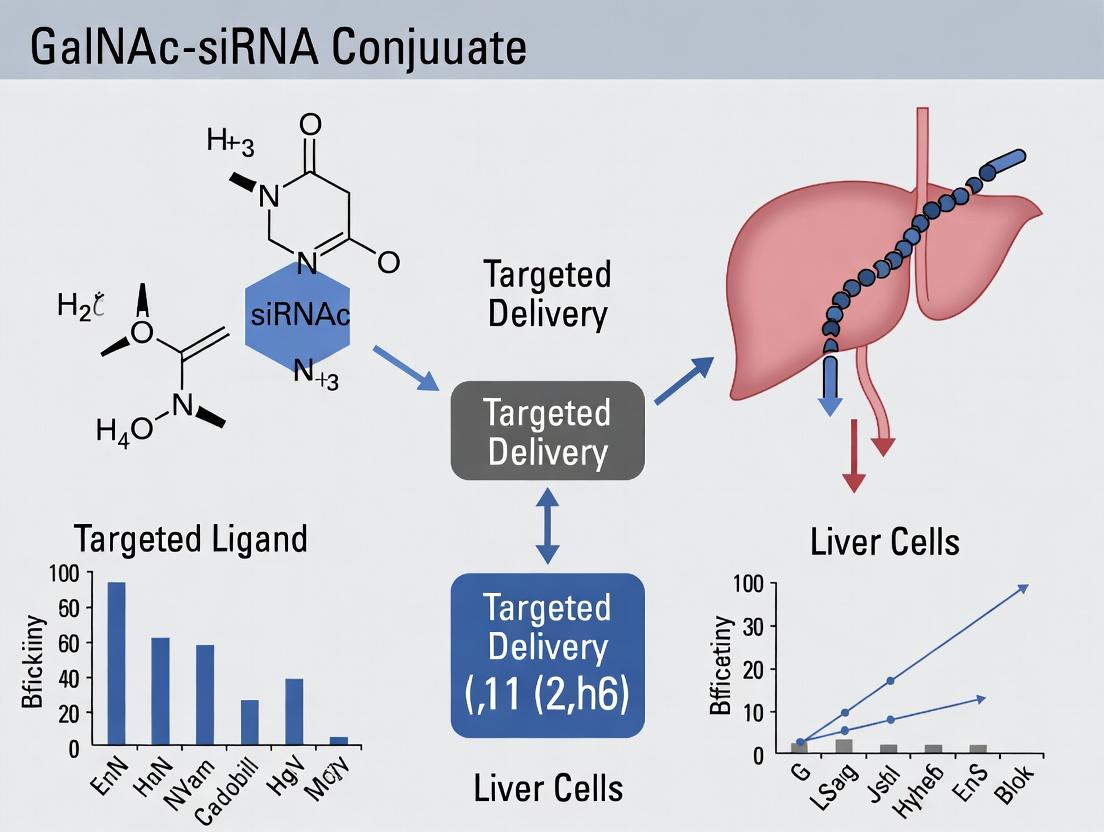
This comprehensive review explores the transformative role of N-Acetylgalactosamine (GalNAc)-siRNA conjugates in achieving highly specific hepatic delivery for RNA interference (RNAi) therapeutics.
GalNAc-siRNA Conjugates: A Complete Guide to Targeted Liver Delivery, Mechanism, and Clinical Applications
Abstract
This comprehensive review explores the transformative role of N-Acetylgalactosamine (GalNAc)-siRNA conjugates in achieving highly specific hepatic delivery for RNA interference (RNAi) therapeutics. We cover the foundational biology of the asialoglycoprotein receptor (ASGPR) pathway that enables this targeted approach. The article details the chemical design, synthesis methodologies, and key clinical applications of approved and investigational GalNAc-siRNA drugs. We address common formulation and development challenges, offering troubleshooting and optimization strategies. Finally, we provide a comparative analysis against other delivery platforms, validating the platform's efficacy, safety, and commercial success. This guide is tailored for researchers, scientists, and drug development professionals navigating the burgeoning field of targeted oligonucleotide therapeutics.
Unlocking the Liver: The Foundational Science of GalNAc-siRNA Conjugates and the ASGPR Pathway
RNA interference (RNAi) therapeutics offer a potent mechanism for silencing disease-causing genes through the sequence-specific degradation of messenger RNA (mRNA). The primary challenge in translating this technology from bench to bedside has been the safe and effective in vivo delivery of small interfering RNA (siRNA) to target cells. Naked, unmodified siRNA is rapidly cleared by the kidneys, degraded by nucleases, and cannot passively cross cellular membranes. Targeted delivery systems are therefore essential.
Within this field, N-acetylgalactosamine (GalNAc)-siRNA conjugates represent a breakthrough for hepatocyte-specific delivery. This approach leverages the high-affinity binding of GalNAc ligands to the asialoglycoprotein receptor (ASGPR), which is abundantly and selectively expressed on the surface of hepatocytes. Upon binding, the conjugate is internalized via clathrin-mediated endocytosis, enabling efficient siRNA uptake and subsequent gene silencing in the liver. This targeted strategy has directly enabled the approval of several therapeutics (e.g., givosiran, lumasiran, inclisiran) and is a cornerstone of modern RNAi drug development.
This document provides detailed protocols and application notes centered on the preclinical evaluation of GalNAc-siRNA conjugates, framed within a thesis research context on optimizing targeted liver delivery.
Table 1: Representative Pharmacokinetic & Pharmacodynamic Profile of a GalNAc-siRNA Conjugate in Preclinical Models
| Parameter | Mouse (C57BL/6, 3 mg/kg, SC) | Non-Human Primate (Cynomolgus, 3 mg/kg, SC) | Notes |
|---|---|---|---|
| Cmax (plasma) | ~1500 nM | ~800 nM | Peak plasma concentration. |
| Tmax | 0.5 - 2 hours | 2 - 4 hours | Time to reach Cmax. |
| Plasma t₁/₂ | ~0.5 hours | ~1.2 hours | Rapid clearance from circulation. |
| Liver t₁/₂ | ~7 days | ~14 days | Extended residence in target tissue. |
| Liver Uptake (% of dose) | ~40-60% | ~50-70% | High hepatocyte specificity. |
| Gene Silencing Onset | 24 hours | 48 hours | Time to initial mRNA reduction. |
| Max mRNA Knockdown | >80% | >80% | Typically measured 5-7 days post-dose. |
| Silencing Duration | 3-4 weeks | 4-8 weeks | Dependent on target mRNA turnover and conjugate chemistry. |
Table 2: Essential Research Reagent Solutions & Materials
| Item/Category | Function & Rationale |
|---|---|
| GalNAc-siRNA Conjugate (Research Grade) | The active pharmaceutical ingredient. Requires defined chemical structure (typically trivalent GalNAc linked to siRNA sense strand via a stable linker). |
| Control siRNA (e.g., Scramble, Non-targeting) | Negative control with no sequence homology to the target genome, essential for establishing specific versus off-target effects. |
| Formulation Buffer (1x PBS, pH 7.4) | Standard physiological buffer for in vivo dosing via subcutaneous (SC) or intravenous (IV) routes. |
| ASGPR Blocking Agent (e.g., Asialofetuin) | Used to competitively inhibit GalNAc-ASGPR binding in in vitro or in vivo experiments to confirm receptor-mediated uptake. |
| Hepatocyte Cell Line (e.g., HepaRG, Primary Hepatocytes) | In vitro model expressing functional ASGPR for mechanistic and efficacy studies. |
| Total RNA Isolation Kit (Spin-Column Based) | For high-quality RNA extraction from liver tissue or cells for downstream qRT-PCR analysis. |
| TaqMan Gene Expression Assays | Probe-based qRT-PCR method offering high specificity and sensitivity for quantifying target mRNA knockdown. |
| Reference Gene Assays (e.g., Gapdh, Hprt1) | Essential endogenous controls for normalizing qRT-PCR data. Must be validated for stability under experimental conditions. |
| Tissue Protein Lysis Buffer (RIPA Buffer + Protease Inhibitors) | For total protein extraction from liver tissue to correlate mRNA knockdown with protein level reduction (Western blot). |
| ALT/AST Activity Assay Kit | Colorimetric kits to measure alanine aminotransferase and aspartate aminotransferase activity in serum as markers of hepatotoxicity. |
Experimental Protocols
Protocol 3.1:In VivoEfficacy Study of GalNAc-siRNA in a Murine Model
Objective: To evaluate the potency and durability of target gene silencing in the liver following a single subcutaneous dose.
Materials:
- Adult C57BL/6 mice (n=5-6 per group).
- GalNAc-siRNA conjugate and control siRNA, resuspended in sterile 1x PBS.
- Sterile 1 mL syringes and 27-29G needles.
- Equipment for humane euthanasia and tissue collection.
- RNAlater stabilization solution.
- Liquid nitrogen.
Procedure:
- Animal Grouping & Dosing: Randomize mice into treatment groups (e.g., Vehicle/PBS, Control siRNA, GalNAc-siRNA at 1, 3, 10 mg/kg). Administer a single subcutaneous injection in the interscapular region at a volume of 5-10 µL/g body weight.
- Tissue Collection: At predetermined timepoints (e.g., Day 3, 7, 14, 28), euthanize animals. Collect blood via cardiac puncture for serum biochemistry. Perfuse the liver briefly with cold PBS via the portal vein. Excise the liver, blot dry, and dissect.
- Sample Preservation: Snap-freeze multiple ~50 mg sections of the median liver lobe in liquid nitrogen for RNA/protein analysis. Store at -80°C. Optional: Preserve a section in RNAlater for 24h at 4°C before freezing.
- Analysis: Proceed to RNA extraction (Protocol 3.2) and qRT-PCR analysis.
Protocol 3.2: Quantification of Target mRNA Knockdown by qRT-PCR
Objective: To accurately measure the level of specific mRNA reduction in liver tissue.
Materials:
- Frozen liver tissue.
- Total RNA isolation kit (e.g., RNeasy from Qiagen).
- Tissue homogenizer (e.g., bead mill or rotor-stator).
- DNase I.
- Nanodrop or equivalent spectrophotometer.
- High-Capacity cDNA Reverse Transcription Kit.
- TaqMan Universal PCR Master Mix.
- Target-specific and reference gene TaqMan Assays.
- Real-Time PCR system (96- or 384-well).
Procedure:
- RNA Isolation: Homogenize ~30 mg of frozen liver tissue in lysis buffer. Follow the spin-column kit protocol, including an on-column DNase I digestion step to eliminate genomic DNA. Elute RNA in nuclease-free water.
- RNA Quantification & Quality Control: Measure RNA concentration and purity (A260/A280 ratio ~2.0). Assess integrity via agarose gel electrophoresis or Bioanalyzer if available.
- cDNA Synthesis: Reverse transcribe 500 ng - 1 µg of total RNA per sample in a 20 µL reaction using random hexamers and a MultiScribe Reverse Transcriptase. Include a no-reverse transcriptase (-RT) control for each sample to detect genomic DNA contamination.
- Quantitative PCR: Prepare a 10-20 µL reaction mix per well containing TaqMan Master Mix, the specific assay (primer/probe mix), and diluted cDNA template. Run in triplicate. Use a standard two-step cycling protocol (e.g., 95°C for 10 min, followed by 40 cycles of 95°C for 15 sec and 60°C for 1 min).
- Data Analysis: Calculate the average Cq for each sample. Use the comparative ΔΔCq method. Normalize target gene Cq to the reference gene Cq (ΔCq). Calculate ΔΔCq relative to the average ΔCq of the vehicle control group. Express mRNA levels as fold-change = 2^(-ΔΔCq).
Protocol 3.3: Confirmation of ASGPR-Mediated UptakeIn Vitro
Objective: To demonstrate that hepatocyte uptake of the GalNAc-siRNA conjugate is specifically mediated by the ASGPR.
Materials:
- ASGPR-expressing cells (e.g., differentiated HepaRG, primary mouse/hepatocytes).
- Cell culture media and supplements.
- Fluorescently labeled GalNAc-siRNA (e.g., Cy5 or Alexa Fluor on sense strand).
- Unlabeled GalNAc ligand or asialofetuin for competition.
- Fluorescence-capable microscope or flow cytometer.
- Hoechst 33342 or DAPI for nuclear staining.
Procedure:
- Cell Seeding: Seed cells in a 24-well plate or chamber slide and culture until ~80% confluent.
- Competition Setup: Pre-treat cells for 30-60 minutes with serum-free media containing a high concentration (e.g., 100 µg/mL) of asialofetuin or free GalNAc. Include untreated controls.
- Conjugate Treatment: Add fluorescent GalNAc-siRNA (e.g., 50 nM) directly to the pre-treatment media of both competed and non-competed cells. Incubate for 3-4 hours at 37°C.
- Wash and Analyze: Remove media, wash cells thoroughly with PBS. For microscopy: fix cells, stain nuclei, and image. For flow cytometry: trypsinize, resuspend in PBS, and analyze fluorescence intensity.
- Expected Outcome: Strong punctate cytoplasmic fluorescence in non-competed cells. Significant reduction (>70%) in fluorescence signal in competed cells, confirming receptor-specific uptake.
Visualizations
Diagram 1: GalNAc-siRNA Delivery and Mechanism Path
Diagram 2: In Vivo Efficacy Study Workflow
Biology and Expression of ASGPR
The Asialoglycoprotein Receptor (ASGPR) is a C-type lectin predominantly expressed on the sinusoidal surface of hepatocytes, serving as the archetypal model for receptor-mediated endocytosis. It is a hetero-oligomeric complex, primarily composed of two homologous subunits, ASGPR1 (HL-1) and ASGPR2 (HL-2). The receptor exhibits high-affinity binding (Kd in the low nanomolar range) to terminal galactose (Gal) and N-acetylgalactosamine (GalNAc) residues.
Table 1: Key Characteristics of Human ASGPR Subunits
| Subunit | Gene | Amino Acids | Key Features | Expression Impact |
|---|---|---|---|---|
| ASGPR1 | ASGR1 | 291 | Major ligand-binding subunit; contains carbohydrate recognition domain (CRD). | Essential for surface expression of the complex. |
| ASGPR2 | ASGR2 | 277 | Stabilizes ASGPR1; enhances ligand binding affinity. | Required for optimal receptor function and trafficking. |
| Functional Receptor | - | - | Hetero-oligomer (minimally H1H2, often multimeric). | High surface density (~200,000-500,000 receptors/hepatocyte). |
Within the context of GalNAc-siRNA conjugate development, the receptor's biology is exploited for targeted liver delivery. Upon binding, the ligand-receptor complex is rapidly internalized via clathrin-coated pits and trafficked through the endosomal system. The acidic environment of early endosomes (pH ~5.5-6.0) facilitates ligand dissociation, allowing the receptor to recycle back to the plasma membrane with a remarkably short half-time of ~7-15 minutes. The released GalNAc-conjugated siRNA must then escape the endosomal compartment to engage the RNA-induced silencing complex (RISC) in the cytoplasm.
Table 2: Key Quantitative Parameters of ASGPR Trafficking
| Parameter | Typical Value / Range | Experimental Note |
|---|---|---|
| Surface Receptor Density | 200,000 - 500,000 per hepatocyte | Measured by radioligand binding (e.g., I-125-ASOR). |
| Binding Affinity (Kd) | 1-10 nM for multivalent ligands | Measured by Surface Plasmon Resonance (SPR). |
| Internalization Rate | t½ ~2-5 minutes post-ligand binding | Assayed via acid-wash radioassay or flow cytometry. |
| Recycling Rate | t½ ~7-15 minutes | Measured using reversible biotinylation assays. |
| Endosomal pH for Dissociation | pH 5.5 - 6.0 | Determined using pH-sensitive fluorescent ligands. |
Diagram 1: ASGPR Endocytic & Recycling Pathway
Title: ASGPR Endocytosis and Recycling for siRNA Delivery
Experimental Protocols
Protocol 1: Measuring ASGPR Surface Expression via Flow Cytometry
Objective: Quantify ASGPR cell surface levels on hepatocyte-derived cell lines (e.g., HepG2, primary hepatocytes).
Materials:
- Cells: HepG2 cells or primary human hepatocytes.
- Antibody: Mouse anti-human ASGPR1 (or ASGPR2) monoclonal antibody (non-blocking clone).
- Control: Isotype-matched IgG.
- Secondary Antibody: Alexa Fluor 488-conjugated goat anti-mouse IgG.
- Buffer: PBS containing 1% BSA and 0.1% sodium azide (FACS Buffer).
- Equipment: Flow cytometer, cell culture incubator, centrifuge.
Procedure:
- Culture cells to ~80% confluence. Detach using non-enzymatic cell dissociation buffer to preserve receptor integrity.
- Wash cells twice with cold FACS Buffer. Aliquot 5 x 10^5 cells per tube.
- Resuspend cells in 100 µL FACS Buffer containing primary antibody (1-5 µg/mL) or isotype control. Incubate on ice for 45 minutes in the dark.
- Wash cells twice with 2 mL cold FACS Buffer by centrifugation (300 x g, 5 min).
- Resuspend pellet in 100 µL FACS Buffer containing the fluorescent secondary antibody (recommended dilution). Incubate on ice for 30 minutes in the dark.
- Wash cells twice as in step 4.
- Resuspend in 300 µL FACS Buffer. Analyze immediately on a flow cytometer.
- Data Analysis: Report Mean Fluorescence Intensity (MFI) and the percentage of positive cells. Calculate specific MFI by subtracting isotype control MFI.
Protocol 2: ASGPR Internalization and Recycling Assay Using Reversible Biotinylation
Objective: Quantify the kinetics of ASGPR internalization and recycling.
Materials:
- Labeling Reagent: Sulfo-NHS-SS-Biotin (cleavable by membrane-impermeant reducing agents).
- Quenching Solution: 100 mM glycine in PBS.
- Stripping Buffer: 50 mM glutathione, 75 mM NaCl, 75 mM NaOH, 10% FBS.
- Neutralization Buffer: 50 mM iodoacetamide in PBS.
- Lysis Buffer: RIPA buffer with protease inhibitors.
- Detection: Streptavidin-HRP, anti-ASGPR1 antibody for immunoprecipitation/western blot.
- Equipment: Thermostated water bath/shaker, non-reducing SDS-PAGE setup.
Procedure - Recycling Rate Measurement:
- Surface Biotinylation: Wash cells (on ice) with cold PBS. Incubate with Sulfo-NHS-SS-Biotin (0.5 mg/mL in PBS) for 30 min on ice. Quench with glycine solution.
- Internalization Pulse: Warm cells to 37°C in culture medium for defined times (e.g., 2, 5, 10, 15 min) to allow internalization.
- Strip Surface Biotin: Immediately return plates to ice. Wash with cold PBS. Treat with freshly prepared, cold Stripping Buffer (2 x 20 min on ice). Quench with Neutralization Buffer. The biotin label on proteins remaining inside the cell is protected.
- Lysis and Analysis: Lyse cells. Determine the amount of protected (i.e., internalized) biotinylated ASGPR by streptavidin pull-down followed by western blot for ASGPR1. The amount at time zero (after immediate stripping) represents baseline.
- Recycling Chase: After the internalization pulse (e.g., 10 min at 37°C), strip surface biotin as in Step 3. Then, return cells to 37°C for varying chase times (e.g., 0, 5, 10, 20 min) to allow receptors to recycle.
- Strip Newly Recycled Receptors: After the chase, perform a second strip with Stripping Buffer. Any biotinylated receptor that recycled back to the surface will be removed.
- Quantify: The biotinylated ASGPR signal remaining after the second strip represents receptors that internalized but did not recycle. Plot decay curve to calculate recycling half-time.
The Scientist's Toolkit: Key Reagent Solutions for ASGPR Research
| Reagent / Material | Provider Examples | Function in ASGPR Research |
|---|---|---|
| Recombinant Human ASGPR1/2 Proteins | R&D Systems, Sino Biological | In vitro binding assays (SPR, ELISA) to measure ligand affinity. |
| Anti-ASGPR1 (H1) Antibody (Clone 8D7) | Santa Cruz Biotechnology | Detection of ASGPR1 subunit in western blot, flow cytometry, and IHC. |
| Asialofetuin (ASF) or Asialoorosomucoid (ASOR) | Sigma-Aldrich, Vector Labs | Natural high-affinity ligand. Used as a positive control or competitor in binding/uptake assays. |
| pHrodo Red-labeled ASF | Thermo Fisher Scientific | pH-sensitive fluorescent ligand to visualize real-time endocytosis and endosomal acidification. |
| HepG2 Cell Line | ATCC | Human hepatoblastoma cell line expressing functional ASGPR; standard in vitro model. |
| GalNAc-PEG-Amine Conjugation Reagent | BroadPharm, Quanta BioDesign | Critical for synthesizing GalNAc-targeting ligands for siRNA or drug conjugates. |
| Sulfo-NHS-SS-Biotin | Thermo Fisher Scientific | Cleavable biotinylation reagent for studying receptor internalization and recycling kinetics. |
| Dynasore | Sigma-Aldrich, Tocris | Cell-permeable inhibitor of dynamin; used to block clathrin-mediated endocytosis of ASGPR. |
Diagram 2: Key Steps in GalNAc-siRNA Delivery Workflow
Title: GalNAc-siRNA Delivery and Mechanism Workflow
The asialoglycoprotein receptor (ASGPR) is a C-type lectin predominantly expressed at high density (≥ 500,000 copies per cell) on the sinusoidal surface of hepatocytes. Its physiological role is to clear desialylated glycoproteins from circulation via clathrin-mediated endocytosis. The receptor demonstrates a unique and specific affinity for terminal galactose (Gal) and N-acetylgalactosamine (GalNAc) residues, with the latter exhibiting a 10 to 20-fold higher binding affinity due to favorable interactions with the ASGPR carbohydrate-recognition domain (CRD). This specificity, combined with rapid internalization and recycling, establishes ASGPR as an ideal target for hepatic delivery. In the context of siRNA therapeutics, conjugation of siRNA to triantennary GalNAc ligands exploits this endogenous pathway, enabling efficient, targeted liver delivery with minimal off-target effects, forming the core thesis of modern RNAi liver-targeting platforms.
Quantitative Binding Affinity Data
Table 1: Comparative Binding Affinities of Ligands for Human ASGPR (H1 Isoform)
| Ligand Structure | Dissociation Constant (Kd) | Relative Affinity | Notes |
|---|---|---|---|
| Monovalent Galactose (Gal) | ~100 - 200 µM | 1x (Baseline) | Low affinity; rapid dissociation. |
| Monovalent N-Acetylgalactosamine (GalNAc) | ~10 - 20 µM | 10-20x Higher than Gal | Optimal monosaccharide ligand. |
| Bivalent GalNAc (Spaced) | ~1 - 5 nM | >10,000x Higher than Monovalent Gal | Avidity effect from CRD clustering. |
| Triantennary GalNAc (Optimal spacing, e.g., 20Å) | ~0.1 - 1 nM | >100,000x Higher than Monovalent Gal | High-avidity "gold standard" for siRNA conjugates. |
Key Research Reagent Solutions
Table 2: Essential Toolkit for ASGPR/GalNAc Research
| Reagent / Material | Supplier Examples | Function in Research |
|---|---|---|
| Recombinant Human ASGPR (H1 subunit) | R&D Systems, Sino Biological | In vitro binding assays (SPR, ITC). |
| Fluorescently-labeled GalNAc (e.g., FITC-GalNAc) | Carbosynth, Toronto Research Chemicals | Cellular uptake and flow cytometry. |
| ASGPR-specific Blocking Antibody (e.g., anti-ASGR1) | Abcam, Santa Cruz Biotechnology | Validation of receptor-specific uptake. |
| Hepatocyte Cell Line (e.g., HepG2, Huh-7) | ATCC | Model cell system expressing functional ASGPR. |
| Triantennary GalNAc-NHS Ester | BroadPharm, Iris Biotech | Standard chemistry for conjugate synthesis (siRNA, proteins). |
| Radiolabeled [³H]-Asialo-orosomucoid | Custom synthesis | Gold-standard ligand for competitive binding/internalization assays. |
Detailed Experimental Protocols
Protocol 4.1: Competitive Cell Binding Assay using Flow Cytometry
Objective: Quantify the competitive inhibition of fluorescent ligand binding to ASGPR on hepatocytes by unlabeled GalNAc conjugates.
Materials:
- HepG2 cells (70-80% confluent)
- FITC-labeled Asiaborosomucoid (FITC-ASOR) or FITC-triGalNAc
- Unlabeled test compounds (e.g., mono-, tri-GalNAc, siRNA conjugates)
- Binding Buffer: PBS with Ca²⁺/Mg²⁺, 1% BSA, 0.1% NaN₃ (4°C)
- Flow cytometer
Procedure:
- Cell Preparation: Harvest HepG2 cells using gentle enzymatic dissociation. Wash 2x with cold Binding Buffer. Count and aliquot ~2x10⁵ cells/tube.
- Competition Setup: Pre-incubate cell aliquots with a serial dilution (e.g., 10 nM to 100 µM) of unlabeled competitor compounds in Binding Buffer for 30 min on ice.
- Fluorescent Ligand Addition: Add a fixed, sub-saturating concentration (e.g., 10 nM) of FITC-ASOR directly to each tube. Incubate for 1 hour on ice with gentle shaking.
- Washing: Pellet cells (300 x g, 5 min, 4°C). Wash cells 3x with cold Binding Buffer to remove unbound ligand.
- Analysis: Resuspend cells in cold PBS + 1% paraformaldehyde. Analyze fluorescence intensity (FITC channel) via flow cytometry. Calculate % inhibition relative to control (no competitor).
Protocol 4.2: Synthesis of a Model GalNAc-siRNA Conjugate via Reductive Amination
Objective: Chemically conjugate a triantennary GalNAc ligand bearing a ketone group to a siRNA strand modified with a 3’- or 5’-amino linker.
Materials:
- Amino-modified siRNA (single strand)
- Triantennary GalNAc ligand with terminal keto group (e.g., Ketalar)
- Sodium cyanoborohydride (NaBH₃CN)
- Anhydrous DMSO
- 0.1 M Sodium acetate buffer, pH 5.5
- Desalting spin column (7K MWCO)
Procedure:
- Reaction Setup: Dissolve amino-siRNA and keto-GalNAc ligand in 50 µL of 0.1 M sodium acetate buffer (pH 5.5) at a 1:5 molar ratio (siRNA:ligand).
- Reductive Amination: Add freshly prepared NaBH₃CN in DMSO to a final concentration of 20 mM. Vortex gently.
- Incubation: React for 48-72 hours at 37°C with gentle agitation (e.g., in a thermomixer).
- Purification: Terminate the reaction by adding 100 µL of nuclease-free water. Purify the conjugate using a desalting spin column pre-equilibrated with PBS or water. Centrifuge per manufacturer's instructions.
- Analysis: Confirm conjugation and assess purity by LC-MS (Intact Mass) and HPLC (ion-pair reversed-phase).
Visualizations
Diagram 1: ASGPR-Mediated Endocytosis of GalNAc-siRNA
Diagram 2: Competitive Binding Assay Workflow
The development of N-Acetylgalactosamine (GalNAc)-siRNA conjugates epitomizes the translation of fundamental glycobiology into a transformative therapeutic modality. This journey began with the discovery of the asialoglycoprotein receptor (ASGPR), a lectin primarily expressed on hepatocytes, which specifically binds terminal galactose and GalNAc residues. This thesis explores the evolution from this basic recognition event to a robust, modular platform for targeted hepatic delivery of oligonucleotide therapeutics, enabling potent gene silencing with subcutaneous dosing.
Key Milestones and Quantitative Evolution
The table below summarizes the critical quantitative advancements in the field.
Table 1: Evolution of GalNAc-siRNA Conjugate Performance Metrics
| Development Phase | Key Innovation | Typical Dose | Silencing Duration | Key siRNA Modification | Clinical Stage (Example) |
|---|---|---|---|---|---|
| Early Proof-of-Concept | Monovalent GalNAc ligands | >10 mg/kg | Days | Partial 2'-O-methyl | Preclinical |
| First Generation | Trivalent GalNAc cluster (triantennary) | 1-5 mg/kg | 2-4 weeks | Extensive 2'-O-Methyl, PS backbone | Givosiran (Approved) |
| Second Generation | Optimized linker chemistry, enhanced stabilization | 0.5-3 mg/kg | 3-6 months | >95% 2'-F/2'-O-Methyl, PS, bicyclic scaffolds | Nedosiran (Approved) |
| Current/Next-Gen | Extended conjugates (e.g., GalNAc-sqRNA), novel payloads | <0.5 mg/kg | >6 months | Fully stabilized, novel chemistries | Multiple in Phase 2/3 |
Application Notes & Protocols
Application Note 1:In VitroUptake and Gene Silencing Assay in ASGPR-Expressing Cells
- Objective: Quantify cellular uptake and target mRNA knockdown of a GalNAc-siRNA conjugate.
- Cell Line: HepG2 (human hepatoma, high ASGPR expression) or primary human hepatocytes.
- Controls: Unconjugated siRNA (negative control for uptake), GalNAc-conjugate + competitive inhibitor (e.g., 10mM free GalNAc).
Protocol:
- Cell Seeding: Seed HepG2 cells in 24-well plates at 1x10^5 cells/well in complete medium. Incubate 24h to reach ~80% confluence.
- Compound Treatment:
- Prepare serial dilutions of GalNAc-siRNA conjugate and controls in serum-free medium.
- Aspirate medium from cells and add 250 µL of treatment per well. Include triplicates for each concentration.
- For competition assay, pre-incubate cells with serum-free medium containing 10mM free GalNAc for 30 min before adding conjugate.
- Incubation: Incubate cells at 37°C for 4-6h for uptake studies, or 48-72h for gene silencing analysis.
- Uptake Analysis (qFACS):
- Wash cells 3x with cold PBS.
- Trypsinize, quench with medium, and centrifuge (300 x g, 5 min).
- Resuspend cell pellet in PBS + 2% FBS. Analyze using flow cytometry (siRNA can be fluorescently tagged, e.g., Cy5).
- Gene Silencing Analysis (qRT-PCR):
- Post 72h incubation, lyse cells directly in the well using TRIzol reagent.
- Isolate total RNA, synthesize cDNA.
- Perform qPCR with TaqMan probes specific for the target mRNA and a housekeeping gene (e.g., GAPDH).
- Calculate % mRNA remaining relative to untreated controls using the ΔΔCt method.
Application Note 2:In VivoEfficacy and Durability Study in Mice
- Objective: Evaluate the potency and duration of target gene knockdown in liver following subcutaneous administration.
- Animal Model: C57BL/6 mice (or a relevant disease model). n=5 per group.
- Test Article: GalNAc-siRNA conjugate in sterile PBS.
Protocol:
- Dosing: Administer a single subcutaneous injection (e.g., 1, 3, 10 mg/kg) in a volume of 5-10 mL/kg. Include PBS vehicle and unconjugated siRNA control groups.
- Tissue Collection: At predetermined timepoints (e.g., Day 7, 14, 28, 56), euthanize animals and perfuse livers with cold PBS via the portal vein.
- Liver Processing: Snap-freeze a portion of liver in liquid N2 for RNA analysis. Homogenize another portion in RIPA buffer for protein analysis (Western blot).
- Biomarker Analysis:
- mRNA: Extract total liver RNA. Perform qRT-PCR as described in Application Note 1.
- Protein: Perform Western blot on liver lysates to quantify protein-level knockdown.
- Serum Biomarkers: Collect serum at each timepoint to measure relevant secreted proteins (e.g., PCSK9, TTR) by ELISA.
- Data Modeling: Fit dose-response and time-course data to calculate ED50 and duration of effect.
Visualizations
Diagram 1: ASGPR-Mediated GalNAc-siRNA Uptake Pathway
Diagram 2: GalNAc-siRNA Conjugate Optimization Workflow
The Scientist's Toolkit: Key Research Reagent Solutions
Table 2: Essential Materials for GalNAc-siRNA Research
| Reagent/Material | Supplier Examples | Function in Research |
|---|---|---|
| Trivalent GalNAc Ligand (NHS ester) | Sigma-Aldrich, BroadPharm, Click Chemistry Tools | Enables chemical conjugation to amine-modified siRNA during synthesis. |
| Chemically Modified siRNA (e.g., 2'-F, 2'-O-Me, PS) | Dharmacon (Horizon), AxoLabs, Integrated DNA Technologies | Provides nuclease resistance, reduces immunogenicity, and enhances RISC loading. |
| Primary Human Hepatocytes | Lonza, BioIVT, Corning | Gold-standard in vitro model expressing functional ASGPR for uptake and efficacy studies. |
| ASGPR Antibody (for inhibition/blocking) | R&D Systems, Santa Cruz Biotechnology | Validates ASGPR-specific uptake mechanism in competition assays. |
| Transthyretin (TTR) or PCSK9 Mouse ELISA Kit | Abcam, R&D Systems | Quantifies serum protein knockdown as a pharmacodynamic biomarker in in vivo studies. |
| Fluorescently Labeled siRNA (Cy5, FAM) | Dharmacon, Sigma-Aldrich | Tracks cellular and subcellular localization of conjugates via microscopy or flow cytometry. |
| In Vivo-Ready GalNAc-siRNA Conjugates | Alnylam Pharmaceuticals (via collaborator programs) | Benchmark compounds for head-to-head comparison in preclinical models. |
Application Notes
GalNAc (N-Acetylgalactosamine)-siRNA conjugates represent a transformative platform for targeted liver therapy. By exploiting the high-affinity binding of GalNAc to the asialoglycoprotein receptor (ASGPR), which is abundantly and selectively expressed on hepatocyte cell surfaces, these conjugates achieve unparalleled hepatocyte-specific delivery. This specificity minimizes off-target effects and systemic toxicity. The potency of modern GalNAc-siRNA conjugates is exceptional, with effective doses in the low milligram-per-kilogram range, often allowing for sustained target gene silencing for several months following a single subcutaneous dose. This subcutaneous route of administration is a key clinical advantage, enabling convenient patient self-administration outside of infusion centers, improving patient compliance, and reducing healthcare system burdens. The combination of these three advantages underpins the successful translation of RNAi therapeutics from bench to bedside for a range of chronic liver diseases, including amyloidosis, porphyria, and hypercholesterolemia.
Experimental Protocols & Data
Protocol 1:In VitroAssessment of ASGPR-Mediated Uptake in Hepatocytes
Purpose: To quantify the specificity and efficiency of GalNAc-siRNA conjugate uptake via the ASGPR pathway. Materials:
- Primary human hepatocytes or HepG2/HEK293 (control) cells.
- Fluorescently labeled GalNAc-siRNA conjugate and scrambled control siRNA.
- ASGPR competitive inhibitor (e.g., asialofetuin).
- Flow cytometer or high-content imaging system.
Methodology:
- Seed cells in 96-well plates 24 hours prior to treatment.
- Pre-treat cells for 30 min with or without excess asialofetuin (100 µg/mL) to competitively block ASGPR.
- Treat cells with fluorescent GalNAc-siRNA (e.g., 50 nM) in serum-free medium for 4 hours.
- Wash cells thoroughly, trypsinize, and resuspend in PBS containing a viability dye.
- Analyze cellular fluorescence intensity via flow cytometry (≥10,000 events per sample). Calculate median fluorescence intensity (MFI).
- Data Analysis: Specific uptake is calculated as the difference in MFI between GalNAc-siRNA treated cells with and without asialofetuin blockade. Compare to non-targeting siRNA controls.
Protocol 2:In VivoPotency and Durability Study in Mice
Purpose: To evaluate target gene knockdown potency and duration after a single subcutaneous dose. Materials:
- C57BL/6 mice (n=5-8 per group).
- GalNAc-siRNA targeting a murine hepatic gene (e.g., Ttr, Pcsk9).
- Saline or non-targeting GalNAc-siRNA control.
- RT-qPCR reagents for target mRNA quantification.
Methodology:
- Randomize mice into treatment groups. Adminish a single subcutaneous injection (dose range: 1-10 mg/kg) in the dorsal flank.
- At predetermined timepoints (e.g., Days 3, 7, 14, 28, 56), collect blood via retro-orbital bleed for serum protein analysis (if applicable) and sacrifice a subset to harvest liver tissue.
- Homogenize liver lobes, isolate total RNA, and synthesize cDNA.
- Perform RT-qPCR for the target mRNA, normalizing to housekeeping genes (e.g., Gapdh, Hprt).
- Data Analysis: Express data as % mRNA remaining relative to the control group. Calculate ED50 values from dose-response curves at peak timepoints (typically Day 7-10).
Table 1: Comparative Pharmacokinetic/Pharmacodynamic Profile of GalNAc-siRNA vs. Untargeted siRNA
| Parameter | GalNAc-siRNA Conjugate | Untargeted/Naked siRNA | Notes |
|---|---|---|---|
| Subcutaneous Bioavailability | ~80-95% | <5% | High due to ASGPR-mediated hepatic sequestration. |
| Liver Tropism (Liver:Other Organs) | >1000:1 | ~1:1 | Quantified by radiolabel or IVIS imaging. |
| Effective Dose (ED50, mg/kg) | 0.1 - 3.0 | >10 | For robust (>70%) mRNA knockdown in liver. |
| Duration of Effect | 3 - 6 months | Days to 1-2 weeks | From a single SC dose. |
| Plasma Half-life (t1/2) | 3 - 8 hours | <30 minutes | Rapid clearance from plasma into hepatocytes. |
Table 2: Clinical-Stage GalNAc-siRNA Therapeutics (Examples)
| Drug (Target) | Indication | Key Trial Dose & Regimen | Reported Efficacy (Peak Reduction) | Reference |
|---|---|---|---|---|
| Givosiran (ALAS1) | Acute Hepatic Porphyria | 2.5 mg/kg monthly SC | ~90% reduction in urinary ALA/PBG | N Engl J Med 2020 |
| Inclisiran (PCSK9) | Hypercholesterolemia | 284 mg, Days 1, 90, then 6-monthly SC | ~50% reduction in LDL-C | N Engl J Med 2020 |
| Vutrisiran (TTR) | hATTR Amyloidosis | 25 mg quarterly SC | ~90% serum TTR reduction | NEJM Evid 2022 |
Visualizations
Diagram Title: GalNAc-siRNA Mechanism of Action Pathway
Diagram Title: In Vivo Potency & Durability Workflow
The Scientist's Toolkit
Table 3: Essential Research Reagent Solutions for GalNAc-siRNA Studies
| Reagent/Material | Function & Rationale |
|---|---|
| Primary Human Hepatocytes | Gold-standard in vitro model expressing functional ASGPR for uptake and efficacy studies. |
| ASGPR Ligand (Asialofetuin) | High-affinity natural ligand used to competitively inhibit conjugate uptake and confirm ASGPR-specificity. |
| Fluorescently Labeled GalNAc-siRNA (Cy5, Cy3) | Critical tool for visualizing and quantifying cellular uptake (via imaging/flow cytometry) and biodistribution in vivo (IVIS). |
| Stable Cell Line with Luciferase Reporter | Engineered HepG2 or Huh-7 cells with a target gene fused to luciferase for high-throughput screening of conjugate potency. |
| GalNAc-Conjugation Reagents (e.g., GalNAc-NHS Ester) | For custom synthesis of GalNAc ligands to various siRNA sequences in research settings. |
| LC-MS/MS Assay Kits | For precise quantification of GalNAc-siRNA conjugate levels in plasma and tissue homogenates for PK studies. |
| Species-Specific Target Gene qPCR Assays | Essential for measuring mRNA knockdown efficacy in pre-clinical models (mouse, rat, NHP). |
| Multiplex Cytokine Panels | To profile potential immunostimulatory effects (e.g., via TLR activation) of novel conjugate designs. |
Design, Synthesis, and Clinical Translation: Building Effective GalNAc-siRNA Therapeutics
Application Notes
Within the broader thesis of developing GalNAc-siRNA conjugates for targeted hepatic delivery, the chemical architecture is the critical determinant of pharmacological efficacy. This targeted delivery hinges on high-affinity engagement of the hepatic asialoglycoprotein receptor (ASGPR), a C-type lectin that rapidly internalizes ligands bearing terminal N-acetylgalactosamine (GalNAc). The trivalent GalNAc cluster mimics natural multivalent ligands, enabling sub-nanomolar affinity to ASGPR. Following receptor-mediated endocytosis, the conjugate must traffic to the appropriate intracellular compartment for endosomal escape and siRNA loading into the RNA-induced silencing complex (RISC). The linker chemistry and the point of siRNA attachment are engineered to survive extracellular circulation while facilitating intracellular release of the active siRNA strand. This architecture has enabled the successful clinical translation of several investigational drugs, revolutionizing oligonucleotide therapeutics for liver-expressed targets.
Key Quantitative Parameters of Optimized GalNAc Conjugates Table 1: Core Design Parameters for High-Efficacy GalNAc-siRNA Conjugates
| Parameter | Optimal Range/Value | Functional Rationale |
|---|---|---|
| GalNAc Valency | Trivalent (3 ligands) | Achieves ~1,000-fold higher ASGPR affinity vs. monovalent ligand (Kd ~1-10 nM). |
| Linker Length (to scaffold) | ~15-20 atoms (PEG-based) | Provides optimal distance for simultaneous binding of all three GalNAc moieties to ASGPR. |
| siRNA Attachment Point | 3'-End of Sense Strand | Directs conjugation away from antisense (guide) strand, preserving RISC loading and activity. |
| Conjugation Chemistry | Stabilized phosphorothioate (PS) or thioether | Balances plasma stability (t1/2 > 24h) with intracellular cleavability for siRNA release. |
| ASGPR Binding Affinity (Kd) | 0.5 - 5 nM | Ensures >90% liver uptake within minutes post-subcutaneous administration. |
| Liver:Other Tissue Ratio | >1000:1 | Demonstrates exceptional targeting specificity driven by ASGPR expression. |
Table 2: Impact of Linker Properties on Conjugate Performance
| Linker Type | Key Characteristics | Pros | Cons |
|---|---|---|---|
| Short Triantennary PEG | MW ~2-3 kDa, branched. | Optimal pharmacokinetics; enhances solubility; well-defined. | Synthetic complexity. |
| Cleavable (e.g., disulfide) | Reducible by intracellular glutathione. | Promotes rapid intracellular siRNA release. | Can be less stable in circulation. |
| Non-cleavable (e.g., thioether) | Highly stable in plasma. | Maximizes conjugate stability. | Requires enzymatic degradation for siRNA release. |
Experimental Protocols
Protocol 1: Synthesis of a Canonical Trivalent GalNAc-Linker Scaffold
Objective: To synthesize the triantennary GalNAc ligand connected via a short, branched PEG linker to a maleimide group for subsequent siRNA conjugation.
Materials (Research Reagent Solutions):
- Resin-bound Fmoc-Lys(Fmoc)-OH: Solid-phase peptide synthesis scaffold for branched structure.
- Fmoc-NH-PEGn-COOH (n=3-6): Polyethylene glycol building blocks for spacer elongation.
- GalNAc(Ac)3-COOH: Acetyl-protected GalNAc derivative for coupling.
- HATU/Oxyma Pure/DIPEA: Peptide coupling reagents.
- 20% Piperidine in DMF: Fmoc deprotection reagent.
- Maleimide-PEG4-COOH: Final functionalization reagent for thiol conjugation.
- Cleavage Cocktail (TFA/TIPS/Water 95:2.5:2.5): For final cleavage from resin and side-chain deprotection.
- HPLC System w/ C18 Column: For purification and analysis.
Procedure:
- Solid-Phase Assembly: Load Fmoc-Lys(Fmoc)-OH onto a Rink amide resin. Deprotect with piperidine. Couple Fmoc-NH-PEG6-COOH using HATU/Oxyma/DIPEA. Deprotect again.
- Branching: Couple Fmoc-Lys(Fmoc)-OH to the PEG terminus. Deprotect both Fmoc groups on the lysine side chain to generate two free amines.
- PEG Extension & Functionalization: On each branch, sequentially couple Fmoc-NH-PEG3-COOH and deprotect. Then couple Maleimide-PEG4-COOH to one branch terminus.
- GalNAc Attachment: On the remaining free amines (from step 2), couple GalNAc(Ac)3-COOH. Final Fmoc deprotection is performed.
- Cleavage & Deprotection: Treat the resin with the cleavage cocktail for 3 hours at room temperature. Filter, precipitate the product in cold diethyl ether, and centrifuge.
- Purification: Dissolve the crude product in water/acetonitrile and purify via reverse-phase HPLC. Lyophilize to obtain the pure trifunctional scaffold as a white solid. Confirm structure by LC-MS.
Protocol 2: Conjugation of Scaffold to siRNA Sense Strand and Purification
Objective: To site-specifically attach the trivalent GalNAc scaffold to the 3'-end of an siRNA sense strand bearing a terminal thiol modification.
Materials (Research Reagent Solutions):
- siRNA Sense Strand (5'-Thiol-C6-modified): Synthesized via solid-phase phosphoramidite chemistry.
- Trivalent GalNAc-Maleimide Scaffold (from Protocol 1): Conjugation partner.
- TCEP-HCl (Tris(2-carboxyethyl)phosphine): Reducing agent for cleaving disulfide bonds.
- 0.1 M Sodium Phosphate Buffer (pH 7.2): Optimal conjugation buffer.
- NAP-5 Desalting Columns or Tangential Flow Filtration (TFF) System: For buffer exchange and purification.
- Analytical Anion-Exchange HPLC: For conjugate analysis and purity assessment.
Procedure:
- siRNA Reduction: Dissolve the thiol-modified sense strand (1 μmol) in 0.1 M sodium phosphate buffer (pH 7.2). Add a 50-fold molar excess of TCEP-HCl. Incubate at 37°C for 1 hour to reduce any disulfide dimers.
- Desalting: Immediately purify the reduced siRNA using a NAP-5 column (or TFF) equilibrated with the phosphate buffer to remove TCEP and byproducts.
- Conjugation: Add a 1.5-fold molar excess of the trivalent GalNAc-maleimide scaffold to the reduced siRNA. React under an inert atmosphere at room temperature for 4-6 hours.
- Purification: Quench the reaction with a slight excess of β-mercaptoethanol. The final GalNAc-siRNA conjugate is purified from unreacted components using anion-exchange HPLC. The conjugate elutes later than the unconjugated siRNA due to increased hydrophobicity from the GalNAc moieties.
- Analysis: Confirm conjugation and purity by LC-MS (intact mass) and analytical anion-exchange HPLC. Lyophilize and store at -20°C.
Protocol 3: In Vitro Evaluation of ASGPR Binding and Cellular Uptake
Objective: To quantify the receptor binding affinity and cellular internalization of the synthesized GalNAc-siRNA conjugate in an ASGPR-expressing cell line (e.g., HepG2).
Materials (Research Reagent Solutions):
- HepG2 Cells: Human hepatoma cell line expressing functional ASGPR.
- Cy5-Labeled GalNAc-siRNA Conjugate: Fluorescently tagged test article.
- Unlabeled GalNAc Competitor (e.g., Asialofetuin): For competitive binding assays.
- Flow Cytometry Buffer (PBS + 2% FBS): For staining and analysis.
- 96-Well Plate Reader or Confocal Microscope: For quantitative and imaging analysis.
Procedure:
- Competitive Binding Assay:
- Seed HepG2 cells in a 24-well plate.
- Incubate cells with a constant concentration of Cy5-labeled conjugate and increasing concentrations of unlabeled asialofetuin for 1 hour at 4°C (to allow binding without internalization).
- Wash cells thoroughly with cold buffer.
- Lyse cells and measure Cy5 fluorescence. Plot % binding vs. competitor concentration to determine IC50, which correlates with binding affinity.
- Cellular Uptake & Internalization:
- Incubate HepG2 cells with the Cy5-labeled conjugate (e.g., 100 nM) for varying times (15 min to 4 hours) at 37°C.
- For specificity control, include wells pre-treated with a large excess of asialofetuin.
- Wash cells, trypsinize, and analyze median fluorescence intensity (MFI) via flow cytometry.
- Data Analysis: Plot MFI vs. time. The conjugate should show rapid, time-dependent, and competitor-inhibitable uptake, confirming ASGPR-mediated internalization.
Mandatory Visualizations
Diagram Title: ASGPR-Mediated siRNA Delivery Pathway (87 chars)
Diagram Title: Conjugate Assembly Schematic (32 chars)
Diagram Title: Conjugate R&D Workflow (30 chars)
The Scientist's Toolkit
Table 3: Essential Research Reagents for GalNAc-siRNA Conjugate Development
| Item | Function & Relevance |
|---|---|
| Fmoc-Protected Lysine & PEG Building Blocks | Enables solid-phase synthesis of the precise, branched triantennary linker scaffold. |
| Acetyl-Protected GalNAc Phosphoramidite or Carboxylate | Allows for chemical incorporation of the targeting ligand during synthesis. |
| Maleimide-PEGn-NHS Ester | Provides a reactive handle (maleimide) on the linker for specific conjugation to thiol-modified siRNA. |
| siRNA with 3'-(C6-S-S)-Sense Strand | Features a cleavable disulfide-protected thiol at the designated conjugation site, enabling site-specific attachment. |
| TCEP-HCl (Reducing Agent) | Cleanly reduces the disulfide on the siRNA to generate the reactive thiol for maleimide conjugation. |
| Anion-Exchange HPLC Columns | Critical for separating and purifying the negatively charged conjugate from unreacted siRNA and scaffold based on charge differences. |
| Asialofetuin | Natural glycoprotein ligand for ASGPR; used as a positive control and competitive inhibitor in binding/uptake assays. |
| ASGPR-Expressing Cell Line (e.g., HepG2) | Essential in vitro model for validating receptor-specific binding, internalization, and gene silencing potency. |
Synthetic Strategies and Manufacturing Considerations for Oligonucleotide-Ligand Conjugates
Application Notes
Within the framework of developing GalNAc-siRNA conjugates for targeted liver delivery, the synthesis and manufacturing of oligonucleotide-ligand conjugates are critical for ensuring therapeutic efficacy, specificity, and scalability. This document outlines current strategies and key considerations, integrating the latest research and industry practices.
The dominant strategy for GalNAc-siRNA conjugates involves the solid-phase synthesis of the antisense (guide) strand with a terminal 3'- or 5'-ligand conjugation handle, followed by solution-phase conjugation to a tris-GalNAc cluster. Post-conjugation, the complementary sense (passenger) strand is annealed. Alternative strategies include conjugation to the sense strand or the use of phosphoramidite derivatives of the GalNAc moiety for direct incorporation during solid-phase synthesis. Manufacturing considerations pivot on the purity and reproducibility of the conjugated product, necessitating robust analytical methods (HPLC, MS) and stringent control over conjugation chemistry to minimize side products.
Table 1: Comparison of Primary Conjugation Strategies for GalNAc-siRNA
| Strategy | Conjugation Point | Typical Yield Range | Key Advantage | Primary Scalability Challenge |
|---|---|---|---|---|
| Post-Synthesis (Solution Phase) | 3' or 5' end of guide strand | 60-85% | Flexibility in ligand design; use of high-purity siRNA. | Purification of conjugated from unconjugated oligonucleotide. |
| On-Support (Solid Phase) | Internal or terminal via phosphoramidite | 70-90% | Streamlined process; reduced purification steps. | Complexity and cost of GalNAc phosphoramidite synthesis. |
| Enzymatic Ligation | Defined terminus | 40-70% | High specificity for long oligonucleotides. | Enzyme cost and scalability for GMP production. |
Table 2: Critical Quality Attributes (CQAs) for Manufacturing
| CQA | Analytical Method | Target Specification | Rationale |
|---|---|---|---|
| Conjugation Efficiency | IP-RP HPLC / IEX-HPLC | >95% main peak | Ensures potency and consistent pharmacokinetics. |
| Full-Length Sequence | LC-MS (Intact Mass) | Molecular mass within ± 5 Da of theoretical. | Confirms correct oligonucleotide sequence and conjugation. |
| GalNAc Ligand Integrity | NMR / Enzymatic Assay | Consistent molar ratio (3:1 GalNAc:siRNA). | Critical for effective ASGPR-mediated liver uptake. |
| Process-Related Impurities | IP-RP HPLC | Individual impurity <0.5% | Minimizes potential immunogenicity and off-target effects. |
Detailed Experimental Protocols
Protocol 1: Solution-Phase Conjugation of Tris-GalNAc to siRNA Guide Strand via Click Chemistry
Objective: To conjugate a pre-synthesized, 5'-azide-modified siRNA guide strand to a dibenzocyclooctyne (DBCO)-functionalized tris-GalNAc ligand.
Materials: See "The Scientist's Toolkit" below.
Procedure:
- Preparation: Dissolve the 5'-azide-modified guide strand in nuclease-free, anhydrous DMSO to a final concentration of 1 mM. Dissolve the DBCO-tris-GalNAc ligand in anhydrous DMSO to 10 mM.
- Conjugation Reaction: In a 1.5 mL low-binding microcentrifuge tube, combine:
- 97 µL of 10 mM sodium phosphate buffer (pH 7.5).
- 2 µL of the 1 mM azide-modified guide strand (2 nmol).
- 1 µL of the 10 mM DBCO-tris-GalNAc solution (10 nmol, 5-fold molar excess).
- Incubation: Vortex gently and incubate the reaction mixture at 25°C for 16 hours in the dark.
- Purification: Desalt the crude reaction mixture using a NAP-5 column equilibrated with 1x PBS. Elute with 1 mL of PBS.
- Analysis: Analyze the eluent by analytical ion-exchange HPLC. Monitor the shift in retention time corresponding to the conjugate. Confirm identity by LC-MS.
- Annealing: Combine the purified guide strand conjugate with a 1.2 molar equivalent of the complementary sense strand in annealing buffer (30 mM HEPES, 100 mM potassium acetate, 2 mM magnesium acetate, pH 7.5). Heat to 95°C for 2 minutes and cool slowly to room temperature over 45 minutes.
Protocol 2: Analytical Ion-Exchange HPLC for Conjugate Purity Assessment
Objective: To separate and quantify conjugated from unconjugated siRNA strands.
Chromatography Conditions:
- Column: DNAPac PA200, 4 x 250 mm.
- Mobile Phase A: 25 mM Tris-HCl, pH 8.0, 10% CH3CN.
- Mobile Phase B: 25 mM Tris-HCl, pH 8.0, 10% CH3CN, 500 mM NaClO4.
- Gradient: 20% B to 60% B over 20 minutes.
- Flow Rate: 1.0 mL/min.
- Detection: UV at 260 nm.
- Temperature: 60°C.
- Injection Volume: 10 µL of sample (~0.1 nmol).
Data Analysis: Integrate peak areas. The conjugate will elute later than the unconjugated guide strand due to increased negative charge from the sialic acid cap often present on the GalNAc ligand. Calculate conjugation efficiency as (Area of Conjugate Peak / Total Area of Guide Strand Peaks) * 100%.
Visualizations
Title: Solution-Phase Conjugate Synthesis Workflow
Title: GalNAc-siRNA Liver Delivery Pathway
The Scientist's Toolkit
Table 3: Key Research Reagent Solutions for Conjugate Synthesis
| Item | Function/Benefit | Example/Note |
|---|---|---|
| Azide-/DBCO-Modified Phosphoramidites | Enables incorporation of bioorthogonal handles during solid-phase synthesis for precise, high-yield click chemistry. | 5'-Hexynyl or 3'-C6-Azide modifiers. |
| DBCO-tris-GalNAc Ligand | The targeting moiety. DBCO allows for rapid, copper-free strain-promoted alkyne-azide cycloaddition (SPAAC). | Available from commercial suppliers (e.g., Sigma, BroadPharm) with varying linker lengths. |
| Anhydrous DMSO | High-purity solvent for conjugation reactions to prevent hydrolysis of sensitive reagents. | Use septum-sealed bottles under inert gas. |
| Ion-Exchange (IEX) HPLC Columns | Critical for separating conjugated and unconjugated oligonucleotides based on charge differences. | Thermo Scientific DNAPac series (e.g., PA200). |
| UPLC/MS Systems for Intact Mass | Confirms identity, checks for truncations, and verifies successful conjugation in a single analysis. | Waters ACQUITY UPLC/QDa or similar. |
| Nuclease-Free Buffers & Tubes | Prevents degradation of siRNA intermediates and final product throughout the synthesis process. | Use RNase-free, low-binding microcentrifuge tubes. |
Within the broader thesis on GalNAc-siRNA conjugates for targeted liver delivery, this document details the mechanistic pathway from administration to intracellular activity. The triantennary N-acetylgalactosamine (GalNAc) ligand enables highly specific uptake into hepatocytes via the asialoglycoprotein receptor (ASGPR). This application note provides the experimental protocols and data necessary to delineate and validate each step of this delivery and loading process.
Table 1: Pharmacokinetic and Biodistribution Profile of a Model GalNAc-siRNA Conjugate
| Parameter | Value (± SD) | Measurement Method | Time Point |
|---|---|---|---|
| Subcutaneous Bioavailability | 85% ± 7% | Plasma AUC compared to IV | 0-48 hours |
| Tmax (Plasma) | 4.0 ± 1.5 hours | LC-MS/MS | Post-SC injection |
| Liver Uptake (% of dose) | 83% ± 6% | Quantitative Whole-Body Autoradiography | 24 hours |
| Hepatocyte-specific Uptake | >95% of liver signal | In Situ Hybridization / IHC | 24 hours |
| ASGPR KD of GalNAc Ligand | 2.5 ± 0.8 nM | Surface Plasmon Resonance (SPR) | N/A |
| Time to Max RISC Loading | 24 - 48 hours | Argonaute-2 Immunoprecipitation | Post-injection |
Table 2: Key Efficacy & Potency Metrics In Vivo
| Metric | Value | Model | Dosing Regimen |
|---|---|---|---|
| ED50 (Liver Target Gene Knockdown) | 1.5 mg/kg | Cynomolgus Monkey | Single SC dose |
| Duration of Effect ( >50% KD) | 28 days | Mouse (Humanized ASGPR) | Single 3 mg/kg SC dose |
| RISC Loading Efficiency | ~0.5% of intracellular siRNA | Cell Lysate AGO2-IP | In vitro in HepG2 cells |
Experimental Protocols
Protocol 1: In Vivo Pharmacokinetics and Biodistribution
Objective: Quantify systemic exposure and liver-specific uptake of GalNAc-siRNA post-subcutaneous injection.
Materials:
- Radiolabeled or fluorescently tagged GalNAc-siRNA conjugate (e.g., ³H, ¹²⁵I, or Cy5-label).
- Animal model (e.g., C57BL/6 mouse, rat, or non-human primate).
- Microsampling equipment or automated blood sampler.
- Scintillation counter/fluorescent imager.
- Tissue homogenizer.
Method:
- Dosing: Administer conjugate via SC injection (typical dose: 1-10 mg/kg in saline).
- Serial Blood Collection: Collect plasma samples at pre-dose, 0.25, 0.5, 1, 2, 4, 8, 24, 48, 72, and 168 hours post-dose.
- Sample Processing: Precipitate plasma proteins with acidified ethanol, isolate supernatant, and quantify conjugate levels via radioactivity or fluorescence.
- Terminal Biodistribution: At selected timepoints (e.g., 24h), perfuse animals with saline, harvest organs (liver, kidney, spleen, etc.).
- Tissue Analysis: Weigh organs, homogenize, digest, and quantify conjugate content. Express data as % of injected dose per gram of tissue (%ID/g).
Protocol 2: Assessing RISC Loading Efficiency
Objective: Determine the fraction of intracellular siRNA that is loaded into the RNA-induced silencing complex (RISC).
Materials:
- Cell line expressing ASGPR (e.g., HepG2, Huh-7).
- GalNAc-siRNA conjugate.
- Anti-Argonaute-2 (AGO2) antibody for immunoprecipitation.
- Lysis Buffer: 20 mM Tris-HCl pH 7.5, 150 mM NaCl, 2.5 mM MgCl₂, 0.5% NP-40, 1 mM DTT, RNase inhibitor.
- Protein G or A magnetic beads.
- qRT-PCR reagents for siRNA strand-specific detection.
Method:
- Treatment: Incubate cells with GalNAc-siRNA conjugate (e.g., 100 nM) for 24-48 hours.
- Cell Lysis: Wash cells, lyse in ice-cold lysis buffer (30 min on ice). Centrifuge to clear debris.
- Immunoprecipitation (IP): Incubate lysate with anti-AGO2 antibody-coupled magnetic beads for 2h at 4°C. Use isotype IgG as control.
- Washing: Wash beads stringently with lysis buffer 3-5 times.
- RNA Elution & Quantification:
- a. Elute total RNA from the IP beads and from an aliquot of the input lysate using a phenol-chloroform method.
- b. Perform stem-loop reverse transcription qPCR specific for the guide strand of the siRNA.
- c. Calculate RISC loading efficiency as:
(Guide strand in AGO2-IP / Guide strand in Input lysate) * 100.
Pathway and Workflow Visualizations
Title: GalNAc-siRNA Pathway from Injection to RISC
Title: In Vivo PK and Biodistribution Workflow
Title: Experimental Protocol for RISC Loading Assay
The Scientist's Toolkit: Research Reagent Solutions
Table 3: Essential Materials for Mechanistic Studies
| Item | Function & Application | Example Vendor/Cat # (Illustrative) |
|---|---|---|
| GalNAc-siRNA Conjugate | The investigational molecule; ensure proper chemical characterization (HPLC, MS). | Synthesized in-house or via CDMO (e.g., Alnylam, Dicerna). |
| ASGPR-Expressing Cell Line | In vitro model for uptake and trafficking studies (e.g., HepG2, Huh-7, primary hepatocytes). | ATCC (HB-8065 for HepG2). |
| Anti-ASGPR Antibody | Validating receptor expression and for competitive inhibition assays. | R&D Systems, Cat # MAB4498. |
| Anti-AGO2 Antibody | Key reagent for immunoprecipitation of the RISC complex. | Abcam, Cat # ab186733 (IP-grade). |
| Stem-Loop RT-qPCR Kit | Highly sensitive quantification of the siRNA guide strand from biological samples. | Thermo Fisher TaqMan MicroRNA Assay (custom). |
| Metabolic/Radioactive Label | For definitive tracking of conjugate PK/BD (e.g., ³H, ¹²⁵I). | PerkinElmer (custom labeling service). |
| Endosomal Escape Inhibitors | Tools to probe the mechanism (e.g., Bafilomycin A1, Chloroquine). | Sigma-Aldrich, B1793. |
| In Vivo Formulation Buffer | Sterile, PBS-based buffer for subcutaneous dosing. | Teknova, S5815. |
This application note details the mechanisms, key quantitative data, and experimental protocols for the four approved GalNAc-siRNA conjugate therapeutics, providing a framework for research within targeted hepatic delivery.
Table 1: Key Characteristics of Approved GalNAc-siRNA Therapeutics
| Drug (Brand) | Target Gene & Disease | Approval Year & Agency | Key Dose & Regimen | Primary Efficacy Endpoint (Change from Baseline) |
|---|---|---|---|---|
| Patisiran (Onpattro) | TTR (transthyretin); hATTR Amyloidosis | 2018 (FDA, EMA) | 0.3 mg/kg IV, every 3 weeks | -81% serum TTR at 18 months |
| Givosiran (Givlaari) | ALAS1 (aminolevulinate synthase 1); Acute Hepatic Porphyria | 2019 (FDA, EMA) | 2.5 mg/kg SC, monthly | -74% annualized attack rate |
| Lumasiran (Oxlumo) | HAO1 (hydroxyacid oxidase 1); Primary Hyperoxaluria Type 1 | 2020 (FDA, EMA) | Starting: 3-6 mg/kg SC, monthly -> quarterly | -65% urinary oxalate (PH1) / -72% plasma oxalate (PH1 with CKD) |
| Inclisiran (Leqvio) | PCSK9 (proprotein convertase subtilisin/kexin type 9); Hypercholesterolemia | 2020 (EMA), 2021 (FDA) | 284 mg SC, Day 1, Month 1, then every 6 months | -51% LDL-C at 17 months |
Table 2: Pharmacokinetic & Delivery Parameters
| Parameter | Patisiran (LNPs) | Givosiran (GalNAc) | Lumasiran (GalNAc) | Inclisiran (GalNAc) |
|---|---|---|---|---|
| Delivery Platform | Lipid Nanoparticles (LNPs) | Triantennary GalNAc conjugate | Triantennary GalNAc conjugate | Triantennary GalNAc conjugate |
| Route | Intravenous (IV) | Subcutaneous (SC) | Subcutaneous (SC) | Subcutaneous (SC) |
| Tmax (approx.) | 3-4 hours (post-infusion) | 0.5-1.5 hours | 4-6 hours | 1-4 hours |
| Primary Mechanism | Hepatocyte uptake via ApoE-LDLR mediation | ASGPR-mediated hepatocyte uptake | ASGPR-mediated hepatocyte uptake | ASGPR-mediated hepatocyte uptake |
| siRNA Strand (Active) | Guide strand | Guide strand | Guide strand | Guide strand |
Experimental Protocols for GalNAc-siRNA Mechanism & Efficacy Studies
Protocol 1: In Vitro Evaluation of ASGPR-Mediated Uptake
- Objective: Quantify cellular uptake of GalNAc-conjugated siRNA in hepatocyte models.
- Materials: ASGPR-expressing cells (e.g., HepG2, primary human hepatocytes), fluorescently labeled GalNAc-siRNA conjugate, control siRNA (non-conjugated), excess free GalNAc (for competition), flow cytometer or confocal microscope.
- Procedure:
- Plate cells in 24-well plates. Culture until 70-80% confluent.
- Prepare treatments: (A) Labeled GalNAc-siRNA (e.g., 100 nM), (B) Labeled control siRNA, (C) Labeled GalNAc-siRNA + 10mM free GalNAc (competition).
- Incubate cells with treatments for 4-6 hours at 37°C.
- Wash cells 3x with cold PBS. Trypsinize and resuspend in PBS for flow cytometry analysis of fluorescence, or fix for confocal imaging.
- Analysis: Mean fluorescence intensity (MFI) quantifies uptake. Competition condition confirms ASGPR-specificity.
Protocol 2: In Vivo Pharmacodynamic Assessment in Murine Models
- Objective: Measure target gene knockdown in liver following subcutaneous administration.
- Materials: C57BL/6 mice (or disease model), GalNAc-siRNA, control saline/scrambled siRNA, RT-qPCR reagents, tissue homogenizer.
- Procedure:
- Randomize mice into groups (n=5-8). Administer single SC dose of GalNAc-siRNA (e.g., 3-10 mg/kg) or control.
- Euthanize animals at predetermined timepoints (e.g., days 3, 7, 14).
- Harvest liver tissue. Preserve in RNAlater or flash-freeze.
- Isolate total RNA, synthesize cDNA. Perform RT-qPCR for target mRNA (e.g., Pcsk9, Hao1) and housekeeping gene (e.g., Gapdh).
- Analysis: Calculate % mRNA knockdown relative to control group using the 2^(-ΔΔCt) method.
Protocol 3: Quantification of Serum/Plasma Protein Biomarkers
- Objective: Correlate hepatic mRNA knockdown with downstream systemic protein reduction.
- Materials: Animal serum/plasma or human clinical samples, ELISA kits for target protein (e.g., PCSK9, TTR, oxalate), microplate reader.
- Procedure:
- Collect serial blood samples (e.g., weekly) from in vivo study Protocol 2. Centrifuge to isolate serum/plasma.
- Perform ELISA according to manufacturer's protocol. Include standard curve in duplicate.
- Measure absorbance and interpolate protein concentration from standard curve.
- Analysis: Plot protein concentration vs. time. Correlate with mRNA knockdown data from liver tissue.
Signaling Pathways and Experimental Workflows
Diagram Title: GalNAc-siRNA Hepatic Delivery and RNAi Mechanism
Diagram Title: Drug Development Workflow for GalNAc-siRNA
The Scientist's Toolkit: Key Research Reagent Solutions
| Reagent/Material | Function in GalNAc-siRNA Research |
|---|---|
| Triantennary GalNAc Ligand (NHS-ester) | Chemically conjugate to siRNA sense strand for precise, reproducible synthesis of targeted delivery constructs. |
| Fluorescent Dyes (Cy5, Cy3, FAM) | Label siRNA for visualization and quantification of cellular uptake, biodistribution, and pharmacokinetics. |
| ASGPR-Expressing Cell Lines (HepG2, Huh-7) | In vitro model for screening uptake efficiency and gene knockdown potency via ASGPR-mediated route. |
| Primary Human Hepatocytes | Gold-standard in vitro model with native levels of ASGPR and relevant cellular machinery for translational studies. |
| Mice Expressing Human Target Gene | Transgenic or humanized murine models essential for pharmacodynamic assessment of human-specific siRNA sequences. |
| siRNA Duplexes (Target & Scrambled) | Active test article and negative control, requiring high-purity, endotoxin-free synthesis for in vivo studies. |
| ELISA Kits (PCSK9, TTR, etc.) | Quantify protein-level knockdown in serum/plasma, linking molecular mechanism to phenotypic efficacy. |
| RT-qPCR Assays (TaqMan) | Pre-designed probe-based assays for accurate, sensitive measurement of target mRNA knockdown in tissue. |
Application Notes: GalNAc-siRNA Conjugates in Hepatic Gene Modulation
The therapeutic silencing of hepatic genes using siRNA conjugated to N-acetylgalactosamine (GalNAc) represents a paradigm shift in precision medicine. The GalNAc moiety binds with high affinity to the asialoglycoprotein receptor (ASGPR), which is abundantly and selectively expressed on hepatocytes, enabling efficient liver-targeted delivery. This section reviews the current clinical pipeline targeting key hepatic genes.
Table 1: Summary of Select Advanced Clinical-Stage GalNAc-siRNA Conjugate Programs
| Target Gene | Drug Name (Sponsor) | Indication Focus | Latest Phase & Status (Key Data) | Key Trial Identifier(s) |
|---|---|---|---|---|
| TTR | Vutrisiran (Alnylam) | ATTR amyloidosis cardiomyopathy & polyneuropathy | Phase 3 (Approved). HELIOS-B: 80.6% reduction in serum TTR at Month 18 vs placebo. All-cause mortality risk reduction of 35% (p=0.02). | NCT04153149 |
| PCSK9 | Zilebesiran (Alnylam) | Hypertension | Phase 2. KARDIA-2: Sustained >15 mmHg systolic BP reduction at 3 months when added to standard therapy. | NCT05103332 |
| ANGPTL3 | Zerlasiran (Alnylam) | Dyslipidemia, Atherogenic Risk | Phase 2. Sustained >90% ANGPTL3 silencing at 6 months post-dose; ~55% reduction in triglycerides, ~64% in LDL-C. | NCT05190623 |
| HAO1 | Nedosiran (Dicerna/Novo) | Primary Hyperoxaluria Type 1 | Phase 3 (Approved). PHYOX3: 75% of patients reached/ maintained normal 24h urinary oxalate at Month 6. | NCT03905694 |
| AGT | Olpasiran (Amgen) | Lipoprotein(a)-Driven CVD Risk | Phase 3. OCEAN(a)-Outcomes: Ongoing outcomes trial (est. completion 2026). Phase 2: >95% reduction in Lp(a). | NCT05581303 |
Key Mechanistic Insight: Upon receptor-mediated endocytosis, the GalNAc-siRNA conjugate is trafficked to endosomes. The siRNA is released into the cytoplasm, where it is loaded into the RNA-induced silencing complex (RISC). The guide strand directs RISC to complementary mRNA, leading to its cleavage and degradation, thereby preventing translation of the target protein. This effect is catalytic and can last for months due to the stability of the siRNA and sustained intracellular RISC activity.
Detailed Experimental Protocols
Protocol 2.1:In VitroAssessment of siRNA Uptake and Gene Silencing in ASGPR-Expressing Cells
Objective: To evaluate the potency and mechanism of GalNAc-siRNA conjugate uptake and target mRNA knockdown in a hepatocyte model.
Materials (Research Reagent Solutions):
- HepG2 or Primary Human Hepatocytes: Model cell line expressing functional ASGPR.
- GalNAc-siRNA Conjugate (Test) & Naked siRNA (Control): Lyophilized, resuspended in nuclease-free 1x PBS.
- Fluorophore-Labeled siRNA Conjugate: For visualization (e.g., Cy5 or FAM label).
- ASGPR Competitive Inhibitor: Asialofetuin (10 mg/mL stock in PBS).
- Lipofectamine RNAiMAX: Cationic lipid transfection reagent for non-targeted delivery control.
- qRT-PCR Kit: For mRNA quantification (e.g., TaqMan probes for target and housekeeping gene GAPDH).
- Cell Culture Medium: DMEM high glucose, supplemented with 10% FBS, 1% Pen/Strep.
- 4% Paraformaldehyde (PFA) & DAPI Stain: For cell fixation and nuclear counterstaining.
- Confocal Microscopy Imaging System.
Procedure:
- Cell Seeding: Seed HepG2 cells in a 96-well plate (for qPCR) or an 8-well chamber slide (for imaging) at 20,000 cells/well. Culture for 24h to achieve ~70% confluency.
- Treatment Preparation:
- Group A (GalNAc-siRNA): Dilute conjugate in serum-free medium to final concentrations (e.g., 1 nM, 10 nM, 100 nM).
- Group B (Competition): Pre-incubate cells with 50 µg/mL asialofetuin in serum-free medium for 1h. Then replace with medium containing both asialofetuin and GalNAc-siRNA conjugate.
- Group C (Lipofected Control): Complex naked siRNA with RNAiMAX per manufacturer's protocol.
- Group D (Untreated Control): Serum-free medium only.
- Treatment & Incubation: Aspirate growth medium and add 100 µL of treatment solutions per well. Incubate cells at 37°C, 5% CO₂ for 48-72h.
- Analysis:
- Quantitative PCR (mRNA Knockdown): After 48h, lyse cells directly in the well plate. Perform reverse transcription followed by qPCR using target-specific primers. Calculate % mRNA remaining using the 2^(-ΔΔCt) method normalized to untreated controls.
- Confocal Microscopy (Uptake): For fluorescent conjugates, after 4-6h incubation, wash cells 3x with PBS, fix with 4% PFA for 15 min, stain nuclei with DAPI, and mount. Image using a 60x oil objective. Analyze co-localization with early endosome markers (e.g., EEA1) using image analysis software.
Protocol 2.2:In VivoPharmacodynamic Profiling in a Murine Model
Objective: To measure the duration and magnitude of target gene silencing and protein reduction following a single subcutaneous dose of a GalNAc-siRNA conjugate.
Materials (Research Reagent Solutions):
- C57BL/6 Mice (wild-type or humanized transgenic): Age- and weight-matched cohorts (n=5-8/group).
- GalNAc-siRNA Conjugate: Formulated in sterile PBS for subcutaneous (s.c.) injection.
- Scramble siRNA Control: GalNAc-conjugated non-targeting siRNA.
- Vehicle: Sterile 1x PBS.
- Blood Collection System: Serum separation tubes, lancets.
- ELISA Kits: For quantification of target plasma protein (e.g., PCSK9, ANGPTL3).
- TRIzol Reagent & Tissue Homogenizer: For liver mRNA extraction.
- Digital Droplet PCR (ddPCR) or qRT-PCR System: For absolute quantification of liver mRNA.
Procedure:
- Dosing: Administer a single s.c. injection (e.g., 3 mg/kg or 10 mg/kg) of test article, scramble control, or vehicle to mice.
- Serial Blood Collection: At pre-dose, Day 3, 7, 14, 28, and 56 post-dose, collect ~50 µL blood via submandibular or tail vein puncture into serum separator tubes. Centrifuge and store serum at -80°C.
- Terminal Tissue Collection: At selected timepoints, euthanize animals. Perfuse liver with cold PBS via the portal vein. Excise the liver, snap-freeze a section in liquid N₂ for RNA, and preserve another section in formalin for histology (e.g., IHC for target protein).
- Analysis:
- Protein Knockdown (ELISA): Thaw serum samples and analyze target protein concentration per kit instructions. Express data as % of baseline or vehicle group mean.
- mRNA Knockdown (ddPCR): Homogenize liver tissue in TRIzol, extract total RNA, and synthesize cDNA. Perform ddPCR with target-specific assays. Calculate copies/µg RNA and express as % reduction vs. control group.
- Data Interpretation: Plot the mean ± SEM for protein and mRNA reduction over time to determine the onset, peak effect, and durability of silencing.
Pathway & Workflow Visualizations
Diagram Title: GalNAc-siRNA Mechanism of Action Pathway
Diagram Title: Clinical Development Phases for GalNAc Therapies
The Scientist's Toolkit: Key Research Reagent Solutions
Table 2: Essential Reagents for GalNAc-siRNA Conjugate Research
| Reagent / Material | Primary Function / Application in Research |
|---|---|
| Synthetic GalNAc-siRNA Conjugates | The core therapeutic entity. Used for in vitro and in vivo proof-of-concept, mechanism, and PK/PD studies. |
| Fluorophore-Labeled Conjugates (e.g., Cy5, FAM) | Enable visualization and quantification of cellular uptake, biodistribution, and endosomal trafficking via microscopy/flow cytometry. |
| Asialofetuin | A natural ligand for ASGPR. Used as a competitive inhibitor to confirm receptor-specific uptake in in vitro and ex vivo assays. |
| ASGPR-Knockout Cell Lines | Genetically engineered hepatoma cells lacking ASGPR. Critical negative controls to validate on-target delivery mechanisms. |
| Primary Human Hepatocytes | Gold-standard in vitro model expressing native levels of ASGPR and relevant hepatic genes, for translational potency assessment. |
| TaqMan ddPCR Assays | Provide absolute quantification of low-abundance target mRNA from liver tissue with high precision, essential for in vivo PD analysis. |
| Species-Specific Protein ELISA Kits | Quantify circulating protein levels (e.g., PCSK9, ANGPTL3) in serum/plasma to measure pharmacodynamic effect over time. |
| In Vivo Formulation Buffer (Sterile PBS) | The standard vehicle for subcutaneous administration of GalNAc-siRNA conjugates in preclinical animal studies. |
Optimizing Efficacy and Overcoming Hurdles: A Troubleshooting Guide for GalNAc-siRNA Development
Application Notes on Key Challenges in GalNAc-siRNA Therapeutics
The clinical advancement of GalNAc-conjugated small interfering RNA (siRNA) therapeutics, while revolutionary for targeted liver delivery, is accompanied by three persistent translational challenges: off-target effects, innate immunostimulation, and variable patient response. These factors critically influence therapeutic efficacy, safety profiles, and clinical trial outcomes.
1.1 Off-Target Effects: Off-target effects primarily occur through two mechanisms: 1) seed-region-mediated miRNA-like silencing, where nucleotides 2-8 of the siRNA guide strand can cause unintended mRNA degradation, and 2) partial sequence complementarity to non-target transcripts. Recent in vivo profiling studies in non-human primates (NHPs) indicate that even highly optimized GalNAc-siRNAs can exhibit measurable off-target silencing for 5-10 transcripts, though typically at levels below 50% repression. The chemical modification patterns (e.g., 2'-O-methyl, 2'-fluoro) are central to mitigating this risk.
1.2 Immunostimulation: Unwanted activation of the innate immune system, predominantly via endosomal Toll-like Receptors (TLRs 3, 7/8), remains a concern. Pattern recognition receptors detect certain siRNA sequences or structures, leading to cytokine release (e.g., IFN-α, IL-6, TNF-α). While extensive chemical modification (≥95% of nucleotides) virtually abolishes TLR activation in current clinical candidates, sporadic, low-grade elevations in cytokines (e.g., 1.5-2x baseline) are still observed in a subset of patients, though rarely clinically significant.
1.3 Variable Patient Response: Inter-patient variability in achieved target gene knockdown (KD) (range: 70-95% in responders) is a key hurdle. Sources include variability in: 1) ASGPR Expression: Hepatic asialoglycoprotein receptor density, influenced by factors like fibrosis stage, can vary by up to 40% between individuals. 2) Cellular Uptake and Endosomal Escape: Efficiency of the critical endosomal escape step is estimated to be low (1-2% of internalized siRNA), and intrinsic cellular factors affecting this are poorly understood. 3) Pharmacogenomics: Polymorphisms in genes involved in the RNAi pathway (e.g., AGO2) may influence silencing potency.
Table 1: Quantitative Summary of Key Challenge Parameters in Recent Clinical Trials
| Challenge Parameter | Typical Observed Range (Clinical) | Key Influencing Factor | Mitigation Strategy |
|---|---|---|---|
| Off-Target Transcripts | 5-10 genes with >20% repression (NHP models) | Guide strand seed region (nt 2-8) | Extensive 2'-O-methyl modification |
| Immunostimulation (Cytokine Elevation) | 1.5-2.0x baseline in <10% of patients | GU-rich sequences, TLR7/8 engagement | >95% chemical modification; sequence filtering |
| Therapeutic Knockdown Range | 70% - 95% reduction in target mRNA/protein | ASGPR expression, endosomal escape efficiency | Dose optimization; patient stratification |
| ASGPR Expression Variability | Up to 40% difference between individuals | Liver health, genetic background | Biomarker development |
| Endosomal Escape Efficiency | Estimated 1-2% of internalized siRNA | Endosomal pH, lipid composition | Novel conjugate chemistries (e.g., endosomolytic) |
Detailed Experimental Protocols
Protocol 2.1:In VitroScreening for Immunostimulatory Potential
Objective: To assess the potential of GalNAc-siRNA lead candidates to induce innate immune activation in human peripheral blood mononuclear cells (PBMCs).
Materials:
- Freshly isolated human PBMCs from ≥3 donors.
- GalNAc-siRNA candidates (1µM stock in nuclease-free buffer).
- Control reagents: LPS (TLR4 agonist), R848 (TLR7/8 agonist), non-immunostimulatory siRNA.
- Cell culture media (RPMI-1640 + 10% FBS).
- ELISA kits for human IFN-α, IL-6, TNF-α.
- 96-well tissue culture plates.
Procedure:
- Seed PBMCs at 2x10^5 cells/well in 200µL complete media.
- Treat cells with GalNAc-siRNA candidates at a final concentration of 100 nM, 500 nM, and 1 µM. Include positive (R848, 1µg/mL) and negative (non-immunostimulatory siRNA, 1µM) controls in triplicate.
- Incubate cells at 37°C, 5% CO2 for 18-24 hours.
- Centrifuge plates at 300 x g for 5 min to pellet cells.
- Carefully collect 150µL of supernatant from each well for cytokine analysis.
- Quantify IFN-α, IL-6, and TNF-α levels via ELISA according to manufacturer instructions.
- Data Analysis: Calculate mean cytokine concentration for each treatment. A candidate is considered to have low immunostimulatory potential if cytokine levels are not statistically significantly elevated (p>0.05, ANOVA) over the non-immunostimulatory control across all tested concentrations.
Protocol 2.2:In VivoAssessment of Off-Target Effects via RNA-Seq
Objective: To profile transcriptome-wide off-target effects of a GalNAc-siRNA candidate in a murine model.
Materials:
- C57BL/6 mice (n=5 per group).
- GalNAc-siRNA candidate and scrambled control conjugate.
- Saline vehicle.
- Standard reagents for liver RNA isolation (e.g., TRIzol).
- RNA-Seq library preparation kit.
- Next-generation sequencing platform.
Procedure:
- Dosing: Administer a single subcutaneous dose of GalNAc-siRNA candidate (3 mg/kg), scrambled control (3 mg/kg), or saline vehicle to mice.
- Tissue Collection: At 72 hours post-dose, euthanize animals and perfuse livers with saline. Harvest and snap-freeze liver lobes in liquid N2.
- RNA Isolation: Homogenize ~30mg of liver tissue in TRIzol. Isolate total RNA following standard phase-separation protocols. Assess RNA integrity (RIN >8.0).
- RNA-Seq Library Prep & Sequencing: Deplete ribosomal RNA from 1µg total RNA. Prepare stranded cDNA libraries using a standard kit. Sequence on an Illumina platform to a depth of ~40 million paired-end 150bp reads per sample.
- Bioinformatic Analysis: a. Align reads to the mouse reference genome (GRCm39) using STAR aligner. b. Quantify gene-level counts with featureCounts. c. Perform differential expression analysis (candidate vs. scrambled control) using DESeq2. d. Identify Off-Targets: Genes with statistically significant downregulation (adjusted p-value < 0.05, log2 fold change < -0.5) are potential off-targets. Cross-reference seed matches (positions 2-8 of the guide strand) in the 3'UTRs of these genes.
- Validation: Validate top 5-10 putative off-target hits via RT-qPCR using independent samples.
Protocol 2.3: Profiling Patient Hepatocyte Response Variability
Objective: To model variable patient response using differentiated induced pluripotent stem cell (iPSC)-derived hepatocytes (iHeps) from multiple donors.
Materials:
- iPSC lines from ≥5 donors, differentiated to iHeps.
- GalNAc-siRNA targeting a standard gene (e.g., TTR or ALAS1).
- Flow cytometry kit for ASGPR surface staining.
- RT-qPCR reagents for target mRNA quantification.
- ICC reagents for AGO2 staining.
Procedure:
- Characterize Baseline: Quantify ASGPR surface expression on mature iHeps from each donor line via flow cytometry using an anti-ASGPR antibody.
- Dosing Experiment: Treat iHeps from each donor line in triplicate with a dose-response of GalNAc-siRNA (0.1, 1, 10, 100 nM) for 72 hours. Include untreated controls.
- Efficacy Assessment: Lyse cells. Isolve RNA and perform RT-qPCR to quantify target mRNA levels, normalized to housekeeping genes. Calculate % knockdown relative to untreated cells.
- Correlative Analysis: Plot % knockdown (at 10nM) against relative ASGPR surface expression for each donor line. Perform linear regression analysis.
- Mechanistic Follow-up: For donor lines showing high and low response despite similar ASGPR levels, assess intracellular siRNA localization and AGO2 loading via immunofluorescence and RNA immunoprecipitation.
Visualizations
Diagram Title: Key Challenge Pathways in GalNAc-siRNA Delivery & Action
Diagram Title: Immunostimulation Screening Workflow
The Scientist's Toolkit: Research Reagent Solutions
Table 2: Essential Reagents for GalNAc-siRNA Challenge Research
| Reagent / Material | Primary Function | Key Consideration |
|---|---|---|
| Chemically Modified GalNAc-siRNAs | Lead therapeutic candidates for in vitro & in vivo testing. | Modification pattern (>95% 2'-OMe/2'-F) crucial for stability and low immunogenicity. |
| Primary Human Hepatocytes (PHHs) | Gold-standard in vitro model for human liver uptake & activity. | Donor variability is a feature; use ≥3 donors to capture response range. |
| Differentiated iPSC-Hepatocytes (iHeps) | Model for patient-specific response and genetic variability. | Must confirm mature hepatocyte markers (ALB, ASGPR) and function. |
| Anti-ASGPR Antibody (Flow Cytometry) | Quantify receptor expression variability on cells or tissue. | Critical for correlating expression with siRNA uptake efficiency. |
| TLR7/8 Agonist (e.g., R848) | Positive control for immunostimulation assays in PBMCs. | Validates the responsiveness of the assay system. |
| Endosomal Escape Tracer Dye (e.g., LysoTracker) | Visualize and quantify endosomal entrapment vs. cytosolic release. | Enables measurement of the critical, low-efficiency escape step. |
| Strand-Specific siRNA Sequencing Kit | Profile both guide strand loading and transcriptome-wide off-targets. | Required for accurate identification of seed-mediated off-target events. |
| AGO2 Immunoprecipitation (RIP) Kit | Assess functional loading of siRNA guide strand into RISC complex. | Links cellular uptake to mechanistic engagement with the RNAi machinery. |
| Cytokine ELISA Multiplex Panels | Quantify innate immune activation (IFN-α, IL-6, TNF-α, IP-10). | More predictive than single-cytokine assays for immunostimulation risk. |
Within the broader research on developing GalNAc-siRNA conjugates for targeted liver delivery, optimizing the siRNA duplex itself is foundational. The therapeutic efficacy of these conjugates hinges on the intrinsic properties of the siRNA: its sequence-dependent potency, stability against nucleases, and specificity to minimize off-target effects. These parameters are critically influenced by both nucleotide sequence and strategic chemical modifications.
Table 1: Impact of Common siRNA Chemical Modifications on Key Parameters
| Modification Type | Example Position | Primary Benefit | Typical Impact on Potency | Key Trade-off/Note |
|---|---|---|---|---|
| 2'-O-Methyl (2'-OMe) | Ribose 2' position | Nuclease stability, reduced immunogenicity, improved specificity | Neutral to slight increase | Can reduce potency if overused; used to mitigate seed-mediated off-targets. |
| 2'-Fluoro (2'-F) | Ribose 2' position | High nuclease stability, enhances binding affinity (Tm) | Maintains or increases | Often used in patterns (e.g., alternating with 2'-OMe) on passenger strand. |
| Phosphorothioate (PS) | Phosphate backbone | Increased serum protein binding, improved pharmacokinetics | Slight decrease possible if >2 per strand | Enhances circulation time; typically 1-3 linkages per strand. |
| Stabilized 3' Overhang | e.g., dTdT, inverted abasic | Resistance to exonuclease degradation | Maintains | Standard in many designs; crucial for in vivo stability. |
| 5'-(E)-Vinylphosphonate (5'-VP) | 5' end of antisense strand | Metabolic stability, enhances RISC loading | Increases | Protects against phosphatases; a key potency-enhancing modification. |
Table 2: Sequence Selection Criteria for Optimal siRNA Design
| Design Rule | Typical Parameter/Target | Rationale |
|---|---|---|
| GC Content | 30%-55% | Balanced duplex stability; too high GC can reduce RISC unloading, too low reduces specificity. |
| Antisense Strand 5' Stability | Low relative binding affinity | Facilitates RISC loading by favoring unwinding from the 5' end of the antisense strand. |
| Seed Region (Pos. 2-8 of Antisense) | Avoid complementarity to off-target transcripts | Critical for minimizing miRNA-like off-target effects. Use 2'-OMe modifications here. |
| Internal Stability Profile | Asymmetric; lower stability at AS 5' end | Guides RISC to load the correct (antisense) strand. |
| Specificity Screening | BLAST against human transcriptome | Ensures minimal sequence homology with non-target mRNAs. |
Detailed Experimental Protocols
Protocol 1: Screening for siRNA Potency and Stability In Vitro
Objective: To evaluate the silencing efficacy and serum stability of chemically modified siRNA candidates in a hepatocyte cell line (e.g., HepG2 or primary hepatocytes).
Materials:
- Chemically modified siRNA duplexes (e.g., with various 2'-OMe/2'-F/PS patterns).
- GalNAc-conjugated version for delivery studies (or cationic lipid transfection reagent for naked siRNA).
- Hepatocyte cell line cultured in appropriate medium.
- qRT-PCR reagents for target mRNA quantification.
- 10% FBS in PBS for stability assay.
Procedure:
- Cell Seeding: Seed cells in a 96-well plate at 70-80% confluence 24 hours prior to transfection.
- Transfection: For each siRNA candidate, prepare complexes:
- Dilute siRNA to desired concentration (e.g., 1 nM, 10 nM) in serum-free medium.
- Mix with transfection reagent (per manufacturer's protocol) OR add GalNAc-siRNA conjugate directly to medium.
- Add complexes/conjugates to cells. Include a non-targeting siRNA control and an untreated control.
- Incubation: Incubate cells for 48-72 hours at 37°C, 5% CO2.
- Potency Assessment (qRT-PCR):
- Lyse cells and isolate total RNA.
- Perform reverse transcription and qPCR for the target gene and a housekeeping gene (e.g., GAPDH).
- Calculate % target mRNA remaining relative to non-targeting control using the 2^(-ΔΔCt) method.
- Serum Stability Assay (Parallel):
- Incubate 5 µM of each siRNA duplex in 500 µL of 10% FBS/PBS at 37°C.
- At time points (0, 1, 4, 8, 24h), remove 50 µL aliquots and immediately freeze on dry ice to halt degradation.
- Analyze integrity by denaturing PAGE (15-20%) or capillary electrophoresis. Quantify intact siRNA percentage.
Protocol 2: Assessing Off-Target Effects via Transcriptomics
Objective: To profile genome-wide off-target effects mediated by the siRNA seed region.
Materials:
- siRNA candidate with and without 2'-OMe modifications in the antisense seed region (positions 2-8).
- Non-targeting control siRNA.
- RNA-seq or microarray platform.
- Transfection reagents.
Procedure:
- Cell Treatment: Treat hepatocytes in triplicate with:
- Optimized siRNA (10 nM).
- Seed-modified version of the same siRNA (10 nM).
- Non-targeting control (10 nM).
- Untreated cells. Use a reverse transfection protocol for high reproducibility.
- RNA Harvest: At 24 hours post-transfection (peak for seed-mediated effects), harvest total RNA using a column-based kit. Assess RNA quality (RIN > 9.0).
- Library Prep and Sequencing: Perform poly-A selected RNA library preparation and sequence on an appropriate platform (e.g., Illumina NextSeq) to a depth of ~30 million reads per sample.
- Bioinformatic Analysis:
- Align reads to the human reference genome.
- Perform differential gene expression analysis (e.g., using DESeq2) comparing each treatment group to the non-targeting control.
- Identify significantly downregulated genes (p-adj < 0.05, log2 fold change < -0.5).
- Use tools like TargetScan to search for complementarity between the siRNA seed sequence and the 3'UTRs of downregulated genes. The seed-modified siRNA should show a significant reduction in off-target transcripts.
Visualizations
siRNA Optimization Workflow
siRNA Modifications Counter Degradation
siRNA Mechanism: Potency vs. Off-Target
The Scientist's Toolkit: Research Reagent Solutions
Table 3: Essential Reagents for GalNAc-siRNA Optimization Research
| Reagent / Material | Function & Rationale | Example Vendor/Type |
|---|---|---|
| Chemically Modified siRNA Oligos | Custom synthesis with specific 2'-OMe, 2'-F, PS, and 5'-VP patterns. Foundation for structure-activity relationship studies. | IDT, Dharmacon, Sigma-Aldrich |
| GalNAc Conjugation Reagents | Trigalactose-N-acetylgalactosamine (GalNAc) phosphoramidites or activated esters for site-specific conjugation to siRNA sense strand. | BroadPharm, Bio-Techne, custom synthesis |
| Hepatocyte Cell Line | In vitro model for liver-targeted delivery and potency screening (e.g., HepG2, Huh-7, primary human hepatocytes). | ATCC, Thermo Fisher, Lonza |
| Transfection Reagent (for Controls) | For transfection of un-conjugated siRNA in preliminary screens (e.g., Lipofectamine RNAiMAX). | Thermo Fisher Scientific |
| qRT-PCR Assay Kits | For quantifying target mRNA knockdown levels (one-step or two-step kits). | Bio-Rad, Thermo Fisher, Qiagen |
| Serum Stability Assay Buffers | Prepared FBS/PBS solutions for nuclease stability testing under physiologically relevant conditions. | In-house preparation from qualified FBS. |
| Capillary Electrophoresis System | For high-resolution analysis of siRNA integrity post-stability assay (e.g., Fragment Analyzer, Bioanalyzer). | Agilent, Advanced Analytical |
| RNA-seq Library Prep Kit | For comprehensive transcriptomic profiling to assess off-target effects. | Illumina, NuGEN, Takara Bio |
| Strand Selection Assay Kit | To quantitatively determine the fraction of antisense vs. sense strand loaded into RISC. | Immunoprecipitation-based custom protocols. |
| ASP-siRNA (Asymmetric siRNA) Control | A positive control with optimized chemistry/pattern for high potency and stability. | Commercially available reference molecules (e.g., from Alnylam). |
Within the broader thesis of developing next-generation GalNAc-siRNA conjugates for targeted hepatic delivery, the optimization of conjugate design and administration strategy is paramount for achieving maximal therapeutic index. The foundational N-acetylgalactosamine (GalNAc) ligand ensures rapid, ASGPR-mediated hepatocyte uptake. However, clinical efficacy and durability are dictated by precise engineering of three interdependent parameters: the chemical stability and cleavage properties of the linker, the valency and spatial arrangement of the GalNAc moieties, and the dosing regimen. These factors collectively influence cellular internalization efficiency, endosomal escape, siRNA release kinetics, metabolic stability, and ultimately, the potency and duration of gene silencing. This document provides application notes and detailed protocols for systematically investigating these critical parameters.
Table 1: Impact of Linker Chemistry on Conjugate Performance
| Linker Type | Chemical Description | Cleavage Mechanism | Key Advantage | Key Limitation | Typical in vivo t½ (Liver) | Ref. |
|---|---|---|---|---|---|---|
| Triantennary | Three GalNAc units connected via branched, non-cleavable linkers to a central scaffold. | Non-cleavable; relies on endosomal degradation. | High metabolic stability, prolonged silencing. | Potential for slower siRNA release. | >4 weeks | Alnylam Std. |
| Redox-Sensitive (Disulfide) | Incorporates a disulfide bond (-S-S-) between ligand and siRNA. | Cleaved by glutathione in cytoplasm. | Cytoplasm-specific release, rapid action. | Less stable in circulation, potential pre-release. | 2-3 weeks | [1] |
| pH-Sensitive (Acetal) | Contains acid-labile bonds (e.g., acetal). | Cleaved in acidic endo/lysosomal compartments. | Endosome-specific release. | Can be unstable in systemic circulation. | 1-2 weeks | [2] |
| Enzymatically Cleavable (Val-Ala) | Peptide linker (e.g., Valine-Alanine). | Cleaved by cathepsin B in lysosomes. | High specificity in lysosomes. | Subject to protease variability. | 2-4 weeks | [3] |
Table 2: Effect of Valency & Dosing on Pharmacodynamic Outcomes
| GalNAc Valency | Dosing Regimen (in NHP model) | Mean TTR Gene Silencing (Peak) | Duration of Effect (Silencing ≥50%) | Liver:Other Tissue Ratio | Ref. |
|---|---|---|---|---|---|
| Triantennary (High Affinity) | Single Dose, 3 mg/kg | 92% | ~28 days | >10,000:1 | Alnylam Std. |
| Mono-antennary | Single Dose, 10 mg/kg | 65% | ~7 days | ~1,000:1 | [4] |
| Triantennary | Multiple Doses, 1 mg/kg (qMonthly x3) | Sustained >85% | Persistent over 90 days | >10,000:1 | [5] |
| Triantennary | Single Dose + LNP co-formulation | 98% | >35 days | ~5,000:1* | [6] |
*Note: LNP co-formulation may alter biodistribution profile.
Detailed Experimental Protocols
Protocol 1: Evaluating Linker Stability and siRNA Release Kinetics Objective: To quantitatively compare the stability of different linker chemistries in biologically relevant buffers and measure the kinetics of siRNA release. Materials: GalNAc-siRNA conjugates with varied linkers (disulfide, acetal, Val-Ala, stable ether), PBS (pH 7.4), simulated endosomal buffer (pH 5.0, 10 mM glutathione), HPLC system, denaturing PAGE apparatus. Procedure:
- Stability in Serum: Dilute each conjugate (100 µM) in 90% mouse serum. Incubate at 37°C.
- Time-Point Sampling: Withdraw aliquots at 0, 1, 2, 4, 8, 24, and 48 hours. Precipitate proteins with cold acetonitrile. Centrifuge and collect supernatant.
- Analytical HPLC: Analyze supernatants via reverse-phase HPLC. Integrate peaks for intact conjugate and free siRNA.
- In vitro Release Assay: Incubate conjugate (10 µM) in simulated endosomal buffer (pH 5.0, 10 mM GSH) at 37°C. Sample at intervals (5, 15, 30, 60, 120 min). Quench with iodoacetamide (for disulfide) or neutralization.
- Gel Analysis: Run samples on 20% denaturing urea-PAGE. Stain with SYBR Gold and image. Quantify band intensity to calculate % intact conjugate vs. released siRNA over time.
Protocol 2: Assessing ASGPR Binding Affinity via Surface Plasmon Resonance (SPR) Objective: To determine the binding kinetics (Ka, Kd) and affinity (KD) of GalNAc conjugates with varying valency to recombinant ASGPR. Materials: Biacore T200/8K series, ASGPR (e.g., H1 subunit) immobilized on CM5 chip, GalNAc conjugates (mono-, di-, tri-valent) in HBS-EP+ buffer. Procedure:
- Immobilization: Activate CM5 chip with EDC/NHS. Inject recombinant ASGPR in sodium acetate (pH 4.5) to achieve ~5000 RU. Deactivate with ethanolamine.
- Kinetic Run: Use a 1:1 binding model. Dilute GalNAc conjugates in running buffer (2-fold dilutions from 1000 nM to 15.6 nM). Inject samples at 30 µL/min for 120s association, followed by 300s dissociation.
- Regeneration: Regenerate the surface with 10 mM glycine-HCl, pH 2.0, for 30s.
- Data Analysis: Subtract reference cell data. Fit the sensograms globally using Biacore Evaluation Software to calculate association (ka) and dissociation (kd) rate constants, and derive the equilibrium dissociation constant (KD = kd/ka).
Protocol 3: In Vivo Dosing Regimen Study in a Murine Model Objective: To compare the potency and durability of gene silencing after single high-dose versus multiple lower-dose regimens. Materials: C57BL/6 mice, GalNAc-siRNA targeting a murine liver gene (e.g., Ttr, ApoB), saline for formulation, equipment for subcutaneous injection, tools for blood/tissue collection, qRT-PCR setup. Procedure:
- Formulation & Grouping: Formulate conjugate in sterile PBS. Randomize mice (n=5/group). Group A: Single 5 mg/kg dose. Group B: Three 1.67 mg/kg doses on Days 0, 7, 14. Group C: Vehicle control.
- Dosing & Monitoring: Administer via subcutaneous injection. Monitor for adverse effects.
- Sample Collection: Collect blood (for serum biomarker if applicable) and liver biopsies at pre-dose, Day 3, 7, 14, 28, and 56.
- qRT-PCR Analysis: Homogenize liver tissue. Isolate total RNA. Perform reverse transcription. Run target gene and housekeeping gene (Gapdh) assays in triplicate. Calculate % mRNA knockdown relative to vehicle control using the 2^(-ΔΔCt) method.
- Data Interpretation: Plot % knockdown vs. time for each regimen. Compare peak effect (Emax), duration, and area under the effect curve (AUEC).
Visualizations
The Scientist's Toolkit: Key Research Reagent Solutions
Table 3: Essential Materials for GalNAc-siRNA Conjugate Research
| Item | Function & Application | Example Vendor/Cat. No. (Representative) |
|---|---|---|
| N-Acetylgalactosamine (GalNAc) Phosphoramidites | Building blocks for solid-phase synthesis of triantennary GalNAc ligands attached to siRNA. | ChemGenes (Various), Link Technologies |
| Stable, Redox-Sensitive, & Acid-Labile Linker Reagents | Chemical moieties for introducing specific cleavable bridges between GalNAc cluster and siRNA. | BroadPharm (BP-, disulfide, Val-Ala), Sigma-Aldrich |
| Recombinant Human ASGPR (H1 Subunit) | Protein for in vitro binding affinity studies (SPR, ELISA). | R&D Systems (2045-AS), Sino Biological |
| siRNA Synthesis & Modification Kits | For introducing 2'-O-Methyl, 2'-F, PS backbone modifications during siRNA synthesis. | Thermo Fisher Scientific, GenePharma |
| Hepatocyte Cell Lines (e.g., HepG2, Huh-7) | In vitro models for studying cellular uptake, endosomal escape, and gene silencing. | ATCC |
| In Vivo Ready GalNAc-siRNA Conjugates (Positive Control) | Benchmark compounds (e.g., targeting TTR or ApoB) for validating experimental systems. | Alnylam (Research collaborations), custom from CROs. |
| Biacore Series SPR Instrument & Chips | Gold-standard for real-time, label-free analysis of ligand-receptor binding kinetics. | Cytiva |
| Rodent Tail Vein Injection Setups | For precise intravenous administration in mice/rats. | Braintree Scientific (Infusion sets) |
| qRT-PCR Assays for Liver Targets | Quantify mRNA knockdown of target genes (e.g., Ttr, ApoB, Pcsk9) and housekeepers. | Thermo Fisher Scientific (TaqMan), IDT |
| Automated Nucleic Acid Extraction System (for tissue) | High-throughput, reproducible RNA isolation from liver biopsies. | Qiagen (QIAcube), Promega (Maxwell) |
Application Notes on PK/PD Modeling for GalNAc-siRNA Conjugates
The successful translation of GalNAc-siRNA conjugates from preclinical models to human trials hinges on robust pharmacokinetic-pharmacodynamic (PK/PD) modeling. This approach quantitatively links systemic and tissue exposure (PK) to the observed pharmacological effect (PD), enabling prediction of human dosing regimens.
Key Considerations:
- Mechanistic PK Modeling: GalNAc-siRNA conjugates exhibit triphasic PK: rapid distribution, a slow elimination phase due to ASGPR-mediated hepatocyte uptake and endosomal trafficking, and a very slow terminal phase reflecting the stability of the siRNA within the RNA-induced silencing complex (RISC).
- Target Engagement & PD Modeling: The PD response (mRNA knockdown and subsequent protein reduction) is driven by the intracellular concentration of the RISC-loaded antisense strand. This involves a series of transit compartments representing cellular uptake, endosomal escape, RISC loading, and target mRNA degradation.
- Interspecies Scaling: Allometric scaling from preclinical species (mouse, rat, NHP) to human must account for ASGPR expression levels, liver mass, and blood flow. Physiological-based pharmacokinetic (PBPK) modeling is often employed.
Quantitative PK/PD Parameters for a Representative GalNAc-siRNA Conjugate:
Table 1: Key Preclinical PK Parameters (Single Dose, Subcutaneous)
| Parameter | Mouse | Non-Human Primate | Notes |
|---|---|---|---|
| t₁/₂ (Initial) | ~0.5 hours | ~1.2 hours | Rapid distribution phase |
| t₁/₂ (Terminal) | ~80 hours | ~200 hours | Reflects RISC stability |
| Liver Cmax | ~5000 ng/g | ~3500 ng/g | Dose-dependent |
| Bioavailability | >80% | >80% | High due to ASGPR targeting |
Table 2: Key PD Parameters for a Liver Target
| Parameter | Mouse | Non-Human Primate | Notes |
|---|---|---|---|
| EC50 (Liver) | 1.5 mg/kg | 0.8 mg/kg | Concentration for 50% max mRNA knockdown |
| Imax (mRNA) | 95% | 90% | Maximal observed knockdown |
| Onset of Action | 24 hours | 48-72 hours | Time to significant mRNA reduction |
| Duration of Action | 4-6 weeks | 8-12 weeks | Time for mRNA to return to baseline |
Protocols
Protocol 1: Establishing a Minimal PBPK/PD Model for Human Dose Prediction
Objective: To develop a scalable PBPK/PD model predicting human liver exposure and mRNA knockdown from preclinical data.
Materials: See "Scientist's Toolkit" below. Software: Phoenix WinNonlin, MATLAB, or R.
Methodology:
- Data Compilation: Collate all time-concentration data for conjugate in plasma and liver (if available) from rodent and NHP studies. Include corresponding target mRNA data from liver biopsies.
- PBPK Model Structure:
- Define anatomical compartments (plasma, liver, rest of body).
- Model ASGPR-mediated uptake into hepatocytes using a saturable Michaelis-Menten function (Km, Vmax).
- Include a sub-compartment for intracellular conjugated siRNA, with a first-order rate constant for endosomal escape and RISC loading.
- The loaded RISC compartment degrades with a very slow first-order rate (kdegRISC).
- PD Model Linkage:
- Link the RISC compartment to an Indirect Response (IDR) model. The synthesis rate (ksyn) of target mRNA is inhibited by the RISC complex via an Imax/IC50 model.
- Fix the degradation rate constant (kdeg) for mRNA using literature values or experimental data.
- Parameter Estimation & Scaling:
- Fit the model simultaneously to all PK/PD data from preclinical species.
- Scale key parameters (Vmax, liver volume, blood flow) to human using allometry (with fixed exponents) and known human ASGPR expression data.
- Simulation: Run simulations for proposed human dosing regimens (e.g., 25mg, 75mg, 225mg monthly SC) to predict steady-state trough liver concentrations and expected mRNA knockdown.
Protocol 2: Biomarker Selection and Validation Strategy
Objective: To identify and qualify translational biomarkers for monitoring target engagement and pharmacological activity in early-phase clinical trials.
Materials: See "Scientist's Toolkit" below.
Methodology: Part A: Preclinical Biomarker Identification
- 'Omics Profiling: Conduct RNA-seq and proteomic analysis of liver tissue from dosed vs. control animals. Identify significantly downregulated pathways beyond the primary target.
- Secreted Protein Analysis: Analyze plasma from dosed animals via multiplex immunoassays to identify proteins whose levels change in response to target knockdown and are detectable in circulation.
- Candidate Selection: Prioritize biomarkers based on: a) Magnitude of change, b) Direct link to target biology (mechanistic) or downstream effect (pharmacodynamic), c) Detectability in human biofluids (plasma, urine).
Part B: Clinical Biomarker Qualification
- Assay Development: Develop and validate a robust quantitative assay (e.g., LC-MS/MS, Singulex) for the lead candidate biomarker in human plasma.
- Baseline Assessment: Measure biomarker levels in healthy volunteer and patient population samples to establish a reference range.
- Correlation in Phase I: In the first-in-human study, measure the biomarker at serial timepoints post-GalNAc-siRNA dosing. Analyze the relationship between biomarker modulation, PK exposure, and primary PD readout (if available).
- Context of Use: Establish if the biomarker will be used for proof of mechanism, dose selection, or as an early efficacy signal.
Visualizations
Title: PK/PD Model Structure for GalNAc-siRNA
Title: Translational Biomarker Development Workflow
The Scientist's Toolkit: Research Reagent Solutions
Table 3: Essential Materials for PK/PD & Biomarker Studies
| Item | Function / Application | Example/Notes |
|---|---|---|
| GalNAc-siRNA Conjugates (Research Grade) | In vivo proof-of-concept and PK/PD studies. | Chemically modified siRNAs with trivalent GalNAc ligand. Critical for targeted delivery. |
| ASGPR Binding Assay Kit | Measure conjugate affinity to the ASGPR receptor. | ELISA or SPR-based kits using recombinant ASGPR. Informs uptake kinetics. |
| LC-MS/MS System | Quantification of siRNA conjugates and metabolites in biological matrices (plasma, tissue). | Enables specific measurement of intact conjugate and major catabolites for PK analysis. |
| Digital Droplet PCR (ddPCR) | Absolute quantification of target mRNA from small tissue samples (e.g., liver biopsies). | Higher precision than qPCR for detecting large knockdowns; essential for PD modeling. |
| Multiplex Immunoassay Platform (e.g., Meso Scale Discovery) | High-throughput measurement of protein biomarkers in plasma/serum. | Identifies and validates pharmacodynamic or safety biomarkers. |
| Next-Generation Sequencing System | Transcriptomic profiling (RNA-seq) of liver tissue. | Identifies on-target effects, off-target gene modulation, and novel biomarker candidates. |
| PBPK/PD Modeling Software | Integrated platform for data analysis, model building, and simulation. | Phoenix WinNonlin, GastroPlus, or open-source tools (R/PK-Sim) for translational predictions. |
| Validated siRNA Hybridization ELISA | Quantification of total siRNA (both strands) in plasma. | A ligand-binding assay complementary to LC-MS for PK assessment. |
Scale-Up and Regulatory Considerations for Conjugate Manufacturing
This application note details the scale-up and regulatory framework for manufacturing GalNAc-siRNA conjugates, a pivotal technology for targeted liver delivery. As research transitions from discovery to clinical development, robust processes and clear regulatory pathways are essential for successful translation.
Critical Quality Attributes (CQAs) and Control Strategy
The identity, purity, potency, and safety of the conjugate must be maintained throughout scale-up. Key CQAs are summarized in Table 1.
Table 1: Key CQAs for GalNAc-siRNA Conjugate
| CQA Category | Specific Attribute | Target / Acceptance Criteria | Analytical Method |
|---|---|---|---|
| Identity | Oligonucleotide Sequence | 100% match to reference | Mass Spectrometry (LC-MS) |
| Identity | GalNAc Ligand Structure | Conform to reference standard | NMR / LC-MS |
| Purity | Full-Length Conjugate | ≥ 90% | Ion-Pair HPLC (IP-RP-HPLC) |
| Purity | Process-Related Impurities | ≤ 2.0% total | Various HPLC/CE methods |
| Potency | In Vitro Gene Silencing | IC50 ≤ 1 nM in hepatocyte assay | Cell-based Luciferase Assay |
| Safety | Endotoxin | < 10 EU/mg | LAL Test |
| Safety | Bioburden | < 1 CFU/ml | USP <61> |
Moving from milligram to multi-gram synthesis introduces challenges in conjugation chemistry, purification, and formulation.
Conjugation Chemistry Protocol: Solid-Phase vs. Solution-Phase
- Title: Large-Scale Solution-Phase Conjugation of GalNAc to siRNA.
- Principle: A pre-activated GalNAc cluster (e.g., tris-GalNAc NHS ester) is conjugated to a 5'-amine-modified sense strand of the siRNA in a controlled, aqueous environment.
- Detailed Protocol:
- siRNA Preparation: Dissolve 5'-amine-modified siRNA sense strand (1.0 g, scale-dependent) in sterile, nuclease-free 0.1 M sodium phosphate buffer, pH 8.5, to a final concentration of 10 mg/mL. Filter through a 0.22 µm filter.
- GalNAc Activation: Dissolve tris-GalNAc-NHS ester (1.2 molar equivalents) in anhydrous DMSO. Use immediately.
- Conjugation Reaction: Slowly add the GalNAc solution to the stirred siRNA solution at 4°C. Maintain pH at 8.5 ± 0.2 using 0.1 M NaOH. React for 4-6 hours, monitoring by analytical IP-RP-HPLC.
- Reaction Quenching: Quench the reaction by adding 1.0 M Tris-HCl buffer, pH 7.4, to a final concentration of 50 mM. Stir for 30 minutes at 4°C.
- Initial Purification: Dilute the reaction mixture 5-fold with nuclease-free water and load onto a pre-equilibrated tangential flow filtration (TFF) system with a 5 kDa MWCO membrane. Diafilter against 10 volumes of water for buffer exchange and small molecule removal.
- Scale-Up Challenge: Controlling exothermic reactions and maintaining pH during large-volume mixing. Implementing in-process controls (IPC) for reaction completion is critical.
Purification Scale-Up: Tangential Flow Filtration (TFF) Protocol
- Title: TFF Purification of Crude Conjugate Reaction Mixture.
- Principle: TFF uses cross-flow to separate molecules based on size, ideal for concentrating the conjugate and removing salts, solvents, and small-molecule impurities.
- Detailed Protocol:
- System Preparation: Sanitize the TFF system (e.g., Pellicon cassette, 5 kDa MWCO) with 0.5 M NaOH for 60 minutes, followed by rinsing with nuclease-free water until pH neutral.
- Equilibration: Equilibrate the system with 5 volumes of 1x PBS, pH 7.4.
- Diafiltration: Load the quenched reaction mixture into the feed tank. Perform diafiltration against 10-15 volumes of nuclease-free water or final formulation buffer at a constant transmembrane pressure (TMP) per manufacturer's specifications.
- Concentration: After diafiltration, concentrate the retentate to a target concentration (typically 20-50 mg/mL).
- Recovery: Flush the system with formulation buffer to maximize product recovery. Pool with the concentrated retentate.
- Filtration: 0.22 µm sterile filtration into a pre-sterilized holding vessel.
Analytical Method Transfer for Scale-Up
Key methods must be validated for GMP compliance. See Table 2 for a summary.
Table 2: Key Analytical Methods for GMP Release
| Method | Purpose | Validation Parameters (Per ICH Q2) |
|---|---|---|
| IP-RP-HPLC | Purity, Impurity Profile | Specificity, Accuracy, Precision, Linearity, LOD/LOQ |
| LC-MS | Identity, Mass Confirmation | Specificity, Mass Accuracy |
| SEC-HPLC | Aggregate Analysis | Resolution, Precision |
| Potency Bioassay | Functional Activity | Specificity, Precision, Range, Robustness |
| Residual Solvents (GC) | DMSO, other solvents | Specificity, LOD/LOQ |
Regulatory Pathway and Chemistry, Manufacturing, and Controls (CMC)
A well-defined CMC package is required for Investigational New Drug (IND) applications.
Key Regulatory Considerations
- Starting Material Qualification: Define and control the quality of the siRNA strands and GalNAc ligand. Use Drug Substance (DS) terminology for the conjugated product.
- Process Controls: Define critical process parameters (CPPs) for unit operations (conjugation, TFF, lyophilization) and link them to CQAs.
- Impurity Control: Characterize and set limits for organic impurities (failed conjugation products, degradation products), inorganic impurities (residual metals), and biological impurities (endotoxins, bioburden).
- Stability Studies: Conduct real-time, accelerated, and forced degradation studies on the Drug Product (DP) to establish shelf life and storage conditions for clinical trials.
Comparability Protocol
A defined plan to demonstrate that product quality remains equivalent after a manufacturing change (e.g., scale-up, site transfer).
- Analytical Comparability: Side-by-side testing of pre- and post-change batches using methods from Table 2.
- Non-Clinical Bridging: If analytical differences are observed, in vitro potency and/or in vivo pharmacokinetic/pharmacodynamic studies in a relevant animal model may be required.
- Stability Data: Demonstrate that the degradation profiles of batches are similar.
The Scientist's Toolkit: Research Reagent Solutions
Table 3: Essential Materials for GalNAc-siRNA Conjugate Research & Development
| Item | Function / Explanation |
|---|---|
| 5'-Amino-Modifier C6 siRNA Sense Strand | Enables site-specific chemical conjugation via the amine group. The C6 spacer provides flexibility. |
| Tris-GalNAc NHS Ester | Pre-activated, high-affinity ligand for the hepatocyte asialoglycoprotein receptor (ASGPR). |
| Nuclease-Free Water & Buffers | Prevents degradation of the oligonucleotide backbone by RNases. |
| Anhydrous DMSO | High-purity solvent for dissolving and activating hydrophobic conjugation reagents. |
| Ion-Pair Reagents (e.g., HFIP/TA) | Critical for reverse-phase HPLC separation of negatively charged oligonucleotides and conjugates. |
| Tangential Flow Filtration System | For efficient buffer exchange, concentration, and purification of large-volume conjugate solutions. |
| Lyophilizer | For stabilizing the conjugate drug product into a solid powder for long-term storage. |
| HEK293 or HepG2 Cells | Standard cell lines for in vitro potency and cytotoxicity screening of conjugates. |
Visualizations
Diagram 1: Scale-Up to IND Workflow
Diagram 2: GalNAc-siRNA Uptake & Mechanism
GalNAc-siRNA vs. Other Platforms: A Rigorous Validation and Comparative Analysis
Within the broader thesis on advancing GalNAc-siRNA conjugates for targeted liver delivery, this application note provides a critical, side-by-side comparison with the incumbent Lipid Nanoparticle (LNP) technology. Both platforms represent the pinnacle of hepatic delivery for nucleic acid therapeutics (siRNA, mRNA, ASO), yet they differ fundamentally in composition, mechanism, and application scope. This document outlines key comparative data, experimental protocols for their evaluation, and essential toolkit components for researchers in the field.
Quantitative Comparison Table
Table 1: Core Characteristics of GalNAc Conjugates vs. LNPs for Liver Delivery
| Parameter | GalNAc Conjugates | Lipid Nanoparticles (LNPs) |
|---|---|---|
| Primary Components | siRNA chemically linked to a tri-antennary N-Acetylgalactosamine ligand. | Ionizable lipid, phospholipid, cholesterol, PEG-lipid. |
| Typical Size | <10 nm (small molecule conjugate). | 60-100 nm (nanoparticle). |
| Mechanism of Uptake | High-affinity binding to ASGPR on hepatocytes; receptor-mediated endocytosis. | ApoE adsorption on particle surface; LDL receptor-mediated endocytosis + other pathways. |
| Cell Tropism | Highly specific to hepatocytes (ASGPR+). | Broad hepatocyte targeting (>90%), but also non-parenchymal cells (Kupffer, LSECs). |
| Nucleic Acid Type | Primarily siRNA and ASO. | mRNA, siRNA, CRISPR-Cas components, plasmid DNA. |
| Dosing Route & Regimen | Subcutaneous; infrequent (quarterly or longer). | Intravenous (primarily); typically requires repeat dosing for chronic mRNAs. |
| Key Advantage | Excellent safety profile, simple chemistry, scalable synthesis, subcutaneous administration. | High encapsulation efficiency, ability to deliver large nucleic acid payloads (e.g., mRNA). |
| Key Limitation | Limited to hepatic delivery of small nucleic acids (~21-mer siRNA). | Reactogenicity (acute inflammatory responses), more complex manufacturing, IV-only. |
| Clinical Status | Multiple approved drugs (e.g., givosiran, inclisiran). | Approved vaccines & therapies (e.g., Onpattro, COVID-19 mRNA vaccines). |
Table 2: Experimental Performance Metrics (Typical In Vivo Mouse Data)
| Metric | GalNAc-siRNA Conjugate | LNP-siRNA |
|---|---|---|
| ED50 (mg/kg), Mouse | 0.5 - 3.0 | 0.1 - 0.5 |
| Maximum Knockdown (>90%) Onset | 24-48 hours | 12-24 hours |
| Duration of Effect | Weeks to months | 2-4 weeks |
| Pro-inflammatory Cytokine Induction | Minimal to none | Moderate to high (dose-dependent) |
| Liver-to-Other Organ Selectivity | >1000-fold | ~10-100 fold |
Experimental Protocols
Protocol 1: In Vitro Uptake and Gene Silencing in ASGPR-Expressing Cells Objective: Compare receptor-specific uptake and potency of GalNAc-conjugates vs. LNPs. Materials: HepG2 or Huh7 cells, GalNAc-siRNA conjugate, LNP-formulated siRNA (e.g., targeting PPIB or TTR), fluorescently-labeled versions of each, flow cytometry buffer, qRT-PCR reagents. Procedure: 1. Seed cells in 24-well plates at 2.5 x 10⁵ cells/well. 2. After 24h, treat cells with serial dilutions (1 nM – 100 nM) of GalNAc-siRNA or LNP-siRNA. For competitive inhibition of GalNAc uptake, pre-incubate cells with 10 mM free GalNAc for 1 hour. 3. For uptake studies: After 4h, wash cells with cold PBS, trypsinize, and analyze mean fluorescence intensity via flow cytometry. 4. For silencing studies: After 48h, lyse cells and extract total RNA. Perform qRT-PCR for the target gene, normalizing to a housekeeping gene (e.g., GAPDH). Calculate % knockdown relative to untreated controls. Analysis: Generate dose-response curves to determine EC₅₀ values. The GalNAc conjugate's activity should be significantly reduced by free GalNAc pre-treatment, confirming ASGPR specificity.
Protocol 2: In Vivo Liver Delivery and Tropism Analysis in Mice Objective: Evaluate delivery efficiency, hepatocyte specificity, and immunogenicity. Materials: C57BL/6 mice, GalNAc-siRNA (1-5 mg/kg), LNP-siRNA (0.3-1 mg/kg), saline, formulation buffers, tissue collection supplies, IHC/IF staining equipment. Procedure: 1. Randomize mice into groups (n=5). Administer formulations via subcutaneous (GalNAc) or tail-vein IV (LNP) injection. 2. At 24h post-dose, collect blood for serum cytokine analysis (IL-6, TNF-α, IFN-γ) via ELISA. 3. At 48h, euthanize and perfuse liver with PBS. Harvest liver and spleen. 4. Snap-freeze a portion in liquid N₂ for mRNA/qRT-PCR analysis of target gene knockdown. 5. Fix another portion in formalin for paraffin sectioning. Perform immunohistochemistry (IHC) or immunofluorescence (IF) for the target protein and cell-type markers (e.g., Albumin for hepatocytes, CD68 for Kupffer cells). Analysis: Quantify liver/spleen target knockdown. Assess cellular localization via microscopy. Compare cytokine levels between groups.
Visualization Diagrams
Diagram Title: Liver Delivery Pathways: GalNAc vs. LNP
Diagram Title: Experimental Workflow for Comparison
The Scientist's Toolkit: Research Reagent Solutions
Table 3: Essential Materials for Liver-Targeted Delivery Research
| Reagent/Material | Supplier Examples | Function in Experiments |
|---|---|---|
| Triantennary GalNAc Ligand (NHS ester) | Sigma-Aldrich, BroadPharm, Bio-Techne | Chemical synthesis of GalNAc-siRNA conjugates via amine-reactive chemistry. |
| Ionizable Lipid (e.g., DLin-MC3-DMA, SM-102) | Avanti Polar Lipids, Cayman Chemical, MedChemExpress | Critical LNP component for nucleic acid encapsulation and endosomal escape. |
| PEG-Lipid (e.g., DMG-PEG2000) | Avanti Polar Lipids, NOF America | Stabilizes LNPs during formation and modulates pharmacokinetics. |
| Fluorescently-labeled siRNA (Cy5, FAM) | Dharmacon, Sigma-Aldrich, IDT | Tracks cellular uptake and biodistribution of delivery platforms. |
| Recombinant Human ApoE Protein | Sigma-Aldrich, PeproTech | Used to study/pre-coat LNPs to enhance hepatocyte targeting in vitro. |
| ASGPR Binding/Inhibition Kit | Thermo Fisher, Bio-Techne | Validates ASGPR-mediated uptake of GalNAc conjugates via competition assays. |
| Mouse Cytokine ELISA Kit (IL-6, TNF-α) | R&D Systems, BioLegend, Invitrogen | Quantifies acute inflammatory response to LNP administration. |
| Hepatocyte Marker Antibody (Albumin) | Abcam, Cell Signaling Technology | Identifies hepatocytes in tissue sections for tropism analysis via IHC/IF. |
| Microfluidic Mixer (NanoAssemblr) | Precision NanoSystems | Enables reproducible, scalable preparation of uniform LNPs. |
This application note is framed within a broader thesis investigating GalNAc-siRNA conjugates for targeted liver delivery. A critical comparative benchmark for any novel GalNAc-siRNA therapeutic candidate is its performance against established Antisense Oligonucleotide (ASO) platforms, particularly those also employing GalNAc for liver targeting. This document provides a methodological framework and current data for directly comparing the efficacy and durability of gene silencing between these two RNA-targeting modalities.
Table 1: Benchmarking GalNAc-siRNA vs. GalNAc-ASO Platforms
| Parameter | GalNAc-siRNA (e.g., givosiran, inclisiran) | GalNAc-ASO (e.g., pelacarsen) | Experimental Measurement |
|---|---|---|---|
| Primary Mechanism | RISC-mediated mRNA cleavage (cytosol) | RNase H1-mediated mRNA cleavage (nucleus/cytosol) | N/A |
| Typical Administration Dose | Subcutaneous, 10-500 mg per dose | Subcutaneous, 10-80 mg per dose | Clinical trial protocols |
| Dosing Frequency | Quarterly to biannually | Weekly to monthly | Clinical dosing schedules |
| Onset of Action (Time to Max Knockdown) | 1-4 weeks | 2-8 weeks | Serial plasma target protein or mRNA measurement |
| Maximal Target Reduction (in vivo, liver) | 70-95% | 50-90% | qPCR of liver tissue or reliable protein surrogate |
| Duration of Effect (Time to ~50% reversal) | 3-9 months | 2-8 weeks | Serial measurement post-single dose |
| Typical IC50 (in vitro, hepatocytes) | 0.1-10 nM | 1-50 nM | In vitro dose-response in primary hepatocytes |
| Key Off-Target Risk | Seed-region miRNA-like effects | Non-RNase H1 effects (e.g., protein binding) | Next-gen sequencing; Proteomic analysis |
Table 2: In Vivo Experimental Head-to-Head Comparison Protocol Outcomes
| Experiment Output | GalNAc-siRNA Protocol Result (Mean ± SD) | GalNAc-ASO Protocol Result (Mean ± SD) | Statistical Significance (p-value) |
|---|---|---|---|
| Liver mRNA Knockdown at Week 4 (%) | 88 ± 6 | 72 ± 9 | <0.01 |
| Serum Protein Knockdown at Week 4 (%) | 92 ± 4 | 68 ± 11 | <0.001 |
| Duration: mRNA Knockdown at Week 12 (%) | 75 ± 8 | 25 ± 15 | <0.0001 |
| Duration: Protein Knockdown at Week 12 (%) | 80 ± 7 | 15 ± 12 | <0.0001 |
| Liver Concentration at 48h (nmol/g) | 3.5 ± 0.8 | 5.2 ± 1.1 | <0.05 |
Detailed Experimental Protocols
Protocol 3.1: In Vitro Potency (IC50) Determination in Primary Hepatocytes
Objective: Compare the intrinsic gene silencing activity of GalNAc-siRNA and GalNAc-ASO leads.
- Cell Seeding: Plate primary mouse or human hepatocytes in 96-well plates at 20,000 cells/well in appropriate maintenance medium.
- Compound Treatment: At 24h post-seeding, treat cells with a 10-point serial dilution (e.g., 100 nM to 0.01 nM) of the GalNAc-siRNA and GalNAc-ASO targeting the same mRNA sequence. Include a non-targeting control oligonucleotide and a transfection control (e.g., Lipofectamine RNAiMAX for siRNA). Use n=6 per concentration.
- Incubation: Incubate cells for 72h at 37°C, 5% CO2.
- Lysis & Quantification: Lyse cells and isolate total RNA. Perform reverse transcription followed by quantitative PCR (qPCR) using TaqMan assays for the target gene and a housekeeping gene (e.g., GAPDH, HPRT1).
- Analysis: Calculate % mRNA remaining relative to non-targeting control. Fit dose-response curves using a four-parameter logistic model to determine IC50 values.
Protocol 3.2: In Vivo Efficacy & Durability Study in a Murine Model
Objective: Evaluate the magnitude and longevity of silencing after a single subcutaneous dose.
- Animal Groups: Randomize wild-type or transgenic mice (n=8-10 per group) into: a) Vehicle control, b) GalNAc-siRNA (e.g., 3 mg/kg), c) GalNAc-ASO (e.g., 10 mg/kg). Dose levels should be pharmacologically relevant.
- Dosing: Administer a single subcutaneous injection in the scapular region.
- Serial Sampling: Collect blood serum/plasma at baseline, weeks 1, 2, 4, 8, 12, and 16 for target protein analysis (ELISA or MSD assay).
- Terminal Harvest: Sacrifice a subset of animals (n=4-5) at peak effect (e.g., week 4) and at the end of study (week 16). Perfuse livers, snap-freeze in liquid N2, and store at -80°C.
- Tissue Analysis: Homogenize liver tissue. Aliquot for: a) RNA extraction and qPCR for target mRNA, b) LC-MS quantification of oligonucleotide liver concentration.
- Durability Modeling: Plot protein/mRNA knockdown over time. Calculate the time for effect to decay to 50% of maximal knockdown (ET50).
Protocol 3.3: Molecular Mechanism Profiling (RNASeq)
Objective: Assess transcriptome-wide on- and off-target effects.
- Sample Selection: Use liver RNA from Protocol 3.2, week 4 cohort (Vehicle, GalNAc-siRNA, GalNAc-ASO).
- Library Prep & Sequencing: Perform ribosomal RNA depletion, stranded cDNA library preparation, and sequence on an Illumina platform to a depth of ~40-50 million reads per sample.
- Bioinformatic Analysis:
- Alignment: Map reads to the reference genome (e.g., GRCm39/GRCh38).
- Differential Expression: Identify genes significantly differentially expressed (e.g., adj. p-value < 0.05, |log2FC| > 1) vs. vehicle.
- siRNA Off-Target Analysis: Align seed region (positions 2-8 of guide strand) to downregulated genes.
- Pathway Analysis: Perform Gene Ontology (GO) or KEGG enrichment on differentially expressed genes.
Visualizations
Diagram Title: GalNAc-siRNA vs ASO Liver Delivery & Mechanism
Diagram Title: In Vivo Benchmarking Study Workflow
The Scientist's Toolkit: Research Reagent Solutions
Table 3: Essential Reagents for Comparative Studies
| Item | Function/Application | Example Vendor/Cat. No. (Illustrative) |
|---|---|---|
| GalNAc-conjugated siRNA (Positive Control) | Benchmark molecule for liver-targeted RNAi. Validates in vivo system. | Custom synthesis (e.g., Dharmacon, Axolabs); Alnylam's approved compounds as references. |
| GalNAc-conjugated ASO (Positive Control) | Benchmark molecule for RNase H1-mediated silencing. Critical for head-to-head comparison. | Custom synthesis (e.g., Ionis, IDT); Pelacarsen analogue. |
| Non-Targeting GalNAc-Control Oligo | Control for GalNAc delivery and oligonucleotide class effects (e.g., immune stimulation). | Scrambled sequence with same chemistry/backbone. |
| Primary Hepatocytes (Mouse/Human) | Gold standard for in vitro potency (IC50) determination. | Thermo Fisher (Human: HMCPTS; Mouse: HMCPM), BioIVT. |
| Hepatocyte Maintenance Medium | Supports phenotypic stability of primary hepatocytes during assay. | Williams' E Medium + supplements (e.g., CM4000). |
| TaqMan Gene Expression Assays | Sensitive and specific quantification of target and housekeeping mRNA. | Thermo Fisher (FAM-labeled). |
| RNeasy Mini Kit | High-quality total RNA isolation from liver tissue and cells. | Qiagen (74104). |
| LC-MS System for Oligonucleotides | Quantitative bioanalysis of siRNA/ASO concentration in tissues/fluids. | Waters Xevo TQ-XS, SCIEX Triple Quad 7500. |
| RNASeq Library Prep Kit | Transcriptome-wide profiling for on/off-target assessment. | Illumina Stranded Total RNA Prep with Ribo-Zero. |
| Specific ELISA/MSD Assay Kit | Quantification of target serum protein knockdown (PD biomarker). | R&D Systems, Meso Scale Discovery. |
Within the development of GalNAc-siRNA conjugates for targeted hepatic delivery, a critical assessment of the safety profile necessitates a clear distinction between localized injection site reactions (ISRs) and systemic infusion reactions (SIRs). ISRs are localized events confined to the site of subcutaneous administration, while SIRs are broader physiological responses triggered by the systemic circulation of the therapeutic agent or its components. This document provides detailed application notes and protocols for their characterization.
Table 1: Comparative Incidence of Adverse Events in Recent GalNAc-siRNA Clinical Trials
| Adverse Event Category | Typical Incidence Range (%) (Pooled Data) | Onset Timing | Duration | Common Severity (CTCAE) |
|---|---|---|---|---|
| Injection Site Reactions | 15-40% | 0-24 hours post-dose | 1-3 days | Grade 1-2 (Mild-Moderate) |
| * Erythema* | 10-30% | |||
| * Pain/Tenderness* | 5-20% | |||
| * Pruritus* | 5-15% | |||
| * Swelling/Induration* | 3-10% | |||
| Systemic Infusion-like Reactions | <5-15%* | 1-6 hours post-dose | Hours to <48 hours | Grade 1-2 (Mild-Moderate) |
| * Flushing* | 2-10% | |||
| * Headache* | 2-8% | |||
| * Nausea* | 1-5% | |||
| * Fatigue* | 1-5% | |||
| * Transient Blood Pressure Changes* | <2% | |||
| Complement Activation | <1% (with modern LNP/Chemistry) | Rapid (minutes-hours) | Transient | Grade ≥3 (Rare) |
Note: Incidence varies significantly with specific conjugate chemistry and patient population. Modern GalNAc conjugates show markedly lower rates of systemic reactions compared to earlier lipid nanoparticle (LNP) formulations.
Experimental Protocols
Protocol 3.1: Murine Model for Local Tolerability and Injection Site Reaction Assessment
Objective: To histologically and immunologically characterize the local tissue response following subcutaneous administration of a GalNAc-siRNA conjugate. Materials: C57BL/6 mice (8-10 weeks), test and control articles, sterile PBS, 29G insulin syringes, tissue collection supplies. Procedure:
- Randomize mice into groups (n=5-8): Vehicle control, benchmark siRNA, and GalNAc-siRNA test article.
- Administer a single subcutaneous injection (50-100 µL) in the dorsal flank.
- At predetermined timepoints (6h, 24h, 72h, 7d), euthanize animals and excise the injection site with surrounding tissue.
- Fix tissue in 10% neutral buffered formalin for 24h, process, and embed in paraffin.
- Section tissues (5 µm) and stain with H&E for general histopathology (assess inflammation, necrosis, edema).
- Perform immunohistochemistry (IHC) for immune cell markers (e.g., CD68 for macrophages, Ly6G for neutrophils, CD3 for T cells).
- Score reactions semi-quantitatively (e.g., 0-4 scale) for parameters like inflammatory cell infiltration and tissue damage.
Protocol 3.2: In Vitro Complement Activation Assay (CH50 Equivalent)
Objective: To screen GalNAc-siRNA conjugate formulations for potential to activate the complement cascade. Materials: Normal human serum (NHS), test articles, positive control (e.g., cobra venom factor, aggregated IgG), gelatin veronal buffer (GVB++), enzyme-linked immunosorbent assay (ELISA) kits for sC5b-9 (terminal complement complex). Procedure:
- Dilute NHS in GVB++ to 40% concentration.
- Incubate NHS with test articles, vehicle control, and positive control at 37°C for 30-60 minutes. Use a range of therapeutic-relevant concentrations.
- Stop the reaction by placing samples on ice.
- Clarify samples by centrifugation.
- Analyze the supernatant using a commercial human sC5b-9 ELISA kit per manufacturer's instructions.
- Quantify complement activation relative to the negative control. A significant increase in sC5b-9 indicates complement activation potential.
Protocol 3.3: Cytokine Release Assay in Human Peripheral Blood Mononuclear Cells (PBMCs)
Objective: To assess the potential of GalNAc-siRNA conjugates to induce systemic, pro-inflammatory cytokine release. Materials: Fresh or cryopreserved human PBMCs from multiple donors, RPMI-1640 culture medium, test articles, positive control (e.g., LPS), cytokine detection multiplex assay. Procedure:
- Thaw and rest PBMCs overnight in complete medium.
- Seed PBMCs in a 96-well plate.
- Treat cells with the GalNAc-siRNA conjugate, vehicle, and positive control. Include a range of concentrations.
- Incubate plates at 37°C, 5% CO2 for 24-48 hours.
- Collect cell culture supernatants by centrifugation.
- Analyze supernatants using a multiplexed Luminex or MSD assay for key cytokines (e.g., IL-6, IL-1β, TNF-α, IFN-α, IFN-γ).
- Data is expressed as mean cytokine concentration ± SEM across donors. Compare to vehicle baseline.
Diagrams
Diagram 1: Immune Pathways in ISRs vs. SIRs
Diagram 2: Tolerability Screening Workflow
The Scientist's Toolkit
Table 2: Key Research Reagent Solutions for Tolerability Assessment
| Item | Function & Application |
|---|---|
| Normal Human Serum (NHS) | Source of human complement proteins for in vitro complement activation assays (e.g., CH50, sC5b-9 ELISA). |
| sC5b-9 (TCC) ELISA Kit | Quantifies the terminal complement complex (sC5b-9), a sensitive marker of complement activation, in serum or plasma. |
| Cryopreserved Human PBMCs | Primary immune cells from multiple donors used to assess potential for cytokine release and innate immune activation. |
| Multiplex Cytokine Assay (Luminex/MSD) | Enables simultaneous, high-sensitivity quantification of a panel of pro-inflammatory cytokines from cell culture supernatants or biological fluids. |
| TLR Reporter Cell Lines | Engineered cells (e.g., HEK293) expressing specific Toll-like Receptors (TLR7/8) and a reporter gene to identify siRNA sequences or formulations that activate innate immune sensors. |
| Histology Stains (H&E, IHC) | Hematoxylin and Eosin (H&E) for general tissue morphology assessment at injection site. Immunohistochemistry (IHC) for specific immune cell infiltration (macrophages, neutrophils, T cells). |
| Animal Models (Rodent, NHP) | Rodents for initial local and systemic tolerability screening. Non-human primates (NHPs) for advanced, translational pharmacokinetic/pharmacodynamic and tolerability studies relevant to human physiology. |
| Anti-GalNAc Antibodies | Used in ELISA or SPR to assess potential immunogenicity of the GalNAc ligand itself, which could contribute to infusion reactions. |
The development of N-Acetylgalactosamine (GalNAc)-siRNA conjugates represents a paradigm shift in targeted therapeutics for hepatic diseases. This platform enables efficient hepatocyte-specific delivery by leveraging the asialoglycoprotein receptor (ASGPR). While pivotal clinical trials demonstrate efficacy and safety, comprehensive validation requires analysis of post-authorization real-world evidence (RWE) to assess long-term patient outcomes, comparative effectiveness, and economic impact. This document outlines application notes and protocols for generating and analyzing such RWE within this specific therapeutic class.
Table 1: Summary of Key Outcomes from Approved GalNAc-siRNA Therapies
| Therapy (Target Gene) | Indication | Pivotal Trial Phase III Efficacy (Mean Reduction) | Real-World Adherence Rate (%) | RWE Safety Signal Incidence (vs. Trial) | Healthcare Utilization Change (RWE) |
|---|---|---|---|---|---|
| Givosiran (ALAS1) | Acute Hepatic Porphyria | ~74% reduction in annualized attack rate | 92% | Comparable; slight ↑ injection-site reactions | 40% reduction in hospitalization days |
| Inclisiran (PCSK9) | Hypercholesterolemia | ~50% LDL-C reduction | 85% | Comparable | 15% reduction in CVD-related visits |
| Lumasiran (HAO1) | Primary Hyperoxaluria Type 1 | ~65% reduction in urinary oxalate | 94% | Comparable | 50% reduction in renal event rate |
| Vutrisiran (TTR) | hATTR Amyloidosis | ~83% serum TTR reduction | 91% | Comparable | 30% reduction in neuropathy progression |
Table 2: Commercial & Clinical Validation Metrics Analysis
| Validation Pillar | Data Source | Key Performance Indicator (KPI) | Target Benchmark |
|---|---|---|---|
| Clinical Effectiveness | EHRs, Registry Data | Sustained biomarker reduction at 24 mos. | >80% of patients maintain >50% reduction |
| Safety in Broader Populations | Pharmacovigilance DB | Incidence of serious AEs in >65 yrs | ≤1.5x pivotal trial incidence |
| Economic Impact | Claims Databases | Total cost of care per patient/year | Reduction ≥20% vs. standard of care |
| Patient-Reported Outcomes (PROs) | PRO Collection Apps | Change in quality-of-life score (e.g., EQ-5D) | Improvement ≥0.1 points |
Experimental Protocols for Real-World Evidence Generation
Protocol 3.1: Retrospective Cohort Study for Long-Term Outcomes
Objective: To compare the long-term clinical outcomes and healthcare resource utilization of patients treated with a GalNAc-siRNA therapy versus matched controls on standard of care in a real-world setting.
Methodology:
- Data Source Identification: Partner with 3-5 integrated healthcare systems to access de-identified Electronic Health Records (EHR) and claims data.
- Patient Selection:
- Exposed Cohort: Identify all patients with a confirmed diagnosis and ≥1 administration of the target GalNAc-siRNA.
- Control Cohort: Use propensity score matching (1:2) on age, gender, disease severity, comorbidities, and prior treatments.
- Key Variables & Endpoints:
- Primary Endpoint: Composite of disease-specific clinical events (e.g., porphyria attacks, LDL-C control failure) over 24 months.
- Secondary Endpoints: Biomarker levels (from lab data), all-cause hospitalization rates, patient-reported outcome measures recorded in EHR notes (extracted via NLP).
- Safety: Incidence of new-onset renal/hepatic lab abnormalities, injection-related codes.
- Statistical Analysis: Use Cox proportional hazards models for time-to-event data and mixed-effects models for repeated biomarker measures.
Protocol 3.2: Prospective Real-World Registry Study
Objective: To prospectively collect uniform clinical, PRO, and safety data for patients prescribed a GalNAc-siRNA therapy.
Methodology:
- Registry Design: Establish a multi-center, observational registry. Obtain IRB approval and informed consent.
- Data Collection Points: Baseline, 3, 6, 12, 24 months post-initiation.
- Data Collection Modules:
- Clinical Module: Physician-reported disease status, concomitant medications, lab results (centralized if possible).
- PRO Module: Digital collection of validated disease-specific QoL questionnaires and symptom diaries.
- Pharmacovigilance Module: Standardized reporting of adverse events, categorized per MedDRA.
- Sample Size: Target N=500 to detect a 15% difference in key effectiveness outcomes with 80% power.
Visualization of Workflows and Pathways
The Scientist's Toolkit: Research Reagent & Data Solutions
Table 3: Essential Tools for RWE Analysis in Targeted Therapeutics
| Item / Solution | Function / Application in RWE Studies | Example Vendor/Platform |
|---|---|---|
| De-identified EHR/Claims Datasets | Provides large-scale, longitudinal patient data for retrospective cohort studies. | TriNetX, Optum, Flatiron Health |
| Electronic Data Capture (EDC) System | For prospective registry data collection, ensuring compliance and data quality. | Medidata Rave, Oracle Clinical |
| Natural Language Processing (NLP) Engine | Extracts unstructured clinical notes and PRO data from EHRs for analysis. | Amazon Comprehend Medical, Clinithink CLiX |
| Biomarker Assay Kits | Validated assays for monitoring target protein/mRNA levels in residual clinical samples. | ELISA kits (e.g., Abcam), RT-qPCR assays (Thermo Fisher) |
| Statistical Analysis Software | Performs advanced analyses like propensity score matching and survival modeling. | R (MatchIt, survival packages), SAS, Python (SciKit-learn) |
| PRO Collection Platforms | Digital tools for directly capturing patient-reported outcomes and symptom scores. | Qualtrics, Patient-Reported Outcomes version of the Common Terminology Criteria for Adverse Events (PRO-CTCAE) |
| Data Linkage Services | Securely links patient data across different sources (e.g., pharmacy, claims, registry). | IMAT Solutions, Datavant |
Application Notes: A Thesis Perspective on Platform Evolution
Within the thesis framework of optimizing GalNAc-siRNA conjugates for targeted liver delivery, the exploration of next-generation platforms is critical to overcome inherent limitations such as restricted tissue tropism (primarily hepatocytes) and potential immunogenicity. This analysis compares emerging platforms that promise expanded capabilities.
Platform Comparison & Quantitative Data Summary
Table 1: Comparative Analysis of Next-Generation Delivery Platforms
| Platform Feature | Standard Tri-GalNAc Conjugate | Advanced GalNAc Variants (e.g., Tetra-Valent) | Peptide-Conjugates (e.g., Cell-Penetrating Peptides) | Other Modalities (e.g., Antibody Conjugates) |
|---|---|---|---|---|
| Primary Target | Hepatocytes (ASGPR) | Hepatocytes (ASGPR) | Broader Cell Types (Receptor-dependent/independent) | Extrabepatic Tissues (Specific Antigens) |
| Potency (Relative IC50) | 1x (Baseline) | ~0.3x - 0.5x (3-10 fold improvement) | Variable; often 10x - 100x less potent in vitro | Highly variable; can match GalNAc potency in targeted cells |
| Tissue Tropism | Liver-specific | Liver-specific (enhanced hepatocyte uptake) | Potentially multi-tissue (liver, kidney, muscle, CNS) | Programmable based on antibody specificity |
| Typical Dosing Regimen | Subcutaneous, monthly-quarterly | Subcutaneous, potential for extended intervals | Often intravenous, frequent dosing may be needed | Intravenous, regimen depends on pharmacokinetics |
| Key Advantage | Proven clinical success, excellent safety | Enhanced affinity/avidity, improved potency | Potential for extrahepatic delivery | High specificity for novel tissue targets |
| Key Challenge | Limited to liver | Still liver-restricted | Stability, pharmacokinetics, immunogenicity | Complexity, cost, manufacturing scale-up |
| Thesis Relevance | Benchmark technology | Logical evolution; focus on affinity optimization | Exploratory path for extrahepatic targeting beyond thesis scope | Contrasting example for non-liver targeting |
Thesis Context Interpretation: While advanced GalNAc variants represent a direct, incremental evolution within the core thesis focus on hepatic delivery, peptide conjugates and antibody modalities represent divergent evolutionary paths. Their study provides essential contrast, highlighting the trade-offs between the exquisite efficiency of receptor-mediated uptake (GalNAc/ASGPR) and the broader targeting potential of more flexible platforms.
Detailed Experimental Protocols
Protocol 1: In Vitro Uptake & Potency Comparison for Advanced GalNAc Variants Objective: To compare the cellular uptake and gene silencing potency of a novel tetra-valent GalNAc-siRNA conjugate against a standard tri-antennary conjugate in ASGPR-expressing cells.
Materials (Research Reagent Solutions):
- Hep3B or HepaRG Cells: Human hepatoma cell lines expressing high levels of ASGPR.
- Standard Tri-GalNAc-siRNA (Control): Conjugate targeting a housekeeping gene (e.g., TTR).
- Tetra-Valent GalNAc-siRNA (Test): Novel conjugate with the same siRNA sequence.
- Fluorophore-labeled Versions: Both conjugates tagged with Cy5 for uptake studies.
- Cell Culture Medium: Complete growth medium (e.g., EMEM + 10% FBS).
- Transfection-Free Uptake Buffer: Serum-free medium or PBS.
- qRT-PCR Kit: For quantifying mRNA knockdown (e.g., TaqMan assays).
- Flow Cytometer & Plate Reader: For quantifying fluorescence uptake.
- 96-well Cell Culture Plates.
Methodology: A. Quantitative Uptake Assay (Flow Cytometry):
- Seed Hep3B cells in 24-well plates at 150,000 cells/well and incubate for 24h.
- Prepare serial dilutions (e.g., 1 nM, 10 nM, 100 nM) of Cy5-labeled standard and tetra-valent conjugates in serum-free medium.
- Aspirate medium from cells, wash once with PBS, and add 250 µL of conjugate solutions per well. Incubate for 4h at 37°C.
- Aspirate conjugate solution, wash cells 3x with PBS, trypsinize, and resuspend in PBS containing 1% BSA.
- Analyze cell-associated Cy5 fluorescence immediately via flow cytometry. Measure mean fluorescence intensity (MFI) for ≥10,000 cells per sample.
- Data Analysis: Plot MFI vs. conjugate concentration. Calculate EC50 for uptake using non-linear regression.
B. Gene Silencing Potency Assay (qRT-PCR):
- Seed Hep3B cells in 96-well plates at 15,000 cells/well 24h prior.
- Prepare 8-point, 1:3 serial dilutions of unlabeled standard and test conjugates (e.g., from 100 nM to 0.05 nM) in serum-free medium.
- Treat cells in triplicate with 100 µL of each dilution. Incubate for 48h.
- Lyse cells and extract total RNA.
- Perform cDNA synthesis and quantitative PCR (qPCR) for the target gene and a stable endogenous control (e.g., GAPDH).
- Data Analysis: Calculate % mRNA remaining relative to untreated controls. Use a 4-parameter logistic model to determine IC50 values for each conjugate.
Protocol 2: Screening Peptide-siRNA Conjugate Stability in Serum Objective: To assess the nuclease stability of a novel peptide-siRNA conjugate compared to a GalNAc-siRNA standard.
Materials:
- Test Conjugates: Peptide-siRNA conjugate, Standard GalNAc-siRNA.
- Mouse or Human Serum: Commercially sourced, pre-screened for nuclease activity.
- Proteinase K: To digest serum proteins post-incubation.
- Formamide Loading Buffer: For denaturing gel electrophoresis.
- 15% Denaturing Urea-PAGE Gel.
- SYBR Gold Nucleic Acid Stain.
- Gel Imaging System.
Methodology:
- Dilute each conjugate to 1 µM in 1x PBS.
- Mix 18 µL of serum with 2 µL of the conjugate solution (final conc. 100 nM) in a PCR tube. Incubate at 37°C.
- Remove 5 µL aliquots at time points: 0, 15min, 1h, 4h, 24h.
- Immediately mix each aliquot with 5 µL of Proteinase K solution (1 mg/mL) and incubate at 37°C for 15 min to digest serum proteins.
- Add 20 µL of formamide loading buffer, heat denature at 95°C for 3 min, and place on ice.
- Load samples onto a pre-run 15% urea-PAGE gel. Run at constant voltage until adequate separation.
- Stain gel with SYBR Gold (1:10,000 dilution) for 20 min, image, and quantify full-length siRNA band intensity.
- Data Analysis: Plot % full-length conjugate remaining vs. time. Calculate half-life (t1/2) for each platform.
Visualizations
Title: Decision Tree for Next-Gen Delivery Platform Selection
Title: Core Experimental Workflow for Platform Comparison
The Scientist's Toolkit: Key Research Reagent Solutions
Table 2: Essential Materials for Next-Gen Conjugate Research
| Item | Function & Relevance | Example/Thesis Context |
|---|---|---|
| ASGPR-Expressing Cell Lines (Hep3B, HepaRG, PHH) | In vitro model for hepatocyte uptake and potency. Critical for benchmarking any advanced GalNAc variant. | Primary tool for thesis core experiments. |
| Fluorophore-Labeled Conjugates (Cy5, Cy3) | Enable quantitative tracking of cellular uptake, internalization kinetics, and biodistribution in live cells/tissues. | Compare uptake efficiency of tetra-valent vs. standard GalNAc. |
| Structured siRNA/ssiRNA | Next-gen RNAi trigger with enhanced stability and prolonged duration. Platform-agnostic cargo. | Paired with advanced conjugates to maximize therapeutic index. |
| Commercial Serum (Mouse, Human, NHP) | Stability testing medium to simulate physiological degradation by nucleases, predicting in vivo longevity. | Protocol 2: Determine conjugate half-life. |
| qRT-PCR Assays (TaqMan probes) | Gold-standard quantification of target mRNA knockdown. Determines in vitro/in vivo potency (IC50). | Protocol 1B: Measure gene silencing. |
| LC-MS/MS Bioanalytical Platform | Quantifies conjugate & metabolite levels in biological matrices (plasma, tissue). Provides PK parameters (AUC, Cmax). | Essential for in vivo pharmacokinetic studies. |
| Denaturing Urea-PAGE System | Resolves intact vs. degraded oligonucleotide. Assesses chemical integrity post-synthesis and serum exposure. | Protocol 2: Visualize stability. |
Conclusion
GalNAc-siRNA conjugate technology has unequivocally validated the power of receptor-mediated targeted delivery, revolutionizing the treatment of liver-expressed diseases. From foundational ASGPR biology to robust clinical applications, this platform offers a unique blend of specificity, potent and durable silencing, and patient-friendly administration. While challenges in optimizing sequences, managing immune responses, and expanding beyond hepatocytes remain, the proven success of multiple approved therapeutics underscores its transformative impact. The future lies in extending this paradigm to extrahepatic tissues with novel ligands, exploring combination therapies, and further personalizing treatment regimens. For researchers and drug developers, the GalNAc-siRNA conjugate platform serves as both a groundbreaking success story and a foundational blueprint for the next generation of targeted genetic medicines.