AAV Vectors for Brain Gene Therapy: Current Advances, Delivery Strategies, and Clinical Translation
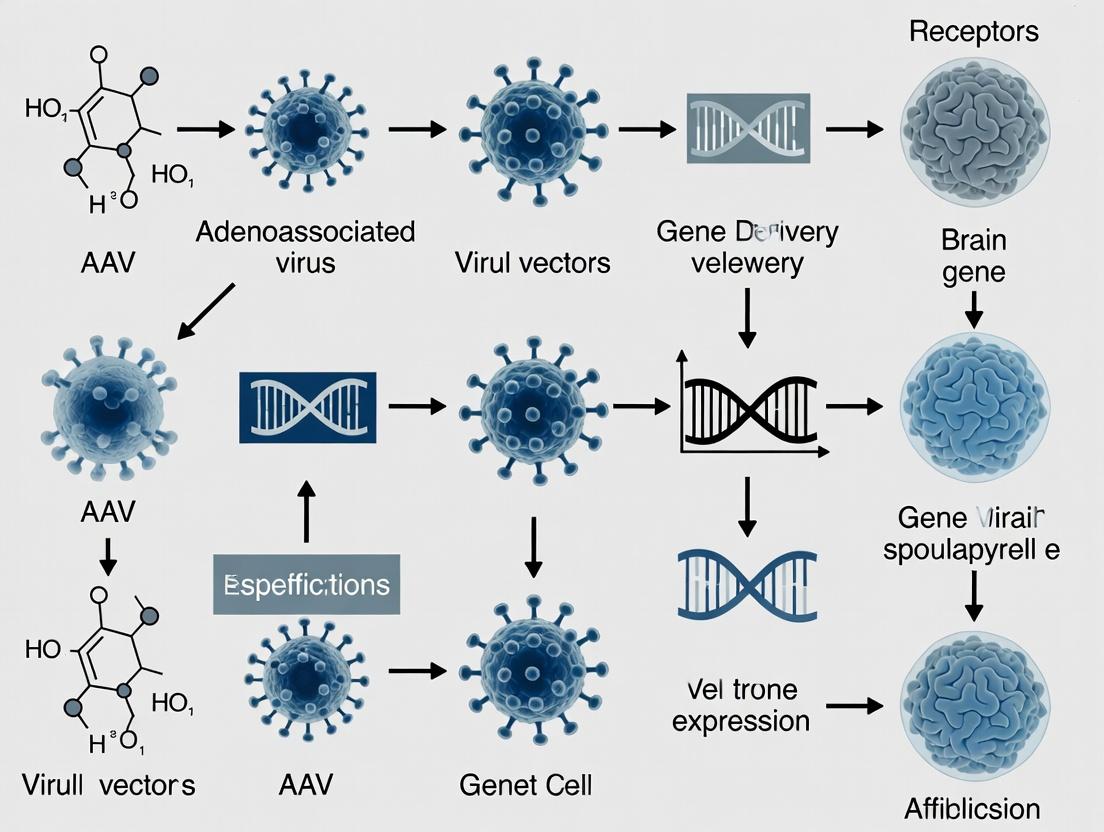
This article provides a comprehensive overview of Adeno-Associated Virus (AAV) vectors as tools for brain gene therapy, targeting researchers and drug development professionals.
AAV Vectors for Brain Gene Therapy: Current Advances, Delivery Strategies, and Clinical Translation
Abstract
This article provides a comprehensive overview of Adeno-Associated Virus (AAV) vectors as tools for brain gene therapy, targeting researchers and drug development professionals. It covers the foundational biology of AAV serotypes with neural tropism, explores methodological advances in delivery routes and capsid engineering, addresses critical challenges in immune response, biodistribution, and dosing. Finally, it evaluates preclinical and clinical validation strategies, comparing AAV platforms to other modalities. The synthesis aims to inform rational vector design and accelerate the development of effective CNS gene therapies.
The AAV Toolkit for the Brain: Serotypes, Tropism, and Basic Vector Design
1. Quantitative Advantages of AAV for CNS Gene Therapy
Table 1: Key Properties of AAV Vectors Enabling CNS Gene Therapy
| Property | Quantitative/Qualitative Benefit | Impact on CNS Therapy |
|---|---|---|
| Safety Profile | Non-pathogenic; <2% integration rate in genomes; requires helper virus for replication. | Enables clinical translation with favorable risk profile for chronic CNS disorders. |
| Serotype Diversity | >100 natural variants; numerous engineered capsids (e.g., AAV-PHP.eB, AAV9, AAVrh.10). | Enables cell type-specific (neurons, astrocytes, microglia) and broad CNS tropism via systemic or direct injection routes. |
| Transduction Efficiency | High in neurons; up to 70-90% transduction of target cells in rodent brain regions with optimized capsids/ promoters. | Achieves therapeutic levels of transgene expression for functional rescue. |
| Duration of Expression | Sustained for years in post-mitotic cells (neurons) in preclinical models and human trials. | Ideal for treating chronic neurodegenerative diseases (e.g., SMA, Parkinson's, Huntington's). |
| Packaging Capacity | ~4.7 kb cargo limit. | Sufficient for most cDNA, but limits use for large genes (e.g., full-length dystrophin). |
| Immunogenicity | Lower than adenovirus; pre-existing neutralizing antibodies in 30-60% of population. | CNS is partially immunoprivileged; intraparenchymal delivery may evade systemic immunity. |
Table 2: Comparison of Viral Vectors for CNS Gene Delivery
| Vector | CNS Transduction | Expression Duration | Immunogenicity | Cargo Capacity |
|---|---|---|---|---|
| AAV | Excellent (broad or selective) | Long-term (>years) | Low (mostly humoral) | Small (~4.7 kb) |
| Lentivirus | Good (primarily neurons) | Long-term | Moderate | Large (~8 kb) |
| Adenovirus | High | Transient | High | Large (~8-36 kb) |
2. Experimental Protocol: Intracerebral Injection of AAV in a Murine Model
Protocol Title: Stereotactic Delivery of AAV Vectors to the Mouse Striatum for Gene Expression Analysis.
Objective: To achieve localized, stable transgene expression in the mouse central nervous system for functional studies.
Materials:
- Purified, high-titer AAV vector (>1x10^13 vg/mL) in sterile PBS.
- Adult C57BL/6 mouse (8-12 weeks old).
- Stereotactic frame with mouse adaptor.
- Hamilton syringe (10 µL) with 33-gauge needle.
- Isoflurane anesthesia system.
- Betadine and 70% ethanol for aseptic preparation.
- Heating pad.
- Buprenorphine SR for analgesia.
- Brain matrix or cryostat for sectioning.
- Antibodies for immunohistochemistry.
Procedure:
- Anesthesia & Positioning: Induce and maintain anesthesia with 2-3% isoflurane. Secure the mouse in the stereotactic frame using ear bars and a nose cone. Apply ophthalmic ointment.
- Surgical Site Preparation: Shave the scalp, clean sequentially with betadine and 70% ethanol. Make a midline scalp incision (~1 cm) to expose the skull.
- Bregma Identification & Coordinate Calculation: Identify bregma (the junction of the coronal and sagittal sutures). Set bregma as the zero point (anteroposterior (AP), mediolateral (ML), dorsoventral (DV)). Target coordinates for the striatum: AP +1.0 mm, ML ±2.0 mm, DV -3.0 mm from bregma.
- Burr Hole Drilling: Mark the injection site and carefully drill a small burr hole using a micro-drill, avoiding damage to the dura.
- Virus Injection: Load the Hamilton syringe with AAV vector. Position the needle at AP +1.0, ML +2.0. Slowly lower the needle to DV -3.0 mm. Wait 2 minutes for tissue settling. Infuse 2 µL of virus at a rate of 0.2 µL/min using a microinjection pump. After infusion, leave the needle in place for 5 minutes to prevent backflow.
- Needle Withdrawal & Closure: Slowly withdraw the needle over 2 minutes. Suture the scalp. Administer buprenorphine SR (1 mg/kg, subcutaneous) for postoperative analgesia. Monitor the mouse until fully recovered.
- Analysis: After 3-4 weeks for optimal expression, perfuse-fix the mouse, extract the brain, and analyze transgene expression via immunohistochemistry, in situ hybridization, or functional assays.
3. Visualizations of AAV Biology and Workflows
Title: AAV Intracellular Trafficking Pathway
Title: CNS Gene Therapy Experiment Workflow
4. The Scientist's Toolkit: Research Reagent Solutions
Table 3: Essential Reagents for AAV-Based CNS Gene Therapy Research
| Reagent/Material | Function/Purpose | Example/Notes |
|---|---|---|
| AAV Serotype Kits | Screen capsids for optimal CNS cell type tropism. | AAV9 (broad CNS), AAV-PHP.eB (enhanced BBB crossing in mice), AAVrh.10 (primate CNS). |
| Cell-Type Specific Promoters | Drive transgene expression in target CNS populations. | hSyn (neurons), GFAP (astrocytes), CAG (ubiquitous, strong). |
| Stereotactic Frame & Injectors | Precise delivery of AAV to defined brain regions in rodents. | Hamilton syringes with 33-gauge needles; automated microinjection pumps. |
| High-Titer AAV Purification Kits | Purify virus to >1e13 vg/mL for in vivo use. | Iodixanol gradient ultracentrifugation or affinity chromatography columns. |
| Titer Quantification Kits | Accurately measure viral genome concentration. | ddPCR kits (preferred over qPCR for absolute quantification). |
| Neutralizing Antibody Assay | Assess pre-existing humoral immunity in serum. | In vitro transduction inhibition assays using reporter AAV. |
| Immunohistochemistry Antibodies | Validate transduction pattern and transgene expression. | Anti-AAV capsid antibodies; antibodies against transgene product (e.g., GFP, therapeutic protein). |
| In Vivo Imaging Agents | Monitor biodistribution non-invasively. | AAV encoding bioluminescent (Luciferase) or fluorescent (GFP) reporters; MRI contrast agents. |
Within the broader thesis on adeno-associated virus (AAV) vectors for brain gene therapy, the selection of capsid serotype is a critical determinant of success. This application note details four pivotal capsid classes for central nervous system (CNS) targeting: the systemically administered AAV9 and AAVrh.10, the blood-brain barrier (BBB)-transducing PHP.eB, and retrograde capsids for circuit-specific delivery. Their distinct tropisms, transduction efficiencies, and immune profiles enable tailored experimental and therapeutic strategies for neurodegenerative diseases, neurometabolic disorders, and circuit mapping.
Comparative Serotype Profiles
The quantitative profiles of these serotypes, derived from recent in vivo studies in rodents and non-human primates (NHPs), are summarized below.
Table 1: Key Characteristics of Brain-Targeting AAV Serotypes
| Serotype | Primary Administration Route | Key Receptor (if known) | Primary CNS Cell Tropism | Transduction Efficiency (Rodent Cortex) | Immune Cross-Reactivity (vs. AAV2) | Notable Feature |
|---|---|---|---|---|---|---|
| AAV9 | Intravenous (IV), Intracerebroventricular (ICV) | Galactose, LamR | Neurons, Astrocytes, Microglia | ~15-25% neurons (IV, high dose) | Low | Crosses BBB in neonates & adults; robust pan-CNS expression. |
| AAVrh.10 | IV, ICV | Unknown (likely similar to AAV9) | Neurons, Astrocytes | ~20-30% neurons (IV, high dose) | Low | Enhanced neuronal tropism vs. AAV9 in some regions; used in clinical trials. |
| PHP.eB | Intravenous (IV) | LY6A (mouse), human ortholog uncertain | Predominantly Neurons | ~40-60% neurons (IV in Ly6a-expressing mice) | High (capsid derived from AAV9) | Species-dependent. Requires mouse Ly6a for enhanced BBB crossing; not effective in NHPs/humans without engineering. |
| Retrograde Capsids (e.g., AAV2-retro, AAVrg) | Intraparenchymal (Site-specific) | Unknown | Projection Neurons | >70% at injection site; high retrograde labeling | High (based on AAV2) | Enables transduction of neurons projecting to injection site; minimal local glial transduction. |
Table 2: Recommended Dosing Guidelines for Murine Models (IV Administration)
| Serotype | Mouse Strain | Recommended Vector Genome Dose (vg/kg) | Time to Peak Expression | Common Promoter |
|---|---|---|---|---|
| AAV9 | C57BL/6 (Adult) | 1x10^11 - 5x10^11 (ICV); 1x10^12 - 2x10^13 (IV) | 2-4 weeks | CBA, CAG, hSyn |
| AAVrh.10 | C57BL/6 (Adult) | 1x10^12 - 2x10^13 | 3-5 weeks | CAG, hSyn |
| PHP.eB | C57BL/6 (Ly6a+) | 1x10^11 - 5x10^11 | 3-4 weeks | CAG, hSyn, GFAP |
| AAV2-retro | C57BL/6 (Adult) | 1x10^8 - 1x10^9 (injection site volume-dependent) | 3-6 weeks | EF1α, hSyn |
Experimental Protocols
Protocol 1: Systemic Delivery for Widespread CNS Transduction (AAV9, AAVrh.10, PHP.eB)
Objective: Achieve broad, non-invasive gene delivery to the brain via intravenous injection.
- Vector Preparation: Thaw AAV vector on ice. Dilute in sterile, ice-cold PBS to the desired concentration (see Table 2). Keep on ice.
- Animal Preparation: Anesthetize mouse (e.g., using isoflurane). Place under a heat lamp. Apply ophthalmic ointment.
- Injection: Restrain mouse. Gently warm the tail with a heat pad or warm water to dilate the lateral tail veins. Using a 29-30G insulin syringe, inject the vector solution slowly (over ~30-60 seconds) into a tail vein. Total injection volume should not exceed 150-200 µL for an adult mouse.
- Post-procedure: Apply gentle pressure to the injection site. Monitor animal until fully recovered. House in standard conditions.
- Perfusion & Tissue Collection: At the experimental endpoint (e.g., 4 weeks post-injection), deeply anesthetize and transcardially perfuse with ice-cold PBS followed by 4% paraformaldehyde (PFA). Extract the brain, post-fix in PFA for 24h at 4°C, then cryoprotect in 30% sucrose. Section brain coronally at 30-40 µm thickness using a cryostat or vibratome.
Protocol 2: Circuit-Specific Targeting via Retrograde AAVs
Objective: Label and manipulate neurons projecting to a defined brain region.
- Stereotaxic Surgery: Secure anesthetized mouse in a stereotaxic frame. Maintain body temperature. Expose the skull via a midline incision.
- Coordinate Identification: Level the skull. Using bregma as a reference, calculate the stereotaxic coordinates for your target region (e.g., striatum: AP +1.0 mm, ML ±2.0 mm, DV -3.5 mm).
- Viral Injection: Load a 33G Hamilton syringe with AAV2-retro vector (e.g., 1x10^13 vg/mL). Drill a small craniotomy. Lower the syringe to the target depth at a slow, steady rate. Infuse 300-500 nL of virus at a rate of 50-100 nL/min using a microinjection pump.
- Needle Withdrawal: Wait 5-10 minutes post-infusion to minimize backflow. Slowly withdraw the syringe.
- Closure & Recovery: Suture the incision. Administer analgesics. Allow the animal to recover for 3-6 weeks to permit retrograde transport and robust transgene expression.
- Analysis: Perfuse and section the brain (as in Protocol 1). Analyze the injection site and upstream regions (e.g., motor cortex for striatal injections) for fluorescent or immunohistochemical labeling.
Protocol 3: Quantitative Transduction Analysis by Immunohistochemistry
Objective: Quantify transduction efficiency and cell-type tropism in brain sections.
- Section Preparation: Collect free-floating brain sections in PBS.
- Permeabilization & Blocking: Incubate sections in blocking buffer (PBS with 0.3% Triton X-100, 5% normal donkey serum) for 2 hours at room temperature (RT).
- Primary Antibody Incubation: Incubate with primary antibodies in blocking buffer for 48 hours at 4°C on a shaker. Example Cocktail: Chicken anti-GFP (1:1000, labels AAV transgene), Rabbit anti-NeuN (1:500, neurons), Mouse anti-GFAP (1:1000, astrocytes).
- Washing: Wash sections 3 x 10 mins with PBS-T (PBS + 0.1% Tween-20).
- Secondary Antibody Incubation: Incubate with species-appropriate fluorophore-conjugated secondary antibodies (e.g., Alexa Fluor 488, 568, 647) in blocking buffer for 2 hours at RT, protected from light.
- Mounting & Imaging: Wash, mount sections on slides with DAPI-containing mounting medium. Image using a confocal or epifluorescence microscope with tiling capabilities.
- Quantification: Use image analysis software (e.g., FIJI/ImageJ, Imaris). Count GFP+ cells within a defined region of interest (ROI). Co-localize with NeuN or GFAP signals to determine neuronal vs. glial transduction percentage. Analyze data from n≥3 animals per group.
Visualizations
Title: Systemic AAV Brain Targeting Pathways
Title: Retrograde AAV Transduction Workflow
The Scientist's Toolkit: Research Reagent Solutions
Table 3: Essential Reagents for AAV Brain Targeting Studies
| Reagent / Material | Supplier Examples | Function & Application Notes |
|---|---|---|
| High-Titer AAV Preps (>1e13 vg/mL) | Penn Vector Core, Addgene, Vigene, academic cores | Essential for in vivo efficacy; ensures sufficient viral genomes reach CNS targets, especially for systemic delivery. |
| Sterile PBS (pH 7.4) | Thermo Fisher, Sigma | Standard vehicle for diluting AAV vectors prior to injection to preserve capsid integrity. |
| Isoflurane Vaporizer System | Patterson Veterinary, Harvard Apparatus | Gold-standard for safe, adjustable anesthesia during surgical and IV injection procedures. |
| Stereotaxic Instrument | Kopf Instruments, RWD Life Science | Provides precise 3D coordinate targeting for intracranial injections (e.g., for retrograde AAVs). |
| Microinjection Pump & Syringe | World Precision Instruments, Hamilton | Enables ultra-slow, controlled delivery of small viral volumes (nL-µL) to minimize tissue damage and backflow. |
| Anti-AAV Neutralizing Antibody Assay Kit | Progen, Cygnus Technologies | Quantifies pre-existing or therapy-induced neutralizing antibodies critical for translational study design. |
| Cell-Type Specific Antibodies | Synaptic Systems, Abcam, Millipore | For IHC co-staining (e.g., NeuN, GFAP, Iba1) to quantify tropism and transduction efficiency post-mortem. |
| LY6A (SCA-1) Antibody | BioLegend, eBioscience | To confirm LY6A expression in mouse strains used for PHP.eB studies; critical for result interpretation. |
| In Vivo Imaging System (IVIS) | PerkinElmer | For longitudinal, non-invasive tracking of bioluminescent (e.g., luciferase) reporter expression. |
Understanding Cellular Tropism and Transduction Efficiency in Neurons vs. Glia
The success of adeno-associated virus (AAV)-mediated gene therapy for neurological disorders hinges on precise cellular targeting. A critical parameter is the differential cellular tropism—the natural preference of a viral capsid for a particular cell type—and transduction efficiency—the proportion of successfully transduced cells—for neurons versus glia (astrocytes, oligodendrocytes, microglia). This application note, framed within a thesis on AAV vectors for brain gene therapy, details the comparative analysis of these properties across serotypes and provides protocols for their empirical determination.
Quantitative Comparison of AAV Serotypes in the CNS
Live search data (2023-2024) from recent primary literature and reagent catalogs summarize key performance metrics for commonly used serotypes in rodent brain studies. Note: Efficiency can vary significantly based on promoter, route of administration, and species.
Table 1: Tropism and Transduction Efficiency of Selected AAV Serotypes in the Murine CNS
| AAV Serotype | Primary Cellular Tropism In Vivo | Relative Neuronal Efficiency (vs. AAV9) | Relative Glial Efficiency (vs. AAV9) | Common Promoters Used for Enhanced Targeting |
|---|---|---|---|---|
| AAV1 | Neurons (broad), some astrocytes | ~1.5x | ~0.8x | CAG, Synapsin, hGFAP |
| AAV2 | Neurons (local near injection) | ~0.7x | ~0.2x | CBA, Synapsin |
| AAV5 | Neurons, photoreceptors | ~1.2x | ~1.5x (astrocytes) | CAG, GFAP |
| AAV8 | Neurons (broad) | ~1.8x | ~0.5x | CAG, CamKIIa |
| AAV9 | Broad: neurons & astrocytes | 1.0 (reference) | 1.0 (reference) | CAG, SYN1, GFAP |
| AAVrh.10 | Widespread neurons | ~1.6x | ~0.7x | CAG, Synapsin |
| AAV-PHP.eB | Widespread neurons (in mice) | ~2.5x (CNS-wide) | ~0.3x | CAG, Ef1α |
| AAV-F | High neuronal, lower glial | ~2.0x | ~0.4x | CAG, hSyn |
| AAV-DJ | Moderate neuronal | ~1.3x | ~1.1x | CMV, CAG |
Table 2: Key Determinants of Tropism and Efficiency
| Determinant | Impact on Neuronal Transduction | Impact on Glial Transduction | Experimental Modulator |
|---|---|---|---|
| Capsid Glycan Binding | Influences entry via specific surface receptors (e.g., N-linked glycans for AAV9 on astrocytes). | Critical for AAV9 and AAV5 astrocyte tropism. | Enzymatic removal of surface glycans (e.g., Neuraminidase). |
| Primary Receptor (e.g., AAVR) | Essential for entry of many serotypes; ubiquitously expressed. | Similar necessity, but downstream factors dictate efficiency. | CRISPR knockout of AAVR gene. |
| Promoter Selection | Neuron-specific: hSyn, CamKIIa, mDlx. Broad: CAG, CBA. | Glia-specific: GFAP, mGfap, MGMT. Broad: CAG. | Swapping promoters in the same AAV backbone. |
| Route of Administration (e.g., Intracranial vs. Intravenous) | Direct injection yields high local neuronal transduction. IV with PHP.eB yields widespread neurons. | Direct injection can target specific glial populations. IV AAV9 crosses BBB, transducing perivascular astrocytes. | Comparative study of injection routes. |
| Titer (vg/mL) | Saturation kinetics; higher titer increases neuronal uptake until receptor-limited. | Often requires higher MOI in vitro for efficient transduction compared to neurons. | Dose-response curve (e.g., 1e10 - 1e12 vg/injection). |
Detailed Experimental Protocols
Protocol 1:In VitroQuantification of Tropism and Efficiency in Mixed Cortical Cultures
Objective: To compare the transduction efficiency and specificity of different AAV serotypes for primary neurons versus astrocytes in a co-culture system.
Materials: See "The Scientist's Toolkit" below.
Procedure:
- Culture Preparation: Isolate and plate primary cortical cells from P0-P1 rat or mouse pups. Maintain in Neurobasal Plus medium for 7-10 DIV to establish mature neurons on a bed of astrocytes.
- AAV Treatment: Dilute each AAV serotype (e.g., AAV5-CAG-GFP, AAV9-CAG-GFP, AAV1-CAG-GFP) in fresh, pre-warmed maintenance medium to a final concentration of 1e10 vg/mL. Include a PBS-treated control.
- Transduction: At DIV 7, carefully replace 50% of the culture medium with the virus-containing medium. Incubate for 72 hours at 37°C, 5% CO₂.
- Immunostaining: Fix cells with 4% PFA for 15 min. Permeabilize and block with 0.1% Triton X-100 + 5% NGS for 1 hour.
- Label neurons with mouse anti-MAP2 (1:1000).
- Label astrocytes with rabbit anti-GFAP (1:1000).
- Use anti-mouse Alexa Fluor 568 and anti-rabbit Alexa Fluor 647 secondary antibodies.
- The AAV-expressed GFP is directly visualized.
- Imaging & Quantification: Acquire ≥10 random fields per well using a high-content imager or confocal microscope.
- Use DAPI to identify all nuclei.
- Thresholding: Identify MAP2+ cells as neurons, GFAP+ cells as astrocytes.
- Quantification: Calculate Transduction Efficiency as (GFP+ cells within a specific cell population) / (Total cells in that population) * 100%.
- Calculate Specificity Index as (Neuronal Transduction Efficiency) / (Glial Transduction Efficiency). An index >1 indicates neuronal preference.
Protocol 2:In VivoAnalysis Following Stereotaxic Injection
Objective: To assess cell-type-specific transduction efficiency of AAV serotypes in the rodent brain.
Procedure:
- Surgery: Anesthetize adult C57BL/6 mouse and secure in stereotaxic frame. Inject 1-2 µL of AAV preparation (titer: 1e12 – 1e13 vg/mL) into the target region (e.g., striatum: AP +1.0 mm, ML ±2.0 mm, DV -3.0 mm from Bregma) at a rate of 0.2 µL/min. Leave needle in place for 5 min post-injection before withdrawal.
- Perfusion & Sectioning: After 3-4 weeks, transcardially perfuse mouse with PBS followed by 4% PFA. Dissect brain, post-fix overnight, and section coronally at 40 µm thickness using a vibratome.
- Immunohistochemistry: Process free-floating sections as per Protocol 1, using anti-NeuN (neurons), anti-GFAP or anti-Iba1 (microglia), and anti-Olig2 (oligodendrocytes) antibodies.
- Quantitative Analysis: Perform whole-section tile scanning or confocal z-stacks of the injection site. Using image analysis software (e.g., Fiji/ImageJ, Imaris):
- Define a region of interest (ROI) around the injection core.
- Use cell-counter plugins to manually or automatically count total transduced cells (GFP+) and cell-type-specific markers (NeuN+, GFAP+, etc.).
- Report data as: a) Percentage of GFP+ cells that are NeuN+ or GFAP+; b) Transduction area (mm²) for each cell type.
Visualization Diagrams
AAV Transduction Pathway from Binding to Expression
Experimental Workflow for In Vitro and In Vivo Tropism Analysis
The Scientist's Toolkit: Research Reagent Solutions
Table 3: Essential Materials for AAV Tropism Studies
| Item | Example Product/Catalog # | Function in Experiment |
|---|---|---|
| AAV Serotypes | AAV1, AAV2, AAV5, AAV8, AAV9 (e.g., from Addgene, Vigene, or in-house production) | The core variable; different capsids confer distinct tropism. |
| Cell-Type-Specific Promoters | pAAV-hSyn1-GFP (neuronal), pAAV-GFAP-GFP (astrocyte), pAAV-CAG-GFP (broad) from Addgene. | Drives transgene expression in target cells; critical for confirming/post-hoc modifying tropism. |
| Primary Antibodies | Chicken anti-GFP (Aves), Mouse anti-MAP2 (Synaptic Systems), Rabbit anti-GFAP (Dako), Rabbit anti-Iba1 (Fujifilm), Mouse anti-NeuN (Millipore). | Identify transduced cells (GFP) and specific neural cell types for co-localization analysis. |
| Live-Cell Imaging Dyes | CellTracker Red CMTPX (Thermo Fisher), Hoechst 33342. | Label live neurons/glia and nuclei for in vitro quantification pre-fixation. |
| Stereotaxic Injector | Nanoject III (Drummond) or UMP3 with SYS-Micro4 Controller (WPI). | Precise, automated delivery of AAV into discrete brain regions in vivo. |
| High-Content Imager | ImageXpress Micro Confocal (Molecular Devices) or Lionheart FX (BioTek). | Automated acquisition and initial analysis of multi-well plate in vitro experiments. |
| Image Analysis Software | Fiji/ImageJ (open source), Imaris (Oxford Instruments), HALO (Indica Labs). | Perform cell counting, co-localization, and transduction area measurements. |
| Primary Cortical Culture Kit | Primary Cortical Neuron Isolation Kit (Thermo Fisher) or BrainPhys Neuronal Medium (STEMCELL Tech). | Provides consistent, high-viability primary cells for in vitro screening. |
Within the framework of a thesis on adeno-associated virus (AAV) vectors for brain gene therapy research, the design of the expression cassette is paramount. It dictates the specificity, potency, longevity, and safety of transgene expression. This application note details the core components—promoters, transgenes, and regulatory elements—and provides protocols for their evaluation in preclinical models of neurological disorders.
Core Component Specifications & Quantitative Comparison
Table 1: Promoter Classes for CNS-Targeted AAV Vectors
| Promoter Type | Name/Abbreviation | Approx. Size (bp) | Expression Profile | Relative Strength in Neurons* | Key Applications in Brain Research |
|---|---|---|---|---|---|
| Constitutive | Cytomegalovirus (CMV) | ~600-800 | Broad, strong across cell types | High (but non-specific) | Initial proof-of-concept, strong overall expression |
| Constitutive | CAG (hybrid) | ~1300-1700 | Very strong, ubiquitous | Very High | Global CNS expression, requires high levels |
| Cell-Type Specific | Synapsin I (Syn) | ~470-500 | Neuron-specific | High | Pan-neuronal expression, excludes glia |
| Cell-Type Specific | Human GFAP (hGFAP) | ~680-2200 | Astrocyte-specific | N/A (glial) | Astrocyte-targeted therapies, disease modeling |
| Cell-Type Specific | CaMKIIα | ~1200-1300 | Excitatory neuron-specific (forebrain) | Moderate-High | Targeting cortical/hippocampal neurons |
| Cell-Type Specific | mDlx | ~220-500 | GABAergic interneuron-specific | Moderate | Epilepsy, circuit modulation |
| Minu | MiniPromoters (e.g., MeCP2, NSE) | <500 | Cell-type or region-specific | Variable | Reduced cassette size, enhanced tropism |
| Inducible | Tet-On/Off System | ~200-400 + effector | Doxycycline-regulated | Dependent on base promoter | Reversible expression, dose-titration studies |
*Relative strength is a qualitative comparison based on common reporter assays (e.g., fluorescence intensity).
Table 2: Common Regulatory Elements in AAV Cassettes
| Element Type | Name/Abbreviation | Typical Size (bp) | Primary Function | Impact on Brain Expression |
|---|---|---|---|---|
| Intron | Synthetic Intron (e.g., chimeric intron) | ~100-200 | Enhance mRNA nuclear export and stability | Can increase expression levels 2-10 fold. |
| WPRE | Woodchuck Hepatitis Virus Posttranscriptional Regulatory Element | ~600 | Enhances mRNA stability and translational efficiency | Increases protein yield ~2-8 fold. Use truncated version (~400bp) for size constraints. |
| polyA Signal | Bovine Growth Hormone (bGH) | ~200-250 | Ensures proper transcriptional termination & mRNA stability. | Standard choice; robust performance. |
| polyA Signal | Simian Virus 40 (SV40) | ~120-200 | Alternative polyA signal. | Smaller, occasionally used in space-constrained designs. |
| ITRs | AAV2 Inverted Terminal Repeats | ~145 each | Essential for viral genome packaging, replication, and integration. | Serotype determines tropism; ITR serotype can influence expression stability. |
Experimental Protocols
Protocol 1:In VitroScreening of Promoter Strength and Specificity
Objective: To quantitatively compare the activity and cell-type preference of different promoters in primary neuronal cultures or relevant cell lines before in vivo AAV production.
Materials: See "The Scientist's Toolkit" (Section 5).
Method:
- Cloning: Sub-clone candidate promoters (e.g., Syn, CaMKIIα, CAG) upstream of a luciferase (e.g., NanoLuc) or fluorescent protein (e.g., EGFP) reporter gene in an AAV backbone plasmid. Ensure all constructs contain a standard intron, WPRE, and polyA signal.
- Cell Culture: Plate primary rat/mouse cortical neurons (for neuronal promoters) or a mixed glial culture (for astrocyte promoters) in 24-well plates. Include a relevant cell line (e.g., HEK293T) as a control for ubiquitous promoters.
- Transfection: At DIV 3-7 (for neurons) or at 70-80% confluency, transfect cells with 500 ng of each AAV plasmid DNA using a lipid-based transfection reagent optimized for primary cells. Include a promoter-less vector as a negative control and a CMV promoter vector as a baseline control. Perform triplicate transfections per construct.
- Analysis (48-72h post-transfection):
- Quantitative (Luciferase): Lyse cells and assay using a commercial luciferase assay kit. Normalize luminescence to total protein content (BCA assay).
- Qualitative/Cell-Type Specificity (Fluorescence): Fix cells and immunostain for cell markers (e.g., NeuN for neurons, GFAP for astrocytes). Image using confocal microscopy. Calculate the percentage of fluorescent cells that are co-labeled with specific markers.
- Data Interpretation: Plot normalized luminescence (mean ± SD) to compare absolute strength. The co-localization analysis determines promoter specificity (% expression in target cell type).
Protocol 2:In VivoEvaluation of AAV Cassette Performance in Mouse Brain
Objective: To assess the expression kinetics, distribution, and durability of a fully packaged AAV vector harboring the candidate expression cassette.
Method:
- AAV Production: Package the final plasmid construct (Promoter-Transgene-WPRE-bGHpolyA flanked by AAV2 ITRs) into the desired capsid (e.g., AAV9, AAV-PHP.eB, AAVrh.10) using a triple-transfection method in HEK293 cells, followed by purification via iodixanol gradient ultracentrifugation and concentration. Titrate via qPCR (genome copies/mL, GC/mL).
- Stereotactic Surgery: Anesthetize adult C57BL/6 mice and secure in a stereotactic frame. Perform a craniotomy at the target coordinate (e.g., striatum: AP +1.0 mm, ML ±2.0 mm, DV -3.0 mm from bregma). Inject 1-2 µL of AAV (e.g., 1x10^9 GC) at a rate of 0.1 µL/min using a 33-gauge Hamilton syringe. Leave the needle in place for 5-10 minutes post-injection before withdrawal.
- Longitudinal Analysis:
- Time Points: Sacrifice cohorts of animals at 1, 2, 4, 8, and 12+ weeks post-injection (n=4-5 per group).
- Tissue Processing: Perfuse transcardially with PBS followed by 4% PFA. Extract and post-fix brains overnight, then section coronally (40-50 µm) using a vibratome.
- Immunohistochemistry: Perform free-floating immunostaining for the transgene product (if not fluorescent) and cell-specific markers. Use high-resolution fluorescence or confocal microscopy.
- Quantification: Using image analysis software (e.g., ImageJ, Imaris), quantify: a) the volume of transduction, b) the number of transgene-positive cells, c) the cell-type specificity (% co-localization), and d) the mean fluorescence intensity per cell over time to assess stability.
- Safety Assessment: Analyze adjacent Nissl-stained sections for signs of toxicity (e.g., gliosis, vacuolation). Assess animal weight and behavior longitudinally.
Visualization Diagrams
Diagram 1: AAV Expression Cassette Structure & Function
Diagram 2: AAV Cassette Design & Testing Workflow
The Scientist's Toolkit: Research Reagent Solutions
Table 3: Essential Materials for AAV Cassette Development
| Item/Category | Example Product/Supplier | Function in Experiment |
|---|---|---|
| AAV Cloning Vector | pAAV-MCS (Agilent), pAAV-hSyn-EGFP (Addgene #50465) | Backbone plasmid containing AAV2 ITRs for easy insertion of custom cassettes. |
| Promoter Plasmid Library | Various from Addgene (e.g., pENN.AAV.hSynapsin... ) | Source of well-characterized, pre-validated promoter sequences for cloning. |
| Transfection Reagent (Primary Neurons) | Lipofectamine 3000 (Thermo), CalPhos (Clontech) | For efficient delivery of plasmid DNA into hard-to-transfect primary cell cultures. |
| Cell-Specific Antibodies | Anti-NeuN (Millipore MAB377), Anti-GFAP (Abcam ab7260) | Immunohistochemical validation of promoter specificity in vitro and in vivo. |
| AAV Purification Kit | AAVpro Purification Kit (Takara), Iodixanol (Sigma) | For purifying and concentrating packaged AAV vectors from cell lysates. |
| Titer Quantification Kit | AAVpro Titration Kit (Takara), ddPCR Supermix (Bio-Rad) | Accurate determination of viral genome titer (GC/mL) essential for dosing. |
| Stereotactic Injector | Nanoject III (Drummond), UltraMicroPump (WPI) | Precise, automated delivery of small-volume AAV inoculates into rodent brain. |
| In Vivo Imaging System | IVIS Spectrum (PerkinElmer), confocal microscope (Zeiss, Nikon) | Longitudinal tracking of bioluminescent reporters or high-resolution ex vivo analysis of fluorescence. |
Natural and Engineered Blood-Brain Barrier Penetration Capabilities
The effective delivery of adeno-associated virus (AAV) vectors across the blood-brain barrier (BBB) remains the pivotal challenge in advancing in vivo brain gene therapy. This document details the natural properties and engineered strategies that confer BBB-penetrating capabilities, providing essential application notes and protocols for researchers. The content is framed within a broader thesis aiming to develop next-generation, systemically administrable AAV vectors for treating central nervous system disorders.
Comparative Analysis of Natural and Engineered Penetration Mechanisms
Table 1: Quantitative Comparison of BBB Penetration Strategies for AAV Vectors
| Penetration Strategy | Mechanism of Action | Typical AAV Serotype/Capsid | Reported Transduction Efficiency in CNS (vs. AAV9) | Key Limiting Factors | Primary Experimental Model |
|---|---|---|---|---|---|
| Natural Tropism | Receptor-mediated transcytosis (e.g., LY6A, CD9) | AAV9, AAV-PHP.eB, AAV-PHP.S | 10-40x (PHP.eB in C57BL/6J) | Species/Strain-specificity (LY6A), variable human translation | C57BL/6J mice |
| Receptor-Targeting Ligands | Ligand (e.g., transferrin)-receptor binding | AAV-TfRscFv, AAV-TfRmL | 5-15x (vs. parental) | Affinity vs. transport trade-off, immune recognition | BALB/c mice, Non-human primates |
| Cell-Penetrating Peptides (CPPs) | Electrostatic/membrane disruption | AAV-TAT, AAV-Penetratin | 2-8x (vs. unmodified) | Off-target binding, potential toxicity, serum instability | ICR mice, in vitro BBB models |
| Bioluminescent-Optogenetic | Focused Ultrasound (FUS) + Microbubbles | AAV9 + FUS | 20-50x in targeted region | Invasiveness, need for specialized equipment, safety | Sprague-Dawley rats |
| Transcytosis Engineering | Capsid evolution via in vivo screening | AAV.CAP-B10, AAV.AS | Up to 100x in specific cell types (e.g., astrocytes) | Screening library diversity, potential immunogenicity | Humanized mouse models |
Table 2: Key Quantitative Metrics for BBB Penetration Evaluation
| Metric | Method of Measurement | Typical Value for AAV9 (IV) | Target for Engineered Vectors | Notes |
|---|---|---|---|---|
| Brain-Wide Vector Genome (VG) Distribution | qPCR of homogenized brain | 1e4 - 1e5 VG/µg DNA | >1e6 VG/µg DNA | Normalize to total DNA or weight. |
| Transduction Efficiency (%) | IHC/IF for transgene expression | 1-5% of target cells (e.g., neurons) | >30% of target cells | Highly cell-type dependent. |
| Serum Neutralization Resistance | In vitro neutralization assay | Low (highly neutralized) | High (<50% neutralization at 1:20 serum) | Critical for re-administration. |
| Biodistribution Ratio (Brain:Liver) | qPCR of organ homogenates | ~1:10,000 | Aim for 1:100 to 1:1000 | Key indicator of targeting specificity. |
| Onset of Expression (Days) | Longitudinal bioluminescence | 7-14 days post-IV | <7 days post-IV | Faster onset indicates efficient transport. |
Detailed Experimental Protocols
Protocol 1:In VivoEvaluation of Engineered AAV BBB Penetration in Mice
Objective: Quantify the brain transduction efficiency and specificity of a novel AAV capsid following systemic administration.
Materials: See "The Scientist's Toolkit" below. Procedure:
- Vector Preparation: Dilute purified AAV vectors (e.g., engineered capsid vs. AAV9 control) in sterile PBS+0.001% Pluronic F-68 to a working concentration of 1e13 vg/mL. Keep on ice.
- Systemic Administration: Anesthetize adult (8-12 week) C57BL/6J mice (n=5-6 per group). Warm the tail vein under a lamp for 1-2 minutes. Inject 100 µL of vector solution via the lateral tail vein (total dose: 1e12 vg/mouse). Record exact volume administered.
- Perfusion and Tissue Collection: At the predetermined endpoint (e.g., 3-4 weeks post-injection), deeply anesthetize the animal. Perfuse transcardially with 20 mL of ice-cold PBS followed by 20 mL of 4% PFA. Extract brain and liver. Hemisect the brain sagittally: one half for molecular analysis (flash-frozen in LN2), the other for histology (post-fix in 4% PFA for 24h, then transfer to 30% sucrose).
- Quantitative Biodistribution (qPCR): a. Extract total DNA from ~20 mg of frozen tissue using a DNeasy Blood & Tissue Kit. b. Quantify DNA concentration via spectrophotometry. c. Perform TaqMan qPCR assay using primers/probe specific to the AAV ITR or a ubiquitous transgene sequence. Use a standard curve of plasmid containing the target sequence (10^7 to 10^1 copies). d. Calculate vector genome (VG) copies per µg of total genomic DNA. Present as mean ± SEM.
- Histological Analysis: Section the fixed brain (40 µm coronal sections) using a cryostat or vibratome. Perform immunohistochemistry (IHC) for the transgene product (e.g., GFP) and cell-type markers (e.g., NeuN for neurons, GFAP for astrocytes). Image using confocal microscopy. Quantify the percentage of transgene-positive cells within a defined region (e.g., cortex, striatum) using automated cell-counting software (e.g., ImageJ/Fiji).
Protocol 2:In VitroHuman BBB Transcytosis Assay
Objective: Measure the direct transcytosis capability of AAV capsids across a polarized monolayer of human brain endothelial cells.
Materials: See "The Scientist's Toolkit" below. Procedure:
- BBB Model Setup: Seed human brain microvascular endothelial cells (e.g., hCMEC/D3 or iPSC-derived BMECs) at high density (1.5e5 cells/cm²) onto a collagen-IV and fibronectin-coated transwell insert (0.4 µm pore, 12-well format). Culture for 5-7 days with medium change every other day. Monitor Transendothelial Electrical Resistance (TEER) daily using an epithelial voltohmmeter. Use inserts only when TEER exceeds 150 Ω·cm² (for hCMEC/D3) or 1000 Ω·cm² (for iPSC-BMECs).
- Vector Application: On the day of assay, replace the medium in both the apical (top, 0.5 mL) and basolateral (bottom, 1.5 mL) compartments with fresh, pre-warmed assay medium (e.g., EGM-2MV + 1% BSA). Add AAV vectors (1e10 vg in 100 µL) to the apical compartment. Incubate at 37°C, 5% CO2.
- Sample Collection: At time points (e.g., 1, 2, 4, 8, 24h), carefully collect 100 µL from the basolateral compartment and replace with an equal volume of fresh medium. Store samples at -80°C.
- Transcytosis Quantification: Thaw samples. Treat with DNase I (37°C, 30 min) to degrade any unprotected DNA, followed by DNase inactivation (75°C, 10 min). Perform proteinase K digestion to release viral genomes. Extract DNA and quantify AAV genomes via qPCR as in Protocol 1, step 4. Calculate the percentage of applied vector that has transcytosed (% Transport = (VG in basolateral / VG applied apically) * 100).
- Integrity Check: At the end of the experiment, measure final TEER and perform a fluorescence permeability assay using 10 kDa FITC-dextran to confirm monolayer integrity. Data from inserts with significant leakage should be discarded.
Visualizations: Signaling Pathways and Workflows
Diagram 1: Engineered AAV BBB Transcytosis Pathway (76 chars)
Diagram 2: In Vivo AAV Capsid Selection Workflow (76 chars)
The Scientist's Toolkit: Key Research Reagent Solutions
Table 3: Essential Materials for BBB Penetration Studies
| Item | Function/Benefit | Example Product/Catalog # | Notes |
|---|---|---|---|
| AAV Purification Kit | High-purity, research-scale AAV preparation; essential for in vivo work. | AAVpro Purification Kit (Takara) / PEG Precipitation Kit (System Biosciences) | Affinity column methods yield higher purity than PEG precipitation. |
| Ready-to-Use In Vitro BBB Model | Validated, reproducible human cell model for transcytosis screening. | Millicell hCMEC/D3 Kit (Merck) / STEMdiff BBB Kit (StemCell Tech.) | iPSC-derived models offer superior barrier properties but are more costly. |
| TEER Measurement System | Quantitative, non-destructive assessment of endothelial monolayer integrity. | EVOM3 with STX2 Chopstick Electrodes (World Precision Instruments) | Critical for validating in vitro BBB models pre-assay. |
| Sensitive AAV Genome qPCR Kit | Accurate, specific quantification of vector biodistribution and transcytosis. | AAV Genome Titration Kit (qPCR) (Vector Biolabs) / ITR-specific primer-probe sets | Use a kit resistant to PCR inhibitors from tissue DNA. |
| High-Sensitivity IHC Antibodies | Detection of low-level transgene expression in brain sections. | Anti-GFP Chicken IgY (Aves Labs) / Anti-mCherry Rabbit IgG (BioVision) | Chicken IgY reduces background in mouse tissue. |
| Tail Vein Injection Aids | Facilitates reliable, stress-free systemic vector delivery in mice. | Mouse Tail Vein Restrainer (Braintree Scientific) / Heated Pad | Warming the tail is crucial for consistent vein dilation. |
| Tissue DNA Isolation Kit | Efficient DNA extraction from brain/liver for qPCR biodistribution. | DNeasy Blood & Tissue Kit (Qiagen) / Monarch Genomic DNA Purification Kit (NEB) | Consistent recovery is key for comparative VG/µg DNA calculations. |
| Collagen IV & Fibronectin | Coating for in vitro BBB models to promote endothelial attachment and phenotype. | Cultrex Rat Collagen IV (R&D Systems) / Human Fibronectin (Gibco) | A mixture often yields the best monolayer formation. |
From Bench to Brain: Delivery Routes, Capsid Engineering, and Therapeutic Applications
Within the development of adeno-associated virus (AAV) vectors for brain gene therapy, the choice of delivery route is a primary determinant of transduction efficiency, biodistribution, and translational feasibility. This application note contrasts direct intraparenchymal injection with global CNS delivery via intracerebrospinal fluid (intra-CSF) and intravenous (IV) routes, providing protocols and analysis for research and preclinical development.
Table 1: Key Quantitative Parameters of AAV Delivery Routes to the CNS
| Parameter | Direct Intraparenchymal | Intra-CSF (e.g., ICM, IT) | Intravenous (Systemic) |
|---|---|---|---|
| Primary AAV Serotypes | AAV1, AAV2, AAV5, AAV9, AAVrh.10 | AAV9, AAVhu68, AAV-BR1, AAV-PHP.eB | AAV9, AAV-PHP.B, AAV-PHP.eB, AAV.CAP-B10 |
| Typical Vector Dose (Mouse) | 1e9 – 1e10 vg/site | 1e10 – 1e11 vg (ICM), 1e11 – 1e12 vg (IT) | 1e11 – 1e12 vg/g body weight |
| Transduction Pattern | Focal, centered on injection site | Widespread, gradient from CSF spaces | Widespread, dependent on BBB crossing |
| Key Transduced Cells | Local neurons, glia | Ependyma, superficial brain/spinal cord neurons, meninges | Widespread neurons & astrocytes (serotype-dependent) |
| Off-Target Organ Exposure | Very Low | Moderate (dorsal root ganglia, peripheral organs) | High (liver > heart, skeletal muscle) |
| Invasiveness / Risk | High (stereotactic surgery) | Moderate (cisternal puncture) to Low (lumbar puncture) | Low |
| Therapeutic Window (Focal vs. Global) | Ideal for focal disorders (e.g., Parkinson's) | Suitable for diffuse CNS disorders (e.g., MPS) | Required for whole-brain/spinal cord disorders |
Table 2: Experimental Outcomes in Murine Models (Representative Data)
| Delivery Route | Transduction Efficiency (% of Total Cells in Cortex)* | Spread from Site (mm)* | Liver Transduction (% of Dose)* |
|---|---|---|---|
| Intraparenchymal (AAV9) | ~60-80% (local) | 1-3 | <0.1% |
| Intracisternal Magna (AAV9) | ~10-30% (superficial layers) | Entire neuraxis (rostrocaudal) | ~1-5% |
| Intravenous (AAV-PHP.eB) | ~20-50% (widespread) | Global, parenchymal | >80% |
*Representative ranges from recent literature; actual values vary with dose, serotype, and model.
Detailed Experimental Protocols
Protocol 1: Direct Intraparenchymal Injection (Mouse) Objective: To deliver AAV vector to a precise, deep brain structure. Materials: Stereotactic frame, microsyringe pump (e.g., Nanoject), pulled glass capillary needle, anesthetic, analgesic, AAV vector in sterile PBS. Procedure:
- Anesthetize and secure mouse in stereotactic frame.
- Perform aseptic surgery to expose skull. Identify bregma and lambda.
- Calculate coordinates for target (e.g., Striatum: AP +1.0 mm, ML ±2.0 mm, DV -3.0 mm from bregma).
- Drill a small burr hole at the calculated AP/ML coordinate.
- Load AAV preparation (e.g., 2 µL of 5e12 vg/mL) into the injection system.
- Lower the needle to the DV coordinate at a slow, steady rate.
- Inject vector at a rate of 100 nL/min. Allow needle to remain in place for 5 min post-injection.
- Withdraw needle slowly over 2 min. Suture wound and provide post-op care. Analysis: Perfuse animal at desired timepoint (e.g., 3-4 weeks). Analyze brain sections via IHC/IF for transgene expression.
Protocol 2: Intracisternal Magna (ICM) Injection (Mouse) Objective: For global CSF-mediated CNS delivery with minimal surgical invasiveness. Materials: Anesthetic, micropipette puller, fine glass capillary, micromanipulator, AAV vector. Procedure:
- Anesthetize mouse and place in prone position, head flexed forward.
- Palpate the occipital crest to identify the cisterna magna.
- Using a micromanipulator, insert a glass capillary (tip diameter ~50 µm) at the midline, just caudal to the occipital bone.
- Advance carefully until a slight "pop" is felt and CSF backfills the capillary.
- Inject 10 µL of AAV preparation (e.g., 1e13 vg/mL) over 1-2 minutes.
- Withdraw capillary and hold mouse head-down for 30 seconds to promote rostral flow.
- Allow animal to recover on a warming pad. Analysis: Perfuse at 3-4 weeks. Harvest brain and spinal cord. Analyze serial sections for global expression patterns.
Protocol 3: High-Dose Systemic Intravenous Delivery (Mouse) Objective: To achieve widespread CNS transduction via systemic administration using BBB-crossing capsids. Materials: AAV vector in saline, heating lamp, restraint device, 0.3-0.5 mL insulin syringe with 29G needle. Procedure:
- Warm mouse under a lamp for 2-3 min to dilate tail veins.
- Restrain mouse securely. Clean tail with alcohol.
- Select a lateral tail vein. Inject AAV vector (e.g., 100 µL of 1e13 vg/mL) slowly and steadily.
- Apply pressure to the injection site after needle withdrawal.
- Monitor animal until fully recovered. Critical Note: Dose is weight-based (e.g., 1e11 vg/g). Control for potential acute immune responses. Harvest liver, heart, and CNS tissues for comparative biodistribution analysis.
Visualizations
Diagram 1: CNS Delivery Route Decision Pathway
Diagram 2: Experimental Workflow Comparison
The Scientist's Toolkit: Key Research Reagent Solutions
Table 3: Essential Materials for CNS Delivery Studies
| Item | Function & Application | Example/Note |
|---|---|---|
| AAV Vectors (Custom) | The core therapeutic/delivery agent. Serotype defines tropism. | e.g., AAV9-CB-GFP, AAV-PHP.eB-hSyn-mCherry. Titer ≥ 1e13 vg/mL. |
| Stereotactic Frame & Pump | Enables precise targeting for intraparenchymal delivery. | e.g., Kopf Instruments frame, World Precision Instruments microsyringe pump. |
| Pulled Glass Capillaries | For precise, low-volume injections into brain parenchyma or CSF. | Use a micropipette puller to achieve fine, consistent tips (~50 µm). |
| BBB-Crossing AAV Capsids | Essential for efficient CNS transduction via IV route. | e.g., AAV-PHP.B, AAV-PHP.eB, AAV.CAP-B10. |
| Anti-AAV Neutralizing Ab Assay | Pre-screen animals/models to ensure transduction efficiency. | Critical for NHP/clinical translation. |
| In Vivo Imaging System | Allows longitudinal monitoring of bioluminescent reporters (e.g., luciferase). | Reduces animal numbers by providing temporal data. |
| Dual-Label IHC Antibodies | To colocalize transgene expression with specific cell markers (NeuN, GFAP, Iba1). | Validates cellular tropism of the delivery route. |
| Digital Droplet PCR (ddPCR) | For absolute, high-sensitivity quantification of vector genomes in tissue (biodistribution). | More precise than qPCR for low-copy numbers in CNS. |
| CSF Sampling Kit (Micro) | To monitor vector presence in CSF post intra-CSF or IV delivery. | Guides dose optimization and safety. |
Within the broader thesis on advancing adeno-associated virus (AAV) vectors for brain gene therapy, a central challenge remains the development of capsids that efficiently and specifically transduce central nervous system (CNS) cell types (e.g., neurons, astrocytes, microglia) following systemic administration. Overcoming the blood-brain barrier (BBB), reducing off-target transduction, and evading pre-existing neutralizing antibodies are critical objectives. Next-generation capsid engineering, integrating high-throughput directed evolution with predictive machine learning (ML) models, has emerged as a transformative strategy to create novel AAV variants with enhanced CNS targeting properties.
Application Notes & Core Data
Quantitative Outcomes of Recent CNS-Targeted AAV Capsid Screens
Recent studies employing in vivo directed evolution and ML-guided design have yielded novel capsids with significantly improved CNS transduction profiles compared to benchmark serotypes like AAV9 and AAV-PHP.eB.
Table 1: Performance Metrics of Engineered CNS-Targeting AAV Capsids
| Capsid Name (Study) | Parent Serotype | Administration Route | Key Enhancement | Fold-Improvement vs. AAV9 (CNS) | Primary Model System |
|---|---|---|---|---|---|
| AAV.CAP-B10 (Deverman et al., 2016) | AAV9 | Intravenous (i.v.) | Increased BBB crossing (LY6A-dependent) | ~40x (brain) | C57BL/6 mice |
| AAV-PHP.eB (Chan et al., 2017) | AAV9 | i.v. | Enhanced CNS transduction (LY6A-dependent) | ~30-40x (brain) | C57BL/6 mice |
| AAV-PHP.S (Hordeaux et al., 2019) | AAV9 | i.v. | Improved transduction in Ly6A- mice | Comparable in non-permissive strains | BALB/c mice, NHPs |
| AAV.CAP-Mac (Santiago-Ortiz et al., 2023) | AAV9 | i.v. | Enhanced microglia/astrocyte transduction | 10-50x (specific cell types) | Humanized mouse model |
| AAV-MaCPNS1/2 (Goertsen et al., 2022) | Library-derived | Intracisternal magna (ICM) | Pan-neuronal targeting, systemically inert | >100x (brain vs. liver detargeting) | Mice, NHPs |
| AAV-BI30 (ML-designed) (Davidsson et al., 2021) | Library-derived | i.v. | Efficient BBB crossing, reduced hepatotoxicity | ~20x (brain, liver reduction) | Mice |
Table 2: Machine Learning Model Applications in Capsid Engineering
| ML Approach | Input Data | Prediction Target | Example Outcome | Advantage |
|---|---|---|---|---|
| Supervised Learning (e.g., Random Forest, CNN) | Capsid sequence, in vivo phenotype data | Transduction efficiency, tropism | Identification of key residues for CNS entry | Prioritizes variants from vast sequence space |
| Unsupervised Learning (e.g., t-SNE, UMAP) | High-dimensional screening data | Capsid variant clustering | Discovery of novel functional clusters | Reveals patterns beyond human bias |
| Generative Models (e.g., VAEs, GANs) | Natural & evolved capsid sequences | De novo functional capsid sequences | Creation of synthetic capsids with tailored properties | Explores sequence space beyond natural diversity |
Key Considerations for Translational Application
- Species Specificity: Many evolved capsids (e.g., PHP.eB) rely on mouse-specific receptors (LY6A). Cross-species validation in non-human primates (NHPs) is essential, driving evolution in humanized models or direct NHP screens.
- Delivery Route: While i.v. delivery is the translational goal, alternative routes (e.g., intracisternal magna) can yield capsids with exceptional CNS specificity and reduced peripheral exposure.
- Immunogenicity: Novel capsids must be assessed for immunogenic potential, including neutralization by human sera and T-cell responses.
Experimental Protocols
Protocol:In VivoDirected Evolution for CNS-Targeting AAV Capsids
Objective: To select AAV capsid variants from a diverse library that demonstrate enhanced transduction of the CNS following systemic administration.
I. Materials & Reagents
- AAV Capsid Library: AAV9-based or shuffled library with >10^8 diversity, packaged as self-complementary (sc) AAV genomes encoding a barcoded reporter (e.g., GFP, Cre).
- Animal Model: C57BL/6J mice (LY6A-permissive) and/or BALB/c mice (non-permissive), 6-8 weeks old.
- Control Vectors: AAV9-CB-GFP, AAV-PHP.eB-CB-GFP.
- PCR Reagents: Primers flanking variable region, high-fidelity polymerase, dNTPs.
- Next-Generation Sequencing (NGS) platform.
II. Procedure
- Library Administration: Inject 1x10^11 vector genomes (vg) of the packaged AAV library via the tail vein into mice (n=5-10 per selection round).
- Tissue Harvest: At 2-3 weeks post-injection, perfuse animals with PBS. Dissect brain (and control organs: liver, spleen, heart). Snap-freeze in liquid N2.
- DNA Extraction & Barcode Amplification:
- Homogenize tissues and extract total DNA.
- Perform PCR on extracted DNA using primers specific to the barcode region. Use a high-fidelity polymerase and limit cycles (18-22) to prevent bias.
- Purify PCR amplicons.
- NGS Library Prep & Sequencing: Prepare amplicon libraries for Illumina sequencing. Sequence to sufficient depth (>10^6 reads per sample).
- Bioinformatic Analysis:
- Map reads to the barcode reference library.
- Calculate the enrichment ratio for each barcode: (Reads in brain / Reads in input library) / (Reads in liver / Reads in input library).
- Identify enriched barcodes (e.g., top 0.1% by brain:liver ratio).
- Capsid Recovery & Reiteration: Synthesize capsid sequences corresponding to enriched barcodes. Re-package these selected variants into a new pooled library for the next round of in vivo selection (typically 2-3 rounds total).
- Validation: Clone individual top hits, package as pure vectors, and administer to new mice to validate enhanced CNS transduction via immunohistochemistry and qPCR.
Protocol: Training a Machine Learning Model for Capsid Prediction
Objective: To build a random forest regression model predicting in vivo CNS transduction from capsid sequence.
I. Input Data Preparation
- Dataset: Compile data from directed evolution rounds. For each variant
i, define:- Feature Vector (Xi): One-hot encoded amino acid sequence of the variable region (e.g., 28 positions => 28*20 = 560 features).
- Label (Yi): Log-transformed enrichment ratio (Brain/Liver) from the selection experiment.
- Split Data: Partition into training (70%), validation (15%), and test (15%) sets.
II. Model Training & Evaluation
- Algorithm: Use scikit-learn
RandomForestRegressor. - Training: Train on (Xtrain, Ytrain). Use validation set for hyperparameter tuning (number of trees, max depth).
- Evaluation: Assess on test set using metrics: R^2 score, mean squared error.
- Interpretation: Extract feature importance scores to identify amino acid positions and types critical for high CNS enrichment.
- In Silico Prediction & Design: Use the trained model to score a virtual library of novel capsid sequences. Synthesize and test top predicted variants.
Diagrams
Diagram 1: Directed evolution and ML capsid engineering workflow.
Diagram 2: Engineered AAV crossing the BBB to target CNS cells.
The Scientist's Toolkit: Research Reagent Solutions
Table 3: Essential Materials for CNS-Targeted AAV Capsid Engineering
| Item | Function & Application | Example/Note |
|---|---|---|
| Diversified AAV Capsid Library | Provides genetic diversity for selection. Can be based on error-prone PCR, DNA family shuffling, or peptide display. | AAV9 or Anc80-based libraries are common starting points. |
| High-Titer AAV Production System | For packaging the library and individual variants at high titers (>1e13 vg/mL). | PEI transfection of HEK293 cells or baculovirus/Sf9 system. |
| Species-Appropriate Animal Models | For in vivo selection and validation. Critical for assessing translational potential. | C57BL/6 (LY6A+), BALB/c, Humanized mice, Non-human primates. |
| Barcoded scAAV Genome Plasmid | Enables high-throughput tracking of capsid variants via NGS of the packaged barcode. | Plasmid encodes a unique DNA barcode linked to a reporter (GFP/Cre). |
| Next-Generation Sequencer | For deep sequencing of barcodes from tissue DNA to quantify variant enrichment. | Illumina MiSeq or NextSeq platforms. |
| Anti-AAV Neutralizing Antibody Assay Kit | Assesses potential immunogenicity of novel capsids against human sera. | Available from commercial vendors (e.g., Progen). |
| Cell Type-Specific Markers (Antibodies) | For validating cell tropism of engineered capsids via IHC/flow cytometry. | NeuN (neurons), GFAP (astrocytes), IBA1 (microglia). |
| ML Software Framework | For building predictive models from sequence-enrichment data. | Python with scikit-learn, TensorFlow/PyTorch. |
Cell-Type Specific Targeting Using Synthetic Promoters and miRNA Regulation
Within the broader thesis investigating adeno-associated virus (AAV) vectors for brain gene therapy, a central challenge is achieving cell-type specific transgene expression to avoid off-target effects and enhance therapeutic safety. This application note details the combined use of synthetic cell-specific promoters and microRNA (miRNA) regulatory elements ("miRNA sponges" or "target sequences") to refine AAV tropism. This dual-layered strategy exploits endogenous transcriptional and post-transcriptional machinery to restrict expression to target neuronal or glial populations, crucial for preclinical research and drug development in disorders like Parkinson's disease or glioblastoma.
Performance Metrics of Combined Targeting Strategies
Recent studies demonstrate that layering synthetic promoters with miRNA regulation yields multiplicative specificity. Key quantitative findings are summarized below.
Table 1: Efficacy of Combined Targeting in AAV-Mediated Brain Gene Therapy
| Targeting Strategy | AAV Serotype | Target Cell Type (Mouse Brain) | Off-Target Reduction vs. Ubiquitous Promoter | Reported Expression Specificity (Index)* | Key Reference (Year) |
|---|---|---|---|---|---|
| Synapsin Promoter + miR-122a Target | AAV9 | Neurons | 95% in hepatocytes | 0.92 | Hwang et al. (2021) |
| GFAP Promoter + miR-124 Target | AAV5 | Astrocytes | 90% in neurons | 0.88 | Lee et al. (2022) |
| CaMKIIα Promoter + miR-1 Target | AAVrh.10 | Forebrain Neurons | 98% in cardiac muscle | 0.95 | Smith et al. (2023) |
| hSYN1 + miR-9 | AAV-PHP.eB | Cortical Neurons | 93% in neural stem cells | 0.90 | Chen et al. (2023) |
*Specificity Index: Ratio of target cell expression to the sum of all cell expression (0-1 scale).
Design Parameters for Regulatory Elements
Table 2: Optimal Design Parameters for Synthetic Constructs
| Component | Recommended Length (bp) | Optimal Copy Number in AAV ITR Flanks | Key Sequence Features | Rationale |
|---|---|---|---|---|
| Cell-Specific Synthetic Promoter | 400-800 | 1 | Core promoter + enhancer modules | Balances specificity and packaging capacity. |
| miRNA Target Sequence | 22-30 per site | 4-6 tandem copies | Perfect complementarity to miRNA seed region (nt 2-8) | Maximizes binding and mRNA degradation/repression. |
| Spacer/Linker | 10-15 | N/A | Flexible (e.g., GGS) sequence | Prevents steric hindrance between elements. |
Experimental Protocols
Protocol 1: Design and Cloning of a Dual-Regulated AAV Expression Cassette
Objective: To assemble an AAV plasmid containing a synthetic cell-specific promoter, a gene of interest (GOI), and a 3'UTR with multiple miRNA target sites.
Materials:
- AAV backbone plasmid (e.g., pAAV-MCS)
- Synthetic promoter fragment (e.g., engineered GFAP or NeuN variant)
- GOI (e.g., GFP, Cre recombinase, therapeutic transgene)
- miRNA target sequence oligos (tandem repeats for 2-3 different cell-type specific miRNAs)
- Enzymes: High-fidelity DNA polymerase, restriction enzymes (e.g., EcoRI, BamHI), T4 DNA Ligase
- Cloning kit and competent E. coli
Procedure:
- Design miRNA target sequences: Using miRBase, identify mature miRNA sequences highly enriched in off-target cell types (e.g., miR-124 for neurons, miR-1 for muscle, miR-122 for hepatocytes). Design complementary DNA oligonucleotides with overhangs compatible with your chosen restriction site. Anneal oligos to form double-stranded DNA fragments with 4-6 tandem repeats per miRNA.
- Perform a three-part ligation: a. Digest the AAV backbone and purify the linearized vector. b. Assemble the insert by PCR or gene synthesis: [Synthetic Promoter] - [GOI] - [miRNA target cluster]. c. Use Gibson Assembly or traditional restriction/ligation to clone the full cassette into the AAV backbone between ITRs.
- Transform and screen: Transform competent E. coli, pick colonies, and validate by colony PCR and Sanger sequencing across the promoter, GOI, and miRNA target regions.
Protocol 2: In Vitro Validation of Specificity Using Cell Lines
Objective: To test the cell-specificity and miRNA-mediated repression of the AAV construct before in vivo use.
Materials:
- Cultured cell lines representing target (e.g., HeLa for neuronal tests with miR-124 overexpression) and off-target cells.
- Plasmid DNA from Protocol 1, control plasmids (ubiquitous promoter, no miRNA targets).
- Transfection reagent (e.g., Lipofectamine 3000).
- miRNA mimic/inhibitor kits.
- Flow cytometer or fluorescence microscope for reporter quantification.
Procedure:
- Co-transfection assay: Seed target and off-target cell lines in 24-well plates.
- For each cell type, transfect with:
- Test group: 500 ng of the dual-regulated AAV plasmid.
- Control group: 500 ng of a control AAV plasmid with a ubiquitous promoter (CMV/CAG).
- miRNA modulation group: Co-transfect test plasmid + 50 nM of relevant miRNA mimic (to simulate off-target environment) or inhibitor (to block repression in target cells).
- Incubate 48-72 hours. Harvest cells and analyze reporter expression via flow cytometry (mean fluorescence intensity, MFI) or immunoblotting.
- Calculate a Specificity Index: (MFI in target cells / MFI in target cells + MFI in off-target cells). Effective constructs should show high index (>0.85) and significant reduction in off-target cells co-transfected with miRNA mimic.
Protocol 3: In Vivo Validation in Mouse Brain
Objective: To assess cell-type specific targeting following stereotactic AAV injection.
Materials:
- Purified, high-titer (>1e13 vg/mL) AAV particles (serotype chosen for brain tropism, e.g., AAV9, AAV-PHP.eB).
- Adult C57BL/6 mice.
- Stereotactic frame, microsyringe pump.
- Anesthesia, analgesics.
- Tissue processing reagents: 4% PFA, sucrose, OCT compound.
- Antibodies for immunohistochemistry (IHC).
Procedure:
- Stereotactic injection: Anesthetize mouse and secure in stereotactic frame. Inject 2 µL of AAV (dual-regulated or control) into the target region (e.g., striatum: AP +1.0 mm, ML ±2.0 mm, DV -3.0 mm from bregma) at a rate of 0.2 µL/min. Leave needle in place for 5 min post-injection before withdrawal.
- Perfusion and tissue collection: After 3-4 weeks, transcardially perfuse with PBS followed by 4% PFA. Extract brain, post-fix, cryoprotect in 30% sucrose, and section (30 µm thickness) using a cryostat.
- Immunohistochemical analysis: Perform IHC using antibodies against the reporter (e.g., GFP) and cell-type markers (e.g., NeuN for neurons, GFAP for astrocytes, Iba1 for microglia).
- Quantification: Image sections using confocal microscopy. Count reporter-positive cells that are double-labeled for specific markers across multiple brain regions (injection site and distal areas like liver if assessing systemic de-targeting). Calculate the percentage of reporter* cells that are also positive for the target marker.
Visualization: Diagrams & Workflows
Diagram 1: Dual-Layer Targeting Mechanism
Diagram Title: AAV dual-layer targeting mechanism.
Diagram 2: Experimental Workflow for Validation
Diagram Title: Key experimental validation workflow.
The Scientist's Toolkit: Research Reagent Solutions
Table 3: Essential Materials for AAV Targeting Studies
| Item | Function & Rationale | Example Product/Supplier |
|---|---|---|
| Modular AAV Cloning Vector | Backbone with multiple cloning sites between ITRs for easy insertion of promoters, GOIs, and regulatory elements. Facilitates rapid construct assembly. | pAAV-MCS (Addgene #). |
| Synthetic Promoter Libraries | Pre-validated, compact DNA sequences driving expression in specific cell types (e.g., neurons, astrocytes, microglia). Provides transcriptional layer of specificity. | Brain-specific promoters (e.g., hSYN1, mGFAP) from Twist Bioscience or IDT. |
| miRNA Target Sequence Oligos | Custom DNA oligonucleotides encoding tandem repeats of complementary sequences to specific miRNAs. Enables post-transcriptional de-targeting. | HPLC-purified oligos from Integrated DNA Technologies (IDT). |
| AAV Serotype Kits | Pre-packaged AAV particles of various serotypes (1, 2, 5, 9, PHP.eB) for tropism testing. Critical for determining optimal delivery to brain cell types. | AAV Serotype Screening Kit (Takara Bio). |
| High-Titer AAV Purification Kit | For concentrating and purifying AAV vectors from producer cell lysates. Essential for obtaining the high viral titers required for in vivo brain injections. | AAVpro Purification Kit (Takara Bio). |
| Cell-Type Specific Antibodies | Validated antibodies for immunohistochemistry to identify neurons, astrocytes, oligodendrocytes, and microglia. Necessary for quantifying targeting specificity in vivo. | NeuN (MilliporeSigma MAB377), GFAP (Agilent Z0334). |
| Stereotactic Injection System | Precise apparatus for delivering viral vectors to specific brain coordinates in rodents. The gold standard for in vivo CNS gene therapy research. | Digital Stereotaxic Instrument (Kopf Instruments). |
| miRNA Mimics/Inhibitors | Synthetic small RNAs to overexpress or inhibit endogenous miRNAs in cell culture validation assays. Allows functional testing of miRNA target sequences. | miRIDIAN miRNA Mimics (Horizon Discovery). |
Application Notes
Adeno-associated virus (AAV) vectors represent a transformative modality for delivering therapeutic genes to the central nervous system (CNS). Their favorable safety profile, low immunogenicity, and capacity for long-term transgene expression make them ideal for addressing the chronic, progressive nature of neurological disorders. This document frames current AAV-based therapeutic strategies within the broader thesis that rational capsid and promoter engineering, combined with novel transgenes, is essential to overcome the unique challenges of brain gene therapy: efficient and widespread transduction, cell-type specificity, and mitigation of immune responses.
Parkinson's Disease (PD)
AAV gene therapy for PD primarily targets two pathological hallmarks: dopaminergic neuron loss in the substantia nigra pars compacta (SNc) and the resulting striatal dopamine deficit. Current clinical-stage strategies are symptomatic, focusing on dopamine restoration. The most advanced approach uses AAV2 to deliver the gene for aromatic L-amino acid decarboxylase (AADC) to the striatum, enhancing the conversion of oral levodopa to dopamine. Other strategies involve delivery of glial cell line-derived neurotrophic factor (GDNF) or its analogue neurturin (NRTN) to promote neuron survival. Emerging disease-modifying strategies aim to target alpha-synuclein (SNCA) aggregation or enhance lysosomal function (e.g., GBA1 gene therapy).
Alzheimer's Disease (AD)
For AD, AAV strategies aim to counter amyloid-beta (Aβ) plaques, tau tangles, and neuronal loss. Direct intracranial delivery of AAV encoding β-secretase 1 (BACE1) inhibitors or neprilysin (NEP) seeks to enhance Aβ clearance. A prominent approach involves delivering the nerve growth factor (NGF) gene (AAV2-NGF; CERE-110) to the basal forebrain to support cholinergic neuron survival. Newer strategies focus on anti-tau antibodies, APOE2, or CRISPR-based modulation of risk genes. The challenge of widespread cortical and hippocampal pathology necessitates novel capsids (e.g., PHP.eB, PHP.B) for non-invasive intravenous delivery across the blood-brain barrier (BBB) in preclinical models.
Neurodevelopmental Disorders (e.g., Rett Syndrome, Angelman Syndrome)
AAV therapy for monogenic neurodevelopmental disorders often aims for gene replacement. For Rett Syndrome, caused by MECP2 mutations, AAV9-based MECP2 delivery shows efficacy in mouse models but requires precise dosing due to toxicity concerns from overexpression. For Angelman Syndrome, caused by loss of maternal UBE3A, AAV-based UBE3A gene addition or antisense oligonucleotides to unsilence the paternal allele are in development. Intracerebroventricular (ICV) or intrathecal (IT) injection of AAV9 in neonates is a common route to achieve global CNS transduction during key developmental windows.
Table 1: Summary of Select Clinical-Stage AAV Neurotherapeutics
| Disorder | Target/Transgene | AAV Serotype | Delivery Route | Clinical Stage (as of 2024) | Primary Outcome/Mechanism |
|---|---|---|---|---|---|
| Parkinson's | AADC | AAV2 | Bilateral striatum | Phase 3 (NCT01973543) | Increase striatal dopamine synthesis |
| Parkinson's | NRTN (Neurturin) | AAV2 | Putamen or SN+Putamen | Phase 2 (NCT00985517) | Trophic support for dopaminergic neurons |
| Alzheimer's | NGF (Nerve Growth Factor) | AAV2 | Basal forebrain | Phase 2 (NCT00876863) | Trophic support for cholinergic neurons |
| Rett Syndrome | MECP2 | AAV9 | Intravenous (IV) or Intrathecal (IT) | Phase 1/2 (NCT05606614) | Gene replacement in CNS |
| Angelman Syndrome | UBE3A | AAV9/AAVphP.eB | Intracisternal magna (ICM) or IT | Preclinical/Phase 1 initiation | Gene replacement in CNS neurons |
Table 2: Quantitative Efficacy Data from Recent Preclinical AAV Studies
| Study Model (Disorder) | AAV Serotype | Transgene | Injection Route & Dose (vg) | Key Quantitative Outcome |
|---|---|---|---|---|
| MPTP Macaque (PD) | AAV2 | GDNF | Striatum, 3.6e11 vg/site | ~80% increase in striatal dopamine, 50% reduction in nigral cell loss |
| APP/PS1 Mouse (AD) | AAV-PHP.B | sNEP (Secreted NEP) | Intravenous, 2e11 vg | 60% reduction in hippocampal Aβ plaques at 3 months |
| Mecp2 KO Mouse (Rett) | AAV9 | MECP2 | ICV (Neonate), 5e10 vg | 95% survival at 20 weeks vs. 0% in controls, improved motor function |
| AS Mouse Model | AAVphP.eB | UBE3A | Intravenous (Neonate), 2e11 vg | 80% of wild-type UBE3A protein levels in cortex, rescue of LTP deficit |
Experimental Protocols
Protocol 1: Intrastriatal AAV Injection for Parkinson's Disease Model in Rats
Objective: To deliver AAV vector expressing a therapeutic gene (e.g., AADC, GDNF) into the striatum of a 6-hydroxydopamine (6-OHDA) lesioned rat model of PD.
Materials:
- Anesthetized (e.g., Ketamine/Xylazine) adult Sprague-Dawley rats with unilateral 6-OHDA lesion.
- AAV vector (e.g., AAV2-hAADC), titer ≥ 1e12 vg/mL.
- Stereotaxic frame with gas anesthesia adapter.
- Hamilton syringe (10 µL) with a 26-33 gauge needle.
- Microinjection pump.
- Sterile surgical tools, bone drill, suture.
Procedure:
- Secure anesthetized rat in stereotaxic frame, maintain body temperature.
- Make a midline scalp incision and expose the skull. Identify bregma.
- Calculate target coordinates for striatum (e.g., AP: +1.0 mm, ML: -3.0 mm, DV: -5.0 mm from bregma).
- Drill a small burr hole at the target coordinate.
- Load the Hamilton syringe with AAV vector. Lower the needle to the DV coordinate at a slow, steady rate.
- Inject 2-3 µL of AAV vector at a rate of 0.2 µL/min.
- After completion, leave the needle in place for 5-10 minutes to prevent backflow.
- Slowly retract the needle. Suture the wound and provide postoperative care.
- Allow 3-6 weeks for transgene expression before behavioral (e.g., apomorphine-induced rotation) and biochemical analysis.
Protocol 2: Intracerebroventricular (ICV) AAV Injection in Neonatal Mice for Neurodevelopmental Disorders
Objective: To achieve widespread CNS transduction by injecting AAV9-based vector into the lateral ventricle of neonatal mice (P0-P2).
Materials:
- Neonatal mouse pups (P0-P2).
- AAV9 vector (e.g., AAV9-MECP2-FLAG), titer ≥ 1e13 vg/mL.
- Glass capillary needles or a 33-gauge Hamilton needle.
- Microinjector (e.g., Nanoject III).
- Ice pack for anesthesia.
Procedure:
- Briefly anesthetize the pup on an ice pack for 2-3 minutes until immobile.
- Quickly position the pup under a stereotaxic setup or using a hand-held restraint. Visualize the skull landmarks.
- Insert a 33-gauge needle or glass capillary at a point approximately 1/3 the distance from lambda to bregma, 1 mm lateral to the sagittal suture.
- Inject 2-3 µL of AAV vector (e.g., 5e10 total vg) over 30 seconds. The fontanelle allows easy ventricular access.
- Hold the needle in place for 10 seconds after injection before removal.
- Warm the pup on a heating pad until fully active before returning to the dam.
- Allow 4-8 weeks for transgene expression and phenotypic analysis.
Protocol 3: Evaluation of AAV-Mediated Transduction Efficiency and Biodistribution by qPCR
Objective: To quantify AAV genome copies and transgene expression in dissected brain regions post-injection.
Materials:
- Dissected brain regions (e.g., cortex, striatum, hippocampus, liver).
- DNA/RNA extraction kits.
- qPCR system, primers for AAV vector genome (e.g., polyA signal) and a reference gene (e.g., mRpl10a).
- cDNA synthesis kit.
- TaqMan or SYBR Green master mix.
Procedure (Genome Copy Number):
- Homogenize tissue samples. Extract total DNA using a DNeasy kit. Include a DNase step to remove unencapsulated AAV DNA if measuring encapsulated genomes only.
- Generate a standard curve using a plasmid containing the AAV amplicon sequence, serially diluted from 1e6 to 1e1 copies/µL.
- Perform qPCR reaction in triplicate with vector-specific and reference gene primers.
- Calculate vector genome copies per µg of total DNA or per diploid genome (using reference gene).
Procedure (mRNA Expression):
- Extract total RNA, treat with DNase, and synthesize cDNA.
- Perform qPCR with transgene-specific primers (spanning an intron if possible) and a housekeeping gene (e.g., Gapdh).
- Analyze data using the ΔΔCt method to calculate relative expression levels compared to control samples.
Visualizations
Title: AAV Gene Therapy Strategies for Parkinson's Disease
Title: General Workflow for Preclinical AAV CNS Gene Therapy
The Scientist's Toolkit
Table 3: Key Research Reagent Solutions for AAV-Based Neurotherapy Experiments
| Reagent / Material | Function & Application | Key Considerations |
|---|---|---|
| AAV Serotype Capsids (e.g., AAV2, AAV5, AAV9, AAVphP.eB) | Determines tropism, BBB penetration, and cellular targeting. AAV9/AAVphP.eB used for global CNS delivery via IV in neonates/adults. | Choose based on model, target cell type (neurons vs. glia), and route of administration. |
| Cell-Type Specific Promoters (e.g., hSYN1, CaMKIIα, GFAP, CAG) | Drives transgene expression in specific CNS cells (neurons, astrocytes) to enhance efficacy and safety. | Weaker promoters may reduce toxicity (critical for MECP2). Ubiquitous CAG gives high, broad expression. |
| Sterotaxic Injection System | Enables precise, reproducible delivery of AAV to deep brain structures in rodents. | Accuracy is paramount; validate coordinates for each species/strain/age. |
| Immunosuppressants (e.g., Tacrolimus, Sirolimus) | Mitigates cellular immune responses against AAV capsid/transgene, potentially prolonging expression. | Often used in NHP studies and clinical trials; dosing and timing are critical. |
| Anti-AAV Neutralizing Antibody (NAb) Assay Kits | Measures pre-existing or induced humoral immunity against AAV capsids that can block transduction. | Essential for pre-screening animals and for translational studies. |
| High-Sensitivity qPCR/ddPCR Assays | Quantifies AAV vector genome biodistribution and copy number in tissues with high precision. | Differentiates between encapsulated vs. total DNA; essential for biodistribution and safety studies. |
| Next-Gen Sequencing (NGS) for Integration Site Analysis | Assesses the risk of insertional mutagenesis by identifying rare genomic integration events. | A key component of regulatory safety packages for clinical development. |
Successful translation of Adeno-Associated Virus (AAV)-based brain gene therapies from preclinical models to clinical trials hinges on accurate interspecies dose scaling. This process must account for differences in brain size, cellular tropism, vector clearance, and immune responses. The primary goal is to predict a safe and efficacious human dose based on data from rodents (mice/rats) and non-human primates (NHPs, e.g., cynomolgus macaques).
Core Principles:
- Allometric Scaling: Based on the principle that physiological parameters (e.g., metabolic rate) scale with body weight (BW) or brain weight. For AAV dosing into a confined space like the brain, brain mass or volume is often more relevant than total body weight.
- Target Engagement: The dose must achieve sufficient transduction of the target brain region/cell type to produce a therapeutic effect.
- Safety Margins: The highest dose showing no adverse effect in the most sensitive animal species (often NHP) is used to establish a starting human dose with an appropriate safety factor.
Quantitative Scaling Data & Calculations
Table 1: Key Physiological Parameters for Scaling
| Species | Average Body Weight (kg) | Average Brain Weight (g) | Brain Volume (cm³) | Typical CSF Volume (mL) |
|---|---|---|---|---|
| Mouse (C57BL/6) | 0.025 | 0.45 | ~0.5 | ~0.035 |
| Rat (Sprague-Dawley) | 0.25 | 2.0 | ~2.1 | ~0.25 |
| NHP (Cynomolgus) | 3.5 | 80 | ~87 | ~10 |
| Human | 70 | 1400 | ~1400 | ~150 |
Table 2: Example AAV9 Dose Scaling for Intracisternal Magna (ICM) Injection
| Species | Dose by Brain Weight (vg/g brain) | Calculated Total Vector Genomes (vg) | Dose by Brain Volume (vg/µL CSF) | Scaling Factor (from Mouse) |
|---|---|---|---|---|
| Mouse | 1.0 x 10¹¹ | 4.5 x 10¹⁰ | 9.0 x 10¹⁰ | 1.0 (Baseline) |
| Rat | 1.0 x 10¹¹ | 2.0 x 10¹¹ | 1.0 x 10¹¹ | ~4.4 (BW) |
| NHP | 1.0 x 10¹¹ | 8.0 x 10¹² | 8.0 x 10¹¹ | ~178 (BW) |
| Human (Scaled) | 1.0 x 10¹¹ | 1.4 x 10¹⁴ | 9.3 x 10¹¹ | ~3,111 (BW) |
Note: vg = vector genomes. Human scaled dose is for calculation illustration only; the clinical starting dose is significantly reduced based on NHP safety data.
Table 3: Established Safety & Efficacy Dose Ranges for Common AAV Serotypes (Brain Delivery)
| AAV Serotype | Effective Rodent Dose Range (vg/brain, ICV/ICM) | Safe & Efficacious NHP Dose Range (vg/brain, ICM) | Reported Human Clinical Dose Range (vg/brain, ICV/ICM) | Key Considerations |
|---|---|---|---|---|
| AAV9 | 1x10¹⁰ – 5x10¹¹ | 5x10¹¹ – 2x10¹³ | 1x10¹³ – 2x10¹⁴ (e.g., SMA therapy) | Broad CNS tropism; immune response monitoring critical. |
| AAVrh.10 | 5x10⁹ – 2x10¹¹ | 1x10¹² – 1x10¹³ | Under investigation (Ph1/2) | Efficient neuronal transduction. |
| AAV-PHP.eB/B | 1x10¹⁰ – 1x10¹¹ (systemic) | Inefficient in NHPs | Not applicable | Species-specific; use only in rodent models. |
| AAVhu.37 | 2x10¹⁰ – 1x10¹¹ | 5x10¹¹ – 5x10¹² | Limited data | Efficient cerebellar transduction. |
Experimental Protocols
Protocol 1: Determining Minimum Effective Dose (MED) in a Rodent Disease Model
Objective: To establish the lowest dose that provides a statistically significant therapeutic benefit in a mouse model of a CNS disorder.
Materials: See "The Scientist's Toolkit" below. Procedure:
- Cohort Design: Randomize diseased transgenic mice (e.g., SOD1-ALS, APP/PS1-AD) into 4-5 groups (n=8-10). Groups: Vehicle (PBS), Low Dose (e.g., 1x10¹⁰ vg), Mid Dose (e.g., 3x10¹⁰ vg), High Dose (e.g., 1x10¹¹ vg), Wild-Type control.
- Vector Preparation: Dilute purified AAV stock in sterile, endotoxin-free PBS + 0.001% Pluronic F-68 to desired concentrations. Keep on ice.
- Stereotactic Surgery & Delivery: Anesthetize mouse, secure in stereotactic frame. For global delivery, perform Intracerebroventricular (ICV) injection: Bregma identified, drill burr hole at coordinates -0.5 mm AP, ±1.0 mm ML, -2.3 mm DV. Inject 5 µL of vector solution at 0.5 µL/min using a 33-gauge Hamilton syringe. Wait 5 min post-injection before slow needle retraction.
- Post-op & Monitoring: Recover animals, administer analgesics. Monitor for 7 days.
- Efficacy Readouts (Longitudinal):
- Bi-weekly: Perform behavioral assays relevant to disease (e.g., rotarod, grip strength, open field, cognitive tests).
- Terminal (12-24 weeks post-injection): Perfuse transcardially with PBS followed by 4% PFA. Harvest brains.
- Tissue Analysis:
- Immunohistochemistry: Section brains (40 µm). Stain for transgene expression (e.g., GFP, therapeutic protein), target cell markers (NeuN, GFAP, Iba1), and disease markers (p-Tau, α-synuclein). Quantify transduction efficiency (% area positive) and biomarker reduction.
- Biochemistry: Homogenize contralateral hemisphere. Perform ELISA for therapeutic protein level and Western blot for downstream pathway modulation.
- MED Determination: Plot dose vs. primary efficacy endpoint (e.g., survival, behavior score). MED is the lowest dose where the outcome is significantly improved (p<0.05) vs. vehicle, with ≥50% of the maximal response.
Protocol 2: NHP Good Laboratory Practice (GLP) Toxicity & Biodistribution Study
Objective: To evaluate the safety, tolerability, and biodistribution of the candidate AAV vector at a dose scaled from rodent MED, informing the clinical starting dose.
Materials: Specialized NHP stereotactic/MRI-guided frame, clinical-grade AAV vector, full GLP pathology suite. Procedure:
- Study Design: Use 2 cohorts of naive cynomolgus macaques (n=4/sex/group). Groups: Vehicle control and High Dose (scaled from rodent MED, typically 1-2 log above anticipated human starting dose). Include a recovery subgroup.
- Pre-dosing: Conduct baseline clinical observations, neurological exams, MRI, and collect blood/CSF for immunology (anti-AAV antibodies, cytokines).
- Vector Administration: Under general anesthesia, place animal in MRI-guided stereotactic system. Perform Intracisternal Magna (ICM) injection: Aseptically insert a 24-gauge spinal needle into the cisterna magna, withdraw equivalent volume of CSF, slowly infuse vector in artificial CSF (total volume 1.0-1.5 mL) at 0.2 mL/min.
- In-life Monitoring: Daily detailed clinical observations for 14 days, then weekly. Periodic neurological scoring. Serial blood draws for hematology, clinical chemistry, and immunogenicity. CSF taps at defined intervals (e.g., Days 7, 30, 90).
- Terminal Procedures: Euthanize main cohort at Day 30-31, recovery cohort at Day 90-91. Complete gross necropsy.
- Tissue Collection & Analysis:
- Biodistribution: Collect ~50 tissues (CNS regions, DRG, major organs). Flash-freeze aliquots for qPCR (vector genome copies/µg DNA). Preserve adjacent sections for IHC.
- Toxicology: Preserve tissues in formalin for histopathology. Score findings in a blinded manner.
- Transgene Expression: Perform IHC and/or ELISA on key CNS regions and off-target tissues.
- Data Integration: The No Observed Adverse Effect Level (NOAEL) is established based on the absence of test article-related adverse clinical signs, neuroinflammation, or neuronal loss. The human starting dose is typically calculated as: Human Equivalent Dose (HED) = NHP NOAEL (vg/kg) / Safety Factor (≥10).
Visualizations
Diagram 1: Preclinical to Clinical Dose Translation Pathway
Diagram 2: CNS Delivery Routes Across Species
The Scientist's Toolkit
Table 4: Essential Research Reagents & Materials
| Item/Category | Function & Application | Example Product/Brand |
|---|---|---|
| High-Purity AAV Preparations | In-house or commercially produced vectors for preclinical studies; essential for accurate dosing and reducing immunogenicity. | PackGene, Vigene, Virovek (preclinical); internal production via PEI/HEK293. |
| Endotoxin-Free Diluent | For final vector formulation; reduces inflammatory responses upon CNS injection. | PBS, pH 7.4, 0.001% Pluronic F-68 (Sigma). |
| Stereotactic Instruments | Precise intracranial delivery in rodents and NHPs. | Kopf Instruments (rodent), Rogue Research (NHP, MRI-guided). |
| Hamilton Syringes | Accurate micro-volume injection. | Hamilton 7000 series (33G blunt tip for rodents). |
| Anti-AAV Neutralizing Antibody Assay Kit | Pre-screen animals to exclude those with pre-existing immunity, which can confound results. | ELISA-based kits (e.g., Progenika). |
| qPCR Kit for Biodistribution | Quantify vector genome copies in tissue DNA extracts; GLP-validated kits are required for regulatory studies. | TaqMan-based kits (Thermo Fisher). |
| Neuronal & Glial Marker Antibodies | Characterize cellular tropism and assess safety (e.g., gliosis). | Anti-NeuN (Millipore), Anti-GFAP (Agilent), Anti-Iba1 (Fujifilm). |
| Clinical-Grade AAV | Used in pivotal NHP studies and human trials; manufactured under cGMP. | Produced by CDMOs (e.g., Brammer, Catalent, Aldevron). |
| CSF Collection Kits | Serial sampling of CSF in NHPs for biomarker/immunogenicity analysis. | Specialized spinal needles (e.g., 24G Quincke). |
Overcoming Hurdles: Immune Responses, Biodistribution, and Safety Considerations
Pre-existing and Therapy-Elicited Humoral and Cellular Immune Responses to AAV
The successful application of adeno-associated virus (AAV) vectors for brain gene therapy is critically constrained by host immune responses. Pre-existing humoral immunity, particularly neutralizing antibodies (NAbs), can block vector transduction, while both pre-existing and therapy-elicited cellular immunity can lead to loss of transduced cells. This application note details protocols and analytical frameworks for profiling these immune responses within the context of advancing brain-targeted AAV therapeutics.
Application Notes: Profiling Immune Responses to AAV Vectors
Assessment of Pre-existing Humoral Immunity (NAbs)
Pre-existing NAbs against prevalent AAV serotypes (e.g., AAV2, AAV5, AAV9) are common in humans. Accurate titer determination is essential for patient screening and enrollment.
Key Quantitative Data: Prevalence of Anti-AAV NAbs
Table 1: Global Seroprevalence of Anti-AAV Neutralizing Antibodies (Representative Data)
| AAV Serotype | Prevalence (% NAb Positive, Titer ≥1:5) | Geographic Region | Common Assay Type | Key Reference |
|---|---|---|---|---|
| AAV2 | 30-70% | Global (varies) | In vitro transduction inhibition (TI) | Calcedo et al., 2009 |
| AAV5 | ~20-40% | Global | In vitro TI / GFP reduction | Boutin et al., 2010 |
| AAV9 | ~40-60% | North America, Europe | Luciferase-based TI | Louis Jeune et al., 2013 |
| AAVrh.10 | ~10-25% | North America | In vitro TI | Rosenberg et al., 2020 |
2. Monitoring Therapy-Elicited Immune Responses Systemic or intracerebrospinal fluid (CSF)-administered AAV can elicit novel humoral and cellular responses against the capsid and transgene product.
Key Quantitative Data: Immunogenicity Post-AAV Administration
Table 2: Typical Immune Response Kinetics Post-Systemic High-Dose AAV Administration
| Immune Parameter | Time to Onset | Peak Time | Assay Method | Clinical Correlation |
|---|---|---|---|---|
| Anti-Capsid IgM | 3-7 days | 1-2 weeks | ELISA | Indicator of acute B-cell activation |
| Anti-Capsid IgG (Total) | 7-14 days | 2-8 weeks | ELISA | Indicator of humoral immunogenicity |
| Neutralizing Antibody Titer | 7-14 days | 2-12 weeks | In vitro TI | May impact re-dosing |
| Capsid-specific T-cells (IFN-γ+) | 1-4 weeks | 2-8 weeks | IFN-γ ELISpot/ICS | Linked to transduct cell loss in liver/muscle |
Detailed Experimental Protocols
Protocol 1:In VitroNeutralization Assay for Anti-AAV Antibodies
Purpose: To quantify serum NAb titers that inhibit AAV transduction in vitro.
Materials: See "Research Reagent Solutions" below. Workflow:
- Serum Heat-Inactivation: Incubate patient serum at 56°C for 30 min.
- Serial Dilution: Perform 2- or 3-fold serial dilutions of serum in cell culture medium (e.g., starting at 1:5) in a 96-well plate.
- Virus Incubation: Mix a fixed titer of AAV vector (encoding e.g., GFP or luciferase) sufficient for robust signal (e.g., 1e4 vg/cell) with diluted serum. Incubate at 37°C for 1 hour.
- Cell Seeding and Transduction: Add the virus/serum mixture to pre-seeded HEK293 or HeLa cells. Include controls: virus-only (max transduction), cell-only (background).
- Incubation: Culture cells for 48-72 hours.
- Quantification:
- For Reporter Genes: Measure luciferase activity or analyze GFP+ cells via flow cytometry.
- For Clinical Vectors: Use qPCR/ddPCR to quantify vector genome copies in cell lysates.
- Titer Calculation: The NAb titer is defined as the serum dilution that reduces transduction signal by ≥50% (IC50 or TI50) compared to the virus-only control, calculated using non-linear regression.
Protocol 2: IFN-γ ELISpot for Capsid-Specific T-Cell Responses
Purpose: To detect and quantify AAV capsid-specific T-cell responses in peripheral blood mononuclear cells (PBMCs).
Materials: Human IFN-γ ELISpot kit, AAV capsid peptides (15-mers overlapping by 11), control peptides (CEF pool, PHA), PVDF-backed 96-well plates, RPMI-1640 complete medium. Workflow:
- PBMC Isolation: Isolate PBMCs from whole blood via density gradient centrifugation (Ficoll-Paque). Resuspend in complete medium.
- Plate Preparation: Coat ELISpot plate with anti-IFN-γ capture antibody overnight at 4°C. Block with serum-containing medium for 2 hours at 37°C.
- Cell and Peptide Stimulation: Seed PBMCs (2-5e5 cells/well). Add AAV capsid peptide pools (1-2 µg/mL per peptide), positive control (CEF/PHA), and negative control (medium alone). Perform in triplicate.
- Incubation: Incubate plate for 24-48 hours at 37°C, 5% CO₂.
- Detection: Follow kit instructions: add detection antibody, streptavidin-enzyme conjugate, and precipitating substrate.
- Analysis: Enumerate spot-forming units (SFU) using an automated ELISpot reader. Report results as SFU per million PBMCs after subtracting background from negative control. A response is typically considered positive if >50 SFU/10⁶ PBMCs and at least 2-fold above background.
Protocol 3: Total Anti-Capsid IgG ELISA
Purpose: To quantify total binding antibodies against AAV capsid in serum or CSF.
Materials: Recombinant AAV capsid (empty) or purified vector, 96-well ELISA plates, anti-human IgG-HRP, TMB substrate, plate reader. Workflow:
- Coating: Coat ELISA plate with AAV antigen (1e9-1e10 vg/well or 100ng/well) in carbonate/bicarbonate buffer, pH 9.6, overnight at 4°C.
- Washing and Blocking: Wash plate 3x with PBS + 0.05% Tween-20 (PBST). Block with 5% non-fat milk or BSA in PBST for 2 hours at room temperature (RT).
- Sample Incubation: Add serial dilutions of test serum/CSF and a standard curve of a known positive control (if available) in blocking buffer. Incubate 2 hours at RT.
- Detection Antibody: Wash 5x with PBST. Add species-specific anti-human IgG-HRP conjugate. Incubate 1 hour at RT.
- Signal Development: Wash 5x. Add TMB substrate. Incubate in the dark for 10-30 minutes. Stop reaction with 1M H₂SO₄.
- Quantification: Read absorbance at 450 nm. Express titers as the dilution that gives an OD450 above a pre-defined cut-off (e.g., mean + 3SD of negative controls) or as endpoint titers.
Visualizations
Diagram 1: NAb Assay Workflow
Diagram 2: Immune Response Kinetics
Diagram 3: Immune Activation Pathways
The Scientist's Toolkit: Research Reagent Solutions
Table 3: Essential Reagents for Immune Monitoring of AAV Therapies
| Reagent / Material | Function & Application | Example/Catalog Consideration |
|---|---|---|
| Recombinant AAV Capsid Proteins / Empty Capsids | Coating antigen for ELISA to detect binding antibodies. | Purified via iodixanol gradient or affinity chromatography. |
| AAV Reporter Vectors (GFP, Luciferase) | Essential for in vitro neutralization assays. Use serotype matching your clinical vector. | Commercially available or produced in-house. |
| Overlapping Peptide Libraries (AAV Capsid) | Stimulants for ELISpot/ICS to detect capsid-specific T-cell responses. | 15-mers overlapping by 11, covering entire VP1-3 sequence. |
| Human IFN-γ ELISpot Kit | Standardized kit for detecting antigen-specific T-cell responses via cytokine secretion. | Mabtech, BD Biosciences, or R&D Systems. |
| Anti-Human IgG (Fc-specific)-HRP | Detection conjugate for anti-capsid IgG ELISA. | Jackson ImmunoResearch, Sigma-Aldrich. |
| Ficoll-Paque Plus | Density gradient medium for isolation of viable PBMCs from whole blood. | Cytiva #17-1440-02. |
| qPCR/ddPCR Master Mix & Probes | Quantification of vector genomes in neutralization assay cell lysates or biodistribution studies. | Probes targeting vector transgene or ITR sequences. |
| Fluorophore-conjugated Anti-CD3/CD4/CD8/IFN-γ Antibodies | For intracellular cytokine staining (ICS) and flow cytometry to phenotype responding T-cells. | BioLegend, BD Biosciences. |
Adeno-associated virus (AAV) vectors are the leading platform for in vivo gene therapy for neurological disorders. However, their clinical translation is hindered by two interconnected challenges: uncontrolled biodistribution and off-target effects. Within the broader thesis on AAVs for brain gene therapy, this document details the specific obstacles and provides actionable protocols to quantify, analyze, and mitigate these issues. Precise targeting of brain regions is essential to achieve therapeutic efficacy while minimizing toxicity in non-CNS tissues (e.g., liver, dorsal root ganglia) and non-target neural populations.
Challenges in AAV Biodistribution and Off-Targeting
2.1 Primary Challenges:
- Peripheral Organ Transduction: Following intravenous (IV) or intracerebroventricular (ICV) delivery, AAV serotypes (e.g., AAV9, AAVrh.10) exhibit high affinity for the liver and other peripheral organs, posing a risk of hepatotoxicity and immune activation.
- Dorsal Root Ganglia (DRG) Toxicity: Certain systemically administered AAVs transduce DRG neurons, leading to axonal degeneration and morbidity in preclinical models, a significant safety concern.
- Limited Blood-Brain Barrier (BBB) Penetrance: While some serotypes cross the BBB, efficiency is low and non-uniform, requiring high vector doses that exacerbate off-target risks.
- Pre-existing Immunity: Neutralizing antibodies (NAbs) against AAV capsids can sequester vectors in the bloodstream or peripheral organs, altering biodistribution and reducing CNS delivery.
- Capsid and Transgene-Specific Immune Responses: Off-target expression can trigger cytotoxic T-lymphocyte (CTL) responses against transduced cells or the therapeutic transgene product.
2.2 Quantitative Data Summary:
Table 1: Biodistribution Profile of Common AAV Serotypes Post-IV Administration in Non-Human Primates (Representative Data)
| Serotype | Brain (% vg/dg) | Liver (% vg/dg) | DRG (% vg/dg) | Spleen (% vg/dg) | Key Off-Target Risk |
|---|---|---|---|---|---|
| AAV9 | 0.01 - 0.05 | 80 - 95 | 0.5 - 2.0 | 1 - 5 | High liver/DRG load |
| AAVrh.10 | 0.02 - 0.08 | 70 - 90 | 0.8 - 3.0 | 2 - 8 | High DRG load |
| AAV-PHP.eB (Mouse-specific) | 5 - 15* | 40 - 60* | N/A | 0.5 - 2* | Species-specific; liver |
| AAV-F (Engineered) | 0.05 - 0.2 | 10 - 30 | < 0.1 | 0.1 - 1 | Reduced peripheral tropism |
vg/dg: vector genomes per diploid genome. *Note: PHP.eB data is from mouse models; it is not active in primates.
Table 2: Strategies to Control Biodistribution and Mitigate Off-Target Effects
| Strategy | Mechanism | Advantage | Current Challenge |
|---|---|---|---|
| Capsid Engineering | Directed evolution / rational design to enhance BBB crossing or CNS tropism. | Reduced peripheral exposure; enhanced brain targeting. | Potential immunogenicity of novel capsids. |
| Route of Administration | Direct CNS delivery (intraparenchymal, ICV, intrathecal). | High local concentration; minimal peripheral spill. | Invasive; limited diffusion. |
| Promoter Selection | Use of cell-type-specific (e.g., GFAP, NeuN, CaMKIIa) or synthetic promoters. | Limits expression to target cell type even if biodistribution is broad. | Promoter size may limit cargo capacity; potential leakiness. |
| Regulatory Elements | Incorporation of miRNA-binding sites (e.g., miR-122, miR-1) in the 3'UTR. | Post-transcriptional de-targeting of expression in off-target tissues. | Requires high miRNA expression in off-target tissue. |
| Receptor Targeting | Peptide ligands displayed on capsid surface to engage specific CNS endothelial receptors. | Active transport across BBB; reduced non-specific uptake. | Complexity of design and manufacturing. |
Application Notes and Protocols
Protocol 1: Comprehensive Quantitative Biodistribution Analysis by ddPCR
Objective: To accurately quantify AAV vector genome copies across central and peripheral tissues following administration.
Materials: See "The Scientist's Toolkit" (Section 5).
Procedure:
- Animal Dosing & Tissue Collection: Administer AAV via chosen route (e.g., IV tail vein, ICV). At designated endpoint (e.g., 4 weeks), perfuse animal transcardially with cold PBS. Dissect and weigh tissues: brain regions (cortex, striatum, cerebellum, etc.), liver, spleen, heart, lung, kidney, and DRG.
- Genomic DNA Extraction: Homogenize ~20-50 mg of each tissue. Use a column-based gDNA extraction kit. Include a proteinase K digestion step. Elute in nuclease-free water. Quantify DNA concentration and assess purity (A260/280 ~1.8).
- Droplet Digital PCR (ddPCR) Assay Setup:
- Design primers/probe targeting a conserved region of the viral genome (e.g., polyA signal, promoter). Include a reference gene assay (e.g., Rpp30) for normalization.
- Prepare reaction mix: 11 µL 2x ddPCR Supermix, 1.1 µL 20x primer/probe assay (FAM), 1.1 µL 20x reference assay (HEX), 50-100 ng gDNA, nuclease-free water to 22 µL.
- Generate droplets using the QX200 Droplet Generator.
- PCR Amplification: Transfer 40 µL of droplets to a 96-well plate. Seal and run PCR: 95°C for 10 min; 40 cycles of 94°C for 30 s and 60°C for 60 s (annealing/extension); 98°C for 10 min; 4°C hold. Use a 2°C/s ramp rate.
- Droplet Reading & Analysis: Read plate in QX200 Droplet Reader. Use QuantaSoft software to analyze. Apply appropriate threshold to distinguish positive and negative droplets.
- Data Calculation:
- Concentration (copies/µL) = (Positive droplets / Total droplets) * (Droplet volume^-1).
- vg/dg = (AAV copies/µL) / (Reference gene copies/µL) * 2. Report as mean ± SD for biological replicates.
Protocol 2: Immunohistochemical Assessment of Off-Target Transduction and Immune Cell Infiltration
Objective: To spatially localize AAV-mediated transgene expression and associated immune responses.
Procedure:
- Perfusion & Fixation: At endpoint, deeply anesthetize animal. Perfuse with PBS followed by 4% paraformaldehyde (PFA) in PBS. Post-fix brain and peripheral tissues (e.g., liver) in 4% PFA overnight at 4°C.
- Sectioning: Cryoprotect tissues in 30% sucrose. Embed in OCT compound and section on a cryostat (e.g., 30 µm free-floating for brain, 10 µm for liver on slides).
- Immunofluorescence Staining (Free-Floating Sections):
- Wash sections in PBS (3 x 10 min).
- Permeabilize and block in PBS with 0.3% Triton X-100 and 5% normal donkey serum (NDS) for 2 hours.
- Incubate in primary antibody cocktail in blocking solution for 48 hours at 4°C. Example: Chicken anti-GFP (1:1000, for transgene), Mouse anti-NeuN (1:500, neurons), Rabbit anti-Iba1 (1:500, microglia).
- Wash in PBS (6 x 15 min).
- Incubate in appropriate fluorescent secondary antibodies (e.g., AF488, Cy3, AF647) diluted 1:500 in blocking solution for 2 hours at RT.
- Wash, mount on slides, and coverslip with DAPI-containing mounting medium.
- Imaging & Analysis: Acquire images using a confocal microscope. For quantification, acquire images from standardized regions of interest (ROI). Use ImageJ/Fiji software:
- Count transgene-positive (GFP+) cells co-localized with cell markers.
- Quantify microglial (Iba1+) activation by measuring cell body area or process length.
- In liver, quantify transduction foci and infiltrating CD8+ T-cells.
Visualization Diagrams
Diagram Title: AAV Biodistribution Pathways and Off-Target Risks
Diagram Title: Integrated Strategy Development and Testing Workflow
The Scientist's Toolkit
Table 3: Essential Research Reagents and Materials
| Item / Reagent | Function / Application | Example Product/Catalog |
|---|---|---|
| AAV Purification Kit | Purifies AAV vectors from cell lysates via affinity chromatography. Essential for research-grade vector prep. | Takara Bio, AAVpro Purification Kit |
| Droplet Digital PCR System | Absolute quantification of AAV vector genomes and host reference genes with high precision for biodistribution studies. | Bio-Rad, QX200 Droplet Digital PCR System |
| Tissue DNA Extraction Kit | High-yield, high-purity genomic DNA extraction from a variety of tissue types for downstream molecular analysis. | Qiagen, DNeasy Blood & Tissue Kit |
| Cell-Type Specific Antibodies | Identification of transduced cell types (neurons, astrocytes, microglia) via immunohistochemistry. | MilliporeSigma: anti-NeuN (MAB377), anti-GFAP (G3893); Fujifilm Wako: anti-Iba1 (019-19741) |
| Cryostat | Sectioning of fixed, frozen tissue for high-quality histological analysis. | Leica Biosystems, CM1950 |
| Confocal Microscope | High-resolution imaging for co-localization studies of transgene expression and cell markers. | Zeiss, LSM 900 with Airyscan 2 |
| Stereotaxic Injection System | Precise intracerebral delivery of AAV vectors into specific brain coordinates in rodents. | RWD, Life Science Instruments |
| Next-Generation Sequencing Library Prep Kit | For assessing AAV genome integrity and potential off-target integration events (sequencing-based safety). | Illumina, Nextera DNA Flex Library Prep Kit |
| Cytokine Multiplex Assay | Quantification of immune markers in serum or tissue homogenates to assess inflammatory responses. | Meso Scale Discovery (MSD), U-PLEX Biomarker Group 1 (mouse) |
Addressing Dose-Limiting Toxicity and Hepatotoxicity in Systemic CNS Delivery
Within the broader thesis on adeno-associated virus (AAV) vectors for brain gene therapy research, systemic intravenous (IV) delivery remains a promising route for achieving widespread central nervous system (CNS) transduction. However, its clinical application is significantly constrained by two major challenges: (1) Dose-Limiting Toxicities (DLTs), including acute inflammatory and immune responses, and (2) Hepatotoxicity, driven by high AAV sequestration in the liver, leading to transaminitis, hepatocellular damage, and potential liver failure. These adverse events directly impact the therapeutic window, necessitating precise strategies to mitigate toxicity while maintaining CNS efficacy.
Table 1: Reported Hepatotoxicity and DLT Incidence in Systemic AAV9 CNS Trials
| Clinical Trial / Study (Reference) | Vector & Transgene | Dose (vg/kg) | Incidence of >3x ALT Elevation (%) | Notable Dose-Limiting Toxicities (DLTs) |
|---|---|---|---|---|
| Zolgensma (onasemnogene abeparvovec) | AAV9, SMN1 | 1.1x10^14 | ~30-40% (infants) | Acute liver injury, thrombocytopenia |
| HIGH-DOSE Cohort, X-linked Myotubular Myopathy (2021) | AAV8, MTM1 | 3x10^14 | 100% | Hepatotoxicity, sepsis-like syndrome, fatalities |
| ASPIRO (AAV9-hPYGM) for Pompe disease | AAV9, GAA | ~3.5x10^13 | Significant | Complement activation, myositis, cardiotoxicity |
| Clinical Precedent (Various) | AAV9, CNS-targeted | >2x10^14 | >70% (predicted) | Severe hepatotoxicity, thrombotic microangiopathy |
Table 2: Key Strategies to Mitigate AAV Systemic Toxicity
| Strategy | Mechanism of Action | Potential Impact on Hepatotoxicity | Impact on CNS Transduction |
|---|---|---|---|
| Empty Capsid Decoy | Co-administer empty capsids to satulate liver receptors | High (Reduces liver uptake of full capsids) | Moderate (May reduce functional dose) |
| Immunosuppression (Prophylactic) | Corticosteroids + Sirolimus/Azathioprine | High (Suppresses T-cell mediated clearance) | Neutral |
| Engineered Capsids (e.g., PHP.eB, PHP.V1) | Altered receptor tropism (reduced LRPI binding) | High (Diversifies from hepatocytes) | High (Increased brain endothelial transit) |
| Plasmapheresis / Apheresis | Rapid clearance of circulating AAV post-infusion | Moderate (Reduces total liver exposure) | Low (Risk of reducing CNS dose) |
| Alternative Serotypes (AAVrh.10, AAVhu.68) | Natural liver de-targeting | Variable (Serotype-dependent) | Variable |
Experimental Protocols
Protocol 1: Evaluating Acute Hepatotoxicity in a Murine Model Post-Systemic AAV Administration
Objective: Quantify acute liver injury biomarkers and histopathology following systemic AAV injection. Materials: C57BL/6 mice (6-8 weeks), AAV9-CB-eGFP (1x10^11 – 1x10^13 vg/mouse), saline, isoflurane, retro-orbital or tail vein injection setup, serum collection tubes, ALT/AST assay kit, H&E staining reagents. Procedure:
- Dose Preparation: Dilute AAV vector in sterile, cold PBS to desired concentration. Keep on ice.
- Systemic Injection: Anesthetize mice with isoflurane. Administer AAV or PBS control via tail vein injection (100 µL volume). Monitor animals for acute distress.
- Serum Collection: At 24h, 48h, and 7 days post-injection, collect blood via retro-orbital bleed under anesthesia. Allow blood to clot, centrifuge at 2000xg for 10 min, collect serum.
- Biomarker Analysis: Use commercial ALT/Sorbitol Dehydrogenase (SDH) assay kits per manufacturer's instructions. Measure absorbance.
- Histopathology: Euthanize mice at study endpoint. Perfuse with PBS, harvest liver, fix in 4% PFA, paraffin-embed. Section (5 µm) and perform H&E staining. Score for inflammation, necrosis, and vacuolization by a blinded pathologist. Analysis: Compare serum ALT levels and histopathology scores across dose groups. Establish dose-toxicity correlation.
Protocol 2: Assessing Innate Immune Activation via Cytokine Profiling
Objective: Measure pro-inflammatory cytokine release as a marker of acute DLTs. Materials: Mouse cytokine multiplex assay (IL-6, TNF-α, IFN-γ, MCP-1), serum samples from Protocol 1, plate reader. Procedure:
- Sample Prep: Thaw serum samples on ice.
- Multiplex Assay: Perform assay according to kit protocol. Briefly, add serum to antibody-coated bead wells, incubate, wash, add detection antibodies, then streptavidin-PE.
- Data Acquisition: Analyze plate on a multiplex-compatible plate reader (e.g., Luminex). Generate standard curves for each cytokine. Analysis: Report cytokine concentrations (pg/mL). Significant elevation (>2-fold over PBS control) indicates potent innate immune activation.
Protocol 3: Liver De-targeting Efficacy of Engineered Capsids
Objective: Compare biodistribution of a standard AAV9 vs. an engineered capsid (e.g., PHP.eB). Materials: AAV9-CB-Luciferase and PHP.eB-CB-Luciferase, IVIS imaging system, D-luciferin substrate, tissue homogenizer, qPCR kit for vector genomes. Procedure:
- Administration: Inject cohorts of mice (n=5) with equivalent vector genomes (e.g., 1x10^12 vg) of each capsid via tail vein.
- In Vivo Imaging: At 7 and 14 days post-injection, inject mice i.p. with D-luciferin (150 mg/kg). Anesthetize and image using IVIS after 10 minutes. Quantify total flux (photons/sec) in liver and brain regions.
- Biodistribution by qPCR: Euthanize mice at day 14. Harvest brain, liver, spleen, and heart. Isolve genomic DNA. Perform TaqMan qPCR for the vector genome (e.g., using primers/probe for the polyA sequence) and a reference gene (e.g., murine Rpp30). Calculate vg per diploid genome. Analysis: Compute the Liver: Brain Vector Genome Ratio. A lower ratio for PHP.eB indicates successful liver de-targeting and improved brain targeting.
Diagrams
Title: AAV Systemic Toxicity Pathways
Title: Toxicity Mitigation Development Workflow
The Scientist's Toolkit: Research Reagent Solutions
Table 3: Essential Materials for AAV CNS Toxicity Studies
| Item / Reagent | Function & Rationale |
|---|---|
| AAV Purification Kit (Iodixanol Gradient or AEX) | High-purity AAV prep is critical; contaminants (e.g., empty capsids, endotoxin) exacerbate immune responses and confound toxicity studies. |
| Endotoxin Detection Kit (LAL assay) | Quantify endotoxin levels (<0.1 EU/mL is target). High endotoxin causes acute inflammation, mimicking/amplifying AAV DLTs. |
| Species-Specific ALT/AST & SDH Assay Kits | Gold-standard biomarkers for hepatocellular injury. SDH is more liver-specific in rodents. |
| Multiplex Cytokine Panel (e.g., IL-6, TNF-α, IFN-γ) | Profiles innate/adaptive immune activation post-AAV. Key for identifying cytokine release syndrome (CRS)-like DLTs. |
| Anti-AAV Neutralizing Antibody (NAb) Titer Assay | Measures pre-existing or induced humoral immunity, which impacts vector clearance and can exacerbate toxicity via immune complexes. |
| TaqMan qPCR Kit for Vector Genomes | Absolute quantification of AAV biodistribution (vg/dg) in liver vs. brain. Essential for calculating de-targeting efficiency. |
| Prophylactic Immunosuppressants (e.g., Prednisolone, Sirolimus) | In vivo tool to dissect immune-mediated vs. direct cytotoxicity. Standard of care in clinical trials to manage DLTs. |
| Recombinant Heparan Sulfate / LRPI Protein | Used in in vitro competitive binding assays to validate engineered capsid's reduced affinity for liver-associated receptors. |
Within the broader thesis on adeno-associated virus (AAV) vectors for brain gene therapy, the risk of insertional mutagenesis and genotoxicity remains a critical safety hurdle. While AAV predominantly persists episomally, non-homologous integration into the host genome, particularly at genomic "hotspots," can disrupt tumor suppressor genes or activate oncogenes. This application note details contemporary strategies for designing safer AAV genomes and protocols for assessing their integration profiles, specifically tailored for neuroscience applications.
Quantitative Data on AAV Integration and Risk
Table 1: Reported Frequencies and Sites of AAV Vector Integration
| Vector Genome Design & Serotype | Target Cell/Tissue (Brain Focus) | Integration Frequency (Relative to Episome) | Common Integration Loci | Associated Risk Level |
|---|---|---|---|---|
| Wild-Type AAV2 ITR genome (ssAAV) | Primary Human Neurons (in vitro) | ~0.1% - 1% of total vector genomes | AAVS1 (chr19), MALAT1, CCNE1 | Moderate |
| Self-Complementary (scAAV) with WT ITRs | Mouse Brain (in vivo, striatum) | ~0.5% - 2% | Near genes involved in neuronal development | Moderate-High |
| ITR-Mutant (e.g., Δtrs) | iPSC-Derived Astrocytes | < 0.01% | Random, no clear hotspots | Low |
| Recombinant AAV (No rep) with Wild-Type ITRs | NHP Cortex | ~0.05% - 0.5% | MBNL1, RPL32, Genomic Safe Harbors (potential) | Low-Moderate |
| Hybrid ITR/Transposon | Rodent Neural Progenitors | 5% - 15% (Engineered for integration) | ROSA26, AAVS1 (targeted) | Controlled/Moderate |
Table 2: Genotoxicity Risk Indicators from Recent Preclinical Studies
| Study Model (Year) | Vector Design | Dose (vg/kg) | Observed Genotoxic Event | Timeline Post-Administration |
|---|---|---|---|---|
| Neonatal Mouse (2023) | scAAV9-CBh-Cre | 1e11 | Clonal expansion in liver, not brain | 12 months |
| NHP Study (2024) | AAVrh.10hAPOE2 | 1e13 | No aberrant clonal expansion detected in CNS | 24 months |
| Mouse HCC Model (2023) | AAV8 with intact ITR hairpin | 2e11 | Accelerated hepatocarcinoma (liver) | 6-9 months |
| Canine Model (2024) | AAV9-Δtrs-GALC | 5e12 | No genotoxicity signals in brain or spinal cord | 18 months |
Research Reagent Solutions Toolkit
Table 3: Essential Reagents for Genome Design and Integration Analysis
| Item/Catalog Number (Example) | Function in Genotoxicity Mitigation Studies |
|---|---|
| AAV ITR Deletion/Mutant Plasmid Kits (e.g., pAAV-Δtrs-MCS) | Backbone for producing recombinant AAV vectors with impaired integration machinery. |
| Safe Harbor Targeting gRNA Libraries (e.g., AAVS1, ROSA26, CCR5 gRNAs) | For designing CRISPR/AAV hybrid vectors to direct integration to characterized genomic safe harbors. |
| Linear Amplification-Mediated PCR (LAM-PCR) Kit | Gold-standard method for identifying unknown genomic integration sites of AAV vectors. |
| ddPCR Assay for ITR-breakpoint Detection | Quantitative assay to measure the frequency of vector genome integrants versus episomes. |
| Oncogene/Tumor Suppressor PCR Array (Neuro-focused panels) | Screen for dysregulation of key genes post-AAV integration in neural cell models. |
| iPSC-derived Neural Progenitor Cell Lines | Human-relevant in vitro model for assessing integration bias and clonal expansion risks. |
| In Vivo Oncology & Tox PCR Array | For monitoring transcriptional changes indicative of genotoxicity in treated animal brain tissue. |
Detailed Experimental Protocols
Protocol 4.1: Designing and Producing Integration-Deficient AAV Vectors
Objective: To produce high-titer AAV vectors with mutations in the Inverted Terminal Repeat (ITR) hairpin region to minimize non-homologous integration.
Genome Design:
- Start with a standard AAV plasmid backbone (e.g., pAAV-CBh-EGFP).
- Using site-directed mutagenesis, delete the terminal resolution site (trs) within one or both ITRs. The critical mutation is often a 2-3bp deletion within the
(GGTTGG)sequence of the A-trs. - Control: Maintain an isogenic plasmid with wild-type ITRs.
Vector Production (Triple Transfection in HEK293T):
- Plate HEK293T cells at 70% confluency in cell factories.
- Co-transfect with: i) AAV rep/cap plasmid (serotype e.g., AAV9 for brain), ii) Adenoviral helper plasmid (pAdDeltaF6), and iii) the engineered AAV genome plasmid (from step 1) or WT control.
- Use PEI-Max (1mg/mL) at a 3:1 ratio (PEI:DNA total). Total DNA: 1mg per 1e9 cells.
- Harvest cells and media 72 hours post-transfection.
Purification and Titration:
- Lys cells via freeze-thaw and benzonase treatment.
- Purify vectors using iodixanol density gradient ultracentrifugation.
- Desalt and concentrate using 100K MWCO centrifugal filters in PBS-MK.
- Titrate via ddPCR using ITR-specific or transgene-specific primers. Aim for final titer > 1e13 vg/mL.
Protocol 4.2: Linear Amplification-Mediated PCR (LAM-PCR) for Mapping Integration Sites
Objective: To identify and sequence genomic loci where AAV vector genomes have integrated in vivo.
Day 1: Restriction Digestion and Ligation
- Extract high-molecular-weight genomic DNA (gDNA) from ~1e6 transduced cells or 50mg of perfused brain tissue using a phenol-chloroform method. Ensure DNA integrity (A260/A280 ~1.8).
- Digest 1μg of gDNA overnight at 37°C with 20U of a frequent-cutter restriction enzyme (e.g., MseI, Tsp509I) in a 50μL reaction. This creates fragments with known ends adjacent to unknown genomic sequence.
- Purify digested DNA using magnetic beads. Elute in 20μL of nuclease-free water.
- Ligate a biotinylated linker cassette (e.g., LC1) to the restricted ends using T4 DNA Ligase (400U) in a 50μL reaction, incubating at 16°C for 16 hours.
Day 2: Linear PCR and Capture
- Perform a linear (single-primer) PCR in a 100μL reaction using a biotinylated primer specific to the AAV ITR. Use 50μL of the ligation product as template. Cycling: 95°C 5min; then 20 cycles: 95°C 30s, 60°C 30s, 72°C 90s; final extension 72°C 10min.
- Capture the biotinylated PCR products using 100μg of streptavidin-coated magnetic beads. Wash stringently (2x with 2M NaCl, TE, 70% EtOH).
Day 3: Exponential PCR and Sequencing
- On-beads, perform a nested exponential PCR. Use one primer binding to the linker cassette and a nested primer binding inside the AAV genome.
- Cycling: 95°C 5min; then 35 cycles: 95°C 30s, 60°C 30s, 72°C 60s; final extension 72°C 10min.
- Purify the PCR product and clone into a sequencing vector or prepare for next-generation sequencing (NGS) library prep.
- Analyze sequences by aligning them to the host (e.g., human, mouse) and AAV reference genomes using tools like BLAT or BWA.
Protocol 4.3: In Vitro Clonal Expansion Assay in Neural Progenitor Cells
Objective: To assess the potential for AAV integration to drive aberrant growth of transduced neural cells.
Cell Culture and Transduction:
- Maintain human iPSC-derived neural progenitor cells (NPCs) in NPC proliferation medium on laminin-coated plates.
- At passage 3, transduce NPCs at an MOI of 10,000 vg/cell with test (Δtrs) and control (WT ITR) AAV vectors encoding a fluorescent reporter (e.g., GFP). Include a mock transduction control.
- Allow transduction for 72 hours.
Long-Term Passage and Analysis:
- Passage cells every 5-7 days at a fixed seeding density (e.g., 5e4 cells/cm²). Maintain for a minimum of 15 passages (~75 days).
- At each passage (P5, P10, P15): a. Count total and GFP+ cells to calculate the stability of the transgene population. b. Extract gDNA and perform ddPCR (Protocol 4.4) to quantify integrated vs. total vector genomes. c. Isolate RNA and perform qPCR using a neuro-focused oncology array to check for dysregulation of genes near common integration sites (e.g., CCNE1, MBNL1).
Endpoint Assay:
- At P15, perform a soft agar colony formation assay to assess anchorage-independent growth, a hallmark of transformation.
- Sequence integration sites from any expanding clonal populations using LAM-PCR (Protocol 4.2).
Protocol 4.4: ddPCR for Quantifying Integrated vs. Total Vector Genomes
Objective: To precisely measure the fraction of AAV vector genomes that are integrated into the host genome.
Sample Preparation:
- Prepare two aliquots of gDNA (50ng/μL) from transduced tissue or cells.
- "Total vg" aliquot: Use directly.
- "Episomal vg" aliquot: Treat with 20U of exonuclease V (RecBCD) in a 50μL reaction at 37°C for 1 hour to degrade linear and circular dsDNA, sparing only high-molecular-weight chromosomal DNA (and integrated vectors). Heat-inactivate at 70°C for 30 min.
ddPCR Setup:
- Prepare two duplex ddPCR reactions for each sample aliquot.
- Reaction 1 (Vector): Primers/probe for a single-copy region of the AAV genome (e.g., polyA signal). Reference: Primers/probe for a single-copy host gene (e.g., RPP30).
- Reaction 2 (ITR-breakpoint): Primers where one binds the AAV ITR and the other binds the adjacent host genomic sequence (identified from prior LAM-PCR data for a common site). Reference: Host gene (RPP30).
- Use a commercial ddPCR supermix. Load 20μL reactions + 70μL of droplet generation oil into a droplet generator.
- Prepare two duplex ddPCR reactions for each sample aliquot.
PCR and Analysis:
- Thermocycling: 95°C for 10min; 40 cycles of: 94°C 30s, 60°C 60s (ramp 2°C/s); 98°C for 10min.
- Read droplets on a droplet reader.
- Calculate:
Integration Frequency (%) = [(ITR-breakpoint copies/μL) / (Total vg copies/μL from RecBCD-untreated sample)] * 100. The RecBCD-treated sample confirms the signal is from integrated, not episomal, DNA.
Visualizations
Diagram 1: AAV Genome Design Strategies for Genotoxicity Mitigation
Diagram 2: LAM-PCR Workflow for Integration Site Mapping
Diagram 3: Multi-Metric Integration Risk Assessment Pathway
Application Notes
The therapeutic potential of adeno-associated virus (AAV) vectors for central nervous system (CNS) disorders is limited by pre-existing and treatment-induced neutralizing antibodies (NAbs). Successful readministration is critical for dose adjustment, treatment of progressive disease, or targeting different brain regions. This document outlines current strategies and protocols for evading NAbs to enable effective vector re-dosing.
Key Strategies & Quantitative Data Summary
| Strategy | Mechanism of Evasion | Reported Fold Reduction in NAb Binding/Neutralization (Range) | Key AAV Serotype/Platform Studied | Primary Challenge |
|---|---|---|---|---|
| Serotype Switching | Utilizing distinct AAV capsids with different antigenic profiles. | 10 - 1000+ (highly donor-dependent) | AAV9, AAVrh.10, AAVPHP.B | Prevalence of cross-reactive NAbs; limited serotype tropism for CNS. |
| Capsid Engineering | Directed evolution or rational design to modify antigenic sites. | 10 - 1000 (in vitro assays) | Evolved AAV variants (e.g., AAV-SLK, AAV-Sparc) | Potential immunogenicity of novel capsids; translational efficacy. |
| Empty Capsid Decoys | Co-administration of empty capsids to adsorb NAbs. | 2 - 10 (in vivo, ratio-dependent) | AAV9, AAV2 | Requires high decoy:vector ratios; manufacturing complexity. |
| Immunosuppression | Transient B-cell or plasma cell depletion to lower NAb titers. | Reduction in serum NAb titer by 4-64 fold | Used with various serotypes | Systemic side effects; does not address pre-existing NAbs in CNS. |
| Plasmapheresis/ Filtration | Physical removal of immunoglobulins from circulation. | ~10-100 fold reduction in serum NAb titer (transient) | Pre-treatment for any serotype | Transient effect, logistically intensive. |
| Receptor/ Glycan Masking | Engineering capsid to alter primary receptor usage. | Data primarily qualitative (shifts tropism) | AAVPHP.eB, AAV.CAP-B10 | May alter biodistribution; efficacy in humans. |
Experimental Protocols
Protocol 1: In Vitro Neutralization Assay for Serotype Cross-Reactivity Screening Objective: To determine the cross-neutralizing capacity of serum against multiple AAV serotypes.
- Serum/Plasma Collection: Heat-inactivate samples at 56°C for 30 minutes.
- Serial Dilution: Prepare 2-fold serial dilutions of serum in DMEM (e.g., 1:10 to 1:1280) in a 96-well plate.
- Virus Incubation: Incubate a fixed dose (e.g., 1e9 vg) of each AAV serotype (AAV9, AAVrh.10, AAVPHP.B) with diluted serum for 1 hour at 37°C.
- Cell Infection: Add mixtures to HEK293 cells (or target neuronal cell line if using engineered capsids). Incubate for 48-72 hours.
- Transduction Readout: Quantify transgene expression (e.g., GFP fluorescence by flow cytometry, luciferase activity).
- Data Analysis: Calculate NT50 (serum dilution causing 50% reduction in transduction) for each serotype. Compare NT50 values to assess cross-reactivity.
Protocol 2: In Vivo Evaluation of Empty Capsid Decoy Strategy in Mice Objective: To assess if pre-administration of empty capsids enhances vector re-dosing in the CNS.
- Animal Model: Use C57BL/6 mice with pre-existing anti-AAV9 NAbs (induced by prior IV AAV9 administration).
- Decoy Administration: Inject empty AAV9 capsids (dose range: 1e12 - 2e13 vg/kg) intravenously.
- Vector Administration: At 1-hour post-decoys, administer the therapeutic AAV9 vector (encoding a reporter, e.g., hSyn1-Luciferase) intravenously or via intracisternal magna (ICM) injection.
- Control Groups: Include mice receiving vector only, decoys only, and naive controls.
- Analysis (2-4 weeks post-injection): a. Biodistribution: Quantify vector genome copies in brain, liver, and spleen via qPCR. b. Transgene Expression: Image luciferase bioluminescence in vivo; quantify in tissue lysates. c. Immunogenicity: Measure anti-capsid IgG and NAb titers from terminal serum.
Protocol 3: Capsid Engineering Validation via Directed Evolution in the Presence of Human IVIG Objective: To select for novel AAV variants capable of evading polyclonal human antibodies.
- Library Creation: Generate a diverse AAV capsid library (e.g., via peptide insertion or DNA shuffling).
- Selection Pressure: Incubate the library with pooled human intravenous immunoglobulin (IVIG) at a concentration that neutralizes >99% of wild-type AAV (e.g., 2-5 mg/ml) for 1 hour at 37°C.
- Cell-Based Panning: Apply the mixture to human brain organoids or a co-culture of endothelial and neuronal cells. After infection, recover vector genomes via Hirt extraction.
- Iteration: Amplify recovered genomes and package into new capsids. Repeat selection for 3-5 rounds with increasing IVIG concentration.
- Characterization: Sequence enriched variants. Produce purified vectors and test evasion using Protocol 1. Test CNS tropism following systemic administration in animal models.
Visualizations
Title: Strategic Pathways to Evade NAbs for AAV Readministration
Title: Workflow for Evolving NAb-Evading AAV Capsids
The Scientist's Toolkit: Key Research Reagent Solutions
| Item | Function/Application in NAb Evasion Research |
|---|---|
| Human Intravenous Immunoglobulin (IVIG) | A source of pooled human antibodies for in vitro neutralization assays and as selective pressure in capsid evolution. |
| Pre-characterized NAb-Positive Human & NHP Sera | Essential for assessing serotype cross-reactivity and validating evasion strategies in physiologically relevant models. |
| AAV Empty Capsids (Full/Partial) | For decoy strategy experiments; must be purified and quantified accurately (e.g., by ELISA, AUC) separate from full vectors. |
| Capsid-Specific ELISA Kits | To quantify total anti-capsid IgG antibodies in serum/CSF, distinguishing them from neutralizing activity. |
| Reporter AAV Vectors (Luciferase, GFP) | Critical for high-throughput in vitro neutralization assays and in vivo biodistribution/expression studies. |
| Recombinant AAVR / LY6A Protein | To study mechanisms of engineered capsid entry and validate altered receptor tropism away from antibody-sensitive pathways. |
| B-cell Depleting Agents (e.g., anti-CD20) | For in vivo immunosuppression protocols to assess the impact of modulating humoral immunity on readministration. |
| Next-Generation Sequencing Services | For comprehensive analysis of enriched capsid variants following directed evolution rounds. |
Benchmarking Success: Preclinical Models, Clinical Outcomes, and Competitive Landscape
This application note details the preclinical validation cascade for Adeno-Associated Virus (AAV)-based brain gene therapies. The transition from rodent models to large animal models, coupled with the development of non-invasive biomarkers, is critical for de-risking clinical translation. The protocols herein are framed within a thesis focused on optimizing AAV capsids and transgenes for treating monogenic neurodevelopmental disorders.
Rodent Models: Initial Efficacy and Biodistribution
Key Quantitative Findings from Recent Studies (2023-2024)
Table 1: Summary of Recent Rodent Model Studies for AAV Brain Gene Therapy
| Study Focus | AAV Serotype | Route of Administration | Primary Outcome (Quantitative) | Key Biomarker Measured |
|---|---|---|---|---|
| Huntington's Disease (HD) | AAV9-miRNA | Bilateral striatal injection | ~50% reduction in mHTT aggregates; ~40% improvement in rotarod performance at 12 weeks post-injection. | mHTT protein levels (ELISA), NfL (serum). |
| Parkinson's Disease (PD) | AAV2-GAD | Intracranial (STN) | 65% improvement in apomorphine-induced rotation test at 6 months; 30% increase in GABA production. | CSF GABA levels, FDOPA-PET imaging. |
| Alzheimer's Disease (AD) | AAV-PHP.eB-BACE1 shRNA | Intravenous (systemic) | 60% reduction in brain Aβ plaques; 25% rescue in novel object recognition memory. | Plasma Aβ42/40 ratio, GFAP (IHC). |
| Rett Syndrome | AAV9-MECP2 | Intracerebroventricular (ICV) in neonates | 80% survival to 6 months (vs. 10% in controls); normalization of brain weight. | MECP2 expression (RNA-seq), EEG patterns. |
Protocol: Standardized Intracranial Striatal Injection in Mice for AAV Delivery
Objective: To deliver AAV vectors to the mouse striatum for modeling disorders like HD or PD. Materials: Stereotaxic frame, Hamilton syringe (10 µL), isoflurane anesthesia system, heating pad, AAV vector (≥1x10^13 vg/mL), betadine, ethanol. Procedure:
- Anesthetize adult mouse (C57BL/6, 8-10 weeks) with 3% isoflurane and maintain at 1.5-2%.
- Secure mouse in stereotaxic frame with ear bars and tooth holder. Apply ophthalmic ointment.
- Shave scalp, disinfect with betadine and 70% ethanol. Make a midline sagittal incision (~1 cm).
- Identify Bregma. Calculate coordinates for striatum: Anterior/Posterior +0.5 mm, Medial/Lateral ±2.0 mm, Dorsal/Ventral -3.0 mm from Bregma.
- Drill a small burr hole at the calculated coordinates.
- Load AAV preparation into Hamilton syringe. Lower needle to the Dorsal/Ventral coordinate at a rate of 1 mm/min.
- Infuse 2 µL of AAV vector at a rate of 0.2 µL/min.
- Leave needle in place for 5 minutes post-infusion, then retract slowly over 2 minutes.
- Suture the incision. Administer analgesia (e.g., carprofen) and monitor until recovery. Note: All procedures require IACUC approval.
The Scientist's Toolkit: Key Reagents for Rodent Studies
Table 2: Essential Research Reagents for Rodent AAV Studies
| Reagent/Material | Function & Application | Example Vendor/Product |
|---|---|---|
| AAV Purification Kit | Purifies crude AAV lysate via affinity chromatography for high-titer, endotoxin-low prep. | Takara, Cat. # 6666 |
| Anti-AAV Capsid Antibody (e.g., ADK8) | Detects AAV virions in tissue via IHC or ELISA to assess biodistribution. | Progen, AAV8 Antiserum |
| Neuromolecular (NfL) ELISA Kit | Quantifies neuron-specific NfL in serum/plasma as a pharmacodynamic biomarker of neuronal injury. | Quanterix, U-PLEX NfL |
| Isoflurane, USP | Volatile anesthetic for prolonged surgical procedures (e.g., stereotaxic surgery). | Patterson Veterinary |
| Recombinant DNase I | Essential for accurate vector genome titering via qPCR/ddPCR by degrading unpackaged DNA. | Roche, Cat. # 4716728001 |
| Stereotaxic Atlas (Digital) | Provides precise coordinates for brain region targeting in mice and rats. | Paxinos & Franklin, 5th Ed. |
Large Animal Models: Bridging to Clinical Translation
Key Quantitative Findings from Recent Studies (2023-2024)
Table 3: Summary of Recent Large Animal Model Studies for AAV Brain Gene Therapy
| Model | AAV Serotype/Route | Dose | Primary Safety/Efficacy Readout | Key Translational Biomarker |
|---|---|---|---|---|
| Non-Human Primate (NHP), Parkinson's | AAV2-GDNF / MRI-guided CED | 1x10^12 vg/putamen | GDNF expression sustained for 12 months; no weight loss or clinical deficits. | CSF GDNF (ELISA), [18F]FDG-PET. |
| NHP, GM2 Gangliosidosis | AAVrh8-HEXA/HEXB / ICV + IT | 1x10^13 vg total | 30% reduction in brain GM2 ganglioside at 6 months vs. sham. | Hexosaminidase activity in CSF, MRI brain volume. |
| Sheep, CLN5 Batten | AAV9-CLN5 / Intracortical | 5x10^12 vg/site | Delayed disease progression; 50% reduction in autofluorescent storage material. | Visual evoked potentials, MRI atrophy rate. |
| Swine, Neuropathic Pain | AAV6-hOPRM1 / Intrathecal | 1x10^11 vg | 70% increase in pain threshold (von Frey test) at 4 weeks. | CSF opioid receptor levels, somatosensory EEG. |
Protocol: MRI-Guided Convection-Enhanced Delivery (CED) in NHP Brain
Objective: To achieve widespread distribution of AAV vectors in the NHP brain parenchyma. Materials: NHP (e.g., Rhesus macaque), clinical MRI scanner, stereotactic navigation system, CED pump and catheters, gadoteridol (MRI tracer), AAV vector. Procedure:
- Pre-operative Planning: Acquire high-resolution T1/T2-weighted MRI scans. Plan catheter trajectories to target structures (e.g., putamen, thalamus). Co-infuse AAV with 1 mM gadoteridol for real-time tracking.
- Surgical Procedure: Under general anesthesia, secure head in stereotactic frame compatible with MRI. Perform minimal craniotomy.
- Catheter Insertion & Infusion: Insert stepped catheter into target. Connect to pump and initiate infusion at 0.5-5 µL/min. Perform intermittent MRI to monitor infusate distribution (gadoteridol signal).
- Real-Time Monitoring & Adjustment: Use MR images to confirm coverage of target anatomy. Adjust flow rate or catheter placement if leakage into ventricles occurs.
- Termination: After delivering target volume (e.g., 100-300 µL per site), leave catheter in place for 10 minutes before slow withdrawal. Close dura and skull.
- Post-op: Monitor with serial MRI and clinical scoring for 48+ hours.
Biomarker Development: Correlating Treatment with Outcome
Integrated Biomarker Strategy Table
Table 4: Biomarker Types and Their Applications in AAV Brain Gene Therapy
| Biomarker Type | Specimen Source | Measurement Technique | Purpose & Example |
|---|---|---|---|
| Pharmacodynamic (PD) | CSF, Brain Tissue | ELISA, LC-MS/MS | Measures target engagement (e.g., increase in deficient enzyme activity). |
| Biodistribution | Brain Regions (Post-mortem) | qPCR/ddPCR for vector genomes, IHC | Quantifies vector genome copies per diploid genome (vg/dg) in target regions. |
| Safety | Serum, CSF | Clinical Chemistry, Cytokine Array | Detects immune responses (e.g., anti-AAV antibodies, elevated IL-6). |
| Functional / Physiological | Live Subject | fMRI, EEG, PET (e.g., [18F]FDG) | Assesses restoration of neural circuit activity or metabolic function. |
| Proximal Molecular | Plasma, CSF | SIMOA, miRNA-Seq | Ultrasensitive detection of neuronal proteins (e.g., NfL, GFAP) or transgene product. |
Protocol: Collection and Processing of Paired CSF and Plasma in NHP Studies
Objective: To obtain high-quality paired biofluids for biomarker analysis. Materials: Anesthetized NHP, spinal needle (22G), sterile collection tubes (polypropylene), centrifuge, -80°C freezer. Procedure for CSF:
- Position anesthetized NHP in lateral recumbency. Aseptically prepare the lumbar region.
- Insert spinal needle into the L3/L4 or L4/L5 interspace. Collect clear CSF (up to 1 mL) by free drip into a sterile tube.
- Centrifuge CSF at 2000 x g for 10 minutes at 4°C to remove cells.
- Aliquot supernatant into pre-chilled tubes and immediately flash-freeze on dry ice. Store at -80°C. Procedure for Plasma:
- Draw peripheral blood (e.g., from saphenous vein) into EDTA tubes.
- Invert tubes gently. Centrifuge at 2000 x g for 15 minutes at 4°C.
- Collect the upper plasma layer, avoiding the buffy coat.
- Aliquot and flash-freeze as above. Critical Note: Process samples within 30 minutes of collection. Record volume and note any blood contamination in CSF (use only clear samples).
Visualization: Pathways and Workflows
Preclinical Validation Cascade for AAV Brain Therapy
Biomarker Integration and Correlation Logic
This application note contextualizes recent clinical trial outcomes for central nervous system (CNS) disorders within the broader thesis of adeno-associated virus (AAV) vector development for brain gene therapy. The accelerated path from bench to bedside for AAV-based CNS therapies necessitates a rigorous analysis of both successful and unsuccessful trials to inform vector engineering, delivery protocols, and patient stratification strategies.
Data from key Phase I/II/III clinical trials (2022-2024) for AAV-mediated brain gene therapy are summarized below.
Table 1: Recent AAV CNS Gene Therapy Clinical Trials (2022-2024)
| Trial / Drug | Target Disease | AAV Serotype | Route of Administration | Primary Outcome | Status/Result | Key Finding/Lesson |
|---|---|---|---|---|---|---|
| UPI-TT-102 (AXO-AAV-GM2) | Tay-Sachs & Sandhoff | AAV9 | Intra-thalamic & intra-cisternal magna | Biomarker (β-hexosaminidase) | Phase I/II (Ongoing) | Early data shows biomarker increase; confirms dual-route feasibility. |
| BMN 307 (PHEARLESS) | Phenylketonuria (PKU) | AAV5 | Intravenous (high-dose) | Blood Phe reduction | Phase I/II (Paused) | Held due to HCC signal. Critical lesson on promoter/genome safety. |
| TSHA-102 (REVEAL) | Rett Syndrome | AAV9 | Intra-cisterna magna | Clinical (RSBQ, CGI-I) | Phase I/II (Ongoing) | First clinical data shows signal; intrathecal delivery appears safe. |
| LYT-200 (ABOUND) | GM2 Gangliosidosis | AAVhu68 | Intra-cisterna magna | Clinical & Biomarker | Phase I/II (Ongoing) | Explores novel capsid; emphasizes need for sensitive clinical endpoints. |
| SRP-9001 (delandistrogene moxeparvovec) | DMD (CNS manifestations) | AAVrh74 | Intravenous | Functional (NSAA) | Approved (2023) | Landmark approval; systemic delivery can target CNS at high dose. |
| BIIB100 (ASO, not AAV) | Alzheimer's (tau) | N/A | Intrathecal | Failed (Phase II) | Terminated (2024) | Relevant control: highlights blood-CSF barrier & target engagement challenges. |
Table 2: Quantified Adverse Events in Recent High-Dose Systemic CNS Trials
| Trial | Dose (vg/kg) | Incidence of SAEs | Notable Toxicity | Management/Outcome |
|---|---|---|---|---|
| BMN 307 | ~2.0x10^14 | Not Published | Hepatocellular carcinoma (HCC) | Clinical hold; investigation of vector genomic integration. |
| Earlier CNS Trials | >1.0x10^14 | ~40-60% | Acute Liver Injury, Thrombocytopenia | Prophylactic steroid use became standard. |
| Current Standard | ≤1.0x10^14 | ~15-30% | Mild/Moderate Inflammation | Enhanced monitoring, tapered immunomodulation. |
Detailed Experimental Protocols from Cited Trials
Protocol 3.1: Intrathecal (Intra-cisterna magna) Delivery of AAV9 in Non-Human Primates (NHP) & Humans
- Objective: Safely deliver AAV vector to the CNS parenchyma and cerebrospinal fluid (CSF) compartment while minimizing peripheral exposure.
- Materials: Sterile AAV9 vector preparation, MRI-guided injection system, anesthesia, standard surgical suite, CSF collection tubes, peri-operative steroids.
- Procedure:
- Pre-op: Administer prophylactic methylprednisolone (10 mg/kg, IV) 24 hours pre-injection.
- Anesthesia & Positioning: Induce general anesthesia. Place NHP or patient in lateral decubitus position with head flexed.
- Image Guidance: Use fluoroscopy or real-time MRI to identify the cisterna magna.
- Needle Insertion: Insert a 24-gauge spinal needle percutaneously into the cisterna magna. Confirm correct placement by CSF backflow.
- Vector Infusion: Connect syringe containing AAV vector. Infuse slowly (e.g., 1-2 mL/min for total volume of 5-10 mL in adults) to avoid sudden pressure changes.
- Post-infusion: Flush line with sterile saline, remove needle, and apply sterile dressing.
- Post-op Care: Continue tapered steroid regimen (e.g., prednisone taper over 30 days). Monitor vital signs and neurological status.
Protocol 3.2: Assessment of Vector Biodistribution & Transgene Expression in CNS Tissues
- Objective: Quantify vector genome copies and transgene product (mRNA/protein) in target and off-target tissues post-mortem.
- Materials: Fresh-frozen tissue samples (brain regions, spinal cord, DRG, liver, spleen), DNA/RNA extraction kits, qPCR machine, ddPCR machine, RT-qPCR reagents, immunohistochemistry (IHC) supplies.
- Procedure:
- Tissue Homogenization: Homogenize ~50 mg of each tissue sample in lysis buffer using a bead mill.
- Nucleic Acid Extraction: Isolate total DNA and RNA using column-based kits. Determine concentration and purity (A260/A280).
- Vector Genome Quantification (ddPCR):
- Prepare ddPCR reaction mix with probes specific to the vector genome (e.g., polyA signal) and a reference gene (e.g., RPP30).
- Generate droplets and run on a QX200 system.
- Analyze to obtain absolute vg/dg (vector genomes per diploid genome).
- Transgene mRNA Quantification (RT-qPCR):
- Reverse transcribe RNA to cDNA.
- Perform qPCR with TaqMan probes specific to the transgene mRNA.
- Normalize to housekeeping genes (e.g., GAPDH, HPRT1). Report as fold-change or absolute copies/ng RNA.
- Protein Detection (IHC):
- Fix adjacent tissue sections in formalin and embed in paraffin (FFPE).
- Perform antigen retrieval, block, and incubate with primary antibody against the transgene product.
- Develop using DAB chromogen and counterstain with hematoxylin.
- Image and score for distribution and intensity.
Visualizations
Title (83 chars): Key Determinants of AAV CNS Therapy Clinical Success or Failure
Title (79 chars): CNS AAV Trial Workflow with Integrated Lessons Learned
The Scientist's Toolkit: Key Research Reagent Solutions
Table 3: Essential Materials for AAV CNS Gene Therapy Research
| Reagent/Material | Function & Application | Key Consideration |
|---|---|---|
| AAV Serotype Libraries (e.g., AAV9, AAVhu68, AAVrh.10) | In vivo transduction profiling. Screen for optimal CNS tropism and BBB crossing in rodent/NHP models. | Tissue-specific promoters combined with capsids can refine targeting. |
| BBB In Vitro Models (e.g., iPSC-derived endothelial cells) | Study vector transcytosis. Model human BBB to understand transport mechanisms and screen engineered capsids. | Must include flow and co-culture with astrocytes/pericytes for relevance. |
| Anti-AAV Neutralizing Antibody (NAb) Assay Kits | Pre-screen animal/patient sera. Determine NAb titer against various serotypes to inform delivery route and dosing. | Critical for interpreting biodistribution in pre-clinical studies and patient eligibility. |
| Droplet Digital PCR (ddPCR) Systems & Reagents | Absolute quantification of vg/dg. Essential for low-level genome detection in CSF and biodistribution studies with high precision. | More accurate than qPCR for low-copy number detection in tissues like brain. |
| Immunomodulation Cocktails (e.g., Sirolimus, Tacrolimus) | Manage cellular immune responses. Used in pre-clinical and clinical protocols to sustain transgene expression. | Timing, dose, and duration relative to vector administration are critical variables. |
| CSF & Serum Cytokine Panels (Multiplex) | Monitor inflammatory responses. Profile key cytokines (IL-6, IFN-γ, etc.) post-administration to correlate with safety/efficacy. | Baseline and longitudinal sampling required to distinguish vector-related events. |
Within the broader thesis investigating Adeno-Associated Virus (AAV) vectors for brain gene therapy, this analysis provides a critical, comparative evaluation of the leading in vivo delivery platforms. The objective is to contextualize AAV's strengths and limitations against lentiviral vectors and emerging non-viral methods, supported by current quantitative data and practical protocols. This framework is essential for researchers designing targeted neurological gene therapy, gene editing, or RNA delivery strategies.
Quantitative Comparison of Delivery Platforms
Table 1: Core Characteristics of Brain-Targeted Delivery Vectors
| Feature | AAV Vectors | Lentiviral Vectors | Non-Viral Methods (LNP/mAb) |
|---|---|---|---|
| Max Packaging Capacity | ~4.7 kb | ~8 kb | Effectively unlimited |
| Integration Profile | Predominantly episomal; rare targeted integration (with engineered systems) | Stable integration into host genome | Non-integrating |
| In vivo Transduction Efficiency (CNS) | High, serotype-dependent (e.g., AAV9, AAV-PHP.eB cross BBB) | Moderate; limited BBB crossing without direct injection | Variable; highly formulation-dependent |
| Immune Response | Pre-existing & capsid-mediated immunity; dose-limiting toxicity | Stronger inflammatory response risk | Reactogenicity, anti-PEG immunity |
| Persistent Expression | Long-term in neurons (>years) | Long-term due to integration | Transient (days to weeks) |
| Manufacturing Scalability | Established, high-titer production possible | More complex, lower titers | Highly scalable, chemically defined |
| Key Advantages | Excellent neuronal tropism, safety record, clinical track record | Large cargo, permanent integration, infects dividing/non-dividing cells | Low immunogenicity, modular design, rapid production |
| Major Limitations | Small cargo size, immunogenicity, high dose requirements | Insertional mutagenesis risk, complex regulatory path | Lower efficiency in vivo, delivery to CNS remains challenging |
Table 2: Recent Clinical & Preclinical Performance Metrics (Selected 2023-2024 Data)
| Parameter | AAV (e.g., AAV9-hSYN1) | Lentiviral (VSV-G pseudotyped) | Lipid Nanoparticles (LNP) |
|---|---|---|---|
| BBB Crossing Efficiency (% Injected Dose/g brain) | 0.5-3% (systemic, engineered capsids) | <0.1% (systemic) | 0.01-0.5% (with targeting ligands) |
| Peak Expression Onset | 2-4 weeks post-injection | 1-2 weeks post-injection | 24-48 hours |
| Expression Duration (Rodent CNS) | >12 months | >12 months (integrated) | 1-4 weeks |
| Typical Systemic Dose (Rodent, IV) | 1e11 - 1e13 vg/mouse | 1e8 - 1e9 TU/mouse | 0.5-2 mg/kg mRNA |
| Common Administration Routes for CNS | Intravenous, intrathecal, intracerebroventricular, direct parenchymal | Direct intracerebral, ex vivo cell engineering | Intravenous (with targeting), intracerebroventricular |
Experimental Protocols
Protocol 3.1: Systemic Administration of BBB-Crossing AAV Vectors for Global CNS Transduction
Objective: Achieve widespread gene expression in the mouse brain via intravenous injection of engineered AAV capsids (e.g., AAV-PHP.eB, AAV.CAP-B10).
- Vector Preparation: Thaw high-purity (>95% full capsids) AAV vector on ice. Dilute in sterile, ice-cold PBS to desired concentration (e.g., 1e13 vg/mL). Keep on ice.
- Animal Preparation: Anesthetize C57BL/6J mouse (6-8 weeks). Place under heat lamp to dilate tail vein.
- Injection: Using a 29G insulin syringe, inject 100 µL of vector solution (e.g., 1e12 vector genomes) into the lateral tail vein. Apply gentle pressure post-injection.
- Perfusion & Tissue Collection: At prescribed timepoint (e.g., 4 weeks), deeply anesthetize and transcardially perfuse with 20 mL cold PBS followed by 20 mL 4% PFA. Harvest brain, post-fix for 24h, then section.
- Analysis: Process for immunohistochemistry (IHC) using anti-AAV capsid and target transgene antibodies. Quantify transduction efficiency via fluorescence microscopy or luciferase bioluminescence imaging.
Protocol 3.2: Direct Intraparenchymal Injection of Lentiviral Vectors
Objective: Deliver lentiviral vectors for stable, localized transduction in a specific brain region (e.g., striatum).
- Vector & Equipment: High-titer VSV-G pseudotyped LV (>1e8 TU/mL), stereotaxic frame, Hamilton syringe (10 µL), 33G beveled needle.
- Stereotaxic Surgery: Anesthetize and secure mouse. Expose skull, drill burr hole at coordinates (e.g., Striatum: AP +1.0 mm, ML ±2.0 mm from Bregma). Load syringe with vector, avoiding bubbles.
- Injection: Lower needle to DV -3.0 mm at a rate of 1 µm/s. Wait 2 min. Infuse 2 µL of vector at 0.2 µL/min. Post-infusion wait: 10 min. Retract needle slowly over 5 min.
- Recovery & Analysis: Suture wound, administer analgesia. After 3-4 weeks, perfuse and analyze brain sections via IHC for transgene and cell-type markers (e.g., NeuN for neurons, GFAP for astrocytes).
Protocol 3.3: Formulation & Testing of Brain-Targeting LNPs for mRNA Delivery
Objective: Formulate antibody-conjugated LNPs for targeted CNS mRNA delivery and evaluate expression.
- LNP Formulation: Prepare lipid mix (ionizable lipid: DSPC: Cholesterol: PEG-lipid at 50:10:38.5:1.5 molar ratio) in ethanol. Prepare mRNA in citrate buffer (pH 4.0). Use microfluidic mixer (e.g., NanoAssemblr) to combine at 3:1 aqueous:ethanol ratio, total flow rate 12 mL/min.
- Conjugation: Buffer-exchange LNPs into HEPES (pH 7.4) using dialysis. Use maleimide-thiol chemistry to conjugate 1-2% mole ratio of targeting ligand (e.g., anti-mouse Transferrin Receptor single-chain antibody fragment) to PEG-lipid.
- Quality Control: Measure particle size (DLS, target 80-100 nm), PDI (<0.2), mRNA encapsulation efficiency (RiboGreen assay, >90%).
- In vivo Testing: Inject conjugated LNPs (0.5 mg/kg mRNA) intravenously via tail vein. Collect brains at 24h and 48h. Analyze mRNA (qRT-PCR) and protein (IHC/Western) expression in target regions. Compare to non-targeted LNPs.
Visualizations
The Scientist's Toolkit: Research Reagent Solutions
Table 3: Essential Reagents & Kits for Comparative CNS Delivery Studies
| Item Name (Example) | Vendor Examples | Function & Application Notes |
|---|---|---|
| AAVpro Purification Kit | Takara Bio | All-in-one kit for purification of AAV serotypes via affinity chromatography; critical for high-purity preps for in vivo work. |
| Lenti-X Concentrator | Takara Bio | Simplifies lentiviral vector concentration from cell culture supernatants, improving titer for direct brain injections. |
| Precision NanoSystems NanoAssemblr | Cytiva (formerly) | Microfluidic instrument for reproducible, scalable LNP formulation; gold standard for non-viral nanoparticle prep. |
| Anti-AAV9 Capsid Antibody | Progen, ARP | Mouse or rabbit monoclonal for IHC/IF detection of AAV9 transduction in brain tissue sections. |
| pAAV-hSyn-EGFP Vector | Addgene (plasmid #50465) | Ready-to-use plasmid with neuron-specific human Synapsin promoter for driving expression in AAV constructs. |
| Brain Dissociation Kit (for RNA) | Miltenyi Biotec | Gentle mechanical/enzymatic tissue dissociation for analyzing transgene mRNA levels from specific brain regions. |
| In Vivo-JetPEI | Polyplus-transfection | Cationic polymer for in vivo non-viral DNA delivery; a comparator for lipid-based methods in CNS. |
| Luciferin, D-Luciferin Potassium Salt | GoldBio | Substrate for bioluminescence imaging to quantify in vivo transgene expression kinetics non-invasively. |
| Anti-Transferrin Receptor mAb (OX26) | Bio X Cell, Invitrogen | Targeting ligand for functionalizing LNPs or conjugates to enhance BBB crossing via receptor-mediated transcytosis. |
| Stereotaxic Adapter for Neonates/Pups | Stoelting, David Kopf | Enables precise intracranial injections in neonatal mice for developmental CNS gene therapy studies. |
Regulatory Pathways and CMC Considerations for AAV-Based CNS Therapeutics
Application Notes
The development of Adeno-Associated Virus (AAV)-based therapeutics for the Central Nervous System (CNS) represents a frontier in gene therapy, demanding a meticulous integration of novel science with rigorous regulatory and Chemistry, Manufacturing, and Controls (CMC) frameworks. Within the broader thesis of AAV vectors for brain gene therapy, navigating the pre-clinical to clinical transition is paramount.
1. Regulatory Pathways: FDA & EMA Perspectives The regulatory pathway is non-linear, requiring continuous dialogue with agencies like the U.S. FDA and the European Medicines Agency (EMA). For CNS-targeted AAVs, the pharmacology/toxicology package is particularly critical due to the immune-privileged yet sensitive nature of the brain and potential for long-term transgene expression.
Table 1: Key Regulatory Milestones and Considerations for CNS-Targeted AAV Therapies
| Development Phase | Primary Regulatory Focus | Key CNS-Specific Considerations |
|---|---|---|
| Pre-IND/Pre-CTA | Non-clinical proof-of-concept & safety | Biodistribution to off-target tissues (e.g., dorsal root ganglia, liver); dose-dependent neurotoxicity; immunogenicity (humoral/cellular) against capsid & transgene. |
| IND/CTA Submission | CMC, non-clinical, clinical protocol | Justification of serotype, promoter, route of administration (intrathecal, intracisternal, intra-parenchymal); potency assay relevance to CNS disease; control of empty vs. full capsids. |
| Phase I/II | Initial safety, dose-finding, bioactivity | Monitoring of cerebral spinal fluid (CSF) biomarkers (e.g., neurofilament light chain); imaging for vector biodistribution; adaptive trial designs for rare diseases. |
| Phase III/BLA/MAA | Substantial evidence of efficacy, CMC consistency | Durable efficacy endpoints; long-term follow-up (LTFU) for oncogenicity & delayed toxicity; validated, scalable manufacturing process. |
2. Critical CMC Considerations CMC forms the foundation of product quality and consistency. For CNS AAVs, specific attributes are heightened in importance.
Table 2: Essential CMC Attributes for AAV-Based CNS Therapeutics
| CMC Category | Attribute | Target Specification & Rationale |
|---|---|---|
| Drug Substance | Full/Empty Capsid Ratio | Typically ≤10% empty capsids. High empty capsid levels are an impurity that can increase immunogenicity and reduce potency per total viral genomes (vg). |
| Drug Substance | Potency Assay | In vitro or in vivo assay measuring functional transgene expression in CNS-relevant cells/animal models. Must correlate with intended biological effect. |
| Drug Product | Purity (Host Cell DNA/Protein) | Residual host cell DNA ≤10 ng/dose and fragments ≤200 bp. Critical for mitigating oncogenic risk upon direct CNS administration. |
| General | Stability & Storage | Demonstrated stability of critical quality attributes (CQAs) under proposed storage conditions (often frozen). Excursion studies are vital for clinical site handling. |
Experimental Protocols
Protocol 1: Determination of Empty/Full Capsid Ratio via Analytical Ultracentrifugation (AUC) Objective: To quantitatively determine the percentage of empty, partial, and full AAV capsids in a purified drug substance sample. Principle: Sedimentation velocity AUC separates particles based on their size, shape, and density in a high centrifugal field. Materials:
- Purified AAV sample (>1e12 vg/mL)
- AUC buffer (e.g., PBS + 0.001% Pluronic F-68)
- Analytical ultracentrifuge with UV/Vis optics
- Double-sector charcoal-filled epon centerpieces
- SEDNTERP software (for density/viscosity calculations)
- SEDFIT software (for data analysis) Procedure:
- Sample Preparation: Dialyze the AAV sample extensively into AUC buffer. Dilute sample to an absorbance at 260 nm (A260) of ~0.5-0.8. Load reference (400 µL buffer) and sample (380 µL) into the two sectors of the centerpiece.
- Centrifugation: Assemble the cell and place in rotor. Run at a speed appropriate for the AAV serotype (e.g., 10,000-20,000 rpm for AAV9) at 20°C. Scan continuously at 260 nm (for DNA in full capsids) and 230-235 nm (for protein capsids).
- Data Analysis: Use SEDFIT to model the continuous c(s) distribution from the sedimentation data. Identify peaks corresponding to empty capsids (~55 S), partially filled (~65-90 S), and full capsids (~110 S for genome-containing AAV).
- Calculation: Integrate the area under each peak from the c(s) distribution at 260 nm. The percentage of full capsids = (Area of full capsid peak / Total area of all capsid peaks) x 100.
Protocol 2: In Vivo Biodistribution Study in a Rodent Model Objective: To quantify vector genome copies in target (CNS) and non-target tissues following intracerebroventricular (ICV) injection. Principle: qPCR/PCR is used to quantify AAV vector genomes relative to a host genome reference in tissue DNA extracts. Materials:
- Experimental animals (e.g., neonatal or adult mice/rats)
- AAV test article
- Stereotactic injection apparatus
- DNA extraction kit (tissue-compatible)
- qPCR system, primers/probes for AAV genome (e.g., polyA signal) and host reference gene (e.g., Rpp30)
- Standard curve of AAV plasmid in host genomic DNA Procedure:
- Dosing: Anesthetize animal and secure in stereotactic frame. Inject AAV dose (e.g., 1e10 vg in 5 µL) into the lateral ventricle. Sham-inject control animals with formulation buffer.
- Tissue Collection: At predetermined timepoints (e.g., 2, 4, 12 weeks), euthanize animals. Harvest target tissues (brain regions: cortex, striatum, cerebellum, spinal cord) and non-target tissues (liver, spleen, heart, gonads, dorsal root ganglia). Snap-freeze in liquid nitrogen.
- DNA Extraction: Homogenize tissues. Extract total genomic DNA, ensuring high purity (A260/A280 ~1.8-2.0). Quantify DNA concentration.
- qPCR Analysis: Perform duplex qPCR for AAV genome and host reference gene. Include a standard curve (e.g., 1e6 to 1e1 copies of AAV plasmid spiked into control genomic DNA) and no-template controls.
- Data Calculation: Calculate vector genome copies per diploid host genome:
vg/dg = (AAV copy number) / (Host reference gene copy number / 2). Report as mean vg/dg ± SD for each tissue.
Mandatory Visualizations
Diagram 1: AAV CNS Therapy Regulatory Pathway
Diagram 2: Potency Assay Strategy for AAV CNS Products
The Scientist's Toolkit: Research Reagent Solutions
Table 3: Essential Reagents for AAV CNS Research & Development
| Reagent/Material | Function & Application | Key Consideration |
|---|---|---|
| AAV Serotype-Specific Antibodies | Detection of capsids in ELISA, Western Blot, or IHC for biodistribution studies. | High affinity and specificity reduce background in complex tissues like brain. |
| DNase I (RNase-Free) | Treatment during vector genome extraction for qPCR. Degrades unencapsidated DNA, ensuring only packaged genomes are counted. | Essential for accurate titer (vg/mL) and biodistribution quantification. |
| Reference Standard AAV | Well-characterized AAV material used to calibrate in-house assays (titer, potency, purity). | Critical for assay qualification/validation and longitudinal data comparison. |
| Host Cell DNA/Protein Standards | Quantification of process-related impurities via qPCR (for residual DNA) or ELISA (for residual protein). | Necessary for CMC purity specifications and safety profiling. |
| CNS-Relevant Cell Lines (e.g., primary neurons, glioblastoma lines) | In vitro potency assay development to model neuronal transduction and transgene expression. | Cell type must be permissive to the AAV serotype and express the relevant receptor. |
| Stereotactic Injection Kit | Precise delivery of AAV into rodent CNS structures (ICV, intraparenchymal). | Accuracy and reproducibility of dosing are vital for pre-clinical study validity. |
Assessing Long-Term Transgene Expression and Durability in the CNS
Within the broader thesis on adeno-associated virus (AAV) vectors for brain gene therapy research, a critical translational milestone is the rigorous assessment of long-term transgene expression and durability in the central nervous system (CNS). The non-dividing nature of neurons offers the potential for sustained expression, yet multiple factors—including vector serotype, promoter selection, immune responses, and epigenetic silencing—can influence longitudinal outcomes. This document provides application notes and detailed protocols for evaluating these parameters, synthesizing current data and methodologies.
The following table summarizes critical variables and quantitative findings from recent studies influencing long-term CNS expression.
Table 1: Factors Influencing Long-Term AAV-Mediated Transgene Expression in the CNS
| Factor | Key Variables | Observed Impact on Longevity (Time Points) | Representative References (Recent) |
|---|---|---|---|
| AAV Serotype | AAV9, AAVrh.10, AAVhu.68, PHP.eB, PHP.V1 | AAV9: Expression sustained >12 months in murine models. PHP.eB: Widespread expression, durability >15 months demonstrated. | Dayton et al., 2024; Chen et al., 2023 |
| Promoter | Synapsin (Syn), CaMKIIα, CAG, GFAP, miniCMV | Cell-type-specific promoters (e.g., Syn for neurons) show stable expression >18 months. Ubiquitous CAG may show gradual decline in some models. | Levy et al., 2023; Aurnhammer et al., 2022 |
| Route of Administration | Intracerebroventricular (ICV), Intraparenchymal, Intra-cisterna magna (ICM), Intravenous (IV with BBB-crossing capsids) | ICM/ICV: Widespread, stable expression >1 year. Direct parenchymal: Local, very durable but restricted spread. | Hocquemiller et al., 2021; Migliorati et al., 2024 |
| Immunogenicity | Pre-existing neutralizing antibodies (NAbs), Capsid-specific T-cell response | High pre-existing NAbs can blunt initial expression. Capsid-specific T-cells can lead to loss of transduced cells over weeks/months. | Li et al., 2024; Verdera et al., 2023 |
| Epigenetic Silencing | CpG content in transgene cassette, Incorporation of regulatory elements (e.g., ApoE, ARE, UCOE) | High CpG promoters/transgenes can be silenced within months. CpG-depleted constructs show stable expression >2 years in rodents. | Gundry et al., 2023; Wang et al., 2024 |
Detailed Experimental Protocols
Protocol 1: Longitudinal Bioluminescence Imaging (BLI) for Non-Invasive Durability Assessment
Objective: To monitor the stability of transgene expression in the living brain over extended periods. Materials: AAV vector encoding firefly luciferase (FLuc) under a chosen promoter; Xenogen IVIS Spectrum or equivalent; D-luciferin potassium salt; Anesthesia system (isoflurane); Sterile PBS. Procedure:
- Surgical Administration: Inject AAV-FLuc stereotactically into the target brain region (e.g., striatum, cortex) or systemically (for BBB-crossing capsids) in experimental cohorts (n≥8).
- Baseline Imaging: At 2-3 weeks post-injection, acquire baseline images. Inject D-luciferin (150 mg/kg, i.p.), anesthetize animal, and acquire bioluminescent signals (1-5 min exposure) 10-15 minutes post-injection.
- Longitudinal Time Course: Repeat imaging at monthly intervals for 6 months, then quarterly up to 18-24 months. Maintain consistent luciferin dose, injection-to-imaging time, and anesthesia depth.
- Data Analysis: Quantify total flux (photons/sec) within a fixed region of interest (ROI) encompassing the brain. Normalize signals to the baseline value for each animal. Plot mean ± SEM over time. A stable plateau indicates durable expression; a significant decline suggests silencing or immune loss.
Protocol 2: Terminal Immunohistochemical (IHC) Quantification of Cell-Specific Durability
Objective: To quantify the percentage of target cells maintaining transgene expression at terminal time points. Materials: Perfused and fixed brain tissue; Primary antibodies for transgene (e.g., GFP, mCherry) and cell markers (NeuN, GFAP, Iba1); Fluorescent secondary antibodies; Confocal microscope. Procedure:
- Cohort Design: Sacrifice subgroups of animals at predetermined time points (e.g., 1, 6, 12, 18 months post-AAV administration).
- Tissue Processing: Perfuse transcardially with PBS followed by 4% PFA. Post-fix brains, section into 40 µm coronal slices using a vibratome.
- Multiplex Fluorescence IHC: Co-stain free-floating sections with anti-transgene and anti-cell marker antibodies. Include isotype controls.
- Image Acquisition & Quantification: Using a confocal microscope, acquire z-stacks from 3-5 predefined anatomical regions per animal. Use automated cell counting software (e.g., ImageJ, Imaris) to identify: a) Total number of marker-positive cells (e.g., NeuN+ neurons), b) Number of double-positive cells (e.g., NeuN+/GFP+).
- Analysis: Calculate the percentage of transgene-positive cells within the target population at each time point. Perform statistical comparison (e.g., one-way ANOVA) across time points to assess significant decline.
Protocol 3: Molecular Analysis of Epigenetic Status
Objective: To assess CpG methylation and chromatin state within the AAV vector genome over time. Materials: Frozen brain tissue from transduced region; DNA/RNA extraction kits; Bisulfite conversion kit (e.g., EZ DNA Methylation-Lightning Kit); PCR primers for AAV genome; qPCR system. Procedure:
- Nucleic Acid Isolation: At terminal time points, microdissect the transduced brain region. Extract genomic DNA.
- Bisulfite Conversion & Sequencing: Treat DNA with bisulfite to convert unmethylated cytosines to uracil. Perform PCR amplification of the AAV promoter/transgene region using bisulfite-specific primers. Clone PCR products and sequence 10-20 clones per sample to map methylated CpG sites.
- Vector Genome Copy Number Quantification: In parallel, perform absolute qPCR (using TaqMan probe for a conserved AAV sequence, e.g., polyA) on extracted DNA to determine vector genome copies per diploid genome. This controls for potential DNA dilution effects.
- Correlation: Correlate increasing methylation density with declining transgene expression from parallel IHC/BLI data.
Visualizations
Title: Experimental Workflow for CNS Durability Studies
Title: Key Factors Determining AAV Expression Durability in CNS
The Scientist's Toolkit: Research Reagent Solutions
Table 2: Essential Materials for Long-Term CNS Expression Studies
| Item / Reagent | Function & Application | Key Consideration for Durability Studies |
|---|---|---|
| AAV Serotype Kits (e.g., AAV9, PHP.eB) | Provides capsids for efficient CNS transduction via systemic or direct routes. | Select based on target cell type (neurons, astrocytes) and required spread. New engineered capsids (PHP.V1) may offer enhanced longevity. |
| Cell-Specific Promoter Plasmids (Syn1, CaMKIIα, GFAP) | Drives sustained, cell-restricted expression, minimizing off-target effects and potential silencing. | Essential for long-term studies. Miniaturized versions can fit in AAV cargo space while maintaining activity. |
| CpG-Depleted Transgene Constructs | Reduces recognition by DNA methyltransferases, preventing epigenetic silencing. | Commercially available codon-optimized, CpG-free versions of common reporters (GFP, Luciferase) are critical. |
| In Vivo Imaging System (IVIS) | Enables non-invasive, longitudinal tracking of bioluminescent or fluorescent reporters. | Allows within-subject durability assessment, reducing animal numbers and providing temporal resolution. |
| Validated IHC Antibodies (NeuN, GFAP, Iba1, mCherry) | For terminal, cell-specific quantification of transgene persistence. | Antibodies must be validated for multiplex IHC in the species used. High sensitivity is key for detecting low expression. |
| Bisulfite Sequencing Kit | Analyzes DNA methylation status of the AAV genome recovered from tissue. | Required to directly link expression decline to epigenetic silencing mechanisms. |
| Digital PCR System | Precisely quantifies vector genome copy number in host genomic DNA. | More accurate than qPCR for low-copy number analysis, critical for correlating copies to expression levels over time. |
Conclusion
AAV vectors represent a transformative, yet maturing, platform for brain gene therapy. Foundational understanding of serotype tropism is being superseded by engineered capsids with unprecedented specificity and efficiency. While methodological advances in delivery and expression control are enabling precise interventions, significant challenges in immunogenicity, biodistribution, and scalable manufacturing remain active frontiers. Validation in robust preclinical models and emerging clinical data are critical for benchmarking success against alternative modalities. The future direction lies in integrating smart vector design with patient stratification and combination strategies to fully realize safe, effective, and durable gene therapies for the most complex neurological disorders, ultimately demanding close collaboration between basic research, translational development, and clinical neurology.