Bionanotechnology in Tissue Engineering: From Smart Scaffolds to Precision Regeneration
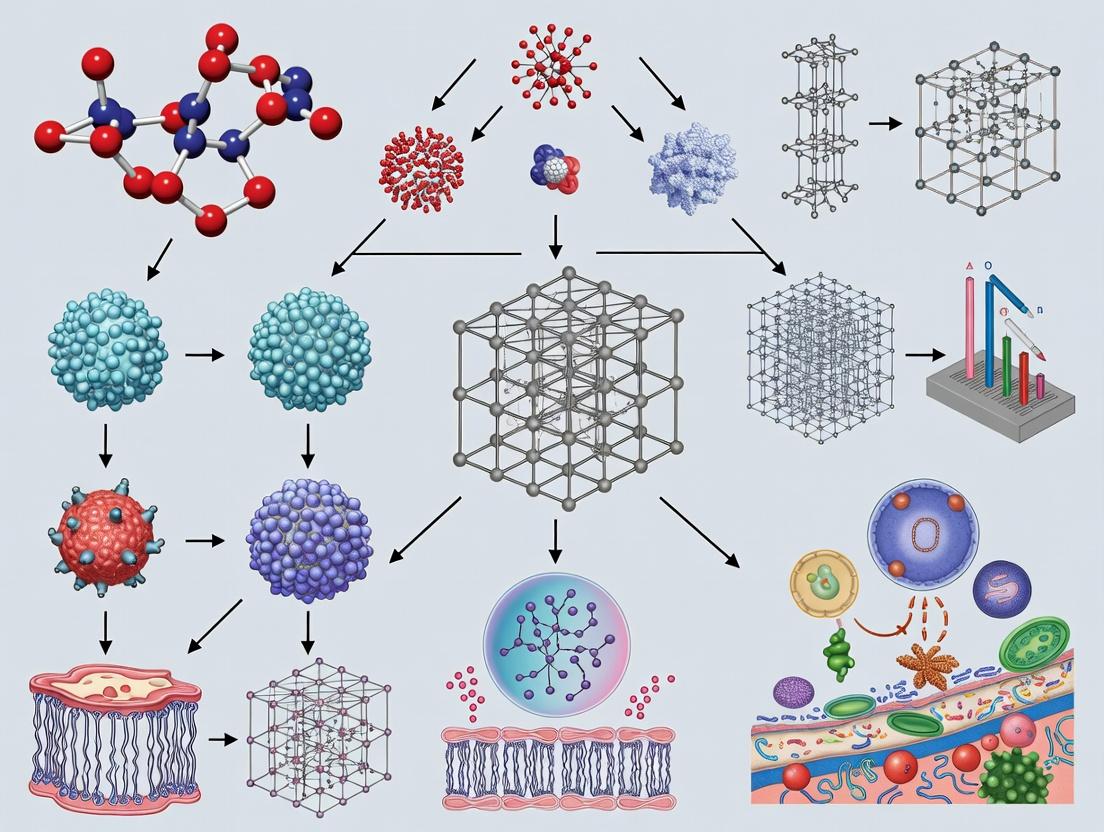
This article provides a comprehensive overview of the transformative role of bionanotechnology in modern tissue engineering.
Bionanotechnology in Tissue Engineering: From Smart Scaffolds to Precision Regeneration
Abstract
This article provides a comprehensive overview of the transformative role of bionanotechnology in modern tissue engineering. Targeting researchers, scientists, and drug development professionals, it explores the foundational principles of nanoscale tools—including smart nanomaterials, nanofibers, and targeted delivery systems. We delve into methodological breakthroughs for creating biomimetic microenvironments, address critical challenges in biocompatibility and manufacturing scalability, and examine rigorous validation frameworks and comparative analyses with traditional methods. The synthesis aims to equip experts with a clear roadmap for leveraging nanotechnology to overcome long-standing barriers in regenerative medicine and drug development.
The Nano-Revolution in Regeneration: Core Principles and Key Nanomaterials
Bionanotechnology, the engineering of functional systems at the molecular scale by integrating biological principles with nanoscale materials and tools, is fundamentally reshaping tissue engineering. Within the context of a broader thesis on its applications, bionanotechnology is defined as the discipline that leverages nanoscale control over material properties, cellular interfaces, and biomolecular signaling to direct cell fate, promote tissue formation, and create biomimetic, functional tissue constructs. This Application Note details key protocols and materials underpinning this transformative convergence.
Application Note: Electrospun Nanofiber Scaffolds for Neural Tissue Engineering
Objective: To fabricate and characterize aligned polycaprolactone (PCL)/gelatin nanofiber scaffolds that guide axonal growth and support Schwann cell proliferation for peripheral nerve regeneration.
Key Quantitative Data Summary:
Table 1: Characterization of Electrospun Nanofiber Scaffolds
| Parameter | PCL Only | PCL/Gelatin (70:30) | Measurement Technique |
|---|---|---|---|
| Average Fiber Diameter | 450 ± 120 nm | 280 ± 85 nm | Scanning Electron Microscopy (SEM) |
| Tensile Modulus | 12.5 ± 2.1 MPa | 8.4 ± 1.7 MPa | Universal Testing Machine |
| Surface Hydrophilicity (Water Contact Angle) | 128° ± 5° | 42° ± 8° | Goniometry |
| Schwann Cell Proliferation (Day 5, % vs Control) | 155% ± 12% | 235% ± 18% | CCK-8 Assay |
| Neurite Alignment Angle Standard Deviation | 38° ± 10° | 15° ± 6° | Immunofluorescence (β-III-tubulin) |
Experimental Protocol: Scaffold Fabrication & In Vitro Assessment
Protocol 1: Electrospinning of Aligned Nanofibers
- Solution Preparation: Dissolve PCL (Mw 80,000) and gelatin (Type A) in hexafluoroisopropanol (HFIP) at a total polymer concentration of 10% w/v. Use a weight ratio of 70:30 (PCL:Gelatin). Stir for 12 hours at room temperature until homogeneous.
- Electrospinning Setup: Load the solution into a 5 mL glass syringe fitted with a 21-gauge blunt needle. Place the syringe on a programmable pump. Use a rotating cylindrical collector (diameter 10 cm, speed 2500 rpm) covered in aluminum foil.
- Parameters: Set flow rate to 1.0 mL/h, applied voltage to 15 kV, and tip-to-collector distance to 15 cm. Maintain ambient conditions at 25°C and 40% relative humidity.
- Collection: Electrospin for 6 hours. Carefully peel the nanofibrous mat from the collector. Vacuum-dry for 48 hours to remove residual solvent.
- Crosslinking: To stabilize gelatin, expose scaffolds to glutaraldehyde vapor (25% aqueous solution) in a desiccator for 12 hours, followed by extensive washing with sterile 0.1M glycine solution and PBS to quench unreacted aldehyde groups.
Protocol 2: In Vitro Neurite Alignment Assay
- Scaffold Sterilization & Seeding: Cut scaffolds into 1 cm² discs. Sterilize in 70% ethanol for 30 minutes, followed by triple rinse in PBS. Pre-condition in neuronal growth medium (Neurobasal-A + B-27 + 1% GlutaMAX) for 2 hours. Seed PC12 cells (rat pheochromocytoma) or primary dorsal root ganglia (DRG) neurons at a density of 10,000 cells/cm² in medium supplemented with 50 ng/mL NGF.
- Culture & Differentiation: Culture cells for 5-7 days, changing medium every 2 days. For PC12 cells, the presence of NGF induces differentiation into neuron-like cells and neurite outgrowth.
- Immunofluorescence Staining: a. Fix cells with 4% paraformaldehyde for 15 min. b. Permeabilize with 0.1% Triton X-100 for 10 min. c. Block with 5% BSA for 1 hour. d. Incubate with primary antibody (mouse anti-β-III-tubulin, 1:500) overnight at 4°C. e. Incubate with Alexa Fluor 488-conjugated secondary antibody (goat anti-mouse, 1:1000) for 1 hour at RT. f. Counterstain nuclei with DAPI and mount.
- Image Analysis: Capture confocal microscopy images (n≥10 fields per group). Use ImageJ software with the Directionality plugin to calculate the distribution and alignment angles of neurites. A lower standard deviation of angles indicates higher alignment.
Signaling Pathway: Nanotopography-Induced Neurite Extension
Title: Nanotopography-Induced Neurite Extension Pathway
The Scientist's Toolkit: Key Research Reagent Solutions
Table 2: Essential Materials for Nanofiber-Based Neural Tissue Engineering
| Reagent/Material | Function & Rationale | Example Vendor/Cat. No. |
|---|---|---|
| Polycaprolactone (PCL), Mw ~80,000 | Synthetic polymer providing structural integrity, tunable degradation, and electrospinnability. | Sigma-Aldrich, 440744 |
| Gelatin, Type A | Natural polymer derived from collagen; enhances scaffold hydrophilicity, cell adhesion, and bioactivity. | Merck, G2500 |
| Hexafluoroisopropanol (HFIP) | Highly volatile fluorinated solvent ideal for electrospinning protein-synthetic polymer blends. | Apollo Scientific, BT1389 |
| Nerve Growth Factor (NGF), β-subunit | Critical neurotrophic factor for neuronal survival, differentiation, and neurite outgrowth. | PeproTech, 450-01 |
| Anti-β-III-Tubulin Antibody | Primary antibody for specific immunofluorescent labeling of neuronal cells and neurites. | Abcam, ab18207 |
| Rotating Mandrel Collector | Essential for generating aligned nanofibers via mechanical rotation during electrospinning. | Linari Engineering, RMC-01 |
Experimental Workflow: From Scaffold to Analysis
Title: Workflow for Neural Scaffold Fabrication and Testing
Within the broader thesis on bionanotechnology for tissue engineering, nanomaterials serve as the fundamental building blocks. They provide structural mimicry of the native extracellular matrix (ECM), enable controlled bioactive factor delivery, and offer tunable mechanical and electrical properties. This document details the application and experimental protocols for four essential nanomaterial classes.
Table 1: Key Characteristics and Tissue Engineering Applications of Essential Nanomaterials
| Nanomaterial Class | Typical Size Range | Key Properties | Primary Tissue Engineering Applications | Representative Current Studies (2023-2024) |
|---|---|---|---|---|
| Nanoparticles | 10-500 nm | High surface-area-to-volume ratio, tunable surface chemistry, controllable release kinetics. | Drug/Growth factor delivery, imaging contrast agents, antimicrobial coatings, crosslinkers for hydrogels. | PLGA nanoparticles for spatiotemporal delivery of BMP-2 and VEGF in bone regeneration. |
| Nanofibers | Diameter: 50-1000 nm Length: µm to cm | High porosity, interconnected pore network, topographic guidance for cells. | Electrospun scaffolds for skin, nerve, vascular, and bone tissue engineering; wound dressings. | Aligned PCL/gelatin nanofibers guiding Schwann cell migration for peripheral nerve repair. |
| Nanotubes | Diameter: 1-100 nm Length: µm to mm | Exceptional mechanical strength, electrical conductivity, high aspect ratio. | Reinforcing composite scaffolds, neural electrode coatings, substrates for cardiomyocyte growth. | Carbon nanotube-doped conductive hydrogels for myocardial infarction patches. |
| Nanocomposites | Multiscale (nm-µm) | Synergistic properties; combines matrix (polymer/ceramic) with nano-reinforcements. | Mimicking anisotropic tissue mechanics (e.g., cartilage, bone), creating bioactive, load-bearing scaffolds. | Nacre-mimetic chitosan/montmorillonite nanocomposites for cortical bone regeneration. |
Detailed Experimental Protocols
Protocol 3.1: Preparation of PLGA Nanoparticles for Dual Growth Factor Delivery
- Objective: To fabricate biodegradable polymeric nanoparticles for the sequential release of VEGF (early) and BMP-2 (sustained).
- Materials: See "The Scientist's Toolkit" (Section 5).
- Method:
- Double Emulsion (W/O/W): Dissolve 100 mg PLGA in 4 mL DCM. Add 0.5 mL of aqueous PBS containing 10 µg VEGF (inner water phase, W1). Sonicate (70W, 30s) on ice to form the primary emulsion (W1/O).
- This primary emulsion is poured into 20 mL of 2% (w/v) PVA solution (outer water phase, W2) and homogenized at 10,000 rpm for 2 minutes to form the double emulsion (W1/O/W2).
- Solvent Evaporation: Stir the double emulsion overnight at room temperature to evaporate DCM.
- BMP-2 Surface Conjugation: Centrifuge the formed nanoparticles at 15,000 rpm for 20 min. Resuspend the pellet in MES buffer (pH 6.0). Add EDC and Sulfo-NHS to final concentrations of 5 mM and 2 mM, respectively, and activate carboxyl groups for 30 min. Wash particles and incubate with 20 µg BMP-2 in PBS for 2 hours.
- Purification: Centrifuge and wash nanoparticles three times with deionized water. Lyophilize for 48 hours.
- Characterization: Use DLS for size and PDI, TEM for morphology, and BCA assay for encapsulation efficiency/conjugation yield.
Protocol 3.2: Electrospinning of Aligned PCL/Gelatin Nanofiber Scaffolds
- Objective: To fabricate aligned, biomimetic nanofibrous scaffolds for directed cell growth.
- Materials: PCL (Mn 80,000), Gelatin Type A, Hexafluoro-2-propanol (HFIP), Rotating mandrel collector.
- Method:
- Polymer Solution Preparation: Dissolve PCL and gelatin at a 70:30 weight ratio in HFIP to a total polymer concentration of 10% (w/v). Stir for 12 hours at room temperature.
- Electrospinning Setup: Load solution into a 5 mL syringe with a 21G blunt needle. Set flow rate to 1.0 mL/h, applied voltage to 15 kV, and tip-to-collector distance to 15 cm.
- Fiber Alignment: Use a cylindrical mandrel rotating at 2500 rpm as the collector.
- Crosslinking: After spinning, expose scaffolds to glutaraldehyde vapor (25% aqueous solution) in a desiccator for 6 hours to crosslink gelatin and stabilize fibers.
- Post-processing: Place scaffolds under vacuum for 48 hours to remove residual solvent and crosslinker.
- Characterization: Analyze fiber diameter and alignment via SEM, hydrophilicity via water contact angle, and mechanical properties via tensile testing.
Signaling Pathway & Experimental Workflow Visualizations
Title: Nanoparticle-Mediated BMP-2 Signaling in Osteogenesis
Title: Workflow for Aligned Nanofiber Scaffold Fabrication
The Scientist's Toolkit: Research Reagent Solutions
Table 2: Essential Materials for Nanomaterial Synthesis in Tissue Engineering
| Item | Function/Application | Example (Supplier) |
|---|---|---|
| PLGA (50:50, acid-terminated) | Biodegradable polymer matrix for nanoparticle formation; degradation rate tuned by LA:GA ratio. | Lactel Absorbable Polymers (APAc) |
| Polyvinyl Alcohol (PVA, 87-89% hydrolyzed) | Stabilizing surfactant in emulsion-based nanoparticle synthesis. | Sigma-Aldrich (341584) |
| N-(3-Dimethylaminopropyl)-N'-ethylcarbodiimide (EDC) | Carboxyl group activator for covalent conjugation of biomolecules to nanomaterials. | Thermo Scientific (22980) |
| N-Hydroxysuccinimide (NHS) | Stabilizes EDC-formed intermediate, increasing conjugation efficiency. | Thermo Scientific (24500) |
| Poly-ε-Caprolactone (PCL) | Synthetic, biocompatible polymer for electrospinning; provides mechanical integrity. | Sigma-Aldrich (440744) |
| Hexafluoro-2-propanol (HFIP) | Highly volatile solvent for dissolving polymers (e.g., PCL, gelatin) for electrospinning. | Apollo Scientific (OR25773) |
| Glutaraldehyde (25% aqueous) | Crosslinking agent for stabilizing protein-containing nanomaterials (e.g., gelatin nanofibers). | Electron Microscopy Sciences (16220) |
| Single-Walled Carbon Nanotubes (SWCNTs), carboxylated) | Nano-reinforcement for conductive or mechanically strong composites; surface functionalization enables dispersion. | Sigma-Aldrich (652490) |
Within the broader thesis of bionanotechnology applications in tissue engineering, this application note addresses a central challenge: creating synthetic scaffolds that faithfully mimic the complex nanoscale architecture and bioactivity of the native ECM. Success in this endeavor is critical for directing cell adhesion, proliferation, differentiation, and ultimately, functional tissue regeneration in vitro and in vivo.
Core Concepts & Quantitative Data
Table 1: Key Nanoscale Parameters of Native ECM vs. Synthetic Biomimetic Scaffolds
| Parameter | Native ECM (Typical Range) | Synthetic Biomimetic Scaffold (Common Target/Performance) | Functional Significance |
|---|---|---|---|
| Fiber Diameter | 50 - 500 nm (e.g., Collagen I) | 50 - 800 nm (via Electrospinning) | Influences cell attachment, morphology, and migration. |
| Pore Size | 1 - 200 μm (highly tissue-dependent) | 5 - 200 μm (designed via porogens/ice-templating) | Affects nutrient diffusion, cell infiltration, and vascularization. |
| Ligand Density | 10 - 1000 fmol/cm² (e.g., RGD peptides) | 1 - 100 fmol/cm² (controlled via coupling chemistry) | Modulates integrin binding affinity and downstream signaling. |
| Stiffness (Elastic Modulus) | 0.1 kPa (brain) - 100 kPa (pre-mineralized bone) | 0.5 kPa - 500 kPa (tunable via polymer concentration, crosslinking) | Directs stem cell lineage specification (e.g., soft→neural, stiff→osteogenic). |
| Growth Factor Presentation | Picomolar-nanomolar, often sequestered and gradient-bound | Nanomolar, controlled release (burst vs. sustained over days/weeks) | Spatiotemporal control over morphogenic cues. |
Table 2: Performance Metrics of ECM-Mimetic Nanomaterials in In Vitro Models
| Material Platform | Nanofabrication Method | Cell Type Studied | Key Outcome (vs. Flat Control) | Reference Year |
|---|---|---|---|---|
| PCL-Gelatin Nanofibers | Coaxial Electrospinning | Human Mesenchymal Stem Cells (hMSCs) | ~3.2x increase in osteogenic marker (Runx2) expression at 14 days. | 2023 |
| Hyaluronic Acid (HA) Nanogels | Emulsion & Click Chemistry | Chondrocytes | ~40% higher glycosaminoglycan (GAG) retention after 28 days culture. | 2024 |
| RGD-Functionalized PEG Hydrogels | Photolithography (nano-patterning) | Neural Progenitor Cells (NPCs) | Directed neurite outgrowth with ~90% alignment to 800 nm grating patterns. | 2023 |
| Silk Fibroin & Bioactive Glass Nanoparticles | Freeze-drying (Cryogelation) | Osteoblasts | ~50% greater calcium deposition observed at 21 days. | 2024 |
Detailed Experimental Protocols
Protocol 1: Fabrication of Tunable Stiffness, RGD-Functionalized PEGDA Hydrogels
This protocol details the creation of a 3D hydrogel with decoupled control over mechanical properties and adhesive ligand presentation.
I. Materials & Reagents
- Poly(ethylene glycol) diacrylate (PEGDA, 6 kDa, 10 kDa, 20 kDa)
- Cell-adhesive peptide (Acrylate-PEG-RGD, e.g., GCGYGRGDSPG)
- Photoinitiator: Lithium phenyl-2,4,6-trimethylbenzoylphosphinate (LAP)
- Phosphate Buffered Saline (PBS), pH 7.4
- UV Light Source (365 nm, 5-10 mW/cm²)
- Molds (e.g., 48-well plate, or 1 mm spacer glass slides)
II. Procedure
- Precursor Solution Preparation:
- Dissolve LAP in PBS at 2 mM final concentration. Protect from light.
- Prepare separate PEGDA stock solutions in the LAP/PBS solution to achieve final desired percent weight/volume (e.g., 5%, 10%, 15% w/v). Higher % yields higher stiffness.
- To the PEGDA/LAP solution, add the Acrylate-PEG-RGD peptide to a final concentration of 1-2 mM. Vortex gently to mix.
- Hydrogel Polymerization:
- Pipet 100-200 µL of precursor solution into molds.
- Expose to UV light (365 nm, 5-10 mW/cm²) for 30-60 seconds. Optimize time for complete gelation (no flowing liquid).
- Post-Processing:
- Carefully aspirate any unpolymerized solution.
- Wash gels 3x with sterile PBS (15 min per wash) to remove unreacted monomers/initiator.
- Cell Seeding:
- Seed cells directly onto the hydrogel surface in complete media at desired density (e.g., 10,000 cells/cm² for hMSCs).
Protocol 2: Electrospinning of Aligned PCL-Collagen Nanofibrous Scaffolds
This protocol describes the generation of anisotropic, biomimetic nanofiber mats that guide cell orientation.
I. Materials & Reagents
- Polycaprolactone (PCL, Mn 80,000)
- Type I Collagen (from bovine or rat tail)
- 1,1,1,3,3,3-Hexafluoro-2-propanol (HFIP)
- Syringe pump, high-voltage power supply, grounded rotating mandrel collector (diameter ~10 cm, speed 1500-3000 rpm)
- 10 mL glass syringe with blunt-tip metallic needle (Gauge 21)
II. Procedure
- Polymer Solution Preparation:
- Prepare a 10% (w/v) PCL solution in HFIP. Stir overnight at room temperature.
- Separately, prepare a 5% (w/v) collagen solution in HFIP.
- Mix the PCL and collagen solutions at a 70:30 (v/v) ratio to achieve a final concentration of ~8.5% total polymer. Stir for 4 hours.
- Electrospinning Setup:
- Load 5 mL of solution into the syringe. Set syringe pump flow rate to 1.0 mL/hr.
- Attach the positive lead of the power supply to the needle. Set voltage to 15-18 kV.
- Position the needle tip 15-20 cm from the surface of the rotating mandrel. Set mandrel rotational speed to 2500 rpm.
- Fiber Collection:
- Start the syringe pump and immediately apply high voltage.
- Allow electrospinning to proceed for 4-6 hours to achieve a fiber mat thickness of 100-200 µm.
- Post-Processing:
- Carefully peel the nanofibrous mat from the mandrel.
- Place scaffolds in a vacuum desiccator for 48 hours to remove residual solvent.
- Crosslink collagen using vapor-phase glutaraldehyde (25% solution) for 4 hours, followed by extensive washing with PBS and glycine solution to quench unreacted aldehydes.
Visualizations
Diagram 1: ECM-Mimetic Nanoscaffold Signaling Axis
Diagram 2: Workflow: Fabricate & Characterize Nanoscaffold
The Scientist's Toolkit: Key Research Reagent Solutions
Table 3: Essential Materials for ECM-Mimetic Nanoscale Research
| Item (Supplier Example) | Function & Application Notes |
|---|---|
| PEGDA (6-20 kDa) (e.g., Sigma-Aldrich, Laysan Bio) | Gold-standard inert polymer backbone for forming hydrogels with tunable mechanical properties via UV crosslinking. Different MW allows mesh size control. |
| Acrylate-PEG-peptide (e.g., RGD, IKVAV) (BroadPharm, PeptidesInternational) | Enables covalent, controllable incorporation of ECM-derived bioactive signals into synthetic PEG-based hydrogels during photopolymerization. |
| LAP Photoinitiator (e.g., Sigma-Aldrich, TCI) | Cytocompatible, water-soluble photoinitiator for UV (365-405 nm) crosslinking of hydrogels in cell-encapsulation experiments. |
| PCL (Mn 70k-80k) (e.g., Sigma-Aldrich, Corbion) | Biodegradable, FDA-approved polyester for electrospinning; provides structural integrity to composite nanofibrous scaffolds. |
| Type I Collagen, High Purity (e.g., Advanced BioMatrix, Rat tail) | The most abundant ECM protein; used to coat surfaces or blend with synthetic polymers to enhance bioactivity and cell recognition. |
| Sulfo-SANPAH (Thermo Fisher) | Heterobifunctional crosslinker (NHS-ester and photoactive phenyl azide) for covalently linking peptides/proteins to amine-free hydrogels (e.g., plain PEG) under UV light. |
| Calcein-AM / Propidium Iodide (Live/Dead Kit) (Thermo Fisher) | Standard fluorescent assay for simultaneous quantification of live (green) and dead (red) cells on novel biomaterials. |
| CellTiter-Glo 3D (Promega) | Luminescent assay for measuring ATP content as a proxy for cell viability/metabolic activity within 3D scaffolds, overcoming diffusion limits of colorimetric assays. |
Application Notes
The integration of bionanomaterials into tissue engineering scaffolds leverages three fundamental advantages to overcome historical limitations in regenerative medicine. Enhanced surface area at the nanoscale facilitates unprecedented protein adsorption and cellular interaction. Tailored mechanical properties, achieved through nanocomposite design, provide biomimetic cues that direct stem cell fate. Most critically, the precise presentation of bioactive signals (peptides, growth factors) on nanofeatures enables the recapitulation of the dynamic native extracellular matrix (ECM).
1. Enhanced Surface Area: Nanofibrous and nanoporous scaffolds, such as those produced by electrospinning or 3D bioprinting with nanocomposite bioinks, exhibit surface areas orders of magnitude greater than their micro-scale counterparts. This directly increases the density of ligand presentation for integrin binding, accelerating cell adhesion and spreading. Furthermore, high surface area enhances the loading capacity and efficiency for therapeutic agents like growth factors or small molecule drugs.
2. Mechanical Properties: The incorporation of nanoparticles (e.g., cellulose nanocrystals, silica nanoparticles, hydroxyapatite nanocrystals) into polymeric matrices (e.g., PCL, PLGA, GelMA) allows for the independent tuning of bulk scaffold stiffness, elasticity, and viscoelasticity. These mechanical cues are transduced into biochemical signals via mechanotransduction pathways, profoundly influencing cell differentiation. For instance, stiffer substrates often promote osteogenic differentiation, while softer substrates favor neurogenesis or adipogenesis.
3. Bioactive Signaling: Nanoscale topography (e.g., ridges, pits, pillars) and spatially controlled chemical functionalization can present bioactive motifs in a manner mimicking the natural ECM. This controlled presentation regulates signal receptor clustering, activation kinetics, and downstream pathway specificity. Nanocarriers (liposomes, polymeric nanoparticles) embedded within scaffolds allow for the sustained, localized, and potentially sequential release of multiple growth factors (e.g., VEGF, BMP-2, TGF-β), orchestrating complex regenerative processes.
Quantitative Data Summary:
Table 1: Impact of Nanoscale Features on Scaffold Properties and Cellular Response
| Nanomaterial/Technique | Key Parameter Enhanced | Quantitative Improvement | Observed Cellular/Tissue Outcome |
|---|---|---|---|
| Electrospun PCL/Gelatin Nanofibers | Surface Area | ~20-40 m²/g vs. <5 m²/g for cast film | 2.5x increase in mesenchymal stem cell (MSC) adhesion density at 4h |
| nHA-reinforced PLGA Composite | Compressive Modulus | 120 ± 15 MPa vs. 45 ± 8 MPa for pure PLGA | 80% increase in alkaline phosphatase (ALP) activity of osteoblasts at day 7 |
| RGD-functionalized Gold Nanoparticles on Scaffold | Ligand Density | ~5000 RGD/μm² achievable | Near-maximal integrin αvβ3 clustering and focal adhesion kinase (FAK) phosphorylation within 15 min |
| VEGF-loaded Liposomes in Hyaluronic Acid Hydrogel | Growth Factor Release | Sustained release over 21 days vs. burst release in 3 days for free VEGF | 60% greater capillary density in a murine subcutaneous implant model at day 14 |
Table 2: Mechanical Properties Guiding Stem Cell Lineage Specification
| Scaffold Effective Elastic Modulus (E) | Nanocomposite Strategy | Predominant MSC Differentiation Lineage | Key Upregulated Marker |
|---|---|---|---|
| 0.1 - 1 kPa | Soft PEG hydrogel with integrin-binding nanoparticles | Neurogenesis | β-III Tubulin (>50-fold increase) |
| 8 - 17 kPa | Collagen hydrogel with tuned fibrillar density | Myogenesis | Myosin Heavy Chain (>30-fold increase) |
| 25 - 40 kPa | GelMA hydrogel with cellulose nanocrystals | Osteogenesis | Runx2 & Osteocalcin (>20-fold increase) |
| >100 kPa | PCL/nanohydroxyapatite composite | Hypertrophic Osteogenesis | Collagen X |
Experimental Protocols
Protocol 1: Fabrication and Characterization of Electrospun Nanofibrous Scaffold with Enhanced Surface Area
Objective: To fabricate a polycaprolactone (PCL)/gelatin nanofibrous scaffold and characterize its morphology, surface area, and initial protein adsorption.
Materials:
- PCL (Mn 80,000), Gelatin (Type A)
- 1,1,1,3,3,3-Hexafluoro-2-propanol (HFIP)
- Electrospinning apparatus (high voltage supply, syringe pump, collector)
- Scanning Electron Microscope (SEM)
- BET Surface Area Analyzer
- Fluorescently labeled fibronectin (Fibronectin-FITC)
Methodology:
- Solution Preparation: Dissolve PCL and gelatin at a 70:30 weight ratio in HFIP to achieve a total polymer concentration of 10% w/v. Stir for 12h at room temperature.
- Electrospinning: Load solution into a 10mL syringe with a blunt 21G needle. Set syringe pump flow rate to 1.0 mL/h. Apply a voltage of 15 kV to the needle tip. Collect fibers on a grounded rotating mandrel (speed 1000 rpm) placed 15 cm from the needle. Collect for 6h.
- Crosslinking: Place scaffolds in a desiccator with glutaraldehyde vapor (25% solution) for 4h to crosslink gelatin. Then, expose to glycine vapor (0.1M solution) for 2h to quench unreacted aldehydes.
- Characterization:
- SEM: Sputter-coat scaffold with gold. Image at 10kV accelerating voltage. Measure fiber diameters from >100 fibers using ImageJ.
- Surface Area: Analyze degassed scaffold samples (~0.5g) via N₂ adsorption using BET theory.
- Protein Adsorption: Incubate 5mm diameter scaffold discs in Fibronectin-FITC solution (50 µg/mL in PBS) for 1h at 37°C. Rinse thoroughly in PBS. Quantify adsorbed fluorescence using a microplate reader and compare to a smooth PCL film control.
Protocol 2: Assessing Mechanotransduction via YAP/TAZ Signaling in MSCs on Tunable Nanocomposite Hydrogels
Objective: To correlate the stiffness of a cellulose nanocrystal (CNC)-reinforced GelMA hydrogel with nuclear translocation of YAP/TAZ, key mechanotransduction effectors, in seeded MSCs.
Materials:
- Gelatin Methacryloyl (GelMA, 70% degree of substitution)
- Cellulose Nanocrystals (CNC) suspension (2% w/v, length ~150nm)
- Photoinitiator (Lithium phenyl-2,4,6-trimethylbenzoylphosphinate, LAP)
- UV light source (365 nm, 5 mW/cm²)
- Human Bone Marrow MSCs (passage 3-5)
- Anti-YAP/TAZ primary antibody, DAPI, fluorescent secondary antibody
Methodology:
- Hydrogel Fabrication: Prepare prepolymer solutions: (A) 7% w/v GelMA + 0.1% w/v LAP in PBS, (B) 7% w/v GelMA + 0.1% w/v LAP + 1.5% w/v CNC in PBS. Piper 50 µL into silicone molds (8mm diameter x 1mm height). Crosslink under UV light for 60 seconds. Measure compressive modulus via rheometry.
- Cell Seeding: Sterilize hydrogels in 70% ethanol, then PBS. Seed MSCs at a density of 50,000 cells per hydrogel in basal medium. Allow attachment for 4h, then add complete growth medium.
- Immunofluorescence Staining: At 24h post-seeding, fix cells with 4% PFA for 15 min, permeabilize with 0.1% Triton X-100 for 10 min, and block with 3% BSA for 1h.
- Incubate with anti-YAP/TAZ primary antibody (1:200) overnight at 4°C.
- Incubate with Alexa Fluor 488-conjugated secondary antibody (1:500) for 1h at RT.
- Counterstain nuclei with DAPI for 5 min.
- Imaging & Quantification: Capture confocal microscopy z-stacks. For each cell (n>50 per condition), calculate the ratio of nuclear fluorescence intensity to cytoplasmic fluorescence intensity for YAP/TAZ using image analysis software (e.g., FIJI).
Protocol 3: Evaluating Sequential Growth Factor Delivery from a Multi-Compartment Nanoparticle Scaffold
Objective: To assess the sequential release of VEGF (early angiogenic cue) and BMP-2 (later osteogenic cue) from a layered nanoparticle system embedded in a collagen scaffold and its biological effect.
Materials:
- PLGA nanoparticles (NP-VEGF)
- Mesoporous silica nanoparticles (MSN-BMP-2) with pH-responsive polymer gatekeeper
- Type I Collagen solution (rat tail, 3 mg/mL)
- VEGF & BMP-2 ELISA kits
- Human Umbilical Vein Endothelial Cells (HUVECs), MC3T3-E1 pre-osteoblasts
Methodology:
- Nanoparticle Loading & Scaffold Preparation:
- NP-VEGF: Load VEGF into PLGA NPs via double emulsion. (Expected loading: ~2 µg VEGF/mg NP).
- MSN-BMP-2: Load BMP-2 into MSN pores. Seal pores with a chitosan oligosaccharide cap. (Expected loading: ~5 µg BMP-2/mg NP).
- Composite Scaffold: Mix collagen solution with NPs (1:1 weight ratio of NP-VEGF:MSN-BMP-2, total NP:collagen = 1:10). Neutralize with NaOH/HEPES, pipette into wells, and incubate at 37°C for 1h to gel.
- Release Kinetics: Immerse scaffolds in 1 mL PBS at 37°C, pH 7.4. At predetermined times, centrifuge, collect supernatant, and replenish with fresh PBS. Analyze VEGF and BMP-2 concentrations via ELISA. Adjust release medium to pH 6.5 at day 10 to trigger MSN cap degradation and BMP-2 release.
- In Vitro Co-culture Assay: Seed HUVECs (labeled with CellTracker Green) and MC3T3-E1 pre-osteoblasts (labeled with CellTracker Red) onto the scaffold. Assess HUVEC network formation at day 7 (early VEGF-driven phase) and MC3T3-E1 ALP activity/mineralization at day 21 (later BMP-2-driven phase).
Visualizations
Diagram 1: Integrative signaling from nano-scaffold properties
Diagram 2: Workflow for nanofibrous scaffold fabrication & characterization
The Scientist's Toolkit
Table 3: Key Research Reagent Solutions for Bionanotechnology in Tissue Engineering
| Reagent/Material | Supplier Examples | Function in Research |
|---|---|---|
| Gelatin Methacryloyl (GelMA) | Advanced BioMatrix, Sigma-Aldrich, proprietary synthesis | A photo-crosslinkable hydrogel base derived from gelatin; allows incorporation of cells and nanoparticles, with tunable mechanical properties via UV exposure and concentration. |
| Polycaprolactone (PCL) | Sigma-Aldrich, Corbion, Lactel Absorbable Polymers | A biodegradable, FDA-approved polyester widely used for electrospinning; provides structural integrity to nanofibrous scaffolds. |
| Cellulose Nanocrystals (CNC) | CelluForce, University of Maine Process Development Center, Sigma-Aldrich | Rod-shaped nanoparticles used as mechanical reinforcement agents in hydrogels and composites; enhance stiffness and stability. |
| RGD Peptide (Cyclo-Arg-Gly-Asp-D-Phe-Cys) | Peptides International, Bachem, MedChemExpress | The canonical integrin-binding sequence; conjugated to scaffolds or nanoparticles to promote specific and robust cell adhesion. |
| Lithium Phenyl-2,4,6-trimethylbenzoylphosphinate (LAP) | Sigma-Aldrich, TCI Chemicals | A highly efficient, water-soluble, and cytocompatible photoinitiator for UV/VIS crosslinking of hydrogels like GelMA. |
| Fluorescently Labeled Fibronectin | Cytoskeleton, Inc., Corning, Thermo Fisher Scientific | Used to visualize and quantify protein adsorption on material surfaces, a critical first step in cell-material interaction. |
| PLGA Nanoparticles (COOH-terminated) | Sigma-Aldrich, PolySciTech, Nanosoft Polymers | Biodegradable polymeric nanoparticles for the controlled encapsulation and sustained release of hydrophobic/hydrophilic drugs and growth factors. |
| Mesoporous Silica Nanoparticles (MSN) | Sigma-Aldrich, NanoComposix, ACS Material | High surface area nanoparticles with tunable pore sizes; can be loaded with cargo and fitted with "gatekeepers" for stimuli-responsive release. |
| Anti-YAP/TAZ Antibody | Santa Cruz Biotechnology, Cell Signaling Technology, Abcam | Key immunoassay reagent for detecting and localizing the YAP/TAZ transcription factors, readouts of cellular mechanosensing. |
1. Introduction and Context Within the broader thesis on bionanotechnology in tissue engineering, the period of 2023-2024 has been defined by the convergence of advanced nanomaterial design with precision biofabrication. The field has pivoted from proving nanomaterial biocompatibility to engineering multifunctional, stimuli-responsive systems that actively orchestrate biological processes. This application note synthesizes key research trends and provides detailed protocols for replicating pivotal studies.
2. Major Research Trends & Quantitative Summary The table below summarizes three dominant research trends and their associated quantitative outcomes from seminal 2023-2024 studies.
Table 1: Key Research Trends and Outcomes (2023-2024)
| Research Trend | Core Nanoplatform | Key Quantitative Outcome | Target Tissue/Model |
|---|---|---|---|
| 4D Bioprinting with Nanocomposite Bioinks | Laponite nanoclay / Graphene Oxide (GO) nanofibers | >40% increase in compressive modulus; ~85% cell viability post-printing; shape-memory recovery >90% in <5 min. | Cartilage, Cardiac Patches |
| Nanoparticle-Mediated Epigenetic Reprogramming | Lipid-coated mesoporous silica nanoparticles (MSNs) | Targeted delivery of DNA methyltransferase inhibitors (DNMTi); ~60% reduction in fibroblast activation markers; ~3-fold increase in hepatocyte-specific gene expression. | Liver fibrosis, In vitro reprogramming |
| Immunomodulatory Scaffolds via Nanocoatings | Tannic acid / metal-ion (Zn²⁺, Mg²⁺) nanosheets | Sustained ion release over 21 days; Macrophage polarization to M2 phenotype increased from ~20% to ~70%; Angiogenic density increased by 2.5x in vivo. | Bone regeneration, Diabetic wounds |
3. Detailed Application Notes and Protocols
Protocol 3.1: Fabrication of 4D Nanocomposite Bioink for Cartilage Mimicry This protocol details the synthesis of a laponite nanoclay-alginate-methacryloyl (GelMA) bioink that exhibits temperature and ionic strength-dependent shape morphing.
3.1.1 Research Reagent Solutions & Essential Materials
- Laponite XLG (nanoclay): Provides shear-thinning properties for printability and reinforces mechanical strength.
- GelMA (Methacrylated Gelatin): Photocrosslinkable biocompatible polymer providing cell adhesion motifs (RGD sequences).
- Lithium phenyl-2,4,6-trimethylbenzoylphosphinate (LAP): Visible light photoinitiator for rapid, cytocompatible crosslinking.
- Chondrocyte spheroids (e.g., ATDC5 cell line or primary): Model cell system for cartilage formation.
- Dynamic ionic bath (0.1M CaCl₂): Post-printing ionic crosslinking agent that triggers 4D shape evolution.
3.1.2 Experimental Workflow
- Bioink Preparation: Dissolve LAP (0.25% w/v) in PBS at 37°C. Gradually sprinkle Laponite XLG (3% w/v) into the solution under vigorous vortexing until a clear hydrogel forms. Incubate for 30 min for complete hydration.
- Polymer Incorporation: Add sterile GelMA (7% w/v) to the Laponite gel. Gently mix at 37°C for 2 hours, avoiding bubble formation. Centrifuge at 500 x g for 5 min to remove bubbles.
- Cell Incorporation: Pellet chondrocyte spheroids (≈200 µm diameter). Resuspend spheroids in bioink at a density of 10 million cells/mL.
- 4D Printing: Load bioink into a temperature-controlled (18-22°C) extrusion bioprinter cartridge. Print a flat, bilayered mesh onto a cooled print bed.
- Primary Crosslinking: Expose the printed structure to visible blue light (405 nm, 10 mW/cm²) for 60 seconds.
- 4D Transformation: Transfer the crosslinked structure to the 0.1M CaCl₂ bath. Observe and record the autonomous folding into a tubular or predefined curvature structure over 30 minutes.
- Maturation: Culture the transformed construct in chondrogenic medium (with TGF-β3) for up to 28 days. Assess mechanical properties and glycosaminoglycan (GAG) deposition.
Title: 4D Nanocomposite Bioink Fabrication and Processing Workflow
Protocol 3.2: Targeted Epigenetic Reprogramming for Fibrosis Reversal This protocol describes using ligand-functionalized nanoparticles to deliver epigenetic modifiers to activated hepatic stellate cells (HSCs).
3.2.1 Research Reagent Solutions & Essential Materials
- Mesoporous Silica Nanoparticles (MSNs, 80nm): High-surface-area core for drug loading.
- DSPE-PEG(2000)-Mannose: Lipid-PEG conjugate for coating and targeting mannose receptors on HSCs.
- 5-Aza-2′-deoxycytidine (DAC, DNMT inhibitor): Epigenetic payload to demethylate and reactivate silenced genes.
- Retinoic acid receptor-beta (RAR-β) antibody: For post-assay validation via immunofluorescence.
- LX-2 human HSC cell line: Model for in vitro fibrosis studies.
3.2.2 Experimental Methodology
- Nanoparticle Synthesis & Loading: Synthesize amine-functionalized MSNs via sol-gel method. Incubate MSNs with DAC (1 mg/mL) in PBS under vacuum for 24h. Pellet and wash.
- Surface Functionalization: Incubate DAC-loaded MSNs with DSPE-PEG-Mannose (molar ratio 1:500) in chloroform. Evaporate to form a thin film, then hydrate in PBS at 60°C for 30 min to form a targeted lipid coat.
- Cell Treatment: Culture activated LX-2 cells in high TGF-β1 medium (5 ng/mL). Treat cells with targeted MSN-DAC (50 µg/mL nanoparticle concentration) for 48 hours.
- Analysis: Harvest RNA for qPCR analysis of fibrosis markers (α-SMA, COL1A1) and hepatocyte genes (Albumin). Perform immunofluorescence for RAR-β protein expression. Compare to free DAC and non-targeted nanoparticle controls.
Title: Targeted Epigenetic Nanoparticle Mechanism for HSC Reprogramming
4. The Scientist's Toolkit: Key Reagents & Materials Table 2: Essential Research Reagent Solutions for Featured Protocols
| Reagent/Material | Supplier Examples | Function in Protocol |
|---|---|---|
| Laponite XLG Nanoclay | BYK-Chemie, Sigma-Aldrich | Provides rheological control for printability and enhances mechanical properties in 4D bioinks. |
| GelMA (High Degree of Methacrylation) | Advanced BioMatrix, Engel-Lab | Photocrosslinkable, biocompatible hydrogel base with native cell binding sites. |
| Lithium Phenyl-2,4,6-trimethylbenzoylphosphinate (LAP) | Sigma-Aldrich, TCI Chemicals | Efficient, cytocompatible photoinitiator activated by 405 nm visible light. |
| Mesoporous Silica Nanoparticles (80-100nm) | Sigma-Aldrich, NanoResearch Elements | High-capacity, tunable drug delivery vehicle for epigenetic payloads. |
| DSPE-PEG(2000)-Mannose | Nanocs, Avanti Polar Lipids | Enables stealth coating and active targeting to specific cell surface receptors (e.g., on HSCs). |
| 5-Aza-2'-deoxycytidine (Decitabine) | Selleckchem, MedChemExpress | DNMT inhibitor payload for inducing epigenetic reprogramming and fibrosis reversal. |
| Tannic Acid / Metal Ion Stock Solutions | Sigma-Aldrich | Forms robust, antioxidative, and immunomodulatory nanocoatings on scaffolds. |
Building from the Bottom Up: Cutting-Edge Fabrication and Application Strategies
Within the broader thesis on bionanotechnology applications in tissue engineering, the convergence of nanofabrication with biology is pivotal. Electrospinning, 3D bioprinting, and molecular self-assembly represent three cornerstone techniques for creating sophisticated scaffolds that mimic the native extracellular matrix (ECM). These platforms are essential for developing in vitro disease models, drug screening platforms, and regenerative implants. This document provides application notes and detailed protocols for researchers and drug development professionals.
Table 1: Comparative Analysis of Nanofabrication Techniques for Scaffold Creation
| Parameter | Electrospinning | 3D Bioprinting (Extrusion-based) | Molecular Self-Assembly (Peptide-based) |
|---|---|---|---|
| Typical Fiber/Pore Size | 50 nm - 5 µm | 100 µm - 500 µm (nozzle dependent) | 5 nm - 50 nm (fiber diameter) |
| Porosity (%) | 80 - 95 | 40 - 80 (controlled architecture) | > 99 (highly hydrated) |
| Key Materials | PCL, PLGA, Collagen, Silk Fibroin | Alginate, GelMA, Pluronic, Cell-laden bioinks | RADA16, KLD12 peptides, Amphiphilic polymers |
| Mechanical Strength | High tensile strength; tunable via polymer blend | Low to moderate; highly crosslink-dependent | Very low; hydrogel-like, viscoelastic |
| Cell Seeding Efficiency | Moderate; often requires post-fabrication seeding | High; simultaneous cell deposition | High; cells encapsulated during gelation |
| Spatial Control | Low (2D mats) to Moderate (3D collectors) | Very High (precise 3D patterning) | Low (bulk gel formation) |
| Typical Gelation/Setting Mechanism | Solvent evaporation | Physical/Chemical/Photo-crosslinking | pH, ionic strength, temperature shift |
| Primary Application in Thesis Context | Tendon/Ligament mimics, wound dressings, filtration | Vascularized constructs, multi-cellular tissue models, organ-on-chip | Neural tissue engineering, 3D cell culture, growth factor delivery |
Detailed Experimental Protocols
Protocol 1: Electrospinning of Aligned Polycaprolactone (PCL)/Gelatin Nanofibrous Scaffolds
Application: Creating anisotropic scaffolds for musculoskeletal tissue engineering.
I. Materials & Reagent Preparation
- Polymer Solution: Dissolve PCL (Mw 80,000) and gelatin (Type A) in a 70:30 weight ratio in a 9:1 (v/v) mixture of hexafluoro-2-propanol (HFIP) and acetic acid to achieve a total polymer concentration of 12% (w/v). Stir for 12 hrs at room temperature.
- Collector: A high-speed rotating mandrel (diameter = 5 cm).
- Setup: Syringe pump, high-voltage DC power supply, and environmental chamber (T=25°C, RH=40-50%).
II. Procedure
- Load 5 mL of polymer solution into a 10 mL glass syringe fitted with a blunt 21-gauge stainless steel needle.
- Mount the syringe on the pump. Set the flow rate to 1.2 mL/hr.
- Set the rotating mandrel collector speed to 2500 rpm. Place it 15 cm from the needle tip.
- Apply a positive voltage of +15 kV to the needle. Connect the collector to ground.
- Initiate the pump. Electrospin for 4 hours to achieve a ~150 µm thick mat.
- Crosslink the scaffold by exposing it to glutaraldehyde vapor (25% aqueous solution) in a desiccator for 12 hrs, followed by extensive drying under vacuum to remove residual crosslinker.
III. Post-Processing for Cell Culture
- Sterilize scaffolds by UV irradiation (30 min per side).
- Pre-wet in 70% ethanol for 1 hr, then sequentially rinse in sterile PBS.
- Coat with fibronectin (10 µg/mL in PBS) for 1 hr at 37°C prior to cell seeding.
Protocol 2: Extrusion-Based 3D Bioprinting of a Cell-Laden GelMA Hydrogel Construct
Application: Fabricating a vascularized pre-tissue model for drug screening.
I. Bioink Preparation
- Synthesize or procure methacrylated gelatin (GelMA, 70-80% degree of methacrylation).
- Dissolve GelMA powder at 10% (w/v) in sterile PBS containing 0.25% (w/v) photoinitiator Lithium phenyl-2,4,6-trimethylbenzoylphosphinate (LAP) at 37°C. Protect from light.
- Mix human umbilical vein endothelial cells (HUVECs) and normal human dermal fibroblasts (NHDFs) at a 2:1 ratio into the cooled (28°C) GelMA-LAP solution to a final density of 5 x 10^6 cells/mL. Keep on ice until printing.
II. Bioprinting Procedure
- Load bioink into a sterile, temperature-controlled (18-22°C) printing cartridge.
- Use a 22G conical nozzle. Set print bed temperature to 15°C.
- Print Parameters: Pressure = 25-30 kPa, speed = 8 mm/s, layer height = 150 µm.
- Print a 10 mm x 10 mm x 2 mm (L x W x H) lattice structure with 500 µm spacing between filaments.
- After each layer is deposited, immediately crosslink by exposure to 405 nm UV light (5 mW/cm²) for 30 seconds.
- After final layer, perform a final global crosslink for 60 seconds.
III. Post-Printing Culture
- Transfer construct to a 6-well plate.
- Carefully add endothelial growth medium (EGM-2).
- Culture for up to 21 days, assessing network formation and barrier function.
Protocol 3: Self-Assembly of RADA16-I Peptide Hydrogel for 3D Neuronal Culture
Application: Creating a permissive 3D microenvironment for neural stem cell differentiation studies.
I. Peptide Solution Preparation
- Prepare a 1% (w/v) solution of RADA16-I (Ac-(RADA)4-CONH2) peptide in sterile, deionized water.
- Sonicate for 30 minutes to break pre-existing aggregates.
- Adjust the pH to ~7.4 using 1M NaOH or HCl if necessary. Filter sterilize using a 0.22 µm syringe filter.
II. 3D Cell Encapsulation & Gelation
- Suspend neural progenitor cells (NPCs) in the peptide solution at 2 x 10^6 cells/mL on ice. Note: The solution remains liquid at neutral pH and low ionic strength.
- Transfer 100 µL of the cell-peptide suspension into each well of a 48-well plate.
- Initiate gelation by gently overlaying the suspension with 50 µL of complete neuronal culture medium (which provides the necessary ionic strength).
- Gently tilt the plate to allow medium contact. Gelation occurs within 30 seconds to 1 minute.
- After 10 minutes, carefully add 500 µL of additional medium on top of the formed gel.
- Culture for up to 28 days, feeding twice weekly, to observe differentiation into neuronal and glial lineages.
Diagrams & Workflows
Diagram 1: Nanofabrication technique selection workflow (84 characters)
Diagram 2: Electrospinning experimental workflow (55 characters)
Diagram 3: Self-assembly mechanism and cell signaling link (76 characters)
The Scientist's Toolkit: Key Research Reagent Solutions
Table 2: Essential Materials for Nanofabricated Scaffold Research
| Item | Function in Research | Example Vendor/Catalog | Critical Notes |
|---|---|---|---|
| Polycaprolactone (PCL), MW 80kDa | Synthetic, biodegradable polymer for electrospinning; provides mechanical integrity. | Sigma-Aldrich / 440744 | Low melting point (60°C); soluble in chloroform, DCM, and HFIP. |
| Gelatin Methacryloyl (GelMA) | Photo-crosslinkable bioink backbone; provides cell-adhesive RGD motifs. | Advanced BioMatrix / GELM-EC | Degree of methacrylation (DoM) controls stiffness and degradation. |
| RADA16-I Peptide | Self-assembling peptide for nanofiber hydrogel formation; creates >99% water content scaffolds. | Bachem / 4025966.1 | Handle in sterile, low-ionic strength conditions to prevent premature gelation. |
| Lithium Phenyl-2,4,6-trimethylbenzoylphosphinate (LAP) | Efficient, cytocompatible photoinitiator for UV (365-405 nm) crosslinking of hydrogels. | Tokyo Chemical Industry / L0041 | Use at 0.1-0.5% (w/v); lower cytotoxicity than Irgacure 2959. |
| Hexafluoro-2-propanol (HFIP) | Volatile solvent for dissolving proteins and polymers for electrospinning. | Apollo Scientific / OR22946 | Highly toxic. Use only in a certified fume hood with proper PPE. |
| Fibronectin, Human Plasma | ECM protein coating to enhance cell adhesion and spreading on synthetic scaffolds. | Corning / 356008 | Aliquot and store at -80°C; avoid repeated freeze-thaw cycles. |
| LIVE/DEAD Viability/Cytotoxicity Kit | Standard assay for quantifying cell viability in 3D constructs post-fabrication. | Thermo Fisher / L3224 | Calcein-AM (green/live) and EthD-1 (red/dead) fluorescence. |
| Alginic Acid Sodium Salt | Ionic-crosslinkable polysaccharide for bioink formulation and sacrificial printing. | Sigma-Aldrich / A1112 | Use with CaCl₂ or CaSO₄ crosslinkers; purity affects gelation kinetics. |
Within the thesis on bionanotechnology for tissue engineering, the strategic functionalization of nanocarriers (e.g., polymeric nanoparticles, liposomes, mesoporous silica) with bioactive molecules is pivotal. This process transforms passive delivery vehicles into active participants in cellular processes, directing stem cell fate, promoting angiogenesis, and enabling targeted gene delivery. These Application Notes detail current protocols for immobilizing three key bioactive classes: growth factors, peptides, and genes, ensuring sustained and localized bioactivity.
Application Notes & Protocols
Immobilization of Growth Factors via Heparin-Based Affinity Binding
Objective: To conjugate vascular endothelial growth factor (VEGF₁₆₅) onto poly(lactic-co-glycolic acid) (PLGA) nanoparticles via a heparin intermediary, enabling controlled release and receptor-mediated signaling.
Background: Direct covalent immobilization can denature growth factors. Heparin, a sulfated glycosaminoglycan, binds many growth factors with high affinity, protecting their conformation and bioactivity while allowing for reversible release.
Key Research Reagent Solutions:
| Reagent/Material | Function & Rationale |
|---|---|
| PLGA-COOH NPs (150 nm) | Biodegradable, FDA-approved polymer core for encapsulation and delivery. |
| EDC / NHS Crosslinker | Carbodiimide chemistry agents for activating carboxyl groups for amide bond formation. |
| Heparin (MW ~15 kDa) | High-affinity natural polysaccharide for growth factor binding and stabilization. |
| Recombinant Human VEGF₁₆₅ | Key angiogenic growth factor for endothelial cell proliferation and migration. |
| BCA Protein Assay Kit | For quantifying surface-bound VEGF concentration. |
| HUVECs (Human Umbilical Vein Endothelial Cells) | Standard in vitro model for assessing angiogenic bioactivity. |
Detailed Protocol:
- Heparin Conjugation to PLGA NPs:
- Activate carboxyl groups on PLGA NPs by incubating 1 mL of NP suspension (10 mg/mL in 0.1 M MES buffer, pH 6.0) with 400 mM EDC and 100 mM NHS for 15 min at RT.
- Purify activated NPs via centrifugation (14,000 rpm, 15 min) and resuspend in heparin solution (2 mg/mL in PBS, pH 7.4).
- React for 4 hours at RT under gentle agitation. Centrifuge to remove unbound heparin. Wash 3x with PBS. (Heparin density: ~45 molecules per NP).
VEGF Loading via Affinity Binding:
- Incubate heparinized NPs (5 mg) with 10 µg/mL VEGF solution in PBS (pH 7.4) for 2 hours at 4°C.
- Centrifuge (14,000 rpm, 20 min) to collect VEGF-loaded NPs. Quantify unbound VEGF in supernatant via BCA assay.
- Calculation: VEGF Loading Efficiency (%) = [(Total VEGF added - VEGF in supernatant) / Total VEGF added] * 100. Typical loading efficiency is 75-85%.
Release Kinetics & Bioactivity Assay:
- Suspend VEGF-Hep-NPs in 1 mL PBS (pH 7.4, 0.1% BSA) at 37°C. At predetermined intervals, centrifuge and analyze supernatant via ELISA.
- Seed HUVECs (5,000 cells/well) in 96-well plates. Treat with free VEGF (50 ng/mL), VEGF-Hep-NPs (equivalent dose), or blank Hep-NPs.
- Assess proliferation after 72h using an MTS assay. VEGF-Hep-NPs typically show a 2.3-fold increase in cell proliferation vs. blank controls, comparable to free VEGF.
Data Summary: Table 1: Characterization & Performance of VEGF-Functionalized Nanocarriers
| Parameter | Heparin-Conjugated PLGA NPs | Covalently Conjugated PLGA NPs | Free VEGF Solution |
|---|---|---|---|
| VEGF Loading Efficiency (%) | 78.5 ± 4.2 | 62.1 ± 5.7 | N/A |
| Initial Burst Release (24 h) | 18.3 ± 2.1% | 8.5 ± 1.4% | 100% |
| Sustained Release Duration | >14 days | >21 days | <24 h |
| HUVEC Proliferation (Fold Increase vs Control) | 2.31 ± 0.25 | 1.75 ± 0.31 | 2.40 ± 0.28 |
| Bioactivity Retention (After 7-day soak in PBS) | 91% | 68% | <10% |
Diagram: Heparin-VEGF Conjugation and Cellular Signaling Pathway
Conjugation of Adhesive Peptides via "Click Chemistry"
Objective: To site-specifically immobilize the RGD peptide motif onto liposomal surfaces using copper-free azide-alkyne cycloaddition (SPAAC) for enhanced cellular adhesion.
Background: The Arg-Gly-Asp (RGD) peptide is a canonical integrin-binding sequence. Using bioorthogonal "click chemistry" ensures efficient, stable, and oriented conjugation without interfering with the peptide's active site.
Key Research Reagent Solutions:
| Reagent/Material | Function & Rationale |
|---|---|
| DBCO-PEG₃₄₀₀-DSPE Lipid | Functional lipid for liposome formulation; DBCO group enables SPAAC. |
| Azide-Terminated c(RGDfK) Peptide | Cyclic, integrin-targeting peptide with azide group for click reaction. |
| DOPC/Cholesterol Lipid Film | Base components for forming stable, neutral liposomal bilayers. |
| PD-10 Desalting Column | For rapid purification of conjugated liposomes from unreacted peptide. |
| MC3T3-E1 Pre-osteoblast Cells | Model cell line for assessing integrin-mediated adhesion and spreading. |
Detailed Protocol:
- DBCO-Functionalized Liposome Preparation:
- Formulate liposomes via thin-film hydration. Dissolve DOPC, cholesterol, and DBCO-PEG-DSPE (molar ratio 65:30:5) in chloroform. Dry under nitrogen to form a thin film.
- Hydrate with HEPES buffer (pH 7.4) to a final lipid concentration of 10 mM. Extrude through 100 nm polycarbonate membranes. Mean size: ~115 nm.
SPAAC Conjugation of RGD Peptide:
- Add azide-c(RGDfK) peptide to liposome suspension at a 2:1 molar ratio (peptide:DBCO). Incubate for 4 hours at 37°C under gentle shaking.
- Pass the mixture through a PD-10 column equilibrated with PBS to separate RGD-liposomes from free peptide. Conjugation efficiency (>95%) is determined by HPLC analysis of the flow-through.
Adhesion Assay:
- Coat 48-well plates with 100 µL of RGD-liposome suspension (1 mM lipid) or controls (DBCO-liposomes, free RGD) for 2 hours.
- Seed MC3T3-E1 cells at 20,000 cells/well. After 1 hour, wash gently with PBS and stain adherent cells with calcein AM.
- Image and count cells. RGD-liposome coatings typically yield 3.1-fold higher adhesion density vs. non-functionalized controls.
Data Summary: Table 2: Characterization & Cellular Adhesion of RGD-Functionalized Liposomes
| Parameter | RGD-Liposomes (SPAAC) | DBCO-Liposomes (Control) | Collagen I Coating (Positive Control) |
|---|---|---|---|
| Hydrodynamic Diameter (nm) | 122 ± 8 | 115 ± 6 | N/A |
| Peptide Conjugation Efficiency (%) | 96.5 ± 2.1 | N/A | N/A |
| Surface Peptide Density (peptides/µm²) | ~2,850 | 0 | N/A |
| MC3T3-E1 Adhesion Density (cells/mm² at 1h) | 412 ± 35 | 133 ± 28 | 480 ± 42 |
| Cell Spreading Area (µm² at 4h) | 1240 ± 180 | 520 ± 95 | 1350 ± 210 |
Diagram: Click Chemistry Conjugation and Integrin Binding
Electrostatic Complexation & Covalent Grafting of Plasmid DNA
Objective: To compare two strategies for immobilizing plasmid DNA (pDNA) encoding BMP-2 onto chitosan/sodium tripolyphosphate (TPP) nanoparticles: electrostatic complexation (core loading) and surface covalent grafting.
Background: Gene-activated matrices require nanocarriers that protect pDNA from degradation and facilitate cellular uptake. Chitosan, a cationic polymer, naturally complexes pDNA. Surface grafting can offer more controlled release profiles.
Key Research Reagent Solutions:
| Reagent/Material | Function & Rationale |
|---|---|
| Chitosan (Low MW, 90% DDA) | Cationic, biodegradable polysaccharide for NP formation and DNA complexation. |
| Sodium Tripolyphosphate (TPP) | Ionic crosslinker for ionotropic gelation of chitosan NPs. |
| pDNA encoding BMP-2 (pBMP-2) | Therapeutic gene for osteogenic differentiation. |
| EDC/Sulfo-NHS | Zero-length crosslinkers for covalent amide bonding between carboxylated pDNA and chitosan amines. |
| C2C12 Myoblast Cells | Model cell line that undergoes BMP-2-induced osteogenic transdifferentiation. |
Detailed Protocol:
- Electrostatic Complexation (Core-Loaded NPs):
- Dissolve chitosan (1 mg/mL) in sodium acetate buffer (pH 5.2). Add pBMP-2 (100 µg/mL final) under vortexing.
- Add TPP solution (0.8 mg/mL) dropwise (chitosan:TPP volume ratio 3:1). Stir for 30 min. Purify by centrifugation. Encapsulation efficiency: ~88%.
Covalent Grafting (Surface-Conjugated NPs):
- Form blank chitosan/TPP NPs as above. Resuspend in MES buffer (pH 6.0).
- Activate carboxyl-modified pDNA (100 µg) with 400 mM EDC/100 mM Sulfo-NHS for 15 min. Mix with NP suspension for 12h at 4°C. Purify. Grafting density: ~12 plasmids per NP.
Transfection & Osteogenic Response:
- Seed C2C12 cells in 24-well plates. Treat with core-loaded NPs, surface-grafted NPs, or naked pBMP-2 (all at 1 µg pDNA/well).
- After 72h, quantify BMP-2 secretion via ELISA. After 14 days, assess alkaline phosphatase (ALP) activity, a key early osteogenic marker.
Data Summary: Table 3: Performance Comparison of DNA Immobilization Strategies
| Parameter | Core-Loaded (Complexed) NPs | Surface-Grafted (Covalent) NPs | Naked pDNA |
|---|---|---|---|
| NP Size (nm) | 185 ± 22 | 205 ± 18 | N/A |
| Zeta Potential (mV) | +24.5 ± 2.1 | +18.2 ± 1.8 | N/A |
| pDNA Association Efficiency (%) | 87.9 ± 3.5 | 71.4 ± 4.8 | N/A |
| BMP-2 Secretion (ng/mL at 72h) | 45.2 ± 5.1 | 28.7 ± 3.9 | 8.1 ± 2.5 |
| ALP Activity (U/mg protein at 14d) | 12.8 ± 1.5 | 9.2 ± 1.1 | 2.1 ± 0.5 |
| Sustained Transfection Duration | 5-7 days | 10-14 days | 1-2 days |
Diagram: Gene Delivery Pathways for Osteogenic Signaling
Within the broader thesis on bionanotechnology for tissue engineering, the targeted spatiotemporal delivery of therapeutic agents is paramount. Smart nanosystems respond to specific physiological or externally applied stimuli, enabling precise, on-demand release of drugs and growth factors at the regeneration site. This application note details the development, characterization, and in vitro validation of a model pH- and Near-Infrared (NIR) light-responsive nanosystem for dual-factor delivery.
Application Notes: Dual-Stimuli Responsive Nanocarrier
System Design & Mechanism
The featured nanosystem comprises a mesoporous silica nanoparticle (MSN) core loaded with a small molecule drug (e.g., dexamethasone). The pores are capped with a heat-labile β-cyclodextrin (β-CD) gatekeeper complexed with a polyethylenimine (PEI)-conjugated growth factor (e.g., BMP-2). The surface is coated with polydopamine (PDA), which confers NIR photothermal responsiveness.
- Stimulus 1 (pH): In the acidic microenvironment of endosomes (pH ~5.0–6.0), the PDA coating protonates, weakening electrostatic interactions and partially destabilizing the coating.
- Stimulus 2 (NIR): Subsequent exposure to NIR laser (808 nm, 1.0 W/cm², 3 min) causes the PDA layer to generate heat, which: (i) permanently disrupts the PDA coating and (ii) melts the heat-sensitive β-CD complex, leading to the sequential release of the growth factor and the core-loaded drug.
Quantitative Performance Data
Table 1: Characterization of Synthesized Dual-Responsive Nanosystems (n=3 batches)
| Parameter | Method | Average Value ± SD | Target Specification |
|---|---|---|---|
| Hydrodynamic Diameter | Dynamic Light Scattering | 182.4 ± 8.7 nm | 150-200 nm |
| Zeta Potential | Electrophoretic Light Scattering | -28.5 ± 2.1 mV | <-20 mV |
| Pore Diameter (MSN Core) | N₂ Adsorption/Desorption | 3.2 ± 0.3 nm | ~3 nm |
| Drug Loading Capacity | HPLC/UV-Vis | 12.3 ± 1.1 wt% | >10 wt% |
| Growth Factor Conjugation Efficiency | ELISA | 78.5 ± 4.2 % | >70% |
| Polydispersity Index (PDI) | Dynamic Light Scattering | 0.11 ± 0.02 | <0.2 |
Table 2: Cumulative Release (%) Under Different Stimuli Conditions (in vitro PBS, 24h)
| Stimulus Condition | Small Molecule Drug at 24h | Conjugated Growth Factor at 24h |
|---|---|---|
| Physiological (pH 7.4, no NIR) | 5.2 ± 1.8% | 3.1 ± 1.2% |
| Acidic only (pH 5.5, no NIR) | 18.7 ± 3.5% | 15.9 ± 2.9% |
| NIR only (pH 7.4, +NIR) | 32.4 ± 4.1% | 48.6 ± 5.3% |
| Acidic + NIR (pH 5.5, +NIR) | 89.6 ± 6.7% | 92.1 ± 4.8% |
Table 3: In Vitro Bioactivity (Alkaline Phosphatase Activity) in hMSCs
| Treatment Group (72h post-stimulation) | Relative ALP Activity (Normalized to Control) |
|---|---|
| Untreated Control | 1.0 ± 0.2 |
| Free BMP-2 + Dex | 3.8 ± 0.4 |
| Nanosystem (pH 7.4, no NIR) | 1.3 ± 0.3 |
| Nanosystem (pH 6.0 + NIR) | 4.2 ± 0.5 |
Experimental Protocols
Protocol: Synthesis of PDA-Coated, Dual-Responsive MSNs
Objective: To synthesize and characterize the core-shell drug delivery vehicle. Materials: See "The Scientist's Toolkit" (Section 5). Procedure:
- MSN Synthesis: Add 1g CTAB to 480 mL deionized water with 3.5 mL 2M NaOH. Heat to 80°C. Add 5 mL TEOS dropwise under vigorous stirring (1 hr). Reflux for 2h. Cool, filter, wash with ethanol. Dry overnight. Calcinate at 550°C for 6h to remove CTAB.
- Drug Loading: Incubate 100 mg calcined MSNs in 10 mL of dexamethasone solution (2 mg/mL in ethanol) for 24h under gentle agitation. Centrifuge (12,000 rpm, 15 min), wash with PBS (pH 7.4), and collect pellet (Drug@MSN).
- Growth Factor Capping: Resuspend Drug@MSN in 5 mL PBS (pH 7.4). Add 50 mg adipic acid-dihydrazide-modified β-CD and 20 µg recombinant human BMP-2-PEI conjugate. Sonicate for 10 min, then incubate at 4°C for 12h. Centrifuge and wash to obtain BMP-β-CD-Drug@MSN.
- Polydopamine Coating: Resuspend BMP-β-CD-Drug@MSN in 10 mL Tris-HCl buffer (10 mM, pH 8.5). Add 20 mg dopamine hydrochloride. Stir in the dark at room temperature for 4h. Centrifuge (12,000 rpm, 20 min), wash extensively with water, and lyophilize to obtain the final nanosystem.
Protocol:In VitroStimuli-Responsive Release Study
Objective: To quantify release profiles under varying pH and NIR conditions. Procedure:
- Dispense 5 mg of lyophilized nanosystems into 6 microcentrifuge tubes containing 1 mL of release medium (PBS with 0.1% w/v BSA) at either pH 7.4 or pH 5.5 (n=3 per condition).
- Place tubes in a shaking incubator (37°C, 100 rpm). For NIR groups, at t=1h, expose the tube to an 808 nm NIR laser at 1.0 W/cm² for 3 min. Ensure uniform irradiation.
- At predetermined time points (0.5, 1, 2, 4, 8, 12, 24h), centrifuge all tubes at 14,000 rpm for 10 min.
- Collect 900 µL of supernatant for analysis and replace with an equal volume of fresh, pre-warmed corresponding buffer.
- Analyze drug concentration via HPLC. Analyze BMP-2 concentration using a commercial ELISA kit, following the manufacturer's instructions on the supernatant samples.
Protocol:In VitroBioactivity Assay in Human Mesenchymal Stem Cells (hMSCs)
Objective: To validate the bioactivity of the sequentially released factors. Procedure:
- Seed hMSCs in 24-well plates at 20,000 cells/well in basal growth medium. Incubate for 24h.
- Treatment: Replace medium with osteogenic induction medium (no dexamethasone or BMP-2). Add:
- Group A: Untreated control.
- Group B: Free BMP-2 (50 ng/mL) + Free Dexamethasone (100 nM).
- Group C: Nanosystems (equivalent conc.) in medium at pH 7.4.
- Group D: Nanosystems (equivalent conc.) in medium acidified to pH 6.0.
- Stimulation: For Group D only, after 1h incubation, expose the well to NIR laser (808 nm, 1.0 W/cm²) for 3 min using a sterile setup.
- Incubate cells for 72h post-stimulation.
- ALP Assay: Lyse cells with 0.1% Triton X-100. Measure ALP activity in lysates using p-nitrophenyl phosphate (pNPP) as a substrate. Quantify protein content via BCA assay. Report ALP activity as nmol pNP produced/min/mg protein.
Visualization Diagrams
Dual-Stimuli Triggered Release Pathway
Nanosystem Synthesis & Characterization Workflow
The Scientist's Toolkit: Key Research Reagent Solutions
Table 4: Essential Materials for Nanosystem Fabrication & Testing
| Item | Function & Rationale | Example Product/Catalog |
|---|---|---|
| Tetraethyl Orthosilicate (TEOS) | Silica precursor for forming the mesoporous nanoparticle core via sol-gel chemistry. | Sigma-Aldrich, 131903 |
| Cetyltrimethylammonium Bromide (CTAB) | Structure-directing agent (template) to create mesopores in silica nanoparticles. | Thermo Scientific, AC115271000 |
| Recombinant Human BMP-2 | Model osteogenic growth factor for conjugation; key therapeutic payload in tissue engineering. | PeproTech, 120-02 |
| Polyethylenimine (PEI), Branched | Cationic polymer for conjugating to BMP-2, enabling complexation with β-CD gatekeeper. | Polysciences, 23966-2 |
| β-Cyclodextrin (β-CD) with Adipic Acid Dihydrazide | Heat-sensitive gatekeeper molecule; forms inclusion complex with PEI to cap MSN pores. | Tokyo Chemical Industry, A1183 |
| Dopamine Hydrochloride | Precursor for polydopamine (PDA) coating; provides NIR photothermal responsiveness and adhesion. | Sigma-Aldrich, H8502 |
| 808 nm Near-Infrared Laser Diode System | External trigger for on-demand photothermal release; wavelength with good tissue penetration. | Thorlabs, L808P1W |
| Human Mesenchymal Stem Cells (hMSCs) | Primary cell model for in vitro validation of osteogenic differentiation and nanosystem bioactivity. | Lonza, PT-2501 |
| Alkaline Phosphatase (ALP) Assay Kit | Quantitative colorimetric kit to measure early osteogenic differentiation as a functional readout. | Abcam, ab83369 |
Application Notes
The integration of vascularization and innervation is the critical bottleneck in engineering clinically relevant, metabolically active tissues. Bionanotechnology provides precise tools to manipulate the microenvironment, enabling coordinated recruitment of endothelial cells (ECs) and neurons alongside the primary parenchymal tissue. This is achieved through the spatiotemporal presentation of biochemical and biophysical cues using nanostructured scaffolds and delivery systems.
Core Nanostrategies:
- Nanofiber Scaffolds for Topographical Guidance: Electrospun nanofibers mimicking the native extracellular matrix (ECM) provide contact guidance for nerve sprouting and endothelial cell migration. Alignment and fiber diameter are key parameters.
- Nanoparticle-Mediated Growth Factor Delivery: Sustained, localized, and potentially sequential release of angiogenic (e.g., VEGF, FGF-2) and neurotrophic (e.g., NGF, GDNF) factors from polymeric or liposomal nanoparticles prevents off-target effects and supports dual patterning.
- Nanoscale Surface Functionalization: Covalent immobilization of peptides (e.g., RGD, YIGSR, IKVAV) or proteins onto scaffold surfaces at the nanoscale enhances specific cell adhesion, proliferation, and differentiation.
- Conductive Nanomaterials for Neural Integration: Incorporation of carbon nanotubes, graphene oxide, or gold nanowires into scaffolds enhances electrical conductivity, supporting neuronal signaling and maturation, while also influencing endothelial behavior.
Key Challenges Addressed: Hypoxia-induced cell death in engineered tissue cores, insufficient nutrient/waste exchange, and lack of functional neural integration for physiological feedback.
Quantitative Data Summary:
Table 1: Efficacy of Nanoparticle Systems for Dual Growth Factor Release
| Nanoparticle Type | Growth Factor Loaded (VEGF / NGF) | Encapsulation Efficiency (%) | Release Duration (Days) | In Vitro EC Tubule Length Increase (%) | In Vitro Neurite Outgrowth Increase (%) |
|---|---|---|---|---|---|
| PLGA Nanoparticles | VEGF-165 / β-NGF | 78 / 82 | 28 | 145 ± 12 | 110 ± 15 |
| Heparin-Doped Gelatin Nanospheres | VEGF-165 / GDNF | 85 / 88 | 35 | 162 ± 18 | 135 ± 20 |
| Lipid-Polymer Hybrid Nanoparticles | FGF-2 / NGF | 91 / 79 | 21 | 130 ± 10 | 125 ± 12 |
Table 2: Impact of Nanofiber Scaffold Properties on Cell Behavior
| Scaffold Material | Fiber Diameter (nm) | Alignment | Surface Modification | Endothelial Cell Migration Rate (µm/hr) | Schwann Cell Alignment Angle (Degrees from Axis) |
|---|---|---|---|---|---|
| PCL | 300 | Random | None | 15 ± 3 | 45 ± 25 |
| PCL | 600 | Aligned | None | 22 ± 4 | 12 ± 5 |
| PCL-Gelatin Blend | 400 | Aligned | RGD peptide | 35 ± 5 | 10 ± 4 |
| Silk Fibroin | 200 | Random | IKVAV peptide | 18 ± 3 | N/A (Neuron Direct Adhesion) |
Experimental Protocols
Protocol 1: Fabrication of Dual-Growth Factor Loaded PLGA Nanoparticles
Objective: To prepare nanoparticles for the sustained co-delivery of VEGF and NGF. Materials: PLGA (50:50, acid-terminated), VEGF-165, β-NGF, PVA (polyvinyl alcohol), DCM (dichloromethane), DI water, probe sonicator, magnetic stirrer. Procedure:
- Dissolve 100 mg PLGA in 3 mL DCM.
- Add 10 µg VEGF-165 and 5 µg β-NGF directly to the organic phase. Sonicate briefly to mix.
- Prepare 20 mL of 2% (w/v) PVA aqueous solution.
- Emulsify the organic phase into the aqueous phase using probe sonication (70% amplitude, 60 s) over an ice bath.
- Pour the single emulsion (W/O) into 100 mL of 0.3% PVA solution and stir for 3 hours to evaporate DCM.
- Collect nanoparticles by centrifugation at 18,000 rpm for 20 min at 4°C. Wash 3x with DI water.
- Lyophilize nanoparticles for 48 hours and store at -20°C. Characterization: Use DLS for size/zeta potential, BCA assay for encapsulation efficiency.
Protocol 2: Evaluating Co-culture on Aligned Nanofiber Scaffolds
Objective: To assess vascular and neural network formation in a 3D co-culture model. Materials: Aligned PCL/gelatin nanofiber mats (sterile), HUVECs (Human Umbilical Vein Endothelial Cells), DRG (Dorsal Root Ganglion) neurons, endothelial growth medium, neural basal medium, Matrigel. Procedure:
- Seed DRG neurons (density: 5x10^4 cells/cm²) onto scaffolds pre-coated with poly-D-lysine/laminin.
- After 24 hours, carefully seed HUVECs (density: 1x10^5 cells/cm²) on the same scaffold.
- Maintain cultures in a 1:1 mix of endothelial and neural media, changed every other day.
- At days 3, 7, and 14, fix samples and immunostain for: βIII-tubulin (neurons), PECAM-1/CD31 (endothelial cells), and α-SMA (pericyte mimicry).
- Image using confocal microscopy. Quantify neurite length (using NeuronJ) and capillary-like network parameters (total tube length, junctions using Angiogenesis Analyzer in ImageJ).
Visualization
Diagram Title: Nanoscaffold Cues Drive Dual Tissue Formation
Diagram Title: Workflow: Dual-Growth Factor Nanoparticle Synthesis
The Scientist's Toolkit: Research Reagent Solutions
Table 3: Essential Materials for Vascularized & Innervated Tissue Constructs
| Item | Function & Rationale | Example Product/Cat. No. |
|---|---|---|
| PLGA (50:50) | Biodegradable polymer for nanoparticle/scaffold fabrication; provides tunable release kinetics. | Sigma-Aldrich, 719900 |
| Recombinant Human VEGF-165 | Key angiogenic growth factor; induces endothelial cell proliferation, migration, and tubulogenesis. | PeproTech, 100-20 |
| Recombinant Human β-NGF | Critical neurotrophic factor; promotes neuronal survival, neurite outgrowth, and guidance. | PeproTech, 450-01 |
| PCL for Electrospinning | Provides structural integrity and controlled degradation for nanofiber guidance scaffolds. | Sigma-Aldrich, 440744 |
| RGD Peptide | Integrin-binding motif; covalently grafted to scaffolds to enhance adhesion of most cell types. | Bachem, H-2932 |
| IKVAV Peptide | Laminin-derived peptide; promotes specific neuronal adhesion and differentiation. | Tocris, 3243 |
| Matrigel Basement Membrane Matrix | Used in in vitro tubulogenesis assays; provides a pro-angiogenic ECM environment. | Corning, 356231 |
| Anti-CD31/PECAM-1 Antibody | Immunostaining marker for endothelial cells and nascent vascular structures. | Abcam, ab24590 |
| Anti-βIII-Tubulin Antibody | Immunostaining marker for neurons and neurites in mixed cultures. | BioLegend, 801201 |
| Carbon Nanotubes (MWCNTs) | Conductive nanomaterial additive to scaffolds to enhance neuronal electrical signaling. | Nanocyl, NC7000 |
Within the broader thesis on bionanotechnology applications in tissue engineering, this document presents targeted case studies and protocols. Bionanomaterials—such as functionalized nanoparticles, nano-fibrous scaffolds, and nanocomposite hydrogels—provide precise control over biochemical and biophysical cues, revolutionizing regenerative strategies. The following application notes detail specific implementations in four critical tissue domains.
Bone Tissue Engineering
Application Note: Nano-Hydroxyapatite Reinforced Composite Scaffolds
Bionanotechnology has addressed the challenge of replicating bone's complex extracellular matrix (ECM). Recent studies utilize nano-hydroxyapatite (nHA) combined with polymers like polycaprolactone (PCL) or collagen to create osteoconductive and osteoinductive scaffolds.
Key Quantitative Data Summary
| Metric | Control (PCL only) | Composite (PCL + 20% nHA) | Composite (PCL + 30% nHA) | Source/Year |
|---|---|---|---|---|
| Compressive Modulus (MPa) | 12.5 ± 1.8 | 45.2 ± 3.1 | 58.7 ± 4.5 | Lee et al., 2023 |
| Porosity (%) | 88 ± 3 | 82 ± 2 | 75 ± 4 | Lee et al., 2023 |
| ALP Activity (Day 14) (nmol/min/mg) | 15.2 ± 2.1 | 42.7 ± 3.8 | 48.9 ± 4.2 | Lee et al., 2023 |
| Calcium Deposition (Day 21) (µg/mg) | 28.5 ± 3.3 | 95.8 ± 8.7 | 112.4 ± 9.1 | Lee et al., 2023 |
Protocol: Fabrication of nHA/PCL Composite Scaffolds via Electrospinning Materials: Medical-grade PCL, synthesized nHA nanoparticles (<100 nm), hexafluoro-2-propanol (HFIP), syringe pump, high-voltage power supply, grounded collector.
- Prepare a 12% w/v PCL solution in HFIP. Stir for 6 hours at room temperature.
- Add nHA nanoparticles to achieve 20% and 30% w/w (relative to PCL). Sonicate the mixture for 1 hour, then stir for 12 hours to ensure homogeneity.
- Load the solution into a 10 mL syringe fitted with a 21-gauge blunt needle. Set syringe pump flow rate to 1.2 mL/h.
- Apply a voltage of 18 kV to the needle tip. Maintain a tip-to-collector distance of 15 cm. Collect nanofibers on a rotating mandrel (100 rpm) for 4 hours.
- Dry scaffolds in vacuo for 48 hours to remove residual solvent.
- Characterize via SEM, mechanical testing, and in vitro osteogenesis assay with hMSCs.
Signaling Pathway in nHA-Mediated Osteogenesis
Cartilage Tissue Engineering
Application Note: PEG-Based Nanocomposite Hydrogels with TGF-β3 Nanoparticles
Articular cartilage repair requires a chondrogenic environment. A 2024 study demonstrated a dual-delivery system: a polyethylene glycol (PEG) hydrogel embedded with TGF-β3-loaded gelatin nanoparticles (GNPs) and chondroitin sulfate nanoparticles for matrix mimicry.
Key Quantitative Data Summary
| Metric | PEG Hydrogel Only | PEG + TGF-β3 GNPs | PEG + TGF-β3 GNPs + CS NPs | Source/Year |
|---|---|---|---|---|
| GAG Content (Day 28) (µg/mg) | 5.8 ± 0.9 | 18.4 ± 2.1 | 35.6 ± 3.8 | Chen & Park, 2024 |
| Collagen II Gene Expression (Fold Change) | 1.0 ± 0.2 | 6.5 ± 0.8 | 14.2 ± 1.5 | Chen & Park, 2024 |
| Compressive Strength (kPa) | 22 ± 4 | 38 ± 5 | 65 ± 7 | Chen & Park, 2024 |
| TGF-β3 Sustained Release (Days > IC50) | N/A | 14 | 28 | Chen & Park, 2024 |
Protocol: Formulation and Chondrogenesis Assay of Nanocomposite Hydrogel Materials: 8-arm PEG-NHS, PEG-dithiol, TGF-β3-loaded GNPs (200 nm), Chondroitin Sulfate Nanoparticles (CS NPs), human articular chondrocytes (hACs).
- Hydrogel Precursor: Dissolve 8-arm PEG-NHS (10% w/v) and PEG-dithiol (5% w/v) in PBS (pH 7.4).
- Nanoparticle Incorporation: Add TGF-β3 GNPs (1 mg/mL final) and CS NPs (2 mg/mL final) to the PEG-dithiol solution. Mix gently via vortexing.
- Gelation and Cell Encapsulation: Resuspend hACs (5x10^6 cells/mL) in the PEG-NHS solution. Rapidly mix the cell/PEG-NHS suspension with the nanoparticle/PEG-dithiol suspension at a 1:1 volume ratio. Pipette into molds.
- Culture: Incubate at 37°C for 15 min for crosslinking. Transfer to chondrogenic medium (without exogenous TGF-β). Culture for 28 days.
- Analysis: Assess GAG content via DMMB assay, gene expression via qPCR (COL2A1, ACAN), and mechanical properties via rheometry.
Workflow for Nanocomposite Hydrogel Cartilage Repair
Neural Tissue Engineering
Application Note: Aligned PLLA Nanofiber Conduits with NGF-Gold Nanoparticles
Peripheral nerve regeneration benefits from topographical guidance and neurotrophic support. A 2023 breakthrough used aligned poly(L-lactic acid) (PLLA) nanofibers coated with nerve growth factor (NGF)-conjugated gold nanoparticles (AuNPs) to guide Schwann cell migration and neurite extension.
Key Quantitative Data Summary
| Metric | Aligned PLLA Only | Aligned PLLA + NGF Solution | Aligned PLLA + NGF-AuNPs | Source/Year |
|---|---|---|---|---|
| Neurite Extension (PC12 cells) (µm, Day 5) | 452 ± 45 | 810 ± 78 | 1245 ± 112 | Rodriguez et al., 2023 |
| Schwann Cell Migration Rate (µm/day) | 28 ± 5 | 45 ± 6 | 72 ± 8 | Rodriguez et al., 2023 |
| NGF Release Half-life (Days) | N/A | 1.2 | 15.7 | Rodriguez et al., 2023 |
| In Vivo Nerve Function Index (8 weeks) | 0.35 ± 0.05 | 0.58 ± 0.06 | 0.79 ± 0.07 | Rodriguez et al., 2023 |
Protocol: Fabrication and Functionalization of Neural Guidance Conduit Materials: PLLA, NGF-β, citrate-capped AuNPs (15 nm), EDC/NHS chemistry kit, electrospinning setup.
- Electrospin Aligned Fibers: Prepare 8% w/v PLLA in DCM/DMF (7:3). Electrospin at 18 kV, 1 mL/h, onto a rotating drum (2500 rpm) to collect aligned nanofibers.
- Conjugate NGF to AuNPs: Activate carboxylated AuNPs with EDC/NHS for 20 min. Purify via centrifugation. Incubate with NGF (0.1 mg/mL) in MES buffer (pH 6.0) overnight at 4°C. Block with 1% BSA.
- Conduit Assembly: Roll aligned nanofiber mats into tubular conduits (2 mm inner diameter). Immerse in NGF-AuNP solution for 24h for adsorption.
- In Vitro Assay: Seed PC12 cells or primary Schwann cells onto conduits. Quantify neurite length and cell migration over 7 days using live-cell imaging.
Cardiac Tissue Engineering
Application Note: Carbon Nanotube-Enhanced GelMA Patches for Myocardial Infarction
Engineered cardiac patches require high conductivity and structural integrity. A 2024 study incorporated carboxylated single-walled carbon nanotubes (SWCNTs) into gelatin methacryloyl (GelMA) hydrogels to create bioelectronic patches that improve synchronous contraction of cardiomyocytes.
Key Quantitative Data Summary
| Metric | GelMA Patch | GelMA + 0.5 mg/mL SWCNTs | Source/Year |
|---|---|---|---|
| Electrical Conductivity (S/cm) | (2.1 ± 0.3) x 10^-5 | (8.7 ± 0.9) x 10^-3 | Sharma et al., 2024 |
| Young's Modulus (kPa) | 12.5 ± 2.0 | 48.3 ± 5.1 | Sharma et al., 2024 |
| Conduction Velocity (cm/s) | 8.5 ± 1.1 | 22.4 ± 2.5 | Sharma et al., 2024 |
| Calcium Transient Synchrony (Pearson's r) | 0.65 ± 0.08 | 0.92 ± 0.05 | Sharma et al., 2024 |
Protocol: Preparation and Characterization of Conductive GelMA/SWCNT Patch Materials: GelMA (5-10% methacrylation), LAP photoinitiator, carboxylated SWCNTs, neonatal rat ventricular cardiomyocytes (NRVMs).
- SWCNT Dispersion: Sonicate carboxylated SWCNTs (0.5 mg/mL) in PBS for 60 min on ice.
- Hydrogel Precursor: Mix GelMA (10% w/v) and LAP (0.25% w/v) in warm PBS. Add dispersed SWCNTs and vortex thoroughly.
- Cell Encapsulation and Patching: Isolate NRVMs. Resuspend cells (5x10^7 cells/mL) in the GelMA-SWCNT precursor. Pipette 200 µL into a PDMS mold (10mm diameter, 1mm thick). Crosslink under 405 nm light (5 mW/cm²) for 60 seconds.
- Functional Assessment: Culture patches for 7 days. Measure spontaneous beating rate and rhythm via video analysis. Assess electrical conduction velocity using microelectrode arrays (MEAs). Perform immunofluorescence for Cx43 gap junctions.
Key Signaling in Cardiac Patch Enhanced Maturation
The Scientist's Toolkit: Research Reagent Solutions
| Item | Function in Bionanotech Tissue Engineering | Example Application(s) |
|---|---|---|
| Functionalized Nanoparticles (Gold, PLGA, Silica) | Serve as controlled delivery vehicles for growth factors (TGF-β, NGF, VEGF) or gene regulators, enhancing stability and bioactivity. | NGF-AuNPs for neural guides; TGF-β3 GNPs for cartilage. |
| Nanofibrous Scaffolds (PCL, PLLA, Collagen) | Mimic the native ECM's fibrous architecture, providing structural support and topographical cues for cell adhesion, alignment, and migration. | Aligned PLLA for nerve conduits; nHA/PCL for bone. |
| Nanocomposite Hydrogels (GelMA, PEG, HA-based) | Tunable, injectable, or printable matrices that can incorporate nanomaterials to add functionality (conductivity, reinforcement, signaling). | SWCNT-GelMA for cardiac patches; PEG-CS NPs for cartilage. |
| Nano-Hydroxyapatite (nHA) | The primary mineral component of bone, provides osteoconductivity and significantly enhances the mechanical strength of polymer scaffolds. | Reinforcement of PCL for bone defect repair. |
| Carbon Nanotubes (CNTs) / Graphene Oxide | Impart electrical conductivity to scaffolds, crucial for excitable tissues (cardiac, neural), and improve mechanical properties. | Enhancing contractile synchrony in cardiac patches. |
| ECM-Mimetic Nanomaterials (Chondroitin Sulfate NPs, Laminin-coated NPs) | Recapitulate specific biochemical motifs of the native tissue ECM to promote targeted cell differentiation and matrix production. | Chondroitin sulfate NPs for chondrogenesis. |
Navigating Nanoscale Challenges: Safety, Scalability, and Manufacturing Hurdles
1. Introduction and Application Notes Within the thesis framework of bionanotechnology for tissue engineering, understanding the long-term fate of implanted or injected nanomaterials is paramount. This dictates their safety, functionality, and regulatory pathway. Key challenges include biodistribution, degradation kinetics, clearance mechanisms, and chronic inflammatory responses. The following protocols and data are designed to systematically evaluate these parameters for nanomaterials like polymeric nanoparticles, inorganic scaffolds (e.g., silica, hydroxyapatite), and metallic particles (e.g., gold, silver) used as drug carriers or structural components in engineered tissues.
2. Quantitative Data Summary: In Vivo Fate of Select Nanomaterials
Table 1: Comparative Long-Term Biodistribution (% Injected Dose/Gram Tissue) at 30 Days Post-Administration (IV)
| Nanomaterial (Core) | Size (nm) | Surface Coating | Liver | Spleen | Kidneys | Target Tissue (e.g., Bone) | Excreted |
|---|---|---|---|---|---|---|---|
| PLGA | 150 | PEG | 35.2 | 8.5 | 2.1 | 4.8 | 42.3 |
| Mesoporous Silica | 80 | PEI | 65.8 | 15.3 | 1.5 | 1.2 | 12.1 |
| Gold Nanorods | 50 x 15 | Citrate | 22.4 | 4.2 | 3.8 | 5.5 | 58.2 |
| Hydroxyapatite | 100 | Collagen | 12.1 | 3.1 | 1.8 | 68.5 | 10.5 |
Table 2: Degradation and Clearance Half-Lives In Vivo
| Nanomaterial | Degradation Pathway | Estimated In Vivo Half-Life (Days) | Primary Clearance Route |
|---|---|---|---|
| PEG-PLGA NPs | Hydrolysis & Esterase Action | 14 - 60 | Renal / Hepato-biliary |
| Silica NPs | Slow Dissolution | 90 - 365+ | Reticuloendothelial System (RES) sequestration |
| Gold NPs | Not biodegradable | > 365 | RES / Very slow renal |
| Iron Oxide NPs | Metabolism into Fe pool | 30 - 90 | Incorporation into hemoglobin |
3. Experimental Protocols
Protocol 3.1: Longitudinal Biodistribution and Clearance Study Using Radiolabeling Objective: To quantitatively track the tissue distribution and clearance of a nanomaterial over an extended period (e.g., 1, 7, 30, 90 days). Materials: Test nanomaterial, radionuclide (e.g., ⁹⁹ᵐTc, ¹¹¹In, ⁶⁴Cu), chelator (if needed), animal model (e.g., rat), gamma counter, tissue homogenizer. Procedure:
- Radiolabeling: Conjugate the nanomaterial with an appropriate radionuclide. Purify using size-exclusion chromatography. Confirm radiochemical purity (>95%).
- Administration: Intravenously inject a known dose (e.g., 100 µCi/animal) into groups of animals (n=5/time point).
- Tissue Harvest: At predetermined time points, euthanize animals. Perfuse with saline. Excise major organs (liver, spleen, kidneys, heart, lungs, target tissue) and collect blood, urine, and feces.
- Quantification: Weigh tissues and measure radioactivity using a gamma counter. Calculate percentage of injected dose per gram of tissue (%ID/g).
- Data Analysis: Plot %ID/g vs. time for each organ. Calculate area-under-the-curve (AUC) and clearance half-lives.
Protocol 3.2: Histopathological Assessment of Chronic Nanotoxicity Objective: To evaluate long-term tissue inflammation, fibrosis, and structural changes. Materials: Harvested tissues, 10% neutral buffered formalin, paraffin, microtome, H&E stain, Masson's Trichrome stain, antibodies for immunohistochemistry (IHC: e.g., CD68 for macrophages, α-SMA for fibrosis). Procedure:
- Fixation & Sectioning: Fix tissues in formalin for 48h, process, and embed in paraffin. Section at 5 µm thickness.
- Staining: Perform H&E staining for general morphology and inflammation scoring. Perform Masson's Trichrome to visualize collagen deposition (fibrosis).
- IHC: Deparaffinize sections, perform antigen retrieval, block, and incubate with primary antibodies (e.g., anti-CD68). Detect using an appropriate (e.g., HRP) detection system.
- Scoring: Use a semi-quantitative scoring system (e.g., 0-4) for inflammation, necrosis, and fibrosis by a blinded pathologist. Quantify IHC-positive cells per high-power field.
Protocol 3.3: Assessment of Degradation Products In Vivo Objective: To identify and quantify the chemical species resulting from nanomaterial breakdown. Materials: Tissue samples, ICP-MS (for elements), HPLC-MS (for polymers), appropriate solvents and digestion acids. Procedure:
- Sample Preparation: Digest tissue samples (e.g., liver) in strong acid (for ICP-MS) or enzymatically digest for polymer fragment analysis.
- Analysis: For inorganic materials (e.g., Si, Au, Fe), use ICP-MS to quantify elemental concentration and speciation if coupled with chromatography. For polymeric materials, use HPLC-MS to identify oligomeric degradation products.
- Correlation: Correlate degradation product concentration with time and histopathology findings.
4. Visualizations (Graphviz Diagrams)
Diagram 1: Key Signaling Pathways in Nanoparticle-Induced Inflammation
Title: Nanoparticle-Induced Inflammatory Signaling Cascade
Diagram 2: Workflow for Long-Term Fate Study
Title: Integrated Workflow for Long-Term Nanomaterial Fate
5. The Scientist's Toolkit: Key Research Reagent Solutions
| Item / Reagent | Function / Application in Long-Term Fate Studies |
|---|---|
| Dye-Labeled Nanomaterials (e.g., DiR, Cy7) | Enables non-invasive, longitudinal in vivo imaging (NIRF) to track biodistribution over time. |
| Long-Circulating PEGylation Kits | Modular coatings to modify nanoparticle surface, reduce opsonization, and extend blood half-life for study. |
| Macrophage Depletion Agents (e.g., clodronate liposomes) | To probe the role of the RES (Kupffer cells, splenic macrophages) in sequestration and clearance. |
| Metalloproteinase (MMP)-Responsive Fluorogenic Probes | Co-delivered with nanomaterials to assess localized inflammatory activity and matrix remodeling in vivo. |
| Passive Clearance Assay Kits (Renal Filtration Markers) | Benchmark nanomaterials against known clearance profiles (e.g., inulin for glomerular filtration rate). |
| Specialized Tissue Digestion Kits for ICP-MS | Ensure complete dissolution of tissues for accurate quantification of inorganic nanomaterials (e.g., SiO₂, Au). |
| Multiplex Cytokine Panels (Luminex/Meso Scale Discovery) | Quantify a broad profile of inflammatory cytokines from serum or tissue homogenates over the study timeline. |
Batch-to-Batch Variability and Reproducibility Issues in Nanomaterial Synthesis
The translation of bionanotechnology from foundational research to clinically viable tissue engineering scaffolds and drug delivery systems is fundamentally hampered by batch-to-batch variability in nanomaterial synthesis. For applications such as directing stem cell differentiation, promoting angiogenesis, or providing controlled release of growth factors, the physicochemical properties of nanomaterials (e.g., gold nanoparticles, polymeric nanocarriers, carbon nanotubes, ceramic nanoparticles) must be precisely controlled and reproducible. Inconsistent size, shape, surface charge, porosity, and functionalization between synthesis batches lead to unpredictable biological responses, confounding experimental results and stalling therapeutic development. This application note details the primary sources of variability and provides standardized protocols to enhance reproducibility for tissue engineering research.
Table 1: Primary Factors Contributing to Nanomaterial Batch Variability
| Factor | Impact on Properties | Typical Coefficient of Variation (CV%) in Literature* | Mitigation Strategy |
|---|---|---|---|
| Precursor Concentration | Size, yield, morphology. | 15-25% (if uncontrolled) | Use high-purity reagents; accurate gravimetric preparation. |
| Reaction Temperature | Reaction kinetics, size, crystallinity. | 20-30% (manual heating) | Employ precision thermostatic baths/heaters with PID control. |
| Mixing & Stirring Rate | Homogeneity, size distribution. | 15-20% (manual/stir bar) | Use overhead mechanical stirrers with defined RPM. |
| Reaction Time | Final size, conversion yield. | 10-15% | Automated timers/quenching protocols. |
| Purification Method | Surface charge, residual impurities. | 25-40% (dialysis vs. centrifugation) | Standardize method (e.g., ultracentrifugation at set g-force/time). |
| Drying/Lyophilization | Aggregation, stability. | >30% (if uncontrolled) | Controlled freeze-drying with defined cryoprotectants. |
*CV% estimates based on aggregated data from recent literature reviews on nanoparticle synthesis reproducibility.
Standardized Protocol: Synthesis of Citrate-Reduced Gold Nanoparticles (AuNPs) for consistent Bio-interface Studies
Application: AuNPs are widely used as model systems for studying nanomaterial-cell interactions, as biosensors, and as carriers in tissue engineering.
Objective: To reproducibly synthesize ~20 nm spherical AuNPs with low polydispersity index (PDI < 0.15).
The Scientist's Toolkit: Key Research Reagent Solutions
| Item | Function & Criticality for Reproducibility |
|---|---|
| Tetrachloroauric(III) acid trihydrate (HAuCl₄·3H₂O), ≥99.9% trace metals basis | High-purity precursor minimizes metallic impurities that seed aberrant nucleation. |
| Trisodium citrate dihydrate, ≥99.5% | Reducing and stabilizing agent. Hydration state consistency is critical for molarity calculations. |
| Milli-Q or Type I (18.2 MΩ·cm) Water | Eliminates ionic contaminants that affect reduction kinetics and colloidal stability. |
| Precision Analytical Balance (0.01 mg sensitivity) | Ensures accurate gravimetric preparation of all stock solutions. |
| Reflux Condenser Setup | Prevents solvent evaporation, maintaining constant reagent concentration. |
| Programmable Hot Plate with Magnetic Stirrer (PTFE-coated stir bar) | Provides precise temperature control and consistent, vortex-free mixing. |
| Sterile Syringe Filters (0.22 µm, PES membrane) | For aseptic filtration of nanoparticles for cell culture studies. |
Detailed Protocol:
A. Preparation of Stock Solutions:
- HAuCl₄ Stock (25 mM): Weigh 0.0985 g of HAuCl₄·3H₂O (FW 393.83) in a clean glass vial. Dissolve in 10.00 mL of Type I water. Store at 4°C in the dark for up to 2 weeks.
- Trisodium Citrate Stock (100 mM): Weigh 0.2941 g of Na₃C₆H₅O₇·2H₂O (FW 294.10) in a clean glass vial. Dissolve in 10.00 mL of Type I water. Prepare fresh daily.
B. Synthesis Procedure (Modified Turkevich Method):
- Assemble a clean 100 mL round-bottom flask with a reflux condenser on a programmable hot plate.
- Add 49.0 mL of Type I water and 1.00 mL of the 25 mM HAuCl₄ stock solution to the flask (Final [HAuCl₄] = 0.5 mM). Introduce a clean PTFE-coated stir bar.
- Begin stirring at a constant 300 rpm. Heat the solution to boiling under reflux.
- Once a rolling boil is achieved, swiftly inject 1.00 mL of the fresh 100 mM trisodium citrate stock solution (Final [citrate] = 2.0 mM) directly into the boiling solution.
- Maintain boiling and stirring. Observe color change from pale yellow to deep red over ~5 minutes.
- Continue the reaction for exactly 15 minutes after color stabilization.
- Remove the flask from heat and allow it to cool to room temperature under continuous stirring.
C. Purification & Characterization:
- Purification: Transfer the colloid to a sterile 50 mL conical tube. Centrifuge at 12,000 x g for 20 minutes at 25°C. Carefully decant the supernatant. Resuspend the soft pellet in 1 mL of sterile, filtered 1 mM citrate buffer (pH 7.0). Pass through a 0.22 µm PES syringe filter.
- Characterization (Mandatory for each batch):
- UV-Vis Spectroscopy: Record spectrum (400-800 nm). The surface plasmon resonance (SPR) peak should be at 520-525 nm. Full width at half maximum (FWHM) should be <50 nm.
- Dynamic Light Scattering (DLS): Measure hydrodynamic diameter and PDI. Target: Z-Avg = 22 ± 2 nm, PDI < 0.15.
- Transmission Electron Microscopy (TEM): Image at least 200 particles from multiple grid squares. Calculate mean core diameter and standard deviation. Target: 19 ± 2 nm.
Table 2: Required QC Metrics for Each AuNP Batch
| Parameter | Target Specification | Acceptable Range | Analytical Method |
|---|---|---|---|
| SPR Peak (λmax) | ~522 nm | 520 - 525 nm | UV-Vis |
| Hydrodynamic Diameter | 22 nm | 20 - 24 nm | DLS |
| Polydispersity Index (PDI) | <0.10 | <0.15 | DLS |
| Core Diameter | 19 nm | 17 - 21 nm | TEM |
| Zeta Potential (in 1mM KCl) | -35 mV | -30 to -40 mV | Electrophoretic Light Scattering |
Protocol: Assessing Biological Impact Variability Using a Standardized Osteogenic Differentiation Assay
Objective: To evaluate how batch-to-batch variability in hydroxyapatite nanoparticle (HANP) synthesis affects mesenchymal stem cell (MSC) osteogenic differentiation.
Detailed Protocol:
- Material: Synthesize three separate batches of HANPs using a wet precipitation method, with careful control (Batch A) and intentional variation in pH (Batch B) and aging time (Batch C). Characterize each for size, crystallinity, and Ca/P ratio.
- Cell Seeding: Seed human bone marrow-derived MSCs (passage 4-6) in 24-well plates at 10,000 cells/cm² in basal growth medium. Allow attachment for 24h.
- Treatment: Replace medium with osteogenic induction medium (OIM: DMEM, 10% FBS, 50 µM ascorbate, 10 mM β-glycerophosphate, 100 nM dexamethasone). Add sterile-filtered HANPs from each batch (Batch A, B, C) at a concentration of 50 µg/mL. Include a control with OIM only (no HANPs).
- Analysis (Day 14):
- Alizarin Red S Staining: Quantify calcium deposition.
- ALP Activity Assay: Lyse cells and measure alkaline phosphatase activity, normalized to total protein.
- qPCR: Isolate RNA and analyze expression of RUNX2, OSX, and OPN.
Diagram 1: Workflow for Assessing Nanomaterial Batch Variability Impact
Diagram 2: Key Properties Influencing Nanomaterial-Cell Interaction in Tissue Engineering
Best Practices for Enhancing Reproducibility
- Documentation: Maintain an electronic lab notebook (ELN) documenting every parameter, including ambient conditions, reagent lot numbers, and equipment calibration dates.
- Automation: Utilize syringe pumps for reagent addition, automated reactors (e.g., segmented flow reactors) for continuous synthesis.
- Standardized Characterization: Implement Minimum Information Reporting Standards for each batch (see Table 2). Characterize before biological experiments.
- Reference Materials: Use commercially available certified nanomaterial standards (e.g., from NIST) to calibrate instrumentation and validate protocols.
- Data Sharing: Publish full characterization data and detailed protocols in supplementary information.
Consistent application of these rigorous synthesis and characterization protocols is essential to decouple the effects of inherent nanomaterial properties from experimental noise, thereby accelerating the reliable development of bionanotechnology for regenerative medicine.
The translation of bionanotechnology from foundational tissue engineering research to clinical application is consistently hampered by scalability and cost barriers. These challenges are particularly acute in the synthesis, functionalization, and quality control of nanomaterials used as scaffolds, delivery vectors, and biosensors. This application note details protocols and strategies designed to enhance scalability and cost-effectiveness in the production of chitosan-hyaluronic acid polyelectrolyte complex (PEC) nanoparticles for growth factor delivery, a model system within bionanotechnology-driven tissue regeneration.
Data Presentation: Comparative Analysis of Nanoparticle Synthesis Methods
Table 1: Scalability and Cost Metrics for PEC Nanoparticle Production Methods
| Parameter | Ionic Gelation (Bench-Scale) | Microfluidic Mixing (Scalable) | Tangential Flow Filtration (Purification) |
|---|---|---|---|
| Batch Volume | 10 - 50 mL | 100 mL - 10 L | 100 mL - 100 L |
| Particle Size (nm) | 150 ± 45 | 120 ± 15 | N/A (Purification) |
| PDI | 0.25 ± 0.08 | 0.12 ± 0.03 | N/A |
| Encapsulation Efficiency (BMP-2) | 68% ± 7% | 75% ± 5% | >95% (Recovery) |
| Synthesis Time per Liter | ~4 hours | ~30 minutes | ~2 hours (process) |
| Estimated Cost per mg Protein Loaded | $12.50 ± $2.30 | $4.80 ± $0.90 | Adds ~$1.20 |
| Primary Equipment Cost | Magnetic Stirrer (<$1k) | Microfluidic System ($5k-$25k) | TFF System ($15k-$40k) |
Protocols
Protocol 1: Scalable Microfluidic Synthesis of Chitosan-HA/BMP-2 Nanoparticles
Objective: Reproducible, continuous production of growth factor-loaded nanoparticles with superior monodispersity. Materials: See "The Scientist's Toolkit" below. Procedure:
- Solution Preparation:
- Dissolve chitosan (0.2% w/v) in aqueous acetic acid (1% v/v, pH ~5.0). Filter through a 0.22 µm membrane.
- Dissolve hyaluronic acid (0.1% w/v) and recombinant human BMP-2 (10 µg/mL) in DI water. Filter through a 0.22 µm membrane.
- Microfluidic Assembly:
- Connect a staggered herringbone micromixer chip to syringe pumps using PTFE tubing.
- Load the chitosan solution (aqueous phase) and HA/BMP-2 solution (aqueous phase) into separate syringes.
- Nanoparticle Formation:
- Set the flow rate ratio (chitosan:HA) to 3:1, with a total combined flow rate of 12 mL/min.
- Collect the effluent (turbid solution) in a vessel containing 10 mL of pre-chilled 10 mM phosphate buffer (pH 7.4) under gentle stirring.
- Initial Stabilization:
- Allow the suspension to stir gently for 30 minutes at 4°C to allow for PEC maturation.
Protocol 2: Concentration and Purification via Tangential Flow Filtration (TFF)
Objective: Efficient buffer exchange, concentration, and removal of unencapsulated payload. Procedure:
- System Setup:
- Assemble a TFF system with a 300 kDa molecular weight cutoff (MWCO) polyethersulfone (PES) membrane cassette.
- Flush the system with DI water followed by PBS, pH 7.4.
- Diafiltration:
- Load the crude nanoparticle suspension into the feed reservoir.
- Process in diafiltration mode against 10 volumes of PBS (pH 7.4) to remove acetic acid, free BMP-2, and other small molecules.
- Concentration:
- Continue filtration in concentration mode until the retentate volume is reduced to 10% of the original volume.
- Recover the concentrated nanoparticle suspension (retentate).
- Sterilization:
- Pass the final suspension through a 0.22 µm sterile syringe filter into an apyrogenic container.
Visualizations
Title: Scalable Nanoparticle Synthesis and Purification Workflow
Title: BMP-2 Signaling Pathway from Nanoparticle Release
The Scientist's Toolkit: Key Research Reagent Solutions
Table 2: Essential Materials for Scalable Bionanoparticle Production
| Reagent/Material | Function & Rationale |
|---|---|
| Low Molecular Weight Chitosan | Cationic polysaccharide; forms the core of the PEC via electrostatic interaction with HA. Low MW improves solubility and nanoparticle uniformity. |
| High Molecular Weight Hyaluronic Acid | Anionic polysaccharide; forms stable complexes with chitosan and provides CD44 receptor targeting for enhanced cellular uptake. |
| Recombinant Human BMP-2 | Model osteoinductive growth factor; critical for evaluating encapsulation efficiency and bioactivity in tissue engineering applications. |
| Staggered Herringbone Micromixer Chip | Provides rapid, reproducible chaotic mixing of laminar streams, enabling controlled nanoprecipitation with low PDI at scale. |
| Tangential Flow Filtration (TFF) Cassette (300 kDa MWCO) | Enables gentle, scalable concentration and buffer exchange without particle aggregation or loss, crucial for GMP translation. |
| Phosphate Buffered Saline (PBS), pH 7.4 | Iso-osmotic, physiologically compatible diafiltration and storage buffer to maintain nanoparticle stability and biological compatibility. |
Regulatory and Standardization Hurdles for Nano-Enhanced Medical Products
The integration of bionanotechnology into tissue engineering—termed nano-enhanced tissue engineering (NETE)—promises revolutionary advances, such as biomimetic scaffolds with controlled nanotopography, nanoparticle (NP)-mediated growth factor delivery, and real-time cellular monitoring via nanosensors. However, translating these innovations from the laboratory to the clinic is impeded by a complex, evolving, and often non-specific regulatory landscape. This application note dissects the primary regulatory and standardization hurdles and provides concrete experimental protocols to generate the critical data required for regulatory submissions.
The table below summarizes the core regulatory challenges and associated data requirements based on current guidelines from the FDA, EMA, and ISO standards.
Table 1: Core Regulatory Hurdles and Associated Data Requirements for Nano-Enhanced Medical Products
| Hurdle Category | Specific Challenge | Required Data/Evidence (Quantitative) | Relevant Guideline/Framework |
|---|---|---|---|
| Characterization | Inconsistent definition of "nanomaterial"; Dynamic properties in biological milieu. | Size distribution (PDI <0.2), surface charge (Zeta potential), surface chemistry (XPS data), aggregation state in relevant biological fluids (e.g., PBS, serum). | FDA-NIH Nanotechnology Task Force (2022), ISO/TS 21362:2018 (Nanoparticle Tracking Analysis), ASTM E2524-08. |
| Toxicology & Safety | Unique biodistribution, potential for novel toxicity pathways (e.g., oxidative stress, mitochondrial disruption). | In vitro cytotoxicity (IC50), hemocompatibility (% hemolysis <5%), organ-specific biodistribution (% Injected Dose/g tissue), Clearance kinetics (half-life). | ICH S1-S12, OECD TG 412 (28-Day Inhalation), ISO 10993 series (Biological Evaluation). |
| Manufacturing & Quality | Batch-to-batch variability; Complex multi-component products (e.g., scaffold + NPs). | Process Control Charts (CpK >1.33), critical quality attribute (CQA) consistency across >3 production batches, sterility assurance level (SAL <10^-6). | ICH Q8-Q12 (Pharmaceutical Development), ISO 13485 (Quality Management), GMP for ATMPs. |
| Efficacy Assessment | Standard animal models may not predict nano-specific performance; need for functional endpoints. | Scaffold integration rate (% host tissue ingrowth), controlled release profile (e.g., % growth factor released over 21 days), functional restoration (e.g., mechanical strength vs. native tissue). | ASTM F2900-11 (Assessment of Tissue Engineered Medical Products), FDA's Complex Innovative Trial Design (CID) pilot program. |
Experimental Protocols for Critical Data Generation
Protocol 3.1: Comprehensive Physicochemical Characterization of Nano-Enhanced Scaffolds
- Objective: To generate a standardized dataset on CQAs of a poly(lactic-co-glycolic acid) (PLGA) nanofiber scaffold embedded with mesoporous silica nanoparticles (MSNs) for growth factor delivery.
- Materials: Electrospinning apparatus, DLS/Zetasizer, BET surface area analyzer, SEM/TEM, XPS, simulated body fluid (SBF).
- Procedure:
- Size & Morphology: Suspend scaffold fragments in ethanol and sonicate gently. Use DLS for hydrodynamic size distribution (triplicate runs). Image via SEM (gold sputter coating) and TEM (ultra-microtomed sections) for direct visualization.
- Surface Charge: Measure zeta potential in 1mM KCl at pH 7.4 using a Zetasizer. Report average of 5 measurements.
- Surface Area & Porosity: Perform N2 adsorption-desorption isotherm analysis on dried scaffold samples. Calculate specific surface area via BET method and pore size distribution via BJH model.
- Degradation & Aggregation Kinetics: Incubate scaffolds in SBF at 37°C under agitation. At predefined intervals (Day 1, 3, 7, 14, 28), sample the medium for particle size (DLS) and visualize scaffold morphology (SEM). Measure pH and mass loss.
Protocol 3.2: Assessment of Nanoparticle Release Kinetics and Biodistribution
- Objective: To quantify the release of nanoparticles from a scaffold and their subsequent biodistribution in a rodent model.
- Materials: Fluorescently labeled (e.g., Cy5.5) nanoparticles, tissue engineering scaffold, in vivo imaging system (IVIS), ICP-MS (for inorganic NPs), tissue homogenizer.
- Procedure:
- In Vitro Release: Load fluorescent NPs into the scaffold (n=5). Immerse in release buffer (PBS + 0.1% BSA, pH 7.4) at 37°C. At time points (1h, 4h, 12h, 1d, 3d, 7d, 14d), sample buffer and measure fluorescence/ICP-MS. Replenish buffer. Calculate cumulative release.
- In Vivo Biodistribution: Implant the NP-loaded scaffold subcutaneously in mice (n=5/group). Using IVIS, acquire whole-body fluorescence images at 1h, 6h, 24h, 72h, and 168h post-implantation. At terminal timepoint (168h), euthanize animals, harvest major organs (liver, spleen, kidneys, heart, lungs) and implant site. Image organs ex vivo and quantify fluorescence intensity. For inorganic NPs, digest tissues in HNO3 and analyze via ICP-MS.
Visualization of Pathways and Workflows
Diagram 1: Regulatory Assessment Pathway for NETE Product
Diagram 2: Key Toxicity Signaling Pathways for Nanoparticles
The Scientist's Toolkit: Research Reagent Solutions
Table 2: Essential Reagents and Materials for NETE Regulatory Studies
| Item | Function/Application in Regulatory Studies | Example Product/Catalog |
|---|---|---|
| Certified Reference Nanoparticles | Positive/negative controls for toxicity assays and instrument calibration for size/charge. | NIST RM 8012 (Gold NPs), NanoComposix Citrate-coated Au NPs (30nm, 60nm). |
| Simulated Body Fluids (SBF) | Assess nanoparticle aggregation, degradation, and ion release under physiologically relevant conditions. | BioChemed SBF Kit, Prepared per Kokubo protocol. |
| Fluorescent Nanotracers | Enable sensitive quantification of biodistribution, cellular uptake, and release kinetics without radioactive labels. | ThermoFisher FluoSpheres (Carboxylate-modified), Sigma-Aldrid Cy5.5 NHS ester for labeling. |
| Pro-inflammatory Cytokine ELISA Kits | Quantify immune response (e.g., IL-1β, TNF-α) to nanomaterials as part of ISO 10993-1 biocompatibility assessment. | R&D Systems DuoSet ELISA, Invitrogen ELISA kits. |
| Reactive Oxygen Species (ROS) Detection Kits | Measure oxidative stress potential, a key nano-specific toxicity pathway, in cell-based assays. | Abcam DCFDA Cellular ROS Assay Kit, CellROX Green Reagent. |
| High-Purity Scaffold Polymers | Ensure batch-to-batch consistency for GMP-compliant manufacturing of nano-enhanced scaffolds. | Lactel Absorbable Polymers (PLGA, PCL), Sigma-Aldrich High MW Chitosan. |
| Sterile, Endotoxin-Free Materials | Critical for in vivo studies to avoid confounding inflammatory responses from pyrogens. | Corning Syringe Filters (0.22µm), HyClone Water for Irrigation (WFI), depyrogenated tools. |
Application Notes
Surface Modification for Enhanced Cellular Interaction
Within bionanotechnology for tissue engineering, precise surface modification of scaffolds is critical to direct cell fate. Recent advances focus on creating biomimetic nano-topographies and conjugating bioactive motifs to synthetic polymer backbones, such as poly(lactic-co-glycolic acid) (PLGA) and polyethylene glycol (PEG). The primary objective is to modulate integrin-mediated adhesion and downstream signaling pathways (e.g., FAK, MAPK/ERK) to promote specific cellular behaviors like adhesion, proliferation, and differentiation.
Key Quantitative Findings (2023-2024):
| Material System | Modification Strategy | Measured Outcome (vs. Control) | Reference / Technique Used |
|---|---|---|---|
| PLGA Nanofiber Mesh | RGD Peptide Conjugation (100 µM coating) | 2.8x increase in MSC adhesion (4h); 1.9x increase in osteogenic marker (RUNX2) expression (7d) | Langmuir, 2023; AFM, qPCR |
| PCL 3D-Printed Scaffold | Nanoscale Grooves (500 nm width/height) | Neurite alignment increased by 75%; Schwann cell migration speed increased by 40% | Adv. Healthc. Mater., 2024; SEM, Time-lapse |
| PEGDA Hydrogel | MMP-Sensitive Peptide (GPQGIWGQ) Incorporation | Degradation rate tuned from >30d to 5d; endothelial cell network length increased 3.2x | Biomacromolecules, 2023; Mass Loss, Confocal |
| TiO2 Nanotube Array | Anodization (100 nm diameter) | Protein adsorption (Fibronectin) increased by 210%; Osteoblast alkaline phosphatase activity 2.5x higher | ACS Appl. Bio Mater., 2024; ELISA, Colorimetric Assay |
Degradation Tuning to Match Tissue Regeneration Kinetics
Controlling the degradation profile of bionanomaterial scaffolds is essential to provide temporary mechanical support and ensure harmonious replacement by neo-tissue. Strategies involve cross-link density modulation, incorporation of hydrolytic or enzymatic cleavage sites, and composite material design. The degradation rate must be matched to the rate of new matrix deposition, avoiding premature collapse or persistent foreign body reactions.
Key Quantitative Findings (2023-2024):
| Material System | Tuning Strategy | Degradation Half-time in vitro | Resulting Tissue Outcome ( in vivo rodent model) |
|---|---|---|---|
| Silk Fibroin / Gelatin Nano-composite | Varying genipin cross-link % (0.1% vs 0.5%) | 28 days vs. 84 days | 0.1%: Complete bone bridging at 8 wks. 0.5%: Delayed remodeling, persistent scaffold at 8 wks. |
| PLGA-PEG-PLGA Triblock Thermogel | Adjusting LA:GA ratio (75:25 to 50:50) | Sustained release over 7 days vs. 21 days | Optimal 75:25 gel supported full-thickness skin healing with reduced wound contraction vs. control. |
| Hyaluronic Acid Methacrylate (HAMA) | Molecular weight (50 kDa vs. 200 kDa) & UV exposure time | 10 days vs. 35 days | 50 kDa, 5s UV: Ideal for chondrocyte capsule formation & GAG deposition in cartilage defect. |
Advanced Characterization for Predictive Modeling
Moving beyond basic microscopy and spectroscopy, correlative multi-scale characterization is now mandatory to understand structure-function-degradation relationships. Techniques like in situ AFM-mechanical testing, nano-IR spectroscopy, and 4D electron microscopy (3D + time) provide unprecedented insight into cell-material interactions and dynamic material changes.
Key Quantitative Capabilities:
| Characterization Technique | Spatial Resolution | Key Measurable Parameter | Relevance to Bionanotechnology |
|---|---|---|---|
| Cryo-Electron Tomography (Cryo-ET) | ~1-5 nm | 3D visualization of protein corona on nanoparticle surface in vitrified state | Understands bio-interface in near-native state. |
| Scanning Electrochemical Microscopy (SECM) | ~100 nm | Localized redox activity & chemical secretion of cells on modified surfaces | Maps metabolic cell response to surface chemistry in real-time. |
| Nanoindentation in Liquid | ~200 nm | Elastic modulus (E) and viscoelastic properties of single nanofibers during hydration | Directly informs computational models of scaffold mechanics. |
Experimental Protocols
Protocol 1: RGD Peptide Conjugation on PLGA Nanofibers via EDC/NHS Chemistry
Objective: To covalently immobilize the cell-adhesive peptide sequence RGD onto electrospun PLGA nanofiber mats to enhance mesenchymal stem cell (MSC) adhesion.
Materials:
- PLGA nanofiber mats (pre-washed in 70% ethanol).
- RGD peptide (sequence: GRGDSPC) solution (1 mg/mL in MES buffer, pH 6.0).
- Coupling agents: EDC (1-ethyl-3-(3-dimethylaminopropyl)carbodiimide) and NHS (N-hydroxysuccinimide).
- Buffers: 0.1 M MES (2-(N-morpholino)ethanesulfonic acid) buffer, pH 6.0; 1x PBS, pH 7.4.
- Quenching solution: 1 M ethanolamine-HCl, pH 8.5.
- Washing solution: 0.1% (v/v) Tween-20 in PBS.
Procedure:
- Activation: Prepare fresh activation solution: 40 mM EDC and 10 mM NHS in 10 mL of ice-cold MES buffer. Submerge PLGA mats in the solution. React for 15 minutes at 4°C with gentle shaking to activate surface carboxyl groups.
- Rinse: Quickly rinse mats twice with cold MES buffer to remove excess EDC/NHS.
- Conjugation: Immediately transfer mats to the RGD peptide solution. Incubate for 2 hours at room temperature under gentle agitation.
- Quenching: To block unreacted NHS-esters, transfer mats to the ethanolamine solution for 1 hour.
- Washing: Wash sequentially with: (i) PBS-Tween (0.1%) for 30 min, (ii) 1x PBS for 15 min (repeat 3x), and (iii) deionized water.
- Sterilization: Sterilize under UV light for 30 minutes per side in a laminar flow hood. Store dry at 4°C until use.
- Validation: Confirm conjugation via X-ray Photoelectron Spectroscopy (XPS) for increased nitrogen signal or fluorescently-tagged RGD peptide visualization.
Protocol 2: Tuning Degradation of Enzymatically-Sensitive Hydrogels
Objective: To fabricate hyaluronic acid-based hydrogels with tunable degradation profiles via incorporation of matrix metalloproteinase (MMP)-sensitive cross-linkers at varying densities.
Materials:
- Hyaluronic Acid Methacrylate (HAMA, 50 kDa).
- MMP-sensitive peptide cross-linker (sequence: KCGPQG↓IWGQCK, where ↓ is cleavage site).
- Photoinitiator: Lithium phenyl-2,4,6-trimethylbenzoylphosphinate (LAP).
- UV light source (365 nm, 5 mW/cm²).
- Collagenase Type IV (MMP-2/9 mimic) solution (0.1 mg/mL in PBS).
- MicroBCA Assay Kit.
Procedure:
- Hydrogel Precursor Preparation: Prepare a 3% (w/v) HAMA solution in PBS. Separately, dissolve the MMP-sensitive peptide in PBS to a 10 mM stock.
- Formulation: Create three precursor solutions with constant 3% HAMA and 0.05% LAP, but varying molar ratios of methacrylate:peptide thiol (2:1, 1:1, 1:2) to alter cross-link density. Mix thoroughly.
- Gelation: Pipette 100 µL of each precursor into cylindrical molds (6 mm diameter). Expose to UV light (365 nm, 5 mW/cm²) for 60 seconds to initiate cross-linking.
- Degradation Study:
- Weigh each hydrogel (W₀) and place in 1 mL of collagenase solution (test) or PBS (control) at 37°C.
- At predetermined time points (e.g., 1, 3, 5, 7, 10 days), remove gels, gently blot dry, and record wet weight (Wₜ).
- Replace degradation medium with fresh solution each time.
- Calculate mass remaining: % Mass = (Wₜ / W₀) * 100.
- Degradation Product Analysis: At endpoint, analyze the degradation medium using the MicroBCA assay to quantify peptide fragments released, correlating with cross-link cleavage.
The Scientist's Toolkit: Key Research Reagent Solutions
| Reagent / Material | Primary Function | Key Consideration for Tissue Engineering |
|---|---|---|
| EDC / NHS Cross-linker Kit | Facilitates zero-length carboxyl-to-amine conjugation for biomolecule immobilization. | Critical for creating stable, covalently-bound bioactive surfaces on synthetic polymers. |
| RGD Peptide (e.g., GRGDSP) | Mimics extracellular matrix ligand to promote integrin-mediated cell adhesion. | Sequence and density must be optimized for specific cell types (osteoblasts vs. neurons). |
| MMP-Sensitive Peptide (e.g., GPQGIWGQ) | Provides cell-responsive cleavage sites within hydrogel networks. | Allows cell-driven scaffold remodeling; degradation rate is tunable by peptide density and sequence. |
| Hyaluronic Acid Methacrylate (HAMA) | Photocross-linkable natural polymer backbone for hydrogel formation. | Biocompatible and enzymatically degradable; degree of methacrylation controls mechanical properties. |
| Lithium Phenyl-2,4,6-TMP (LAP) Photoinitiator | Initiates radical polymerization under biocompatible UV/blue light. | Preferable over Irgacure 2959 due to faster kinetics and better solubility at neutral pH. |
| Genipin | Natural cross-linking agent for proteins (collagen, gelatin, silk). | Reduces cytotoxicity compared to glutaraldehyde; produces blue-fluorescent cross-links. |
Diagrams
Title: Cell Response Pathway to RGD-Modified Surface
Title: Workflow for Scaffold Degradation Tuning
Proving Efficacy: Validation Models and Comparative Analysis with Conventional Methods
This document provides detailed application notes and protocols for validation models, framed within a thesis on bionanotechnology applications in tissue engineering. It is designed for researchers, scientists, and drug development professionals.
The integration of bionanomaterials (e.g., engineered nanoparticles, nanofibrous scaffolds, bioactive nanocomposites) into tissue engineering necessitates robust, multi-stage validation. This progression from controlled in vitro systems to complex in vivo environments is critical for assessing biocompatibility, functionality, and therapeutic efficacy of novel bionanotechnological constructs.
In Vitro Validation Models: Application Notes & Protocols
Monolayer (2D) Cell Culture Systems
Application Note: Initial screening for cytotoxicity, cellular uptake of nanomaterials, and basic phenotypic responses.
- Key Parameters: Cell viability, proliferation, morphology, inflammatory marker expression (e.g., IL-6, TNF-α via ELISA).
- Bionano Context: Assessment of nanomaterial-induced oxidative stress (ROS assays) and genotoxicity (comet assay).
Protocol 2.1.A: Cytotoxicity Screening (MTT Assay) for Bionanomaterials
Objective: To quantify the metabolic activity of cells treated with a nanofibrous scaffold leachate or nanoparticle suspension. Materials:
- Cell line (e.g., human mesenchymal stem cells - hMSCs).
- Test material: Bionanomaterial suspension at various concentrations (µg/mL or mg/mL).
- Culture medium, sterile PBS.
- MTT reagent (3-(4,5-dimethylthiazol-2-yl)-2,5-diphenyltetrazolium bromide).
- DMSO (Dimethyl sulfoxide).
- 96-well plate, microplate reader. Procedure:
- Seed cells in a 96-well plate at 5x10³ cells/well and incubate for 24h (37°C, 5% CO₂).
- Prepare serial dilutions of the bionanomaterial in culture medium.
- Aspirate medium from wells and replace with 100µL of material-containing medium. Include negative (medium only) and positive (e.g., 1% Triton X-100) controls.
- Incubate for 24h, 48h, and 72h.
- Add 10µL of MTT solution (5mg/mL in PBS) to each well and incubate for 4h.
- Carefully aspirate the medium and add 100µL of DMSO to solubilize formazan crystals.
- Shake the plate gently for 10 minutes.
- Measure absorbance at 570nm with a reference wavelength of 630nm using a microplate reader.
- Calculate cell viability:
(Abs_sample / Abs_control) * 100.
Advanced 3D In Vitro Models
Application Note: Mimicking tissue complexity for evaluating bionanomaterial integration and function.
- Spheroid/Organoid Models: For studying nanoparticle penetration and effects on cell-cell interactions.
- Organ-on-a-Chip (OOC) Models: Microfluidic devices for real-time analysis of nanomaterial transport and organ-level responses.
Protocol 2.2.A: Establishing a 3D Spheroid Model for Nanoparticle Uptake Studies
Objective: To form uniform cell spheroids and assess the uptake efficiency of fluorescently labeled nanoparticles. Materials:
- Low-attachment U-bottom 96-well plate.
- hMSCs or relevant tissue-specific cells.
- Fluorescently tagged nanoparticles (e.g., quantum dots or dye-loaded polymeric NPs).
- Confocal microscopy setup. Procedure:
- Prepare a single-cell suspension at 1x10⁴ cells/mL.
- Aliquot 150µL of the suspension into each well of the low-attachment plate (1,500 cells/well).
- Centrifuge the plate at 300 x g for 5 minutes to aggregate cells at the well bottom.
- Incubate for 72-96 hours to allow spheroid formation.
- Add nanoparticles at desired concentration to the wells.
- Incubate for 4-24h.
- Gently wash spheroids with PBS 3x.
- Fix with 4% paraformaldehyde for 30 minutes, stain nuclei (e.g., DAPI), and mount for imaging.
- Image using confocal microscopy (Z-stack) to determine nanoparticle penetration depth.
Table 1: Comparison of Key In Vitro Validation Models for Bionanomaterials
| Model Type | Primary Application in Bionano TE | Key Readouts | Typical Assay Duration | Throughput |
|---|---|---|---|---|
| 2D Monolayer | Cytotoxicity, ROS, initial adhesion | Viability (%), ATP content, LDH release | 24-72 h | High |
| 3D Spheroid | NP penetration, 3D toxicity, efficacy | Spheroid diameter, viability stain intensity, NP fluorescence co-localization | 3-14 days | Medium |
| Organ-on-a-Chip | Shear stress effects, barrier function, biodistribution mimic | TEER (for barriers), protein/cytokine secretion, real-time imaging | 1-28 days | Low-Medium |
| Decellularized ECM Scaffold | Bionano-functionalized scaffold recellularization | Cell infiltration depth, DNA quantification, histology | 7-28 days | Low |
In Vivo Validation Models: Application Notes & Protocols
Rodent Models
Application Note: Essential for evaluating the host immune response, biodegradation, and functional integration of bionanotechnology-based implants.
- Subcutaneous Implantation: For assessing local biocompatibility and foreign body reaction to nanocomposite scaffolds.
- Critical-Sized Defect Models: In calvaria (bone) or full-thickness skin wounds to test regenerative efficacy.
Protocol 3.1.A: Subcutaneous Implantation of a Nanofibrous Scaffold in a Rodent Model
Objective: To evaluate the acute and chronic inflammatory response to an implanted bionanomaterial. Materials:
- Animal: 8-12 week old, immunocompetent mouse/rat (IACUC approval required).
- Test article: Sterile, disk-shaped nanofibrous scaffold (e.g., 5mm diameter x 1mm thick).
- Surgical tools: Forceps, scissors, needle holder, absorbable suture, clip applier.
- Anesthesia (e.g., isoflurane inhalant), analgesic (e.g., buprenorphine).
- Histology supplies: 10% NBF, paraffin, H&E staining kit. Procedure:
- Anesthetize animal and shave/sanitize the dorsal area.
- Make a 1cm midline incision. Create two subcutaneous pockets laterally using blunt dissection.
- Implant the test scaffold in one pocket and a clinically approved control material (e.g., collagen sponge) in the contralateral pocket.
- Close the incision with sutures or wound clips. Administer analgesics post-op.
- Euthanize animals at pre-defined endpoints (e.g., 1, 4, 12 weeks). Explant the scaffold with surrounding tissue.
- Fix in 10% Neutral Buffered Formalin (NBF) for 48h, process for paraffin embedding.
- Section (5µm) and stain with Hematoxylin & Eosin (H&E) and Masson's Trichrome.
- Score for inflammation (lymphocyte/macrophage density), fibrosis, and vascularization.
Advanced & Disease-Specific Animal Models
Application Note: Genetically engineered models (e.g., athymic nude mice, NOD/SCID) for studying human cell-nanomaterial interactions. Large animal models (porcine, ovine) for pre-clinical size and biomechanics validation.
Table 2: Comparison of Key In Vivo Validation Models for Bionanotechnology Implants
| Model Type | Primary Application in Bionano TE | Key Readouts | Endpoint Typical Duration | Regulatory Relevance |
|---|---|---|---|---|
| Mouse Subcutaneous | Biocompatibility, foreign body reaction | Histopathology score, capsule thickness, immune cell markers (IHC) | 2-12 weeks | ISO 10993-6 |
| Rat Calvarial Defect | Bone regeneration efficacy | Micro-CT (BV/TV), histomorphometry (new bone area), biomechanical push-out test | 4-12 weeks | Pre-clinical proof-of-concept |
| Mouse Xenograft (Nude) | Human cell-scaffold construct viability | Bioluminescence imaging (if cells are tagged), graft retrieval & analysis | 4-8 weeks | Human cell integration |
| Porcine Skin Wound | Wound healing with nano-dressings | Wound closure rate, trans-epidermal water loss, angiogenic markers | 2-8 weeks | Large animal transition |
Visualizing Workflows and Pathways
Title: Bionano Validation Workflow: In Vitro to In Vivo
Title: Key Signaling in Foreign Body Response to Implants
The Scientist's Toolkit: Research Reagent Solutions
Table 3: Essential Materials for Bionanomaterial Validation Experiments
| Item Name | Function/Application | Key Considerations for Bionano Research |
|---|---|---|
| AlamarBlue / CellTiter-Glo | Metabolic/ATP-based cell viability assays. | Preferred for nanomaterials that may directly reduce MTT, causing interference. |
| Matrigel / Synthetic ECM Peptides | Basement membrane matrix for 3D culture & organoid formation. | Used to embed nanoparticles or create composite bionano-hybrid gels. |
| Dil / DiO Lipophilic Tracers | Fluorescent cell membrane labeling for tracking cell-scaffold interaction. | Can be used in conjunction with nanoparticle fluorescence for co-localization. |
| Live/Dead Viability/Cytotoxicity Kit | Dual staining (Calcein AM/EthD-1) for direct visualization of live/dead cells on scaffolds. | Critical for 3D scaffold imaging; confirms nanomaterial toxicity spatially. |
| Luminex Multiplex Assay Panels | Quantification of multiple cytokines/chemokines from cell culture supernatant or serum. | Profiles immune response to bionanomaterials (e.g., IL-1β, IL-10, MCP-1). |
| 4% Paraformaldehyde (PFA) | Tissue and cell fixation for histology/imaging. | Standard fixative for preserving tissue architecture post-implant retrieval. |
| O.C.T. Compound | Optimal Cutting Temperature medium for frozen tissue sectioning. | Essential for preserving fluorescence of labeled nanoparticles in explanted tissues. |
| Isoflurane | Inhalational anesthetic for rodent surgery. | Allows for controlled, safe anesthesia during implantation procedures. |
Application Notes
The efficacy of bionanotechnology in tissue engineering hinges on the successful integration of scaffolds or constructs at the structural, mechanical, and functional levels. These metrics collectively determine biomimicry, biocompatibility, and ultimate therapeutic outcome. Below are the key quantitative metrics and methodologies for assessment, contextualized within bionanomaterial applications for tissue regeneration.
Structural Integration Metrics
Structural integration assesses how well host tissue infiltrates and biologically incorporates a bionanomaterial scaffold.
| Metric | Measurement Technique | Target Range/Indicator | Relevance to Bionanotechnology |
|---|---|---|---|
| Porosity & Pore Interconnectivity | Micro-CT Scanning, SEM Analysis | >80% porosity, pore size 100-400 µm (tissue-dependent) | Nanoparticle incorporation can modulate polymer crosslinking, affecting pore architecture. |
| Cell Infiltration Depth | Histology (H&E), Confocal Microscopy (cell tracking dyes) | >80% scaffold depth by Day 14 in vivo | Nanofibrous scaffolds promote deeper infiltration vs. solid constructs. |
| Degradation Rate vs. Tissue Ingrowth | Mass Loss (%) / SEM over time | Degradation rate ≤ Tissue ingrowth rate | Enzyme-responsive or hydrolytic nanoparticles can tune degradation kinetics. |
| Vascularization (Capillary Density) | Immunohistochemistry (CD31+ vessels) | >50 vessels/mm² in implant region | Nano-scale presentation of VEGF or angiopoietin mimics enhances early vascularization. |
Mechanical Integration Metrics
Mechanical integration ensures the construct matches native tissue properties and withstands physiological loads without failure.
| Metric | Measurement Technique | Target Range/Indicator | Relevance to Bionanotechnology |
|---|---|---|---|
| Compressive/Tensile Modulus | Uniaxial Mechanical Testing (ASTM standards) | Match modulus of native tissue (e.g., cartilage: 0.1-2 MPa) | Carbon nanotubes or cellulose nanocrystals reinforce hydrogel matrices. |
| Interface Shear Strength | Push-out Test, Lap Shear Test | >50% strength of native tissue interface | Nanoscale surface topographies (e.g., TiO2 nanotubes) improve osteointegration shear strength. |
| Dynamic Viscoelasticity (G', G'') | Rheometry (frequency sweep) | G' > G'' (solid-like behavior) under physiological frequencies | Nanoparticle-loaded hydrogels show improved mechanical stability under cyclic load. |
| Adhesion Energy | Peel Test, AFM-based force spectroscopy | >10 J/m² for soft tissue adhesives | Gecko-inspired nanopatterned or nanocomposite polymer adhesives. |
Functional Integration Metrics
Functional integration quantifies the restoration of specialized biological activities, such as electrical conduction, biochemical secretion, or force generation.
| Metric | Measurement Technique | Target Range/Indicator | Relevance to Bionanotechnology |
|---|---|---|---|
| Electroconductivity (Cardiac/Neural) | 4-point Probe, Impedance Spectroscopy | Cardiac: ~0.16 S/m; Neural: 1-10 mS/cm | Gold nanowires or graphene oxide in scaffolds enhance signal propagation. |
| Specific Protein Secretion (e.g., Albumin, Collagen II) | ELISA, Luminex Assay | >75% of native tissue production levels per cell | Nanoparticle-mediated gene/drug delivery can upregulate functional matrix production. |
| Contractile Force (Muscle) | Force Transducer, Traction Force Microscopy | Peak stress ~20-40 kN/m² for engineered muscle | Aligned nanofibers direct myotube orientation and improve force generation. |
| Metabolic Activity (Liver) | Urea/Albumin Synthesis, CYP450 Activity | CYP450 activity >50% of primary hepatocytes | Nanoporous silica or polymer capsules improve hepatocyte function in 3D culture. |
Experimental Protocols
Protocol 1: Quantifying Cell Infiltration and VascularizationIn Vivo
Title: In Vivo Assessment of Structural and Functional Integration of a Nanocomposite Hydrogel
Objective: To measure host cell infiltration depth and nascent capillary formation within an implanted bionanomaterial scaffold over time.
Materials:
- Nanocomposite hydrogel scaffold (e.g., PEGDA hydrogel with RGD-coated silica nanoparticles).
- Animal model (e.g., subcutaneous or critical-sized defect model in rodent).
- Fluorescent cell tracker (e.g., CM-Dil).
- Perfusion fixation setup.
- Cryostat.
- Primary antibodies: anti-CD31, anti-α-SMA.
- Fluorophore-conjugated secondary antibodies.
- DAPI, mounting medium.
Procedure:
- Implantation: Aseptically implant the sterile 5mm diameter x 2mm thick scaffold.
- Time Points: Euthanize animals and explant constructs at 7, 14, and 28 days post-implantation (n=5/group).
- Perfusion & Fixation: Transcardially perfuse with saline followed by 4% paraformaldehyde (PFA). Fix explants in 4% PFA for 24h at 4°C.
- Cryosectioning: Cryoprotect in 30% sucrose, embed in OCT, and section at 10-20 µm thickness.
- Immunofluorescence Staining: a. Permeabilize with 0.1% Triton X-100 for 10 min. b. Block with 5% normal goat serum for 1h. c. Incubate with anti-CD31 (1:100) and anti-α-SMA (1:200) overnight at 4°C. d. Incubate with appropriate secondary antibodies (e.g., Alexa Fluor 488, 594) for 2h at RT. e. Counterstain nuclei with DAPI (1 µg/mL) for 5 min. f. Mount and image using a confocal microscope.
- Quantification:
- Infiltration Depth: Measure distance from scaffold edge to deepest DAPI+ nucleus in 5 random fields/section.
- Capillary Density: Count CD31+ structures with a lumen per unit area (mm²) in the scaffold interior, excluding the periphery.
Protocol 2: Measuring the Interface Shear Strength of a Nanotextured Implant
Title: Biomechanical Push-out Test for Bone-Implant Integration
Objective: To determine the shear strength at the bone-implant interface of a nanotextured titanium dioxide (TiO2) nanotube-coated metallic implant.
Materials:
- Test implants: Nano-textured (TiO2 nanotubes) vs. smooth control (Ti alloy).
- Animal model: Rabbit femoral condyle model.
- Low-speed precision saw.
- Universal mechanical testing machine with calibrated load cell.
- Custom-made push-out jig with centering guide.
- Saline spray to keep sample hydrated.
Procedure:
- Implantation & Osseointegration: Surgically implant cylindrical implants (3mm diameter x 5mm length) into drilled bicortical holes in rabbit femora. Allow healing for 4 and 12 weeks.
- Sample Retrieval: Euthanize animals and dissect out femur segments containing the implant.
- Sample Preparation: Trim bone to create a uniform thickness of ~2mm of bone surrounding the implant using a precision saw. Ensure bone surface is parallel to implant axis.
- Mechanical Testing: a. Mount the bone segment on the support jig with the implant's bottom facing down, ensuring unobstructed passage for the plunger. b. Align a stainless-steel plunger (2.9mm diameter) coaxially with the implant. c. Apply a constant displacement rate of 1 mm/min until the implant is completely pushed out from the bone segment. d. Record the load-displacement curve throughout.
- Calculation: Identify the maximum load (Fmax) from the curve. Measure the bone-implant contact area (A = π * d * h, where d=implant diameter, h=bone thickness). Calculate interfacial shear strength: τ = Fmax / A.
Protocol 3: Assessing Functional Electrophysiological Integration of a Neural Conduit
Title: Multielectrode Array (MEA) Assessment of Neural Conduction Across a Nanowire-Embedded Conduit
Objective: To evaluate the electrophysiological functionality of regenerated axons through a conductive nanocomposite nerve guidance conduit.
Materials:
- Conduits: Polycaprolactone (PCL) nanofibers embedded with poly(3,4-ethylenedioxythiophene) polystyrene sulfonate (PEDOT:PSS)-coated gold nanowires.
- In vitro model: Dorsal root ganglion (DRG) explants or differentiated neural progenitor cells.
- 48-well or 6-well Multielectrode Array (MEA) system.
- Neural recording medium.
- MEA data acquisition software and hardware.
- Stimulation electrodes (optional for evoked potential tests).
Procedure:
- Conduit Seeding & Culture: Place the conduit across the electrodes of the MEA plate. Seed DRG explants at one end of the conduit. Culture in neurobasal medium for 14-28 days, allowing axons to extend through the conduit.
- MEA Setup: Replace medium with fresh, pre-warmed neural recording medium. Place MEA plate on the heated (37°C) headstage inside a Faraday cage.
- Spontaneous Activity Recording: Acquire extracellular signals from all electrodes for 10 minutes at a sampling rate of 25 kHz. Use a band-pass filter (200-3000 Hz) to isolate action potentials.
- Evoked Potential Recording (Optional): Apply a biphasic current pulse (100 µA, 1 ms) via a stimulation electrode placed under the somata. Record responses from electrodes under the distal end of the conduit.
- Data Analysis:
- Spike Rate: Calculate mean firing rate (spikes/sec) from electrodes under the conduit.
- Burst Detection: Identify synchronized bursts across multiple channels using algorithms (e.g., rank surprise).
- Conduction Velocity: For evoked responses, measure latency between stimulus artifact and peak response on distal electrodes. Divide by the known distance along the conduit.
- Comparison: Compare all parameters to controls (empty conduits, non-conductive conduits).
Visualizations
Title: Workflow for In Vivo Structural Integration Assessment
Title: Push-Out Test Protocol for Interface Shear Strength
Title: MEA Protocol for Neural Conduit Functional Assessment
The Scientist's Toolkit: Key Research Reagent Solutions
| Item | Function in Integration Studies |
|---|---|
| RGD-Peptide Functionalized Nanoparticles | Covalently bound to scaffold polymers to enhance specific cell adhesion and integrin-mediated signaling for improved structural integration. |
| PEDOT:PSS Conducting Polymer Ink | Used to coat scaffold materials or create neural interfaces, providing electroconductivity essential for functional integration in cardiac/neural tissues. |
| Matrix Metalloproteinase (MMP)-Responsive Peptide Crosslinkers | Enable cell-mediated, localized scaffold degradation, synchronizing material resorption with tissue ingrowth for optimal structural integration. |
| Fluorescent Cell Trackers (e.g., CM-Dil, CFSE) | Vital for longitudinal, non-destructive tracking of infiltrating host cells or pre-seeded therapeutic cells within 3D constructs in vitro and in vivo. |
| CD31 (PECAM-1) Monoclonal Antibody | Gold-standard primary antibody for immunohistochemical labeling of endothelial cells to quantify vascularization, a key metric of functional integration. |
| Recombinant Human VEGF-165 | Critical growth factor for pro-angiogenic functionalization of scaffolds, often delivered via nanoparticle carriers for sustained release to enhance vascular integration. |
| AlamarBlue / Resazurin Cell Viability Reagent | Provides a simple, quantifiable fluorometric/colorimetric readout of overall metabolic activity within a scaffold, indicating cell viability and function. |
| Type I & II Collagen ELISA Kits | Allow precise quantification of de novo extracellular matrix (ECM) deposition by cells within a construct, a direct measure of functional tissue formation. |
This application note is framed within a broader thesis on bionanotechnology's transformative role in tissue engineering. Bionanomaterials, such as engineered nanoparticles, nanofibrous scaffolds, and functionalized nanosystems, are designed to interact with biological systems at the molecular and cellular level. This direct comparison investigates whether these targeted, high-fidelity interactions translate to superior regenerative outcomes and distinct healing kinetics compared to conventional bulk biomaterials (e.g., collagen sponges, macroporous hydrogels).
Key Comparative Data: Regenerative Outcomes
Table 1: Quantitative Comparison of Critical Regenerative Parameters in a Murine Full-Thickness Skin Wound Model
| Parameter | Conventional Collagen Scaffold (Mean ± SD) | Bionanofibrous Composite Scaffold (Mean ± SD) | Assessment Method | P-value |
|---|---|---|---|---|
| Epithelialization Rate (µm/day) | 120.5 ± 18.3 | 198.7 ± 22.1 | Histomorphometry | <0.001 |
| Neo-vessel Density (vessels/HPF) at Day 7 | 8.2 ± 2.1 | 15.6 ± 3.4 | CD31 IHC | <0.001 |
| Collagen Maturity Index (Type I/III Ratio) at Day 14 | 1.8 ± 0.4 | 3.2 ± 0.5 | Sirius Red/Polarization | <0.01 |
| Macrophage Polarization (M2/M1 Ratio) at Day 5 | 1.5 ± 0.3 | 3.8 ± 0.6 | Flow Cytometry (CD206/iNOS) | <0.001 |
| GF Release Half-life (days) | 1.2 ± 0.3 | 6.5 ± 1.1* | ELISA of VEGF | <0.001 |
| Ultimate Tensile Strength (% of Native) at Day 21 | 62% ± 7% | 89% ± 9% | Tensile Testing | <0.001 |
*Sustained release from nanoparticle depot within scaffold.
Table 2: Healing Kinematics Metrics in a Critical-Size Bone Defect Model
| Metric | Conventional HA Ceramic Granules | Bionano-HA with miRNA-Loaded Liposomes | Measurement Technique |
|---|---|---|---|
| Time to Bridging (weeks) | 12 | 6 | Micro-CT, weekly |
| Bone Mineral Density (mg/cc) at Week 8 | 285 ± 35 | 420 ± 45 | Micro-CT densitometry |
| Osteogenic Gene Expression Fold-Change (Runx2) | 4.5x | 12.3x | qRT-PCR at Week 2 |
| Angiogenic Sprout Invasion Depth (µm) at Week 2 | 500 ± 120 | 1100 ± 200 | Histology (vWF stain) |
Experimental Protocols
Protocol 3.1: Fabrication and Characterization of a Bionanofibrous Scaffold for Skin Regeneration
Objective: To create an electrospun composite scaffold integrating bioactive nanoparticles.
- Solution Preparation: Prepare two solutions. Solution A: 12% w/v Poly(ε-caprolactone) (PCL) in 7:3 chloroform:methanol. Solution B: Suspend 2% w/v chitosan-coated silver nanoparticles (AgNPs, 20nm) and 0.5% w/v recombinant human VEGF-165 in 1% w/v polyethylene oxide (PEO) in deionized water.
- Coaxial Electrospinning: Use a coaxial spinneret. Load Solution A into the core syringe and Solution B into the shell syringe. Apply a voltage of 18 kV, a flow rate of 1.0 mL/hr (core) and 0.3 mL/hr (shell), with a 15 cm collector distance. Collect fibers on a rotating mandrel.
- Cross-linking: Expose the mat to glutaraldehyde vapor (25% solution) for 12 hours to stabilize the chitosan/PEO shell.
- Characterization: Use SEM for fiber morphology, FTIR for chemical composition, and a controlled-release assay (PBS at 37°C) with ELISA to quantify VEGF release kinetics over 14 days.
Protocol 3.2: In Vivo Evaluation of Healing Kinematics Using Bioluminescence Imaging
Objective: To dynamically track cell recruitment and proliferation in a bone defect model.
- Reporter Cell Preparation: Stably transduce human mesenchymal stem cells (hMSCs) with a lentiviral vector carrying a dual reporter (firefly luciferase for bioluminescence imaging (BLI) and GFP for histology).
- Scaffold Seeding & Implantation: Seed reporter hMSCs (50,000 cells/scaffold) onto test scaffolds (Conventional vs. Bionano). Implant into 5mm critical-size calvarial defects in nude rats (n=8/group).
- Longitudinal BLI: Anesthetize animals and inject D-luciferin (150 mg/kg, i.p.) at days 1, 3, 7, 14, and 28. Acquire images using an IVIS Spectrum system. Quantify total flux (photons/sec) within a fixed region of interest.
- Kinematic Analysis: Plot signal intensity over time. Calculate the time-to-peak (TTP) signal and signal persistence (area under the curve, AUC) for comparative analysis of cell viability/proliferation kinetics.
Protocol 3.3: Multiplexed Analysis of Mechanotransduction Signaling Pathways
Objective: To compare early intracellular signaling activation post-interaction with materials.
- Cell Seeding on Material Films: Plate primary fibroblasts onto thin films of conventional (PCL) and bionano (PCL with integrin-binding RGD-nanoparticles) materials in serum-free media for 4 hours.
- Lysis and Protein Array: Lyse cells at 30, 60, and 120 minutes. Use a multiplexed phosphokinase array (e.g., Proteome Profiler Human Phospho-Kinase Array) according to manufacturer instructions.
- Data Acquisition: Develop arrays and quantify chemiluminescent signal for each phospho-epitope (e.g., FAK Y397, ERK1/2 T202/Y204, AKT S473).
- Pathway Mapping: Normalize signals to internal controls. Generate a heatmap of phosphorylation levels across timepoints and conditions to identify differentially activated mechanotransduction pathways.
The Scientist's Toolkit: Research Reagent Solutions
| Item | Function in Bionano vs. Conventional Studies |
|---|---|
| Integrin-Targeting RGD Peptide Nanoparticles | Functionalize bionano-scaffolds to enhance specific cell adhesion and activate integrin-mediated signaling, unlike passive conventional surfaces. |
| Sustained-Release PLGA Microspheres | Encapsulate growth factors (BMP-2, VEGF) for localized, tunable release over weeks in bionano-formulations, contrasting burst release from conventional soaked scaffolds. |
| Quantum Dots (QDs) or Fluorescent Silica Nanoparticles | Tag scaffold components for high-resolution, long-term in vivo tracking of material fate and cell-material interaction via multiphoton microscopy. |
| miRNA/SiRNA Nanocarriers (e.g., Lipid Nanoparticles) | Enable gene modulation within healing tissue when incorporated into bionano-scaffolds, a capability absent in conventional materials. |
| Decellularized Extracellular Matrix (dECM) Nanopowder | Provides a complex, organ-specific biochemical milieu when incorporated into bionano-scaffolds, versus single-component conventional materials. |
| Conductive Nanomaterials (e.g., Graphene Oxide, PEDOT:PSS Nanowires) | Imparts electroconductivity to bionano-scaffolds for directing electrically excitable cell (neuronal, cardiac) regeneration, not possible with standard insulators. |
Visualizations
Diagram 1: Bionano vs Conventional Healing Pathway Logic
Diagram 2: Direct Comparison Experimental Workflow
Diagram 3: Nanoscale Ligand Presentation Alters Mechanosignaling
Analyzing Cost-Benefit and Therapeutic Index of Nano-Enhanced Therapies
The integration of bionanotechnology into tissue engineering represents a paradigm shift, offering unprecedented control over cellular microenvironments and therapeutic delivery. This application note critically analyzes the cost-benefit and therapeutic index (TI) of nano-enhanced therapies within this context. The primary thesis is that engineered nanomaterials, while introducing complex manufacturing costs, can significantly improve TI by enhancing targeting and reducing systemic toxicity, thereby justifying their development for advanced tissue regeneration and disease models.
Quantitative Analysis: Cost vs. Therapeutic Benefit
Table 1: Comparative Analysis of Nano-Enhanced vs. Conventional Therapies in Preclinical Models
| Parameter | Conventional Therapy (e.g., Free Drug) | Nano-Enhanced Therapy (e.g., Liposomal/Polymetric NPs) | Data Source & Year |
|---|---|---|---|
| Average Production Cost (per dose) | $50 - $200 | $500 - $5,000 | Market Analysis, 2024 |
| Therapeutic Index (TI = TD50/ED50) | 2 - 10 | 10 - 100+ | Nature Nanotech, 2023 |
| Target Tissue Accumulation (% Injected Dose) | 1-5% | 10-40% | ACS Nano, 2024 |
| Systemic Toxicity Incidence | 25-40% | 5-15% | Journal of Controlled Release, 2023 |
| Functional Tissue Regeneration Rate | Baseline | 2.5 - 4x Improvement | Advanced Materials, 2024 |
Table 2: Cost-Benefit Breakdown for a Nano-Enhanced Cartilage Repair Hydrogel
| Cost Component | Estimated Cost (USD) | Benefit Justification |
|---|---|---|
| Nanomaterial Synthesis (PCL NPs) | $300 / batch | Sustained release over 21 days reduces need for repeated injections. |
| Functionalization (RGD peptides) | $150 / batch | Enhances chondrocyte adhesion by 70%, improving integration. |
| Sterilization & QA/QC | $200 / batch | Ensures batch-to-batch reproducibility and regulatory compliance. |
| Total Manufacturing Cost | $650 / batch | Net Benefit: TI improved by 8x vs. free growth factors; reduces revision surgery risk (cost ~$20,000). |
Experimental Protocols
Protocol 3.1: Determining Therapeutic Index for a Nano-Encapsulated Osteogenic Drug
Aim: To compare the TI of free Bone Morphogenetic Protein-2 (BMP-2) vs. BMP-2 encapsulated in chitosan nanoparticles (CS-NPs) in a rodent calvarial defect model. Materials: See "Scientist's Toolkit" below. Procedure:
- NP Preparation & Characterization: Prepare CS-NPs via ionic gelation. Characterize for size (DLS), zeta potential, and encapsulation efficiency (HPLC).
- Dose-Response (ED50):
- Create four defect groups (n=10): untreated, free BMP-2 (0.5, 1, 2 mg/kg), CS-NP-BMP-2 (0.1, 0.25, 0.5 mg/kg).
- Administer via local injection at defect site.
- At 6 weeks, quantify new bone volume (μCT analysis). Plot dose vs. response, calculate ED50 (dose for 50% max bone fill).
- Toxicity Assessment (TD50):
- Monitor animals for systemic toxicity (weight loss, organ inflammation).
- Collect serum at 2 weeks. Measure liver (ALT) and kidney (Creatinine) toxicity markers.
- Establish a toxicity score. Calculate TD50 (dose causing 50% maximal toxicity).
- TI Calculation: TI = TD50 / ED50. Compare values for free vs. nano-encapsulated BMP-2.
Protocol 3.2: Cost-Benefit Analysis of a Nano-Fibrous Scaffold for Skin Regeneration
Aim: To evaluate the economic and therapeutic viability of a polycaprolactone (PCL)/silver nanoparticle (AgNP) scaffold for diabetic wound healing. Procedure:
- Scaffold Fabrication: Electrospin PCL fibers. Incorporate AgNPs via co-blending. Calculate cost per cm² (materials, energy, labor).
- Efficacy Testing: Use a diabetic mouse wound model. Compare healing rates, infection incidence, and epithelialization vs. standard collagen dressings.
- Cost Assignment: Assign monetary value to outcomes: e.g., cost of treating an infection ($), cost of extended care per day ($).
- Benefit Calculation: [ \text{Net Benefit} = (\text{Cost}{\text{Standard}} - \text{Cost}{\text{Nano}}) + (\text{Value}_{\text{QoL Improvement}}) ]
- Sensitivity Analysis: Model how a 20% variation in NP cost or efficacy impacts the net benefit.
Visualizations
Diagram Title: Therapeutic Index Determination Workflow
Diagram Title: Nano-Enhancement Improves Therapeutic Index
The Scientist's Toolkit
Table 3: Essential Reagents for Nano-TI Experiments
| Item | Function in Analysis | Example Product/Specification |
|---|---|---|
| Chitosan (Low/Med MW) | Forms biocompatible, cationic nanoparticles for drug/gene encapsulation. | Sigma-Aldrich, Product #C3646, >75% deacetylated. |
| Poly(ε-Caprolactone) (PCL) | Biodegradable polymer for electrospinning nano-fibrous scaffolds. | Merck, Mn 80,000. |
| Tripolyphosphate (TPP) | Crosslinker for ionic gelation of chitosan nanoparticles. | Thermo Fisher, ACS grade. |
| BMP-2, Recombinant | Model osteogenic therapeutic for encapsulation efficacy studies. | PeproTech, carrier-free. |
| Dynamic Light Scattering (DLS) System | Measures nanoparticle hydrodynamic size and zeta potential. | Malvern Panalytical Zetasizer Pro. |
| 3D Bioreactor System | Provides dynamic culture conditions for tissue-engineered constructs. | Bose BioDynamic 5200. |
| µCT Imaging System | Quantifies mineralized tissue formation (bone) in defect models. | Scanco Medical µCT 50. |
| ALT/Creatinine Assay Kit | Colorimetric kits for assessing hepatorenal toxicity (TD50). | Abcam, kits ab105134 & ab65340. |
Application Note 1: Clinical Trial Pipeline Analysis for Nanotechnology-Enhanced Tissue Engineering
The integration of bionanotechnology into tissue engineering (TE) has catalyzed the development of next-generation regenerative medicine products. This note analyzes the current clinical trial landscape, focusing on nanoscale materials—such as polymeric nanoparticles, nanofibrous scaffolds, and carbon nanomaterials—that enhance drug delivery, scaffold bioactivity, and cell signaling. The primary objectives of these trials are to evaluate safety (Phase I), dosing and preliminary efficacy (Phase II), and comparative efficacy (Phase III) for conditions including osteochondral defects, chronic wounds, and cardiovascular repair.
Table 1: Summary of Active and Planned Clinical Trials for Nanotech-Based TE Products (Representative Examples)
| ClinicalTrials.gov Identifier | Product / Intervention Name | Nanotechnology Component | Target Indication | Phase | Status (as of 2024) | Primary Endpoint |
|---|---|---|---|---|---|---|
| NCT04287621 | “Nano-Scaffold for Cartilage Repair” | Synthetic peptide nanofibers | Knee Cartilage Defect | I/II | Recruiting | Safety, Tissue Infiltration (Histology) |
| NCT05473962 | “siRNA-Loaded Nanoparticle Hydrogel” | Lipid nanoparticles in hydrogel | Diabetic Foot Ulcer | II | Active, not recruiting | Wound Closure Rate at 12 weeks |
| NCT04881106 | “Gold Nanoparticle-Coated Cardiac Patch” | AuNPs on polymer matrix | Myocardial Infarction | I | Completed | Incidence of Major Adverse Cardiac Events |
| NCT04123444 | “Nano-HA/Collagen Composite” | Nanohydroxyapatite particles | Alveolar Bone Augmentation | III | Enrolling by invitation | Bone Height Gain (CT Scan) |
| Planned (Company Press Release) | “Multifunctional Dendrimer Scaffold” | PAMAM dendrimers for growth factor delivery | Spinal Cord Injury | I (Planned) | Not yet posted | N/A |
Experimental Protocol 1: In Vitro Assessment of Nanofibrous Scaffold Bioactivity
Title: Protocol for Evaluating Osteogenic Differentiation on Electrospun Nanofiber Scaffolds.
Objective: To quantify the osteo-inductive potential of a polycaprolactone (PCL)/nanohydroxyapatite (nHA) composite nanofibrous scaffold using human mesenchymal stem cells (hMSCs).
Materials:
- Scaffold: Electrospun PCL/nHA (20% w/w) nanofibrous mats (5mm diameter discs).
- Cells: Human bone marrow-derived MSCs (passage 3-5).
- Media: Growth medium (DMEM, 10% FBS, 1% P/S); Osteogenic differentiation medium (Growth medium supplemented with 10mM β-glycerophosphate, 50µM ascorbic acid, and 100nM dexamethasone).
- Reagents: AlamarBlue assay reagent, Quant-iT PicoGreen dsDNA assay kit, Alkaline Phosphatase (ALP) assay kit (pNPP method), OsteoImage mineralization stain.
Procedure:
- Scaffold Sterilization & Pre-conditioning: Sterilize scaffold discs in 70% ethanol for 30 minutes, followed by three 15-minute washes in sterile PBS. Pre-condition in growth medium overnight at 37°C.
- Cell Seeding: Trypsinize hMSCs and prepare a cell suspension of 5 x 10^4 cells/50µl. Seed cells directly onto the center of each scaffold disc. Allow attachment for 2 hours in an incubator (37°C, 5% CO2), then carefully add 1ml of growth medium.
- Culture & Differentiation: After 24 hours, replace medium with osteogenic differentiation medium for test groups, or growth medium for controls. Refresh medium every 2-3 days.
- Metabolic Activity (Day 1, 4, 7): At each time point, incubate scaffolds in 10% AlamarBlue in medium for 3 hours. Measure fluorescence (Ex560/Em590). Correlate to metabolic activity.
- DNA Quantification (Day 7): Following AlamarBlue reading, lyse cells in scaffolds with 0.1% Triton X-100. Use PicoGreen assay to determine total DNA content, proportional to cell number.
- Early Differentiation Marker (Day 10): Lyse separate scaffold samples. Measure Alkaline Phosphatase (ALP) activity using pNPP substrate, normalized to total DNA content.
- Late Mineralization Marker (Day 21): Fix scaffolds with 4% PFA. Stain with OsteoImage reagent per manufacturer’s protocol to visualize hydroxyapatite deposition. Quantify fluorescence or use Alizarin Red S stain with cetylpyridinium chloride extraction for quantification.
The Scientist's Toolkit: Key Reagents for Nanoscaffold Cytocompatibility Testing
| Reagent / Kit | Function in Protocol |
|---|---|
| AlamarBlue Cell Viability Reagent | Resazurin-based dye reduced by metabolically active cells, providing a fluorescence readout proportional to viability and proliferation. |
| Quant-iT PicoGreen dsDNA Assay | Ultra-sensitive fluorescent nucleic acid stain for quantitating double-stranded DNA, used to normalize biochemical data to cell number. |
| Para-Nitrophenylphosphate (pNPP) Substrate | Colorimetric substrate for Alkaline Phosphatase (ALP). Enzymatic cleavage yields a yellow product measurable at 405nm, indicating early osteogenic differentiation. |
| OsteoImage Mineralization Assay | Fluorescent bisphosphonate conjugate that specifically binds to hydroxyapatite nodules, enabling visualization and quantification of late-stage matrix mineralization. |
| Electrospinning Apparatus | Device used to fabricate nanofibrous scaffolds by applying high voltage to a polymer solution, producing fibers with diameters in the nanometer to micrometer range. |
Visualization 1: Clinical Trial Development Pathway for Nanotech-TE Products
Title: Clinical Development Pathway for Nanotech-TE Products
Visualization 2: Key Signaling Pathways Modulated by Nanoscaffold Topography
Title: Nanotopography-Mediated Mechanotransduction Signaling
Conclusion
Bionanotechnology is unequivocally redefining the paradigm of tissue engineering by providing unprecedented control over the cellular microenvironment. The synthesis of insights from foundational principles, advanced methodologies, problem-solving approaches, and rigorous validation underscores a field transitioning from promise to tangible impact. While challenges in standardization, scalability, and long-term safety remain active frontiers, the comparative advantages—enhanced biomimicry, targeted delivery, and improved functional outcomes—are compelling. For researchers and drug developers, the future direction is clear: strategic integration of multifunctional, smart nanosystems holds the key to achieving truly predictive and personalized tissue regeneration, paving the way for next-generation therapies in regenerative medicine and beyond.