Crossing the Fortress: Cutting-Edge Strategies for ASO Brain Delivery in Neurological Therapeutics
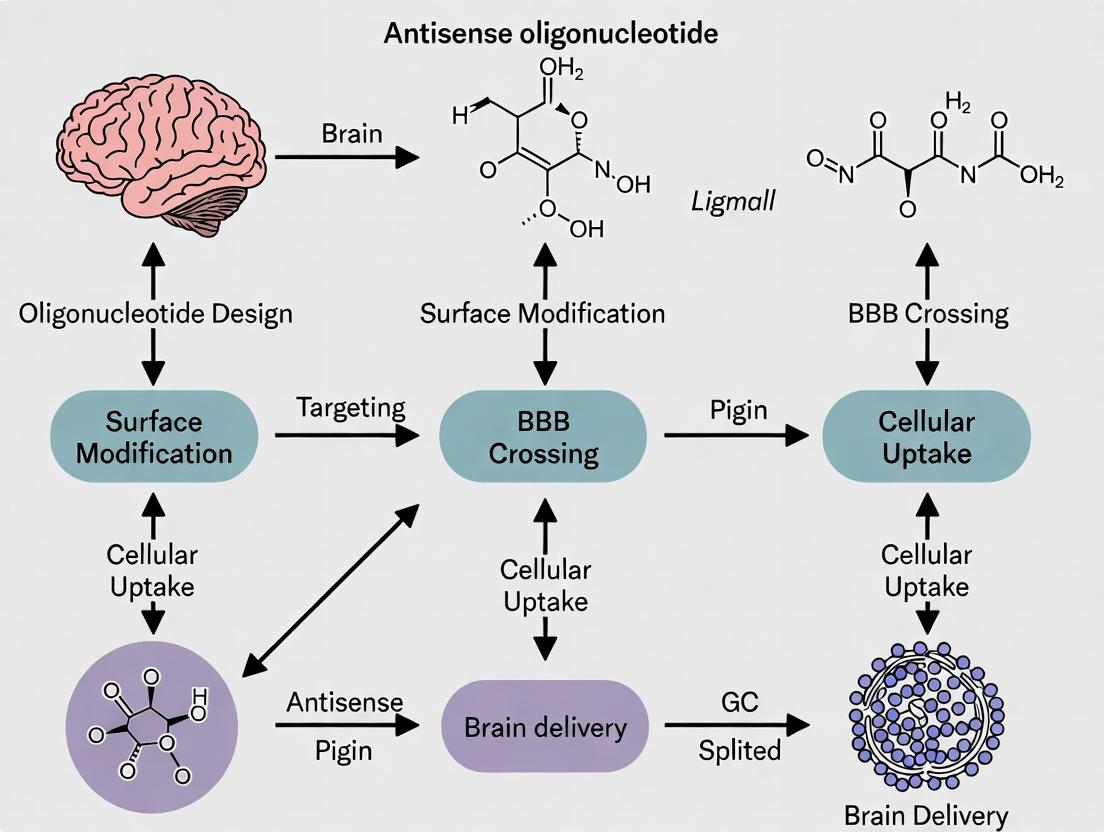
This article provides a comprehensive review of current and emerging strategies to deliver antisense oligonucleotides (ASOs) across the blood-brain barrier (BBB) for the treatment of neurological diseases.
Crossing the Fortress: Cutting-Edge Strategies for ASO Brain Delivery in Neurological Therapeutics
Abstract
This article provides a comprehensive review of current and emerging strategies to deliver antisense oligonucleotides (ASOs) across the blood-brain barrier (BBB) for the treatment of neurological diseases. Aimed at researchers and drug development professionals, it explores the fundamental biological barriers, details innovative delivery methodologies including chemical modifications and nanocarriers, addresses critical optimization and safety challenges, and validates approaches through comparative analysis of preclinical and clinical data. The synthesis offers a roadmap for translating ASO technology into effective central nervous system therapies.
Understanding the Barrier: The Biological Hurdles for ASO Delivery to the Brain
Application Notes
The Blood-Brain Barrier (BBB) is a highly selective semipermeable border of endothelial cells that protects the central nervous system (CNS) from potentially harmful circulating substances while regulating the transport of essential molecules. In the context of antisense oligonucleotide (ASO) brain delivery research, understanding the BBB's anatomical and physiological components is paramount for developing effective CNS-targeted therapeutics.
Anatomical Components:
- Brain Endothelial Cells: Form the capillary walls, connected by continuous tight junctions (TJs) and adherens junctions, drastically reducing paracellular permeability.
- Pericytes: Embedded within the basement membrane, they regulate capillary blood flow, endothelial transcytosis, and TJ integrity.
- Astrocyte End-feet: Extensions of astrocytes that ensheathe >99% of the BBB endothelium, providing biochemical support.
- Basement Membrane: A specialized extracellular matrix scaffold.
Key Physiological Transport Mechanisms:
- Transcellular Lipophilic Diffusion: Passive diffusion for small (<400 Da), lipid-soluble molecules.
- Carrier-Mediated Transport (CMT): Facilitates influx of essential nutrients (e.g., GLUT1 for glucose).
- Receptor-Mediated Transcytosis (RMT): Vesicular transport of larger molecules (e.g., transferrin, insulin) via specific receptor engagement.
- Efflux Transport: Active, ATP-dependent expulsion of xenobiotics via transporters like P-glycoprotein (P-gp/ABCB1).
Implications for ASO Delivery: Naked phosphorothioate ASOs have limited CNS penetration (<0.1% of injected dose) due to their large molecular weight, hydrophilicity, and susceptibility to efflux. Strategic delivery must leverage endogenous transport pathways, particularly RMT, or transiently modulate BBB integrity.
Table 1: Physicochemical Properties and BBB Penetration of Therapeutic Modalities
| Modality | Typical Molecular Weight (kDa) | Log P | Primary BBB Passage Mechanism | Estimated % Injected Dose in Brain* |
|---|---|---|---|---|
| Small Molecule (Lipophilic) | <0.5 | High (>2) | Passive Diffusion | 1-5% |
| Biologic (Antibody) | ~150 | Low | RMT (Low Efficiency) | ~0.01-0.1% |
| Naked ASO (PS-backbone) | ~7-8 | Very Low | Limited Passive/CMT | <0.1% |
| ASO Conjugate (e.g., anti-TfR) | ~7-8 (plus conjugate) | Low | Targeted RMT | 0.5-3% (varies by conjugate) |
*Representative values from preclinical rodent studies; human penetration is typically lower.
Table 2: Expression of Key Transporters and Receptors at the Human BBB
| Transporter/Receptor | Gene Symbol | Primary Direction | Substrate Example | Relevance to ASO Delivery |
|---|---|---|---|---|
| P-glycoprotein | ABCB1 | Efflux | Various drugs | Major barrier; inhibition may increase ASO exposure. |
| GLUT1 | SLC2A1 | Influx | D-glucose | Essential nutrient transporter; not for ASOs. |
| Transferrin Receptor | TFRC | Influx (RMT) | Transferrin, iron | Prime target for antibody/conjugate-mediated ASO delivery. |
| Insulin Receptor | INSR | Influx (RMT) | Insulin | Target for conjugate-mediated delivery (e.g., antibody fusion). |
| LDL Receptor | LDLR | Influx (RMT) | ApoE, lipids | Target for lipid nanoparticle or peptide-conjugate delivery. |
Experimental Protocols
Protocol 1: In Vitro BBB Model for ASO Permeability Assessment
Objective: To measure the apparent permeability (Papp) of ASOs across a monolayer of brain endothelial cells. Model: Immortalized human brain endothelial cell line (hCMEC/D3) grown on collagen-coated Transwell inserts. Duration: 5-7 days for culture, 1 day for experiment.
- Cell Seeding: Seed hCMEC/D3 cells at 1.0 x 10^5 cells/cm² on 0.4 µm pore, collagen-coated polyester Transwell inserts (12-well format). Culture in EGM-2 MV medium.
- Barrier Integrity Validation: Monitor Transendothelial Electrical Resistance (TEER) daily using an epithelial volt-ohm meter. Use inserts with TEER >40 Ω·cm² (background subtracted). Validate pre-experiment with 10 µg/mL sodium fluorescein (NaF) permeability (Papp < 2.0 x 10^-6 cm/s).
- ASO Dosing: Prepare ASO (e.g., 5 µM) in pre-warmed transport buffer (Hanks' Balanced Salt Solution, 10 mM HEPES, pH 7.4). Add to the apical (donor) compartment (0.5 mL). Add fresh buffer to the basolateral (acceptor) compartment (1.5 mL). Include a Lucifer Yellow (100 µM) control for monolayer integrity.
- Sample Collection: Collect 100 µL from the basolateral compartment at t=60, 120, and 180 minutes, replacing with fresh pre-warmed buffer. Collect a donor sample at t=0 and t=180 min.
- ASO Quantification: Analyze samples using a hybridization ELISA or LC-MS/MS specific for the ASO sequence.
- Data Analysis: Calculate Papp (cm/s) using the formula: Papp = (dQ/dt) / (A * C0), where dQ/dt is the steady-state flux, A is the membrane area, and C0 is the initial donor concentration.
Protocol 2: In Vivo Brain Uptake Study of ASO Conjugates in Mice
Objective: To quantify brain and plasma pharmacokinetics (PK) of a systemically administered ASO conjugate. Model: Wild-type C57BL/6J mice (n=5-6 per group/time point). Duration: 1-2 weeks.
- Dosing Solution: Prepare conjugate ASO in sterile PBS. Filter through a 0.2 µm filter.
- Administration: Administer a single intravenous bolus injection via the tail vein at a dose of 50 mg/kg (volume: 10 mL/kg).
- Sample Collection: At predetermined time points (e.g., 5 min, 30 min, 2h, 8h, 24h, 7d), anesthetize mice. Collect blood via cardiac puncture into EDTA tubes. Centrifuge at 2000 x g for 10 min to obtain plasma.
- Brain Perfusion: Immediately after blood draw, perfuse the mouse transcardially with 20 mL of ice-cold PBS to clear the intravascular blood-pool ASO.
- Brain Harvesting: Decapitate, remove the whole brain, weigh it, and snap-freeze in liquid nitrogen. Store at -80°C.
- Tissue Homogenization: Homogenize the whole brain in a 5x volume (w/v) of PBS using a bead homogenizer. Centrifuge at 15,000 x g for 15 min at 4°C. Collect the supernatant.
- Bioanalysis: Quantify ASO concentration in plasma and brain homogenate supernatant using a specific hybridization ELISA or LC-MS/MS method.
- Data Analysis: Calculate PK parameters (Cmax, Tmax, AUC) for plasma and brain. Determine the brain-to-plasma ratio (AUCbrain / AUCplasma) and calculate %Injected Dose per Gram of tissue (%ID/g).
Visualizations
Diagram Title: Cellular Anatomy of the Neurovascular Unit
Diagram Title: Integrated ASO Brain Delivery Research Workflow
Diagram Title: Receptor-Mediated Transcytosis for ASO Delivery
The Scientist's Toolkit
Table 3: Key Research Reagent Solutions for BBB/ASO Studies
| Reagent/Material | Vendor Examples | Primary Function in BBB/ASO Research |
|---|---|---|
| hCMEC/D3 Cell Line | MilliporeSigma, Cellworks | Immortalized human BBB endothelial model for in vitro permeability screening. |
| Collagen IV, Rat Tail | Corning, Thermo Fisher | Coating substrate for culturing brain endothelial cells on Transwell inserts. |
| Transwell Permeable Supports | Corning | Polyester/collagen-coated inserts with porous membrane to establish cell barriers. |
| EVOM2 Voltohmmeter | World Precision Instruments | Instrument for non-invasive, daily measurement of Transendothelial Electrical Resistance (TEER). |
| Lucifer Yellow CH | Thermo Fisher | Small fluorescent paracellular integrity marker for validating BBB monolayer tightness. |
| Anti-Human TfR Antibody (e.g., Clone 128.1) | R&D Systems, Invitrogen | Tool for generating ASO conjugates or for studying RMT mechanisms. |
| P-glycoprotein Inhibitor (e.g., Zosuquidar, Elacridar) | Tocris, Selleckchem | Pharmacological tool to assess the role of efflux transporters in ASO brain exposure. |
| Mouse-on-Mouse ASO Quantification Kit | Hybridization ELISA from Alpha Labs, LC-MS/MS services | Sensitive, sequence-specific bioanalytical method for quantifying ASOs in biological matrices. |
| Perfusion Pump & Cannulae | Harvard Apparatus, World Precision Instruments | System for efficient vascular perfusion in rodents to clear blood-pool ASO prior to brain harvest. |
| Phosphorothioate-Modified ASO Control | Integrated DNA Technologies, Bio-Synthesis | Standardized, nuclease-resistant negative/positive control ASO for assay validation. |
Antisense oligonucleotides (ASOs) are short, synthetic, single-stranded nucleic acid polymers designed to selectively modulate gene expression by binding to complementary RNA sequences via Watson-Crick base pairing. This application note details the fundamental principles of ASO therapeutics, framed within the critical research challenge of brain delivery for treating neurological disorders. The content is structured to provide researchers with a concise overview, quantitative comparisons, and actionable protocols for preclinical evaluation.
ASO Chemistry and Modifications
The native phosphodiester backbone of DNA is rapidly degraded by nucleases. Chemical modifications are essential to confer drug-like properties: nuclease resistance, enhanced target affinity, and improved pharmacokinetics.
Table 1: Common ASO Chemical Modifications and Properties
| Modification | Backbone/Sugar | Key Property | Primary Impact |
|---|---|---|---|
| Phosphorothioate (PS) | Backbone (S replaces O) | Nuclease resistance, protein binding | Improves plasma half-life & tissue distribution |
| 2'-O-Methoxyethyl (2'-MOE) | Sugar ring | Increased RNA affinity, nuclease resistance | Enhances potency & duration of action |
| 2'-O-Methyl (2'-OMe) | Sugar ring | Increased RNA affinity | Improves stability and hybridization |
| Locked Nucleic Acid (LNA) | Sugar ring (bridged) | Very high RNA affinity | Increases potency & allows shorter ASOs |
| Phosphorodiamidate Morpholino Oligomer (PMO) | Morpholino ring & neutral backbone | Nuclease resistant, no protein binding | Reduces non-specific interactions, good safety |
| GalNAc Conjugation | Trisaccharide ligand | Targets hepatocyte asialoglycoprotein receptor | Dramatically enhances liver uptake (~10-fold) |
Modern "gapmer" designs combine different modifications: central DNA "gap" regions (for RNase H1 recruitment) flanked by modified "wings" (e.g., 2'-MOE, LNA) for stability and affinity.
Diagram 1: ASO chemical evolution from native DNA to drug-like molecules.
Mechanisms of Action
ASOs induce therapeutic effects through several sequence-dependent mechanisms, broadly categorized as occupancy-only or occupancy-mediated degradation.
Table 2: Primary ASO Mechanisms of Action
| Mechanism | ASO Design Requirement | Key Effector Protein | Outcome | Typical ASO Chemistry |
|---|---|---|---|---|
| RNase H1 Cleavage | DNA or DNA-like gap | RNase H1 | Degradation of target RNA | Gapmer (PS-DNA core) |
| Steric Blockade | High-affinity modified RNA | None | Modulation of splicing, translation, or miRNA activity | Uniform 2'-MOE, 2'OMe, PMO, LNA |
| Exon Skipping | Targeting splice sites | Spliceosome | Exclusion of exons from mature mRNA | PMO, 2'-MOE (e.g., Eteplirsen) |
| miRNA Antagonism | Complementary to miRNA | RISC (partial) | Sequestration of microRNA | LNA, 2'-MOE (Antagomirs) |
Diagram 2: Two principal mechanistic pathways for ASO-mediated gene regulation.
Pharmacokinetic (PK) and Pharmacodynamic (PD) Profile
The PK profile of ASOs is dominated by their polyanionic nature and extensive chemical modification. Understanding this is critical for designing brain delivery strategies.
Table 3: Typical Pharmacokinetic Parameters of Systemically Administered ASOs (e.g., PS-Backbone Gapmers)
| Parameter | Typical Value/Range | Key Influencing Factors |
|---|---|---|
| Plasma T½ | 2 - 5 weeks in humans | PS content, protein binding, conjugate |
| Volume of Distribution | ~ 0.5 L/kg (larger than plasma) | Extensive tissue binding (e.g., kidney, liver, spleen) |
| Clearance | Primarily via metabolism (nucleases) | Backbone chemistry, sequence |
| Primary Route of Elimination | Metabolism in tissues, renal excretion of metabolites | Molecular weight, charge |
| Bioavailability (SC) | 50 - 90% | High stability, low first-pass metabolism |
| Key Distribution Tissues | Liver, Kidney, Spleen, Adipose, Bone Marrow | Protein binding, blood flow, capillary permeability |
| CNS Penetration (No Carrier) | Extremely Low (<0.1% of dose) | Blood-Brain Barrier (BBB) impermeability, efflux |
The major barrier to neurological applications is the Blood-Brain Barrier (BBB). Systemically administered ASOs achieve minimal brain parenchyma exposure. Current brain delivery strategies in research include:
- Intracerebroventricular (ICV) or Intrathecal (IT) Injection: Direct delivery to CSF, enabling broad CNS distribution along perivascular spaces.
- Conjugation to BBB-Shuttles: Fusion to peptides, antibodies, or ligands that undergo receptor-mediated transcytosis (e.g., Transferrin receptor).
- Nanocarrier Systems: Encapsulation in lipid nanoparticles (LNPs) or polymers.
- Focused Ultrasound with Microbubbles: Temporary BBB disruption for localized ASO entry.
Diagram 3: PK profile showing peripheral tissue distribution and the CNS delivery challenge.
Protocols for Preclinical ASO Evaluation
Protocol 1: In Vitro Potency Assay (RNase H1-Mediated Knockdown)
Objective: Determine the IC₅₀ of a candidate ASO for mRNA reduction in a cultured cell line. Materials: See "The Scientist's Toolkit" below. Procedure:
- Cell Seeding: Seed appropriate cells (e.g., HeLa, primary hepatocytes) in a 96-well plate at 10,000 cells/well in complete medium. Incubate 24h.
- ASO Transfection: Prepare serial dilutions of ASO stock (e.g., 100 µM to 0.1 nM) in serum-free Opti-MEM. Mix Lipofectamine 2000 reagent (0.25 µL/well) with Opti-MEM, incubate 5 min. Combine diluted ASO with diluted Lipofectamine (1:1 ratio), incubate 20 min at RT to form complexes.
- Treatment: Add complexes to cells (in triplicate). Include a negative control (scrambled ASO) and a mock transfection control. Incubate for 4-6h, then replace with fresh complete medium.
- Harvest: 24h post-transfection, lyse cells using a RNA lysis buffer (e.g., from a kit).
- qRT-PCR Analysis: Isolate total RNA, synthesize cDNA. Perform TaqMan or SYBR Green qPCR for target gene and housekeeping gene (e.g., GAPDH). Calculate % mRNA remaining relative to control using the 2^(-ΔΔCt) method.
- Data Analysis: Plot % mRNA vs. log[ASO]. Fit a 4-parameter logistic curve to calculate IC₅₀.
Protocol 2: Evaluation of ASO Brain Exposure in Mice
Objective: Quantify ASO concentration in brain regions following systemic vs. intracerebroventricular (ICV) administration. Materials: Cy3- or fluorescently labeled ASO, Stereotaxic instrument, Hamilton syringe, LC-MS/MS system. Procedure: A. Dosing:
- Systemic Group: Inject mice (n=5) via tail vein with labeled ASO (e.g., 50 mg/kg in saline).
- ICV Group: Anesthetize mice, secure in stereotaxic frame. Make a small burr hole at coordinates for lateral ventricle (e.g., -0.5 mm AP, ±1.0 mm ML from Bregma, -2.3 mm DV). Infuse 5-10 µL of ASO solution (e.g., 500 µg) via a 33-gauge needle at 1 µL/min. Leave needle in place for 2 min post-infusion.
- Control Group: Saline injection. B. Tissue Collection: At terminal timepoint (e.g., 24h or 72h), perfuse mice transcardially with ice-cold PBS. Dissect brain regions (cortex, striatum, cerebellum, spinal cord), liver, and kidney. Weigh and snap-freeze. C. Analysis:
- For Fluorescent ASO: Homogenize tissues in PBS. Measure fluorescence (Ex/Em for label) and compare to a standard curve. Normalize to tissue weight.
- For LC-MS/MS: Homogenize tissue in a suitable buffer, perform solid-phase extraction to isolate ASO. Use specific MRM transitions for quantification. Express as ng/g tissue. D. Imaging: Fix brains from a parallel cohort in 4% PFA, section, and image via fluorescence microscopy to visualize distribution patterns.
The Scientist's Toolkit: Key Reagents & Materials
| Item | Function/Application | Example/Notes |
|---|---|---|
| PS-backbone Gapmer ASO (Control) | Positive control for RNase H1 assays. Validates experimental system. | e.g., targeting murine Malat1 or human APP. |
| Scrambled Sequence ASO | Negative control with no known target. Distinguishes sequence-specific from non-specific effects. | Same chemistry as active ASO, mismatched sequence. |
| Lipofectamine 2000/3000 | Cationic lipid transfection reagent for efficient in vitro ASO delivery to adherent cells. | For screening in cell culture. |
| Gymnotic Delivery Medium | Serum-free medium for "free uptake" (gymnosis) experiments, assessing ASO internalization without transfection agents. | Essential for studying unconjugated ASO cell entry. |
| TaqMan Assays | Sequence-specific probes for quantifying target mRNA knockdown via qRT-PCR. Gold standard for potency. | Must be designed against the ASO target region. |
| RNase H1 ELISA Kit | Quantifies RNase H1 protein levels, useful for mechanistic studies. | Confirm effector availability in cell/tissue models. |
| Stereotaxic Frame & Syringe | Precise instrument for intracranial (ICV, intraparenchymal) ASO injection in rodent models. | Critical for preclinical CNS delivery studies. |
| Anti-ASO Antibody | Used for immunohistochemistry or immunoassay to detect ASO distribution in tissues. | Confirms cellular uptake and localization. |
| LC-MS/MS System | Enables sensitive and specific quantification of intact ASO and its metabolites in biological matrices. | Required for definitive PK studies (GLP). |
| GalNAc-Conjugated ASO (Control) | Positive control for highly efficient hepatocyte uptake in vivo. | Benchmarks liver-targeting efficacy. |
Application Notes
Antisense oligonucleotides (ASOs) represent a promising therapeutic modality for neurological disorders. Their clinical translation, however, is hindered by two primary, interconnected challenges: (1) rapid systemic degradation by nucleases in plasma and tissues, leading to poor pharmacokinetics, and (2) the formidable blood-brain barrier (BBB), which severely limits brain parenchyma penetration. Successful brain delivery strategies must concurrently address both obstacles. Current research focuses on chemical modifications to enhance stability and carrier-mediated delivery systems to facilitate BBB transit.
Table 1: Pharmacokinetic Profile of ASO Chemistries in Plasma
| ASO Chemistry (Generation) | Half-life in Plasma (Mouse/Primate) | Key Nuclease Resistance Mechanism | Relative Unassisted BBB Penetration |
|---|---|---|---|
| First-Gen (Phosphorothioate) | ~30-60 minutes | Sulfur substitution in backbone (PS) | Very Low (<0.1% ID/g) |
| Second-Gen (2'-MOE, 2'-OMe) | ~2-4 weeks | Sugar moiety modification (PS backbone) | Low (~0.1-0.5% ID/g) |
| Third-Gen (PMO, PNA) | Weeks | Morpholino/peptide backbone (no PS) | Low |
| Gapmer (PS-2'-MOE/OME) | ~3-5 weeks | Chimeric design; central DNA gap for RNase H | Very Low |
Table 2: Brain Delivery Efficacy of Select ASO Formulations
| Delivery Strategy | ASO Payload | Model System | % Injected Dose/g Brain | Key Enhancement vs. Naked ASO |
|---|---|---|---|---|
| Naked 2'-MOE Gapmer | SOD1 ASO | Mouse (ICV) | High (direct CNS admin) | N/A |
| Naked 2'-MOE Gapmer | SOD1 ASO | Mouse (Systemic IV) | ~0.4% | Baseline |
| ASO conjugated to Anti-Transferrin Receptor mAb | BACE1 ASO | Mouse (IV) | ~2-4% | ~5-10x increase |
| ASO loaded in Lipid Nanoparticles (LNPs) | GFP ASO | Mouse (IV) | ~1-3% | ~3-8x increase |
| ASO conjugated to Cell-Penetrating Peptide (CPP) | Dystrophin ASO | Mouse (IV) | ~0.8-1.5% | ~2-4x increase |
Experimental Protocols
Protocol 1: Assessing Plasma Stability of Chemically Modified ASOs
Objective: To quantify the resistance of ASOs with different chemical modifications to degradation by serum nucleases.
Materials:
- Test ASOs (e.g., PS, 2'-MOE, PMO).
- Mouse or human serum (commercially available).
- Nuclease-free water and tubes.
- Proteinase K.
- Phenol:chloroform:isoamyl alcohol (25:24:1).
- Ethanol (100% and 70%).
- Denaturing Polyacrylamide Gel Electrophoresis (PAGE) apparatus.
- SYBR Gold nucleic acid stain.
- Imaging system (e.g., ChemiDoc).
Procedure:
- Serum Incubation: Dilute each ASO to 1 µM in a solution containing 80% (v/v) serum. Incubate at 37°C.
- Time-Point Sampling: Remove 20 µL aliquots at T=0, 15 min, 30 min, 1h, 2h, 4h, 8h, and 24h.
- Protein Digestion: Immediately mix each aliquot with 2 µL of Proteinase K (20 mg/mL) and incubate at 50°C for 1 hour to digest serum proteins.
- ASO Extraction: Add an equal volume of phenol:chloroform:isoamyl alcohol to each sample. Vortex, centrifuge, and carefully transfer the upper aqueous phase to a new tube.
- Precipitation: Add 2.5 volumes of 100% ethanol and 0.1 volumes of 3M sodium acetate (pH 5.2). Precipitate at -80°C for 1 hour. Centrifuge at 14,000 rpm for 30 min at 4°C. Wash pellet with 70% ethanol, air dry, and resuspend in nuclease-free water.
- Analysis: Run samples on a denaturing PAGE gel (15-20%). Stain with SYBR Gold and image. Quantify the intensity of the full-length ASO band relative to T=0 control for each time point to determine degradation kinetics.
Protocol 2: Evaluating Brain Uptake via Systemic Administration in Mice
Objective: To measure the concentration of ASO reaching the brain parenchyma following intravenous injection of formulated vs. naked ASO.
Materials:
- Cy5- or Alexa Fluor-labeled ASO (naked and formulated, e.g., conjugated to targeting ligand).
- Adult C57BL/6 mice.
- Saline for injection.
- Perfusion apparatus (pump, tubing, cannula).
- Phosphate-Buffered Saline (PBS) and 4% Paraformaldehyde (PFA).
- Tissue homogenizer.
- Fluorescence plate reader or quantitative PCR (qPCR) setup for unlabeled ASO.
Procedure:
- Dosing: Inject mice intravenously (via tail vein) with a standardized dose (e.g., 50 mg/kg) of labeled or unlabeled ASO formulation. Include a group injected with naked ASO as control.
- Perfusion and Collection: At predetermined time points (e.g., 4h, 24h), deeply anesthetize the animal. Perfuse transcardially with 20-30 mL of ice-cold PBS to clear the intravascular ASO pool.
- Brain Harvest: Dissect out the whole brain. Hemisect: one hemisphere for quantitative analysis, the other for potential sectioning/imaging.
- Quantification (Fluorophore-labeled ASO): a. Homogenize the hemisphere in a known volume of PBS. b. Measure fluorescence intensity in the homogenate using a plate reader. c. Compare to a standard curve of known ASO concentrations to calculate % Injected Dose per gram of tissue (%ID/g).
- Quantification (Unlabeled ASO - Gold Standard): a. Homogenize brain tissue in a guanidinium thiocyanate-based lysis buffer. b. Extract total RNA/DNA. c. Perform reverse transcription (if targeting mRNA) followed by quantitative PCR (qPCR) using primers/probes specific to the ASO sequence. Report values as ng ASO per mg tissue.
Visualizations
Title: Systemic Degradation & BBB Blockade of ASOs
Title: ASO Brain Delivery Evaluation Workflow
The Scientist's Toolkit: Key Research Reagent Solutions
| Item | Function & Relevance |
|---|---|
| Nuclease-Resistant ASO Chemistries (2'-MOE, 2'-F, PMO, LNA) | Backbone/sugar modifications that dramatically increase plasma and tissue half-life, forming the foundation for systemic delivery. |
| Active Targeting Ligands (Anti-TfR/Anti-IGF2R antibodies, RVG peptide) | Conjugated to ASOs to engage receptor-mediated transcytosis pathways at the BBB, enhancing brain uptake. |
| Lipid Nanoparticles (LNPs) | Encapsulate and protect ASOs, can be functionalized for targeting; facilitate endosomal escape post-uptake. |
| Cell-Penetrating Peptides (CPPs) | Covalently linked to ASOs to improve cellular internalization, though often lack brain specificity. |
| Fluorophore-Labeled ASOs (Cy5, Alexa Fluor) | Enable rapid visualization and semi-quantification of biodistribution and cellular uptake in vitro and ex vivo. |
| TaqMan qPCR Assays for ASO Quantification | Gold-standard method for quantifying unlabeled ASO concentrations in tissues with high specificity and sensitivity. |
| 3D In Vitro BBB Models (Transwell co-cultures, organ-on-a-chip) | Provide a medium-throughput platform to screen ASO formulations for BBB penetration potential before animal studies. |
| LC-MS/MS Protocols for ASO Bioanalysis | Used for definitive pharmacokinetic characterization, detecting the intact parent ASO and its metabolites. |
Receptor-mediated transcytosis (RMT) is a pivotal biological mechanism for traversing the blood-brain barrier (BBB). For antisense oligonucleotide (ASO) therapeutic research, exploiting RMT is a leading strategy to achieve sufficient CNS exposure. This application note details the principles, key receptors, quantitative data, and experimental protocols for studying RMT in the context of ASO brain delivery.
Key Receptors & Quantitative Data
Table 1: Major RMT Receptors at the BBB for ASO Carrier Targeting
| Receptor | Primary Ligand(s) | Estimated Density (receptors/µm²) | Transcytosis Rate (% Injected Dose/g brain) | Key Advantage for ASOs |
|---|---|---|---|---|
| Transferrin Receptor (TfR) | Transferrin, anti-TfR antibodies | 50-100 | 0.5 - 2.5% | High expression, well-characterized |
| Insulin Receptor (IR) | Insulin, anti-IR antibodies | 10-20 | 0.2 - 1.0% | Lower competition with endogenous ligand |
| Low-Density Lipoprotein Receptor (LDLR) | ApoB, ApoE | 15-30 | 0.3 - 1.2% | Broad family (LRP1, LRP8) for multiplexing |
| Diphtheria Toxin Receptor (DTR) | CRM197, anti-DTR mAbs | Low (inducible) | Variable | Minimal baseline binding |
Table 2: Performance of ASO-Conjugated RMT Ligands (Recent Preclinical Studies)
| ASO Payload (Mechanism) | Carrier Ligand | Target Receptor | Brain Uptake Increase (vs. naked ASO) | Target Engagement (CNS mRNA/Protein Reduction) |
|---|---|---|---|---|
| SOD1 ASO (Gapmer) | Anti-TfR scFv | TfR | 40-60x | 70-80% reduction |
| HTT ASO (Splice-switcher) | ApoE-derived peptide | LDLR/LRP1 | 25-35x | 60-70% reduction |
| BACE1 ASO (Gapmer) | Insulin mimetic peptide | IR | 30-50x | 65-75% reduction |
Experimental Protocols
Protocol 1: In Vitro BBB Transcytosis Assay Using hCMEC/D3 Cells
Purpose: To quantitatively assess ASO-carrier conjugate transport across a human BBB model. Materials: See "Scientist's Toolkit" below. Procedure:
- Cell Culture: Seed hCMEC/D3 cells at 50,000 cells/cm² on collagen-coated 12-well Transwell inserts (0.4 µm pore). Culture for 5-7 days until TEER > 40 Ω·cm².
- Conjugate Preparation: Dilute fluorescently labeled ASO-carrier conjugate (e.g., ASO-anti-TfR scFv) in pre-warmed assay buffer (HBSS, 0.1% BSA, 10 mM HEPES, pH 7.4). Keep naked ASO control.
- Apical-to-Basolateral Transport: Add 0.5 mL of conjugate solution (e.g., 500 nM) to the apical chamber. Add 1.5 mL of assay buffer to the basolateral chamber.
- Incubation & Sampling: Incubate at 37°C, 5% CO₂. At t=30, 60, 120 min, sample 100 µL from the basolateral chamber and replace with fresh buffer.
- Quantification: Measure fluorescence (or using ASO-specific hybridization ELISA) in samples. Calculate Apparent Permeability (Papp) using: Papp = (dQ/dt) / (A * C₀), where dQ/dt is the transport rate, A is the insert area, and C₀ is the initial apical concentration.
- Inhibition Controls: Co-incubate with 20x excess of free ligand to confirm receptor-specific transport.
Protocol 2: In Vivo Brain Uptake and Pharmacokinetics in Mice
Purpose: To evaluate the brain delivery efficiency and systemic PK of ASO-RMT conjugates. Procedure:
- Conjugate Dosing: Administer a single IV bolus (tail vein) of the ASO-conjugate (e.g., 5 mg ASO-equiv/kg) to wild-type or disease model mice (n=5-6/group).
- Biodistribution Time-Course: Euthanize animals at predetermined times (e.g., 5 min, 1h, 4h, 24h). Collect blood via cardiac puncture, and perfuse with 20 mL ice-cold PBS. Harvest brain, liver, kidney, and spleen.
- Tissue Processing: Homogenize brain hemispheres in lysis buffer. Use a validated method (e.g., magnetic bead capture, Proteinase K digestion followed by hybridization ELISA) to quantify ASO concentration in tissue homogenates and plasma.
- Data Analysis: Calculate brain uptake as % Injected Dose per gram (%ID/g). Generate concentration-time curves for plasma and tissues. Determine AUC (Area Under the Curve) ratios (Brain/Plasma) to compare delivery efficiency across constructs.
- Receptor Blockade Study: Pre-inject a saturating dose of free ligand (e.g., anti-TfR antibody, 10 mg/kg) 10 min prior to conjugate administration to confirm RMT pathway.
Visualizations
Diagram 1: ASO-RMT Conjugate Journey Across BBB
Diagram 2: In Vitro RMT Assay Workflow
The Scientist's Toolkit
Table 3: Essential Research Reagents & Materials
| Item Name | Supplier Examples | Function in RMT/ASO Research |
|---|---|---|
| hCMEC/D3 Cell Line | Merck/Sigma-Aldrich, Cellutions Biosystems | Immortalized human cerebral microvascular endothelial cell line forming a functional BBB model in vitro. |
| Collagen IV, Human | Thermo Fisher, Corning | Coating substrate for culturing BBB endothelial cells to promote monolayer formation and phenotype. |
| Transwell Permeable Supports | Corning | Polyester membrane inserts for culturing cell monolayers and performing transport assays. |
| EVOM3 Voltohmmeter | World Precision Instruments | For measuring Transendothelial Electrical Resistance (TEER) to validate monolayer integrity. |
| Anti-Human TfR Antibody | R&D Systems, Bio-Techne | Tool for constructing conjugates or for inhibition/blocking studies in transcytosis assays. |
| Fluorescently Labeled ASO | Integrated DNA Technologies, Bio-Synthesis | Allows direct visualization and quantification of ASO transport without secondary detection. |
| ASO Hybridization ELISA Kit | Alpha Labs, Creative Biogene | Sensitive and specific quantification of ASO payload in biological matrices (plasma, tissue). |
| Recombinant ApoE3 Protein | PeproTech | Peptide carrier for targeting LDLR/LRP1 family receptors on the BBB. |
The clinical translation of intrathecal antisense oligonucleotide (ASO) therapies for neurological disorders represents a pivotal validation of direct CNS delivery. Nusinersen (Spinraza) for spinal muscular atrophy (SMA) and Tofersen (Qalsody) for SOD1-amyotrophic lateral sclerosis (ALS) provide critical benchmarks for success. The following tables summarize their core pharmacological and clinical development data.
Table 1: Drug & Target Profile
| Parameter | Nusinersen | Tofersen |
|---|---|---|
| ASO Chemistry | 2'-O-2-methoxyethyl (2'MOE) phosphorothioate | 2'MOE phosphorothioate (cEt wing) |
| Mechanism | SMN2 pre-mRNA splicing modulation (exon 7 inclusion) | SOD1 mRNA degradation (RNase H1-mediated) |
| Target Indication | 5q SMA (all types) | SOD1-ALS |
| Approval Status | Full (FDA, EMA, etc.) | Accelerated (FDA); Conditional (EMA) |
| Dosing Regimen (Loading) | 4 loading doses over 2 months | 3 loading doses over 2 weeks |
| Maintenance Dosing | Every 4 months | Every 4 weeks |
Table 2: Key Clinical Trial Outcomes & Biomarkers
| Parameter | Nusinersen (ENDEAR Trial) | Tofersen (VALOR + OLE) |
|---|---|---|
| Primary Endpoint (Result) | Motor milestone response (51% vs. 0% sham) | ALSFRS-R slope change (did not meet primary) |
| Key Biomarker Outcome | Increased SMN protein in CSF/Blood | ~35% reduction in CSF SOD1 protein |
| Functional/Survival Benefit | Reduced risk of death/permanent ventilation (63%) | Trend in strength/function; delayed death in OLE |
| Safety Profile | Mostly procedural/post-LP complications | Procedural/post-LP; Myelitis/radiculitis reported |
| CSF Exposure (PK) | T1/2 ~4-6 months in CSF | Sustained exposure with monthly dosing |
Experimental Protocols for Intrathecal ASO Development
Protocol 1: Quantitative Analysis of Target Engagement Biomarker in CSF
- Objective: To quantify changes in target protein concentration (e.g., SMN, SOD1) in cerebrospinal fluid (CSF) as a pharmacodynamic (PD) readout of ASO activity.
- Materials: Serial CSF samples (pre-dose and post-dose), validated ELISA or electrochemiluminescence (ECL) immunoassay kit for target protein, plate reader.
- Procedure:
- Sample Collection & Storage: Collect CSF via standard lumbar puncture. Centrifuge (2000 x g, 10 min, 4°C) to remove cells. Aliquot and store at -80°C.
- Assay Setup: Perform target protein immunoassay per manufacturer's protocol. Include a standard curve of known concentrations, blank, and quality control samples in duplicate.
- Analysis: Calculate protein concentrations from the standard curve. Normalize values if required (e.g., to total CSF protein).
- Statistics: Perform longitudinal analysis (e.g., mixed-effect model) comparing baseline to on-treatment concentrations for each subject.
Protocol 2: Assessment of ASO Tissue Biodistribution in Preclinical Models
- Objective: To measure ASO concentration and demonstrate target mRNA reduction in spinal cord and brain regions following intrathecal administration.
- Materials: Rodent or non-human primate (NHP) model, test ASO, saline control, tissue homogenizer, qRT-PCR setup, hybridization ELISA for ASO quantification.
- Procedure:
- Dosing & Sacrifice: Administer a single intrathecal bolus of ASO or vehicle. Euthanize animals at predetermined timepoints (e.g., 2, 4, 12 weeks).
- Tissue Harvest: Dissect spinal cord (cervical, thoracic, lumbar), brain regions (cortex, cerebellum, brainstem), and peripheral tissues (liver, kidney). Flash-freeze in liquid nitrogen.
- ASO Quantification (Hybridization ELISA): Homogenize tissues. Extract nucleic acids. Use a biotinylated capture probe complementary to the ASO and a labeled detection probe in a plate-based assay to quantify ASO levels.
- Target mRNA Quantification (qRT-PCR): Extract RNA from tissue lysates. Perform reverse transcription and qPCR using probes specific for the target mRNA and a reference gene (e.g., Gapdh, Hprt). Calculate fold-change using the ΔΔCt method.
Visualization of Development Pathways & Workflows
Title: Nusinersen Mechanism: SMN2 Splicing Correction
Title: Tofersen Mechanism: RNase H1-Mediated SOD1 Knockdown
Title: Intrathecal ASO Clinical Development Workflow
The Scientist's Toolkit: Key Research Reagent Solutions
Table 3: Essential Materials for Intrathecal ASO Research
| Item | Function & Application | Example/Notes |
|---|---|---|
| 2'MOE Phosphorothioate ASOs | Backbone chemistry for stability and tissue retention. Used as positive controls or tool compounds. | Nusinersen/Tofersen sequences; scramble control ASOs. |
| RNase H1 Competent Cell Lysate | In vitro evaluation of gapmer ASO activity. Measures target RNA cleavage efficiency. | Commercial kits or prepared from HeLa/SH-SY5Y cells. |
| CSF/Surrogate Matrices | For developing and validating PK/PD assays in biologically relevant fluids. | Human CSF pools; artificial CSF. |
| Splicing Reporter Cell Lines | For screening splice-switching ASOs. Contains SMN2 minigene or other target sequences. | Stable cell lines (e.g., HEK293-SMN2). |
| SOD1 or SMN ELISA Kits | Quantify target protein reduction (PD) in in vitro or ex vivo samples. | Validate kit for rodent vs. human protein. |
| Custom LNA/2'MOE Probes | For detecting ASO biodistribution via in situ hybridization (ISH) or PCR. | 5'/3'-labeled DNA probes complementary to ASO. |
| Preclinical Intrathecal Dosing Kit | For accurate, reproducible delivery of ASO to CSF in rodents or NHPs. | Includes catheter, pump, and sterile surgical supplies. |
The Delivery Toolkit: Chemical, Biological, and Physical Strategies to Bypass the BBB
The systemic delivery of antisense oligonucleotides (ASOs) to the brain is critically hindered by the blood-brain barrier (BBB). Receptor-mediated transcytosis (RMT) presents a promising strategy to shuttle ASO cargoes across this barrier. This application note details strategies and protocols for conjugating ASOs to ligands of three highly expressed BBB receptors: Transferrin Receptor (TfR), Insulin Receptor (HIR), and Low-Density Lipoprotein Receptor (LDLR). The focus is on generating proof-of-concept bioconjugates for in vitro and in vivo evaluation in preclinical models of neurodegenerative diseases.
Quantitative Comparison of Target Receptors
Table 1: Key BBB Receptors for ASO Conjugation Strategies
| Receptor | Primary Ligand(s) | BBB Expression Level (Relative) | Evidence for RMT in BBB | Potential Drawbacks for Conjugation |
|---|---|---|---|---|
| Transferrin Receptor (TfR1) | Transferrin (Tf), anti-TfR antibodies (e.g., OX26) | Very High | Well-established; widely used in RMT studies. | High peripheral sink; potential target-mediated drug disposition; competition with endogenous Tf. |
| Insulin Receptor (HIR) | Insulin, anti-insulin receptor antibodies (e.g., 83-14 mAb) | High | Robust transcytosis demonstrated with antibody fragments. | Biological activity of insulin is sensitive to modification; receptor activation risks. |
| Low-Density Lipoprotein Receptor (LDLR) | ApoB, ApoE, angiopep-2 | Moderate to High | Demonstrated for lipoprotein and peptide-based vectors. | Broad expression; may route significantly to lysosomal degradation. |
Research Reagent Solutions Toolkit
Table 2: Essential Materials for Conjugation and Evaluation
| Reagent / Material | Function & Rationale |
|---|---|
| Maleimide-functionalized ASO (3’ or 5’) | Provides a thiol-reactive group for controlled conjugation to cysteine-containing ligands. Standard ASO modification. |
| Recombinant Human Transferrin (apo-form) | Ligand for TfR. Apo-form (iron-free) avoids iron delivery complications and allows derivatization. |
| 83-14 Murine Anti-HIR mAb (Chimeric) | High-affinity antibody to the human insulin receptor. Requires chimeric or humanized format for in vivo use. |
| Angiopep-2 Peptide | A 19-mer peptide ligand for LDLR and LRP1. Contains lysine for conjugation chemistry. |
| SPDP (N-Succinimidyl 3-(2-pyridyldithio)propionate) | Heterobifunctional crosslinker for introducing cleavable disulfide bonds between ligand and ASO. |
| Size-Exclusion HPLC (SE-HPLC) | Critical for purifying and analyzing final conjugate, separating it from free ASO and ligand. |
| hCMEC/D3 Cell Line | In vitro model of human BBB for initial transcytosis and uptake studies. |
| Microvascular Brain Endothelial Cells (Primary Bovine/Rat) | More physiologically relevant in vitro BBB model for permeability assays. |
Protocol 1: Conjugation of ASO to Transferrin via Reducible Disulfide Linkage
Objective: To synthesize a Tf-ASO conjugate cleavable in the reducing intracellular environment. Materials: Apo-Transferrin, Maleimide-ASO, SPDP, Zeba Spin Desalting Columns (7K MWCO), PD-10 Desalting Columns, PBS (pH 7.4), DMSO. Procedure:
- Ligand Thiolation: Dissolve 5 mg of apo-transferrin in 1 mL PBS. Add a 10-fold molar excess of SPDP in DMSO (final DMSO <5%). React for 1 hour at RT.
- Purification: Pass reaction mix through a Zeba column equilibrated with PBS to remove excess SPDP. Collect protein fraction.
- Disulfide Reduction: Add 50 mM DTT to the modified Tf (from Step 2) and incubate for 30 min at RT. This generates free thiols on Tf.
- Purification (Critical): Immediately pass the reduced Tf solution through a second Zeba column equilibrated with degassed PBS (pH 6.5) to remove DTT. Use conjugate immediately.
- Conjugation: Add the thiolated Tf solution dropwise to a solution of Maleimide-ASO (1.2x molar excess) in degassed PBS (pH 6.5). React under nitrogen for 3 hours at 4°C.
- Final Purification: Purify the reaction mixture using a SE-HPLC system or a gravity-flow PD-10 column with PBS to isolate the high molecular weight Tf-ASO conjugate from free ASO. Lyophilize and store at -80°C.
Protocol 2:In VitroTranscytosis Assay Using hCMEC/D3 Monolayers
Objective: To quantitatively assess BBB transport of ligand-ASO conjugates. Materials: hCMEC/D3 cells, 24-well Transwell plates (3µm pore), Fluorescently-labeled ASO or conjugate (e.g., Cy5-ASO), Hanks' Balanced Salt Solution (HBSS), Confocal microscope. Procedure:
- Cell Culture: Seed hCMEC/D3 cells at high density (1.5x10^5 cells/insert) on collagen-coated Transwell filters. Culture for 5-7 days until TEER >40 Ω·cm².
- Experiment Setup: Replace medium in apical (donor) and basolateral (acceptor) compartments with pre-warmed HBSS.
- Dosing: Add test articles (Free ASO, Ligand-ASO conjugate, conjugate + 100x excess free ligand for competition) to the apical compartment. Typical ASO concentration: 1 µM.
- Incubation: Incubate at 37°C for 2-4 hours.
- Sampling: Collect aliquots from the basolateral compartment at defined time points. Measure fluorescence (Ex/Em for Cy5) using a plate reader.
- Analysis: Calculate apparent permeability (Papp) using the formula: Papp = (dQ/dt) / (A * C₀), where dQ/dt is the transport rate, A is the membrane area, and C₀ is the initial donor concentration.
- Visualization: Fix monolayers, stain nuclei and actin, and image using confocal microscopy to confirm cellular uptake and transcytosis.
Visualizations
Diagram 1: RMT Pathway for Brain ASO Delivery
Diagram 2: Conjugate Synthesis & Purification Workflow
This document provides application notes and protocols for lipid and polymer-based nanocarriers, contextualized within a thesis on brain delivery strategies for antisense oligonucleotides (ASOs). The blood-brain barrier (BBB) remains the paramount challenge, necessitating engineered nanocarriers for efficient ASO transport. The following sections detail the three leading platforms, their optimized applications for neurological targets, and quantitative comparisons.
Lipid Nanoparticles (LNPs)
LNPs are the leading non-viral delivery system, clinically validated for siRNA. For brain delivery, they require surface modification (e.g., PEG-lipid tuning, peptide conjugation) to facilitate BBB crossing.
- Primary Application: Delivery of single-stranded ASOs (e.g., Gapmers) for gene silencing in neurodegenerative diseases (e.g., Huntington's, Alzheimer's).
- Key Advantage: High payload encapsulation, scalable Good Manufacturing Practice (GMP) production.
- Current Challenge: Achieving sufficient brain parenchyma penetration post-BBB crossing and reducing hepatic sequestration.
Exosomes
Exosomes are endogenous extracellular vesicles that mediate intercellular communication. They offer innate biocompatibility and a natural ability to cross biological barriers.
- Primary Application: Delivery of sensitive nucleic acid payloads (ASOs, siRNA, miRNA) for neurodevelopmental and neuroinflammatory disorders. Can be engineered from patient-derived cells (autologous potential).
- Key Advantage: Low immunogenicity, intrinsic targeting capabilities (can be further engineered with brain-targeting ligands).
- Current Challenge: Standardization of isolation, loading, and scalable production.
Polymeric Nanoparticles
Synthetic polymers like PLGA and PBAE offer precise control over physicochemical properties and release kinetics.
- Primary Application: Sustained release of ASOs in the brain tumor microenvironment (e.g., Glioblastoma) or for chronic neurodegenerative conditions.
- Key Advantage: Tunable degradation rates, functionalizable surface, excellent stability.
- Current Challenge: Potential polymer toxicity at high doses, batch-to-batch variability.
Table 1: Quantitative Comparison of Nanocarrier Platforms for ASO Brain Delivery
| Parameter | Lipid Nanoparticles (LNPs) | Exosomes | Polymeric NPs (PLGA-based) |
|---|---|---|---|
| Typical Size Range | 70-120 nm | 40-150 nm | 80-200 nm |
| Encapsulation Efficiency (ASO) | 70-95% | 5-20% (passive); up to 60% (active) | 50-80% |
| Zeta Potential | -5 to +5 mV (neutral) | -25 to -35 mV | -15 to -30 mV |
| BBB Transcytosis Efficiency* | 1-3% ID/g brain (unmodified); 3-8% ID/g brain (targeted) | 2-5% ID/g brain (unmodified); 5-15% ID/g brain (engineered) | 0.5-2% ID/g brain (unmodified); 2-6% ID/g brain (targeted) |
| Payload Release Profile | Burst release (24-48h), then sustained | Biphasic (surface-associated burst, then sustained) | Sustained (days to weeks) |
| Key Targeting Ligands | Angiopep-2, Transferrin, CDX peptides | Lamp2b fusions, RVG peptide, TfR-targeting aptamers | TAT peptide, Anti-TfR scFv, cRGD peptides |
*ID/g brain: Percentage of injected dose per gram of brain tissue. Representative data from recent rodent studies.
Detailed Protocols
Protocol: Formulation of Brain-Targeted LNPs for ASO Delivery
This protocol describes the microfluidic synthesis of Angiopep-2 peptide-targeted LNPs encapsulating a phosphorothioate ASO.
I. Materials & Reagents
- Lipids: Ionizable lipid (e.g., DLin-MC3-DMA), DSPC, Cholesterol, DMG-PEG2000.
- Functional Lipid: Maleimide-PEG2000-DSPE (for post-conjugation).
- Targeting Ligand: Thiolated Angiopep-2 peptide.
- Aqueous Phase: 50 mM citrate buffer, pH 4.0, containing ASO (1 mg/mL).
- Organic Phase: Ethanol.
- Equipment: Microfluidic mixer (e.g., NanoAssemblr), PD-10 desalting columns, TFF system.
II. Method
- Lipid Stock Preparation: Dissolve ionizable lipid, DSPC, cholesterol, and DMG-PEG2000 in ethanol at a molar ratio of 50:10:38.5:1.5. Final total lipid concentration: 10 mM.
- Aqueous Phase Preparation: Dissolve ASO in citrate buffer (pH 4.0) to 1 mg/mL.
- Microfluidic Mixing: Using a staggered herringbone mixer, mix the organic and aqueous phases at a 3:1 volumetric flow rate ratio (aqueous:organic). Set total combined flow rate to 12 mL/min.
- Buffer Exchange & Dialysis: Immediately dilute the formed LNP suspension 5x with 1x PBS (pH 7.4). Dialyze against 2 L of PBS for 2 hours using a 20kD MWCO membrane to remove ethanol and adjust pH.
- Pegylation & Ligand Conjugation: Incubate LNPs with Maleimide-PEG2000-DSPE (0.5 mol% of total lipid) for 1h at room temperature. Add a 2x molar excess of thiolated Angiopep-2 peptide to maleimide groups and react overnight at 4°C.
- Purification: Purify LNPs via tangential flow filtration (TFF) using a 100kD cassette, concentrating to final ASO concentration of ~0.5 mg/mL.
- Characterization: Measure size (PDI) by DLS, ASO encapsulation (RiboGreen assay), and zeta potential.
Protocol: ASO Loading into Engineered Exosomes via Electroporation
This protocol details the loading of ASOs into exosomes isolated from dendritic cells, engineered to express Lamp2b-RVG for brain targeting.
I. Materials & Reagents
- Exosome Source: Conditioned media from DC2.4 cell line.
- Isolation Kits: Total Exosome Isolation Reagent (from cell culture media).
- Electroporation Buffer: 250 mM sucrose, 1 mM MgCl2 in PBS, pH 7.2.
- Electroporation Cuvettes: 4 mm gap.
- Equipment: Electroporator, ultracentrifuge, qNano/NS300 for sizing.
II. Method
- Exosome Isolation: Centrifuge conditioned media at 2000 x g (10 min) and 10,000 x g (30 min) to remove cells/debris. Mix supernatant 1:1 with Isolation Reagent, incubate overnight at 4°C. Centrifuge at 10,000 x g for 1h. Resuspend pellet (exosomes) in sterile PBS.
- Exosome Characterization: Confirm size/mode (NTA, e.g., qNano) and presence of markers (CD63, CD81) via western blot.
- Electroporation Loading: Mix 100 µg of exosomes with 10 µg of ASO in 400 µL of ice-cold electroporation buffer. Transfer to a pre-chilled cuvette. Electroporate at 400 V, 125 µF, ∞ resistance (one pulse). Immediately place on ice for 10 min.
- Recovery & Purification: Dilute the mixture with 1 mL of PBS and incubate at 37°C for 30 min to recover membrane integrity. Purify loaded exosomes via size-exclusion chromatography (e.g., qEV columns) to remove free ASO.
- Quantification: Determine ASO loading efficiency using qPCR (if sequence known) or a fluorescent dye-based assay after exosome lysis with 0.5% Triton X-100.
Protocol: Formulation of PLGA-PBAE Hybrid Nanoparticles for Sustained ASO Release
This protocol describes a double emulsion method for encapsulating ASO in a hybrid polymer blend for extended release.
I. Materials & Reagents
- Polymers: PLGA (50:50, 24kDa), Poly(beta-amino ester) (PBAE, custom synthesis).
- Surfactants: Polyvinyl alcohol (PVA, 30-70 kDa), Cholic acid.
- Solvents: Dichloromethane (DCM), Ethyl acetate.
- Aqueous Phases: 1% (w/v) PVA solution, 0.5% (w/v) cholic acid solution.
II. Method
- Primary Emulsion: Dissolve 50 mg PLGA and 10 mg PBAE in 2 mL DCM/ethyl acetate (1:1 v/v). Add 200 µL of aqueous ASO solution (5 mg/mL in 5 mM Tris buffer) to the organic phase. Probe sonicate (30% amplitude) on ice for 30 seconds (W1/O).
- Double Emulsion: Add the primary emulsion to 4 mL of 1% PVA solution. Probe sonicate on ice for 45 seconds to form (W1/O)/W2.
- Solvent Evaporation: Pour the double emulsion into 50 mL of 0.5% cholic acid solution under gentle stirring. Stir for 3-4 hours at room temperature to evaporate organic solvents.
- Collection & Washing: Collect nanoparticles by ultracentrifugation at 25,000 x g for 30 min at 4°C. Wash pellet 3x with deionized water.
- Lyophilization: Resuspend NPs in 5% (w/v) trehalose solution and lyophilize for 48h.
- Release Study: Resuspend NPs in PBS + 0.1% BSA at 37°C under gentle agitation. Take samples at time points, centrifuge, and quantify ASO in supernatant via UV absorbance.
Visualizations
The Scientist's Toolkit: Research Reagent Solutions
Table 2: Essential Materials for Nanocarrier-Based ASO Brain Delivery Research
| Item | Function & Application | Example Vendor/Cat. No. (Representative) |
|---|---|---|
| Ionizable Cationic Lipid | Critical component of LNPs for nucleic acid complexation and endosomal escape. | DLin-MC3-DMA (MedChemExpress, HY-131027) |
| DMG-PEG2000 | PEG-lipid for LNP surface stability, steric shielding; tuning pegylation enhances BBB crossing. | AVT PEG Lipid (Avanti, 880151P) |
| Thiolated Targeting Peptide | For post-insertion conjugation to maleimide-functionalized LNPs/exosomes (e.g., Angiopep-2, TfR peptide). | Custom synthesis (Genscript, etc.) |
| Total Exosome Isolation Kit | Rapid precipitation-based isolation of exosomes from cell culture media or serum. | Invitrogen (Thermo Fisher, 4478359) |
| qEV Size Exclusion Columns | Purification of exosomes/loaded NPs from free proteins/unencapsulated ASO. | IZON Science (SP1) |
| Poly(D,L-lactide-co-glycolide) | Biodegradable polymer core for sustained-release polymeric NPs. | PLGA 50:50 (Sigma-Aldrich, 719900) |
| Poly(beta-amino ester) | Cationic polymer for enhanced ASO loading and endosomal disruption in hybrid NPs. | Custom synthesis or PolySciTech (AK097) |
| RiboGreen Assay Kit | Quantification of encapsulated vs. free nucleic acid in LNPs/NPs (high sensitivity). | Quant-iT RiboGreen (Thermo Fisher, R11490) |
| NanoSight NS300 | Nanoparticle Tracking Analysis (NTA) for size/concentration of exosomes and NPs. | Malvern Panalytical |
| In Vitro BBB Model Kit | Co-culture of brain endothelial cells, astrocytes, pericytes to evaluate transcytosis. | bEnd.3 / hCMEC/D3 Co-culture (Various) |
Peptide Shuffles and Cell-Penetrating Peptides (CPPs) for Enhanced Uptake
Within the central challenge of my doctoral thesis on antisense oligonucleotide (ASO) brain delivery, overcoming the blood-brain barrier (BBB) and achieving efficient cellular internalization are paramount. Peptide-based shuttles, particularly cell-penetrating peptides (CPPs), represent a versatile strategy to non-invasively enhance the uptake of conjugated ASO cargoes into brain parenchyma and target cells. This document details current application insights and standardized protocols for evaluating CPP-ASO conjugates.
The primary mechanism involves the covalent or non-covalent complexation of CPPs with ASOs. CPPs facilitate cellular uptake predominantly through endocytic pathways, followed by endosomal escape—a critical bottleneck. Recent advances focus on "activatable" CPPs, which are shielded in circulation to reduce off-target uptake and activated specifically in the brain microenvironment.
Table 1: Quantitative Performance of Select CPPs in ASO Brain Delivery In Vivo
| CPP Sequence/Name | Conjugation Method | ASO Target (Model) | Reported Brain Uptake Increase (vs. naked ASO) | Key Observation | Reference (Year) |
|---|---|---|---|---|---|
| Penetratin (RQIKIWFQNRRMKWKK) | Covalent (maleimide) | SOD1 (SOD1G93A mouse) | ~3.5-fold | Improved motor neuron biodistribution; moderate endosomal escape. | (Dias et al., 2023) |
| pH-Activatable TAT (acetylated) | Covalent (disulfide) | Scrambled (Wild-type mouse) | ~8-fold in parenchyma | Shielding reduced liver sequestration by ~70%; activation at BBB. | (Yoon et al., 2024) |
| PepFect14 (PF14) | Non-covalent nanoparticle | Luciferase (Report mouse) | ~12-fold luminescence signal | High endosomal escape efficiency; transient membrane disruption. | (Borgmann et al., 2023) |
| RVG29 (YTIWMPENPRPGTPCDIFTNSRGKRASNG) | Covalent (streptavidin-biotin) | BACE1 (C57BL/6 mouse) | ~2-fold | Specific binding to nicotinic acetylcholine receptor on BBB endothelial cells. | (Wang et al., 2024) |
Detailed Protocols
Protocol 1: Synthesis and Purification of CPP-ASO Conjugate via Maleimide Chemistry This protocol covalently links a cysteine-containing CPP to a 3'- or 5'-thiol-modified ASO.
- Materials: Thiol-modified ASO (lyophilized), CPP with C-terminal cysteine (lyophilized), Tris(2-carboxyethyl)phosphine (TCEP) HCl, Maleimide-PEG2-NHS ester, Dimethyl sulfoxide (DMSO, anhydrous), 0.1 M Sodium phosphate buffer (pH 7.2, degassed), 0.1 M Tris-HCl buffer (pH 7.5), PD-10 Desalting Column, HPLC system with C18 column.
- Procedure:
- ASO Activation: Dissolve thiol-modified ASO (10 µmol) in degassed sodium phosphate buffer (pH 7.2). Add TCEP HCl (50 µmol) and incubate 1h at 37°C to reduce disulfide bonds. Purify using a PD-10 column equilibrated with degassed phosphate buffer.
- CPP Modification: Dissolve CPP (12 µmol) and Maleimide-PEG2-NHS ester (15 µmol) in anhydrous DMSO. Add to 0.1 M Tris-HCl (pH 7.5) and react for 2h at RT. Purify via HPLC.
- Conjugation: Mix activated ASO and maleimide-activated CPP at a 1:1.2 molar ratio in degassed phosphate buffer. React under argon for 18h at 4°C.
- Purification & Validation: Purify conjugate using reverse-phase HPLC. Confirm identity and purity via LC-MS and measure concentration via UV absorbance.
Protocol 2: In Vitro Uptake and Endosomal Escape Assay in hCMEC/D3 Cells This protocol quantifies internalization and subcellular trafficking of CPP-ASO conjugates in a human BBB endothelial model.
- Materials: hCMEC/D3 cell line, ASO labeled with Cy5 or Alexa Fluor 647, Lysotracker Green DND-26, Hoechst 33342, Confocal microscope, Flow cytometer, Image analysis software (e.g., Fiji/ImageJ).
- Procedure:
- Cell Seeding: Seed cells on collagen-coated glass-bottom dishes (for imaging) or 12-well plates (for FACS). Culture until 80% confluency.
- Treatment: Treat cells with 1 µM fluorescent CPP-ASO conjugate or control ASO in serum-free medium for 4h at 37°C.
- Acid Wash: To remove surface-bound material, wash cells 3x with cold PBS (pH 3.5) containing 0.1 mg/mL heparin, followed by PBS (pH 7.4).
- Staining & Imaging: Incubate with Lysotracker Green (75 nM) and Hoechst (5 µg/mL) for 15 min. Acquire Z-stack images via confocal microscopy.
- Analysis:
- Uptake Quantification: For FACS, trypsinize, resuspend in PBS, and analyze fluorescence of ≥10,000 cells.
- Colocalization Analysis: Use Fiji to calculate Manders' overlap coefficient (M1) between ASO (Cy5) and endolysosomal (Lysotracker) signals. A lower M1 indicates superior endosomal escape.
Protocol 3: Ex Vivo Brain Slice Uptake and Distribution This protocol assesses parenchymal penetration and cellular targeting post-systemic administration.
- Materials: Mice dosed intravenously with test articles, Cryostat, Poly-L-lysine slides, 4% PFA, Mounting medium with DAPI, Fluorescent slide scanner or confocal microscope.
- Procedure:
- Dosing & Tissue Collection: Administer Cy5-labeled conjugate (e.g., 5 mg ASO/kg) via tail vein. At a predetermined timepoint (e.g., 6h or 24h), perfuse transcardially with ice-cold PBS. Extract brains, snap-freeze in OCT compound.
- Sectioning: Coronal sections (10-20 µm thickness) cut using a cryostat.
- Imaging & Analysis: Image entire sections using a slide scanner. Quantify fluorescence intensity in regions of interest (cortex, striatum, hippocampus) normalized to background. Perform co-staining for neuronal (NeuN), astrocytic (GFAP), or microglial (Iba1) markers to determine cell-type-specific uptake.
Visualizations
CPP-ASO Brain Delivery and Action Pathway
Experimental Workflow for Thesis Research
The Scientist's Toolkit: Key Research Reagent Solutions
| Reagent/Material | Function in CPP-ASO Research | Example/Catalog Consideration |
|---|---|---|
| Thiol-/Maleimide-Modified ASOs | Enables site-specific covalent conjugation to CPPs via stable thioether bond. | Custom order from ASO manufacturers (e.g., IDT, Horizon Discovery). Specify modification at 5' or 3' end. |
| Cysteine-Terminated CPPs | Provides free thiol group for controlled conjugation to ASO. Crucial for stoichiometric control. | Custom synthesis from peptide vendors (e.g., GenScript, AAPPTec) with >95% purity, TFA removal option. |
| hCMEC/D3 Cell Line | A well-characterized, immortalized human BBB endothelial model for in vitro uptake and transport studies. | Obtain from validated sources (e.g., Merck Millipore, Sigma-Aldrich). Requires specific culture conditions. |
| pH-Sensitive Fluorophores (e.g., pHrodo) | To label CPP-ASO conjugates and visualize endosomal acidification and escape kinetics in live cells. | Conjugation kits available (e.g., Thermo Fisher). Fluorescence increases in acidic compartments. |
| Endosomal Escape Markers | To quantify the critical bottleneck. Includes Galectin-8 (for damaged endosome) or dextran release assays. | Anti-Galectin-8 antibodies for immunofluorescence; fluorescent dextrans for co-transfection assays. |
| In Vivo Imaging-Compatible ASO Labels | Near-infrared dyes (Cy5, Cy7) for tracking biodistribution non-invasively and in tissues post-mortem. | Must be conjugated without significantly altering ASO/CPP properties. Consider quenched dyes for activated sensing. |
| Desalting/Spin Columns | For rapid buffer exchange and purification of conjugates from excess reactants (e.g., TCEP, maleimide). | Zeba Spin Desalting Columns (Thermo Fisher) or PD-10 columns (Cytiva), available in various size scales. |
Within the broader research on antisense oligonucleotide (ASO) brain delivery strategies, direct central nervous system (CNS) administration circumvents the blood-brain barrier, enabling high local concentrations. Intrathecal (IT), intracerebroventricular (ICV), and intraparenchymal (IPa) injections represent critical routes for preclinical and clinical applications in neurodegenerative and neurometabolic diseases. These routes differ fundamentally in their distribution kinetics, tissue exposure, and translational feasibility.
Comparative Analysis of Delivery Routes
The selection of a direct administration route depends on the target disease pathology, required ASO distribution, and risk-benefit profile.
Table 1: Quantitative Comparison of Direct CNS Administration Routes
| Parameter | Intrathecal (IT) | Intracerebroventricular (ICV) | Intraparenchymal (IPa) |
|---|---|---|---|
| Primary Target Space | Cerebrospinal fluid (CSF) in lumbar cistern | Lateral cerebral ventricles | Specific brain parenchyma region |
| ASO Distribution Pattern | Widespread CSF flow; superficial cortical and spinal cord exposure | Periventricular and widespread via CSF; deep brain structures | Highly localized around injection site; minimal diffusion |
| Typical Injection Volume (Rodent) | 10-30 µL | 5-10 µL | 1-5 µL |
| Injection Rate (Rodent) | 1-2 µL/min | 1 µL/min | 0.2-0.5 µL/min |
| Peak Tissue Concentration | Lower, widespread | Moderate, periventricular | Very high, focal |
| Clinical Translation | Approved route (e.g., nusinersen, onasemnogene abeparvovec) | Used in clinical trials (e.g., tralesinidase alfa for MPS IIIA) | Primarily experimental; used in some gene therapy trials |
| Key Advantage | Broad CNS coverage; clinically established | Direct access to ventricular CSF for widespread distribution | Maximum local target engagement |
| Major Limitation | Limited deep parenchymal penetration; requires large volume/dose | Invasive surgery; risk of ependymal damage/obstruction | Very limited distribution; multiple injections needed for large areas |
Detailed Application Notes & Protocols
Intrathecal (Lumbar) Injection in Mice/Rats
This protocol describes the administration of ASOs into the lumbar intrathecal space, commonly used for spinal muscular atrophy (SMA) research and broad CNS targeting.
Experimental Protocol: Mouse Lumbar Intrathecal Injection Objective: To deliver ASOs into the CSF via the lumbar spine for widespread CNS distribution. Materials:
- Anesthetized mouse (e.g., ketamine/xylazine).
- Sterile phosphate-buffered saline (PBS) or artificial CSF (aCSF).
- ASO solution, filtered (0.2 µm).
- 30-gauge, 0.5-inch hypodermic needle.
- Microliter syringe (e.g., 50 µL Hamilton) with a Luer-lock.
- Heating pad for animal recovery. Procedure:
- Induce deep anesthesia and ensure absence of pedal reflex.
- Place the mouse in a prone position, head flexed forward at ~120° angle.
- Palpate the iliac crests to identify the L5-L6 intervertebral space.
- Hold the syringe at a 20-30° angle, bevel facing up.
- Insert the needle midline between L5 and L6 spinous processes. A sudden tail flick confirms entry.
- Inject the ASO solution (typical dose: 100-500 µg in 10 µL for mouse) slowly over 1-2 minutes.
- Withdraw the needle slowly and place the animal on a heating pad for recovery. Post-injection: Monitor for 1 hour. Animals can be used for distribution/pharmacodynamics studies from 24 hours to several weeks post-injection.
Intracerebroventricular Injection in Neonatal and Adult Rodents
ICV delivery is essential for targeting periventricular regions and achieving widespread distribution via the CSF.
Experimental Protocol: Stereotactic ICV Injection in Adult Mouse Objective: To administer ASOs directly into the lateral ventricle. Materials:
- Stereotactic frame with mouse adaptor.
- Anesthesia system (isoflurane recommended).
- Hamilton syringe (10 µL) with a 33-gauge blunt needle.
- Drill for creating a burr hole.
- Sterile ASO solution in aCSF.
- Stereotactic coordinates from Bregma: Anteroposterior: -0.3 mm; Mediolateral: ±1.0 mm; Dorsoventral: -2.3 mm (from skull surface). Procedure:
- Anesthetize the mouse with isoflurane (3-4% induction, 1-2% maintenance) and secure in the stereotactic frame.
- Apply ophthalmic ointment and shave/scalp the surgical site. Disinfect the skin.
- Make a midline incision to expose the skull. Locate Bregma and Lambda.
- Level the skull (ensure Bregma and Lambda are at the same DV coordinate).
- Calculate and mark the target coordinates from Bregma.
- Drill a small burr hole carefully, avoiding damage to the dura.
- Lower the injection needle to the calculated DV coordinate at a slow, steady rate.
- Inject the ASO solution (typical dose: 10-100 µg in 5 µL) at a rate of 1 µL/min.
- Wait 2-5 minutes post-injection to prevent backflow.
- Slowly withdraw the needle, suture the wound, and provide analgesia and supportive care. Note: For neonatal pups (P0-P5), manual injections using a Hamilton syringe with a fine glass capillary at predefined landmarks can be performed without a stereotaxic frame.
Intraparenchymal (Stereotactic) Injection
This protocol is for focal delivery of ASOs into a specific brain region, such as the striatum or cortex, for localized diseases.
Experimental Protocol: Stereotactic Intraparenchymal Injection into Mouse Striatum Objective: To deliver ASOs directly into the brain parenchyma for high local concentration. Materials:
- Stereotactic frame, anesthesia, and surgical tools as per ICV protocol.
- Hamilton syringe with a 33-gauge blunt needle or an implanted cannula connected to an osmotic minipump for chronic infusion.
- ASO solution in aCSF.
- Target coordinates for Striatum (from Bregma): AP: +0.5 mm; ML: ±2.0 mm; DV: -3.0 mm. Procedure:
- Follow steps 1-6 of the ICV protocol for anesthesia, skull exposure, and burr hole creation.
- Lower the injection needle to the target DV coordinate.
- Inject the ASO solution extremely slowly—typical rate of 0.2 µL/min—for a total volume of 2-3 µL (dose: 10-50 µg).
- After injection, leave the needle in place for an additional 5-10 minutes to allow for diffusion and minimize reflux along the needle tract.
- Withdraw the needle slowly over 2-3 minutes.
- Close the surgical site and provide post-operative care as described. Consideration: For larger brain regions or more widespread coverage, multiple injection tracks (e.g., 2-4 sites) may be necessary.
Visualizations
Title: Decision Flow for Direct CNS ASO Administration Routes
Title: Stereotactic ICV/IPa Injection Workflow
The Scientist's Toolkit: Key Reagent Solutions
Table 2: Essential Materials for Direct CNS ASO Delivery Studies
| Item | Function & Application Notes |
|---|---|
| Antisense Oligonucleotides (ASOs) | Lyophilized or in solution. Must be resuspended in sterile, nuclease-free aCSF or PBS for injection. Quality control (HPLC/MS) for purity is critical. |
| Artificial Cerebrospinal Fluid (aCSF) | Sterile, isotonic, pH-balanced injection vehicle (e.g., 148 mM NaCl, 3 mM KCl, 1.4 mM CaCl2, 0.8 mM MgCl2, 1.5 mM Na2HPO4). Mimics CSF to reduce tissue irritation. |
| Stereotactic Frame with Digital Display | Provides precise 3D coordinate targeting (AP, ML, DV) for ICV and IPa injections in rodents. Digital models improve accuracy and reproducibility. |
| Hamilton Syringes (10-50 µL) with Blunt Needles | Precision glass syringes for accurate, low-volume delivery. 33-gauge blunt needles minimize tissue damage and backflow. |
| Osmotic Minipumps (e.g., Alzet) | For chronic, continuous infusion (ICV or IPa) over days/weeks. Allows for sustained ASO delivery without repeated surgery. |
| Fluorophore-Labeled ASOs (e.g., Cy3, Cy5) | Enable visualization of distribution and cellular uptake via fluorescence microscopy or in vivo imaging post-administration. |
| Isoflurane Anesthesia System | Preferred over injectable anesthetics for stereotaxy due to stable depth of anesthesia and faster recovery. |
| Post-Operative Analgesics (e.g., Carprofen) | Essential for animal welfare and scientific validity following invasive surgical procedures (ICV, IPa). |
Application Notes
Within the strategic exploration of antisense oligonucleotide (ASO) brain delivery, the blood-brain barrier (BBB) remains the paramount obstacle. Focused Ultrasound (FUS) combined with intravenously administered microbubbles (MBs) represents a promising, non-invasive, and localized technique for transient BBB disruption (BBBD). This method utilizes the mechanical interaction between ultrasound waves and circulating MBs to induce temporary, reversible opening of tight junctions, primarily via stable cavitation. This enables the targeted delivery of otherwise impermeable therapeutics, such as ASOs, to specific brain regions. The integration of real-time monitoring with contrast-enhanced MRI or passive acoustic mapping ensures precise control over the procedure’s safety and efficacy. The following notes and protocols detail the methodology for applying FUS+MB for ASO delivery in preclinical rodent models.
Key Quantitative Data Summary
Table 1: Common FUS Parameters for Preclinical BBB Disruption in Rodents
| Parameter | Typical Range/Value | Notes |
|---|---|---|
| Frequency | 0.5 - 1.5 MHz | Lower frequencies (~0.5 MHz) often used for larger animals/deeper targets. |
| Peak Negative Pressure | 0.3 - 0.8 MPa | Critical for safety; pressure correlates with disruption level and potential for side effects (e.g., hemorrhage). |
| Pulse Length | 10 - 100 ms | |
| Pulse Repetition Frequency | 1 - 10 Hz | |
| Sonication Duration | 60 - 120 s per target | |
| Microbubble Type | Lipid-shelled (e.g., Definity) | Clinically approved MBs are commonly used off-label in research. |
| Microbubble Dose | 1e7 - 1e8 bubbles/kg | Administered as a bolus or infusion. |
| BBB Closure Time | 4 - 24 hours | Dependent on parameters; generally complete within 24h. |
Table 2: Efficacy Metrics for ASO Delivery via FUS+MB
| Metric | Typical Outcome with FUS+MB (vs. Control) | Measurement Method |
|---|---|---|
| ASO Concentration in Target Region | 5x to 50x increase | HPLC-MS, fluorescence (if labeled), radiolabeling. |
| Target Engagement (e.g., mRNA Knockdown) | 40-80% reduction in target mRNA/protein | qPCR, immunohistochemistry, Western blot. |
| BBBD Extent (Ktrans) | 2-5 fold increase in permeability constant | Dynamic Contrast-Enhanced MRI (DCE-MRI). |
| Treatment Volume | 20 - 200 mm³ per sonication | Defined by MRI contrast enhancement. |
Experimental Protocols
Protocol 1: Preclinical FUS+MB Mediated ASO Delivery in Mice Objective: To transiently disrupt the BBB in a targeted brain region of a mouse for localized delivery of a systemically administered ASO.
- Animal Preparation: Anesthetize mouse (e.g., using isoflurane). Secure in stereotaxic frame with acoustic coupling gel. Administer tail vein catheter.
- Targeting: Use MRI guidance to plan sonication target coordinates (e.g., unilateral hippocampus). Align FUS transducer (e.g., 1.5 MHz, single-element) focal point to target using a motorized stage.
- Microbubble & ASO Administration: Prepare lipid MBs per manufacturer protocol. Prepare fluorescently labeled or unconjugated ASO in saline.
- Sonication: Start MB infusion via catheter (e.g., 1e7 bubbles/kg over 30s). Initiate FUS sonication at predetermined parameters (e.g., 0.5 MPa, 10 ms PL, 1 Hz PRF, 60s duration) concurrently with MB infusion.
- ASO Administration: Immediately after sonication, administer ASO via tail vein (e.g., 50 mg/kg).
- Recovery & Monitoring: Allow animal to recover. Monitor for 24h for behavior. Sacrifice at desired timepoint (e.g., 6h for delivery, 72h for efficacy).
- Analysis: Perfuse animal, extract brain. Analyze ASO biodistribution via fluorescence imaging or PCR in dissected regions. Assess BBBD and safety via H&E staining and IgG extravasation immunohistochemistry.
Protocol 2: Real-Time Monitoring with Contrast-Enhanced MRI Objective: To confirm and quantify BBB disruption in real-time.
- Setup: Place animal in MRI-compatible FUS system within MRI scanner.
- Baseline Scan: Acquire T1-weighted and T2-weighted anatomical images.
- Contrast Agent Administration: Inject a paramagnetic contrast agent (e.g., Gd-DTPA, 0.2 mmol/kg) intravenously.
- Simultaneous FUS+MB & Imaging: Initiate FUS sonication with MB infusion as in Protocol 1 while simultaneously acquiring dynamic T1-weighted gradient-echo sequences.
- Analysis: Generate Ktrans maps from DCE-MRI data to quantify permeability. Overlay Ktrans maps on anatomy to confirm targeted disruption.
The Scientist's Toolkit: Research Reagent Solutions
Table 3: Essential Materials for FUS+MB ASO Delivery Experiments
| Item | Function & Rationale |
|---|---|
| Single-Element Focused Ultrasound Transducer (e.g., 0.5-1.5 MHz) | Generates precise, convergent acoustic waves for localized energy deposition at the target. |
| Preclinical MRI-Guided FUS System (e.g., RK-50, Image-Guided Therapy) | Integrates MRI for anatomical targeting and real-time thermal/permability monitoring. |
| Lipid-Shelled Microbubbles (e.g., Definity, SonoVue) | Ultrasound cavitation agents. Their oscillation under FUS provides the mechanical force for BBBD. |
| Fluorescently-labeled ASO (e.g., Cy5-conjugated) | Enables direct visualization of delivery and biodistribution via fluorescence microscopy or in vivo imaging. |
| Dynamic Contrast-Enhanced MRI (DCE-MRI) Contrast Agent (e.g., Gd-DTPA) | Small molecule tracer that leaks through disrupted BBB, allowing quantification of permeability (K |
| Passive Acoustic Detector/Software | Records acoustic emissions from MBs during sonication to differentiate stable vs. inertial cavitation, enhancing safety. |
Visualizations
Title: FUS+MB Pathway for ASO Brain Delivery
Title: FUS-ASO Experimental Workflow
Navigating the Challenges: Safety, Efficacy, and Scalability in ASO Brain Delivery
1. Introduction and Context
Within the broader thesis on antisense oligonucleotide (ASO) brain delivery strategies, achieving efficient central nervous system (CNS) exposure is only one challenge. ASO chemistries and delivery vehicles must also be engineered to minimize two critical safety liabilities: off-target hybridization and innate immune stimulation, notably complement activation. These factors can confound preclinical efficacy and toxicity readouts and pose significant hurdles for clinical translation. These application notes detail contemporary strategies and protocols to quantify and mitigate these effects.
2. Key Research Reagent Solutions
Table 1: Essential Research Reagents and Materials
| Reagent / Material | Function / Rationale |
|---|---|
| Locked Nucleic Acid (LNA) or 2',4'-Constrained Ethyl (cEt) Gapmers | High-affinity chemistries allowing shorter ASOs, reducing seed-dependent off-target potential. |
| Phosphorothioate (PS) Backbone-Modified ASOs | Enhances protein binding, stability, and tissue distribution but contributes to complement activation risk. |
| GalNAc-Conjugated ASOs (Peripheral Targeting) | Liver-directed conjugates that allow lower systemic doses, reducing plasma-driven immune effects. |
| Stereo-Enriched PS Backbones (Sp/Sp Configuration) | Reduces pro-inflammatory CpG motifs and decreases complement activation compared to random stereo PS. |
| 2'-O-Methoxyethyl (2'-MOE) Chemistry | A 2' sugar modification that enhances nuclease resistance and can reduce immunostimulatory profiles. |
| Human Complement Serum (Pooled) | In vitro source for testing complement activation (C3a, C5a, sC5b-9 generation). |
| THP-1-Dual or HEK-Blue TLR Reporter Cell Lines | Cell-based systems for quantifying TLR7/8/9 activation by ASOs. |
| RNA-seq & Ribo-seq Libraries | For transcriptome-wide assessment of off-target effects via sequence-based prediction and empirical validation. |
| C3a & C5a ELISA Kits | Quantitative measurement of anaphylatoxin generation in plasma or serum in vitro and ex vivo. |
3. Protocols for Assessing and Mitigating Off-Target Effects
Protocol 3.1: Comprehensive In Silico Off-Target Prediction Workflow
Objective: To predict potential RNA off-targets for an ASO sequence prior to synthesis. Procedure:
- Sequence Input: Enter the ASO sequence (including chemical modifications) into prediction tools.
- Tool Suite: Use a combination of:
- BLASTN: For identifying seeds (6-8 base complementary regions).
- RNAhybrid/ThermoAlign: For calculating binding energies (ΔG) of putative duplexes, accounting for LNA/cEt modifications.
- Transcriptome Database: Map hits against relevant transcriptomes (e.g., human RefSeq, mouse RNASeq data).
- Filtering Criteria: Flag hits with:
- Seed match ≥ 7 contiguous nucleotides.
- ΔG > -15 kcal/mol for the full ASO:target duplex.
- Conservation across species if relevant.
- Output: Generate a ranked list of putative off-target transcripts for experimental validation.
Protocol 3.2: Transcriptome-Wide Validation via RNA Sequencing
Objective: Empirically identify off-target transcriptional changes in a relevant cell model. Procedure:
- Cell Treatment: Treat cells (e.g., primary hepatocytes or neuronal cell line) with ASO (e.g., 10 µM) and scrambled control ASO using lipid transfection. Include untreated control.
- RNA Extraction: At 24h and 48h post-treatment, extract total RNA with DNase treatment (n=3 biological replicates).
- Library Prep & Sequencing: Prepare poly-A selected stranded RNA-seq libraries. Sequence to a depth of ~30-40 million reads per sample.
- Bioinformatic Analysis:
- Align reads to the reference genome (e.g., STAR aligner).
- Quantify gene expression (e.g., using Salmon or featureCounts).
- Perform differential expression analysis (DESeq2). Genes with |log2FC| > 1 and adjusted p-value < 0.05 are significant.
- Cross-reference differentially expressed genes with in silico prediction list.
Table 2: Example RNA-seq Off-Target Data for a 16-mer LNA Gapmer
| ASO | Predicted Off-Targets | Validated Off-Targets (RNA-seq) | Most Downregulated Gene (Fold Change) |
|---|---|---|---|
| ASO-A (Target: HTT) | 12 | 3 | MAP3K7 (-4.2) |
| ASO-B (cEt, Stereo-Enriched) | 8 | 1 | Unknown (-1.8) |
| Scrambled Control | 15 | 0 | N/A |
4. Protocols for Assessing and Mitigating Immune Stimulation
Protocol 4.1: In Vitro Complement Activation Assay (C3a ELISA)
Objective: Quantify complement activation potential of ASO formulations in human serum. Procedure:
- Serum Preparation: Source pooled normal human serum (NHS). Keep on ice.
- Reaction Setup: In a 96-well plate, mix 90 µL of NHS with 10 µL of ASO dissolved in PBS (final ASO concentrations: 0, 10, 50, 100 µg/mL). Use PBS and Zymosan (1 mg/mL) as negative and positive controls, respectively.
- Incubation: Incubate at 37°C for 30 minutes.
- Reaction Stop: Add 200 µL of ice-cold PBS with 10 mM EDTA to each well.
- Measurement: Centrifuge at 2000 x g for 10 min at 4°C. Collect supernatant and measure C3a concentration using a commercial ELISA kit per manufacturer's instructions.
- Data Analysis: Express data as µg/mL C3a or fold-change over PBS-treated NHS control.
Table 3: Complement Activation by ASO Chemistries (Mean C3a, µg/mL ± SD)
| Sample (50 µg/mL in NHS) | C3a Concentration | Fold vs. PBS |
|---|---|---|
| PBS (Negative Control) | 1.2 ± 0.3 | 1.0 |
| PS-LNA Gapmer (Random stereo) | 12.8 ± 2.1 | 10.7 |
| PS-LNA Gapmer (Stereo-Enriched, Sp/Sp) | 4.5 ± 1.1 | 3.8 |
| 2'-MOE Gapmer | 5.9 ± 1.4 | 4.9 |
| Zymosan (Positive Control) | 25.6 ± 3.8 | 21.3 |
Protocol 4.2: TLR Activation Assay Using Reporter Cell Lines
Objective: Measure TLR7/8/9 activation by ASOs, which can induce cytokine release. Procedure:
- Cell Culture: Maintain THP-1-Dual cells (NF-κB/IRF SEAP reporter) in recommended medium.
- ASO Treatment: Seed cells at 5x10^4 cells/well in a 96-well plate. Add ASOs (0.1, 1, 10 µM) using a cationic lipid transfection reagent (e.g., Lipofectamine 2000). Include CpG ODN 2006 (TLR9 agonist) as positive control.
- Incubation: Incubate for 24 hours at 37°C, 5% CO2.
- Detection: Collect 20 µL of supernatant. Quantify SEAP activity using QUANTI-Blue substrate by measuring absorbance at 635 nm.
- Analysis: Report data as fold-induction of SEAP signal over mock-transfected cells.
5. Strategic Diagrams
Diagram 1: Integrated Safety Screening Workflow (80 chars)
Diagram 2: PS Stereo Chemistry Drives Immune Activation (79 chars)
1. Introduction Within the ongoing research thesis on antisense oligonucleotide (ASO) brain delivery strategies, achieving therapeutic concentrations in the central nervous system (CNS) remains a paramount challenge. The blood-brain barrier (BBB) significantly limits passive diffusion, making direct cerebrospinal fluid (CSF) or intraparenchymal administration common for preclinical and clinical development. This document provides application notes and detailed experimental protocols for optimizing the three interdependent pillars of dosing—frequency, concentration, and injection volume—to maximize target exposure, minimize toxicity, and support translational efficacy for CNS-targeted ASOs.
2. Key Quantitative Parameters and Data Summary Critical factors influencing ASO distribution after intracerebroventricular (ICV) or intrathecal (IT) administration include dose, volume, concentration, and infusion rate. The data below, synthesized from recent literature, highlights their impact on key exposure metrics.
Table 1: Impact of Dosing Parameters on ASO CNS Exposure & Safety
| Parameter | Typical Range (Preclinical Rodent, ICV) | Impact on CNS Exposure | Safety & Practical Considerations |
|---|---|---|---|
| Total Dose | 10 µg – 1000 µg (mouse); Scaled for species. | Linear increase in brain/CSF concentration until saturation. Primary driver of pharmacological effect. | High single doses (>700µg mouse) may increase acute inflammatory responses. Dose defines required concentration & volume. |
| Concentration | 1 – 100 mg/mL (in artificial CSF/ PBS) | Higher concentrations increase dose per volume but may increase viscosity. Minimally affects distribution within CNS if formulation is isotonic. | Concentrations > 50 mg/mL may risk aggregation. Must be compatible with stability and delivery device (e.g., pump catheter occlusion). |
| Injection Volume | 5 – 30 µL (mouse ICV); 10 – 100 µL (rat ICV) | Larger volumes increase convective flow, enhancing parenchymal penetration from CSF spaces. Critical for distribution beyond periventricular zones. | Excessive volume for species increases intracranial pressure and risk of reflux/leakage. Must not exceed CSF capacity and turnover rate. |
| Infusion Rate | 1 – 5 µL/min (rodent ICV) | Slower rates minimize acute pressure spikes, reduce reflux, and may improve distribution via perivascular spaces. | Too slow risks catheter clotting. Too fast causes tissue damage and fluid backflow. Standard: 1-2 µL/min for mice, 2-5 µL/min for rats. |
| Dosing Frequency | Single bolus to monthly intervals. | ASOs have long half-life in brain tissue (weeks). Frequent dosing (e.g., weekly) leads to accumulation. Loading dose + maintenance regimen is common. | Chronic frequent dosing increases risk of adaptive immune response and procedure-related morbidity. |
Table 2: Example Regimen Comparison for a Hypothetical ASO (Mouse ICV)
| Regimen Goal | Total Dose | Concentration | Volume | Frequency | Expected Outcome |
|---|---|---|---|---|---|
| Initial Distribution Mapping | 50 µg | 10 mg/mL | 5 µL | Single bolus | High periventricular concentration, limited deep parenchymal reach. |
| Therapeutic Efficacy (Loading) | 300 µg | 30 mg/mL | 10 µL | Weekly x 3 | Broad parenchymal distribution, sustained target engagement for 2-3 months. |
| Toxicity & Tolerance Limit | 700 µg | 70 mg/mL | 10 µL | Single bolus | Assess acute neuroinflammation and behavioral deficits. |
| Chronic Maintenance | 100 µg | 20 mg/mL | 5 µL | Monthly | Maintains steady-state tissue levels after loading dose with minimal procedures. |
3. Detailed Experimental Protocols
Protocol 3.1: Systematic Evaluation of Volume vs. Concentration for Parenchymal Distribution Objective: To determine the optimal balance of injection volume and ASO concentration for achieving uniform parenchymal distribution following ICV administration in mice. Materials: See "Scientist's Toolkit" (Section 5). Procedure:
- ASO Formulation: Prepare a single batch of Cy5-labeled or radioisotope-labeled ASO. Aliquot and dilute in aCSF to create three concentrations (e.g., 10, 30, 60 mg/mL) targeting a fixed total dose (e.g., 300 µg).
- Calculate Volumes: For each concentration, calculate the required injection volume (e.g., 30 µL @ 10 mg/mL, 10 µL @ 30 mg/mL, 5 µL @ 60 mg/mL).
- Animal Groups & Surgery: Randomly assign mice (n=6-8 per group) to each volume/concentration condition. Perform stereotactic ICV injection under anesthesia.
- Coordinates (Bregma): -0.5 mm AP, ±1.0 mm ML, -2.2 mm DV.
- Infusion: Use a 33-gauge needle connected to a microsyringe pump. Infuse at a constant rate of 1 µL/min.
- Post-infusion: Leave needle in place for 2 minutes to prevent reflux.
- Tissue Collection: Euthanize animals at a fixed time point (e.g., 7 days post-dose). Perfuse with PBS. Collect whole brains and section sagittally.
- Analysis:
- Quantitative: Homogenize brain regions (cortex, striatum, cerebellum, brainstem). Use capillary electrophoresis or LC-MS/MS to measure ASO concentration.
- Imaging: For fluorescent ASO, image serial sections using a slide scanner. Quantify fluorescence intensity and penetration distance from ventricular surfaces.
- Data Interpretation: Plot concentration vs. distance for each group. The regimen yielding the flattest gradient (most uniform distribution) is optimal for that total dose.
Protocol 3.2: Determining Minimum Effective Frequency (Loading & Maintenance) Objective: To establish a loading dose schedule that achieves rapid target saturation and a maintenance dose frequency that sustains it. Materials: As in Protocol 3.1, plus equipment for behavioral or biomarker analysis. Procedure:
- Define Target Engagement Biomarker: This could be mRNA reduction (via qPCR), protein reduction (via immunoassay), or a functional readout.
- Loading Phase: Administer an optimized loading dose (from Protocol 3.1) to groups of animals (n=8) at different frequencies: Single bolus, Weekly (x2), Twice-weekly (x3).
- Monitoring Phase: Collect tissue/biomarker samples from subgroups (n=4) at 1, 2, 4, and 8 weeks post-final loading dose.
- Maintenance Phase: For groups that received an effective loading regimen, initiate a lower maintenance dose (e.g., 25-33% of loading dose) when the biomarker signal decays to 80% of its peak. Test maintenance frequencies: every 2, 4, or 8 weeks.
- Pharmacokinetic/Pharmacodynamic (PK/PD) Modeling: Plot biomarker response vs. time and brain ASO concentration. Fit a PK/PD model to identify the trough brain concentration required for 50% and 90% effect (EC50, EC90). Use the model to simulate different dosing regimens.
4. Visualizations
Diagram 1: Interplay of Dosing Parameters
Diagram 2: Iterative Regimen Optimization Workflow
5. The Scientist's Toolkit
Table 3: Essential Research Reagent Solutions & Materials
| Item | Function / Explanation |
|---|---|
| Sterile Artificial CSF (aCSF) | Isotonic, pH-balanced formulation for dissolving ASOs for CNS injection. Minimizes chemical irritation to neural tissue. |
| Chemically Modified ASOs | (e.g., Phosphorothioate, 2'-MOE, LNA). Provide nuclease resistance and enhanced protein binding for improved distribution. |
| Fluorescent/Radioisotope Label | (e.g., Cy5, Alexa Fluor, ³H). Covalently attached to ASO for tracking distribution via imaging or scintillation counting. |
| Stereotactic Frame & Pump | Enables precise, reproducible targeting of brain ventricles (ICV) or lumbar space (IT) with controlled infusion rates. |
| Microsyringe & 33-Ga Needle | High-precision Hamilton syringe and ultra-fine needle to deliver small volumes and reduce tissue trauma. |
| Capillary Electrophoresis (CE) | Gold-standard method for quantifying full-length ASO and its metabolites in tissue homogenates with high sensitivity. |
| LC-MS/MS | Alternative/confirmatory method for ASO quantification, especially for unlabeled molecules, providing structural specificity. |
| Tissue Homogenization Kit | (e.g., bead-based homogenizers) For efficient and consistent disruption of brain tissue to extract ASOs for quantitative analysis. |
| PK/PD Modeling Software | (e.g., Phoenix WinNonlin, NONMEM) For integrating concentration-time and effect-time data to predict optimal regimens. |
Manufacturing and Scalability Hurdles for Complex Delivery Systems
Within the broader thesis on brain delivery strategies for antisense oligonucleotides (ASOs), the translation from promising in vitro and preclinical data to clinical and commercial reality is critically dependent on overcoming formidable manufacturing and scalability challenges. Complex delivery systems—including lipid nanoparticles (LNPs), polymeric nanoparticles, exosomes, and peptide conjugates—are essential to bypass the blood-brain barrier (BBB) and deliver ASOs to target cells in the CNS. This document details the key hurdles and provides application notes and protocols for critical characterization and scale-up experiments.
Table 1: Primary Manufacturing Hurdles for Complex ASO Delivery Systems
| Hurdle Category | Specific Challenge | Impact on Critical Quality Attributes (CQAs) | Typical Scale-Up Factor (Lab to Commercial) |
|---|---|---|---|
| Raw Material Sourcing | Lipid/ polymer purity & batch variability. | Affects particle size, PDI, encapsulation efficiency (EE%), stability. | 1000x to 10,000x |
| Formulation Process | Reproducibility of mixing dynamics (e.g., microfluidics vs. T-tube). | Drastic changes in size, PDI, and lamellarity of LNPs. | 100x to 1000x |
| Purification & Concentration | Scalable filtration/ tangential flow filtration (TFF) without product loss or degradation. | Impacts final ASO dose, sterility, endotoxin levels, buffer composition. | 100x to 1000x |
| Analytical Characterization | High-throughput, GMP-compliant methods for CQAs. | Inconsistent data for release criteria (size, EE%, potency). | N/A |
| Long-Term Stability | Maintaining physical & chemical stability during storage. | Aggregation, ASO degradation, leakage, loss of efficacy. | N/A |
Table 2: Benchmark Data for Scalable LNP Production for ASOs
| Parameter | Laboratory Scale (10 mL) | Pilot Scale (1 L) | Challenges at Commercial Scale (>100 L) |
|---|---|---|---|
| Average Size (nm) | 75 ± 5 | 85 ± 15 | Mixing inefficiency leads to larger, polydisperse particles. |
| Polydispersity Index (PDI) | 0.08 ± 0.02 | 0.15 ± 0.05 | PDI >0.2 common, indicating poor uniformity. |
| Encapsulation Efficiency (%) | 95 ± 3 | 88 ± 7 | Shear forces and scaling reduce EE%. |
| Process Yield (%) | >90 | 75-85 | Losses in TFF and sterile filtration increase. |
| Total Time (hrs) | 4-6 | 8-12 | Significantly longer for full aseptic processing. |
Experimental Protocols
Protocol 1: Scalable ASO-LNP Formulation Using Piston-Driven T-Tube Mixing
Objective: Reproducibly manufacture ASO-loaded LNPs at the 1-liter scale using a scalable continuous mixing process.
Background:This method mimics rapid mixing principles of microfluidics but is more amenable to large-volume production.
Materials:
- ASO Solution: 1 mg/mL ASO in 10 mM citrate buffer, pH 4.0.
- Lipid Ethanolic Solution: Ionizable cationic lipid (e.g., DLin-MC3-DMA), DSPC, cholesterol, DMG-PEG2000 at molar ratio 50:10:38.5:1.5 in absolute ethanol.
- Equipment: Two piston pumps (or precision peristaltic pumps), T-shaped mixer (ID 0.5-1mm), thermostatic bath, collection vessel with magnetic stirrer.
- Buffer: 1X PBS, pH 7.4.
Method:
- Setup: Pre-chill ASO solution (aqueous phase) to 4°C. Maintain lipid solution (organic phase) at room temperature. Connect pumps to the two inlets of the T-mixer. Place outlet tubing into a collection vessel containing 2L of 1X PBS under gentle stirring.
- Calibration: Calibrate pumps to achieve a 3:1 volumetric flow rate ratio (Aqueous:Organic). For a total 1L LNP volume, target flow rates of 75 mL/min (aqueous) and 25 mL/min (organic).
- Mixing: Start both pumps simultaneously. The turbulent flow in the T-mixer ensures instantaneous nanoprecipitation. The formed LNPs are immediately diluted into the large volume of PBS to quench the reaction.
- Processing: After all solutions are mixed, stir the final dispersion for 30 minutes at room temperature to allow for solvent dissipation and particle maturation.
- Downstream Processing: Proceed to Protocol 2 for concentration and purification.
Protocol 2: Concentration and Buffer Exchange via Tangential Flow Filtration (TFF)
Objective:Concentrate and diafilter the crude LNP dispersion into final formulation buffer.
Materials:
- Crude LNP dispersion from Protocol 1.
- TFF System: with a 100kDa MWCO hollow fiber or cassette filter.
- Formulation Buffer: e.g., 10% sucrose, 1 mM Tris, pH 7.4.
- Conductivity/pH meter.
Method:
- System Preparation: Flush and prime the TFF system with formulation buffer according to manufacturer instructions.
- Initial Concentration: Load the LNP dispersion into the feed reservoir. Recirculate under a controlled transmembrane pressure (TMP, typically 5-15 psi). Concentrate to approximately 10% of the original volume (i.e., 100 mL).
- Diafiltration: While maintaining the concentrated volume constant by adding formulation buffer to the reservoir at the same rate as permeate removal, perform 10 diavolumes. This exchanges the external buffer completely.
- Final Concentration: Concentrate further to the target final ASO concentration (e.g., 5 mg/mL).
- Recovery: Recover the retentate. Flush the system with a small volume of formulation buffer to maximize product recovery. Pool with the retentate.
- Filtration: Pass the final concentrate through a sterile 0.22 µm polyethersulfone (PES) filter into a sterile vial.
Visualizations
Title: Scale-Up Hurdles from Lab to Production
Title: Scalable LNP Manufacturing and Purification Workflow
The Scientist's Toolkit: Research Reagent Solutions
Table 3: Essential Materials for Scalable ASO Delivery System Development
| Item | Function & Relevance to Scalability | Example Vendor/Product Note |
|---|---|---|
| Ionizable Cationic Lipid | Critical for ASO encapsulation and endosomal escape. Batch-to-batch purity is a key CQA. | Avanti Polar Lipids (DLin-MC3-DMA), Echelon Biosciences. GMP-grade sourcing is essential for clinical batches. |
| Precision Piston Pumps | Provide consistent, pulseless flow for scalable continuous mixing (T-mixer method). | Nordson EFD, Chemyx Inc. Superior to peristaltic pumps for reproducibility at high pressure. |
| Tubing & Static Mixers | Tubing material (e.g., PFA) must be solvent-resistant. Static T- or Y-mixers replace microfluidic chips. | Idex Health & Science, Koflo. Mixer internal diameter is the critical scaling parameter. |
| Tangential Flow Filtration (TFF) System | For gentle concentration, buffer exchange, and purification of large-volume nanoparticle dispersions. | Repligen (Spectrum Labs), Cytiva. Hollow fiber 100kDa MWCO is common for LNPs. |
| Multi-Angle Dynamic Light Scattering (MADLS) | For high-resolution particle size and PDI measurement, detecting subpopulations critical for QC. | Malvern Panalytical ZS Xplorer. Supports quality-by-design (QbD) approaches. |
| Asymmetric Flow Field-Flow Fractionation (AF4) | Orthogonal method to separate and characterize LNP populations by size, measuring true EE% per fraction. | Wyatt Technology, Postnova. Critical for analyzing batch heterogeneity. |
| Fluorogenic Membrane Integrity Assay | High-throughput measurement of encapsulation efficiency without laborious ultracentrifugation. | Molecular Devices EnVision plate reader with suitable dye (e.g., Ribogreen). |
Application Notes
Within the research framework of antisense oligonucleotide (ASO) brain delivery strategies, managing systemic and CNS-specific toxicities is critical for translational success. ASOs, particularly gapmer designs that induce target mRNA degradation via RNase H1, are associated with dose-limiting class effects, including hepatotoxicity and thrombocytopenia. Concurrently, successful CNS delivery via intrathecal administration or carrier-mediated transport can lead to glial activation, a neuroinflammatory response that may confound therapeutic outcomes. These toxicities are mechanistically distinct but require integrated monitoring protocols during preclinical and clinical development.
Key Insights:
- Hepatotoxicity: Primarily driven by hybridization-dependent (on-target) and independent (off-target) effects, leading to RNase H1-mediated hepatocyte apoptosis. Recent studies indicate a role for the ASO-protein interactome in modulating toxicity profiles.
- Thrombocytopenia: A rapid-onset, reversible decrease in platelet count linked to sequence-specific motifs that can promote platelet activation, clearance, or progenitor cell effects. Monitoring requires high-frequency assessment post-dosing.
- Glial Activation: Microgliosis and astrocytosis are common histological findings following intrathecal ASO delivery. This is often transient but must be differentiated from progressive neuropathology. Biomarkers like GFAP (astrocytes) and TSPO (microglia) are essential for non-invasive tracking.
Protocols
Protocol 1: Comprehensive Preclinical Toxicity Screening for Systemically Administered ASOs
Objective: To evaluate hepatotoxic and thrombocytopenic potential of novel ASO candidates in a rodent model prior to CNS delivery studies. Materials: C57BL/6 mice or Sprague-Dawley rats, test and control ASOs, saline formulation buffer, clinical chemistry analyzer, hematology analyzer, tissue collection equipment. Procedure:
- Dosing: Administer ASO (e.g., 50-100 mg/kg) via subcutaneous or intravenous injection weekly for 4 weeks. Include a saline-treated control group (n≥5 per group).
- Plasma/Serum Collection: Collect blood via submandibular or retro-orbital bleed at baseline, 48h post-first dose, and 24h post-final dose.
- Clinical Pathology: Analyze plasma for ALT, AST, and total bilirubin. Analyze whole blood for complete blood count (CBC) with platelet count.
- Terminal Analysis: Euthanize animals 24-48h after final blood collection. Harvest liver for histopathology (H&E staining) and mRNA analysis of key stress and apoptotic markers (e.g., Chop, Bax).
- Data Interpretation: A >2-fold increase in ALT/AST over controls and/or a >50% reduction in platelet count is considered a significant alert. Correlate with histopathological findings (hepatocyte necrosis, apoptosis, Kupffer cell hypertrophy).
Protocol 2: Assessment of Glial Activation Following Intracerebroventricular (ICV) or Intrathecal ASO Delivery
Objective: To quantify acute and chronic neuroinflammatory responses to CNS-delivered ASOs. Materials: ASO formulated in artificial CSF, stereotaxic or intrathecal injection setup, perfusion pump, tissue processing equipment, immunohistochemistry (IHC) supplies, qPCR system. Procedure:
- Surgery & Dosing: Anesthetize rodent and perform single or repeated bolus injection of ASO into the lateral ventricle or lumbar intrathecal space. Use artificial CSF-injected animals as controls.
- Perfusion and Tissue Collection: At endpoints (e.g., 7, 28, and 84 days post-dose), transcardially perfuse animals with saline followed by 4% PFA. Extract brain and spinal cord, post-fix, and section.
- Immunohistochemistry: Perform IHC on free-floating or mounted sections using antibodies against GFAP (astrocytes) and IBA1 (microglia). Use standardized image analysis to quantify staining intensity and cell morphology in relevant regions (cortex, hippocampus, spinal cord gray matter).
- Molecular Analysis: Homogenize contralateral hemibrain tissue for RNA isolation. Perform qPCR for inflammatory markers (Gfap, Aif1 (IBA1), Tnfα, Il1β) and target engagement markers. Normalize to housekeeping genes.
- Data Interpretation: Grade glial activation on a 0-3 scale (0: resting, 3: severe hypertrophy/ proliferation). A >2-fold increase in Gfap or Aif1 mRNA vs. control at a subchronic time point warrants further investigation.
Data Tables
Table 1: Characteristic Profiles of ASO-Induced Toxicities
| Toxicity Type | Primary Mechanism | Key Biomarkers | Typical Onset | Reversibility | Primary Monitoring Assay |
|---|---|---|---|---|---|
| Hepatotoxicity | RNase H1-mediated hepatocyte apoptosis; ASO-protein interactions. | Plasma ALT, AST; Liver Chop mRNA. | Days to weeks. | Often reversible upon dosing cessation. | Clinical chemistry; Liver histopathology. |
| Thrombocytopenia | Sequence-dependent platelet activation/clearance; effects on megakaryocytes. | Peripheral platelet count; Mean Platelet Volume (MPV). | Hours to days. | Usually rapid reversal. | Complete blood count (CBC). |
| Glial Activation | Innate immune response to nucleic acids; interaction with Toll-like receptors (TLRs). | IHC: GFAP, IBA1; CSF/Imaging: GFAP, TSPO. | Days. | Often transient. | CNS immunohistochemistry; qPCR. |
Table 2: Example Quantitative Findings from Preclinical ASO Studies
| ASO Candidate (Route) | Dose (mg/kg) | ALT (U/L) [Fold Change] | Platelet Count (K/μL) [% Baseline] | CNS Gfap mRNA [Fold Change] | Reference Note |
|---|---|---|---|---|---|
| Control ASO (SC) | 50 | 35 [1.0x] | 1100 [100%] | 1.0 | Baseline/toxicology control. |
| Gapmer A (SC) | 50 | 210 [6.0x] | 950 [86%] | N/A | Significant hepatotoxicity alert. |
| Gapmer B (IT) | 1 | 40 [1.1x] | 1050 [95%] | 4.2 | CNS-delivered; marked glial activation. |
| Steric-Block ASO (IT) | 1 | 38 [1.1x] | 1080 [98%] | 1.5 | CNS-delivered; minimal glial response. |
SC: Subcutaneous; IT: Intrathecal; N/A: Not Applicable.
Diagrams
Title: Pathways of ASO-Induced Toxicity
Title: Integrated Preclinical Toxicity Study Workflow
The Scientist's Toolkit: Key Research Reagent Solutions
| Item | Function & Application in ASO Toxicity Research |
|---|---|
| RNase H1 Activity Assay Kit | Measures RNase H1 activation in tissue lysates (e.g., liver) to confirm on-target mechanism and correlate with hepatotoxicity. |
| Species-Specific ALT/AST & CBC Assays | For standardized, repeated measurement of key systemic toxicity biomarkers in plasma/serum and whole blood. |
| Anti-GFAP & Anti-IBA1 Antibodies | Essential for immunohistochemical detection and quantification of astrocyte and microglia activation in CNS tissues. |
| TaqMan qPCR Probes for Chop, Gfap, Aif1 | Enable sensitive mRNA quantification of cellular stress and glial markers from limited tissue samples. |
| Stereotaxic/Intrathecal Injection System | Allows precise, reproducible delivery of ASOs into rodent CNS compartments (ICV, intrathecal) for local toxicity studies. |
| ASO Control Sequences | Well-characterized toxic (e.g., hepatotoxic gapmer) and non-toxic controls are critical for assay validation and benchmarking. |
| Multiplex Cytokine Panels (e.g., Luminex) | Profile inflammatory cytokines in plasma or CSF to assess systemic and CNS inflammatory states. |
| In Vivo Imaging Tracers (TSPO PET ligands) | For non-invasive, longitudinal monitoring of microglial activation in large animal models or clinical studies. |
1. Introduction Within the pursuit of effective antisense oligonucleotide (ASO) therapies for neurological disorders, the blood-brain barrier (BBB) remains the paramount challenge. This analysis quantitatively compares invasive and non-invasive delivery routes, framed within a thesis investigating brain delivery strategies for ASOs. The primary metrics are delivery efficiency (% of injected dose/g brain, %ID/g), therapeutic bioactivity (target mRNA/protein reduction), and the inherent costs of procedure invasiveness, including safety and scalability.
2. Quantitative Data Comparison
Table 1: Delivery Efficiency & Bioactivity of Key Routes for ASOs
| Delivery Route | Typical ASO Dose | Efficiency (%ID/g brain) | Time to Peak [h] | Therapeutic Knockdown | Key Limitations |
|---|---|---|---|---|---|
| Intracerebroventricular (ICV) | 100-1000 µg | 0.5 - 2.0 | 24-48 | >50% mRNA reduction | Invasive surgery; limited parenchymal penetration. |
| Intrathecal (IT) | 1-30 mg | 0.1 - 1.0 | 24-72 | 30-70% in cortex/spinal cord | Requires lumbar puncture; gradient from CSF. |
| Focused Ultrasound (FUS) + Microbubbles | 1-10 mg/kg (IV) | 0.5 - 5.0* | 1-4 | 40-60% in targeted region | Requires MRI guidance; transient BBB opening. |
| Intranasal (IN) | High (e.g., 5 mg/kg) | 0.01 - 0.1 | 0.5-2 | 20-40% in olfactory/brainstem | Low bulk delivery; mucociliary clearance. |
| Systemic IV (with BBB shuttle) | 10-50 mg/kg | 0.05 - 2.0* | 2-24 | 30-70% (shuttle-dependent) | Potential peripheral exposure/toxicity. |
*Efficiency highly dependent on targeting ligand or BBB disruption parameters.
Table 2: Cost & Practicality Analysis
| Parameter | Invasive (ICV/IT) | Non-Invasive (FUS, IN, Systemic) |
|---|---|---|
| Procedure Complexity | High (surgical/sterile) | Low to Moderate |
| Patient Compliance | Low (repeated lumbar punctures) | High (especially IN/IV) |
| Scalability for Chronic Use | Poor | Good |
| Risk Profile | Infection, hemorrhage, CNS injury | Peripheral toxicity (systemic), immune activation (shuttles) |
| Capital Equipment Cost | Low (standard surgical) | Very High (FUS-MRI) to Low (IN) |
| Spatial Targeting | Global CSF distribution (ICV/IT) | Focal (FUS) or olfactory/trigeminal (IN) |
3. Experimental Protocols
Protocol 1: Intrathecal (Lumbar) Injection in Mice for ASO Delivery Objective: To deliver ASOs directly into the CSF via the lumbar intrathecal space. Materials: Anesthetized mouse (e.g., ketamine/xylazine), 30G insulin syringe, sterile ASO solution in PBS, heating pad. Procedure:
- Anesthetize mouse and place in sternal recumbency on a heating pad.
- Palpate the posterior superior iliac crests to identify the L5-L6 intervertebral space.
- Insert the 30G needle at a 30° angle bevel-up into the intervertebral space. A tail flick indicates successful entry into the IT space.
- Slowly inject a volume of 5-10 µL of ASO solution over 30 seconds.
- Withdraw the needle slowly and allow the animal to recover. Monitor for 24h.
Protocol 2: Focused Ultrasound-Mediated BBB Opening for ASO Delivery Objective: To transiently disrupt the BBB in a targeted brain region for systemic ASO delivery. Materials: MRI-guided FUS system with microbubble reservoir, stereotaxic frame, mouse, systemically administered ASO, ultrasound contrast agent (e.g., Definity microbubbles). Procedure:
- Anesthetize and secure the mouse in the stereotaxic frame integrated with the FUS transducer.
- Administer ASO via tail vein injection.
- Inject microbubbles (bolus, 50 µL) via tail vein.
- Using MRI guidance, target the FUS beam (e.g., 0.5 MHz, 0.5 MPa pulsed wave) to the desired brain structure (e.g., hippocampus).
- Initiate sonication for 60-120 seconds after microbubble administration.
- Monitor BBB closure via subsequent MRI with contrast agent (e.g., Gadoteridol). Animals are sacrificed at designated time points for ASO quantification (e.g., hybridization ELISA) and target engagement analysis (RT-qPCR).
4. Signaling Pathways & Workflows
Title: ASO Delivery Route Decision & Analysis Workflow
Title: FUS + Microbubbles BBB Opening Mechanism
5. The Scientist's Toolkit: Key Research Reagents & Materials
Table 3: Essential Research Reagents for ASO Delivery Studies
| Reagent/Material | Function/Application | Example/Note |
|---|---|---|
| Phosphorothioate (PS) ASOs | Backbone-modified ASO for improved nuclease resistance and protein binding. | Foundation for most therapeutic ASOs. |
| Conjugate (e.g., GalNAc, BBB shuttles) | Targets receptors on hepatocytes (GalNAc) or BBB (e.g., Transferrin receptor). | Enables active targeting; critical for systemic efficacy. |
| Fluorescent/Chemical Tags (Cy3, Cy5) | Labels ASO for visualization and quantification in tissues (IVIS, microscopy). | Enables biodistribution studies. |
| MRI Contrast Agents (Gadoteridol) | Assesses BBB integrity pre/post FUS or treatment. | Validates BBB opening/closure. |
| Clinical Ultrasound Microbubbles | Nucleation agent for FUS-mediated BBB disruption. | Definity; must be used within approved parameters. |
| qPCR Assays & Antibodies | Measures target mRNA (RT-qPCR) and protein (IHC/WB) reduction. | Critical for pharmacodynamic readout. |
| Hybridization ELISA Kits | Quantifies ASO concentration in tissue homogenates (brain, plasma, liver). | Provides precise biodistribution data. |
| Stereotaxic Frame & Injector | Enables precise ICV/IT or intracranial parenchymal injections. | Essential for invasive delivery models. |
From Bench to Bedside: Validating Delivery Efficacy in Models and Clinical Trials
Application Notes
This document provides application notes and protocols for key preclinical models used to evaluate the central nervous system (CNS) delivery and efficacy of antisense oligonucleotides (ASOs) within the context of brain delivery strategy research. The integration of these models is critical for understanding ASO pharmacokinetics, pharmacodynamics, and safety prior to human trials.
- BBB-on-a-Chip: A microphysiological system used for high-throughput, mechanistic studies of ASO transport across the human blood-brain barrier (BBB). It allows for real-time assessment of permeability, efflux, and endothelial cell responses under fluidic shear stress, reducing reliance on animal models for early screening.
- Transgenic Mice: Genetically engineered mouse models of neurological diseases (e.g., SOD1 for ALS, MECP2 for Rett syndrome) are the cornerstone for in vivo proof-of-concept. They enable evaluation of target engagement, biomarker modulation, and functional recovery following various ASO administration routes (intracerebroventricular, intrathecal).
- Non-Human Primates (NHPs): Primates, primarily cynomolgus or rhesus macaques, are essential for final preclinical assessment due to their neuroanatomical, physiological, and biochemical similarity to humans. They provide critical data on ASO distribution, metabolism, and potential toxicities at clinically relevant doses and administration routes (e.g., intrathecal bolus).
Quantitative Data Comparison of Key Model Systems
Table 1: Comparative Overview of Preclinical Models for ASO Brain Delivery Research
| Model Feature | BBB-on-a-Chip (In Vitro) | Transgenic Mice (In Vivo) | Non-Human Primates (In Vivo) |
|---|---|---|---|
| Physiological Relevance | Medium (Human cells, shear stress) | High (Intact organism, disease phenotype) | Very High (Similar CNS size/architecture to human) |
| Typical Experiment Duration | 1-7 days | 2-12 months | 6-18 months |
| Throughput | High (Multiple chips in parallel) | Medium | Very Low (Small cohort sizes) |
| Cost per Experiment | $1,000 - $5,000 | $10,000 - $50,000 | $200,000 - $1,000,000+ |
| Key Readouts | Apparent Permeability (Papp), TEER, imaging | ASO concentration in brain/spinal cord, target RNA reduction, behavioral score | CSF/brain pharmacokinetics, clinical pathology, histopathology |
| Primary Use in ASO Pipeline | Initial permeability/toxicity screening | Efficacy & mechanism of action | Safety, toxicokinetics, final dosing regimen |
Experimental Protocols
Protocol 1: Assessing ASO Permeability in a Human BBB-on-a-Chip Model
Objective: To quantify the translocation of a fluorescently tagged or radio-labeled ASO across a microfluidic human BBB model under physiological flow.
Materials:
- Commercial or custom BBB-chip (e.g., from Emulate, Mimetas) with confluent co-culture of human brain microvascular endothelial cells (hBMECs) and primary human astrocytes/pericytes.
- ASO of interest, labeled with Cy5 or [³²P].
- Perfusion medium (e.g., serum-free medium with 0.1% BSA).
- Confocal fluorescence microscope or scintillation counter.
- Transepithelial/transendothelial electrical resistance (TEER) measurement system.
Methodology:
- Chip Preparation: Culture hBMECs in the "vascular" channel and astrocytes in the adjacent "brain" channel until a stable, confluent barrier is formed (typically 3-5 days). Maintain a constant physiological shear stress (e.g., 4 dyne/cm²) on the vascular channel using a perfusion pump.
- TEER Validation: Measure TEER daily. Proceed only when TEER values are stable and >150 Ω·cm², indicating intact barrier function.
- ASO Perfusion: Dilute the labeled ASO (e.g., 1 µM) in perfusion medium. Switch the vascular inlet reservoir to the ASO-containing medium. Perfuse for a set duration (e.g., 4, 8, 24 h). Collect effluent from the vascular outlet (for mass balance) and the brain channel outlet at defined intervals.
- Quantification:
- Fluorescence: Analyze collected fractions and fix/Image the chip using confocal microscopy to visualize ASO localization.
- Radiolabel: Measure radioactivity in all collected fractions and lyzed chip compartments using a scintillation counter.
- Data Analysis: Calculate the apparent permeability coefficient (Papp in cm/s) using the formula: Papp = (dQ/dt) / (A * C₀), where dQ/dt is the flux rate of ASO into the brain channel, A is the area of the membrane, and C₀ is the initial ASO concentration in the vascular channel.
Protocol 2: Intracerebroventricular (ICV) Bolus Administration of ASOs in Transgenic Mice
Objective: To deliver ASOs directly into the cerebrospinal fluid (CSF) of a transgenic disease model and assess distribution and biomarker knockdown.
Materials:
- Transgenic mice (e.g., B6SJL-Tg(SOD1*G93A)1Gur/J for ALS), 8-10 weeks old.
- ASO solution (in sterile PBS or artificial CSF), sterile-filtered.
- Stereotaxic injection apparatus with a mouse adapter.
- Hamilton syringe (10 µL) with a 33-gauge needle.
- Isoflurane anesthesia system.
- Surgical tools, sutures, and analgesics.
Methodology:
- Pre-Surgical Preparation: Anesthetize the mouse with isoflurane (3-4% induction, 1-2% maintenance). Secure the head in the stereotaxic frame. Apply ophthalmic ointment. Shave and disinfect the scalp.
- Surgery: Make a midline scalp incision. Identify bregma. Calculate coordinates for the lateral ventricle (e.g., -0.5 mm AP, ±1.0 mm ML from bregma, -2.3 mm DV). Drill a small burr hole.
- ASO Injection: Load the Hamilton syringe with ASO solution (typical dose: 10-100 µg in 5 µL). Lower the needle to the target depth. Infuse at a slow, constant rate (e.g., 1 µL/min). Leave the needle in place for 2 minutes post-infusion before slow withdrawal.
- Post-Operative Care: Suture the incision. Administer analgesic (e.g., carprofen) and allow recovery on a heating pad. Monitor daily.
- Tissue Collection: At terminal endpoint (e.g., 2-4 weeks post-injection), anesthetize and transcardially perfuse with saline. Dissect and snap-freeze brain and spinal cord regions for ASO quantification (hybridization ELISA) and target RNA analysis (RT-qPCR).
Protocol 3: Intrathecal (IT) Bolus Dosing in Non-Human Primates for Pharmacokinetic/Pharmacodynamic (PK/PD) Analysis
Objective: To administer a clinical candidate ASO via lumbar intrathecal injection in NHPs and characterize its CSF/brain exposure and downstream effects.
Materials:
- Cynomolgus macaque (Macaca fascicularis), clinically healthy.
- Clinical formulation of ASO (sterile, GMP-like).
- General anesthesia (e.g., ketamine/dexmedetomidine).
- Fluoroscopic or ultrasonic guidance system.
- Spinal needle (22-25G) for lumbar puncture.
- CSF collection tubes.
Methodology:
- Pre-Dosing: Fast primate overnight. Administer pre-anesthetic. Induce and maintain surgical anesthesia. Position in lateral recumbency with spine flexed.
- Intrathecal Injection: Under aseptic conditions and using fluoroscopic guidance, perform a lumbar puncture at the L3/L4 or L4/L5 interspace. Confirm correct needle placement by observing CSF flow. Slowly inject the ASO dose (e.g., 1-30 mg in a volume of 1.0-1.5 mL) followed by a flush with artificial CSF.
- CSF Sampling: Collect CSF samples (e.g., 0.5 mL) pre-dose and at scheduled intervals post-dose (e.g., 1h, 4h, 24h, 7d, 30d) via cisterna magna or lumbar puncture for PK analysis.
- In-Life Monitoring: Monitor clinical signs, body weight, food consumption, and clinical pathology (hematology, serum chemistry) throughout the study period.
- Terminal Tissue Collection: At the study endpoint (e.g., 1-3 months), perform necropsy following euthanasia. Collect and weigh major organs. Perfuse the CNS with saline. Dissect multiple brain regions (cortex, cerebellum, brainstem) and spinal cord segments for ASO concentration (LC-MS/MS) and biomarker (RNA/protein) analysis.
Visualizations
Integrated ASO Preclinical Testing Workflow
ASO Mechanism from Intrathecal Dosing to Action
The Scientist's Toolkit
Table 2: Key Research Reagent Solutions for ASO Brain Delivery Studies
| Item | Function & Application |
|---|---|
| Primary Human Brain Microvascular Endothelial Cells (hBMECs) | Forms the critical barrier layer in BBB-on-a-chip models; essential for human-relevant transport studies. |
| Gapmer or Splice-Switching ASO (Cy5-labeled) | Tool compound for visualizing cellular uptake and subcellular localization in vitro and in tissue sections. |
| RNase H1 (for ELISA) | Enzyme used in hybridization ELISA protocols to specifically detect and quantify ASO levels in tissue lysates. |
| Locked Nucleic Acid (LNA) qPCR Probes | High-affinity probes for sensitive quantification of target RNA knockdown in CNS tissues from animal models. |
| Artificial Cerebrospinal Fluid (aCSF) | Isotonic, pH-balanced vehicle for direct CNS (ICV/IT) injections of ASOs in rodents and NHPs. |
| Phosphorothioate Backbone-Modified ASOs | Standard ASO chemistry providing nuclease resistance and protein binding for distribution; used as a baseline in studies. |
Application Notes
The development of antisense oligonucleotides (ASOs) for neurological disorders hinges on the precise quantification of three interdependent metrics: brain biodistribution, target engagement, and functional protein reduction. These parameters form a critical path for evaluating the efficacy of novel brain delivery strategies, from chemical modifications to vector-mediated approaches.
1. Brain Biodistribution This measures the concentration and spatial distribution of ASOs within the brain following administration. Key parameters include:
- Overall Brain Uptake: Total ASO concentration in homogenized brain tissue.
- Cellular Distribution: Proportion of ASO in target cell nuclei (e.g., neurons, glia) versus non-target cells or extracellular space.
- Regional Distribution: Concentration variance across brain regions (cortex, striatum, hippocampus, spinal cord).
2. Target Engagement This confirms the direct interaction of the ASO with its intended RNA target. It is a prerequisite for activity but does not guarantee functional output.
- Primary Evidence: Measurement of reduced levels of the pre-mRNA or mature mRNA target via RT-qPCR or RNA-Seq.
- Direct Visualization: Use of in situ hybridization to colocalize the ASO with its target RNA transcript.
3. Protein Reduction This is the ultimate functional readout, demonstrating the downstream pharmacological effect of successful target engagement.
- Quantification: Measurement of target protein levels by immunoassay (e.g., ELISA, MSD), western blot, or immunohistochemistry.
- Temporal Resolution: Onset, magnitude, and duration of protein knockdown.
The quantitative relationship between these metrics is summarized below:
Table 1: Quantitative Benchmarks for ASO Brain Delivery Evaluation
| Metric | Method | Typical Target Benchmark | Notes |
|---|---|---|---|
| Brain Biodistribution | LC-MS/MS of tissue homogenate | > 1 µg/g brain tissue | Dose- and chemistry-dependent; <0.1% of injected dose typical for unconjugated ASOs. |
| Target Engagement (mRNA) | RT-qPCR | >50% mRNA reduction | Precedes protein reduction; can be observed within 24-48 hours. |
| Protein Reduction | Immunoassay / Western Blot | >40-60% protein reduction | Lags mRNA reduction by days to weeks; duration can be several months. |
Experimental Protocols
Protocol 1: Comprehensive Biodistribution Analysis via LC-MS/MS Objective: Quantify ASO concentration in plasma, peripheral organs, and discrete brain regions. Materials: ASO test article, saline, perfusion apparatus, tissue homogenizer, LC-MS/MS system.
- Dosing: Administer ASO (e.g., 50 mg/kg, IV or SC) to adult rodents (n=5-6/group).
- Terminal Collection: At designated timepoints (e.g., 24h, 1wk, 4wks), deeply anesthetize animal.
- Perfusion: Transcardially perfuse with >50 mL ice-cold saline to remove blood-borne ASO.
- Dissection: Collect plasma, liver, kidney, and dissect brain into regions (cortex, striatum, cerebellum, brainstem, spinal cord).
- Homogenization: Homogenize tissues in a suitable buffer (e.g., proteinase K solution).
- Sample Prep: Extract ASO from homogenates using solid-phase or liquid-liquid extraction.
- Analysis: Quantify using a validated LC-MS/MS method. Express data as µg ASO per gram of tissue (µg/g).
Protocol 2: Assessing Target Engagement via RT-qPCR Objective: Quantify reduction of target RNA in brain tissue. Materials: RNA extraction kit, DNase I, reverse transcription kit, qPCR master mix, target-specific primers/probes.
- Tissue Homogenization: Homogenize snap-frozen brain regions in RNA lysis buffer.
- RNA Extraction: Isolate total RNA following kit protocol, including a DNase I digestion step.
- Reverse Transcription: Synthesize cDNA using random hexamers or gene-specific primers.
- qPCR: Perform quantitative PCR in triplicate for the target mRNA and at least two stable reference genes (e.g., Gapdh, Hprt).
- Analysis: Calculate fold-change using the ΔΔCt method. Report percentage reduction relative to saline-treated controls.
Protocol 3: Quantifying Functional Protein Reduction via Immunoassay Objective: Measure decrease in target protein levels. Materials: Tissue protein extraction buffer, protease inhibitors, BCA assay kit, validated target protein ELISA kit.
- Protein Extraction: Homogenize brain tissue in RIPA buffer with protease inhibitors. Centrifuge to clear lysate.
- Quantification: Determine total protein concentration of each lysate using BCA assay.
- Assay: Perform ELISA according to manufacturer protocol, normalizing lysates to a consistent total protein concentration (e.g., 1 mg/mL).
- Analysis: Interpolate protein concentration from standard curve. Express as % of control group mean.
Visualizations
Diagram 1: The Critical Path for ASO Efficacy in the CNS (72 chars)
Diagram 2: Biodistribution Study Workflow (41 chars)
The Scientist's Toolkit: Research Reagent Solutions
Table 2: Essential Materials for ASO CNS Pharmacology Studies
| Item | Function & Application |
|---|---|
| Gapmer or siRNA ASO | The therapeutic entity; chemically modified (e.g., 2'-MOE, LNA, PS backbone) for stability and activity. |
| Control ASO (Scrambled or Mismatch) | A critical negative control with identical chemistry but no target complementarity. |
| Proteinase K Solution | For complete tissue digestion prior to ASO extraction for LC-MS/MS analysis. |
| DNase I, RNase-free | Essential for removing genomic DNA during RNA extraction for accurate mRNA quantification. |
| High-Sensitivity RT-qPCR Kit | For quantifying often low-abundance neuronal mRNA targets from limited tissue. |
| Singleplex or Multiplex Immunoassay Kit (MSD/ELISA) | For sensitive, quantitative measurement of target protein levels in brain homogenates. |
| Validated Target Antibodies | For immunohistochemistry to visualize protein reduction and ASO distribution spatially. |
| Locked Nucleic Acid (LNA) In Situ Probes | For high-sensitivity visualization of both ASO and target RNA in tissue sections. |
| Saline Perfusion System | For vascular clearance of ASO to accurately measure brain-specific uptake. |
| Brain Matrix (Rodent) | For precise, consistent sectioning of brain regions during dissection. |
The efficacy of antisense oligonucleotides (ASOs) for neurological disorders is critically limited by the blood-brain barrier (BBB). This application note, framed within a thesis investigating brain delivery strategies, provides a direct comparison of two primary approaches to overcome this hurdle: direct chemical conjugation of ASOs to targeting ligands versus encapsulation within engineered nanoparticles. We detail experimental protocols, quantitative outcomes, and essential toolkits for researchers to evaluate these strategies head-to-head.
Application Notes: Comparative Analysis
Core Principle:
- Conjugation: Covalent attachment of a BBB-targeting ligand (e.g., antibody, peptide, sugar) directly to the ASO backbone or terminus. The resulting molecular conjugate engages specific receptors on brain endothelial cells to trigger transcytosis.
- Nanoparticle Encapsulation: Entrapment of multiple ASO molecules within a protective nanocarrier (e.g., lipid nanoparticles, polymeric NPs). The nanoparticle surface is functionalized with targeting ligands to mediate BBB crossing and subsequent intracellular delivery.
Key Comparative Data Summary:
Table 1: Quantitative Comparison of Delivery Strategies
| Parameter | Conjugation Strategy | Nanoparticle Encapsulation |
|---|---|---|
| Typical ASO Payload per Carrier | 1-2 ASO molecules | 100-10,000 ASO molecules |
| Formulation Complexity | Moderate (chemical synthesis/purification) | High (multi-component assembly) |
| BBB Transcytosis Efficiency* | ~0.5-2.0% ID/g brain | ~0.5-5.0% ID/g brain (highly variable) |
| Primary Uptake Mechanism | Receptor-mediated transcytosis (RMT) | RMT + adsorptive-mediated transcytosis |
| Major Cell Target Post-BBB | Neurons & glia (depends on ligand) | Often glial cells (microglia, astrocytes) |
| Immune Reactivity Risk | Low to Moderate (depends on ligand) | Moderate to High (depends on nanocarrier) |
| Manufacturing Scalability | Established for ASOs, ligand-dependent | Challenging; batch-to-batch consistency critical |
| Key Advantage | Defined chemical entity; favorable pharmacokinetics | High payload; combinatorial targeting & stealth. |
| Key Limitation | Limited biodistribution modulation post-BBB | Potential for off-target organ accumulation (e.g., liver). |
*ID/g: Percent of Injected Dose per gram of brain tissue. Representative data from recent rodent studies.
Experimental Protocols
Protocol 1: Synthesis & Evaluation of cTfR-Anti-BACE1 ASO Conjugate
Objective: Prepare and assess a transferrin receptor (TfR)-targeted ASO conjugate for neuronal delivery.
A. Conjugation Synthesis (Click Chemistry)
- Materials: Amino-modified anti-BACE1 ASO (5’-mod), NHS-ester of a cleavable linker (e.g., SS-PEG4), Dibenzocyclooctyne (DBCO)-modified cTfR antibody ligand (clone 8D3), purification cartridges.
- Procedure: a. React amino-ASO with a 10-fold molar excess of NHS-SS-PEG4 linker in 0.1M sodium phosphate buffer (pH 8.5) for 2h at RT. b. Purify linker-ASO intermediate via ethanol precipitation or size-exclusion cartridge. c. React linker-ASO with a 1.2-fold molar excess of DBCO-8D3 ligand in PBS for 16h at 4°C. d. Purify the final conjugate using FPLC (size-exclusion chromatography). Confirm by SDS-PAGE and HPLC-MS.
B. In Vivo Biodistribution
- Materials: Cy5-labeled conjugate, control ASO, wild-type mice, perfusion setup, tissue homogenizer, fluorescence plate reader/IVIS.
- Procedure: a. Inject mice (n=5/group) intravenously with 50 mg/kg equivalent ASO dose. b. At 4h and 24h post-injection, perfuse animals transcardially with PBS. c. Harvest brain, liver, kidney, and spleen. Weigh and homogenize tissues. d. Quantify Cy5 fluorescence in clarified homogenates. Express data as % injected dose per gram tissue (%ID/g).
Protocol 2: Formulation & Testing of GLP1R-Targeted Lipid Nanoparticles (LNPs) for ASO Delivery
Objective: Formulate LNPs surface-decorated with a GLP1 receptor agonist for brain endothelial targeting.
A. LNP Formulation (Microfluidic Mixing)
- Materials: Ionizable lipid (e.g., DLin-MC3-DMA), DSPC, Cholesterol, PEG-lipid, GLP1-PEG-lipid conjugate, ASO in citrate buffer (pH 4.0), microfluidic mixer.
- Procedure: a. Prepare lipid mixture in ethanol (ionizable lipid:DSPC:Cholesterol:PEG-lipid:GLP1-PEG-lipid = 50:10:38.5:1.4:0.1 molar ratio). b. Using a microfluidic device, rapidly mix the lipid stream with the ASO aqueous stream at a 3:1 flow rate ratio (aqueous:ethanol). c. Dialyze the formed LNPs against PBS (pH 7.4) for 4h to remove ethanol. d. Characterize particle size (DLS, ~80 nm target), PDI (<0.1), encapsulation efficiency (RiboGreen assay), and GLP1 surface density (ELISA).
B. Cellular Uptake in a BBB Co-culture Model
- Materials: hCMEC/D3 cells (brain endothelium), primary human astrocytes, Transwell inserts, Cy5-ASO LNPs, confocal microscope.
- Procedure: a. Culture astrocytes in the basolateral chamber. Seed hCMEC/D3 cells on collagen-coated Transwell filters to form a tight monolayer (confirm TEER > 40 Ω·cm²). b. Apply fluorescent LNPs (10 nM ASO equivalent) to the apical compartment. c. After 4h, wash, fix, and stain nuclei and actin. d. Image using confocal microscopy (Z-stack) to quantify apical uptake and transwell transport.
Visualizations
Title: ASO-Ligand Conjugate Delivery Pathway
Title: Targeted LNP Formulation and Delivery Workflow
The Scientist's Toolkit: Research Reagent Solutions
Table 2: Essential Materials for Strategy Comparison
| Item | Function | Example/Supplier |
|---|---|---|
| Amino-/DBCO-Modified ASOs | Provides chemical handle for site-specific conjugation. | Integrated DNA Technologies (IDT), Bio-Synthesis Inc. |
| Cleavable Linker Kits | Enables intracellular ASO release from ligand (pH, redox, or enzyme-sensitive). | Thermo Fisher (SM(PEG)n), BroadPharm (SS-PEG linkers). |
| BBB-Targeting Ligands | Mediates receptor-specific transcytosis across the BBB. | Anti-TfR scFv (cTfR), Angiopep-2, GLP1 peptide. |
| Ionizable Cationic Lipids | Critical component for LNP self-assembly and endosomal escape. | DLin-MC3-DMA, SM-102, ALC-0315 (MedChemExpress). |
| PEG-Lipid Conjugates | Provides nanoparticle stealth and stability; anchor for targeting ligands. | DSPE-PEG(2000), Maleimide-PEG-DSPE (Avanti). |
| Microfluidic Mixers | Enables reproducible, scalable production of uniform nanoparticles. | NanoAssemblr (Precision NanoSystems), Dolomite Microfluidics. |
| In Vivo Imaging System (IVIS) | Non-invasive, longitudinal tracking of fluorescently-labeled ASOs/conjugates/LNPs. | PerkinElmer IVIS Spectrum, Li-COR Pearl. |
| RiboGreen Assay Kit | Quantifies encapsulated vs. free ASO in nanoparticle formulations. | Quant-iT RiboGreen (Thermo Fisher). |
This application note provides a detailed review of ongoing clinical trials for antisense oligonucleotides (ASOs) targeting major neurodegenerative diseases—Alzheimer's disease (AD), Amyotrophic Lateral Sclerosis (ALS), and Huntington's disease (HD). It is framed within a broader thesis research context focused on optimizing brain delivery strategies for ASOs, addressing the critical challenge of blood-brain barrier (BBB) penetration and targeted engagement.
Current Clinical Trial Landscape
| Disease | Drug Name (Sponsor) | Target / Mechanism | Phase | NCT Number / Identifier | Primary Delivery Method | Key Efficacy Endpoints |
|---|---|---|---|---|---|---|
| Alzheimer's | BIIB080 / IONIS-MAPT (Biogen/Ionis) | Tau protein reduction via MAPT mRNA targeting | 2 | NCT05399888 | Intrathecal injection | Change from baseline in CSF t-tau and p-tau; CDR-SB, ADAS-Cog, ADCS-ADL |
| ALS | Tofersen (Qalsody) (Biogen) | SOD1 mRNA reduction for SOD1-ALS | 3 (Approved 2023) | NCT02623699 | Intrathecal injection | Change from baseline in CSF SOD1; ALSFRS-R score |
| ALS | BIIB105 / IONIS-ATXN2 (Biogen/Ionis) | Ataxin-2 protein reduction via ATXN2 mRNA targeting | 1/2 | NCT04494256 | Intrathecal injection | Safety, tolerability; CSF NfL levels; Plasma ATXN2 protein |
| Huntington's | Tominersen (Roche/IONIS) | Huntingtin protein reduction via HTT mRNA targeting | 3 (GENERATION HD1, paused) | NCT03761849 | Intrathecal injection | Change from baseline in cUHDRS (Composite Unified HD Rating Scale) |
| Huntington's | WVE-003 (Wave Life Sciences) | Selective mutant HTT allele targeting (SNP-targeted) | 1b/2a (SELECT-HD) | NCT05032196 | Intrathecal injection | CSF mutant huntingtin protein; Safety and tolerability |
Table 2: Quantitative Data from Recent Key Trials (as of latest available data)
| Trial/Drug | N (Patients) | Key Quantitative Result | Timepoint | Significance (p-value) |
|---|---|---|---|---|
| Tofersen (VALOR Phase 3) | 108 | 36% reduction in CSF SOD1 concentration (High Dose) | 28 Weeks | p<0.001 |
| Tofersen (VALOR) | 108 | Trend toward slower decline in ALSFRS-R (2.0 points difference) | 28 Weeks | p=0.10 (NS) |
| BIIB080 (Phase 1b) | 46 | >50% reduction in CSF total tau and phosphor-tau | 24 Weeks | p<0.001 (50mg dose) |
| Tominersen (Phase 1/2) | 46 | ~40% mean reduction in CSF mutant huntingtin | ~4 Months | p<0.001 |
| WVE-003 (SELECT-HD) | ~40 (planned) | Data pending; primary completion 2024 | - | - |
Experimental Protocols for Key Preclinical & Clinical Assessments
Protocol 1: Intrathecal Administration and CSF Biomarker Pharmacodynamics
Purpose: To evaluate ASO exposure, target engagement, and pharmacodynamic effects in the central nervous system following intrathecal administration. Materials: Sterile ASO drug product, intrathecal injection kit, CSF collection kit, biomarker ELISA kits (e.g., for Tau, SOD1, huntingtin, Neurofilament Light), LC-MS/MS equipment. Procedure:
- Administration: Perform lumbar puncture under aseptic conditions. Inject prescribed dose of ASO in a controlled volume of artificial CSF or saline.
- CSF Sampling: Collect CSF samples pre-dose and at scheduled intervals post-dose (e.g., 1, 3, 6, 12, 24 months). Centrifuge immediately, aliquot, and store at -80°C.
- Quantification of ASO (Exposure): Extract ASO from CSF/plasma. Quantify using hybridisation ELISA or LC-MS/MS methods.
- Target Engagement Biomarker Analysis: Quantify levels of target protein (e.g., tau, SOD1, huntingtin) in CSF using validated immunoassays.
- Disease-Relevant Biomarker Analysis: Quantify downstream biomarkers (e.g., NfL, GFAP) to assess neuronal injury and treatment effect.
- Data Analysis: Model PK/PD relationships. Compare biomarker changes from baseline using appropriate statistical tests (e.g., paired t-test, mixed-model repeated measures).
Protocol 2: ASO Tissue Biodistribution and Target Reduction in Preclinical Models
Purpose: To determine brain region-specific ASO concentration and corresponding reduction of target mRNA/protein in animal models. Materials: ASO test compound, transgenic or wild-type rodents, intracerebroventricular (ICV) or intrathecal cannula, tissue homogenizer, qRT-PCR system, capillary Western immunoassay (Jess/Wes), LC-MS. Procedure:
- Dosing: Administer ASO via single or repeated ICV/intrathecal bolus injection to animals.
- Tissue Collection: Euthanize animals at defined timepoints. Dissect and collect brain regions (cortex, hippocampus, spinal cord) and peripheral tissues. Flash-freeze in liquid N2.
- ASO Quantification in Tissue: Homogenize weighed tissue. Extract ASO using proteinase K/phenol-chloroform. Quantify using LC-MS/MS.
- Target mRNA Analysis: Extract total RNA. Perform reverse transcription and qPCR using TaqMan probes specific for the target (e.g., MAPT, SOD1, HTT) and housekeeping genes. Calculate fold-change using ΔΔCt method.
- Target Protein Analysis: Homogenize tissue in RIPA buffer. Quantify protein concentration. Analyze target protein levels using capillary-based automated Western blotting for precise quantification.
- Data Correlation: Correlate ASO concentration (ng/g) with percentage target mRNA or protein reduction across different regions.
Visualizations
ASO Pharmacodynamic Pathway from Delivery to Outcome
ASO Development Workflow from Preclinical to Clinical
The Scientist's Toolkit: Key Research Reagent Solutions
| Reagent / Material | Vendor Examples | Primary Function in ASO Research |
|---|---|---|
| Chemically Modified ASO Oligonucleotides | Ionis Pharmaceuticals, Meta, WuXi AppTec | The active pharmaceutical ingredient; designed for enhanced stability, potency, and reduced immunogenicity. |
| RNase H1 Enzyme | Thermo Fisher, Abcam | Critical in vitro assay component to demonstrate ASO mechanism of action via target mRNA cleavage. |
| TaqMan Gene Expression Assays | Thermo Fisher, IDT | For precise quantification of target mRNA reduction (e.g., MAPT, SOD1, HTT) in tissue/cell samples. |
| Neurofilament Light (NfL) Assay | Quanterix (Simoa), Ella (ProteinSimple) | Ultra-sensitive measurement of key CSF/plasma biomarker for neuronal injury, a key pharmacodynamic readout. |
| Artificial CSF | MilliporeSigma, Tocris | Vehicle for intrathecal/ICV administration in preclinical studies and sometimes as drug diluent. |
| Stereotaxic/Intrathecal Injection Systems | David Kopf Instruments, Hamilton, Alzet | For precise delivery of ASOs into the CNS of rodent models (ICV, intrathecal). |
| CNS Tissue Homogenization Kits | Qiagen, Covaris | For efficient lysis and stabilization of RNA/protein from brain and spinal cord tissues. |
| LC-MS/MS Kits for Oligonucleotide Bioanalysis | Waters, Sciex, Agilent | For sensitive and specific quantification of ASO concentrations in biological matrices (CSF, plasma, tissue). |
| Capillary Western Blot Systems (Jess/Wes) | Bio-Techne (ProteinSimple) | For quantitative, low-volume protein analysis of target reduction (e.g., huntingtin, tau) in precious tissue samples. |
| Human iPSC-Derived Neurons/Cortical Spheroids | Fujifilm Cellular Dynamics, BrainXell | Relevant in vitro human models for testing ASO activity and toxicity in a patient-specific context. |
Application Notes
In the pursuit of effective therapies for neurological disorders, antisense oligonucleotides (ASOs) represent a promising class of drugs. The primary challenge remains efficient delivery across the blood-brain barrier (BBB). This document compares the established gold standard, intrathecal (IT) infusion, with emerging alternative delivery methods, providing a framework for researchers to evaluate efficacy, invasiveness, and translational potential.
Quantitative Comparison of Brain Delivery Strategies for ASOs
Table 1: Key Performance Metrics of ASO Delivery Methods
| Method | ASO Concentration in Brain (Cortex) | Invasiveness / Procedure Complexity | Key Advantage | Primary Limitation |
|---|---|---|---|---|
| Intrathecal Infusion (Gold Standard) | ~1-10 µM (in CSF; parenchymal penetration varies) | High (requires lumbar puncture or intracerebroventricular catheter) | Direct CSF delivery, bypasses BBB, clinical precedent | Limited parenchymal penetration, high risk, poor distribution to anterior brain |
| Systemic w/ BBB-penetrant Conjugate (e.g., Anti-transferrin receptor antibody) | ~0.1-1.0 µM | Low (intravenous injection) | Broad biodistribution, non-invasive, repeatable dosing | Lower absolute brain concentration, potential peripheral toxicity |
| Focused Ultrasound (FUS) with Microbubbles | ~0.05-0.5 µM (in targeted region) | Medium (requires stereotactic guidance & imaging) | Temporarily opens BBB in precise region, enables large molecules | Highly localized effect, requires specialized equipment |
| Intranasal Delivery | ~0.001-0.01 µM | Low (non-invasive administration) | Non-invasive, potential for rapid CNS delivery | Very low efficiency, significant mucosal exposure |
Table 2: Summary of Recent Key Studies (2023-2024)
| Study (Year) | Delivery Method | ASO Target | Model | Key Finding (vs. IT) |
|---|---|---|---|---|
| Roth et al. (2024) | Systemic (anti-TfR1 Fab conjugate) | SOD1 (ALS) | Cynomolgus monkey | 40% target reduction in spinal cord vs. 60% for IT; superior safety profile. |
| Bobo et al. (2023) | FUS + Microbubbles | Huntingtin (HD) | Q175 mouse model | Achieved 50% knockdown in targeted striatum; comparable to IT efficacy in that region. |
| Kim et al. (2023) | Intranasal (nanoparticle formulation) | BACE1 (AD) | APP/PS1 mouse | 25% reduction in Aβ plaques; minimal brain concentration (<0.1% of dose). |
Experimental Protocols
Protocol 1: Intrathecal Bolus Infusion in Non-Human Primates (NHPs) Objective: To deliver ASOs directly into the cerebrospinal fluid (CSF) via lumbar puncture. Materials: NHP (e.g., cynomolgus monkey), sterile ASO solution in artificial CSF, isoflurane anesthesia, MRI/fluoroscopy, 25-gauge spinal needle, infusion pump. Procedure:
- Anesthetize and position the NHP in lateral recumbency.
- Using aseptic technique and fluoroscopic guidance, perform a lumbar puncture at the L3/L4 or L4/L5 interspace.
- Confirm CSF flow and connect the spinal needle to a catheter and infusion pump.
- Infuse the ASO solution as a slow bolus (e.g., 1 mL over 10 minutes).
- Withdraw the needle and monitor animal recovery.
- Euthanize at predetermined time points (e.g., 2-4 weeks), perfuse with saline, and collect brain and spinal cord tissues for ASO quantification (LC-MS/MS) and target engagement analysis (qRT-PCR).
Protocol 2: Systemic Delivery with Receptor-Targeted Conjugate in Mice Objective: To evaluate brain uptake of an ASO conjugated to a BBB-targeting ligand (e.g., anti-TfR antibody). Materials: ASO conjugate, control unconjugated ASO, wild-type or disease-model mice, tail vein injection setup, tissue homogenizer. Procedure:
- Prepare dosing solutions in PBS (pH 7.4).
- Weigh and restrain mice. Administer ASO or conjugate via tail vein injection (e.g., 50 mg/kg).
- At designated time points (e.g., 24h, 72h, 1 week), euthanize animals and perfuse transcardially with ice-cold PBS.
- Dissect brain regions (cortex, striatum, cerebellum) and peripheral organs (liver, kidney).
- Homogenize tissues in lysis buffer. Extract ASO using solid-phase extraction.
- Quantify ASO concentration using hybridization ELISA or LC-MS/MS.
- Normalize data to tissue weight and compare brain:liver ratios between conjugated and unconjugated ASO.
Protocol 3: Focused Ultrasound-Mediated BBB Opening for ASO Delivery Objective: To transiently disrupt the BBB in a targeted brain region to enhance systemic ASO delivery. Materials: Mouse, ASO, in-line microbubble solution (Definity), FUS system with image guidance (MRI or ultrasound), stereotaxic frame, isoflurane anesthesia. Procedure:
- Anesthetize and secure the mouse in a stereotaxic frame integrated with the FUS transducer.
- Inject ASO systemically (IV) followed immediately by a bolus of microbubbles.
- Align the FUS focus to the target brain coordinates (e.g., unilateral striatum). Apply pulsed FUS sonication (e.g., 0.5 MHz, 0.8 MPa pressure, 10 ms bursts, 1 Hz PRF for 2 min).
- Monitor microbubble cavitation in real-time.
- Allow the animal to recover. BBB closure typically occurs within 4-6 hours.
- At endpoint, assess ASO delivery via immunohistochemistry or quantitative PCR in the targeted vs. contralateral hemisphere. Evaluate safety with H&E staining.
Visualizations
Diagram 1: Comparison of ASO Brain Delivery Strategies
Diagram 2: Intrathecal ASO Delivery Workflow & Limits
The Scientist's Toolkit: Research Reagent Solutions
Table 3: Essential Materials for ASO Brain Delivery Research
| Item / Reagent | Function & Application | Example Product / Note |
|---|---|---|
| Chemically Modified ASOs | Active pharmaceutical ingredient; phosphorothioate backbones with 2'-MOE or PMO chemistry enhance stability. | Custom synthesis from vendors (e.g., Integrated DNA Technologies, Bio-Synthesis). |
| BBB-Targeting Ligand | Enables receptor-mediated transcytosis for systemic delivery; conjugated to ASO. | Anti-Transferrin Receptor (TfR) antibody or Fab fragment; Cell-penetrating peptides (CPPs). |
| Artificial Cerebrospinal Fluid (aCSF) | Isotonic, physiologically compatible vehicle for intrathecal or intracerebroventricular infusion. | Commercial aCSF (e.g., Tocris, MilliporeSigma) or in-house formulation. |
| Clinical-Grade Microbubbles | Ultrasound contrast agents that cavitate under FUS to disrupt BBB tight junctions. | Definity (Lantheus) or SonoVue (Bracco). |
| Hybridization ELISA Kit | Quantifies ASO concentration in tissue lysates or biofluids with high specificity. | Custom kits require complementary capture/detection probes. |
| RNase H1 Activity Assay | Measures target engagement efficacy of gapmer ASOs by quantifying cleavage of target RNA. | Commercial biochemical assay kits available. |
| In Vivo Imaging System (IVIS) | Tracks biodistribution of fluorescently tagged ASOs in real-time (ex vivo tissues). | PerkinElmer IVIS Spectrum or similar. |
| Stereotaxic Frame w/ Microinjector | Precise intracranial delivery for ICV or intraparenchymal control injections in rodents. | Kopf Instruments, World Precision Instruments. |
Conclusion
The successful delivery of ASOs to the brain is a rapidly evolving field poised to revolutionize the treatment of neurodegenerative and neurogenetic disorders. While intrathecal administration has proven the clinical viability of ASOs, next-generation strategies focusing on non-invasive or minimally invasive receptor-mediated transport and nanoparticle systems hold immense promise for broadening therapeutic applications and improving patient quality of life. Future directions must prioritize the refinement of targeted delivery to specific brain cell types (neurons vs. glia), the development of novel biomarkers for delivery efficacy, and the seamless integration of delivery platforms with advanced ASO chemistries. The convergence of these innovations will be critical for unlocking the full potential of ASO therapeutics for the central nervous system.