Lab-on-a-Chip Technology for Viral Disease Detection: A Comprehensive Review for Researchers and Developers
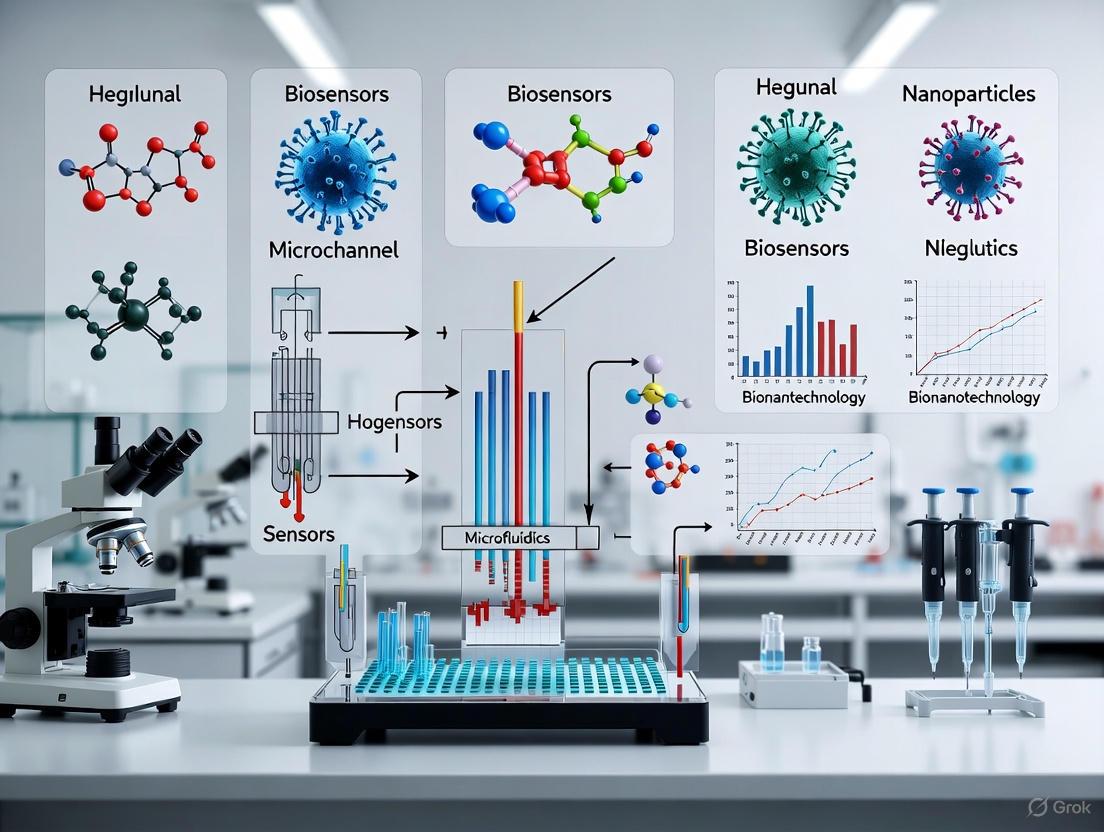
This article provides a comprehensive overview of the transformative potential of lab-on-a-chip (LOC) technology for viral diagnostics.
Lab-on-a-Chip Technology for Viral Disease Detection: A Comprehensive Review for Researchers and Developers
Abstract
This article provides a comprehensive overview of the transformative potential of lab-on-a-chip (LOC) technology for viral diagnostics. Tailored for researchers, scientists, and drug development professionals, it explores the foundational principles of microfluidic systems that enable rapid, sensitive, and point-of-care detection of pathogens like SARS-CoV-2 and Ebola. The scope covers the transition from conventional laboratory methods to innovative LOC applications, including immunoassays and nucleic acid amplification tests (NAATs). It further delves into critical troubleshooting and optimization strategies for device development, presents validation frameworks comparing LOC performance with traditional models, and discusses the future trajectory of this technology in advancing personalized medicine and pandemic preparedness.
The Fundamentals of Lab-on-a-Chip Technology and Its Rise in Virology
Lab-on-a-chip (LOC) and Micro-Total Analysis Systems (µTAS) represent transformative technologies that miniaturize and integrate entire laboratory functions onto a single chip, typically only millimeters or centimeters in size. Within viral disease detection research, these systems have evolved from devices performing single tasks to fully integrated platforms capable of complex, multi-step benchtop protocols without human intervention [1]. By incorporating intricate networks of microchannels, valves, mixers, pumps, reaction chambers, and detectors, LOC systems offer a powerful tool for rapid, sensitive, and low-cost diagnosis of pathogens at the point-of-care (POC) [1]. This capability is critical for guiding infection control, initiating targeted therapy, and preventing the spread of epidemics, especially given the persistent threat of emerging and re-emerging viruses [2].
Current Applications in Viral Disease Detection
LOC technologies are being applied to detect a wide spectrum of viruses through two primary detection methodologies: immunoassays for detecting viral antigens or antibodies, and nucleic acid (NA) amplification for detecting viral genetic material [1].
Immunoassays, such as the enzyme-linked immunosorbent assay (ELISA), are considered a gold standard for protein detection. In a microfluidic format, these assays can be performed with enhanced speed and reduced reagent consumption [1]. Nucleic acid-based techniques, including polymerase chain reaction (PCR) and isothermal amplification, are known for their high sensitivity and specificity [2]. More recently, CRISPR-Cas systems have been integrated into LOC devices for precise genetic identification [2].
The table below summarizes the performance of conventional methods versus LOC-based technologies for detecting various viral diseases:
Table 1: Comparison of Conventional and LOC-Based Viral Detection Methods
| Target Disease | Conventional Method (Time) | LOC-Based Method | Test Time (Minutes) | Limit of Detection (LOD) | References |
|---|---|---|---|---|---|
| COVID-19 | PCR (90+ min) | LoCKAmp (PCR-based) | 3 min | Not Specified | [3] |
| Ebola | Immunofluorescence, ELISA | RT-PCR on Microfluidic Chip | 30-50 min | 10 copies/μL | [1] |
| Dengue Fever | ELISA (60 min) | RT-PCR on Microfluidic Chip | 90 min | 10 copies/μL | [1] |
| Zika Fever | MAC-ELISA (60 min) | RT-PCR on Microfluidic Chip | 90 min | 10 copies/μL | [1] |
| Influenza | ELISA (180 min) | RT-LAMP on Microfluidic Chip | 40 min | 0.4 copies/μL | [1] |
These examples demonstrate the significant advantage of LOC systems in reducing diagnostic time, a critical factor during outbreaks. For instance, the LoCKAmp device developed at the University of Bath provides lab-quality PCR results in just three minutes, a dramatic improvement over conventional PCR [3]. Furthermore, the use of off-the-shelf components and printed circuit boards (PCBs) allows devices like LoCKAmp to be produced rapidly and at low cost on a mass scale, with a projected unit cost of ~£50 and disposable test cartridges for less than £0.50 [3].
Experimental Protocols
Protocol: On-Chip Nucleic Acid Amplification for SARS-CoV-2 Detection
This protocol details the operation of the LoCKAmp device for rapid genetic detection of SARS-CoV-2 from a nasal swab [3].
I. Principle The device utilizes a disposable microfluidic cartridge and a portable testing unit to perform a chemical reaction that rapidly releases and amplifies the viral genetic material. The result is detected and can be viewed via a smartphone application.
II. Equipment and Reagents
- LoCKAmp portable testing unit
- LoCKAmp disposable test cartridges
- Nasal swab sample
- Lysis buffer
- Elution buffer
- Master mix for isothermal amplification (e.g., for RT-LAMP)
- Smartphone with dedicated app
III. Procedure
- Sample Introduction: The nasal swab sample is inserted into the designated inlet of the disposable cartridge.
- On-Chip Lysis: The cartridge is loaded into the testing unit, which initiates the process. The device first performs a rapid lysis step to release the viral RNA.
- Nucleic Acid Amplification: The released genetic material is transported within the microchannels to a reaction chamber where an isothermal amplification (e.g., Loop-mediated isothermal amplification or LAMP) reaction occurs.
- Detection and Result Readout: The amplification reaction produces a fluorescent or colorimetric signal, which is detected by the unit's optical sensor. The result is transmitted to the smartphone app and displayed within three minutes.
IV. Analysis and Interpretation A positive result indicates the detection of SARS-CoV-2 genetic material in the sample. The entire process, from sample introduction to result, is completed within three minutes, making it the fastest genetic testing device reported to date [3].
Protocol: On-Chip Immunoassay for Viral Antigen Detection
This protocol outlines a general microfluidic immunoassay for detecting viral antigens, such as the Ebola virus [1].
I. Principle The assay is based on the specific binding of antibodies to viral antigens (e.g., surface proteins) present in a sample. This binding event is typically detected through an enzyme-mediated colorimetric or fluorescent reaction in a microfluidic channel.
II. Equipment and Reagents
- Microfluidic chip with pre-patterned channels
- Syringe pump or microfluidic pressure controller
- Capture antibodies (specific to the target virus)
- Sample solution
- Detection antibodies (conjugated to a reporter enzyme, e.g., HRP)
- Wash buffer
- Substrate solution (e.g., TMB for colorimetric detection)
III. Procedure
- Surface Functionalization: The microchannels are first coated with capture antibodies.
- Sample Incubation: The sample solution is flowed through the channel, allowing the viral antigens to bind to the immobilized capture antibodies.
- Washing: A wash buffer is flowed through to remove unbound materials.
- Detection Antibody Incubation: A solution containing enzyme-conjugated detection antibodies is introduced, which bind to the captured antigens, forming a "sandwich" complex.
- Second Washing: Another washing step removes unbound detection antibodies.
- Signal Development: A substrate solution is flowed into the channel. The enzyme conjugated to the detection antibody catalyzes a reaction, producing a measurable color or fluorescence change.
- Optical Readout: The signal is quantified using an integrated or external optical detector (e.g., a miniaturized spectrophotometer or fluorescence microscope).
IV. Analysis and Interpretation The intensity of the signal is proportional to the concentration of the viral antigen in the sample. The confined dimensions and laminar flow in microchannels enhance the binding kinetics, significantly reducing the total assay time compared to a conventional plate-based ELISA [1].
Visualized Workflows and Signaling Pathways
Diagram 1: LOC System Workflow
Diagram 2: LoCKAmp Rapid Test Process
The Scientist's Toolkit: Research Reagent Solutions
Table 2: Essential Materials for LOC-based Viral Detection
| Item | Function | Examples / Key Characteristics |
|---|---|---|
| Microfluidic Chip | The core substrate that houses microchannels and reaction chambers. | Fabricated from PDMS, glass, or thermoplastics like PMMA via soft lithography or injection molding. |
| Capture Probes | Biological recognition elements for specific virus detection. | Antibodies (for immunoassays) or oligonucleotide primers/probes (for nucleic acid tests). |
| Lysis Reagents | To break open viral particles and release genetic material. | Chaotropic salts, detergents (e.g., Triton X-100), or enzymatic mixes. |
| Amplification Master Mix | Enzymes and reagents for nucleic acid amplification. | Contains reverse transcriptase and DNA polymerase for RT-PCR; Bst polymerase for LAMP; Cas enzymes for CRISPR-based assays. |
| Fluorescent Dyes/Reporters | For generating a detectable signal. | Intercalating dyes (SYBR Green), TaqMan probes, or enzyme substrates (TMB for HRP). |
| Surface Modification Kits | To functionalize channel surfaces for reagent immobilization. | Silanization kits for glass, or Pluronic solutions to prevent non-specific adsorption. |
| Portable Detector | For signal acquisition and quantification. | Miniature spectrophotometers, fluorescence readers, or smartphone-based optical sensors. |
Addressing the Limitations of Conventional Viral Detection Methods (Cell Culture, ELISA, PCR)
Conventional laboratory methods for viral detection, including cell culture, enzyme-linked immunosorbent assay (ELISA), and polymerase chain reaction (PCR), have long served as fundamental tools in clinical diagnostics and virology research. However, these techniques present significant limitations in responding to rapidly spreading viral outbreaks, where time, portability, and operational complexity become critical factors. Cell culture, traditionally considered the gold standard for virus isolation, is time-consuming, requiring days to weeks for results and sophisticated laboratory infrastructure [4]. ELISA, while valuable for detecting antiviral antibodies or viral antigens, can exhibit variable sensitivity and specificity and may not always indicate active infection [5] [6]. Although PCR and its quantitative variant (qPCR) offer high sensitivity and specificity for detecting viral genetic material, they rely on expensive thermocycling equipment, trained personnel, and are generally confined to laboratory settings [4] [5].
Table 1: Key Limitations of Conventional Viral Detection Methods
| Method | Key Limitations | Typical Turnaround Time | Primary Equipment Needed |
|---|---|---|---|
| Cell Culture | Long incubation time; requires viable virus; sophisticated lab infrastructure [4]. | Days to weeks [4] | Biosafety cabinets, CO₂ incubators, microscopes |
| ELISA | Detects antibodies which may not indicate active infection; can show cross-reactivity; moderate sensitivity [5] [7]. | 3-5 hours [7] | Microplate reader, incubator, washer |
| PCR/qPCR | Requires expensive equipment and trained operators; not suitable for point-of-care; risk of contamination [4] [5]. | 1-6 hours (plus sample prep) [8] | Thermal cycler (qPCR machine) |
In recent decades, lab-on-a-chip (LOC) technology has emerged as a transformative approach, overcoming these constraints by miniaturizing and integrating entire laboratory processes onto a single, miniaturized platform [4] [9] [10]. LOC systems leverage microfluidics—the science of manipulating small fluid volumes (picoliters to microliters) within micrometre-sized channels—to perform functions ranging from sample preparation and biochemical reactions to detection [9] [8] [11]. This review details how LOC platforms address the specific drawbacks of traditional viral detection methods, providing application notes and experimental protocols to guide researchers and drug development professionals in this advancing field.
Lab-on-a-Chip Solutions to Method-Specific Limitations
Overcoming the Drawbacks of Cell Culture
Traditional cell culture is impractical for rapid diagnostics. LOC technology circumvents this through direct molecular detection and the creation of advanced organ-on-a-chip models.
Application Note: From Culture to Direct Detection LOC systems bypass the need for viral propagation by directly targeting viral nucleic acids or proteins with high sensitivity. For instance, an automated multiplexing LOC system using the CRISPR/Cas13a enzyme detected Ebola virus RNA at a limit of detection (LOD) of 20 pfu/mL from 10 µL of sample in just 5 minutes [4]. This demonstrates a shift from biological amplification to enzymatic and molecular amplification directly on the chip.
Application Note: Organ-on-a-Chip for Viral Studies Where in vitro culture is needed, organ-on-a-chip (OOC) models provide a more physiologically relevant environment than static culture plates. These microfluidic devices culture living cells in continuously perfused, micrometer-sized chambers to simulate organ-level physiology [9] [12]. A meta-analysis of perfused OOC models showed that certain cell types, particularly those from blood vessel walls, the intestine, and the liver, exhibited significantly enhanced functional biomarkers under flow compared to static cultures [12]. For virology, this allows for the study of viral infection and pathogenesis in human-relevant tissues, potentially improving the predictive value of in vitro drug testing.
Enhancing the Capabilities of ELISA
LOC platforms enhance ELISA-based detection by improving its sensitivity, reducing its volume requirements, and accelerating its workflow.
Application Note: Ultra-Sensitive Digital ELISA The Single Molecule Array (SIMOA) technology represents a digital ELISA platform that can detect proteins at femtomolar concentrations [7]. By capturing individual protein molecules on antibody-coated beads and segregating them into femtoliter-sized wells, SIMOA allows for single-molecule counting, providing an average 465-fold increase in sensitivity over standard ELISA [7]. This ultra-sensitivity is crucial for detecting low-abundance viral antigens or early-stage antibody responses.
Application Note: Integrated Microfluidic Immunoassays LOC devices can integrate the multi-step workflow of an immunoassay into a single, automated chip. Paper-based microfluidic chips, which use capillary action to move fluids, have been developed for serological detection. One such platform coupled with a smartphone readout detected IgG antibodies against Ebola virus in serum with 100% sensitivity, offering a low-cost, rapid point-of-care solution [4].
Table 2: Comparison of ELISA and Advanced Immunoassay Platforms
| Parameter | Standard ELISA | Immuno-PCR (IQELISA) | SIMOA (Digital ELISA) | Paper-based LOC Immunoassay |
|---|---|---|---|---|
| Principle | Colorimetric detection [6] | DNA-barcode amplification via PCR [7] | Single-molecule detection in microwells [7] | Capillary flow, visual/phone readout [4] |
| Sample Volume | ~100 µL [7] | 10-25 µL [7] | ~125 µL [7] | < 50 µL (estimated) [4] |
| Sensitivity | 1-100 pg/mL (high) [7] | 23x higher than standard ELISA on average [7] | 465x higher than standard ELISA on average [7] | Varies; shown to match gold standard serology [4] |
| Time to Result | ~5 hours [7] | ~5.5 hours [7] | ~3 hours [7] | ~30 minutes [4] |
| Key Advantage | Low cost, widely available [7] | High sensitivity, low volume [7] | Ultra-high sensitivity, automation [7] | Extreme portability, low cost [4] |
Advancing Beyond Conventional PCR
LOC technology addresses the primary limitations of conventional PCR by miniaturizing the reaction, reducing power consumption, and dramatically speeding up the process.
Application Note: Microfluidic PCR and Isothermal Amplification Microfluidic PCR chips, often called microPCR, exploit the high surface-to-volume ratio of microchannels to achieve ultrafast thermal cycling. One system demonstrated DNA amplification in just 6 minutes by processing a 100 nL sample [8]. Furthermore, many LOCs employ isothermal amplification techniques (e.g., LAMP, RPA), which amplify nucleic acids at a constant temperature. This eliminates the need for bulky, power-intensive thermal cyclers. A paper-based microfluidic chip using reverse transcription RPA (RT-RPA) detected Ebola virus in 30 minutes with 90% sensitivity compared to RT-PCR [4].
Application Note: Sample-to-Answer Integrated Systems The highest form of integration in LOC technology is the micro-total analysis system (μTAS), which combines sample preparation, nucleic acid amplification, and detection on a single chip [9] [11]. An example is a disc-shaped centrifugal chip that automated RNA extraction and used RT-LAMP to detect four different types of Ebola virus simultaneously within 50 minutes, achieving a LOD as low as 1 copy/μL for one subtype [4].
Integrated Experimental Protocol: Paper-based Microfluidic Chip for Viral RNA Detection
This protocol outlines the procedure for detecting viral RNA using a paper-based microfluidic chip incorporating RT-RPA, adapted from published work on Ebola virus detection [4].
Research Reagent Solutions & Materials
Table 3: Essential Reagents and Materials
| Item | Function/Description |
|---|---|
| Paper-based Chip | The substrate, often patterned with hydrophobic barriers to define hydrophilic reaction zones and flow paths [4] [9]. |
| Lyophilized RT-RPA Reagents | Stable, room-temperature pellets containing reverse transcriptase, recombinase polymerase, primers, and nucleotides for isothermal amplification [4]. |
| Fluorescent DNA Probe | A sequence-specific probe (e.g., exo-probe) that is cleaved during amplification, producing a fluorescent signal [4]. |
| Sample Inactivation Buffer | A buffer to lyse the virus and inactivate nucleases while preserving RNA integrity (e.g., AVL buffer from commercial kits). |
| Positive & Negative Controls | Synthetic viral RNA and nuclease-free water to validate each assay run. |
| Portable Fluorimeter or Smartphone-based Reader | For quantitative or qualitative endpoint detection of the fluorescent signal [4]. |
Step-by-Step Workflow
- Chip Preparation: Load the paper zones of the microfluidic chip with lyophilized RT-RPA reagents and the fluorescent probe. Store in a sealed, desiccated pouch until use.
- Sample Preparation: Mix the collected sample (e.g., serum, swab eluent) with an equal volume of inactivation buffer. Incubate at room temperature for 5-10 minutes.
- Sample Introduction: Pipette 10-50 µL of the inactivated sample onto the sample inlet of the paper chip. Capillary action will transport the sample to the reaction zone(s), rehydrating the reagents.
- Isothermal Amplification: Seal the chip in a small, portable heater or incubator. Incubate at a constant temperature of 39-42°C for 15-30 minutes.
- Detection & Analysis: After incubation, place the chip in a portable fluorimeter or capture an image using a smartphone attachment. The presence of a fluorescent signal above a predetermined threshold indicates a positive result.
The following diagram illustrates the logical workflow and signaling pathway for this protocol:
The limitations of conventional viral detection methods—time, complexity, cost, and lack of portability—are being decisively addressed by lab-on-a-chip technology. By miniaturizing and integrating laboratory processes, LOC devices enable rapid, sensitive, and specific detection of viruses at the point of need, from clinical settings to remote field locations. The experimental protocols and application notes detailed herein provide a framework for researchers to leverage this innovative technology. The continued integration of LOC systems with advanced biosensors, artificial intelligence, and data analytics promises to further revolutionize viral diagnostics and outbreak response, ultimately enhancing global public health preparedness [13] [10].
Lab-on-a-Chip (LoC) technology represents a transformative approach in biomedical research and clinical diagnostics by miniaturizing and integrating complex laboratory functions onto a single, compact platform. These devices, typically measuring from millimeters to a few square centimeters, leverage the principles of microfluidics to manipulate small fluid volumes, typically between nanoliters and microliters [9]. The fundamental advantages of this technology—miniaturization, integration, speed, and low reagent consumption—collectively address critical limitations of conventional analytical methods. Within viral disease detection research, these attributes enable rapid, sensitive, and specific identification of pathogens, significantly accelerating diagnostic workflows and therapeutic development [1] [10]. This document details these core advantages in the context of protocols and applications relevant to researchers and drug development professionals.
Quantitative Advantage Analysis
The benefits of LoC technology can be quantitatively demonstrated across key performance metrics when compared to conventional laboratory methods. The following tables summarize these advantages, with specific data drawn from viral detection applications.
Table 1: Comparative Performance: LoC vs. Conventional Methods for Viral Detection
| Performance Metric | Lab-on-a-Chip Systems | Conventional Methods | Key References & Applications |
|---|---|---|---|
| Assay Time | Minutes to a few hours [10] | Several hours to days [10] | SARS-CoV-2 RNA & Ab detection in ~2 hours [14] |
| Sample Volume | Nanoliters (nL) to Microliters (μL) [9] | Milliliters (mL) [10] | Microfluidic PCR with 100 nL volume [8] |
| Detection Sensitivity | Attomolar (10⁻¹⁸ M) level for RNA [14] | Picomolar (10⁻¹² M) level for conventional PCR [1] | CRISPR-Cas12a with LAMP pre-amplification [14] |
| Limit of Detection (LOD) | 100 copies/μL for SARS-CoV-2 [11] | Varies; e.g., 10 copies/μL for conventional RT-PCR [1] | Rapid, high-sensitivity POC diagnostics [1] [11] |
Table 2: Material and Fabrication Advantages of Common LoC Substrates
| Material | Key Advantages | Primary Applications in Viral Research |
|---|---|---|
| PDMS | Optical transparency, gas permeability, biocompatibility, rapid prototyping [9] [11] | Organ-on-chip models, cell culture, prototyping of virus-host interaction studies [9] |
| Glass | Chemically inert, low autofluorescence, high thermal stability [9] [11] | High-performance nucleic acid analysis, electrophoresis, PCR [9] |
| Thermoplastics (PMMA, PS) | High-throughput fabrication, good optical properties, chemical resistance [11] [8] | Disposable, mass-produced diagnostic chips for viral detection [11] |
| Paper | Ultra-low cost, capillary-driven flow, no external pumps required [9] [11] | Low-resource point-of-care testing (POCT) for viral antigens or antibodies [9] |
Experimental Protocols for Viral Disease Detection
The following protocols illustrate how the core advantages of LoC systems are implemented in practice for viral biomarker detection.
Protocol: Concurrent Detection of SARS-CoV-2 RNA and Antibodies
This protocol, adapted from a published study [14], details the procedure for using an integrated, 3D-printed LoC device to detect both viral RNA and host antibodies against SARS-CoV-2 from saliva, demonstrating high integration and automation.
1. Principle The device automates a complex workflow that combines CRISPR-Cas12a-based enzymatic detection of viral RNA following isothermal amplification (LAMP) with a multiplexed electrochemical enzyme-linked immunosorbent assay (ELISA) for detecting anti-SARS-CoV-2 immunoglobulins. The integration of sample preparation, amplification, and detection on a single chip enables a "sample-to-answer" process in approximately two hours [14].
2. Reagents and Equipment
- LoC Device: 3D-printed microfluidic chip with integrated heating elements and an electrochemical sensor chip.
- Saliva Sample: Unprocessed human saliva.
- Lysis Buffer: Proteinase K solution.
- Amplification Reagents: LAMP master mix with primers targeting SARS-CoV-2 RNA.
- Detection Reagents: Cas12a enzyme with guide RNA (gRNA), ssDNA reporters, and ELISA reagents (anti-human IgG antibodies conjugated to horseradish peroxidase).
- Electrode Functionalization: SARS-CoV-2 Spike S1, nucleocapsid (N), and receptor-binding-domain (RBD) antigens.
- Instrumentation: Arduino-controlled peristaltic pump, potentiostat for electrochemical detection.
3. Step-by-Step Procedure A. Sample Preparation and Lysis
- Load unprocessed saliva into the dedicated sample preparation reservoir on the chip.
- The chip automatically mixes the saliva with a proteinase K solution.
- The integrated heater incubates the mixture at 55°C for 15 minutes, followed by 95°C for 5 minutes to lyse the virus and inactivate nucleases.
B. RNA Extraction and Concentration
- The microfluidic pump transports the lysed saliva over a polyethersulfone (PES) membrane within a serpentine reaction chamber.
- Viral RNA binds to the membrane, concentrating the target and removing potential inhibitors.
- The chamber is heated to 95°C for 3-5 minutes to ensure denaturation of any remaining inhibitors.
C. Nucleic Acid Amplification and Detection
- The LAMP solution is pumped from its reservoir into the reaction chamber containing the RNA-bound membrane.
- Isothermal amplification is performed at 65°C for 30 minutes.
- The amplified product is eluted and mixed with the Cas12a-gRNA complex in the CRISPR reservoir.
- If the target RNA is present, the activated Cas12a cleaves ssDNA reporters, generating an electrochemical signal measured at the sensor electrode.
D. Antibody Detection
- In parallel, a portion of the saliva sample is pumped to a separate reservoir on the electrochemical sensor chip.
- The sensor chip is functionalized with SARS-CoV-2 antigens (S1, N, RBD).
- Host antibodies (IgG) present in the sample bind to these antigens.
- Detection is achieved via a sandwich ELISA using an enzyme-labeled secondary antibody, with an electrochemical readout.
4. Data Analysis
- The electrochemical signals for both nucleic acid and antibody assays are measured simultaneously.
- The presence of viral RNA is confirmed by a signal above a predefined threshold in the CRISPR-based assay.
- The antibody titer and profile are determined by the magnitude of the signal from each antigen-coated electrode, providing a semi-quantitative serological profile.
Protocol: Microfluidic PCR for Viral RNA Detection
This protocol highlights the gains in speed and reagent reduction achieved through miniaturization of the polymerase chain reaction (PCR) [11] [8].
1. Principle Microfluidic PCR, or continuous-flow PCR, exploits the high surface-to-volume ratio of microchannels to achieve extremely rapid thermal cycling. The sample flows through a stationary temperature zones, eliminating the time required for heating and cooling blocks, thus reducing amplification time from hours to minutes [8].
2. Reagents and Equipment
- Microfluidic PCR Chip: Fabricated from silicon, glass, or PDMS with etched microchannels.
- qPCR Master Mix: Contains DNA polymerase, dNTPs, buffers, and primers specific to the target viral RNA (e.g., SARS-CoV-2, Influenza).
- Sample: Purified RNA extract.
- Instrumentation: Syringe pump for fluid propulsion, integrated or external thermocycling blocks, fluorescence detector for real-time monitoring.
3. Step-by-Step Procedure
- Step 1: A mixture of the RNA sample and qPCR master mix is loaded into the chip's injection port.
- Step 2: A syringe pump drives the mixture through a microchannel that passes through three distinct, fixed temperature zones on the chip:
- Denaturation Zone: 90–95°C
- Annealing Zone: 50–60°C
- Extension Zone: 68–72°C
- Step 3: The residence time in each zone is controlled by the channel length and flow rate, enabling complete denaturation, primer annealing, and enzyme extension in each cycle.
- Step 4: As the fluid exits the amplification channel, its fluorescence is measured in real-time, allowing for quantitative analysis of the viral load.
4. Data Analysis
- The time-to-result for a 40-cycle qPCR can be as low as 6 minutes due to the elimination of ramp times [8].
- The cycle threshold (Ct) values are determined similarly to conventional qPCR and used for viral quantification.
The Scientist's Toolkit: Essential Research Reagent Solutions
Successful implementation of LoC protocols relies on a set of key reagents and materials. The following table details these essential components and their functions in viral detection research.
Table 3: Key Research Reagent Solutions for Viral LoC Development
| Reagent / Material | Function | Application Example |
|---|---|---|
| PDMS (Polydimethylsiloxane) | Elastomeric polymer used for rapid prototyping of microfluidic devices; gas-permeable for cell culture. | Fabricating organ-on-chip models for studying virus-host interactions [9] [11]. |
| CRISPR-Cas12a/Cas13 Reagents | Programmable endonucleases that provide highly specific nucleic acid detection through collateral cleavage activity. | Ultrasensitive, attomolar-level detection of SARS-CoV-2 RNA in saliva [11] [14]. |
| LAMP (Loop-mediated Isothermal Amplification) Master Mix | Isothermal nucleic acid amplification method that operates at a constant temperature, simplifying instrument design. | Rapid amplification of viral RNA prior to CRISPR detection in point-of-care settings [14]. |
| Functionalized Magnetic Beads | Micron-sized particles coated with antibodies or oligonucleotides for target capture, separation, and concentration. | Solid-phase extraction and purification of viral RNA or antigens from complex samples like blood or saliva [14]. |
| Electrochemical Reporters (e.g., [Fe(CN)₆]³⁻/⁴⁻) | Redox-active molecules that produce a measurable current change upon binding or cleavage events. | Transducing molecular binding (antibody-antigen, CRISPR cleavage) into an electrical signal in biosensors [14]. |
| Proteinase K | Broad-spectrum serine protease used to digest contaminating proteins and inactivate nucleases in samples. | Lysing viral envelopes and degrading nucleases in unprocessed saliva samples to enable direct RNA detection [14]. |
The core advantages of LoC technology—miniaturization, integration, speed, and low reagent consumption—are not merely incremental improvements but are foundational to its potential to revolutionize viral disease research and diagnostics. The protocols and data presented demonstrate how these attributes synergize to create powerful "sample-in-answer-out" systems. For researchers and drug development professionals, leveraging these advantages enables the development of faster, more sensitive, and accessible diagnostic tools, accelerates high-throughput drug screening, and provides more physiologically relevant models of viral infection through organ-on-chip technology. As fabrication methods advance and integration with AI and data analytics deepens, the role of LoC in combating viral outbreaks and personalizing therapeutic strategies is poised for significant growth.
The Impact of Recent Viral Outbreaks (COVID-19, Ebola, Zika) on LOC Development
Recent viral outbreaks have functioned as powerful catalysts, dramatically accelerating innovation in Lab-on-a-Chip (LOC) technologies. The urgent necessity for rapid, sensitive, and portable diagnostics during the COVID-19 pandemic, Ebola epidemics, and Zika virus crisis has highlighted the limitations of conventional laboratory methods and propelled the development of integrated microfluidic solutions [1] [15]. These outbreaks have underscored the critical need for point-of-care (POC) devices that can deliver results quickly, outside of centralised labs, to facilitate timely intervention and containment.
This application note details how the specific challenges posed by these viruses have directly influenced LOC design principles, material selection, and functional integration. We provide a structured analysis of the resulting technological advances, summarized in comparative tables, and offer detailed experimental protocols that reflect the new capabilities of these platforms within the broader context of a thesis on LOC technology for viral disease detection.
Outbreak-Driven LOC Development
The distinct transmission modes, pathophysiologies, and epidemiological patterns of COVID-19, Ebola, and Zika have steered LOC development along different, requirement-specific paths. Table 1 synthesizes the core diagnostic challenges of each virus and the corresponding LOC innovations developed in response.
Table 1: Impact of Viral Outbreak Characteristics on LOC Development Focus
| Viral Outbreak | Key Diagnostic Challenges | Resulting LOC Innovations |
|---|---|---|
| COVID-19 | High transmission risk; need for mass population testing and rapid results to break chains of transmission [16]. | Integrated sample-to-answer systems for nucleic acid amplification (e.g., RT-PCR on-chip); rapid immunoassays for antigen detection; high-throughput capabilities [1] [15]. |
| Ebola Virus Disease (EVD) | Extreme lethality (CFR 50-90%); requirement for strict containment; testing in resource-limited settings [17] [18]. | LOC devices with minimal external instrumentation; robust, disposable chips to prevent cross-contamination; integration with sustainable power sources [1]. |
| Zika Virus | Association with severe congenital defects (e.g., microcephaly); need to distinguish from other flaviviruses (e.g., Dengue) due to cross-reactivity [19] [20]. | Multiplexed assays for simultaneous detection of related flaviviruses; enhanced sensitivity to detect low viral loads; research into organ-on-a-chip models to study neurodevelopmental impacts [19] [9]. |
The push for POC applications has heavily influenced the materials used in fabricating these advanced LOCs. Material selection now balances not only biocompatibility and manufacturing cost but also optical properties for detection and surface chemistry for efficient assay performance [9].
Table 2: Key Materials for Outbreak-Responsive LOC Development
| Material | Key Properties | Outbreak Application Examples |
|---|---|---|
| Polydimethylsiloxane (PDMS) | Optically transparent, gas-permeable, biocompatible, flexible. | Widely used in organ-on-chip models to study viral mechanisms, such as Zika's effect on neural tissue [19] [9]. |
| Glass | Low autofluorescence, high chemical resistance, excellent optical clarity. | Ideal for high-sensitivity fluorescence-based detection (e.g., PCR for Ebola, Zika) where low background noise is critical [9]. |
| Paper/Cellulose | Low-cost, capillary-driven flow, disposable. | Used in rapid, mass-produced lateral flow tests for COVID-19 antigen detection [9]. |
| Epoxy Resins | High mechanical strength, thermal stability, excellent chemical resistance. | Suitable for devices requiring durable, integrated components for complex, multi-step analysis [9]. |
Experimental Protocols for Advanced LOC Operation
The following protocols reflect the integrated, sample-to-answer workflows that have become the benchmark for outbreak-ready LOC systems.
Protocol: Integrated Detection of Viral RNA via On-Chip RT-LAMP
This protocol describes a method for detecting viral RNA from pathogens like SARS-CoV-2 or Zika virus using Reverse Transcription Loop-Mediated Isothermal Amplification (RT-LAMP) on a microfluidic chip, offering rapid results without the need for complex thermal cycling [1].
Research Reagent Solutions:
- Lysis/Binding Buffer: Guanidine thiocyanate-based buffer for viral inactivation and RNA release.
- Solid-Phase Extraction Beads: Silica-coated magnetic beads for purifying and concentrating RNA from the lysate.
- RT-LAMP Master Mix: Contains reverse transcriptase, Bst DNA polymerase, specific primer sets targeting viral RNA, and dNTPs.
- Fluorescent Intercalating Dye: SYBR Green or similar for real-time visual or fluorescence detection of amplification.
Methodology:
- Sample Introduction: A nasopharyngeal swab sample (100 µL) is loaded into the chip's input reservoir.
- On-Chip RNA Extraction and Purification:
- The sample is mixed with lysis/binding buffer within a microfluidic chamber.
- Silica-coated magnetic beads are introduced. RNA binds to the beads in the presence of a high-salt chaotropic agent.
- Using an integrated magnetic actuator, the beads are washed through multiple chambers with an ethanol-based wash buffer to remove contaminants.
- Purified RNA is eluted from the beads into a low-salt elution buffer (e.g., nuclease-free water) in a final reaction chamber.
- Amplification and Detection:
- The eluted RNA is mixed with the RT-LAMP master mix.
- The reaction chamber is heated to a constant isothermal temperature (60-65 °C) for 20-30 minutes.
- Amplification is monitored in real-time via an integrated fluorescence detector or confirmed by a colorimetric change visible to the naked eye.
Diagram 1: On-chip RT-LAMP workflow for viral RNA detection.
Protocol: Multiplexed Flavivirus Serological Discrimination
This protocol leverages a microfluidic immunoassay to simultaneously detect and distinguish antibodies against the Zika virus from those against related flaviviruses (e.g., Dengue), which is a major challenge in serological diagnosis [1] [20].
Research Reagent Solutions:
- Antigen-Cooped Microchannels: Microchannels functionalized with specific recombinant viral antigens (e.g., ZIKV NS1, DENV NS1).
- Sample Diluent: Buffer containing blockers (e.g., BSA) to minimize non-specific binding.
- Fluorescently-Labeled Detection Antibodies: Anti-human IgG and IgM antibodies conjugated to distinct fluorophores.
- Wash Buffer: PBS or TBS with a low-concentration detergent (e.g., Tween-20).
Methodology:
- Chip Priming: The device, pre-patterned with specific viral antigens in parallel detection zones, is primed with wash buffer.
- Sample and Incubation:
- A patient serum or plasma sample (10 µL) is diluted and introduced into the chip.
- The sample flows through the antigen-coated channels via capillary action or pressure-driven flow and incubates for 10-15 minutes to allow antigen-antibody binding.
- Washing: Unbound proteins are removed by flushing the channels with wash buffer.
- Detection:
- A mixture of fluorescently-labeled anti-human IgG (e.g., Cy5, red) and anti-human IgM (e.g., FITC, green) is introduced.
- After a second incubation and wash step, the chip is scanned with a fluorescent reader.
- Analysis: The presence and intensity of fluorescence at each antigen zone indicate the specific antibody profile of the patient, allowing for differentiation between Zika and Dengue infections.
Diagram 2: Multiplexed serological assay for flavivirus discrimination.
The Scientist's Toolkit: Essential Research Reagents
The successful implementation of the aforementioned protocols relies on a suite of key reagents. The table below details these essential components and their functions in viral detection LOCs.
Table 3: Key Research Reagent Solutions for Viral Detection LOCs
| Reagent / Material | Function in LOC Assay | Exemplary Application |
|---|---|---|
| Silica-Coated Magnetic Beads | Solid-phase matrix for nucleic acid binding, purification, and concentration via magnetic manipulation. | Extraction of viral RNA from complex samples like saliva or blood prior to RT-PCR/LAMP [21]. |
| Recombinant Viral Antigens | Capture agents immobilized on chip surfaces to bind specific antibodies from a sample. | Serological detection of past exposure to Zika or Ebola virus in multiplexed immunoassays [1]. |
| Bst DNA Polymerase | Enzyme for isothermal nucleic acid amplification (e.g., LAMP). Enables rapid amplification at constant temperature. | Point-of-care detection of SARS-CoV-2 RNA without the need for a thermal cycler [1]. |
| Fluorophore-Labeled Antibodies | Detection probes that bind to target antigens or amplified products, generating a measurable optical signal. | Quantification of viral load or detection of specific immune responses in integrated optical detection systems [1] [15]. |
| Polymerase (PDMS) | The primary elastomeric material for building flexible, transparent, and gas-permeable microfluidic channels. | Fabrication of organ-on-a-chip devices to model Zika virus infection and study neurodevelopmental defects [19] [9]. |
The relentless pressure exerted by recent viral outbreaks has been a defining force in shaping the modern LOC landscape. The demand for speed, portability, and multiplexing has driven a paradigm shift from single-function chips to fully integrated, sample-to-answer diagnostic systems. As LOC technology continues to evolve, its integration with advanced biosensors, artificial intelligence, and organ-on-a-chip models promises not only faster and more accurate pathogen detection but also a deeper understanding of viral pathogenesis itself. This progression, forged in the fires of public health emergencies, solidifies the role of LOC devices as an indispensable tool in pandemic preparedness and response.
Core Components of a Microfluidic System for Viral Detection
Lab-on-a-chip (LoC) technology represents a pioneering amalgamation of fluidics, electronics, optics, and biosensors that performs various laboratory functions on a miniaturized scale, processing small fluid volumes from 100 nL to 10 μL [9]. For viral detection, these systems consolidate multiple laboratory processes—including sampling, sample pretreatment, nucleic acid amplification, and detection—onto a single chip, minimizing reliance on bulky instrumentation and extensive manual intervention [9]. The core advantage of microfluidic systems for viral detection stems from their compactness, which offers portability, minimal consumption of samples and reagents, and significantly shorter assay times compared to conventional laboratory methods [9]. This document details the core components and experimental protocols for microfluidic systems, framed within the broader context of LoC technology for viral disease detection research.
Key System Components and Performance Metrics
Microfluidic systems for viral detection integrate several physical and biochemical components to create a functional "sample-in, answer-out" device. The table below summarizes the core components and their functions, with quantitative performance data from recent platforms.
Table 1: Core Components and Performance of Microfluidic Viral Detection Systems
| System Component | Function & Description | Example Materials & Technologies | Performance Metrics (from recent platforms) |
|---|---|---|---|
| Microfluidic Cartridge/ Chip | Disposable unit housing microchannels and chambers for fluid manipulation and reactions [22]. | Polycarbonate [23], PDMS [9], CNC-machined parts [22]; Rotary/centrifugal design for fluid control [22] [23]. | 4-8 samples per run; 16 parallel reactions [22]; Prevents nucleic acid aerosol contamination [23]. |
| Flow Management | Controls and moves liquid samples and reagents through the microchannels. | Centrifugal force (rotary platforms) [22] [23], syringe pumps [24], integrated micropumps/valves [25]; Laminar flow for predictable particle control [24]. | Flow rates in the nL/min to μL/min range (e.g., 750 nL/min for particle focusing) [24]. |
| Heating & Temperature Control | Maintains precise temperatures for nucleic acid amplification. | Thin-film metal heaters (Pt) [26], Peltier elements [26], infrared lamps/lasers [26]. | Isothermal amplification at 65°C for 30-40 min [22] [23]; Ultra-fast qPCR in <8 minutes [26]. |
| Optical Detection Module | Detects fluorescent signals from amplified viral targets in real-time. | LED excitation source, optical filters, dichroic mirror, photomultiplier tubes (PMTs) [22]; Confocal microscopy for single-particle detection [24]. | Limit of Detection (LoD): 50 copies/μL for MP DNA [22]; 10-3 ng/μL for influenza A/H1N1 [23]. |
| Reagent Storage & Preparation | Stores and prepares lyophilized or liquid reagents on-chip. | Pre-loaded lyophilized RT-LAMP beads [22] [23]; On-chip sample lysis modules [22]. | Lyophilized beads stable at room temperature; rehydrated by introduced sample [22]. |
Detailed Experimental Protocol: Multiplex RT-LAMP for Respiratory Viruses
The following protocol is adapted from recent studies for detecting respiratory pathogens like Influenza A/H1N1, A/H3N2, and B/Victoria using a rotary microfluidic platform [22] [23].
Research Reagent Solutions
Table 2: Essential Reagents for Microfluidic RT-LAMP Viral Detection
| Reagent/Material | Function in the Assay | Example Source / Specification |
|---|---|---|
| Lyo-Ready RT-LAMP Mix | Provides enzymes (Bst DNA polymerase, reverse transcriptase), buffer, and dNTPs for isothermal amplification. | Meridian Life Science Inc. [22] |
| LAMP Primers | Specifically designed inner, outer, and loop primers for target viral sequences (e.g., MP P1 gene, Influenza HA/NA genes). | Designed with PrimerExplorer V5; synthesized by commercial providers (e.g., Sangon Biotech) [22] [23]. |
| Fluorescent DNA Dye | Intercalates with double-stranded DNA amplification products, enabling real-time fluorescence detection. | Eva Green [22] or SYBR Green [26]. |
| Nucleic Acid Release Reagent | Lyses viral particles in swab samples to release RNA/DNA for direct amplification. | Tuoman Biotech [22]. |
| Microfluidic Cartridge | Integrated disposable device for sample preparation, reagent partitioning, and amplification. | Fabricated via CNC machining or injection molding [22] [23]. |
Step-by-Step Procedure
Primer Design and Preparation
- Retrieve target viral gene sequences (e.g., from NCBI database) and align them to identify conserved regions [23].
- Use PrimerExplorer V5 software to design two inner primers and two outer primers targeting 6-8 distinct regions of the conserved sequence. Design loop primers for accelerated amplification [22] [23].
- Synthesize and reconstitute primers in RNase-free water to form a primer mixture [22].
Chip Pre-loading and Preparation
Sample Introduction and Lysis
On-Chip Fluidic Control and Reaction Setup
- Place the loaded cartridge into the companion benchtop analyzer.
- The instrument initiates a low-speed spin (e.g., 1600 rpm for 30s, repeated) to eliminate bubbles and evenly mix the liquid into a distribution tank [23].
- A subsequent high-speed centrifugation step (e.g., 4500 rpm) partitions the sample into multiple reaction chambers, where it rehydrates and mixes with the lyophilized primers and reagents [22] [23].
Isothermal Amplification and Real-Time Detection
Data Analysis
- The analyzer software records real-time fluorescence intensity and calculates the amplification rate.
- A positive detection is confirmed by a characteristic sigmoidal (S-shaped) amplification curve. The threshold time (Dt) is used for quantitative analysis [23].
- Specificity can be confirmed via melting curve analysis if using intercalating dyes like Eva Green [26].
The following workflow diagram summarizes the key steps of this protocol.
System Integration and Workflow
A fully integrated microfluidic platform combines all discrete components into an automated system. The diagram below illustrates the architecture and workflow of such a system, from sample input to result output.
Implementing LOC Platforms: From Immunoassays to Genetic Detection
Sample Preparation and Integration on a Single Chip
The emergence of lab-on-a-chip (LOC) technologies represents a paradigm shift in diagnostic virology, offering the potential to consolidate entire laboratory workflows onto a single, miniaturized device. For researchers and drug development professionals, the core challenge has traditionally been the integration of sample preparation—a critical, yet often labor-intensive first step—with subsequent amplification and detection modules on a unified platform. The presence of inhibitors in crude biological samples and the need for high sensitivity demand sophisticated on-chip handling. Recent advances address these challenges by creating self-contained systems that automate fluid control and purification, bringing robust molecular diagnostics closer to point-of-care (PoC) settings and high-throughput research applications [27]. This application note details protocols centered on an autonomously loaded microfluidic platform, the VirChip, for the multiplexed detection of respiratory viral pathogens [28].
Key Technologies and Principles
The integration of sample preparation on a single chip relies on several key technological principles. Isothermal amplification methods, particularly loop-mediated isothermal amplification (LAMP), are central to this integration. Unlike traditional PCR, LAMP operates at a constant temperature (60–65 °C), eliminating the need for complex thermal cycling and reducing power consumption and instrumental complexity. This makes it ideally suited for PoC devices [28]. LAMP employs a strand-displacing DNA polymerase and four to six primers that recognize distinct regions of the target, conferring high specificity and enabling efficient amplification directly from crude samples [28].
Fluid control within the chip is another critical element. The VirChip platform utilizes a valve-free and pump-free autonomous loading mechanism based on degas-driven flow. The polydimethylsiloxane (PDMS) substrate is degassed prior to use, creating a pressure differential that draws the liquid sample into the microchambers without external equipment. This passive, self-loading feature is vital for operation in resource-limited environments [28].
Finally, spatial multiplexing is employed to enable the simultaneous detection of multiple analytes. This is achieved by fabricating an array of individual reaction chambers on the chip, each pre-loaded with primers for a specific viral target (e.g., SARS-CoV-2, influenza A, influenza B, RSV). The sample is distributed among these chambers, allowing for a single sample to be screened against a panel of pathogens concurrently [28] [29].
Integrated Experimental Protocol
This protocol describes the procedure for using the VirChip for the direct, multiplexed detection of respiratory viruses from nasal swab samples.
Research Reagent Solutions
Table 1: Essential Research Reagents for On-Chip LAMP Assays
| Reagent/Material | Function/Description | Example Source/Concentration |
|---|---|---|
| WarmStart LAMP Kit (DNA & RNA) | Provides the core enzymes (Bst 2.0 polymerase) and buffers for isothermal amplification. | New England Biolabs (E1700S) [28] |
| WarmStart RTx Reverse Transcriptase | Enables reverse transcription of viral RNA for subsequent LAMP amplification (for RNA viruses). | New England Biolabs (M0380L, 15,000 U/mL) [28] |
| Target-Specific Primers | Four to six primers per virus target designed for high specificity in LAMP reactions. | Integrated DNA Technologies [28] |
| LAMP Fluorescent Dye (e.g., EvaGreen) | Intercalating dye for real-time fluorescence detection of amplified DNA. | Jena Bioscience [28] |
| Betaine | Additive that reduces DNA secondary structure, improving amplification efficiency and yield. | Thermo Fisher Scientific [28] |
| Trehalose | Stabilizing agent for lyophilized reagents, enhancing shelf-life at room temperature. | Merck [28] |
| Sylgard 184 Elastomer Kit | PDMS polymer used for fabricating the microfluidic chip via soft lithography. | Dow Corning [28] |
Chip Fabrication Workflow
The following diagram illustrates the fabrication process for the VirChip.
Procedure:
- Master Mold Fabrication: Create a two-layer master mold featuring microchamber and flow channel designs using a maskless photolithography system (e.g., μMLA maskless mask aligner) and standard photoresist techniques [28].
- PDMS Replication: Mix the Sylgard 184 elastomer kit base and curing agent in a 10:1 ratio, pour over the master mold, and cure at elevated temperature (e.g., 65 °C for 2 hours) to create a solid PDMS replica.
- Inlet Punching: Use a 3.0 mm diameter biopsy punch to create a sample inlet port in the PDMS layer.
- Bonding and Degassing: Bond the patterned PDMS layer to a flat substrate (e.g., glass slide) using oxygen plasma treatment. Subsequently, place the assembled chip in a vacuum desiccator for degassing to enable autonomous loading.
- Reagent Pre-loading: Pipette the prepared LAMP master mix (see Section 3.3) into individual microchambers. Reagents can be used immediately or lyophilized for storage.
Assay Procedure and Workflow
The complete process, from sample introduction to result interpretation, is outlined below.
Procedure:
- LAMP Master Mix Preparation:
Prepare the reaction mix on ice. A typical 25 µL reaction contains:
- 1.5 µL of WarmStart RTx Reverse Transcriptase
- 1.0 µL of WarmStart Bst 2.0 Polymerase
- 12.5 µL of 2× LAMP Buffer
- 1.4 µL of 10 mM dNTPs
- 5.0 µL of 5 M Betaine
- 1.0 µL of LAMP Fluorescent Dye (e.g., 20× EvaGreen)
- Forward and backward inner primers (FIP/BIP, 1.6 µM each)
- Loop primers (LF/LB, 0.8 µM each)
- Outer primers (F3/B3, 0.2 µM each)
- Nuclease-free water to volume
- Note: Primers are specific to each target (e.g., SARS-CoV-2, Influenza A/B, RSV) and are loaded into separate chambers for multiplexing [28].
Sample Application and Loading: Apply 20-30 µL of a crude nasal swab sample (in viral transport media, no RNA extraction required) directly to the chip's inlet port. The degassed PDMS chip will autonomously draw the sample into the pre-loaded microchambers via passive pumping, hydrating the lyophilized reagents and initiating the reaction [28].
On-Chip Amplification and Detection: Place the loaded chip on a portable, isothermal heating block or reader at 65 °C for 30–45 minutes. Fluorescence is monitored in real-time or measured at end-point. A positive amplification curve (or a fluorescence threshold exceeding the negative control) indicates the presence of the target viral pathogen.
Performance Data and Validation
Table 2: Performance Metrics of the VirChip for Viral Pathogen Detection
| Parameter | Performance Data / Specification | Experimental Context / Notes |
|---|---|---|
| Limit of Detection (LOD) | 100 RNA copies per reaction | Demonstrated for SARS-CoV-2, Influenza A/B, and RSV targets [28] |
| Analytical Specificity | No cross-reactivity observed | Tested with patient samples positive for targeted respiratory viruses [28] |
| Sample-to-Answer Time | ~45-60 minutes | Includes autonomous loading and isothermal amplification [28] |
| Sample Input Volume | 20-30 µL | Compatible with standard nasal swab elution volumes [28] |
| Assay Multiplexing Capacity | 4-plex (demonstrated) / 16-24 chambers (design) | Simultaneous detection of SARS-CoV-2, Influenza A, Influenza B, RSV (A/B) [28] |
Discussion
The integrated protocols presented herein demonstrate that efficient sample preparation and multiplexed detection can be successfully consolidated onto a single microfluidic chip. The VirChip platform effectively addresses key bottlenecks in PoC molecular diagnostics, notably the elimination of manual RNA extraction and the need for external fluid handling equipment [28]. The use of direct crude sample input without a separate lysis or purification step significantly simplifies the workflow, reduces the risk of contamination, and shortens the total analysis time.
The degas-driven autonomous loading mechanism is a key enabling technology for deployment in resource-limited settings, as it operates without pumps or power [28]. Furthermore, the spatial multiplexing capability allows researchers to tailor the chip to specific pathogen panels, enhancing its utility for syndromic testing where clinical symptoms from multiple pathogens overlap [28] [29]. While the platform shows great promise, challenges remain in further simplifying manufacturing, ensuring long-term reagent stability, and expanding the panel to include a broader range of emerging pathogens. Future developments may incorporate electrical sensing methods for quantification and integration with smartphone-based readers to broaden accessibility and data management capabilities [29]. For the research and drug development community, such integrated systems offer a powerful tool for rapid pathogen screening, animal model testing, and expediting therapeutic discovery.
Microfluidic Immunoassays for Viral Antigen and Antibody Detection
Microfluidic immunoassays represent a transformative advancement in the detection of viral antigens and antibodies, core to the broader application of lab-on-a-chip (LoC) technology in viral disease research. By miniaturizing and integrating complex laboratory functions such as sample preparation, reagent handling, and signal detection onto a single chip, these systems enable rapid, sensitive, and automated diagnostics at the point-of-care (PoC) or in resource-limited settings [30] [1] [9]. This shift from conventional, centralized laboratory methods to compact, micro-scale devices addresses critical limitations of traditional techniques—including long processing times, high reagent consumption, and the need for specialized equipment and personnel [1] [31] [32]. For researchers and drug development professionals, mastering these protocols is essential for advancing serological studies, epidemiologic surveillance, and the development of next-generation diagnostic tools.
Key Applications and Performance Data
Microfluidic platforms have been successfully engineered to detect a wide array of viral targets, demonstrating performance comparable to, and sometimes surpassing, conventional laboratory standards. The following applications highlight the versatility and effectiveness of this technology.
Detection of SARS-CoV-2 Antigens and Antibodies: The VISTA platform is a disposable, electricity-free microfluidic chip that executes a bubbling immunoassay for SARS-CoV-2 nucleocapsid (N) antigen detection directly from patient samples in under 45 minutes. It pairs with an AI-enabled smartphone application for automated result interpretation, achieving a sensitivity on par with lab-based ELISAs and capable of detecting viral loads below 10⁴ copies mL⁻¹ [30]. For serology, a microfluidic microplate-based fluorescent ELISA (Opti IgG/M) demonstrated high diagnostic performance for detecting anti-SARS-CoV-2 IgG and IgM. It showed a positive percent agreement (PPA) of 97.1–100% for IgG and 93.7% for IgM, with specificities of 99.4% and 97.2%, respectively [33].
High-Throughput Serological Surveillance: A microfluidic nano-immunoassay (NIA) was developed for high-throughput testing of up to 1024 samples in parallel. This platform was validated using dried capillary blood microsamples collected on Mitra devices, achieving a clinical sensitivity of 95.05% and specificity of 100% for anti-SARS-CoV-2 Spike IgG, enabling decentralized sample collection and cost-effective large-scale serosurveys [34].
Detection of Other Viral Pathogens: The principles of these assays are broadly applicable. Microfluidic systems have been extensively researched and deployed for detecting pathogens such as Hepatitis C virus (HCV), influenza, HIV, and Ebola, utilizing both immunoassay and nucleic acid amplification techniques [30] [1]. For instance, integrated LoC systems can perform nucleic acid extraction and amplification for respiratory viruses from swab samples, reducing total PCR time to approximately 30 minutes [32].
Table 1: Performance Comparison of Selected Microfluidic Immunoassays
| Viral Target | Assay Platform | Biomarker Detected | Sample Type | Key Performance Metrics | Reference |
|---|---|---|---|---|---|
| SARS-CoV-2 | VISTA Microfluidic Chip | N Antigen | Patient Samples | Sensitivity par with lab ELISA; LOD <10⁴ copies mL⁻¹; <45 min | [30] |
| SARS-CoV-2 | Microfluidic Fluorescent ELISA (Opti IgG) | Anti-N IgG | Human Serum | PPA: 97.1-100%; Specificity: 99.4% | [33] |
| SARS-CoV-2 | Microfluidic Fluorescent ELISA (Opti IgM) | Anti-RBD IgM | Human Serum | PPA: 93.7%; Specificity: 97.2% | [33] |
| SARS-CoV-2 | Microfluidic Nano-Immunoassay (NIA) | Anti-Spike IgG | Dried Capillary Blood | Sensitivity: 95.05%; Specificity: 100% | [34] |
| HCV | VISTA Microfluidic Chip | Core Antigen | Patient Samples | Sensitivity on par with lab-based ELISAs | [30] |
Experimental Protocols
Protocol 1: Microfluidic Bubbling Immunoassay for Viral Antigen Detection
This protocol adapts the methodology from the VISTA cartridge for detecting viral antigens (e.g., SARS-CoV-2 N protein) using a pressure-driven, electricity-free microfluidic system [30].
Workflow Overview:
Materials:
- Microfluidic Cartridge: Disposable chip with pre-stored reagents and integrated microchannels.
- Antibody-Conjugated Magnetic Beads: Beads coated with capture antibody specific to the target antigen.
- Platinum Nanoparticle (Pt-NP) Conjugate: Detection antibody conjugated to Pt-NPs.
- Catalytic Substrate: Hydrogen peroxide (H₂O₂) solution.
- Wash Buffer: Phosphate-buffered saline (PBS) with a surfactant (e.g., Tween-20).
- Sample: Processed nasopharyngeal swab, saliva, or other relevant clinical sample.
- Smartphone with AI Application: For automated image capture and analysis.
Procedure:
- Sample Loading: Introduce the patient sample (e.g., 50-100 µL) into the sample inlet port of the microfluidic cartridge.
- On-Chip Incubation (Antigen Capture): The cartridge design allows the sample to mix with the antibody-conjugated magnetic beads. Incubate for approximately 15 minutes at room temperature to allow for the formation of antigen-antibody-bead complexes.
- Magnetic Separation and Washing: Activate an integrated magnet to immobilize the magnetic bead complexes. A pressure-driven flow then passes the wash buffer through the chamber to remove unbound proteins and sample matrix components.
- Detection Probe Incubation: Release the magnetic bead complexes and mix them with the Pt-NP-conjugated detection antibody. Incubate for another 15 minutes to form a sandwich complex (capture antibody-antigen-detection antibody-Pt-NP).
- Magnetic Washing: Re-immobilize the sandwich complexes and perform a second wash to remove excess, unbound Pt-NP conjugates.
- Signal Generation: Introduce the H₂O₂ substrate. The platinum nanoparticles catalytically decompose H₂O₂, producing oxygen bubbles.
- Result Readout: The presence and quantity of the target antigen are proportional to the number of bubbles formed. Capture an image of the reaction chamber using the smartphone application. The integrated adversarial neural network automatically analyzes the image to provide a positive/negative result or a semi-quantitative measurement.
Protocol 2: Microfluidic Microplate-Based Fluorescent ELISA for Antibody Detection
This protocol details the procedure for a high-performance, fluorescent-based microfluidic ELISA for detecting virus-specific immunoglobulins (IgG and IgM), as utilized in the Veri-Q opti system [33].
Workflow Overview:
Materials:
- Microfluidic Microplate: Opti96 plate with a network of microchannels, pre-coated with viral antigen (e.g., N protein for IgG, RBD for IgM).
- Serum Samples and Controls: Positive, negative, and calibrator controls.
- Assay Diluent: Protein-based buffer for diluting samples and reagents.
- Conjugate: Horseradish peroxidase (HRP)-labeled anti-human IgG or IgM antibody.
- Chemifluorescent Substrate: A substrate that yields a fluorescent product upon reaction with HRP.
- Wash Buffer.
- Fluorescence Plate Reader: Capable of excitation at ~530 nm and emission at ~590 nm.
Procedure:
- Initial Flush: Load 5 µL of assay diluent into the loading well to flush the system and condition the antigen-coated microchannels.
- Sample Application: Dispense 5 µL of diluted (e.g., 1:20) serum sample or control into the designated wells. The sample is drawn into the microchannels by capillary action.
- Primary Incubation: Incubate the plate for 10 minutes at room temperature. Virus-specific antibodies (if present) in the sample will bind to the immobilized antigen in the microchannels.
- Wash Step 1: Flush the microchannels with 5 µL of wash buffer to remove unbound serum proteins.
- Conjugate Application: Dispense 5 µL of the HRP-labeled secondary antibody into the wells. Incubate for 10 minutes at room temperature. The conjugate will bind to the captured human antibodies.
- Wash Step 2: Flush the microchannels with 30 µL of wash buffer to thoroughly remove any unbound conjugate.
- Signal Development: Dispense 5 µL of the chemifluorescent substrate into the wells. Incubate for 15 minutes in the dark to allow the enzymatic reaction to produce a fluorescent signal.
- Detection: Read the Relative Fluorescence Units (RFU) using a fluorescence plate reader at Ex.530 nm/Em.590 nm.
- Data Analysis: Calculate an Antibody Index for each sample (Sample RFU / Blank RFU). Interpret results per the manufacturer's cutoff (e.g., Index ≥12 positive; Index ≤6 negative).
The Scientist's Toolkit: Research Reagent Solutions
Successful implementation of microfluidic immunoassays relies on a carefully selected suite of reagents and materials. The table below outlines essential components and their critical functions in the assay workflow.
Table 2: Essential Reagents and Materials for Microfluidic Immunoassays
| Item | Function/Description | Key Considerations |
|---|---|---|
| Capture Antibody | Immobilized on solid support (beads/channel) to specifically bind target analyte. | High specificity and affinity; must be compatible with surface chemistry (e.g., passive adsorption, covalent bonding). |
| Detection Antibody | Conjugated to a label (enzyme, nanoparticle, fluorophore) for signal generation. | Binds to a different epitope than capture antibody for sandwich assays; conjugate should be stable and high-activity. |
| Magnetic Beads | Paramagnetic particles used as a mobile solid phase for efficient separation and washing. | Uniform size distribution; surface functionalized for antibody coupling (e.g., carboxyl, streptavidin). |
| Platinum Nanoparticles (Pt-NPs) | Catalytic labels that decompose H₂O₂ to generate oxygen bubbles for visual detection. | Provides electricity-free, equipment-light signal amplification [30]. |
| Fluorescent Dye/Substrate | Generates a fluorescent signal upon enzymatic reaction (e.g., with HRP). | Enables highly sensitive, quantitative detection in microfluidic fluorescent ELISAs [33]. |
| Microfluidic Chip Material (PDMS, PMMA, Glass) | The substrate of the LoC device. | Chosen based on optical clarity, biocompatibility, and fabrication needs (e.g., PDMS for prototyping, thermoplastics for mass production) [9] [11]. |
| Dried Blood Microsamplers (Mitra, HemaXis) | Devices for volumetric collection of capillary blood for decentralized sampling. | Enables stable transport and integration with sensitive microfluidic assays like NIA [34]. |
Microfluidic immunoassays provide a powerful and versatile toolkit for the sensitive and specific detection of viral antigens and antibodies. The protocols and data presented herein offer a practical foundation for researchers and drug development professionals to leverage this technology. The integration of these systems with advanced materials, decentralized sampling methods, and AI-driven analytics is poised to further revolutionize viral diagnostics and serological monitoring, solidifying the role of lab-on-a-chip technology as a cornerstone of modern biomedical research and public health response.
The integration of nucleic acid amplification tests (NAATs) with lab-on-a-chip (LOC) technologies has revolutionized point-of-care (POC) molecular diagnostics for viral diseases [1] [35]. These microfluidic platforms miniaturize and automate complex laboratory procedures, enabling rapid, sensitive, and specific detection of pathogens in resource-limited settings [35]. This article details the application and protocols for three pivotal techniques—Microfluidic PCR, Reverse Transcription Loop-Mediated Isothermal Amplification (RT-LAMP), and Recombinase Polymerase Amplification (RPA)—within microfluidic systems, providing a structured guide for researchers and drug development professionals.
The following table summarizes the core characteristics, advantages, and limitations of each technique for viral detection in microfluidic formats.
Table 1: Comparison of Key Nucleic Acid Amplification Techniques in Microfluidics
| Feature | Microfluidic PCR | Microfluidic RT-LAMP | Microfluidic RPA |
|---|---|---|---|
| Principle | Thermal cycling for DNA amplification [35] | Isothermal amplification with strand-displacing DNA polymerase [23] [35] | Isothermal amplification using recombinase-primer complexes [35] [36] |
| Typical Assay Time | 1-2 hours (includes thermal cycling) [1] | ~1 hour or less [23] | 20-40 minutes [35] [36] |
| Operating Temperature | 95°C (denaturation), 50-65°C (annealing), 72°C (extension) [35] | Constant 60-65°C [23] [35] | Constant 37-42°C [35] |
| Key Instrument Needs | Thermocycler, precise temperature control [35] | Single-temperature heater/block [23] | Low-temperature heater/block [36] |
| Detection Sensitivity | High (attomolar range) [14] | High (e.g., down to 10² copies/μL) [23] | High (picomolar to femtomolar range) [35] |
| Ease of Integration in LOC | Moderate (requires rapid thermal cycling) [35] | High (simplified thermal control) [23] [35] | High (minimal thermal control) [35] [36] |
| Primary Application | Gold standard for nucleic acid detection; quantitative analysis [35] [14] | Rapid detection of RNA viruses (e.g., Influenza, SARS-CoV-2) [23] [14] | Ultra-rapid POC diagnostics for decentralized settings [36] |
Application Notes and Experimental Protocols
Microfluidic RT-LAMP for Influenza Virus Detection
Application Note: RT-LAMP is ideal for rapid POC detection of RNA viruses like influenza. Its isothermal nature simplifies device design, and the high amplification efficiency allows for visual or fluorescent detection within 30-60 minutes [23]. A key advantage is the ability to pre-load reagents into a closed microfluidic chip, preventing nucleic acid aerosol contamination [23].
Protocol: Centrifugal Microfluidic Chip-based Detection of Influenza A/H1N1, A/H3N2, and B/Victoria [23]
- Primer Design: Design LAMP primers (inner, outer, and loop primers) targeting conserved regions of the influenza virus using software. For A/H3N2, design multiple primer sets to ensure universality across different epidemic years.
- Chip Preparation: Pre-encapsulate specific primer sets for each influenza subtype into separate reaction chambers of a polycarbonate 4-channel microfluidic chip.
- Sample Loading: Load extracted viral RNA (≥10⁻³ ng/μL for A/H1N1/A/H3N2) into the chip's sample chamber.
- Amplification & Detection:
- Place the chip in a pre-heated (65°C) detection instrument.
- Centrifuge at 1600 rpm for 30 seconds; repeat 3 times to mix and eliminate bubbles.
- Centrifuge at 4500 rpm for 30 seconds; repeat 3 times to drive the liquid into the primer-loaded reaction chambers.
- Incubate at 65°C for 40 minutes, with fluorescence read during brief rotations once per minute.
- Analysis: A typical S-shaped amplification curve indicates a positive result. The method showed high consistency with classical qPCR when tested on 296 clinical samples [23].
Microfluidic RPA for Neglected Tropical Diseases (NTDs)
Application Note: RPA's low operating temperature and rapid reaction make it perfectly suited for POC diagnostics in low-resource settings for NTDs [36]. Its freeze-dried reagents eliminate cold-chain requirements, greatly improving accessibility [36].
Protocol: General Workflow for RPA-based Pathogen Detection [35] [36]
- Sample Preparation: Minimally preparative samples are used. For viral RNA detection, incorporate reverse transcriptase for RT-RPA.
- Reconstitution: Hydrate freeze-dried RPA pellets with the prepared sample and rehydration buffer.
- Amplification: Incubate the reaction mixture at 37-42°C for 20-40 minutes within the microfluidic device. The recombinase-primer complexes scan double-stranded DNA and facilitate strand displacement synthesis.
- Detection: Amplification can be detected in real-time using fluorescent probes or at the endpoint via lateral flow strips. RPA can also be coupled with CRISPR/Cas systems for enhanced specificity [35].
Integrated Microfluidic PCR for Multiplexed Detection
Application Note: Microfluidic digital PCR (dPCR) and quantitative PCR (qPCR) enable absolute quantification of viral load and multiplexed detection. These are often implemented in digital microfluidics (DMF) based on electrowetting-on-dielectric (EWOD), where droplets are manipulated electrically to perform multiple processes automatically [35].
Protocol: Concurrent Electrochemical Detection of SARS-CoV-2 RNA and Antibodies on a Lab-on-a-Chip [14]
This protocol uses an integrated, 3D-printed LOC for simultaneous nucleic acid and antibody detection.
- Sample Input: The user manually loads unprocessed saliva into two separate reservoirs on the chip: one for RNA detection and one for antibody detection.
- RNA Workflow (Automated on-chip):
- Sample Prep: Saliva in the preparation chamber is mixed with proteinase K and heated to 55°C for 15 min, then 95°C for 5 min for virus lysis and nuclease inactivation.
- RNA Concentration: The sample is pumped over a polyethersulfone (PES) membrane in a serpentine reaction chamber, where RNA binds.
- Amplification: A LAMP solution is pumped onto the membrane and incubated at 65°C for 30 min for RNA amplification.
- CRISPR Detection: The amplicon is mixed with Cas12a-gRNA complex. If the target is present, activated Cas12a cleaves ssDNA reporters on an electrode, generating an electrochemical signal.
- Antibody Workflow: Saliva (spiked with plasma) in its reservoir is pumped over a separate electrode functionalized with SARS-CoV-2 antigens (S1, nucleocapsid, RBD). A sandwich ELISA with an enzyme-labeled secondary antibody generates an electrochemical signal in the presence of anti-SARS-CoV-2 immunoglobulins.
- Readout: Both RNA and antibody presence are determined via multiplexed electrochemical outputs within 2 hours [14].
The Scientist's Toolkit: Key Research Reagent Solutions
Table 2: Essential Reagents and Materials for Microfluidic NAAT Development
| Reagent/Material | Function | Application Notes |
|---|---|---|
| Bst DNA Polymerase | Strand-displacing enzyme for isothermal amplification [35]. | Core enzyme for LAMP reactions; used at constant 60-65°C [23] [35]. |
| Recombinase (e.g., T4 uvsX) | Binds to primers and facilitates strand invasion of dsDNA [35]. | Core component of RPA; enables amplification at 37-42°C [35] [36]. |
| Lyophilization-Ready Master Mixes | Stable, room-temperature storage of amplification reagents [37]. | Critical for POC and assay distribution without cold chain [36] [37]. |
| Cas12a Enzyme & gRNA | CRISPR-based detection system for specific nucleic acid sequence recognition [14]. | Provides high specificity for amplicon detection; used post-amplification (e.g., after LAMP) [35] [14]. |
| Polyethersulfone (PES) Membrane | Solid-phase matrix for nucleic acid binding and concentration [14]. | Used in microfluidic chips for automated RNA extraction from crude samples like saliva [14]. |
| High-Affinity Antibody Pairs | Capture and detection of target antigens in immunoassays [37]. | Used in integrated chips for serological detection (e.g., anti-SARS-CoV-2 antibodies) [14] [37]. |
Workflow and Technology Integration Diagrams
The following diagrams illustrate the logical workflow of an integrated LOC and the key characteristics of the featured NAAT techniques.
Integrated LOC Workflow for Viral RNA and Antibody Detection
NAAT Techniques and Their POC Applications
The COVID-19 pandemic highlighted critical bottlenecks in diagnostic testing, including the delay between sample collection and result delivery. While lab-based quantitative polymerase chain reaction (qPCR) tests offered high sensitivity and specificity, they required complex infrastructure, skilled personnel, and hours to process. Lab-on-a-chip (LOC) technology emerged as a promising solution, though challenges in scalable fabrication and system integration delayed widespread deployment [38].
The LoCKAmp (Lab-on-PCB for Genetic Amplification) device represents a significant advancement in this field. It is the first commercially manufactured, miniaturised lab-on-PCB device for loop-mediated isothermal amplification (LAMP) genetic detection of SARS-CoV-2 [38]. By leveraging the ubiquitous printed circuit board (PCB) manufacturing infrastructure, LoCKAmp achieves laboratory-quality genetic testing in under three minutes, offering a powerful tool for both clinical diagnostics and community-level wastewater surveillance [38] [39] [3].
The core innovation of LoCKAmp lies in its use of a mass-manufactured, continuous-flow PCB chip that integrates all necessary steps for genetic detection. The system is designed for real-life deployment outside traditional laboratory settings [38].
Table 1: Key Specifications of the LoCKAmp System
| Parameter | Specification |
|---|---|
| Analysis Time | < 3 minutes [38] [3] [40] |
| Target | SARS-CoV-2 RNA [38] |
| Detection Technology | Reverse Transcription Loop-Mediated Isothermal Amplification (RT-LAMP) with real-time fluorescent detection [38] [39] |
| Sample Types | Nasopharyngeal swabs (without RNA extraction), pre-processed wastewater [38] |
| Microfluidic Channel | Length: 18.5 cm; Volume: 14.8 µL [38] |
| Operating Temperature | Single stable temperature of 65°C [39] [40] |
| Limit of Detection | As low as 17 gc µL⁻¹ in wastewater samples [38] |
| Projected Mass-Production Cost | Testing unit: ~£50; Disposable cartridge: <£0.50 [3] [40] |
Lab-on-PCB Architecture
The device seamlessly integrates microfluidics and electronics onto a single printed circuit board, a design choice that facilitates cost-effective and scalable manufacturing [38] [3]. Key components include:
- Embedded Microfluidic Channels: The micro-channel, designed as a layer within the PCB, has a total length of 18.5 cm and a volume of 14.8 µL. It hosts the macro-to-micro interface, a virus thermal lysis component, and a meandering channel for RNA amplification [38].
- Copper Microheaters: Resistive copper microheaters (17 µm thick) are embedded in a layer behind the channel. These meander to provide sensitive temperature control for the sample, enabling both viral lysis and the isothermal amplification reaction [38] [40].
- Detection System: The device incorporates ultra-low-cost fluorescent detection circuitry using off-the-shelf optical components. A transparent tubing section at the outlet allows for real-time fluorescence monitoring as the amplified sample flows through [38].
Comparative Advantage of RT-LAMP
LoCKAmp employs Reverse Transcription Loop-Mediated Isothermal Amplification (RT-LAMP), which offers several advantages over traditional PCR for point-of-care applications [38] [39]:
- Isothermal Amplification: The reaction occurs at a single, stable temperature (65°C), eliminating the need for precise thermal cycling. This drastically reduces power consumption and simplifies the instrument design [39] [40].
- Speed and Specificity: LAMP uses 4-6 primers recognizing multiple regions of the target sequence, making it faster and more specific than conventional PCR [38].
- Sample Preparation: The method requires minimal nucleic acid purification, allowing the device to work with thermally lysed nasopharyngeal swabs without any RNA extraction [38].
Application Notes
LoCKAmp's performance has been rigorously validated in two critical, real-world applications: clinical diagnosis and wastewater-based epidemiology.
Clinical Sample Analysis
The device successfully detected SARS-CoV-2 in 20 human nasopharyngeal swab samples without the need for RNA extraction or purification, using only thermal lysis [38]. This feature significantly simplifies the testing workflow, making it suitable for point-of-care settings.
Table 2: Performance Summary for Clinical and Wastewater Applications
| Application | Sample Preparation | Key Performance Metric | Result |
|---|---|---|---|
| Clinical Nasopharyngeal Swabs | Thermal lysis only; no RNA extraction [38] | Successful detection | 20/20 patient samples [38] |
| Wastewater Samples | RNA extracted via PEG precipitation [38] | Limit of Detection (LoD) | As low as 17 gc µL⁻¹ [38] |
| Virus-like Particles (VLPs) | Integrated on-chip thermal lysis [38] | Demonstration of full sample process on-chip | Successful [38] |
Wastewater-Based Epidemiology (WBE)
Wastewater surveillance provides a non-invasive, community-wide snapshot of pathogen spread. LoCKAmp demonstrated ultrafast SARS-CoV-2 RNA amplification in wastewater samples within 2 minutes, at concentrations as low as 17 gc µL⁻¹ [38]. This capability allows for near real-time pathogen tracking and the establishment of early warning systems for community outbreaks [39] [3].
Experimental Protocols
Protocol 1: Detection from Nasopharyngeal Swabs using LoCKAmp
This protocol details the process for detecting SARS-CoV-2 genetic material directly from a nasopharyngeal swab.
I. Research Reagent Solutions
Table 3: Essential Reagents for LoCKAmp SARS-CoV-2 Detection
| Reagent / Component | Function | Notes |
|---|---|---|
| SARS-CoV-2 LAMP Primer Mix | Recognizes and amplifies specific sequences of the SARS-CoV-2 RNA genome. | Contains 4-6 primers for high specificity [38]. |
| RT-LAMP Reaction Mix | Contains enzymes (reverse transcriptase, Bst DNA polymerase), dNTPs, and buffer for the amplification reaction. | Formulated for isothermal amplification at 65°C [38] [39]. |
| Nuclease-free Water | Serves as a negative control and for sample/reagent dilution. | |
| LoCKAmp Disposable Cartridge | Factory-manufactured PCB containing the microfluidic channel. | Pre-cleaned with nuclease-free water; no further pre-treatment required [38]. |
II. Step-by-Step Procedure
- Sample Introduction: A nasal swab sample is added directly to the disposable cartridge without any pre-processing [38] [40].
- Priming the System: The cartridge is inserted into the portable LoCKAmp testing unit.
- On-Chip Workflow Initiation:
- Amplification & Detection:
- The mixture is maintained at 65°C in the meandering channel, allowing the RT-LAMP reaction to proceed under continuous flow [38].
- If target SARS-CoV-2 RNA is present, amplification occurs, producing a fluorescent signal.
- The fluorescence is detected in real-time by the off-the-shelf optical components as the sample flows past the detection window [38].
- Result Visualization: A positive signal is displayed on a connected smartphone app within 3 minutes of starting the test [39] [3].
Protocol 2: Wastewater Surveillance using LoCKAmp
This protocol is used for community-level monitoring of SARS-CoV-2 prevalence via wastewater.
I. Research Reagent Solutions
Table 4: Essential Reagents for Wastewater Analysis
| Reagent / Component | Function | Notes |
|---|---|---|
| PEG (Polyethylene Glycol) | Precipitates and concentrates viral particles from wastewater samples. | Part of the sample pre-processing [38]. |
| RNA Extraction Reagents | Isolate and purify viral RNA from the concentrated wastewater sample. | Required for wastewater matrices [38]. |
| SARS-CoV-2 LAMP Primer Mix | Recognizes and amplifies specific sequences of the SARS-CoV-2 RNA genome. | Same as used in clinical testing. |
| RT-LAMP Reaction Mix | Contains enzymes, dNTPs, and buffer for the amplification reaction. | Same as used in clinical testing. |
II. Step-by-Step Procedure
- Wastewater Sample Pre-processing:
- Sample Introduction: The extracted RNA is added to the LoCKAmp disposable cartridge.
- On-Chip Workflow Initiation:
- The device pumps the liquid through the microfluidic channels. Note: The thermal lysis step may be omitted if the RNA is already purified.
- The RNA is mixed with the RT-LAMP reagents.
- Amplification & Detection:
- The RT-LAMP reaction proceeds at 65°C in the meandering channel.
- Fluorescence is detected in real-time.
- Data Analysis: Results are quantified to estimate viral load in the wastewater, providing data for community-level trend analysis [38] [3].
The LoCKAmp device successfully bridges a critical technology gap by delivering lab-quality genetic detection in a portable, low-cost, and ultra-rapid format. Its use of established PCB manufacturing infrastructure enables scalable production at an projected cost of just £2.50 per chip in small-scale production, with potential for significant further reduction [38] [3]. The platform's versatility has been demonstrated across clinical and environmental samples, making it a powerful tool not only for managing SARS-CoV-2 but also as a adaptable diagnostic platform for other pathogens, genetic targets, and even conditions like cancer in the future [38] [39] [40]. By providing results in under three minutes, LoCKAmp sets a new standard for point-of-care diagnostics and real-time community pathogen surveillance.
Multiplexed Systems for Detecting Multiple Viruses or Subtypes Simultaneously
Multiplexed detection systems represent a transformative advancement in diagnostic virology, enabling the simultaneous identification of multiple viral pathogens or subtypes within a single assay. Within the broader context of lab-on-a-chip (LOC) technology for viral disease detection research, these systems address critical limitations of conventional single-analyte approaches, particularly during outbreaks where rapid differential diagnosis directly impacts clinical management and public health responses [1]. The technological evolution from labor-intensive methods like viral culture and serology to integrated molecular platforms demonstrates how microfluidic systems can compress complex laboratory workflows into automated, chip-based formats that deliver results within hours instead of days [1].
The fundamental principle underlying multiplexed systems lies in their ability to detect multiple distinct targets through parallel analytical processes, whether through nucleic acid amplification, hybridization, or immunological recognition. This capability is particularly valuable for respiratory viruses that present with overlapping clinical symptoms but require different therapeutic interventions [41]. The growing emphasis on syndromic testing – testing for multiple potential pathogens based on clinical presentation rather than individual suspicion – has accelerated adoption of these platforms in clinical settings [42]. Furthermore, the classification of multiplex respiratory panels by regulatory bodies like the FDA into Class II devices with special controls has established a framework for ensuring their safety and efficacy while facilitating patient access to beneficial innovative diagnostics [43].
Comparative Analysis of Multiplex Detection Platforms
Performance Characteristics of Commercial Systems
Table 1: Performance Comparison of Commercial Multiplex Molecular Assays
| Platform | Overall Sensitivity (%) | Overall Specificity (%) | Targets Detected | Turnaround Time | Key Limitations |
|---|---|---|---|---|---|
| Seegene Anyplex II RV16 | 96.6 | 99.8 | 16 viral targets | ~2 hours | Does not subtype influenza A; no coronavirus HKU1, MERS-CoV, or SARS-CoV-2 detection [42] |
| BioFire FilmArray RP2.1 | 98.2 | 99.0 | 23 targets (19 viral, 4 bacterial) | ~45 minutes | Lowest target specificity for rhinovirus/enterovirus (88.4%) [42] |
| QIAstat-Dx Respiratory Panel | 80.7 | 99.7 | 22 targets (19 viral, 3 bacterial) | ~69 minutes | Failed to detect coronaviruses (41.7%) and parainfluenza viruses (28.6%) in some positive specimens [42] |
| FMCA-based Multiplex PCR | 98.8 agreement with reference | N/A | 6 pathogens including SARS-CoV-2, influenza, RSV | ~1.5 hours | Limited to 6 targets in current configuration [41] |
Analytical Performance Metrics
Table 2: Analytical Sensitivity of Emerging Multiplex Platforms
| Technology Platform | Pathogens Detected | Limit of Detection (LOD) | Time to Result | Multiplexing Capacity |
|---|---|---|---|---|
| Fluorescence Melting Curve Analysis (FMCA) | SARS-CoV-2, IAV, IBV, RSV, hADV, M. pneumoniae | 4.94-14.03 copies/μL [41] | 1.5 hours | 6 targets |
| Family-wide PCR + Nanopore Sequencing | Influenza A/D, coronaviruses (α, β, γ) | Comparable to RT-qPCR [44] | <4 hours (including sequencing) | Broad family coverage for novel pathogen discovery |
| CRISPR/Cas12a + FET biosensor | Multiple viral nucleic acids | Not specified | Not specified | Amplification-free detection [45] |
| Rapid RNA FISH | Influenza strains, rhinovirus | Single-molecule sensitivity for RNA [46] | <5 minutes | Designed for discrimination or pan-detection |
Experimental Protocols for Multiplex Viral Detection
Protocol 1: Multiplex Family-Wide PCR and Nanopore Sequencing (FP-NSA)
Principle: This protocol uses primers targeting conserved regions across viral families followed by portable nanopore sequencing to enable surveillance of known and novel zoonotic respiratory viruses [44].
Sample Preparation
- Collect respiratory specimens (nasopharyngeal swabs, bronchoalveolar lavage).
- Extract total nucleic acids using silica membrane-based kits (e.g., RNeasy Mini Kit, Qiagen).
- Elute in nuclease-free water and quantify using spectrophotometry.
Multiplex RT-PCR Setup
- Prepare 20 μL reaction mixture containing:
- 4 μL of One-Step RT-PCR Buffer 5X
- 0.8 μL One-Step RT-PCR enzyme mix
- 900 nM of each forward and reverse primer for α-, β-, and γ-CoVs
- 100 nM of each forward and reverse primer for influenza A and D viruses
- 2 μL of RNA template
- Perform amplification with the following cycling conditions:
- Reverse transcription: 50°C for 30 minutes
- Initial denaturation: 95°C for 15 minutes
- 40 cycles of: 94°C for 30 seconds, 52°C for 30 seconds, 72°C for 30 seconds
- Final extension: 72°C for 10 minutes
- Prepare 20 μL reaction mixture containing:
Nanopore Sequencing and Analysis
- Purify amplicons using magnetic beads.
- Prepare sequencing library using Native Barcoding Kit (Oxford Nanopore).
- Load onto MinION flow cell and initiate sequencing.
- Perform real-time basecalling and alignment to reference databases.
- Analyze phylogenetic relationships of detected viruses.
Figure 1: FP-NSA Workflow for Viral Surveillance. This diagram illustrates the integrated process from sample preparation to final pathogen identification using multiplex PCR and nanopore sequencing.
Protocol 2: Fluorescence Melting Curve Analysis-Based Multiplex PCR
Principle: This laboratory-developed test uses asymmetric PCR with fluorescent probes that generate distinct melting temperature profiles for different pathogens, enabling discrimination in a single reaction tube [41].
Primer and Probe Design
- Select conserved genomic regions (e.g., SARS-CoV-2 E and N genes, IAV M gene).
- Design primers and probes with Primer Premier 5 and Primer Express software.
- Incorporate tetrahydrofuran (THF) residues as abasic sites in probes to enhance hybridization stability across variants.
- Label probes with different fluorescent dyes (FAM, HEX, CY5, ROX).
Assay Setup and Amplification
- Prepare 20 μL reaction mixture containing:
- 5 × One Step U* Mix
- One Step U* Enzyme Mix
- Limiting and excess primers (asymmetric ratio)
- Fluorescently-labeled probes
- 10 μL template nucleic acids
- Perform amplification with the following protocol:
- Reverse transcription: 50°C for 5 minutes
- Initial denaturation: 95°C for 30 seconds
- 45 cycles of: 95°C for 5 seconds, 60°C for 13 seconds
- Prepare 20 μL reaction mixture containing:
Melting Curve Analysis
- Denature at 95°C for 60 seconds
- Hybridize at 40°C for 3 minutes
- Increase temperature from 40°C to 80°C at 0.06°C/s
- Record fluorescence continuously to generate melting curves
- Identify pathogens based on characteristic melting temperatures
Figure 2: FMCA-Based Multiplex Detection. This workflow shows the process of asymmetric PCR followed by melting curve analysis for pathogen discrimination based on melting temperatures.
Protocol 3: Microfluidic RNA FISH for Rapid Viral Detection
Principle: This protocol utilizes fluorescently-labeled oligonucleotide probes that hybridize directly to viral RNA in infected cells, combined with microfluidic concentration to enable rapid detection without nucleic acid amplification [46].
Probe Design Strategies
- For strain discrimination: Design 20bp oligonucleotides with ≤14/20 base complementarity to non-target strains
- For pan-viral detection: Create minimized oligonucleotide sets targeting conserved regions across multiple strains
- Synthesize probes with fluorophore labels (Cy3, Cy5, Alexa Fluor dyes)
Microfluidic Device Operation
- Fabricate device with polycarbonate micropore filter (5μm pores) between mylar sheets
- Introduce cell suspension into inlet port
- Concentrate cells against filter using gentle vacuum or pressure
- Maintain flow rates of 10-50 μL/min for optimal cell retention
Rapid Hybridization Protocol
- Fix cells with alcohol-based fixative (70% ethanol) for 1 minute
- Permeabilize with 0.1% Triton X-100 for 30 seconds
- Apply probe mixture at high concentration (50-100nM each probe) for 5 minutes
- Wash with saline-sodium citrate buffer to remove unbound probes
- Image immediately using epifluorescence microscopy
Automated Image Analysis
- Acquire images from multiple fields of view
- Segment individual cells using intensity thresholds
- Quantify fluorescent spots per cell
- Classify as infected (>5 spots/cell) or uninfected (≤1 spot/cell)
The Scientist's Toolkit: Essential Research Reagents and Materials
Table 3: Key Research Reagent Solutions for Multiplex Viral Detection
| Reagent/Material | Function | Example Applications | Technical Considerations |
|---|---|---|---|
| Multiplex PCR Primers | Simultaneous amplification of multiple viral targets | FP-NSA, FMCA assays | Designed to conserved regions with balanced annealing temperatures [44] [41] |
| Fluorescent Probes with Abasic Sites | Target-specific hybridization with minimized mismatch impact | FMCA-based detection | THF residues enhance stability across variants; different fluorophores enable multiplexing [41] |
| CRISPR/Cas12a Systems | Sequence-specific recognition and signal amplification | Novel biosensor platforms | Provides high specificity for single-base discrimination [45] |
| Oligonucleotide Pan-Probes | Broad detection of diverse viral strains | RNA FISH for rhinovirus | Designed to target conserved regions across hundreds of strains [46] |
| Microfluidic Concentration Devices | Sample preparation and cell immobilization | Rapid RNA FISH | Polycarbonate filters with 5μm pores enable efficient cell capture [46] |
| One-Step RT-PCR Master Mixes | Integrated reverse transcription and amplification | Multiplex PCR panels | Reduce hands-on time and contamination risk [44] [41] |
Technological Implementation Considerations
Platform Selection Criteria
When implementing multiplexed detection systems in research settings, several factors guide platform selection. Throughput requirements must be balanced against turnaround time needs, with systems like the BioFire FilmArray offering rapid results (45 minutes) for lower throughput applications [42], while FMCA-based methods enable higher throughput screening at significantly lower cost ($5/sample) [41]. The critical trade-off between comprehensive pathogen coverage and analytical performance emerges clearly in comparative studies, where some platforms demonstrate reduced sensitivity for specific pathogen groups like coronaviruses or parainfluenza viruses [42].
The infrastructure requirements and operational complexity vary substantially across platforms. Integrated systems like the FilmArray and QIAstat-Dx require minimal technical expertise but have higher per-test costs, while laboratory-developed tests like the FMCA-based assay offer cost efficiency but require validation and technical expertise [41]. For surveillance applications aiming to detect novel pathogens, the family-wide PCR approach with nanopore sequencing offers distinct advantages despite longer turnaround times, as it can identify viruses without prior sequence knowledge [44].
Emerging Technological Integration
The future development of multiplexed viral detection systems reflects several convergent technological trends. CRISPR-based detection methods are being integrated with microfluidic platforms to create field-deployable diagnostic tools with single-base specificity [45] [2]. The integration of artificial intelligence for image analysis in RNA FISH and for interpreting complex melting curve profiles addresses the challenge of analytical standardization [2] [46]. Semiconductor-based detection systems, including field-effect transistor biosensors, represent another emerging frontier that enables amplification-free detection with potential for massive multiplexing [45].
Sample preparation remains a critical challenge in multiplexed detection, with recent advances focusing on microfluidic extraction and concentration methods that reduce hands-on time [1] [46]. The development of freeze-dried reagent formulations in single-use cartridges further enhances the deployability of these systems in resource-limited settings [42] [44]. These technological advances collectively support the evolution of multiplexed systems from laboratory tools to point-of-care applications, ultimately strengthening global capacity for outbreak response and epidemic preparedness.
The field of lab-on-a-chip (LOC) technology has transcended conventional laboratory boundaries, giving rise to powerful new paradigms for monitoring viral pathogens and safeguarding public health. Two emerging applications—wearable microfluidics and wastewater-based epidemiology (WBE)—exemplify this evolution, offering complementary approaches for disease detection at both individual and population levels. These technologies address critical gaps in traditional viral surveillance methods, which are often time-consuming, resource-intensive, and limited in temporal resolution [1] [10]. Wearable microfluidic devices enable continuous, non-invasive monitoring of biomarkers directly from the wearer, providing personalized health insights. Meanwhile, WBE leverages sewage analysis to obtain community-level, real-time data on pathogen spread, functioning as an early warning system [47]. When integrated with advanced data analytics and point-of-care LOC systems, these approaches create a powerful, multi-scale framework for combating viral diseases, from rapid diagnosis to large-scale outbreak forecasting.
Wearable Microfluidics for Personalized Health Monitoring
Wearable microfluidic devices represent the convergence of microfluidic engineering, biosensor technology, and materials science to create compact, autonomous systems for continuous physiological monitoring. These devices typically interface with the skin to collect and analyze biofluids such as sweat, tears, or interstitial fluid, providing a non-invasive window into the wearer's health status.
Core Principles and Design
The operational foundation of wearable microfluidics lies in the passive or active transport of microliter-to-nanoliter volumes of biofluids through intricate microchannel networks. Fluid movement is often driven by capillary forces, eliminating the need for external power sources for pumping [10]. Recent designs increasingly incorporate electrochemical or optical sensors directly into the microfluidic pathways to enable real-time, in-situ analysis of viral biomarkers or host immune response indicators. The form factor and material selection are critical, prioritizing flexible, skin-conformable substrates like polydimethylsiloxane (PDMS) or advanced polymers for enhanced user comfort and long-term wearability [48].
Application in Viral Disease Detection
The application of wearable microfluidics in viral disease management is emerging rapidly. These devices can monitor host-derived biomarkers that signal infection before overt symptoms appear. For instance, continuous analysis of sweat for elevated levels of specific cytokines or changes in pH and lactate can provide early indications of an immune response to a viral pathogen [48]. Furthermore, the integration of molecular recognition elements, such as antibodies or aptamers, within the microfluidic channels allows for the specific capture and detection of viral antigens. This capability transforms a wearable device into a personalized early-warning system for diseases like influenza or COVID-19, enabling prompt isolation and testing, thereby breaking chains of transmission.
Table 1: Key Analytical Targets for Wearable Microfluidics in Viral Surveillance
| Analytical Target | Biofluid | Detection Method | Potential Application |
|---|---|---|---|
| Viral Antigens | Sweat, Interstitial Fluid | Electrochemical Immunosensor | Early detection of active infection (e.g., SARS-CoV-2, Influenza) |
| Cytokines (e.g., IL-6, TNF-α) | Sweat | Electrochemical Aptasensor | Monitoring host immune response and disease severity |
| Neutralizing Antibodies | Sweat | Microfluidic ELISA | Assessing immunity post-infection or vaccination |
| pH & Lactate | Sweat | Potentiometric Sensor | General indicator of physiological stress or inflammation |
Experimental Protocol: On-Body Detection of Viral Biomarkers
Objective: To continuously monitor for the presence of a specific viral antigen (e.g., SARS-CoV-2 nucleocapsid protein) in sweat using a wearable microfluidic patch.
Materials:
- Microfluidic Patch: A disposable PDMS patch featuring a capillary microchannel network and an integrated screen-printed electrochemical sensor.
- Antibody Functionalization: The working electrode of the sensor is pre-functionalized with a capture monoclonal antibody specific to the target viral antigen.
- Handheld Potentiostat: A small, Bluetooth-enabled device to provide the measurement voltage and transmit data to a smartphone.
Procedure:
- Device Preparation: The wearable microfluidic patch is applied directly to the skin on the forearm or upper arm. Capillary action immediately begins to wick sweat from the skin surface into the analysis chamber.
- Sample Incubation: As sweat flows over the functionalized electrode, the target viral antigen (if present) binds to the capture antibodies. This process occurs continuously for 5-15 minutes.
- Electrochemical Detection: The handheld potentiostat applies a voltage to the sensor. A secondary, enzyme-labeled detection antibody is pre-loaded in the channel. The binding event creates an immunocomplex, and the enzyme catalyzes a reaction with an added substrate (e.g., TMB/H₂O₂), generating an electrical current measured via amperometry.
- Data Acquisition & Analysis: The potentiostat wirelessly transmits the current data to a paired smartphone application. The signal intensity is proportional to the antigen concentration, and the app displays the result (positive/negative) or a quantitative measurement in near real-time.
Wastewater-Based Epidemiology for Population-Level Surveillance
Wastewater-based epidemiology (WBE) is a powerful public health tool that involves analyzing municipal wastewater to identify and quantify biomarkers shed by a population, thereby providing a snapshot of community-wide health. Unlike wearable technology, WBE offers a anonymous, aggregate view of pathogen circulation, making it invaluable for tracking viral outbreaks like SARS-CoV-2, influenza, and polio [47].
Methodology and Workflow
The WBE process begins with the collection of composite wastewater samples from influent streams at treatment plants or targeted sewer sheds. These samples contain genetic debris (RNA/DNA) of pathogens shed in feces, saliva, and other bodily fluids. The workflow involves concentrating these trace genetic materials from the large volume of wastewater, followed by extraction and purification. The detection is primarily achieved through highly sensitive molecular techniques, most commonly quantitative polymerase chain reaction (qPCR), which amplifies and quantifies specific viral RNA sequences [14] [47]. Advanced approaches now also employ next-generation sequencing to monitor for multiple pathogens simultaneously and even detect new viral variants.
Application in Viral Disease Detection
WBE has proven particularly transformative for monitoring SARS-CoV-2. It can detect rising viral loads in sewage days or even weeks before corresponding increases in clinical cases are observed, serving as a community-wide early warning system [47]. This allows public health officials to anticipate hospitalizations and reallocate resources proactively. Furthermore, WBE is instrumental in tracking the emergence and prevalence of specific viral variants within a community and can be used to monitor other public health threats, including influenza, norovirus, and antimicrobial resistance genes, all from a single wastewater sample.
Table 2: Key Parameters in Wastewater-Based Epidemiology for Viral Detection
| Parameter | Typical Method/Value | Significance in Viral WBE |
|---|---|---|
| Sample Type | 24-hour composite sample | Provides a representative average of the community's viral shedding over a full day. |
| Viral Concentration | PEG precipitation, Ultrafiltration | Concentrates trace amounts of virus from large volumes of wastewater (liters) to a workable volume (mL). |
| RNA Extraction | Magnetic bead-based kits | Isolves and purifies viral RNA from the complex and inhibitory wastewater matrix. |
| Detection & Quantification | RT-qPCR | Targets conserved viral genes (e.g., N1, N2 for SARS-CoV-2) for specific amplification and quantification. |
| Data Normalization | Pepper Mild Mottle Virus (PMMoV) | Uses a common human fecal indicator to account for dilution variations in the sewer system. |
Experimental Protocol: Quantifying SARS-CoV-2 RNA in Wastewater
Objective: To detect and quantify the concentration of SARS-CoV-2 RNA in a raw wastewater sample to estimate community infection trends.
Materials:
- Wastewater Sample: A 24-hour composite sample collected from a wastewater treatment plant influent.
- PEG/NaCl Solution: For precipitating and concentrating viral particles.
- RNA Extraction Kit: A commercial kit (e.g., magnetic silica bead-based) for purifying RNA.
- RT-qPCR System: Thermocycler, primers/probes specific for SARS-CoV-2 (e.g., N1 gene), and a master mix containing reverse transcriptase and DNA polymerase.
Procedure:
- Sample Concentration: Centrifuge 50 mL of wastewater to remove large debris. Mix the supernatant with a PEG/NaCl solution and incubate overnight at 4°C. Centrifuge again to form a pellet containing the virus, and resuspend it in a smaller volume (e.g., 500 µL).
- RNA Extraction: Follow the manufacturer's protocol for the RNA extraction kit. This typically involves lysing the viral particles to release RNA, binding the RNA to silica magnetic beads, washing away impurities, and eluting the pure RNA into a small volume of nuclease-free water (e.g., 60 µL).
- RT-qPCR Analysis: Prepare a reaction mix containing the extracted RNA, primers/probes, and master mix. Run the RT-qPCR protocol: reverse transcription (50°C for 15 min), polymerase activation (95°C for 2 min), followed by 45 cycles of denaturation (95°C for 15 sec) and annealing/extension (60°C for 1 min).
- Data Interpretation: The qPCR instrument generates a cycle threshold (Ct) value for each sample. A lower Ct value indicates a higher starting concentration of viral RNA. Ct values are compared to a standard curve of known RNA concentrations to calculate the genomic copies per liter of wastewater. This data is then normalized using a fecal indicator (e.g., PMMoV) and reported to public health dashboards.
The Scientist's Toolkit: Key Research Reagent Solutions
The development and implementation of advanced LOC applications for viral detection rely on a suite of specialized reagents and materials. The following table details essential components for both wearable microfluidics and WBE workflows.
Table 3: Essential Research Reagents and Materials for Viral Detection LOC Technologies
| Item | Function | Example Application |
|---|---|---|
| Polydimethylsiloxane (PDMS) | A flexible, gas-permeable, and optically transparent polymer used to fabricate microfluidic channels for wearable devices. | Creating skin-conformable patches for sweat sampling and analysis [48]. |
| CRISPR-Cas12a/Cas13 Reagents | Programmable CRISPR nucleases and their guide RNAs that, upon recognizing a viral RNA/DNA target, exhibit collateral cleavage activity, enabling highly specific detection. | Integrated into LOC devices for attomolar-level detection of SARS-CoV-2 RNA after isothermal amplification [14]. |
| Polyethersulfone (PES) Membrane | A filtration membrane used within microfluidic devices to capture and concentrate nucleic acids from complex samples like saliva. | Pre-concentrating viral RNA in a saliva sample prior to RT-LAMP amplification on a chip [14]. |
| Primers/Probes for RT-qPCR | Sequence-specific oligonucleotides designed to bind and amplify conserved regions of a viral genome (e.g., SARS-CoV-2 N gene). | Quantifying viral load in concentrated wastewater samples for WBE [47]. |
| Electrochemical Reporter Probes (e.g., TMB/H₂O₂) | Enzyme substrates that produce a measurable change in current (amperometry) or voltage (potentiometry) upon reaction. | Detecting the presence of a viral antigen in an integrated microfluidic ELISA [14]. |
| Magnetic Silica Beads | Particles that bind nucleic acids in the presence of chaotropic salts, enabling their purification and separation from inhibitors in complex samples. | Extracting and purifying viral RNA from wastewater concentrates in an automated microfluidic system [47]. |
Wearable microfluidics and wastewater-based epidemiology represent two frontiers of a unified strategy against viral diseases, enabled by lab-on-a-chip technology. While wearable devices offer a lens into individual physiological status, WBE provides a panoramic view of community health, together creating a comprehensive surveillance network. The integration of these technologies with machine learning for predictive analytics and the continued miniaturization of molecular diagnostics on LOC platforms will further close the gap between sample collection and actionable insight. As these fields mature, their convergence promises a more resilient global infrastructure for preventing, detecting, and responding to viral outbreaks, ultimately transforming our approach to public health in the 21st century.
Navigating Development Hurdles: Optimization and Troubleshooting in LOC Design
Critical Challenges in Developing 'Sample-to-Answer' Processes
Within the field of viral disease detection, the development of robust lab-on-a-chip (LOC) devices that integrate the entire sample-to-answer process represents a significant technological frontier. These systems aim to automate all steps—from the introduction of a raw biological sample to the delivery of a readable result—within a single, miniaturized platform [49]. The core challenge lies in seamlessly integrating complex, and often disparate, biochemical and mechanical operations into a device that is not only functional but also reliable, accessible, and cost-effective. This Application Note details the primary challenges encountered in this development process, provides quantitative data on performance benchmarks, and outlines a detailed protocol for a key enabling technology: rapid antibody-viral protein interaction analysis [49]. The content is framed within the broader thesis that advancing 'sample-to-answer' automation is pivotal for the next generation of diagnostic and research tools in virology.
Critical Challenges in 'Sample-to-Answer' Automation
The integration of multi-step processes into a monolithic microfluidic system presents a suite of interconnected challenges. Three of the most critical are detailed below.
System Integration and Miniaturization
The fundamental hurdle is the physical and functional integration of discrete analytical steps—such as sample preparation, nucleic acid amplification, and detection—onto a single chip. This often requires the miniaturization and co-localization of components for fluid handling, mixing, heating, and sensing. A poorly integrated system can lead to dead volumes, cross-contamination, and unreliable fluidic control, which ultimately compromise the integrity of the result. The goal is to achieve a level of integration comparable to the "human gut-on-a-chip," which successfully combined living cell cultures, microbial flora, and peristalsis-like mechanical motions in a controlled microfluidic environment, though for a different application [50].
Reagent Stability and Storage
Many diagnostic assays require multiple, often labile, reagents (e.g., enzymes, antibodies, primers). A key challenge for true 'sample-to-answer' devices, especially those intended for point-of-care use, is the on-chip storage and preservation of these reagents in a dry or liquid-stable form. The reagents must remain stable over the device's shelf life and be reliably rehydrated or mobilized during the assay without loss of activity. This is a significant barrier to creating self-contained, disposable diagnostic chips.
Sensitivity and Reproducibility with Minimal Sample Volumes
LOC devices are designed to operate with small sample volumes, a key advantage in settings with limited sample availability. However, this very advantage creates a challenge: the system must be exquisitely sensitive to detect low-abundance targets (like early-stage viral antigens or nucleic acids) within a tiny volume. Furthermore, this high sensitivity must be coupled with high reproducibility across thousands or millions of manufactured devices. Variations in microfabrication, surface chemistry, and fluidic behavior can lead to inconsistent performance, making commercialization difficult.
Table 1: Key Performance Challenges and Target Metrics for 'Sample-to-Answer' LOC Devices
| Challenge Parameter | Typical Hurdle | Target Benchmark for POC Use |
|---|---|---|
| Total Process Time | 4-8 hours (conventional lab) [49] | < 2 hours [49] |
| Required Sample Volume | Milliliters (mL) for some assays | Microliters (μL), e.g., 4 μL [49] |
| Assay Sensitivity | Varies by target; risk of false negatives with low viral load | Sufficient to detect clinically relevant levels (e.g., for influenza, SARS-CoV-2) [49] |
| System Integration | Multiple, discrete benchtop instruments | Single, monolithic microchip |
Featured Protocol: Rapid Antibody Response Mapping via Microfluidic EM
Understanding the immune response is critical for vaccine development and tracking disease progression. The following protocol, adapted from a recent breakthrough, describes a method for rapidly mapping antibody-viral protein interactions using a microfluidic chip and electron microscopy, condensing a week-long process into 90 minutes [49].
Principle
The mEM (microfluidic EM-based polyclonal epitope mapping) technology uses a specialized microchip to rapidly capture antibodies from a minute blood sample onto immobilized viral proteins. These antibody-protein complexes are then eluted and visualized via electron microscopy to identify the precise binding sites (epitopes) of the antibodies, providing a high-resolution "snapshot" of the immune response [49].
Experimental Workflow
Step-by-Step Procedure
Chip Priming and Loading:
- Obtain a reusable mEM microchip where the microfluidic channel surface has been pre-functionalized with the viral glycoprotein of interest (e.g., SARS-CoV-2 spike protein) [49].
- Using a micropipette, inject 4 microliters (μL) of blood serum—diluted in an appropriate buffer—into the chip's inlet port [49].
- Allow the sample to flow through the chip at a controlled, low flow rate (e.g., 30 μL/h) to facilitate interaction between antibodies in the serum and the immobilized viral proteins [49].
Washing and Complex Formation:
- Flush the microchannel with a clean buffer solution to remove unbound proteins, cellular debris, and non-specifically bound antibodies.
- The specific antibodies recognizing the viral protein will remain bound, forming stable antigen-antibody complexes on the chip surface.
Elution and Sample Preparation:
- Gently release the viral proteins—with their bound antibodies—from the chip surface using a mild elution buffer. This step collects the complexes for downstream analysis.
- Prepare the eluted complexes for electron microscopy using standard negative staining or cryo-preparation techniques to preserve their native structure.
Imaging and Data Analysis:
- Image the prepared samples using a standard transmission electron microscope.
- Analyze the resulting micrographs to map the physical location and orientation of antibody binding on the viral protein. This reveals which epitopes are targeted by the polyclonal antibody response in the blood sample.
Table 2: Key Research Reagent Solutions for mEM Protocol
| Reagent/Material | Function in the Protocol | Critical Specifications |
|---|---|---|
| mEM Microchip | The core platform for rapid, miniaturized antibody capture and complex formation. | Reusable; surface functionalized with specific viral glycoprotein [49]. |
| Viral Glycoprotein | The target antigen immobilized on the chip surface to capture specific antibodies from the serum. | High purity; correct conformational folding to represent native viral structure [49]. |
| Blood Serum Sample | The source of polyclonal antibodies for analysis. | Minimal volume required (e.g., 4 µL); can be from human or animal models [49]. |
| Elution Buffer | Gently dissociates the antibody-viral protein complexes from the chip surface for EM analysis. | Must maintain complex integrity; composition proprietary or optimized for the surface chemistry. |
| EM Staining Reagents | Used to prepare the eluted complexes for electron microscopy visualization. | e.g., Uranyl acetate for negative staining; must provide high contrast for imaging. |
Data Presentation and Analysis
The mEM technology generates rich, quantitative data on the immune response. The following table summarizes its performance compared to the previous standard method.
Table 3: Quantitative Comparison of Antibody Mapping Technologies
| Performance Metric | Previous EMPEM Method | Novel mEM Method | Improvement Factor |
|---|---|---|---|
| Total Process Time | ~1 week [49] | ~90 minutes [49] | ~112x faster |
| Required Blood Volume | ~400 µL [49] | 4 µL [49] | 100x less sample |
| Assay Sensitivity | Capable of mapping dominant epitopes. | Higher sensitivity; reveals previously undetected antibody binding sites on viruses like influenza and SARS-CoV-2 [49]. | Enhanced |
| Application in Longitudinal Studies | Impractical due to large blood volume needs. | Enables tracking of antibody evolution in individual subjects over time [49]. | New capability |
The data from the mEM protocol can be visualized as a map of binding sites on a viral protein. The following diagram illustrates the logical flow from raw data to a finalized epitope map.
The journey toward fully automated and reliable 'sample-to-answer' LOC systems is fraught with challenges centered on integration, reagent management, and analytical performance. However, as demonstrated by the mEM protocol, innovative microfluidic solutions are rapidly overcoming these hurdles. The ability to perform a complex immunological analysis in 90 minutes with only a drop of blood represents the kind of paradigm shift that defines the future of viral disease research and diagnostics [49]. By systematically addressing these critical challenges, the scientific community moves closer to deploying powerful lab-on-a-chip technologies that can accelerate vaccine development, enable personalized medicine, and improve global outbreak response.
The performance and reliability of Lab-on-a-Chip (LoC) devices for viral disease detection are fundamentally dependent on the selected construction materials. Ideal materials must ensure device integrity, assay accuracy, and manufacturing scalability. Key considerations include biocompatibility to preserve viral biomarkers and cell cultures, chemical resistance to withstand reagents and solvents, and scalability for cost-effective production of diagnostic devices [51]. This document outlines the core properties of common LoC materials, provides protocols for their evaluation, and contextualizes selection within viral detection research.
Material Properties and Selection Guide
The selection of a substrate material is a critical first step in designing a robust LoC device. The table below summarizes the properties of commonly used materials in the context of viral detection research.
Table 1: Properties of Common Lab-on-a-Chip Materials for Viral Detection
| Material | Key Advantages | Key Limitations | Diagnostic Application in Virology |
|---|---|---|---|
| Polydimethylsiloxane (PDMS) | High optical transparency, gas permeability, biocompatible, flexible, rapid prototyping [9] [52] | Hydrophobicity, absorbs small hydrophobic molecules (e.g., proteins, drugs), not suitable for high-pressure or long-term chemical experiments [9] [51] [52] | Widely used in organ-on-chip models and prototyping; suitable for cell culture but may interfere with quantitative bioanalysis due to absorption [9] [52] |
| Glass | Low autofluorescence, excellent optical transparency, high chemical resistance, low nonspecific binding [9] [51] | High bonding temperature, brittle, relatively high fabrication cost, not gas permeable [9] [52] | Ideal for sensitive optical detection (e.g., fluorescence-based nucleic acid analysis); applied in point-of-care diagnostics and cell-based assays [9] |
| Polymer (PMMA, PC, PS, COC) | Good optical clarity, generally good chemical resistance, compatible with low-cost mass production (e.g., injection molding) [51] [52] | Variable chemical resistance (some are incompatible with organic solvents), lower gas permeability than PDMS [51] [52] | Excellent for high-volume, disposable diagnostic cartridges; used in DNA amplification and point-of-care chips [9] [51] |
| Paper | Very low cost, portable, uses capillary action for fluid transport, no external pumps needed [9] [51] | Limited detection methods, difficult to integrate complex components, low sample utilization [9] [52] | Used for simple lateral flow assays (e.g., pregnancy tests); applied in low-cost, disposable tests for Ebola and other viruses [9] [4] |
| Teflon (FEP, PFA) | Exceptional chemical resistance, biologically inert (minimal biomolecule adsorption), excellent thermal stability, solvent-compatible [53] | Challenging bonding process, hydrophobic surface may require modification for aqueous flow, relatively new material for LoC [53] | Superior for applications involving organic solvents or precise chemical synthesis; ideal as a coating or substrate to minimize sample loss [53] |
| Silicon | Well-characterized surface chemistry, high design flexibility, thermally stable [9] [52] | Opaque, expensive, electrically conductive (may interfere with some detection methods) [9] [52] | Used in nucleic acid detection microarrays and some organ-on-chip platforms; limited by cost and opacity [9] |
| Epoxy Resin | Excellent mechanical strength, chemical resistance, thermal stability, high dimensional stability [9] | Challenging for direct 3D printing, requires specialized fabrication [9] | Applied in DNA amplification and point-of-care diagnostic chips requiring robust form factors [9] |
Selection Workflow for Viral Detection Applications
The following diagram illustrates the decision-making process for selecting a material based on the key requirements of a specific viral detection application.
Experimental Protocols for Material Validation
Before committing to a material for device fabrication, rigorous validation is essential. The following protocols provide methodologies for evaluating key material properties relevant to viral detection.
Protocol: Quantifying Biomolecule Adsorption
1. Objective: To measure the nonspecific adsorption of viral proteins or nucleic acids onto candidate material surfaces, which is critical for ensuring detection sensitivity [52] [53].
2. Research Reagent Solutions: Table 2: Reagents for Biomolecule Adsorption Assay
| Item | Function |
|---|---|
| Fluorescently-tagged Bovine Serum Albumin (FITC-BSA) | Model protein to simulate nonspecific protein adsorption. |
| Fluorescently-tagged DNA Oligonucleotides | Model nucleic acid to simulate probe or target loss. |
| Phosphate Buffered Saline (PBS), pH 7.4 | Standard buffer for preparing reagent solutions. |
| Sodium Dodecyl Sulfate (SDS) Solution (1%) | Washing agent to remove weakly adsorbed biomolecules. |
| Flat substrates of candidate materials (e.g., PDMS, Glass, COC, Teflon) | Test surfaces for adsorption. |
| Fluorescence Microplate Reader or Spectrophotometer | Instrument for quantifying fluorescence intensity. |
3. Procedure: 1. Sample Preparation: Cut material substrates into identical 1 cm x 1 cm squares. Clean all surfaces according to standard protocols (e.g., plasma treatment for PDMS, solvent rinse for polymers). 2. Incubation: Immerse each substrate in 1 mL of a solution containing a known concentration (e.g., 100 μg/mL) of FITC-BSA or fluorescent DNA in PBS. Incubate for 2 hours at room temperature with gentle agitation. 3. Washing: Remove the substrate and rinse gently with PBS. Subsequently, wash with 1% SDS solution for 10 minutes to remove weakly adsorbed molecules, followed by a final PBS rinse. 4. Detection: Place the substrate in a clean tube with 1 mL of PBS. Measure the fluorescence intensity of the eluted solution (if biomolecules desorb) or directly measure the fluorescence on the substrate surface using a plate reader or microscope. 5. Analysis: Compare fluorescence intensities against a standard curve. Materials with lower fluorescence signal indicate lower adsorption of biomolecules. Teflon and glass typically show minimal adsorption, while PDMS shows significant uptake of hydrophobic molecules [52] [53].
Protocol: Evaluating Chemical Resistance
1. Objective: To assess the stability and dimensional integrity of materials upon exposure to common solvents and reagents used in viral nucleic acid extraction and amplification (e.g., ethanol, isopropanol, guanidine hydrochloride) [51] [53].
2. Research Reagent Solutions: Table 3: Reagents for Chemical Resistance Test
| Item | Function |
|---|---|
| Candidate Material Chips | Fabricated with microchannels. |
| Chemical Challenges (e.g., 70% Ethanol, Isopropanol, Acetone, 6M Guanidine HCl) | Simulate harsh chemical environments. |
| Analytical Balance | To measure mass change with high precision. |
| Optical Profilometer or Contact Angle Goniometer | To measure surface roughness and wettability changes. |
3. Procedure: 1. Baseline Measurement: Weigh each dry material chip (W₀) and measure the baseline surface roughness (Ra₀) and water contact angle (CA₀). 2. Exposure: Immerse the chips in the selected chemical challenges for 24 hours at a controlled temperature (e.g., 25°C). 3. Post-Exposure Analysis: - Mass Change: Pat chips dry and re-weigh (W₁). Calculate % mass change = [(W₁ - W₀) / W₀] * 100. Significant mass increase indicates swelling; decrease indicates leaching. - Surface Analysis: Re-measure surface roughness (Ra₁) and contact angle (CA₁). Increased roughness suggests chemical etching, while a changed contact angle indicates surface modification. - Visual Inspection: Check for clouding, cracking, or channel deformation under a microscope. 4. Interpretation: Materials like Teflon and glass will show negligible changes, demonstrating high chemical resistance. Some thermoplastics may swell in organic solvents, and PDMS is incompatible with many non-polar solvents [51] [53].
Implementation and Scaling Considerations
Translating a prototype into a commercially viable product requires early consideration of manufacturing.
1. Prototyping vs. Mass Production:
- Prototyping: Materials like PDMS and methods like 3D printing are ideal for rapid, low-volume prototyping due to their design flexibility and accessibility [51] [54].
- Mass Production: For high-volume diagnostic devices, thermoplastics (PMMA, PS, COC, PC) are preferred. Manufacturing techniques like injection molding and hot embossing enable cost-effective, reproducible mass production, though they involve high initial tooling costs [51] [55].
2. The Lab-on-PCB Approach: An emerging solution that addresses integration and scalability is Lab-on-Printed Circuit Board (Lab-on-PCB). This platform leverages the mature, low-cost, and high-precision fabrication infrastructure of the electronics industry to seamlessly integrate microfluidics, sensors, and electronic components on a single substrate [55]. This is particularly promising for complex diagnostic devices that require integrated electrochemical sensors for viral detection.
3. Standardization and Testing: The small scale of LoC devices demands specialized analytical techniques for quality control. These include optical profilometry for surface roughness, micro-indentation for mechanical properties, and contact angle measurement with picoliter droplets for surface wettability [51].
Material selection is a critical, multi-faceted compromise that directly impacts the functionality, reliability, and commercial potential of LoC devices for viral detection. No single material is perfect for all applications. PDMS remains a staple for prototyping and cell culture, glass excels in sensitive optical detection, thermoplastics enable low-cost diagnostics, and Teflon offers unmatched chemical inertness. By systematically evaluating materials against the criteria of biocompatibility, chemical resistance, and scalability using the provided frameworks and protocols, researchers can make informed decisions that de-risk development and accelerate the translation of innovative LoC diagnostics from the lab to the clinic.
Overcoming Macro-to-Micro Interfacing and Fluid Handling Issues
The translation of laboratory protocols to miniaturized Lab-on-a-Chip (LOC) systems presents a significant operational hurdle: creating a robust and reliable interface between the macroscopic world of the user and the microscopic environment of the chip. Effective macro-to-micro interfacing and precise fluid handling are critical for the accuracy, reproducibility, and user-adoption of LOC technologies, especially in high-stakes applications like viral disease detection [56] [57]. These challenges encompass the introduction of patient samples (e.g., blood, saliva), the integration of reagents, and the control of fluid flow within microchannels to execute complex assays. This document provides detailed application notes and protocols to overcome these pervasive issues, framed within the context of developing LOC systems for viral research and diagnostics.
Key Challenges and Quantitative Analysis
The transition from macro-scale sample volumes to microfluidic handling introduces specific physical and technical constraints. The table below summarizes the core challenges and the performance metrics they affect.
Table 1: Key Macro-to-Micro Interfacing and Fluid Handling Challenges in Viral Detection LOCs
| Challenge Category | Specific Issue | Impact on Viral Detection Assay |
|---|---|---|
| Sample Introduction | Inefficient sample loading and volume control [57] | Leads to inaccurate viral load quantification, false negatives/positives. |
| Fluidic Control | Unreliable on-chip pumping and valving [56] | Causes cross-contamination between assay steps (e.g., lysis, amplification). |
| System Integration | Complexity of "sample-to-answer" automation [27] [56] | Increases device footprint, cost, and reduces robustness for point-of-care use. |
| Material Compatibility | Sample adsorption to device surfaces (e.g., PDMS) [58] | Reduces effective analyte concentration, lowering assay sensitivity. |
| Manufacturing | Difficulties in large-scale production and standardization [59] [56] | Leads to device-to-device variability, hindering clinical adoption. |
Established and Emerging Interfacing Strategies
Several technological approaches have been developed to address the interface between the user and the microfluidic chip. The choice of strategy often depends on the required sample volume, the complexity of the fluidic protocol, and the target production scale.
Table 2: Comparison of Macro-to-Micro Interfacing Methods
| Interfacing Method | Working Principle | Best For | Throughput | Ease of Use |
|---|---|---|---|---|
| Microfluidic Connectors | Miniaturized, leak-proof mechanical ports for tubing [58] | Lab-based systems, organ-on-a-chip setups. | Low to Medium | Requires technical skill |
| Lateral Flow (Dipstick) | Capillary action draws sample through pre-loaded reagents [57] | Single-step immunoassays (e.g., pregnancy, lateral flow antigen tests). | High | Very High (user-friendly) |
| Cuvette/Sample Cartridge | Sample is placed into a sealed cartridge that interfaces with the reader [57] | Molecular diagnostics (e.g., glucose monitoring, PCR cartridges). | Medium | High |
| Direct Droplet Loading | Precise droplet deposition via pipette into open or gasket-sealed inlets | Research prototypes, low-volume reagent addition. | Low | Medium |
Detailed Protocol: Integrating a Sample Processing Module for Viral RNA Detection
This protocol details the procedures for assembling and testing a sample processing module that interfaces a crude sample input with a downstream reverse transcription-loop-mediated isothermal amplification (RT-LAMP) reaction on a chip, a common method for detecting RNA viruses like SARS-CoV-2 [27] [56].
The objective is to extract and purify viral RNA from a saliva sample within a microfluidic device, culminating in its elution into a nanoliter-scale reaction chamber. The diagram below outlines the complete experimental workflow.
Materials and Reagents
Table 3: Research Reagent Solutions for Viral RNA Processing
| Item Name | Function/Description | Critical Parameters |
|---|---|---|
| Chaotropic Lysis Buffer (e.g., with Guanidine Thiocyanate) | Disrupts viral envelope and inactivates nucleases to release RNA [27]. | Final concentration >2M; compatibility with downstream enzymes. |
| Silica-Coated Magnetic Beads | Solid-phase matrix for RNA binding and purification [27] [56]. | Bead diameter: 1-2 µm; uniform coating for consistent binding efficiency. |
| Ethanol-Based Wash Buffers (70-80%) | Removes salts, proteins, and other contaminants while retaining RNA on beads. | Freshly prepared to prevent hydration and loss of effectiveness. |
| Nuclease-Free Elution Buffer (Low Salt, Tris-EDTA) | Releases purified RNA from magnetic beads into solution. | Pre-heated to 65-70°C to increase elution efficiency. |
| RT-LAMP Master Mix | Contains enzymes and primers for isothermal amplification of viral RNA [56]. | Lyophilized or stable liquid form; includes intercalating dye for detection. |
| PDMS Chip with Integrated Microwalves | Microfluidic device for housing the entire process [58]. | Surface passivation (e.g., with BSA) is critical to prevent analyte loss. |
Step-by-Step Procedure
Part A: On-Chip Sample Lysis and RNA Binding
- Chip Priming: Flush the entire microfluidic network with nuclease-free water, then with air to dry. Activate all pneumatic microwalves to ensure they are sealed.
- Bead Loading: Introduce a 20 µL suspension of silica-coated magnetic beads (10 mg/mL in lysis buffer) into the designated "bead chamber" using a microfluidic connector.
- Sample Introduction: Pipette 200 µL of raw saliva sample into the macro-inlet port. The port design should include a hydrophobic membrane or a capillary burst valve to prevent premature flow.
- Lysis and Binding: Activate the on-chip peristaltic pump to mix the sample with the lysis buffer and bead suspension. Circulate the mixture for 5 minutes at room temperature to ensure complete binding of RNA to the beads.
- Bead Capture: Activate the external magnetic field adjacent to the bead chamber to immobilize the bead-RNA complexes. Flush the remaining lysate to waste.
Part B: Washing and Elution
- First Wash: With the magnetic field ON, pump 100 µL of Wash Buffer 1 through the bead chamber. Ensure a residence time of at least 1 minute before flushing to waste.
- Second Wash: Repeat Step 6 with 100 µL of Wash Buffer 2.
- Drying: Flush the chamber with air for 30 seconds to remove residual ethanol.
- Elution: Deactivate the magnetic field. Introduce 20 µL of pre-heated Elution Buffer into the bead chamber and circulate for 3 minutes to resuspend the beads and elute the RNA.
Part C: Transfer to Reaction Chamber
- Final Capture: Re-activate the magnetic field to capture the beads a final time.
- Transfer: The eluate, now containing purified RNA, is pushed using a dedicated pneumatic actuator into the 50 nL RT-LAMP reaction chamber. The interface between the purification and reaction modules must use a precise valve to prevent volume overloading.
Fluid Handling and Flow Control Techniques
Precise manipulation of fluids within the chip is achieved through various pumping and valving mechanisms. The selection criteria include the required flow rate, precision, and device complexity.
Table 4: Microfluidic Flow Control Methods
| Technique | Mechanism | Flow Control Precision | Integrability |
|---|---|---|---|
| External Syringe Pumps | Precise, computer-controlled motors drive syringes connected to the chip. | Very High | Low (bulky external equipment) |
| Peristaltic Micropumps | Sequentially actuated membranes or pneumatics "walking" the fluid along a channel [58]. | High | High (monolithically integrated) |
| Electroosmotic Flow (EOF) | Application of an electric field to move fluids through charged channels. | Medium | Medium (requires electrodes and high voltage) |
| Capillary-Driven Flow | Passive flow driven by surface tension and wetting properties of the channel [57]. | Low (flow rate decays over time) | Very High (no moving parts) |
Troubleshooting and Optimization Guide
Problem: Low RNA yield after elution.
- Potential Cause: Beads are not fully resuspended during the elution step.
- Solution: Incorporate a micro-mixer (e.g., a serpentine channel or periodic flow pulsing) in the elution chamber to ensure vigorous mixing.
Problem: Cross-contamination between samples or reagents.
- Potential Cause: Incomplete sealing of pneumatic microwalves or dead volumes at junctions.
- Solution: Redesign valve seats for better contact pressure. Use a "wash" step where a buffer is flushed through all channels before the next sample is loaded. Implement a "touch-off" feature in channels to minimize dead volume [56].
Problem: Bubble formation during operation.
- Potential Cause: Outgassing from PDMS or pressure/temperature changes.
- Solution: Pre-saturate PDMS chips by soaking in buffer. Degas all reagents before loading. Include bubble traps in the fluidic path. Consider alternative materials like thermoplastics for specific layers [56].
Successfully overcoming macro-to-micro interfacing and fluid handling issues is a cornerstone in the development of robust, sample-to-answer LOC systems for viral detection. By applying the engineered interfaces, detailed protocols, and troubleshooting guidance provided in this document, researchers can enhance the reliability and performance of their microfluidic diagnostic platforms. The continued convergence of microfluidics with advanced manufacturing, sensor technologies, and artificial intelligence promises to further automate and streamline these processes, accelerating the transition of LOC systems from research laboratories to widespread clinical application [59] [58] [56].
Strategies to Mitigate Non-Specific Binding and Enhance Signal Intensity
Non-specific binding (NSB) is a critical challenge in lab-on-a-chip (LoC) diagnostic systems, particularly in the context of viral disease detection research. NSB refers to the undesired adsorption of biomolecules, cells, or other assay components to solid surfaces other than the intended capture sites, which can severely compromise detection specificity, reduce signal-to-noise ratios, and diminish overall assay accuracy [60]. For researchers and drug development professionals working with complex biological samples like saliva for viral biomarker detection, developing effective strategies to mitigate NSB while simultaneously enhancing specific signal intensity is paramount for developing reliable point-of-care diagnostic platforms [60].
The following application notes provide a comprehensive framework of advanced strategies to address NSB in LoC systems, with a specific focus on viral RNA and antibody detection. We present quantitative comparisons of various mitigation approaches, detailed experimental protocols leveraging acoustofluidic technologies, and essential reagent solutions to support implementation in research settings.
Quantitative Comparison of NSB Mitigation Strategies
The table below summarizes the performance characteristics of different NSB mitigation methods commonly employed in LoC platforms for viral diagnostics:
Table 1: Comparison of Non-Specific Binding Mitigation Strategies for Lab-on-a-Chip Applications
| Strategy | Mechanism of Action | Best For | Signal Improvement | Limitations |
|---|---|---|---|---|
| Acoustofluidic Separation [60] | Uses acoustic streaming vortexes and Gor'kov potential wells to physically separate non-specific particulates | Saliva samples; Antibody and virus isolation | 32-fold RNA detection sensitivity; Antibody detection threshold reduced to 15.6 pg/mL | Requires specialized wedge microstructures; Optimization of resonant frequency needed |
| Surface Passivation with BSA | Blocks hydrophobic surfaces with inert proteins | Protein-based assays; Immunoassays | 5-10 fold reduction in background noise | Can interfere with specific antibody binding in some cases |
| Polymer Brush Coatings (e.g., PEG) | Creates steric hindrance through grafted polymer chains | Broad-spectrum applications | 10-50 fold improvement depending on polymer density | Complex surface chemistry required |
| Chemical Surface Treatments | Modifies surface charge or hydrophilicity | Electrochemical sensors | 3-8 fold signal-to-noise improvement | Material-dependent efficacy |
| Integrated Purification Modules [60] | Combines multiple separation principles on a single chip | Complex samples (e.g., saliva with mucins) | Near 100% recovery of viruses and antibodies | Increased device complexity |
Acoustofluidic Platform for Enhanced Viral Detection
The Acoustofluidic Integrated Molecular Diagnostics (AIMDx) platform represents a significant advancement in addressing NSB challenges while enabling simultaneous detection of viral nucleic acids and host immune antibodies from saliva samples [60]. This integrated approach is particularly valuable for comprehensive viral disease research, as it provides information from early infection through recovery phases.
The following workflow diagram illustrates the integrated process for sample processing and detection on the AIMDx platform:
Detailed Experimental Protocol: AIMDx Platform Implementation
Materials and Reagent Preparation
Saliva Collection Buffer:
- 50 mM sodium citrate
- 150 mM NaCl
- 0.1% (w/v) sodium azide
- pH adjusted to 7.4
RT-LAMP Master Mix:
- 1.6 µM each of FIP and BIP primers
- 0.2 µM each of F3 and B3 primers
- 8 U of Bst DNA polymerase
- 1.4 mM dNTPs
- 0.8 M betaine
- 6 mM MgSO₄
- 20 mM (NH₄)₂SO₄
- 100 mM KCl
- 0.1% Tween-20
Electrochemical Sensing Solution:
- 5 mM K₃[Fe(CN)₆]/K₄[Fe(CN)₆] (1:1 mixture)
- 0.1 M PBS (pH 7.4)
- 0.1% BSA for surface blocking
Device Fabrication and Assembly
PDMS Microchannel Fabrication:
- Create SU-8 master mold using standard photolithography
- Mix PDMS base and curing agent (10:1 ratio)
- Pour onto master mold and degas in vacuum desiccator
- Cure at 65°C for 4 hours
- Peel off cured PDMS and cut to size
- Create inlet/outlet ports using biopsy punch
Wedge Microstructure Integration:
- Design wedge structures ranging from 2 µm to 200 µm
- Incorporate serpentine microchannel layout
- Bond wedge-incorporated PDMS to glass substrate using oxygen plasma treatment
Sensor Integration:
- Pattern three independent electrochemical sensors onto glass substrate
- Functionalize each sensor with specific capture antibodies (anti-IgA, anti-IgG, anti-IgM)
- Align PDMS chambers with electrode patterns
Sample Processing Protocol
Acoustofluidic Purification:
- Load 200 µL saliva sample into device inlet
- Activate acoustic buzzer at resonant frequency of 5 kHz
- Apply oscillation for 5 minutes at room temperature
- Monitor separation efficiency via microscopy
Viral Lysis and RNA Enrichment:
- Combine purified sample with lysis buffer in 3:1 ratio
- Incubate for 2 minutes at room temperature
- Transfer lysate to RT-LAMP reaction wells
On-Chip Detection:
- For RNA detection: Incubate RT-LAMP reactions at 65°C for 30 minutes
- For antibody detection: Flow detection reagents at 10 µL/min through antibody detection chambers
- Measure electrochemical signals every 30 seconds for 15 minutes
Mechanism of Acoustofluidic NSB Mitigation
The AIMDx platform addresses NSB through a sophisticated acoustofluidic purification mechanism that physically separates non-specific components while preserving biomarkers of interest. The following diagram illustrates this mechanism:
Key Mechanism Details
The acoustofluidic separation mechanism employs two complementary phenomena:
Acoustic Streaming Vortexes: Oscillating wedge microstructures generate counter-rotating acoustic streaming vortexes that create drag forces causing bioparticles to rotate within the streaming pattern [60].
Subwavelength Gor'kov Potential Wells: The gradient variations in Gor'kov potential around each wedge tip (at 1/10,000 λ scale) generate substantial acoustic radiation force capable of manipulating bioparticles as small as 200 nm [60].
This combined approach enables simultaneous trapping of cells, bacteria, and large vesicles (>200 nm) while allowing viruses and antibodies to remain in suspension, effectively separating them from interfering substances like mucoproteins that often cause NSB in saliva samples.
Research Reagent Solutions
Table 2: Essential Research Reagents for NSB Mitigation in Viral Detection LoC Platforms
| Reagent/Material | Function | Application Specifics |
|---|---|---|
| PDMS (Polydimethylsiloxane) [11] | Primary chip material; flexible elastomer | Prototyping; requires surface treatment to reduce hydrophobic adsorption |
| BSA (Bovine Serum Albumin) | Surface passivation agent | 1-5% solution for blocking; effective for protein-based assays |
| PEG-Based Polymer Brushes | Steric hindrance creation | Grafting density >0.5 chains/nm² for optimal NSB reduction |
| Specific Capture Antibodies | Target biomarker immobilization | Anti-IgA, IgG, IgM for comprehensive immunity profiling [60] |
| Acoustic Coupling Gel | Efficient energy transfer | Ensures optimal transmission of acoustic waves to microfluidic channel |
| RT-LAMP Reagents [60] | Isothermal nucleic acid amplification | Enables rapid viral RNA detection without thermal cycling |
| Electrochemical Redox Mediators | Signal generation for biosensors | Ferricyanide system for antibody detection quantification |
| Surface Functionalization Reagents | (3-Aminopropyl)triethoxysilane, glutaraldehyde | Covalent immobilization of capture probes |
Performance Metrics and Validation
Quantitative Assessment
Implementation of the integrated acoustofluidic NSB mitigation strategy in the AIMDx platform has demonstrated significant performance improvements [60]:
- RNA Detection Enhancement: 32-fold improvement in detection sensitivity compared to raw, unpurified samples
- Antibody Detection Limits: Sensitivity threshold of 15.6 pg/mL for immunity markers, reduced from 2 ng/mL with conventional approaches
- Recovery Efficiency: Nearly 100% recovery of viruses and antibodies from saliva samples
- Mucin Masking Resolution: Effective separation of IgA from mucoprotein interference, enabling detection of previously obscured biomarkers
Protocol Validation Steps
System Calibration:
- Validate acoustic frequency optimization using 2 µm fluorescent beads
- Confirm wedge oscillation efficiency via high-speed microscopy
- Establish baseline signals with known negative controls
Cross-reactivity Testing:
- Test against common salivary components (mucins, enzymes, food residues)
- Validate specificity with related viral strains (for RNA detection)
- Verify antibody cross-reactivity profiles
Reprodubility Assessment:
- Perform intra-assay validation (n=10 replicates)
- Conduct inter-assay validation across 3 different chip batches
- Test operator-to-operator variability with trained personnel
The integration of advanced acoustofluidic purification methodologies within lab-on-a-chip platforms provides an effective strategy for mitigating non-specific binding while significantly enhancing signal intensity in viral detection applications. The AIMDx platform demonstrates how targeted engineering approaches can address fundamental challenges in complex sample matrices like saliva, enabling researchers to achieve unprecedented sensitivity in detecting both viral RNAs and host immune responses. These strategies provide researchers and drug development professionals with robust protocols for advancing point-of-care diagnostic systems for viral disease research, ultimately contributing to improved pandemic preparedness and response capabilities.
The integration of complex biochemical assays into Lab-on-a-Chip (LOC) platforms is revolutionizing viral diagnostics, enabling rapid, sensitive, and automated analysis at the point-of-care [9] [10]. LOC systems perform complete laboratory functions on a single miniaturized chip, processing small fluid volumes and significantly reducing assay time and cost [9] [61]. For molecular viral detection, assays such as Chromatin Immunoprecipitation (ChIP) can be adapted to these microfluidic formats to study host-virus interactions. The performance of these assays on a chip is critically dependent on the precise optimization of key parameters, including cross-linking efficiency, DNA fragmentation, and reagent concentration. This application note provides detailed protocols and optimized parameters for executing these assays within LOC devices, framed within a broader research context of viral disease detection.
Key Parameters for Optimization in LOC Systems
Successful translation of traditional biochemical assays to a microfluidic environment requires careful consideration of the unique physical properties at the microscale, where surface forces and fluid dynamics differ significantly from macro-scale systems [9]. The following parameters are fundamental.
Cross-linking Optimization
Cross-linking stabilizes protein-DNA interactions, which is crucial for capturing transient or weak binding events, such as those involving viral transcription factors.
Table 1: Optimization of Cross-linking Parameters
| Parameter | Recommended Starting Point | Optimization Range | Notes & Considerations for LOC |
|---|---|---|---|
| Formaldehyde Concentration | 1% final concentration | 0.5% - 1.5% | Higher concentrations may hinder efficient shearing in micro-chambers [62]. |
| Cross-linking Duration | 15 minutes at room temperature | 5 - 30 minutes | Shorter incubations (e.g., 5 min) may improve shearing efficiency [62]. |
| Quenching Solution | 125 mM Glycine | 100 - 150 mM | Standard protocol; less critical for LOC integration. |
| Cell Number | 5 x 10^6 cells | 1 x 10^6 - 10 x 10^6 cells | Must be optimized based on LOC chamber volume and detection sensitivity [62]. |
DNA Fragmentation and Shearing
Fragmentation shears cross-linked chromatin to an appropriate size, which is vital for achieving high resolution in subsequent analysis steps.
Table 2: Optimization of Fragmentation Parameters
| Parameter | Recommended Starting Point | Optimization Range | Notes & Considerations for LOC |
|---|---|---|---|
| Target Fragment Size | ~1000 base pairs (1 kb) | 500 - 1500 bp | Size must be verified by agarose gel electrophoresis [62]. |
| Shearing Method | Sonication (Bath or Probe) | N/A | Acoustic methods can be miniaturized and integrated into LOC systems [35]. |
| Shearing Efficiency Check | Agarose gel (1-2%) with Ethidium Bromide | N/A | On-chip capillary electrophoresis can serve as an integrated size-check alternative [9]. |
Reagent Concentration
Miniaturization in LOC devices reduces reagent volumes, but concentrations must be maintained to ensure robust biochemical reactions.
Table 3: Optimization of Key Reagent Concentrations
| Reagent | Recommended Concentration | Function | LOC-Specific Considerations |
|---|---|---|---|
| Primary Antibody | 5 μg per 5 x 10^6 cells | Immunoprecipitation of target protein-DNA complex | Biotinylated antibodies are preferred for streamlined capture on functionalized surfaces [62]. |
| Protease Inhibitors | 10 μg/mL Leupeptin, 10 μg/mL Aprotinin, 1 mM PMSF | Prevent protein degradation during lysis | Essential for maintaining sample integrity in automated, multi-step LOC workflows. |
| Streptavidin Beads | 50 μL slurry | Capture of biotinylated antibody complexes | Magnetic beads are ideal for LOC systems as they enable precise manipulation with integrated electrodes [35] [62]. |
Integrated Experimental Protocol for LOC-Based Analysis
This protocol adapts the standard ChIP workflow for a microfluidic environment, emphasizing automation and integration.
The following diagram illustrates the complete optimized workflow for the assay on a single chip.
Detailed Step-by-Step Protocol
Step 1: On-Chip Cross-linking
- Introduce the cell sample (e.g., infected cell suspension in saliva) into the LOC sample preparation chamber [14].
- Add 37% formaldehyde directly to the chamber to a final concentration of 1%. Use integrated micro-pumps to mix thoroughly.
- Incubate for 15 minutes at room temperature with rocking or via active mixing using electrowetting (EWOD) in digital microfluidic (DMF) systems [35].
- Quench the cross-linking reaction by adding glycine to a final concentration of 125 mM. Rock for 5 minutes.
Step 2: Cell Lysis and Shearing
- Transfer the quenched sample to the lysis chamber pre-loaded with Lysis Buffer. Add protease inhibitors (10 μg/mL Leupeptin, 10 μg/mL Aprotinin, 1 mM PMSF) [62].
- Incubate on ice for 10 minutes.
- Transfer the lysate to the shearing module. Shear the chromatin to an average length of 1000 bp (1 kb) using an integrated sonicator. Example settings for a probe sonicator: 4% output power, 70% duty cycle, 4 rounds of 15 pulses (2-second pulses), with 2-minute rest on ice between rounds. Avoid foaming. [62]
- Centrifuge the sheared lysate using an integrated micro-centrifugation unit or direct the flow through a micro-filter to remove insoluble debris. Collect the supernatant.
Step 3: Immunoprecipitation
- Dilute the supernatant with an equal volume of cold Dilution Buffer.
- Add 5 μg of a biotinylated primary antibody specific to the target viral or host protein. For low-abundance targets, incubation can be extended overnight at 4°C on a rotating device [62].
- Add 50 μL of streptavidin-coated magnetic beads. Rotate for 30 minutes at 4°C.
- Apply a magnetic field to collect the beads. Wash the bead complex sequentially with Wash Buffer 1, 2, 3, and 4 (1 mL each), using precise fluidic control to remove all supernatant without disturbing the beads [62].
Step 4: Elution and DNA Analysis
- Add 100 μL of Chelating Resin Solution directly to the beads.
- Incubate at 100°C for 10 minutes using an integrated heating element to reverse the cross-links and elute the DNA [14] [62].
- Separate the supernatant containing the purified DNA. Clean and concentrate the DNA using a silica-based membrane column integrated into the microfluidic pathway.
- Elute the DNA in 50 μL of deionized water.
- The purified DNA is now ready for on-chip analysis. This can be achieved through various integrated detection methods, such as:
- Isothermal Amplification (LAMP/RPA) with CRISPR-based electrochemical detection for high sensitivity and specificity in viral nucleic acid detection [35] [14].
- Real-time PCR (qPCR) in a miniaturized thermal cycling chamber [35].
- Direct analysis via an integrated electrochemical sensor array functionalized with specific nucleic acid probes [14] [63].
The Scientist's Toolkit: Research Reagent Solutions
The table below lists essential materials and their functions for implementing this protocol in an LOC context.
Table 4: Essential Research Reagents and Materials
| Item | Function/Application | Specific Example/Note |
|---|---|---|
| Biotinylated Antibody | Target-specific immunoprecipitation of protein-DNA complexes. | Critical for efficient capture on streptavidin-functionalized surfaces in LOC devices [62]. |
| Biotinylated Normal IgG | Negative control for immunoprecipitation. | Essential for establishing baseline signal and specificity [62]. |
| Streptavidin Magnetic Beads | Solid-phase capture of biotinylated antibody complexes. | Preferred for LOC systems; enable precise manipulation with embedded electrodes [35] [62]. |
| Protease Inhibitor Cocktail | Prevents proteolytic degradation of samples during processing. | Includes Leupeptin, Aprotinin, and PMSF [62]. |
| Lysis, Dilution, and Wash Buffers | Cell lysis, sample dilution, and removal of non-specifically bound material. | Formulations must be compatible with LOC substrate materials (e.g., PDMS, glass) to avoid degradation [64] [62]. |
| Chelating Resin / DNA Clean-up Kit | Reverses cross-linking and purifies DNA for downstream analysis. | Silica-based columns can be miniaturized and automated within the microfluidic cartridge [62]. |
| LOC Substrate Material | Fabrication of the microfluidic chip itself. | Common materials include PDMS (gas-permeable, biocompatible), glass (optically transparent, chemically resistant), and epoxy resins (mechanically strong) [9] [64]. |
The optimization of cross-linking, fragmentation, and reagent concentration is paramount for the robust performance of advanced molecular assays within LOC platforms. The parameters and detailed protocol provided here serve as a foundation for researchers developing next-generation diagnostic tools for viral diseases. The integration of these optimized biochemical processes with the engineering advantages of microfluidics—such as automation, minimal reagent use, and rapid analysis—paves the way for powerful, sample-to-answer diagnostic systems suitable for point-of-care settings and personalized medicine [9] [10] [14].
The transition from a functional lab-on-a-chip (LoC) prototype to a mass-manufacturable device is a critical juncture in the development of diagnostic tools for viral disease research. LoC devices, which integrate one or several laboratory functions on a single chip of only millimeters to a few square centimeters in size, offer significant advantages for viral detection, including minimal sample and reagent consumption, reduced assay times, and potential for point-of-care use [9]. However, the materials and fabrication techniques optimal for academic prototyping often differ considerably from those required for large-scale production. This document outlines the key considerations, materials data, and protocols to guide researchers and engineers through this scaling process, with a specific focus on applications in viral disease detection.
Material Selection for Manufacturing
The choice of material is one of the most fundamental decisions, as it influences fabrication methodology, device cost, biocompatibility, and ultimate performance. The table below summarizes the properties of common materials, highlighting their suitability for production scaling.
Table 1: Material Selection for Production-Scale Lab-on-a-Chip Devices
| Material | Key Advantages | Key Drawmarks for Scaling | Primary Fabrication Methods | Suitability for Viral Diagnostics |
|---|---|---|---|---|
| Polymers (PDMS) | Biocompatible, gas-permeable, optically transparent, easy prototyping [9] | Hydrophobic, absorbs small molecules, scalability issues in mass production [9] | Soft lithography, molding [9] | Excellent for R&D and organ-on-chip models; less ideal for high-throughput production of diagnostic devices due to absorption issues. |
| Polymers (PMMA, PS, PC) | Excellent optical properties, good chemical resistance, low cost, amenable to high-volume production [9] | May require specialized techniques for bonding, less gas-permeable than PDMS | Injection molding, hot embossing, laser ablation | High suitability for disposable, single-use diagnostic cartridges. |
| Thermoset Polymers (Epoxy Resins) | High mechanical strength, chemical resistance, thermal stability, excellent for rapid prototyping without cleanrooms [9] | Challenging direct 3D printing due to long curing times [9] | Soft and photolithography [9] | Applied in DNA amplification chips; good for creating robust, reproducible master molds. |
| Paper | Very low cost, transport by capillary action, no external pumps needed [9] | Limited to simpler assays, lower resolution | Wax printing, cutting | Ideal for ultra-low-cost, disposable rapid tests for viral antigens or antibodies. |
| Glass | Excellent optical clarity, low auto-fluorescence, chemically inert, high surface quality | Brittle, higher material cost, requires high bonding temperatures [9] | Etching, milling, thermal/anodic bonding | Used for high-precision applications like capillary electrophoresis; common in clinical and analytical settings. |
Scaling Protocols: From Design to Mass Production
Protocol: Design for Manufacturing (DfM) Assessment
Objective: To identify and mitigate design features that are problematic or prohibitively expensive for mass production.
- Step 1: Simplify and Standardize Geometry. Review all microfluidic channel designs. Reduce the variety of channel widths and depths where possible. Avoid sharp, acute angles that are difficult to fill or release from a mold. Standardize features like chamber volumes to simplify quality control.
- Step 2: Minimize Part Count. Analyze the device assembly. Can a multi-part assembly be consolidated into a single, molded part? Reducing the number of components decreases assembly time, cost, and potential failure points (e.g., leaks).
- Step 3: Select Tolerances Appropriately. Specify tolerances based on functional requirements, not prototype capabilities. Tighter tolerances significantly increase manufacturing costs. For many microfluidic applications, tolerances of ±25 µm are sufficient and cost-effective for injection molding.
- Step 4: Plan for Assembly Early. Design features that facilitate alignment and bonding, such as self-locating pins and sockets, or alignment marks. Consider the scalability of the bonding method (e.g., thermal vs. adhesive vs. ultrasonic welding).
Protocol: High-Volume Fabrication via Injection Molding
Objective: To replicate a LoC device in a polymer material at high volumes with consistent quality.
- Materials:
- Master mold (often in nickel or steel) fabricated via high-precision machining or lithography/electroplating.
- Polymer resin (e.g., PMMA, PS, COC).
- Injection molding machine.
- Release agent (if necessary).
- Methodology:
- Mold Fabrication: A negative (inverse) master mold is created from the device design. This is the most critical and expensive step. Hardened steel molds are used for millions of cycles, while nickel or aluminum can be used for shorter runs.
- Molding Cycle: Polymer pellets are fed into a heated barrel, melted, and injected under high pressure into the mold cavity.
- Cooling and Ejection: The polymer cools and solidifies in the shape of the mold. The mold opens, and ejector pins push the finished part out.
- Post-Processing: Parts may require deflashing (removing excess plastic from seams) and cleaning before downstream processes like bonding.
- Quality Control: Perform statistical process control on key parameters including part weight, dimensions of critical features (e.g., channel width), and visual inspection for defects like shorts shots or flash.
Protocol: Integrated Assay for Concurrent Viral RNA and Antibody Detection
Objective: To execute a multiplexed electrochemical detection of viral nucleic acids and host antibodies on an integrated LoC platform, as demonstrated for SARS-CoV-2 [14]. This protocol exemplifies the complexity that must be engineered for in a production device.
- Research Reagent Solutions:
- Lysis/Inactivation Buffer: Proteinase K solution for viral lysis and nuclease inactivation in saliva samples [14].
- Nucleic Acid Capture Membrane: Polyethersulfone (PES) membrane to concentrate RNA from prepared samples [14].
- Amplification Mix: Loop-mediated isothermal amplification (LAMP) reagents for isothermal amplification of target viral RNA sequences [14].
- CRISPR-Cas Detection Mix: Contains Cas12a enzyme, guide RNA (gRNA) specific to the target virus, and single-stranded DNA (ssDNA) reporters [14].
- ELISA Reagents: For antibody detection, including electrodes functionalized with viral antigens (e.g., Spike S1, nucleocapsid) and enzyme-linked detection antibodies [14].
- Methodology:
- Sample Preparation: The user inputs unprocessed saliva into the device. The sample is automatically mixed with a proteinase K solution and heated to 55°C for 15 min, followed by 95°C for 5 min to lyse the virus and inactivate nucleases [14].
- RNA Extraction and Concentration: The prepared sample is pumped over a PES membrane, where viral RNA binds and is concentrated.
- Target Amplification: A LAMP solution is pumped into the reaction chamber and incubated at 65°C for 30 min to amplify the target RNA sequence isothermally.
- CRISPR-Based Detection: The amplicon is mixed with the CRISPR-Cas12a detection mix. If the target sequence is present, Cas12a is activated and cleaves nearby ssDNA reporters, generating an electrochemical signal.
- Antibody Detection (Parallel Process): In a separate reservoir, host antibodies in the saliva (spiked with plasma) bind to viral antigens on the electrode surface. A subsequent enzyme-linked immunoassay generates a second, distinct electrochemical signal [14].
- Detection: Both electrochemical signals are measured concurrently on integrated electrodes, providing a sample-to-answer result for both infection (RNA) and immune status (antibodies) within approximately 2 hours [14].
Process Visualization and Workflows
The following diagrams, created using the specified color palette, illustrate the core scaling workflow and a specific viral detection process that can be implemented in a mass-manufactured device.
LoC Production Scaling Process
Integrated Viral RNA and Antibody Detection
The Scientist's Toolkit: Essential Research Reagent Solutions
Table 2: Key Reagents for LoC-based Viral Detection Assays
| Research Reagent | Function/Brief Explanation | Example Application in LoC |
|---|---|---|
| Polymerase for Isothermal Amplification (e.g., Bst) | DNA polymerase with strand displacement activity, essential for isothermal amplification methods like LAMP, which are easier to implement on-chip than PCR [14]. | Amplification of viral RNA/DNA targets at a constant temperature (e.g., 65°C) within the chip. |
| CRISPR-Cas Enzymes (e.g., Cas12a, Cas13) | Programmable nucleases that, upon recognizing a specific viral nucleic acid sequence, exhibit collateral cleavage activity, enabling highly specific detection [14]. | Cleavage of reporter molecules (e.g., ssDNA) to generate a fluorescent or electrochemical signal confirming viral target presence. |
| Viral Antigens (e.g., Spike S1, Nucleocapsid) | Proteins from the target virus used to functionalize sensor surfaces to capture host-derived antibodies from a sample (e.g., serum, saliva) [14]. | Serological testing to detect and quantify immune response (IgG/IgM) to a past infection or vaccination. |
| Electroactive Reporters (e.g., Methylene Blue) | Molecules that undergo reversible oxidation/reduction at an electrode surface, producing a measurable current change. The magnitude or presence of this current indicates the assay result [14]. | Label for DNA probes or antibodies; changes in signal indicate binding events (e.g., nucleic acid hybridization, antigen-antibody binding). |
| Immortalized Cell Lines (e.g., TERT-immortalized) | Standardized, reproducible human cell sources that model specific tissues (e.g., endothelium) for validating viral infection or drug interactions in organ-on-chip models [65]. | Used in vascularized LoC models to study viral pathogenicity, host-cell interactions, and screen antiviral drugs. |
Benchmarking Performance: Validation Against Gold Standards and Future Models
This application note provides a standardized validation framework for correlating Lab-on-a-Chip (LOC) viral detection results with established gold standard methods. As LOC technologies emerge as powerful tools for rapid, point-of-care diagnosis of infectious diseases, demonstrating high concordance with conventional techniques like polymerase chain reaction (PCR) and cell culture becomes paramount for clinical adoption. We present detailed protocols for parallel testing, quantitative comparison of performance metrics, and data analysis strategies to establish reliable correlation, enabling researchers to validate novel LOC platforms within the context of viral disease detection research.
The global risk of viral disease outbreaks emphasizes the critical need for rapid, accurate, and sensitive detection techniques to speed up diagnostics allowing early intervention [1]. LOC systems, also known as micro total analysis systems (μTAS), miniaturize and integrate complex laboratory operations such as sampling, sample pretreatment, chemical reactions, and detection onto a single chip, significantly reducing analysis time, reagent consumption, and reliance on bulky instrumentation [1] [9]. However, conventional methods like cell culture and PCR remain the benchmark for viral detection and quantification.
Cell culture methods, while considered a standard technique, require approximately four days of culturing in well-controlled laboratory environments and are labor-intensive [1]. PCR and its variants (e.g., RT-PCR, qPCR) offer high sensitivity and specificity but require expensive equipment, well-trained operators, and are typically time-consuming [1]. Enzyme-linked immunosorbent assay (ELISA) is currently considered a gold standard for protein detection [1]. Therefore, to establish LOC devices as reliable diagnostic tools, a rigorous side-by-side comparison with these established methods is an indispensable step in the development pipeline, ensuring that the advantages of miniaturization and speed do not come at the cost of accuracy.
Quantitative Comparison of Viral Detection Methodologies
A critical first step in validation is understanding the performance characteristics of the conventional methods against which the LOC device will be benchmarked. The following table summarizes the key metrics for standard viral detection techniques, providing a baseline for comparison.
Table 1: Performance Metrics of Conventional Viral Detection Methods
| Target Disease | Detection Method | Limit of Detection (LOD) | Test Time (min) | References |
|---|---|---|---|---|
| Ebola Hemorrhagic Fever | RT-PCR | 10 copies/μL | 30–50 | [1] |
| IgM/IgG ELISA | 6.8 PFU/μL | Not Available | [1] | |
| Dengue Fever | RT-PCR | 10 copies/μL | 90 | [1] |
| NS1 IgG ELISA | 5.2 ng/μL | 60 | [1] | |
| Zika Fever | RT-PCR | 10 copies/μL | 90 | [1] |
| MAC-ELISA | 0.1 ng/μL | 60 | [1] | |
| Influenza | RT-PCR | 0.4 copies/μL | 40 | [1] |
| ELISA | 10 PFU/μL | 180 | [1] | |
| SARS | RT-PCR | 5 copies/μL | 50–90 | [1] |
| Immunofluorescence | 50 pg/mL | 180 | [1] |
These established metrics serve as a reference point. When validating an LOC device, its performance in terms of LOD and test time for these same viral targets should be quantitatively compared against these benchmarks. Furthermore, the correlation of quantitative results is essential. For instance, a large-scale validation study comparing microarray results with TaqMan qPCR data found that while microarrays are invaluable discovery tools, the correlation between platforms can be variable, underscoring the need for careful validation [66]. Such studies highlight that understanding the limitations of any new technology is crucial for its appropriate application.
Experimental Protocols for Correlation Studies
Protocol 1: Correlation with Quantitative PCR (qPCR)
This protocol is designed to validate LOC-based nucleic acid detection against qPCR, the gold standard for nucleic acid quantification.
1. Sample Preparation:
- Obtain identical aliquots of viral transport media containing the target virus (e.g., Influenza, SARS-CoV-2) from a common stock. Use samples spanning a wide dynamic range of concentrations (e.g., from 10^1 to 10^6 copies/μL) to assess performance across different viral loads [66].
- For the LOC platform, if it has an integrated nucleic acid extraction module, process the sample according to the manufacturer's protocol. For qPCR, extract nucleic acids using a standardized commercial kit (e.g., QIAamp Viral RNA Mini Kit) to ensure consistent yield and purity [67].
2. Parallel Testing:
- LOC Analysis: Load the prepared sample onto the LOC device and run the integrated assay (e.g., micro-PCR, isothermal amplification). Record the output signal (e.g., fluorescence Ct, electrochemical current) [9] [11].
- qPCR Analysis: Simultaneously, analyze the extracted nucleic acids using a validated qPCR assay. Use TaqMan Gene Expression Assays or similar, with primers and probes targeting a conserved region of the viral genome. Perform reactions in triplicate on a calibrated real-time PCR instrument [66]. Include a standard curve with known copy numbers for absolute quantification.
3. Data Analysis:
- Convert the LOC output signals and qPCR Ct values into concentration units (e.g., copies/μL).
- Perform a linear regression analysis comparing the quantitative results from the LOC device (Y-axis) against those from qPCR (X-axis). A slope close to 1.0 and a high coefficient of determination (R² > 0.95) indicate strong correlation [68] [66].
- Calculate the mean difference (bias) and the 95% limits of agreement using a Bland-Altman plot to visually assess any concentration-dependent bias between the two methods [68].
Figure 1: Workflow for validating an LOC device against quantitative PCR (qPCR).
Protocol 2: Correlation with Cell Culture
This protocol validates LOC-based viral detection against the traditional cell culture method, which confirms the presence of infectious viral particles.
1. Sample and Cell Preparation:
- Prepare serial dilutions of the live virus stock in viral transport media.
- Culture appropriate cell lines for the target virus (e.g., Vero E6 cells for SARS-CoV-2, MDCK cells for influenza) in standard growth medium until they reach 80-90% confluency.
2. Parallel Testing and Titration:
- LOC Analysis (Infectivity): For LOCs designed to detect infectious virus, load the sample. If the chip incorporates cell-based sensing, monitor for cytopathic effects (CPE) in real-time using on-chip imaging [1].
- Cell Culture Analysis (TCID₅₀): Inoculate the cultured cell monolayers in a 96-well plate with the serial dilutions of the virus sample. Incubate and monitor daily for CPE under a microscope. After a suitable period (e.g., 3-7 days), calculate the 50% tissue culture infectious dose (TCID₅₀) using the Spearman-Kärber method [1].
3. Data Analysis:
- The LOC output (e.g., time-to-positive, signal intensity) is plotted against the cell culture-derived TCID₅₀/mL.
- A strong positive correlation between the LOC signal and the log₁₀(TCID₅₀/mL) indicates that the LOC device can effectively quantify infectious viral load.
- Report the sensitivity and specificity of the LOC device using cell culture as the reference standard for infectious virus.
The Scientist's Toolkit: Essential Research Reagents and Materials
Successful validation requires careful selection of reagents and materials. The following table details key components for the experiments described above.
Table 2: Essential Research Reagent Solutions for Validation Studies
| Reagent/Material | Function/Description | Application Example |
|---|---|---|
| TaqMan Gene Expression Assays | Primer-probe sets for specific viral targets providing high sequence specificity and sensitivity in qPCR [66]. | Absolute quantification of viral load in extracted nucleic acid samples for correlation with LOC results. |
| Universal Human Reference (UHR) RNA | Standardized reference RNA from a pool of multiple human cell lines [66]. | Serves as a common control in two-color microarray systems or for normalizing sample-to-sample variation. |
| Validated Viral Antigens/Antibodies | Purified viral proteins (e.g., NS1 for Dengue) and highly specific monoclonal/polyclonal antibodies. | Used as positive controls and calibrators for LOC devices based on immunoassays (e.g., on-chip ELISA) [1]. |
| Cell Lines (Vero E6, MDCK) | Mammalian cells permissive to infection by specific viruses (e.g., SARS-CoV-2, Influenza). | Used for traditional culture-based virus titration (TCID₅₀) and for developing organ-on-a-chip infection models [1] [9]. |
| Class 1 Integrase Gene (intI1) Assay | qPCR assay for the intI1 gene, an indicator of anthropogenic pollution and horizontal gene transfer potential [69]. | Can be repurposed to study background in environmental samples or as a control in complex matrices. |
| Microfluidic Chip Substrates (PDMS, Glass) | PDMS: Flexible, gas-permeable, ideal for prototyping. Glass: Chemically inert, low autofluorescence, ideal for high-performance assays [9] [11]. | PDMS for cell-culture-on-a-chip; glass for integrated nucleic acid amplification and detection due to thermal stability. |
Adopting a structured validation framework is fundamental for establishing the credibility of LOC technologies in viral diagnostics. By systematically correlating LOC results with PCR and cell culture through the detailed protocols and analyses outlined in this document, researchers can robustly demonstrate the performance, reliability, and clinical utility of their novel devices. This rigorous approach not only accelerates technology development but also builds the foundational evidence required for regulatory approval and eventual deployment in point-of-care settings, thereby enhancing our capacity to respond to emerging viral threats.
Rapid and accurate diagnostic tools are fundamental to effective public health responses to viral threats. In the context of lab-on-a-chip (LOC) technology, evaluating clinical performance through metrics like sensitivity, specificity, and limit of detection (LOD) is critical for transitioning devices from research to clinical application [10]. These metrics validate the analytical robustness of a diagnostic platform and determine its reliability in real-world settings. This application note provides a detailed protocol and analysis framework for assessing these key performance indicators, using a novel digital microfluidic (DMF) platform for the multiplexed detection of SARS-CoV-2 and host antibodies in saliva as a case study [70]. LOC technology, which integrates laboratory functions into a chip of only millimeters to a few square centimeters, is transformative for diagnostics, offering portability, rapid results, and high sensitivity [10].
Performance Metrics and Data Analysis
The following tables summarize the quantitative clinical performance data and key reagent information for the referenced digital microfluidic (DMF) platform.
Table 1: Clinical Performance Metrics of the DMF Saliva Test for SARS-CoV-2
| Analyte | Clinical Sensitivity (%) | Clinical Specificity (%) | Limit of Detection (LOD) in Saliva |
|---|---|---|---|
| Viral Spike Protein (Infection) | 100 | 100 | 3.8 ng mL⁻¹ |
| Host IgG (Immunity) | 100 | 91.7 | 4.8 ng mL⁻¹ |
| Host IgA (Immunity) | 100 | 90.9 | 13.3 ng mL⁻¹ |
Note. Clinical validation was performed on saliva samples from symptomatic human subjects (n=14) and showed strong correlation with PCR and commercial ELISA [70].
Table 2: Research Reagent Solutions for DMF-based Viral and Immunity Detection
| Reagent / Material | Function / Application |
|---|---|
| SARS-CoV-2 Trimeric Spike Protein-Specific Nanobodies | Serve as both capture and detection agents for the infection status assay [70]. |
| Anti-SARS-CoV-2 S1 Domain Monoclonal Antibodies | Used for the specific detection of host-derived IgG and IgA antibodies for immunity status assessment [70]. |
| Saliva Sample Matrix | The clinical sample used for non-invasive, point-of-care testing [70]. |
| Digital Microfluidic (DMF) Chip | The core platform that automates fluid handling, reactions, and detection in a miniaturized format [70] [10]. |
| Integrated Optical/Electrochemical Sensors | Enable the high-sensitivity, real-time detection of the assay outputs on the chip [10]. |
Experimental Protocol for DMF-Based Infection and Immunity Assessment
This protocol outlines the procedure for running a combined infection and immunity test on the automated DMF platform using saliva samples.
Sample Preparation and Loading
- Sample Collection: Collect approximately 1 mL of saliva from a human subject into a sterile container. No pre-processing is required.
- Chip Priming: Ensure the disposable DMF chip is properly seated in the analyzer. The instrument will automatically prime the internal microfluidic channels.
- Sample Loading: Pipette 200 µL of the raw saliva sample into the designated sample reservoir on the DMF chip [70].
Automated On-Chip Assay Execution
- Initiate Test Run: Close the analyzer and select the combined infection/immunity assay from the software interface. The subsequent steps are fully automated.
- Sample Processing and Dispensing: The DMF platform uses electrowetting to transport the saliva sample, merge it with on-chip stored reagents, and dispense precise nanoliter-volume droplets to the assay zones [70] [10].
- Infection Assay (Viral Protein Detection):
- The sample is combined with nanobody-functionalized capture regions.
- Viral spike protein, if present, is captured and detected via a sandwich assay format with a second, labeled nanobody [70].
- Immunity Assay (Host IgG/IgA Detection):
- Parallel sample droplets are routed to regions functionalized with the SARS-CoV-2 S1 antigen.
- Host anti-SARS-CoV-2 IgG and IgA antibodies, if present, bind to the immobilized antigen and are detected using labeled anti-human IgG and IgA monoclonal antibodies [70].
- Signal Detection and Amplification: The chip-integrated optical sensor measures the signal (e.g., fluorescence or chemiluminescence) from the detection antibodies in each assay zone. The system's software records the signal intensity in real-time [10].
Data Analysis and Interpretation
- Result Calculation: The onboard software compares the signal from each assay to pre-set calibration curves to determine the concentration of viral protein, IgG, and IgA.
- Clinical Interpretation:
- Positive Infection: Viral protein concentration exceeds the LOD of 3.8 ng mL⁻¹.
- Positive Immunity: IgG and/or IgA concentrations exceed their respective LODs (4.8 ng mL⁻¹ and 13.3 ng mL⁻¹).
- Output: The result is displayed on the instrument's screen or transmitted to a connected system, typically within a short timeframe, as LOC technology significantly reduces assay time compared to traditional methods [70] [10].
Workflow and Signaling Pathway Visualizations
Diagram 1: Automated DMF Assay Workflow. The process begins with saliva sample loading, followed by automated dispensing on the digital microfluidic (DMF) chip. The sample is then split for parallel execution of the Infection Assay (detecting viral protein via nanobodies) and the Immunity Assay (detecting host IgG/IgA via S1 antigen), culminating in separate result readouts [70].
Diagram 2: Core Assay Signaling Principles. The Infection Assay is based on a sandwich immunoassay where nanobodies capture and detect the viral spike protein. The Immunity Assay uses an indirect format where the viral S1 antigen captures host antibodies, which are then detected with labeled anti-human antibodies [70].
The rapid and accurate detection of viral pathogens is a cornerstone of effective public health response and patient care. Traditional diagnostic methods rely on centralized laboratories, which, while robust, often involve lengthy turnaround times. Lab-on-a-Chip (LOC) technology has emerged as a powerful alternative, miniaturizing and integrating complex laboratory functions onto a single, portable device [10]. This application note provides a comparative analysis of these two paradigms, framed within viral disease detection research. It includes structured data, detailed experimental protocols, and essential resource guides to inform researchers and scientists in the field.
Comparative Performance Data
The choice between LOC and centralized lab testing involves trade-offs between speed, cost, sensitivity, and throughput. The following tables summarize key comparative metrics and performance data from empirical studies.
Table 1: General Characteristics of LOC vs. Centralized Lab Testing
| Characteristic | Lab-on-a-Chip (LOC) Testing | Traditional Centralized Lab Testing |
|---|---|---|
| Speed / Turnaround Time | Minutes to hours [10] [32] | Several hours to days [10] [32] |
| Sample Volume Required | Minimal (microliters) [10] [32] | Larger (milliliters) [10] |
| Portability | High, suitable for point-of-care use [10] | Low, requires fixed laboratory infrastructure [71] |
| Degree of Automation | High, integrated sample-to-answer systems [1] | Low to moderate, often requires manual handling [72] |
| Cost per Test | Potentially lower in resource-limited settings; can be higher per unit [73] [71] | Lower per test for high-volume analyses due to economies of scale [73] [71] |
| Test Menu & Flexibility | Limited, typically targeted assays [71] | Very broad, capable of complex and esoteric tests [72] [71] |
| Multiplexing Capability | High, can integrate multiple analyses on one chip [32] | Moderate, depends on the analyzer platform |
| Data Integration with EMR | Often challenging, poor interoperability [71] | Seamless, well-established data links [71] |
Table 2: Empirical Performance in Viral Detection
| Platform / Assay Type | Target Analyte | Limit of Detection (LOD) | Time to Result | Reference / Context |
|---|---|---|---|---|
| Digital Microfluidic LOC (SARS-CoV-2 model) | Spike Protein (Infection) | 3.8 ng mL⁻¹ | ~70 minutes (multiplexed) | [70] |
| Digital Microfluidic LOC (SARS-CoV-2 model) | Host IgG (Immunity) | 4.8 ng mL⁻¹ | ~70 minutes (multiplexed) | [70] |
| LOC-based Electrochemical Sensor (M. tuberculosis DNA) | Pathogen DNA | 0.1 fM | Not Specified | [32] |
| Automated LOC Cartridge | Respiratory Virus RNA | Not Specified | ~30 minutes (for PCR) | [32] |
| Central Lab - ELISA (Various viruses) | Viral Antibodies/Antigens | Variable (e.g., 1 ng mL⁻¹ for HIV) | 60 - 180 minutes | [1] |
| Central Lab - PCR/RT-PCR (Various viruses) | Viral Nucleic Acids | Variable (e.g., 0.05 - 100 copies μL⁻¹) | 30 - 90 minutes (after sample prep) | [1] |
Workflow Comparison
The fundamental difference between LOC and centralized testing lies in workflow logistics. LOC systems consolidate nearly all steps into a single, automated device, while traditional testing requires sample transport and multiple manual handling stages.
Figure 1: Workflow comparison highlights the streamlined, automated process of LOC systems versus the multi-step, transport-dependent centralized lab pathway.
Detailed Experimental Protocols
Protocol 1: Multiplexed Viral and Immunological Status Detection on a Digital Microfluidic (DMF) LOC
This protocol is adapted from a study using a DMF platform to simultaneously detect SARS-CoV-2 spike protein and host immunoglobulins (IgG/IgA) from saliva [70].
I. Principle The assay employs a sandwich immunoassay format on a DMF chip. The device uses electrowetting to manipulate discrete droplets of sample and reagents through pre-programmed steps, enabling fully automated, multiplexed analysis.
II. Materials
- Saliva Samples: Collected in accordance with IRB-approved protocols.
- DMF LOC Device: Fabricated with patterned electrodes and a hydrophobic coating.
- Assay Reagents:
- Infection Assay: Anti-SARS-CoV-2 spike nanobodies (for capture and detection).
- Immunity Assay: Anti-human IgG and anti-human IgA monoclonal antibodies (for detection).
- Fluorescently-labeled Detection Antibodies.
- Wash Buffer: PBS with Tween-20 or equivalent.
- DMF Instrumentation: Includes a control system for droplet manipulation, an optical detector (e.g., fluorescence microscope or LED-photodiode setup), and data acquisition software.
III. Procedure
- Chip Priming: Load all necessary reagents (capture antibodies, detection antibodies, wash buffer) into their designated reservoirs on the DMF chip.
- Sample Introduction: Apply a defined volume (e.g., 1-5 µL) of raw or minimally processed saliva to the sample reservoir.
- Assay Execution: Initiate the pre-programmed DMF protocol. The instrument will automatically:
- a. Combine the sample droplet with capture antibody-functionalized magnetic particles.
- b. Incubate the mixture to allow antigen-antibody binding.
- c. Apply a magnetic field to immobilize the beads and wash away unbound sample matrix.
- d. Introduce fluorescent detection antibodies and incubate.
- e. Perform a final wash step to remove unbound detection antibodies.
- f. Transport the bead complex to the detection zone.
- Detection & Analysis: Measure the fluorescence signal in the detection zone. The signal intensity is proportional to the concentration of the target analyte (viral antigen or host antibody).
Protocol 2: Nucleic Acid-Based Pathogen Detection in a Centralized Lab
This protocol outlines the standard procedure for detecting viral RNA/DNA in a centralized laboratory setting, such as via RT-PCR.
I. Principle Sample RNA/DNA is extracted and purified. Target sequences are then amplified in a thermal cycler via the Polymerase Chain Reaction (PCR) or reverse transcription-PCR (RT-PCR) and detected in real-time using fluorescent probes.
II. Materials
- Swab or Serum Samples: Collected and transported in appropriate viral transport media.
- RNA/DNA Extraction Kit: (e.g., silica-membrane based spin columns).
- Microcentrifuges and Vortexers.
- Real-time PCR Thermal Cycler.
- RT-PCR Master Mix: Contains reverse transcriptase, Taq polymerase, dNTPs, and buffer.
- Sequence-specific Primers and Fluorescent Probes (e.g., TaqMan).
- Nuclease-free Water and Pipette Tips.
III. Procedure
- Sample Lysis & Inactivation: Mix the sample with a lysis buffer to inactivate the virus and release nucleic acids.
- Nucleic Acid Extraction: Using an automated extractor or manual spin columns, bind nucleic acids to a silica membrane, wash away impurities, and elute the purified RNA/DNA into a small volume of buffer.
- PCR Reaction Setup: In a dedicated clean area, combine the extracted nucleic acid template with the RT-PCR master mix, primers, and probes in a multi-well plate. This is a manual, pipette-intensive process.
- Amplification & Detection: Place the plate in the real-time PCR thermal cycler and run the appropriate cycling program. The instrument measures fluorescence at each cycle.
- Data Analysis: Analyze amplification curves to determine the cycle threshold (Ct). Compare to standard curves for quantification.
The Scientist's Toolkit: Essential Research Reagents & Materials
Table 3: Key Reagents and Materials for LOC Viral Detection Research
| Item | Function / Application | Example in Context |
|---|---|---|
| Specific Capture Agents | Bind and isolate the target analyte from a complex sample matrix. | Anti-viral protein nanobodies [70]; DNA probes for electrochemical sensors [32]. |
| Fluorescently-labeled Detection Antibodies | Generate a measurable signal for quantifying the captured analyte. | Antibodies conjugated to fluorophores for immunoassay readout [70] [32]. |
| Polymerase Chain Reaction (PCR) Mix | Amplify specific nucleic acid sequences for sensitive detection. | Master mix containing reverse transcriptase, Taq polymerase, and dNTPs for on-chip RT-PCR [1] [32]. |
| Magnetic Beads | Serve as a mobile solid phase for automated sample preparation and assay steps. | Silica or functionalized beads for nucleic acid extraction or immunoassay capture in DMF systems [70] [32]. |
| Chip Substrate Material | Forms the structural base of the LOC device. | PDMS (for prototyping), PMMA/PS (for industrial production), glass, or paper [11]. |
| Buffers & Wash Solutions | Maintain optimal pH and ionic strength; remove non-specifically bound material. | PBS with surfactants for washing steps in immunoassays [70]. |
Integrated Experimental Pathway for LOC Development
Developing a functional LOC diagnostic involves a multi-stage process that converges microfluidics, molecular biology, and electronics.
Figure 2: The integrated development pathway for a LOC diagnostic device, from chip fabrication to signal detection.
The Emergence of Organ-on-a-Chip Models for Viral Pathogenesis and Drug Testing
Organ-on-a-Chip (OoC) technology, also referred to as microphysiological systems (MPS), represents a transformative approach in biomedical research that mimics human organ-level physiology in vitro [52] [74]. These microfluidic devices contain living cells cultured within continuously perfused, micrometer-sized chambers that recapitulate the tissue-tissue interfaces, mechanical microenvironments, and vascular perfusion of human organs [75]. The technology has evolved significantly since the foundational development of a lung-on-a-chip device in 2010 that simulated the alveolar-capillary interface using polydimethylsiloxane (PDMS) membranes and vacuum-induced stretching to mimic breathing motions [52] [9]. This innovative platform emerged from the broader field of lab-on-a-chip (LoC) technology, which miniaturizes and automates complex laboratory processes onto a single chip measuring from millimeters to a few square centimeters [9].
The driving imperative behind OoC development addresses a critical limitation in drug development: the profound failure of animal models to predict human therapeutic responses [76] [75]. More than 80% of drugs that pass animal testing fail in human clinical trials due to interspecies differences and the inability of conventional 2D cell cultures to replicate human physiological complexity [76] [77]. OoC technology bridges this translational gap by providing human-relevant systems that replicate organ-specific functions, enabling more accurate study of viral pathogenesis mechanisms and more predictive assessment of antiviral therapeutics [74] [75]. The recent FDA Modernization Act 2.0, which approved the use of alternative non-animal testing methods including OoC for generating drug safety and efficacy data, has further accelerated adoption of these platforms in pharmaceutical development [9].
Fundamental Components and Materials
Organ-on-a-Chip platforms integrate several core components: microfluidic channels for perfusion, living cells or tissue constructs, porous membranes that separate tissue compartments, and integrated sensors for real-time monitoring [52]. The physical architecture typically consists of multiple parallel microchannels separated by a porous, flexible membrane coated with extracellular matrix proteins, upon which different cell types are cultured in organ-specific configurations [75]. Continuous perfusion of cell culture medium through these channels delivers nutrients and removes waste, while also exposing cells to fluid shear stress and other mechanical cues reflective of physiological conditions [76].
Material selection critically influences OoC functionality and experimental outcomes. Polydimethylsiloxane (PDMS) remains the most widely used material due to its optical transparency, gas permeability, biocompatibility, and ease of fabrication [52] [9]. However, PDMS has significant limitations including hydrophobic surface properties that can absorb small molecule drugs and hydrophobic analytes, potentially compromising pharmacological studies [52] [9]. Alternative materials gaining traction include thermoplastic polymers (PMMA, PC, PS, COP, COC) which offer higher stiffness and reduced small molecule absorption, though with lower gas permeability [52]. Hydrogels (natural, synthetic, and hybrid) increasingly serve as scaffold materials that better mimic the extracellular matrix, providing tuneable mechanical properties and superior biocompatibility for 3D tissue constructs [52].
Microfluidic Design and Physiological Replication
Advanced OoC designs incorporate crucial physiological elements beyond simple cell culture. Microfluidic control systems generate physiological shear stresses that influence cell differentiation and function, particularly important for endothelial and epithelial tissues [76] [12]. Mechanical stretching mechanisms simulate breathing motions in lung chips and peristalsis in gut chips [75]. Multi-channel architectures recreate tissue-tissue interfaces such as the alveolar-capillary barrier in lung chips and the blood-brain barrier in neurovascular units [77] [75]. The emergence of multi-organ-chip systems enables interconnected culture of different organ models, allowing study of organ-organ interactions, systemic drug responses, and metabolic cascades that more accurately reflect whole-body physiology [76] [75].
Table 1: Key Materials for Organ-on-a-Chip Fabrication
| Material | Advantages | Limitations | Primary Applications |
|---|---|---|---|
| PDMS | Optical transparency, high gas permeability, biocompatible, flexible, rapid prototyping | Hydrophobicity, absorbs hydrophobic molecules/microbes, not compatible with organic solvents | Lung-on-a-chip, barrier models, general organ chips |
| Thermoplastic Polymers (PMMA, PC, PS) | Optical transparency, higher stiffness, reduced drug absorption | Lower gas permeability, requires specialized fabrication | High-throughput screening, integrated sensing platforms |
| Hydrogels (Collagen, GelMA) | Mimic extracellular matrix, excellent biocompatibility, tunable properties | Limited mechanical strength, degradation variability | 3D tissue models, organoid integration, tissue barrier models |
| Lab-on-PCB | Seamless electronics integration, cost-effective mass production, excellent scalability | Limited material flexibility, challenging optical integration | Biosensing-integrated platforms, point-of-care diagnostic devices |
Application to Viral Pathogenesis Research
Modeling Viral Infection and Host Response
Organ-on-a-Chip platforms have demonstrated particular utility for studying respiratory viruses, exemplified by advanced lung airway chips that recapitulate key aspects of viral pathogenesis. These microfluidic models support polarized airway epithelial cells with functional cilia and mucus production at an air-liquid interface, enabling physiologically relevant simulation of viral entry and early infection events [75]. When infected with influenza or SARS-CoV-2, human lung chips replicate complex host responses including cytokine production, immune cell recruitment, barrier disruption, and cytokine storm-like phenomena that mirror clinical manifestations in patients [75]. These systems successfully identified novel candidate therapeutics against SARS-CoV-2, with one study demonstrating that amodiaquine exhibited superior efficacy to hydroxychloroquine [75].
The technology also enables investigation of virus-specific pathophysiological mechanisms. For instance, a human small airway-on-a-chip lined by primary healthy or chronic obstructive pulmonary disease (COPD) bronchiolar epithelium revealed distinctive host responses to respiratory viral infection and identified COPD-specific molecular signatures that may explain increased susceptibility to severe infection [77]. Similarly, a biomimetic model of SARS-CoV-2-induced lung injury reproduced hallmark features of COVID-19 pathology including endothelial damage, vascular leakage, and immune activation, providing a platform for mechanistic studies and therapeutic screening [75].
Advanced Models for Specific Viral Diseases
Beyond respiratory infections, OoC platforms have been developed to study various viral diseases affecting different organ systems. Gut-on-a-chip models incorporating human intestinal epithelial cells, immune cells, and commensal microbiome components have illuminated how enteric viruses exploit intestinal physiology and host-microbiome interactions [75]. These systems replicate the villus structure and fluid mechanical stresses of the human intestine, enabling study of viral entry mechanisms, replication kinetics, and epithelial barrier dysfunction that cannot be adequately modeled in conventional cultures [75].
Neurovascular unit chips modeling the human blood-brain barrier (BBB) have been applied to study neurotropic viruses like Zika and herpes simplex virus [77]. These systems incorporate human brain microvascular endothelial cells, pericytes, astrocytes, and neurons to recreate the complex cellular interactions of the BBB, enabling investigation of how viruses breach this protective barrier and cause neurological damage [77] [75]. The ability to incorporate patient-derived cells and induced pluripotent stem cell (iPSC)-differentiated tissues further enables modeling of interindividual variation in viral susceptibility and disease progression [77].
Table 2: Quantitative Assessment of Flow-Based Cultures Versus Static Models
| Cell Type/Biological System | Key Biomarkers Enhanced by Perfusion | Fold-Change vs. Static Culture | Physiological Relevance |
|---|---|---|---|
| Liver Hepatocytes | CYP3A4 activity, PXR mRNA levels, albumin production | 2.0-3.5 fold increase | Enhanced metabolic capacity, improved drug metabolism prediction |
| Intestinal Epithelium (CaCo-2) | CYP3A4 activity, mucus production, barrier integrity | 2.0-2.8 fold increase | Better absorption and metabolism modeling, improved barrier function |
| Vascular Endothelium | NO production, alignment, adhesion molecule expression | 1.5-4.0 fold increase | More physiological shear response, better inflammation modeling |
| Airway Epithelium | Ciliary beating, mucus production, cytokine secretion | 1.8-3.2 fold increase | Enhanced host-pathogen interaction modeling |
Protocol: Establishing a Human Airway-on-a-Chip for Respiratory Virus Studies
Device Fabrication and Preparation
Materials Required:
- PDMS chips with parallel microchannels (channel dimensions: 1 mm × 10 mm × 200 μm) separated by a porous PDMS membrane (10 μm thickness, 5 μm pores)
- Vacuum manifold system for applying cyclic mechanical strain
- Extracellular matrix solution (collagen type IV, 30 μg/mL)
- Primary human airway epithelial cells from bronchiole (donor-derived or commercially sourced)
- Human pulmonary microvascular endothelial cells (HPMECs)
- Air-liquid interface culture medium (Epithelial: PneumaCult-ALI; Endothelial: EGM-2MV)
Procedure:
- Chip Preparation: Sterilize PDMS chips by autoclaving at 121°C for 20 minutes. Treat the upper and lower microchannel surfaces with oxygen plasma (100 W, 200 mTorr, 45 seconds) to enhance hydrophilicity.
- Membrane Coating: Apply collagen type IV solution (30 μg/mL in PBS) to the apical surface of the porous membrane and incubate for 2 hours at 37°C. Remove excess solution and air-dry for 30 minutes.
- Epithelial Cell Seeding: Introduce a suspension of primary human airway epithelial cells (5 × 10^6 cells/mL) in PneumaCult-ALI medium into the upper channel. Allow cells to adhere for 4 hours at 37°C, then add fresh medium to both channels.
- Endothelial Cell Seeding: After 24 hours, seed HPMECs (3 × 10^6 cells/mL) in EGM-2MV medium into the lower channel. Culture for 48 hours with continuous perfusion (30 μL/hour) using a syringe pump system.
- Air-Liquid Interface Establishment: After endothelial confluence is achieved, drain the apical channel and maintain basal perfusion to create an air-liquid interface. Culture for 2-3 weeks to allow epithelial differentiation and mucus production.
- Differentiation Validation: Confirm the presence of functional cilia (beating frequency > 10 Hz) and mucus production (periodic acid-Schiff staining) before experimental use.
Viral Infection and Analysis
Infection Protocol:
- Virus Preparation: Dilute respiratory virus stock (e.g., influenza A, SARS-CoV-2) in infection medium to appropriate multiplicity of infection (MOI: 0.1-5.0). Centrifuge at 3000 × g for 10 minutes to remove aggregates.
- Apical Infection: Apply 50 μL of virus inoculum to the apical epithelial surface. Incubate for 2 hours at 37°C with gentle rocking every 15 minutes.
- Removal of Inoculum: Aspirate viral inoculum and wash apical surface twice with PBS to remove unbound virus.
- Culture Maintenance: Return chips to air-liquid interface conditions with continuous basal perfusion (30 μL/hour). Collect effluent medium daily for viral titer quantification and cytokine analysis.
- Real-time Monitoring: Use integrated or external electrodes to measure transepithelial electrical resistance (TEER) daily as an indicator of barrier integrity.
Endpoint Analyses:
- Viral Titration: Quantify infectious virus particles in apical washes and basal effluent by plaque assay or TCID50.
- Cytokine Profiling: Analyze basal effluent for inflammatory mediators (IL-6, IL-8, TNF-α, IFN-λ) using multiplex ELISA.
- Immunofluorescence: Fix chips with 4% paraformaldehyde, permeabilize with 0.1% Triton X-100, and stain for viral antigens, tight junction proteins (ZO-1), and cytoskeletal markers.
- Transcriptomics: Isolve RNA from harvested cells for RNA sequencing to identify host response pathways.
Diagram 1: Experimental workflow for establishing and using a human airway-on-a-chip model for respiratory virus studies.
Protocol: Multi-Organ Platform for Antiviral Drug Testing
System Assembly and Operation
Materials Required:
- Commercially available or custom-designed multi-organ chip platform with 3-5 interconnected tissue compartments
- Organ-specific cell types: primary hepatocytes (liver), CaCo-2 cells (intestine), primary renal proximal tubule epithelial cells (kidney), and target cells for antiviral activity (e.g., lung epithelial cells)
- Perfusion medium (DMEM/F12 supplemented with growth factors)
- Microfluidic pumps (peristaltic or syringe) with low pulsation characteristics
- Antiviral compounds for testing
Procedure:
- Individual Tissue Chamber Preparation: Seed different cell types in their respective compartments using organ-specific protocols. For the intestinal chamber, culture CaCo-2 cells on a porous membrane until formation of a differentiated monolayer (7-10 days). For the liver compartment, seed primary human hepatocytes in a 3D configuration using collagen sandwich or spheroid culture.
- System Interconnection: After individual tissue maturation, connect compartments via microfluidic channels according to physiological blood flow patterns (intestine → liver → kidney → target tissue). Use channel dimensions and flow rates that provide organ-relevant shear stresses (0.1-20 dyne/cm²).
- Perfusion Establishment: Initiate closed-loop perfusion with recirculation at a flow rate of 5-50 μL/hour per tissue chamber. Maintain system at 37°C with 5% CO2.
- System Validation: Before drug testing, validate functionality through:
- Metabolic Competence: Measure albumin production (liver), urea secretion (liver/kidney), and glucose metabolism.
- Barrier Integrity: Monitor TEER in epithelial compartments.
- Tissue Viability: Assess LDH release in effluent.
Drug Testing Protocol
Dosing and Sampling:
- Oral Administration Simulation: Introduce antiviral compound into the intestinal compartment at clinically relevant concentrations (typically 1-100 μM). For intravenous simulation, add compound directly to the circulating medium reservoir.
- Pharmacokinetic Sampling: Collect effluent samples (10-20 μL) from each organ compartment at predetermined timepoints (0, 0.5, 1, 2, 4, 8, 12, 24 hours) for LC-MS/MS analysis of drug and metabolite concentrations.
- Efficacy Assessment: Introduce virus to target tissue compartment (e.g., lung epithelium) either before or after drug administration, depending on experimental design (prophylactic vs. therapeutic).
- Real-time Monitoring: Utilize integrated or external sensors to monitor:
- Oxygen consumption (electrochemical sensors)
- Glucose/lactate levels (enzyme-based biosensors)
- Acidification rates (pH sensors) as indicators of cellular metabolism
- Endpoint Analyses:
- Viral Replication: Quantify viral RNA/DNA and infectious particles in target tissues
- Toxicity Assessment: Measure tissue-specific markers (ALT/AST for liver, KIM-1 for kidney)
- Histopathological Analysis: Fix and section tissues for H&E staining and immunohistochemistry
- Transcriptomic/Proteomic Profiling: Analyze host response pathways
Diagram 2: Substance flow and processing in a multi-organ-chip platform for antiviral drug testing.
The Scientist's Toolkit: Essential Research Reagent Solutions
Table 3: Key Research Reagent Solutions for Organ-on-a-Chip Viral Studies
| Reagent/Category | Specific Examples | Function/Application | Technical Notes |
|---|---|---|---|
| Primary Human Cells | Bronchial epithelial cells, hepatocytes, endothelial cells | Physiologically relevant host models | Source from reputable providers with IRB approval; consider donor variability |
| Extracellular Matrix | Collagen IV, Matrigel, synthetic hydrogels (GelMA) | Structural support and biochemical signaling | Optimize concentration for each tissue type; consider mechanical properties |
| Specialized Media | Air-liquid interface (ALI) media, organ-specific formulations | Support differentiated tissue functions | PneumaCult-ALI for airway models; hepatocyte maintenance media for liver |
| Microfluidic Chips | PDMS-based chips, thermoplastic platforms, Lab-on-PCB | Physical platform for tissue culture | Consider drug absorption issues with PDMS; explore alternatives for small molecules |
| Perfusion Systems | Syringe pumps, peristaltic pumps, gravity-driven flow | Nutrient delivery and waste removal | Balance shear stress requirements with tissue-specific sensitivities |
| Biosensors | TEER electrodes, oxygen sensors, metabolic flux sensors | Real-time functional monitoring | Integrate sensors for continuous data collection during infection timecourse |
| Viral Detection Assays | Plaque assays, qRT-PCR, immunofluorescence, ELISA | Quantification of viral replication and host response | Validate assays for micro-volume samples from chip effluent |
Quantitative Assessment and Validation
The physiological relevance of OoC models is substantiated by quantitative comparisons with both traditional models and human clinical data. A comprehensive meta-analysis of 1,718 ratios between biomarkers measured in cells under flow versus static cultures revealed that perfusion produces highly cell type-specific and biomarker-specific effects [12]. While many biomarkers showed minimal response to flow conditions, certain key functional markers demonstrated substantial enhancement: CYP3A4 activity in intestinal CaCo-2 cells and PXR mRNA levels in hepatocytes were induced more than two-fold by perfusion, indicating significantly improved metabolic competence [12].
The predictive value of OoC technology is perhaps most convincingly demonstrated by direct comparison with clinical outcomes. In one systematic assessment, organ chip models demonstrated 83.33% overall consistency between drug sensitivity measurements and clinical responses, substantially outperforming traditional animal models [76]. This translational accuracy is further evidenced by specific examples such as the recapitulation of human-specific thromboembolic complications induced by an anti-CD154 monoclonal antibody in a vascularized organ chip—a response that had not been predicted by animal studies [75].
For viral research specifically, OoC platforms have provided unprecedented quantitative insights into host-pathogen interactions. Human lung chips infected with influenza demonstrated neutrophil extravasation rates of 125 ± 32 cells/mm²/hour in response to viral infection, along with characteristic cytokine production profiles (IL-6: 850 ± 120 pg/mL; IL-8: 1,250 ± 180 pg/mL) that closely mirror clinical observations in respiratory infections [77] [75]. These systems also enable precise quantification of viral kinetics, with SARS-CoV-2 infection in human airway chips showing peak viral titers of 10^7-10^8 PFU/mL at 48-72 hours post-infection, followed by progressive decline—a replication kinetic that parallels nasopharyngeal viral loads in COVID-19 patients [75].
Future Perspectives and Concluding Remarks
The evolution of Organ-on-a-Chip technology continues with several promising developmental trajectories. Enhanced integration of biosensing technologies enables real-time, non-invasive monitoring of metabolic parameters, electrophysiological activity, and biomarker secretion [76] [9]. The emergence of Lab-on-Printed Circuit Board (Lab-on-PCB) approaches leverages the cost-efficiency, scalability, and precision of PCB fabrication to create more robust and commercially viable platforms [55]. Advanced multi-organ systems incorporating 4-10 different tissue types connected in physiologically relevant arrangements offer increasingly comprehensive models for studying systemic viral pathogenesis and distributed antiviral drug effects [76] [75].
The integration of patient-derived cells and induced pluripotent stem cell (iPSC) technology enables development of personalized OoC models that capture individual variations in viral susceptibility and drug response [77] [75]. This personalized approach, combined with the potential for high-throughput screening through parallelization and automation, positions OoC technology to significantly impact both basic virology and antiviral drug development [9] [75]. As these platforms continue to mature and gain regulatory acceptance, they are increasingly positioned to reduce reliance on animal models and provide more human-predictive systems for understanding and combating viral diseases [77] [74].
In conclusion, Organ-on-a-Chip technology represents a paradigm shift in viral pathogenesis research and antiviral therapeutic development. By recapitulating critical aspects of human organ physiology and disease processes, these microengineered systems bridge the translational gap between conventional models and clinical reality. The continued refinement and validation of OoC platforms promises to accelerate our understanding of viral diseases and enhance the efficiency of developing effective countermeasures against emerging viral threats.
Application Note: Enhancing LOC Data Analysis with Artificial Intelligence
The Data Challenge in Lab-on-a-Chip Systems
Modern lab-on-a-chip (LOC) platforms for viral detection generate complex, high-volume datasets that transcend conventional analytical capabilities. These systems leverage various detection mechanisms, including nucleic acid-based techniques (isothermal amplification, CRISPR-Cas systems), immunological assays (ELISA, lateral flow immunoassays), and biosensor-based platforms (electrochemical, optical) [2]. The integration of AI addresses critical bottlenecks in analyzing this data, transforming raw sensor outputs into clinically actionable information.
The quantitative data from LOC systems presents specific challenges: multi-parametric readings from integrated sensors, time-series data from continuous monitoring, and complex signal-to-noise ratios in point-of-care settings. Machine learning algorithms, particularly deep learning networks, excel at identifying subtle patterns in this data that may elude conventional analysis [78]. For instance, AI can differentiate between specific viral strains based on minute variations in amplification curves or distinguish true signals from background interference in complex biological samples.
AI-Enhanced Clinical Integration
The true potential of LOC systems emerges when they are embedded within digital health infrastructure. Patient-Generated Health Data (PGHD) from LOC devices can be integrated with Electronic Health Records (EHR) to create a comprehensive patient profile [78]. AI plays multiple roles in this integration:
- Data management: Cleaning and harmonizing heterogeneous datasets from multiple sources
- Pattern recognition: Identifying dynamic patterns in integrated data to improve clinical care processes
- Predictive analytics: Developing sophisticated algorithms to predict outcomes and generate precise recommendations [78]
This integration enables remote patient monitoring and early outbreak detection, with AI systems identifying epidemiological patterns from aggregated, anonymized data. The European Health Data Space (EHDS) regulation, entering force in 2025, establishes a framework for such data sharing while maintaining privacy and security standards [79].
Table 1: AI Applications in LOC Viral Detection and Analysis
| AI Application | Function in LOC Systems | Impact on Viral Detection |
|---|---|---|
| Predictive Modeling | Forecasts patient admissions and optimizes resource use | Reduces waste, enhances quality of care [79] |
| Image Recognition | Analyzes visual outputs (e.g., fluorescence, colorimetric changes) | Enables early detection of pathogens with high accuracy [79] |
| Pattern Recognition | Identifies subtle signatures in complex data signals | Distinguishes between viral strains with similar presentations |
| Natural Language Processing | Automates documentation and extracts information from clinical notes | Frees up time by eliminating manual data entry [78] |
Protocol: Implementation of AI-Integrated LOC Systems
AI-Assisted Data Analysis Workflow for LOC Viral Detection
This protocol details the procedure for implementing an AI-powered analysis system for LOC-based viral detection, incorporating both data processing and clinical integration components.
Materials and Equipment
- LOC device with integrated sensors (e.g., electrochemical, optical)
- Computational hardware with GPU acceleration capability
- AI software platform (Python with TensorFlow/PyTorch, or specialized bioinformatics tools)
- Data storage system with secure EHR connectivity
- Reference viral detection datasets for model training and validation
Procedure
Step 1: Data Acquisition and Preprocessing
- Operate the LOC device according to manufacturer specifications for the target virus (e.g., SARS-CoV-2, Ebola, Zika)
- Collect raw output data from integrated sensors at a frequency appropriate to the detection method:
- For nucleic acid detection: amplification curves, fluorescence intensity measurements
- For immunoassays: colorimetric changes, electrochemical signals
- For CRISPR-based systems: fluorescence or lateral flow readouts [2]
- Apply preprocessing algorithms to normalize data and reduce technical noise:
- Baseline correction using asymmetric least squares smoothing
- Signal smoothing with Savitzky-Golay filters
- Outlier detection and removal using isolation forest algorithms
Step 2: AI Model Training and Validation
- Curate a training dataset comprising:
- Known positive samples (confirmed viral presence)
- Known negative samples (confirmed absence)
- Potentially interfering substances for robustness testing
- Select appropriate model architecture based on data type:
- Convolutional Neural Networks (CNNs) for image-based detection outputs
- Recurrent Neural Networks (RNNs) or Long Short-Term Memory (LSTM) networks for time-series data
- Random Forest or Gradient Boosting classifiers for structured numerical data
- Implement training protocol:
- Partition data into training (70%), validation (15%), and test sets (15%)
- Apply k-fold cross-validation (k=5) to assess model stability
- Utilize data augmentation techniques to expand effective dataset size
- Validate model performance against established detection methods:
- Compare with PCR for nucleic acid-based LOC systems
- Compare with ELISA for immunoassay-based systems
- Establish statistical measures of agreement (Cohen's kappa >0.8)
Step 3: Clinical Implementation and Integration
- Deploy trained model for real-time analysis of LOC outputs
- Integrate with clinical decision support systems:
- Format results according to Fast Healthcare Interoperability Resources (FHIR) standards
- Implement secure API connections to EHR systems
- Incorporate patient-generated health data from wearable sensors where available [78]
- Establish continuous learning framework:
- Implement human-in-the-loop validation for uncertain predictions
- Periodically retrain models with newly acquired data
- Maintain version control for all model updates
Timing
- Steps 1-2 (Initial model development): 4-8 weeks
- Step 3 (Clinical implementation): 2-4 weeks
- Ongoing model maintenance: Continuous
Troubleshooting
Table 2: Common Issues and Solutions in AI-LOC Integration
| Problem | Potential Cause | Solution |
|---|---|---|
| Poor model generalization | Insufficient training data diversity | Apply data augmentation; incorporate transfer learning |
| Drifting performance over time | Changes in viral strains or reagent lots | Implement continuous learning with expert validation |
| Integration errors with EHR | FHIR standards mismatch | Verify compatibility; use middleware translation layer |
| Low signal-to-noise ratio | Sample matrix effects | Add preprocessing steps; include sample quality controls |
Visualization: AI-Integrated LOC Workflow
AI-LOC Data Analysis Workflow
Digital Health Infrastructure Integration
The Scientist's Toolkit: Research Reagent Solutions
Table 3: Essential Research Reagents for AI-Enhanced LOC Viral Detection
| Reagent/Material | Function | Application Notes |
|---|---|---|
| CRISPR-Cas Reagents | Sequence-specific viral nucleic acid detection | Enables specific amplification-free detection; Cas13a generates fluorescent reporter RNAs [4] |
| Isothermal Amplification Mix | Nucleic acid amplification at constant temperature | Alternative to PCR; suitable for point-of-care settings with minimal equipment [2] |
| Specific Antibodies | Viral antigen capture and detection | Used in immunoassay-based LOC systems; critical for multiplexed detection [2] |
| Fluorescent Reporters | Signal generation for detection | Compatible with smartphone-based detection systems for point-of-care use [4] |
| Microfluidic Chip Substrates | Device fabrication platform | PDMS, glass, or thermoplastics selected based on application requirements [11] |
| Reference Viral Strains | Assay validation and quality control | Essential for training AI models; ensures detection accuracy across variants |
Performance Metrics and Validation
Quantitative Assessment of AI-LOC Systems
Table 4: Performance Metrics for AI-Enhanced Viral Detection Systems
| Performance Metric | Current LOC Performance | AI-Enhanced Target | Validation Method |
|---|---|---|---|
| Detection Sensitivity | 100 copies/μL for EBOV [4] | 1-10 copies/μL | Limit of detection (LOD) calculation using probit analysis |
| Detection Time | 30 minutes for paper-based EBOV detection [4] | 5-15 minutes | Time from sample introduction to reliable signal detection |
| Multiplexing Capacity | 3-4 targets simultaneously [4] | 10+ targets simultaneously | Specificity testing against panel of related pathogens |
| Analysis Accuracy | 90% sensitivity compared to RT-PCR [4] | >95% sensitivity and specificity | Comparison with gold standard methods using clinical samples |
| Data Integration Efficiency | Manual data transfer in many systems | Automated real-time EHR integration | FHIR compliance testing and data transfer speed measurement |
Conclusion
Lab-on-a-chip technology represents a paradigm shift in viral disease detection, moving diagnostics from centralized laboratories to the point of need. By integrating sample preparation, analysis, and detection into miniaturized, portable systems, LOC devices offer unparalleled speed, sensitivity, and cost-effectiveness, as demonstrated by platforms like LoCKAmp capable of detecting SARS-CoV-2 in under three minutes. While challenges in manufacturing, material science, and seamless integration remain, the trajectory of LOC technology is clear. Future advancements will likely focus on multiplexed and multi-organ platforms for comprehensive pathogen profiling and therapeutic screening, enhanced by artificial intelligence and connectivity to digital health systems. The continued convergence of engineering and biology in this field promises not only to reshape our response to future pandemics but also to usher in a new era of personalized and predictive medicine.
References
- 1. Recent advances in lab-on-a-chip technologies for viral ... [https://pmc.ncbi.nlm.nih.gov/articles/PMC7126858/]
- 2. Recent Progress on Rapid Diagnostic Methods for Viral ... [https://www.sciencedirect.com/science/article/pii/S2950248925000811]
- 3. 'Lab on a chip' device detects viruses within three minutes [https://www.ukri.org/who-we-are/how-we-are-doing/research-outcomes-and-impact/lab-on-a-chip-device-detects-viruses-within-three-minutes/]
- 4. Advanced “lab-on-a-chip” to detect viruses - PubMed Central [https://pmc.ncbi.nlm.nih.gov/articles/PMC7215165/]
- 5. Comparative evaluation of real-time PCR and ELISA for the ... [https://www.nature.com/articles/s41598-024-54602-y]
- 6. An overview of ELISA: a review and update on best laboratory ... [https://pmc.ncbi.nlm.nih.gov/articles/PMC11808753/]
- 7. ELISA vs. Immuno-PCR vs. SIMOA: Comparison of Protein ... [https://www.raybiotech.com/elisa-immunopcr-simoa]
- 8. Recent Progress in Lab-on-a-Chip Technology and Its ... [https://pmc.ncbi.nlm.nih.gov/articles/PMC3627994/]
- 9. Lab on chip for medical and clinical applications [https://pubs.rsc.org/en/content/articlehtml/2025/sd/d5sd00096c]
- 10. Advancing healthcare through laboratory on a chip technology [https://pmc.ncbi.nlm.nih.gov/articles/PMC11577522/]
- 11. Introduction to lab-on-a-chip 2024: review, history and future [https://elveflow.com/microfluidic-reviews/introduction-to-lab-on-a-chip-review-history-and-future/]
- 12. A quantitative meta-analysis comparing cell models in ... [https://www.nature.com/articles/s41598-023-35043-5]
- 13. Lab-on-a-Chip Biosensors for Drug Safety and Health [https://esmed.org/lab-on-a-chip-biosensors-for-drug-safety-and-health/]
- 14. A lab-on-a-chip for the concurrent electrochemical ... - Nature [https://www.nature.com/articles/s41551-022-00919-w]
- 15. Recent advances in lab-on-a-chip technologies for viral ... [https://www.sciencedirect.com/science/article/abs/pii/S0956566320300385]
- 16. - COVID : Measurement issues and assessments – UNCTAD SDG... 19 [https://sdgpulse.unctad.org/covid-19/]
- 17. The Development of Ebola Virus Outbreaks: A Review ... [https://pmc.ncbi.nlm.nih.gov/articles/PMC11660724/]
- 18. Assessing the ecological resilience of Ebola virus in Africa ... [https://journals.plos.org/plosntds/article?id=10.1371/journal.pntd.0012843]
- 19. Zika virus infection disrupts neurovascular development and ... [https://pmc.ncbi.nlm.nih.gov/articles/PMC5117220/]
- 20. Wrong place, wrong time: Why Zika virus hijacks a protein ... [https://health.ucdavis.edu/news/headlines/wrong-place-wrong-time-why-zika-virus-hijacks-a-protein-needed-for-brain-growth/2025/01]
- 21. Review of the research progress on pathogen enrichment ... [https://www.sciencedirect.com/science/article/abs/pii/S0026265X25020454]
- 22. A fully automated rotary microfluidic platform for high ... [https://www.nature.com/articles/s41378-025-01044-9]
- 23. LAMP-Based 4-Channel Microfluidic Chip for POCT ... [https://pmc.ncbi.nlm.nih.gov/articles/PMC12385032/]
- 24. Rapid and specific detection of nanoparticles and viruses one ... [https://pmc.ncbi.nlm.nih.gov/articles/PMC11466642/]
- 25. Microfluidic flow cytometry: The role of microfabrication ... [https://pmc.ncbi.nlm.nih.gov/articles/PMC5907470/]
- 26. Microfluidic PCR & qPCR [https://elveflow.com/microfluidic-reviews/microfluidic-pcr-qpcr-rtpcr/]
- 27. Recent advances in lab - on - a - chip technologies for viral diagnosis [https://pubmed.ncbi.nlm.nih.gov/31999560/]
- 28. Multiplexed detection of respiratory viral pathogens by isothermal... [https://pubs.rsc.org/en/content/articlehtml/2025/lc/d5lc00509d]
- 29. Lab-on-a-chip electrical multiplexing techniques for cellular ... [https://pmc.ncbi.nlm.nih.gov/articles/PMC5893332/]
- 30. Automated, Deep Learning-Enabled Immunoassay ... [https://pubmed.ncbi.nlm.nih.gov/41050614/]
- 31. Conventional and microfluidic methods for airborne virus ... [https://pmc.ncbi.nlm.nih.gov/articles/PMC8249716/]
- 32. Lab-on-chip technology for chronic disease diagnosis [https://www.nature.com/articles/s41746-017-0014-0]
- 33. Performance evaluation of microfluidic microplate-based ... [https://www.nature.com/articles/s41598-024-67977-9]
- 34. Clinical sensitivity and specificity of a high-throughput ... [https://pmc.ncbi.nlm.nih.gov/articles/PMC10035827/]
- 35. Nucleic acid amplification tests in digital microfluidics [https://www.nature.com/articles/s41378-025-00977-5]
- 36. Recombinase polymerase amplification technology for ... [https://www.sciencedirect.com/science/article/pii/S1201971225000554]
- 37. 2025 Outlook: Emerging Viruses & Next-Gen Respiratory DX [https://www.meridianbioscience.com/lifescience-blog/emerging-viruses-next-generation-of-respiratory-diagnostics-2025-outlook/]
- 38. LoCKAmp: lab-on-PCB technology for <3 minute virus genetic ... [https://pmc.ncbi.nlm.nih.gov/articles/PMC10563828/]
- 39. World’s Fastest COVID-19 Test Is Here! | Today's Clinical Lab [https://www.clinicallab.com/world-s-fastest-covid-19-test-is-here-27565]
- 40. New virus diagnosis device gives lab-quality results within just three... [https://www.news-medical.net/news/20231102/New-virus-diagnosis-device-gives-lab-quality-results-within-just-three-minutes.aspx]
- 41. Development and clinical validation of a novel multiplex ... [https://www.nature.com/articles/s41598-025-16434-2]
- 42. Performance comparison of three commercial multiplex ... [https://pmc.ncbi.nlm.nih.gov/articles/PMC11369576/]
- 43. Classification of A Multiplex Respiratory Panel To Detect ... [https://www.federalregister.gov/documents/2025/08/21/2025-16034/medical-devices-immunology-and-microbiology-devices-classification-of-a-multiplex-respiratory-panel]
- 44. Novel multiplex family-wide PCR and Nanopore sequencing ... [https://pmc.ncbi.nlm.nih.gov/articles/PMC12535105/]
- 45. Direct multiplex detection of full length viral nucleic acids ... [https://www.sciencedirect.com/science/article/pii/S0925400525009888]
- 46. Multiplexed detection of viral infections using rapid in ... - PMC [https://pmc.ncbi.nlm.nih.gov/articles/PMC4670042/]
- 47. Coupling wastewater‐based epidemiology with data‐driven ... [https://pmc.ncbi.nlm.nih.gov/articles/PMC12516659/]
- 48. Microfluidic Sensors Integrated with Smartphones for ... [https://pmc.ncbi.nlm.nih.gov/articles/PMC12298308/]
- 49. Breakthrough microchip reveals how your body fights ... [https://www.sciencedaily.com/releases/2025/07/250711224312.htm]
- 50. Lab on a Chip Template - Royal Society of Chemistry [https://scispace.com/formats/royal-society-of-chemistry/lab-on-a-chip/8438d6ca1215e77b392957e183013093]
- 51. Lab-On-Chip devices: materials considerations [https://med-techinsights.com/2022/09/28/lab-on-chip-devices-materials-considerations/]
- 52. Advancements in Microfluidic Organ-on-a-chip for Oral ... [https://pmc.ncbi.nlm.nih.gov/articles/PMC12329541/]
- 53. Whole-Teflon lab on a film [https://www.sciencedirect.com/science/article/abs/pii/S0925400524019427]
- 54. Microfluidics in 2025: Applications, Trends & How It Work [https://eden-microfluidics.com/news-events/microfluidics-overview/]
- 55. Recent advances in bio-microsystem integration and Lab- ... [https://www.nature.com/articles/s41378-025-00940-4]
- 56. Challenges in lab-on-a-chip technology [https://www.frontiersin.org/journals/lab-on-a-chip-technologies/articles/10.3389/frlct.2022.979398/full]
- 57. Lab on a Chip Device for Diagnostic Evaluation and ... [https://pmc.ncbi.nlm.nih.gov/articles/PMC10046018/]
- 58. Engineering organ-on-a-chip systems to model viral infections [https://pmc.ncbi.nlm.nih.gov/articles/PMC9883621/]
- 59. for medical and clinical applications Lab on chip [https://pubs.rsc.org/en/content/articlelanding/2025/sd/d5sd00096c]
- 60. Rapid and comprehensive detection of viral antibodies ... [https://pmc.ncbi.nlm.nih.gov/articles/PMC11734728/]
- 61. Emergence of microfluidics for next generation biomedical ... [https://www.sciencedirect.com/science/article/pii/S2590137022000024]
- 62. Chromatin Immunoprecipitation (ChIP) Protocol [https://www.rndsystems.com/resources/protocols/chromatin-immunoprecipitation-chip-protocol]
- 63. Development of a miniaturized electrochemical biochip [https://www.frontiersin.org/journals/lab-on-a-chip-technologies/articles/10.3389/frlct.2025.1611743/full]
- 64. Lab-on-a-Chip Platforms as Tools for Drug Screening in ... [https://www.mdpi.com/2218-273X/11/6/916]
- 65. Organ-on-Chip in 2025: In the Spotlight After the NIH, FDA, ... [https://www.hmbioconsulting.com/post/organ-on-chip-in-2025-in-the-spotlight-after-the-nih-fda-and-gao-push]
- 66. Large scale real-time PCR validation on gene expression ... [https://bmcgenomics.biomedcentral.com/articles/10.1186/1471-2164-7-59]
- 67. Validating quantitative PCR assays for cfDNA detection ... [https://www.nature.com/articles/s41598-021-92826-4]
- 68. A step by step guide to quantitative comparisons in ... [https://finbiosoft.com/a-step-by-step-guide-to-quantitative-comparisons-in-validation-manager/]
- 69. Comparison of Culture- and Quantitative PCR-Based ... [https://pmc.ncbi.nlm.nih.gov/articles/PMC6862664/]
- 70. A combined digital microfluidic test for assessing infection ... [https://pubs.rsc.org/en/content/articlelanding/2025/lc/d5lc00308c]
- 71. Point-of-Care Testing: Will It Replace Centralized Labs? [https://www.bloodbytesbeyond.com/post/point-of-care-testing-will-it-replace-centralized-labs]
- 72. Central Lab vs. Local Lab in Clinical Trials [https://3billion.io/blog/central-lab-vs-local-lab-in-clinical-trials]
- 73. Simulation Analysis and Comparison of Point of Care Testing ... [https://pmc.ncbi.nlm.nih.gov/articles/PMC6589980/]
- 74. Advancements in Microphysiological systems: Exploring ... [https://www.sciencedirect.com/science/article/pii/S1347436724000521]
- 75. Human organs-on-chips for disease modelling, drug ... [https://www.nature.com/articles/s41576-022-00466-9]
- 76. Engineering organoids-on-chips for drug testing and ... [https://www.sciencedirect.com/science/article/abs/pii/S0026049524002932]
- 77. Emerging Role of Organ‐on‐a‐Chip Technologies in ... [https://pmc.ncbi.nlm.nih.gov/articles/PMC6440571/]
- 78. The role of artificial intelligence for the application ... [https://pmc.ncbi.nlm.nih.gov/articles/PMC11141850/]
- 79. Artificial Intelligence in healthcare - Public Health - European ... [https://health.ec.europa.eu/ehealth-digital-health-and-care/artificial-intelligence-healthcare_en]