Nanobiomaterials and Immunogenicity: A Comprehensive Guide for Designing Immune-Compatible Therapeutics
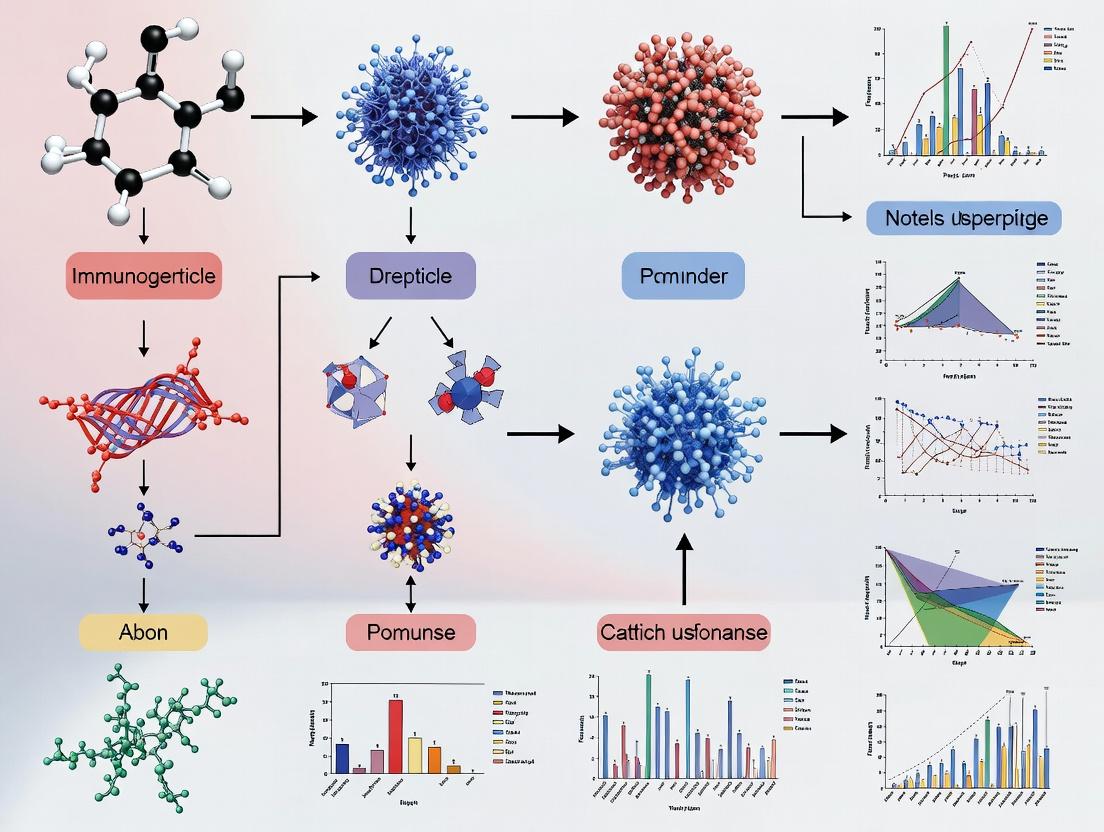
This article provides a systematic guide for researchers, scientists, and drug development professionals on the critical challenge of immunogenicity in nanobiomaterials.
Nanobiomaterials and Immunogenicity: A Comprehensive Guide for Designing Immune-Compatible Therapeutics
Abstract
This article provides a systematic guide for researchers, scientists, and drug development professionals on the critical challenge of immunogenicity in nanobiomaterials. It explores the foundational mechanisms by which nanoparticles interact with the immune system, including protein corona formation and cellular recognition pathways. We then detail methodological strategies for characterization and mitigation, covering surface engineering, stealth coatings, and immunomodulatory design. The troubleshooting section addresses common pitfalls in preclinical assessment and strategies for reducing anti-drug antibodies and adverse reactions. Finally, we compare validation frameworks, assays, and emerging in silico models, offering a holistic view for translating safer, more effective nanomedicines from bench to bedside.
Unraveling the Immune Response: The Foundational Science of Nanomaterial Immunogenicity
Technical Support Center
FAQs & Troubleshooting Guide
Q1: My nanoparticle formulation shows unexpectedly high monocyte uptake in vitro, but the same surface chemistry on a protein biologic does not. What could be the cause?
- A: This is a classic nanoscale-specific issue. The high curvature and dense ligand presentation on nanoparticles can induce "antigenic crowding," leading to non-specific recognition by scavenger receptors (e.g., SR-A, MARCO) not typically engaged by biologics. This bypasses traditional protein antigen-driven pathways.
- Troubleshooting Steps:
- Perform a Competitive Inhibition Assay: Pre-incubate monocytes with known ligands for scavenger receptors (e.g., fucoidan, poly I) before adding your nanoparticle. A significant reduction in uptake implicates this pathway.
- Modulate Surface Density: Systematically vary the density of your surface ligand (PEG, peptides) using a gradient synthesis approach. Data often reveals a non-linear threshold effect on uptake.
- Check Protein Corona Composition: The adsorbed biomolecule corona on nanomaterials is distinct. Isolate the corona from serum incubation and analyze via LC-MS/MS. A corona enriched in opsonins (e.g., immunoglobulin G, complement C3, fibronectin) will drive phagocytic uptake.
Q2: How do I differentiate between complement activation (C3a, C5a release) and cellular NLRP3 inflammasome activation (IL-1β release) as the primary cause of inflammation in my in vivo model?
- A: These are parallel but distinct innate immune triggers common with nanobiomaterials. Disentangling them requires specific pathway inhibition.
- Experimental Protocol: Pathway Dissection
- Animal Groups: Inject nanoparticle into four mouse cohorts (n≥5): (A) Wild-type, (B) C3aR/C5aR1 antagonist pretreatment (e.g., PMX53, 1mg/kg), (C) NLRP3 inhibitor pretreatment (e.g, MCC950, 10mg/kg), (D) Vehicle control.
- Sampling: Collect serum at 2h (peak complement anaphylatoxins) and 6h (peak inflammasome cytokines).
- Analysis: Use ELISAs to quantify C3a (or sC5b-9) and IL-1β/IL-18.
- Interpretation: See Table 1.
Table 1: Differentiating Complement vs. Inflammasome Activation
Inhibitor Used C3a/sC5b-9 Level IL-1β/IL-18 Level Primary Pathway Indicated None (Wild-type) High High Combined activation C3aR/C5aR Antag. Low High NLRP3 Inflammasome NLRP3 Inhibitor High Low Complement System Both Inhibitors Low Low Both pathways involved Q3: My stealth-coated (PEGylated) nanoparticle still shows immunogenicity in repeat-dose studies. What are the likely mechanisms?
- A: This points to the Anti-PEG Immune Response, a major concern beyond traditional anti-drug antibodies. Pre-existing or induced anti-PEG IgM can accelerate blood clearance (ABC effect).
- Troubleshooting Guide:
- Test for Anti-PEG Antibodies: Use a commercial ELISA to screen pre- and post-dosing serum for anti-PEG IgM/IgG.
- Assess Accelerated Blood Clearance: Perform a pharmacokinetic study with a second dose. A drastically reduced circulation half-life (e.g., >50% reduction) confirms the ABC effect.
- Mitigation Strategy: Consider alternative stealth polymers (e.g., Poly(carboxybetaine), Zwitterionic coatings) or lower PEG molecular weight/density to reduce immunogenicity while maintaining hydration.
Visualizations
Title: Primary Immunogenic Pathways for Nanobiomaterials
Title: Tiered Immunogenicity Screening Workflow
The Scientist's Toolkit: Key Research Reagent Solutions
Table 2: Essential Reagents for Nanobiomaterial Immunogenicity Profiling
| Reagent / Material | Function & Explanation | Example Vendor/Catalog |
|---|---|---|
| THP-1 Human Monocyte Cell Line | Standardized model for phagocytosis, NLRP3 inflammasome activation, and cytokine response studies. | ATCC TIB-202 |
| LAL Chromogenic Endotoxin Kit | Critical for quantifying endotoxin contamination, a major confounder in immunogenicity studies. | Lonza PyroGene |
| Human Complement Serum (Normal) | Source of functional complement proteins for in vitro hemolysis or C3a deposition assays. | Complement Technology, Inc. |
| Mouse Anti-PEG IgM ELISA Kit | Detects anti-PEG antibodies to diagnose the Accelerated Blood Clearance (ABC) effect. | Alpha Diagnostic Intl. |
| MCC950 (CP-456,773) | Highly specific, potent NLRP3 inflammasome inhibitor for pathway dissection in vitro/vivo. | MedChemExpress HY-12815 |
| PMX53 (C5aR antagonist) | Selective cyclic peptide antagonist for blocking complement C5a receptor signaling. | Tocris 3738 |
| Luminex 25-Plex Human Cytokine Panel | Multiplexed quantification of pro/anti-inflammatory cytokines from limited sample volumes. | Thermo Fisher Scientific EPX250-12165-901 |
| Zwitterionic Sulfobetaine Polymer | Alternative stealth coating material with potentially lower immunogenicity than PEG. | Sigma-Aldrecht 728092 |
Technical Support Center
Troubleshooting Guide & FAQs
Q1: My PEGylated liposomes are still triggering complement activation in human serum. What could be wrong? A: This is often related to imperfect surface coverage or PEG conformation. Ensure your PEG grafting density is >5 mol% of total lipids and the PEG chain length is ≥2000 Da. Perform a detailed characterization of your final formulation using Dynamic Light Scattering (DLS) for size/zeta-potential and a specialized ELISA-based C3a/C5a assay (e.g., from Hycult Biotech) to quantify complement activation directly. Low-density or short-chain PEG may not provide sufficient steric shielding.
Q2: How can I reliably distinguish between M1 and M2 macrophage polarization in vitro after nanoparticle exposure? A: Use a multi-parameter flow cytometry panel. Do not rely on a single marker. A recommended protocol is below.
Protocol: Multi-Parameter Flow Cytometry for Macrophage Polarization
- Differentiate THP-1 cells with 100 nM PMA for 48 hours, then rest for 24 hours in fresh media.
- Treat with your nanomaterial at relevant concentrations for 6-24 hours. Include controls: LPS (100 ng/mL) + IFN-γ (20 ng/mL) for M1, and IL-4 (20 ng/mL) for M2.
- Harvest & Stain: Detach cells, wash with PBS, and stain with a viability dye (e.g., Zombie NIR). Block Fc receptors.
- Surface Stain: Use antibodies against CD80 (M1) and CD206 (MMR, M2). Incubate for 30 min at 4°C.
- Fix/Permeabilize: Use a commercial kit (e.g., Foxp3/Transcription Factor Staining Buffer Set).
- Intracellular Stain: Use antibodies against iNOS (M1) and Arginae-1 (M2).
- Acquire Data on a flow cytometer and analyze using software like FlowJo. Report percentages of double-positive populations (e.g., CD80+/iNOS+ for M1).
Q3: My "stealth" polymeric nanoparticles are being cleared rapidly in mouse models. How can I troubleshoot this? A: Rapid clearance often indicates unintended immune recognition. Follow this diagnostic checklist.
| Observation | Potential Cause | Diagnostic Experiment | ||
|---|---|---|---|---|
| Fast clearance in first hour | Opsonization & RES uptake | Pre-incubate NPs with mouse plasma, isolate, and run SDS-PAGE to identify adsorbed proteins ("corona"). | ||
| Clearance after several hours | Surface charge instability | Measure zeta potential in serum-containing media over 4-6 hours using DLS. A shift > | 10 mV | indicates instability. |
| Specific organ uptake (e.g., spleen) | Specific immune cell recognition | Perform immunophenotyping of splenocytes by flow cytometry to identify which myeloid cell subset (e.g., dendritic cells, marginal zone macrophages) is sequestering the NPs. |
Q4: What is the best method to quantify pro-inflammatory cytokine release from primary human peripheral blood mononuclear cells (PBMCs)? A: A multiplex bead-based assay (e.g., Luminex) is superior to single-ELISA for a comprehensive profile. Use the following protocol.
Protocol: Cytokine Profiling from PBMCs using Multiplex Assay
- Isolate PBMCs from donor blood using Ficoll-Paque density gradient centrifugation.
- Plate cells at 1x10^6 cells/mL in RPMI-1640 + 10% FBS. Treat with nanomaterials. Include a positive control (LPS, 1 µg/mL) and negative control (media only).
- Incubate for 18-24 hours at 37°C, 5% CO2.
- Collect supernatant by centrifugation at 300 x g for 5 min to remove cells and particles.
- Analyze supernatant immediately or store at -80°C. Avoid freeze-thaw cycles.
- Run samples on a multiplex system (e.g., Bio-Plex 200) using a pre-validated human cytokine panel (e.g., IL-1β, IL-6, IL-8, IL-10, TNF-α). Perform all assays in technical duplicates.
Q5: How do I design an experiment to test if my nanoparticle's immune evasion is due to CD47 "self" signal mimicry? A: You need a competitive inhibition assay using the CD47 receptor, Signal Regulatory Protein Alpha (SIRPα).
Protocol: Testing CD47-SIRPα Mediated Immune Evasion
- Synthesize NPs with and without a surface-conjugated CD47-mimetic peptide (e.g., "self" peptide sequence).
- Pre-incubate murine macrophage-like cells (e.g., RAW 264.7) with a blocking anti-SIRPα antibody (10 µg/mL) for 30 minutes. Use an isotype antibody as control.
- Add fluorescently labeled NPs to the macrophages and incubate for 2 hours.
- Wash cells extensively and analyze cellular association (mean fluorescence intensity) via flow cytometry or confocal microscopy.
- Interpretation: If cellular uptake of your CD47-NPs is significantly increased only in the anti-SIRPα blocked group (compared to isotype control), it confirms the immune evasion was actively mediated through the CD47-SIRPα "don't eat me" pathway.
Table 1: Common Nanomaterial Properties & Their Typical Immune Impact
| Nanomaterial Property | Range for Immune Activation | Range for Immune Evasion | Key Immune Mechanism |
|---|---|---|---|
| Hydrodynamic Size | >200 nm, or <10 nm | 10-100 nm | >200 nm: spleen filtration; <10 nm: renal clearance; 10-100 nm: optimal for longevity |
| Surface Charge (Zeta Potential) | > +20 mV or < -30 mV | -20 mV to +10 mV (near neutral) | High charge promotes opsonin adsorption and cell membrane disruption. |
| PEG Grafting Density | < 2 mol% | > 5 mol% | High density creates effective steric barrier against protein adsorption. |
| Hydrophobicity | High (e.g., bare PS) | Low (PEG, hydrophilic polymers) | Hydrophobic surfaces adsorb immunoglobulins and activate complement. |
Table 2: In Vivo Half-Life of Common Nanomaterial Formulations
| Formulation Type | Average Surface Chemistry | Reported t1/2 (Mouse) | Primary Clearance Organ |
|---|---|---|---|
| Bare Gold Nanoparticles (50 nm) | Citrate | 0.5 - 2 hours | Liver (Kupffer cells) |
| PEGylated Liposomes (100 nm) | DSPE-PEG2000 | 12 - 20 hours | Mononuclear Phagocyte System |
| "Stealth" Polymeric NPs (PLGA-PEG) | PEG corona | 8 - 15 hours | Liver/Spleen (reduced) |
| Biomimetic Nanocells (RBC membrane-coated) | CD47-presenting | 24 - 48 hours | Prolonged circulation |
Visualizations
Title: Nanoparticle Immune Activation Signaling Pathway
Title: Strategic Framework for Nanoparticle Immune Evasion
The Scientist's Toolkit: Research Reagent Solutions
| Item | Function & Rationale |
|---|---|
| DSPE-PEG2000 (1,2-distearoyl-sn-glycero-3-phosphoethanolamine-N-[amino(polyethylene glycol)-2000]) | The gold-standard lipid for creating a steric "brush" barrier on liposomes and lipid nanoparticles to reduce opsonization and extend circulation half-life. |
| Poloxamer 407 (Pluronic F127) | A triblock copolymer surfactant commonly used to coat polymeric nanoparticles (e.g., PLGA) to impart hydrophilic stealth properties and prevent aggregation. |
| Recombinant Human CD47 Protein / CD47 Mimetic Peptides | Used as positive controls or for conjugation to nanoparticles to test the "self" marker hypothesis and actively inhibit phagocytosis via the SIRPα pathway. |
| LAL (Limulus Amebocyte Lysate) Assay Kit | Essential for detecting and quantifying endotoxin contamination in nanomaterial suspensions, as trace LPS can cause false positive immune activation. |
| C3a & C5a ELISA Kits | Specifically measure complement activation products (anaphylatoxins) generated upon nanoparticle interaction with serum, a key pathway for immune recognition. |
| Luminex/Multi-analyte Profiling Bead Kits | Enable simultaneous, high-throughput quantification of a panel of cytokines/chemokines from cell culture supernatants or serum with minimal sample volume. |
| THP-1 Human Monocytic Cell Line | A well-characterized, reproducible cell model that can be differentiated into macrophage-like cells with PMA for standardized in vitro immunotoxicity screening. |
| Anti-SIRPα Blocking Antibody | A critical tool for mechanistic studies to functionally block the "don't eat me" receptor on phagocytes, confirming CD47-SIRPα pathway involvement. |
Technical Support Center: Troubleshooting & FAQs
FAQ Section: Core Concept Clarification
Q1: What is the primary difference between the "hard" and "soft" protein corona? A: The hard corona consists of proteins with high affinity for the nanoparticle (NP) surface, forming a relatively stable, long-lived layer. The soft corona is a dynamic, rapidly exchanging outer layer of lower-affinity proteins. The hard corona largely determines the biological identity driving subsequent opsonization and cellular uptake.
Q2: Which plasma proteins are the most common opsonins found in the corona? A: Immunoglobulins (IgG, IgM), complement proteins (C3b, iC3b), and fibrinogen are key opsonins. Apolipoproteins (e.g., ApoE) are also frequently identified and can influence targeting.
Q3: How does protein corona formation affect the targeting ability of surface-functionalized nanoparticles? A: The corona can mask targeting ligands (e.g., antibodies, peptides) attached to the NP surface, significantly reducing or completely abrogating specific cell targeting. This is a major cause of failed in vivo targeting experiments.
Troubleshooting Guide: Common Experimental Issues
Issue T1: Inconsistent Cellular Uptake Results Between Serum-Free and Serum-Containing Media Symptoms: Uptake rates and mechanisms differ drastically; expected targeting is lost in serum. Diagnosis & Solution: This is classic evidence of corona formation altering NP identity.
- Step 1: Characterize the corona. Isolate NPs incubated in 100% FBS or human plasma (37°C, 60 min), centrifuge, and wash gently. Analyze bound proteins via SDS-PAGE or LC-MS/MS.
- Step 2: Pre-coat NPs with a defined "synthetic corona" (e.g., human serum albumin) before adding targeting ligands to shield non-specific binding and improve consistency.
Issue T2: Nanoparticle Aggregation Upon Introduction to Biological Fluid Symptoms: Increased hydrodynamic diameter (DLS), turbidity, or precipitate formation. Diagnosis & Solution: Protein-induced bridging or surface charge neutralization.
- Step 1: Check the isoelectric point (pI) of your NP and major corona proteins. Aggregation is maximal near the pI of the complex.
- Step 2: Increase surface steric repulsion by grafting higher-density PEG brushes or using other steric stabilizers before corona formation.
Issue T3: Unexpected Uptake by Non-Target Cell Types (e.g., Reticuloendothelial System - RES) Symptoms: Rapid clearance from blood, high accumulation in liver and spleen. Diagnosis & Solution: Opsonin proteins (e.g., immunoglobulins, complement C3) in the corona are promoting phagocytic recognition.
- Step 1: Perform an in vitro opsonization assay. Incubate NPs with serum, then with macrophage-like cells (e.g., THP-1). Inhibit specific pathways (e.g., use cytochalasin D for phagocytosis) to identify the primary route.
- Step 2: Employ "stealth" coatings like PEG to reduce opsonin adsorption. Consider "self" markers like CD47 mimetic peptides to inhibit phagocytic signaling.
Issue T4: Difficulty Reproducing Corona Formation Experiments Symptoms: Variability in identified corona proteins between replicates or labs. Diagnosis & Solution: Sensitive dependence on incubation and isolation protocols.
- Solution: Adopt a standardized protocol:
- Incubation: Use consistent NP concentration, protein source (e.g., identical FBS lot), ratio (e.g., 1:100 NP:plasma), time (60 min), temperature (37°C), and buffer.
- Separation: Use rigorous but gentle centrifugation (refrigeration, optimal g-force/time to pellet without crushing) or size-exclusion chromatography. Avoid membrane filters which can adsorb proteins and change corona composition.
- Analysis: Use a combination of techniques (DLS, SDS-PAGE, MS) for cross-validation.
Experimental Protocol: Analyzing Protein Corona Composition & Cellular Uptake Link
Objective: To isolate and identify the protein corona formed on nanoparticles and correlate its composition to the mechanism and efficiency of cellular uptake.
Materials:
- Nanoparticle suspension (1 mg/mL in PBS)
- Fetal Bovine Serum (FBS) or human plasma
- Phosphate Buffered Saline (PBS)
- Ultracentrifuge and compatible tubes
- Cell culture medium (serum-free and complete)
- Model cell line (e.g., HeLa, THP-1 macrophages)
- Inhibitors: Chlorpromazine (clathrin-mediated endocytosis), Amiloride (macropinocytosis), Cytochalasin D (phagocytosis/actin-dependent)
- Flow cytometer or fluorescence microscope (if NPs are labeled)
Procedure: Part A: Corona Isolation
- Incubation: Mix 100 µL of NP suspension with 900 µL of 100% FBS. Vortex gently.
- Condition: Incubate at 37°C for 60 minutes with gentle agitation.
- Separation: Transfer mixture to ultracentrifuge tube. Pellet NPs at 100,000 x g for 45 minutes at 4°C.
- Wash: Carefully discard supernatant. Gently resuspend pellet in 1 mL of cold PBS. Repeat centrifugation step.
- Analysis: Resuspend final corona-coated NP pellet in 50 µL PBS for downstream analysis (e.g., protein quantification, SDS-PAGE, tryptic digestion for MS).
Part B: Uptake Mechanism Inhibition Study
- Pre-treatment: Seed cells in 24-well plates. Prior to NP addition, pre-treat cells with specific inhibitors for 30 minutes:
- Chlorpromazine (10 µg/mL)
- Amiloride (1 mM)
- Cytochalasin D (2 µM)
- Control: DMSO vehicle only.
- Exposure: Add corona-coated NPs (from Part A) or bare NPs (control) to cells in serum-free medium. Incubate for 2-4 hours at 37°C.
- Quantification: Wash cells thoroughly with PBS. For fluorescent NPs, analyze internalization via flow cytometry. Express results as percentage of uptake relative to the DMSO control.
Data Presentation
Table 1: Common Corona Proteins and Their Opsonin Potential
| Protein Name | Approx. Molecular Weight (kDa) | Typical Abundance Rank in Corona | Known Role in Opsonization/Cellular Recognition | Primary Uptake Pathway Linked To |
|---|---|---|---|---|
| Albumin | 66.5 | High (often 1st) | Generally anti-opsonic; can promote uptake via albumin receptors | Scavenger receptor-mediated |
| Immunoglobulin G (IgG) | 150 | Medium-High | Classic opsonin; binds Fc receptors on phagocytes | Fc receptor-mediated phagocytosis |
| Apolipoprotein E (ApoE) | 34 | Variable | Can mediate liver targeting (via LDL receptors) | Receptor-mediated endocytosis |
| Complement C3 | 185 | Medium | Central opsonin; fragments (C3b, iC3b) bind complement receptors | Complement receptor-mediated phagocytosis |
| Fibrinogen | 340 | Medium | Opsonin; promotes macrophage uptake and inflammation | Macrophage integrin binding |
Table 2: Effect of Surface Coating on Corona Formation & Uptake (Example Data)
| NP Surface Coating | Hydrodynamic Size Increase Post-Corona (nm) | Key Opsonins Identified (Top 3) | Macrophage (THP-1) Uptake (% of Control) | HeLa Cell Uptake (% of Control) |
|---|---|---|---|---|
| Plain Polystyrene | +25.3 ± 3.2 | IgG, C3, Fibrinogen | 100.0 ± 8.5 | 45.2 ± 6.1 |
| PEG (Low Density) | +12.1 ± 2.1 | ApoE, Albumin, IgG | 31.7 ± 5.2 | 22.4 ± 4.8 |
| PEG (High Density) | +8.5 ± 1.5 | Albumin, ApoA-I, Transthyretin | 15.3 ± 3.1 | 18.9 ± 3.7 |
| Chitosan | +30.5 ± 4.5 | C3, IgM, Albumin | 185.4 ± 12.3 | 75.6 ± 9.2 |
Visualization: Pathways and Workflows
Title: Protein Corona Formation Leads to Cellular Uptake
Title: Opsonin-Receptor Interactions Drive Uptake Pathways
Title: Workflow for Corona-Uptake Correlation Studies
The Scientist's Toolkit: Research Reagent Solutions
| Item | Function in Corona/Uptake Research | Example Brand/Type |
|---|---|---|
| Density Gradient Media (e.g., Sucrose/Iodixanol) | Gentle separation of corona-coated NPs from unbound proteins via centrifugation, preserving the soft corona. | OptiPrep |
| Size-Exclusion Chromatography Columns | Alternative to centrifugation for isolating corona-NP complexes with minimal shear forces. | Bio-Gel P-100, Superose 6 Increase |
| Protease Inhibitor Cocktail | Added to biological fluids during incubation to prevent protein degradation and preserve native corona composition. | cOmplete, EDTA-free |
| Specific Endocytic Inhibitors | Pharmacological tools to dissect the primary cellular uptake pathway (e.g., chlorpromazine, dynasore, EIPA). | Sigma-Aldrich, Tocris |
| Fluorescent Protein Labeling Kits | Label serum proteins (e.g., albumin, IgG) to track their adsorption onto NPs using fluorescence assays. | Alexa Fluor NHS Ester Kits |
| Pre-formed Protein Coronas | Defined protein mixtures for creating synthetic/reproducible coronas to study specific opsonin effects. | Human Serum Albumin (HSA), purified IgG |
| Differential Centrifugation Sieve Columns | Rapid removal of excess protein and small aggregates post-incubation prior to detailed analysis. | Microcon or Amicon centrifugal filters (100 kDa MWCO) |
Technical Support Center
This technical support center addresses common experimental challenges encountered when studying nanobiomaterial interactions with key immune components—macrophages, dendritic cells (DCs), and the complement system. These guides are framed within the critical research goal of understanding and mitigating nanobiomaterial immunogenicity.
Troubleshooting Guides & FAQs
FAQ 1: My nanoparticle formulation shows inconsistent complement activation (C3a, SC5b-9 release) across donor serum batches. How can I standardize this assay?
- Answer: Batch-to-batch variability in human serum is a major challenge. Implement these steps:
- Source Control: Use commercially available pooled normal human serum (NHS) from reputable vendors, ensuring it is standardized for complement activity. Avoid using serum from fewer than 10 donors.
- Pre-treatment: Always pre-clear serum by ultracentrifugation (e.g., 100,000 g for 1 hour at 4°C) to remove residual particulates and lipoproteins that can spontaneously activate complement.
- Positive & Negative Controls: Include a zymosan (positive) and PBS-only (negative) control in every experiment. Normalize your nanoparticle data to the zymosan response (set as 100% activation).
- Storage: Aliquot serum and store at ≤ -80°C. Avoid repeated freeze-thaw cycles (>3).
FAQ 2: During in vitro macrophage polarization assays (M1/M2), my nanobiomaterial induces an mixed/unclear cytokine profile. How do I interpret this?
- Answer: Nanomaterials often induce complex, non-canonical polarization states. Do not rely solely on one or two markers.
- Expand Your Panel: Use a multiplex ELISA or qPCR array to profile a broader set of cytokines and surface markers.
- Functional Assays: Correlate cytokine data with functional readouts: nitrite (Griess assay) for M1, arginase activity for M2.
- Dose & Kinetics: The response may be dose-dependent. Perform a time-course experiment; early (6-24h) and late (48-72h) profiles may differ.
- Reference Table: Use this expanded panel for clearer interpretation:
| Polarization State | Key Surface Markers (Flow Cytometry) | Signature Secreted Cytokines/Chemokines | Functional Readout |
|---|---|---|---|
| Classical M1 | CD80, CD86, MHC-II High | High: TNF-α, IL-6, IL-12, CXCL10 | High NO production |
| Alternative M2 | CD206, CD163, CD209 | High: IL-10, TGF-β, CCL17, CCL22 | High Arginase activity |
| Nanomaterial-Induced State | Variable (e.g., CD80+CD206+) | Mixed (e.g., IL-6 + IL-10) | May be suppressed or altered |
FAQ 3: Dendritic cell maturation assays (via flow cytometry for CD83, CD86) show low signal when nanoparticles are co-cultured with primary human Mo-DCs. What could be wrong?
- Answer: Low maturation signal can be due to assay interference or true immunosuppression.
- Check for Nanoparticle Interference: Nanomaterials can quench fluorescence or adhere to cells, increasing background. Always include a "Nanoparticle + Antibody" control (stain cells without nanoparticles, then add nanoparticles after staining and just before acquisition). Also, try washing cells twice with PBS + 0.1% BSA + 2mM EDTA before staining.
- Viability: Ensure your nanomaterial is not cytotoxic at the assayed dose (use a viability dye). Dead/dying cells do not mature.
- Positive Control: Your LPS/PMACI positive control must be robust. If it's also low, your DC differentiation may be poor. Verify monocyte-derived DC (Mo-DC) differentiation quality by checking CD1a and CD14 expression on day 6-7.
- Timing: CD83 is a transient marker. Harvest cells at 18-24 hours post-stimulation, not later.
FAQ 4: How do I distinguish between nanoparticle uptake by macrophages via phagocytosis vs. other endocytic pathways?
- Answer: Employ a combined pharmacological and imaging approach.
- Protocol: Inhibitor-Based Discrimination
- Cells: Seed immortalized or primary macrophages (e.g., RAW 264.7, human MDMs).
- Pre-treatment: Incubate cells with specific inhibitors for 30-60 min prior to adding fluorescently labeled nanoparticles. Use:
- Phagocytosis: Cytochalasin D (10 µM) to disrupt actin polymerization.
- Macropinocytosis: EIPA (50 µM) to inhibit Na+/H+ exchange.
- Clathrin-Mediated Endocytosis: Pitstop 2 (30 µM).
- Caveolae-Mediated Endocytosis: Genistein (200 µM).
- Uptake Assay: Add nanoparticles for 1-2 hours (at 37°C & 4°C as negative control).
- Quantification: Analyze by flow cytometry or quantitative fluorescence microscopy. The % inhibition compared to untreated cells indicates the contribution of each pathway.
- Correlative Imaging: Follow up with TEM or super-resolution microscopy to visualize the ultrastructural features of the uptake mechanism (e.g., phagocytic cups, macropinosomes).
- Protocol: Inhibitor-Based Discrimination
Experimental Protocol: ComprehensiveIn VitroImmunogenicity Profiling
Title: Integrated Protocol to Assess Nanobiomaterial Interactions with Macrophages, DCs, and Complement.
Objective: To systematically evaluate the innate immunogenic potential of a nanobiomaterial in a single, coordinated workflow.
Part A: Complement Activation (Day 1)
- Serum Preparation: Reconstitute or thaw pooled NHS on ice. Pre-clear by centrifugation at 20,000 g for 20 min at 4°C.
- Reaction Setup: In a low-protein-binding tube, incubate 100 µL of nanoparticle suspension (at relevant concentrations in PBS) with 100 µL of NHS (final serum concentration 50%) for 1 hour at 37°C.
- Control Setup: Include PBS (Negative Control) and 1 mg/mL Zymosan (Positive Control).
- Termination & Analysis: Stop reaction by placing tubes on ice. Centrifuge at 10,000 g for 10 min at 4°C. Collect supernatant and analyze for C3a and SC5b-9 by commercial ELISA kits according to manufacturer instructions.
Part B: Macrophage & Dendritic Cell Response (Day 1-3)
- Cell Differentiation:
- Human Monocyte-Derived Macrophages (MDMs): Isolate PBMCs, plate monocytes in RPMI+10% FBS + 100 ng/mL M-CSF for 6 days.
- Human Monocyte-Derived DCs (Mo-DCs): Isolate PBMCs, plate monocytes in RPMI+10% FBS + 100 ng/mL GM-CSF + 50 ng/mL IL-4 for 6 days.
- Nanomaterial Exposure (Day 7): Harvest and re-seed differentiated cells. Expose cells to nanoparticles (pre-incubated in serum-free medium or 10% serum as required) for 6h (early gene) or 24h (protein/ maturation).
- Analysis:
- Macrophages: Collect supernatant for M1/M2 cytokine multiplex ELISA. Lyse cells for qPCR (e.g., TNF, IL1B, IL10, ARG1) or arginase activity assay.
- Dendritic Cells: Harvest cells for flow cytometry staining (CD83, CD86, HLA-DR, CD11c). Collect supernatant for IL-12p70 and IL-10 ELISA.
Signaling Pathways in Innate Immune Recognition of Nanobiomaterials
Title: Immune Recognition and Signaling Pathways for Nanomaterials
Workflow for Integrated Immunogenicity Testing
Title: Integrated Immunogenicity Assessment Workflow
The Scientist's Toolkit: Essential Research Reagents
| Reagent / Material | Primary Function in This Context | Key Considerations for Immunogenicity Studies |
|---|---|---|
| Pooled Normal Human Serum (NHS) | Source of all complement proteins for in vitro activation assays. | Use commercial, standardized pools. Pre-clear by ultracentrifugation to remove aggregates. |
| Zymosan A (from S. cerevisiae) | Positive control for complement activation and macrophage stimulation (via Dectin-1/TLRs). | Prepare fresh suspensions and sonicate to avoid clumping. |
| Ultrapure LPS | Gold-standard positive control for TLR4-mediated macrophage/DC activation and maturation. | Use at low concentrations (1-100 ng/mL) to avoid cytotoxicity. |
| Recombinant Human M-CSF & GM-CSF/IL-4 | For differentiation of primary human monocytes into macrophages (M-CSF) or dendritic cells (GM-CSF+IL-4). | Critical for consistent, reproducible cell phenotypes. Aliquot and avoid freeze-thaw cycles. |
| Fluorescent Cell Barcode Kits | For multiplexing flow cytometry samples, allowing simultaneous assessment of multiple nanoparticle conditions. | Reduces staining variability and instrument time. Essential for dose-response studies. |
| Low-Protein-Binding Microtubes/Plates | To minimize nanoparticle and protein loss due to adhesion during complement and cell assays. | Use throughout the workflow, especially for serum and nanoparticle dilutions. |
| Specific Pathway Inhibitors (e.g., Cytochalasin D, EIPA, Pitstop 2) | To mechanistically dissect uptake pathways (phagocytosis, macropinocytosis, CME). | Titrate for efficacy and cytotoxicity in your specific cell system. Include vehicle controls. |
| Multiplex Cytokine Assay Kits | To comprehensively profile macrophage and DC secretory responses (M1/M2/ mixed). | More efficient and sample-sparing than multiple ELISAs. Validate for use with nanoparticle-conditioned media. |
Technical Support Center: Troubleshooting Immunogenicity in Nanobiomaterial Research
This support center provides guidance for common experimental challenges in studying the immune recognition of nanobiomaterials, framed within a thesis on addressing immunogenicity.
FAQs & Troubleshooting Guides
Q1: In our in vivo model, we see high variability in antibody titers against the PEGylated nanocarrier. What could be the cause? A: High variability often stems from pre-existing anti-PEG antibodies. Troubleshooting Steps:
- Pre-screen: Establish a baseline by screening animal serum (or human donor samples) for anti-PEG IgMs and IgGs via ELISA before nanomaterial administration.
- Control formulation: Include a group receiving empty PEGylated carriers (no cargo) to distinguish immune response to the polymer versus the payload.
- Analyze Data: Use the table below to interpret common results.
| Observation (Anti-PEG Titer) | Likely Cause | Recommended Action |
|---|---|---|
| High in pre-screen samples | Pre-existing immunity (common due to environmental exposure) | Use alternative stealth polymers (e.g., polysarcosine, zwitterionic coatings). |
| Low pre-screen, high post-injection | Classic T-dependent adaptive response to PEG | Optimize PEG density & conformation (brush vs. mushroom); consider smaller nanocarrier size. |
| Rapid IgM rise post-injection (within hours) | Complement activation & innate-like "T-independent" response | Test complement activation (CH50 assay); modify surface chemistry to reduce charge. |
Q2: Our nanoparticle adjuvant shows strong IgG in WT mice but fails in TLR4-KO models. How do we delineate the innate signaling pathway involved? A: This indicates a critical role for TLR4 in the adaptive response. Follow this protocol to map the innate-to-adaptive bridge.
Protocol: Innate Sensor Mapping for Nanoadjuvants Objective: To identify the specific Pattern Recognition Receptors (PRRs) responsible for nanoparticle immunogenicity.
- Materials: Your nanoparticle; PRR-knockout mouse strains (TLR4, TLR7/9, NOD2, STING); control WT mice; ELISA kits for IgG subclasses (IgG1, IgG2c).
- Immunization: Administer nanoparticle (with antigen) to groups of WT and respective KO mice (n=5-8) via chosen route (e.g., i.m., s.c.). Include antigen-alone and PBS controls.
- Serum Collection: Bleed at day 0 (pre-bleed), day 14, and day 28.
- Analysis:
- Humoral Response: Measure antigen-specific total IgG and subclass titers by ELISA.
- Innate Signaling: Isolate dendritic cells (DCs) from WT mice, pretreat with specific inhibitors (e.g., TAK-242 for TLR4), expose to nanoparticles in vitro, and measure NF-κB/IRF3 activation via reporter assays or phospho-protein flow cytometry.
- Interpretation: A significant drop in IgG titers in a specific KO mouse pinpoints the essential innate pathway.
Q3: We are not detecting lasting memory B cells following nanovaccine boost. How can we optimize the protocol for memory evaluation? A: Memory formation requires germinal center (GC) engagement. Key checkpoints are below.
| Phase | Critical Checkpoint | Assay | Potential Issue with Nanomaterial |
|---|---|---|---|
| Week 1 | Dendritic Cell Activation & Antigen Drainage | Flow cytometry for DC (CD11c+) co-stimulatory markers (CD80, CD86) in draining LN. | Rapid clearance from injection site; surface properties inhibit DC uptake. |
| Week 2 | Germinal Center Formation | Flow cytometry of LN cells for GC B cells (B220+, GL7+, Fas+). | Persistent antigen release may delay GC formation; improper co-stimulation. |
| Months 2-6 | Memory B Cell & Long-Lived Plasma Cell Presence | ELISpot for antigen-specific antibody-secreting cells from bone marrow. | Non-optimal antigen kinetics fail to sustain survival niches. |
Protocol: Longitudinal Tracking of Humoral Memory
- Prime-Boost Regimen: Prime with nanovaccine at week 0, boost with same formulation at week 4.
- Sample Collection: At week 6 (peak GC response), harvest spleens/lymph nodes for flow cytometry (GC B cells, Tfh cells). At week 12+, harvest bone marrow for plasma cell ELISpot.
- Challenge: At a late timepoint (e.g., 6 months), challenge with the soluble antigen alone and measure rapid anamnestic antibody response (titers at day 5 post-challenge).
The Scientist's Toolkit: Key Research Reagent Solutions
| Item | Function in Immunogenicity Studies |
|---|---|
| LAL Chromogenic Endotoxin Kit | Quantifies endotoxin in nano-formulations, a major confounder of innate immune activation via TLR4. |
| Recombinant PRR Proteins (e.g., TLR4/MD-2, MBL) | For in vitro binding assays (SPR, ELISA) to test direct nanoparticle-PRR interaction. |
| Fluorescently-Labeled Model Antigens (e.g., OVA-AF488) | Allows tracking of antigen processing and presentation by APCs in vitro and in vivo via flow cytometry. |
| Cytokine/Chemokine Multiplex Array Panels | Profiles the innate inflammatory milieu (e.g., IL-1β, IL-6, IFN-α, MCP-1) induced by nanomaterials in serum or cell supernatants. |
| Phospho-Specific Antibodies for Flow Cytometry | Enables intracellular staining of p-NF-κB, p-IRF3, p-STAT proteins in immune cell subsets to map active signaling pathways. |
| Nanozymer or Similar PEG Detection ELISA | Specifically detects and quantifies anti-PEG antibodies in biological samples. |
Signaling Pathway & Experimental Workflow Diagrams
Title: Innate Immune Activation Drives Adaptive Antibody Response
Title: Tiered Experimental Workflow for Immunogenicity Assessment
Designing for Compatibility: Methodological Strategies to Mitigate Unwanted Immune Reactions
Technical Support Center
Troubleshooting Guide & FAQs
FAQ 1: My polymeric nanoparticle formulation consistently triggers high TNF-α secretion in primary human macrophages. How can I modify the core chemistry to mitigate this?
- Answer: High TNF-α is often linked to cationic surface charge or the presence of pathogen-associated molecular patterns (PAMPs) in contaminants. Follow this protocol:
- Purification: Implement stringent purification via tangential flow filtration (TFF) or size-exclusion chromatography (SEC) to remove endotoxin and synthesis catalysts.
- Charge Modulation: Re-synthesize using a monomer ratio that yields a slightly negative or neutral zeta potential (between -10 mV and +5 mV in physiological buffer).
- Functionalization: Introduce a low-density (5-10 mol%) PEG shell or use hydroxyl-terminated polymers to shield cationic charges.
- Re-test: Re-evaluate using the standardized protocol below.
FAQ 2: I observe variable complement activation (C3a desArg levels) between batches of the same lipid nanoparticle (LNP) formula. What is the likely cause?
- Answer: Batch-to-batch variability in complement activation is frequently tied to lipid peroxidation or trace solvent residues.
- Analyze Lipid Integrity: Perform HPLC-ELSD to check for oxidative degradation products of ionizable or PEGylated lipids. Use fresh lipids with antioxidants (e.g., 0.1% α-tocopherol).
- Residual Solvent Check: Use gas chromatography to ensure chloroform or ethanol residues are below ICH Q3C limits.
- Buffer Exchange: Ensure final formulation is in a citrate or histidine buffer (pH 6.5-7.0) instead of Tris, which can amplify complement activation.
FAQ 3: How do I systematically evaluate whether a new inorganic nanoparticle core (e.g., silica vs. gold) is inherently immunostimulatory or immunosuppressive?
- Answer: Implement a tiered in vitro immunophenotyping assay.
- Cell Model: Use primary human peripheral blood mononuclear cells (PBMCs) or THP-1-derived macrophages.
- Dose & Time: Test a log-scale concentration range (1-100 µg/mL) over 6h (early activation) and 24h (late response).
- Readouts: Measure surface activation markers (CD80, CD86, HLA-DR via flow cytometry) and secreted cytokines (IL-1β, IL-6, IL-10, TNF-α via multiplex ELISA).
- Control: Include LPS (positive) and an inert, PEG-coated particle (negative control).
Experimental Protocols
Protocol 1: Standardized In Vitro Assessment of Nanomaterial Immunoreactivity
- Objective: To quantify the inherent immunostimulatory profile of a nanomaterial.
- Materials: See "The Scientist's Toolkit" below.
- Method:
- Nanomaterial Preparation: Suspend nanoparticles in sterile, endotoxin-free PBS. Sonicate (20% amplitude, 10s on/off, 1 min) and vortex immediately before use. Confirm hydrodynamic size and PDI by DLS.
- Cell Seeding: Differentiate THP-1 monocytes with 100 ng/mL PMA for 48h. Seed at 2.5 x 10^5 cells/well in a 24-well plate. Rest for 24h in fresh media.
- Exposure: Treat cells with nanoparticles at 10, 50, and 100 µg/mL. Include a media-only control and 100 ng/mL LPS control. Incubate for 24h at 37°C, 5% CO₂.
- Analysis:
- Collect supernatant. Clarify by centrifugation (500 x g, 5 min). Store at -80°C.
- Analyze cytokines using a LEGENDplex human inflammation panel.
- For cells, perform flow cytometry staining for CD80-FITC, CD86-PE, and a viability dye.
- Expected Output: A table of cytokine concentrations and median fluorescence intensity (MFI) for activation markers.
Protocol 2: Quantifying Complement Activation via C3a DesArg ELISA
- Objective: To measure nanoparticle-induced complement activation in human serum.
- Method:
- Serum Preparation: Pool healthy human serum (commercially sourced). Aliquot and store at -80°C. Avoid freeze-thaw cycles.
- Reaction Setup: Dilute nanoparticles in Veronal Buffer Saline (with Ca2+/Mg2+) to 2x the desired final concentration (typically 100 µg/mL). Mix 50 µL of nanoparticle suspension with 50 µL of 10% human serum. Incubate at 37°C for 1h.
- Reaction Stop: Add 10 µL of 0.5M EDTA to each tube to chelate calcium and stop complement activation.
- Quantification: Dilute samples 1:50 in assay buffer. Measure C3a desArg concentration using a commercial human C3a ELISA kit according to the manufacturer's instructions. Use zymosan (1 mg/mL) as a positive control.
Data Presentation
Table 1: Comparative Immunoreactivity of Nanoparticle Core Chemistries (In Vitro Data)
| Core Material | Surface Chemistry | Zeta Potential (mV, in PBS) | TNF-α Secretion (pg/mL) @ 50 µg/mL | IL-1β Secretion (pg/mL) @ 50 µg/mL | Complement C3a Increase (vs. Serum Control) |
|---|---|---|---|---|---|
| PLGA | Carboxyl-terminated | -25.3 ± 2.1 | 150 ± 45 | 85 ± 30 | 1.5x |
| PLGA | PEG(5k)-shielded | -3.5 ± 1.5 | 55 ± 20 | 30 ± 15 | 1.1x |
| Cationic Lipid | DOTAP | +42.7 ± 3.5 | 1250 ± 300 | 950 ± 200 | 3.8x |
| Mesoporous Silica | Amine-modified | +15.8 ± 2.8 | 600 ± 150 | 400 ± 90 | 2.2x |
| Gold Nanosphere | Citrate-capped | -38.9 ± 4.2 | 80 ± 25 | 50 ± 20 | 1.3x |
| Control (LPS) | N/A | N/A | 1800 ± 250 | 1200 ± 180 | N/A |
Table 2: Key Research Reagent Solutions
| Reagent/Material | Function/Explanation | Example Vendor/Cat. No. |
|---|---|---|
| Endotoxin-Free Water | Solvent for all buffers/reagents; critical to avoid false-positive TLR4 activation. | ThermoFisher, BN270955 |
| THP-1 Monocyte Cell Line | Standardized human cell model for monocyte/macrophage immunoreactivity studies. | ATCC, TIB-202 |
| Human C3a ELISA Kit | Quantifies complement activation product C3a desArg as a key immunogenicity marker. | ThermoFisher, BMS2089 |
| LEGENDplex Human Inflammation Panel | Multiplex bead-based assay for simultaneous quantification of 13 key cytokines. | BioLegend, 740809 |
| Zymosan A | Standard positive control for complement activation and phagocytosis studies. | Sigma-Aldrich, Z4250 |
| Polyethylene Glycol (PEG)-lipid (DMG-PEG2k) | Common functional lipid for creating stealth, immunoevasive coatings on LNPs. | Avanti Polar Lipids, 880151 |
Visualizations
Troubleshooting Guides & FAQs for Immunogenicity Reduction Experiments
This technical support center addresses common experimental challenges in surface engineering of nanobiomaterials to mitigate immunogenic responses, framed within a thesis on advancing stealth and biomimetic strategies.
FAQ Section: Core Concepts & Planning
Q1: What are the primary surface engineering strategies to reduce nanoparticle immunogenicity? A: The three primary strategies are:
- PEGylation: Covalent attachment of polyethylene glycol (PEG) chains to create a hydrophilic, steric barrier that reduces opsonin adsorption and macrophage uptake.
- Zwitterionic Coatings: Grafting of surfaces with molecules containing both positive and negative charges (e.g., carboxybetaine, sulfobetaine) to form an ultra-low fouling surface via a strong hydration layer.
- Biomimicry: Functionalization with natural or synthetic molecules that mimic biological structures (e.g., CD47 "self" peptides, membrane proteins, or lipid bilayers) to evade immune recognition.
Q2: How do I choose between PEGylation and a zwitterionic coating for my nanoparticle system? A: Selection is based on application-specific trade-offs between stability, "PEGylated particle" immunogenicity concerns, and desired functionality. See the comparison table below.
Table 1: Comparison of Key Surface Engineering Strategies
| Parameter | PEGylation | Zwitterionic Coatings | Biomimicry (e.g., CD47) |
|---|---|---|---|
| Primary Mechanism | Steric Repulsion & Hydration | Electrostatic-Hydration Layer | "Don't Eat Me" Signal Transduction |
| Fouling Resistance | High | Very High | Variable (Target-Specific) |
| Risk of Accelerated Blood Clearance (ABC) | Yes (after repeated dosing) | Currently not observed | Low (if epitope is correctly presented) |
| Conjugation Chemistry | Well-established (NHS, Maleimide) | Requires surface initiator or click chemistry | Complex (often requires peptide synthesis/spacing) |
| Functionalization Ease | Moderate to High | Moderate | Low to Moderate (high specificity needed) |
| Long-term In Vivo Stability | Moderate (Oxidative degradation) | High (Resists oxidation) | Dependent on mimic stability |
Q3: My PEGylated particles are still being cleared rapidly in murine models. What could be the issue? A: This may indicate the Accelerated Blood Clearance (ABC) phenomenon or sub-optimal PEG coverage.
- Check PEG Density & Conformation: Use a quantitative method (e.g., H NMR, colorimetric assay) to determine grafting density. For effective stealth, aim for a "brush" conformation (≥ 0.5 chains/nm² for 2-5 kDa PEG).
- Assess PEG Length: Longer PEG chains (5 kDa vs. 2 kDa) typically provide better shielding but may increase viscosity or reduce targeting ligand accessibility.
- Consider Anti-PEG Antibodies: Pre-existing or induced anti-PEG IgM can cause ABC. Test for this via ELISA against PEG. Mitigation strategies include using lower MW PEG, alternating polymer types, or switching to a zwitterionic approach.
Troubleshooting Section: Experimental Issues
Q4: I am observing high polydispersity (PDI > 0.2) after conjugating zwitterionic polymers to my gold nanoparticles. How can I improve homogeneity? A: High PDI post-conjugation often indicates inconsistent reaction kinetics or aggregation.
- Solution 1 (Purification): Implement rigorous, immediate purification post-reaction (e.g., tangential flow filtration, size-exclusion chromatography) to remove unreacted polymer and aggregates.
- Solution 2 (Controlled Conjugation):
- Protocol: Use a two-step "grafting-to" approach with controlled stoichiometry.
- Method: First, functionalize nanoparticles with a uniform layer of a short alkanethiol initiator (e.g., containing an ATRP initiator group). Second, perform surface-initiated atom transfer radical polymerization (SI-ATRP) of zwitterionic monomers (e.g., carboxybetaine acrylamide) under strict oxygen-free conditions. This offers superior control over polymer chain length and density.
- Key Reagent: CuBr/PMDETA catalyst system for ATRP.
Q5: My biomimetic "self" peptide coating is failing to inhibit phagocytosis in vitro. What are the critical parameters to check? A: Successful biomimicry depends on correct peptide presentation.
- Verify Peptide Orientation: Ensure your conjugation chemistry (e.g., cysteine-maleimide, SpyTag/SpyCatcher) links the peptide with the active domain (e.g., the Ig-domain of CD47) exposed correctly. Use surface plasmon resonance (SPR) to confirm binding to its receptor, SIRPα.
- Optimize Ligand Density: There is an optimal density range for signaling. Too low offers no effect; too high can cause non-specific interactions. Perform a density gradient experiment (e.g., using peptides with varying molar ratios during conjugation).
- Include a Spacer: Use a flexible linker (e.g., PEG spacer, (GGGGS)₃) between the nanoparticle surface and the peptide to ensure proper conformational freedom for receptor engagement.
The Scientist's Toolkit: Key Research Reagent Solutions
Table 2: Essential Materials for Surface Engineering Experiments
| Item | Function/Application | Example Vendor/Product |
|---|---|---|
| mPEG-Thiol (MW: 2kDa, 5kDa) | Gold nanoparticle PEGylation via Au-S bond. Provides steric stabilization. | BroadPharm, Iris Biotech |
| DSPE-PEG(2000)-NHS | Lipid nanoparticle/polymer surface functionalization. NHS ester reacts with primary amines. | Avanti Polar Lipids |
| Carboxybetaine Acrylamide (CBAA) | Monomer for synthesizing zwitterionic polymer coatings via SI-ATRP or free radical polymerization. | Sigma-Aldrich |
| Sulfobetaine Vinylimidazole (SBVI) | Zwitterionic monomer for creating ultra-low fouling polymer brushes. | TCI Chemicals |
| CD47-Mimetic Peptide (with C-terminal Cys) | Synthetic peptide for "don't eat me" signal functionalization. Requires a thiol-reactive surface. | GenScript (custom synthesis) |
| Heterobifunctional PEG Linker (e.g., NHS-PEG-Maleimide) | Versatile spacer for controlled, oriented biomolecule conjugation. | Thermo Fisher Scientific |
| ATRP Initiator Thiol (e.g., BrC(CH₃)₂C(O)O(CH₂)₁₁SH) | Forms self-assembled monolayer on gold to initiate controlled SI-ATRP of polymers. | Specificity: ProChimia |
| Quant-iT Protein Assay Kit | Colorimetric assay for quantifying amine-containing ligands conjugated to nanoparticles. | Invitrogen |
| SIRPα-Fc Chimera Protein | Critical reagent for validating the bioactivity of CD47-mimetic coatings via binding assays. | ACROBiosystems |
Experimental Protocol: Grafting Zwitterionic Polymer Brushes via SI-ATRP
Objective: To create a uniform, low-fouling zwitterionic polymer brush on gold nanoparticles (AuNPs) for reduced protein adsorption and macrophage uptake.
Materials: Citrate-stabilized AuNPs (50 nm), ATRP initiator thiol, Carboxybetaine acrylamide (CBAA) monomer, CuBr catalyst, PMDETA ligand, Methanol/water mixture (degassed), Nitrogen gas purge system.
Detailed Workflow:
- Initiator Immobilization: Mix AuNPs with a 10 mM solution of ATRP initiator thiol in ethanol (molar excess of 10⁵:1 vs. AuNP surface atoms). React for 24h at room temperature with gentle agitation. Purify via 3x centrifugation/resuspension in ethanol.
- Reactor Setup: In a Schlenk flask, dissolve CBAA monomer (target Degree of Polymerization = 50) in a degassed 1:1 methanol/water mixture. Add purified initiator-functionalized AuNPs.
- Catalyst Addition: Under N₂ atmosphere, add CuBr and PMDETA ligand ([Monomer]:[CuBr]:[Ligand] = 50:1:1). Seal the flask and cycle between vacuum and N₂ three times.
- Polymerization: React at 30°C for 2-4 hours with stirring. Monitor by DLS for a controlled increase in hydrodynamic diameter.
- Termination & Purification: Open flask to air to terminate polymerization. Dilute with DI water and purify via extensive dialysis (100 kDa MWCO) against DI water for 48h to remove all catalyst and unreacted monomer.
- Validation: Characterize by DLS (for size/PDI), Zeta Potential (should approach neutral), and a protein adsorption assay (e.g., fluorescence-tagged fibrinogen) to confirm low fouling.
Key Signaling Pathways & Experimental Workflows
Diagram 1: CD47-SIRPα 'Don't Eat Me' Signaling Pathway
Diagram 2: General Workflow for Nanoparticle Surface Engineering
Active Targeting Ligands and Their Immunogenicity Trade-offs
Technical Support Center
Troubleshooting Guides & FAQs
FAQ 1: Why is my targeted nanoparticle formulation exhibiting rapid clearance in murine models, despite high in vitro cellular uptake?
- Answer: Rapid clearance (often within minutes) is a classic sign of an anti-ligand immune response. If the targeting ligand (e.g., a peptide, antibody fragment, or engineered protein) is immunogenic, it can trigger the production of pre-existing or induced anti-ligand antibodies. These antibodies opsonize the nanoparticles, leading to complement activation and sequestration by the mononuclear phagocyte system (MPS) in the liver and spleen.
- Diagnostic Protocol:
- Pre-screening Serum: Collect pre-immune serum from your animal model before nanoparticle administration.
- ELISA for Anti-Ligand Antibodies: Coat an ELISA plate with the free targeting ligand. Incubate with serial dilutions of pre-immune and post-treatment (e.g., day 7) serum. Use a species-specific secondary antibody conjugated to HRP to detect bound anti-ligand IgGs/IgMs. A significant increase in post-treatment signal indicates an adaptive immune response to the ligand.
- In Vitro Phagocytosis Assay: Incubate your nanoparticles with RAW 264.7 macrophages or primary Kupffer cells in the presence of 10% complement-active serum from either naïve or treated animals. Measure nanoparticle association via flow cytometry or fluorescence microscopy. Increased uptake with "treated" serum confirms antibody-mediated opsonization.
FAQ 2: How can I differentiate between immunogenicity of the nanoparticle core and the conjugated targeting ligand?
- Answer: A controlled, tiered experimental approach is required to isolate the variable.
- Experimental Workflow:
- Group 1: Inject PBS (Negative Control).
- Group 2: Inject naked nanoparticle (Core only).
- Group 3: Inject free targeting ligand (Ligand only).
- Group 4: Inject targeted nanoparticle (Full construct). Measure anti-ligand and anti-core antibody titers via separate ELISAs for each group 7-10 days post-injection. Compare results as summarized below:
Table 1: Differentiating Immunogenicity Source from ELISA Data
| Experimental Group | High Anti-Core Antibody Titer | High Anti-Ligand Antibody Titer | Interpretation |
|---|---|---|---|
| Naked Nanoparticle | Yes | No | Core is immunogenic. |
| Free Targeting Ligand | No | Yes | Ligand is immunogenic. |
| Targeted Nanoparticle | Yes | Yes | Both components contribute. |
| Targeted Nanoparticle | No | Yes | Ligand is the primary immunogen. |
FAQ 3: Our in vivo efficacy of a ligand-targeted therapeutic dropped significantly after the second dose. What is the mechanism?
- Answer: This is indicative of Accelerated Blood Clearance (ABC) phenomenon, driven by an adaptive immune response. The first dose primes the immune system to generate anti-ligand (or anti-PEG) antibodies. The second dose is then rapidly neutralized and cleared before reaching the target site, abolishing efficacy.
- Mitigation Protocol:
- Confirm ABC: Pharmacokinetics study comparing first vs. second dose AUC(0-1h). A reduction >50% is strong evidence.
- Ligand Engineering Strategies:
- Humanization: If using a murine or foreign antibody fragment, switch to a humanized or fully human variant.
- Deimmunization: Use in silico tools (e.g., Epivax) to identify and mutate helper T-cell epitopes within the ligand sequence.
- PEGylation of the Ligand: Shielding the ligand itself with a short, branched PEG chain can reduce immunogenicity, though this may require optimization to avoid blocking target binding.
- Regimen Modification: Consider using a higher first dose ("tolerizing dose") or co-administering mild immunosuppressants (e.g., low-dose dexamethasone) for the priming dose.
FAQ 4: Are there standardized in vitro assays to predict ligand immunogenicity early in development?
- Answer: While not fully predictive of in vivo outcomes, a combination of in vitro assays can rank-order candidates.
- Predictive Screening Protocol:
- Peripheral Blood Mononuclear Cell (PBMC) Assay: Isolate PBMCs from multiple human donors. Culture with your ligands (10-100 µg/mL) for 5-7 days. Measure T-cell activation via:
- ELISpot: Quantify IFN-γ or IL-2 secreting cells.
- Flow Cytometry: Detect CD4+ T-cell proliferation (CFSE dilution) and activation markers (CD25, CD69).
- Dendritic Cell (DC) Maturation Assay: Differentiate monocytes into immature DCs. Treat with ligands for 24-48h. Analyze surface markers (CD83, CD86, HLA-DR) via flow cytometry. Upregulation indicates potential T-cell priming capacity.
- In Silico MHC-II Binding Prediction: Use tools like NetMHCIIpan to screen ligand amino acid sequences for strong binding motifs to common human HLA-DR alleles. Peptides with high predicted affinity are higher risk.
- Peripheral Blood Mononuclear Cell (PBMC) Assay: Isolate PBMCs from multiple human donors. Culture with your ligands (10-100 µg/mL) for 5-7 days. Measure T-cell activation via:
Experimental Protocols
Protocol 1: Assessing Anti-Ligand Antibody Formation via ELISA
- Coating: Dilute purified targeting ligand in PBS to 2 µg/mL. Add 100 µL/well to a 96-well plate. Incubate overnight at 4°C.
- Blocking: Wash plate 3x with PBS + 0.05% Tween-20 (PBST). Block with 200 µL/well of 3% BSA in PBS for 2h at RT.
- Serum Incubation: Wash 3x. Add 100 µL/well of serial dilutions (1:50 to 1:64,000) of test serum in 1% BSA/PBST. Incubate 2h at RT.
- Detection: Wash 5x. Add 100 µL/well of HRP-conjugated anti-species IgG (H+L) at manufacturer's recommended dilution. Incubate 1h at RT.
- Development: Wash 5x. Add 100 µL TMB substrate. Develop for 10-15 min. Stop with 50 µL 2M H₂SO₄.
- Analysis: Read absorbance at 450 nm. Titers are often reported as the dilution factor that yields an absorbance 2.5x above background (pre-immune serum).
Protocol 2: In Vitro Macrophage Uptake Assay with Opsonizing Serum
- Nanoparticle Opsonization: Incubate fluorescently labeled nanoparticles (50 µg/mL) with 10% (v/v) active mouse or human serum (from relevant treatment groups) in PBS for 1h at 37°C.
- Cell Seeding: Plate RAW 264.7 macrophages at 1x10⁵ cells/well in a 24-well plate 24h prior.
- Uptake: Replace medium with opsonized nanoparticle solution. Incubate for 2h at 37°C.
- Quenching & Harvest: Remove medium. Wash cells 3x with cold PBS. To quench extracellular fluorescence, treat with 0.4% Trypan Blue in PBS (pH 4.4) for 1 min. Wash twice with PBS.
- Analysis: Detach cells with trypsin-EDTA. Analyze cell-associated fluorescence via flow cytometry. Report as Mean Fluorescence Intensity (MFI) normalized to the "naïve serum" control group.
Diagrams
Diagram Title: ABC Phenomenon Mechanism
Diagram Title: Immunogenicity Screening Workflow
The Scientist's Toolkit: Research Reagent Solutions
Table 2: Essential Reagents for Immunogenicity Studies
| Item | Function & Rationale |
|---|---|
| Human PBMCs (Multi-donor) | Provides a diverse human immune system context for in vitro T-cell activation assays, capturing donor-to-donor variability. |
| Mouse/Rat Serum (Pre-immune & Post-treatment) | Critical for opsonization and ABC studies. Pre-immune serum is the negative control baseline. |
| ELISA Kits (Species-specific IgG/IgM) | For quantifying anti-ligand and anti-carrier antibody titers in serum. Essential for in vivo immunogenicity data. |
| Recombinant Targeting Ligand (High Purity) | Needed for coating ELISA plates, as a free ligand control in assays, and for competitive inhibition studies. |
| Fluorescently Labeled Nanoparticles | Allows tracking of cellular uptake and biodistribution via flow cytometry and in vivo imaging systems (IVIS). |
| Differentiated Dendritic Cells | Primary cell model for assessing the innate immunostimulatory potential of ligands via maturation marker expression. |
| Complement-Active Serum | Required for in vitro phagocytosis assays to study the classical complement pathway's role in opsonization. |
| CFSE Cell Proliferation Dye | A vital tool for tracking antigen-specific T-cell proliferation in PBMC assays by flow cytometry. |
Technical Support Center
Troubleshooting Guides & FAQs
Q1: In my in vitro dendritic cell activation assay, I am not observing the expected cytokine release profile (e.g., IL-12p70, TNF-α) despite using a controlled-release nanoparticle known to be immunogenic. What could be wrong?
A: This is often linked to incorrect release kinetics in your experimental conditions. The expected immune perception is highly dependent on the temporal pattern of agonist presentation.
- Primary Check: Verify Release Medium. Ensure your assay medium (e.g., RPMI with 10% FBS) matches the conditions used for your release kinetics characterization. Serum proteins can dramatically alter release profiles.
- Troubleshooting Steps:
- Re-measure release kinetics in situ: Conduct a parallel release experiment in the exact same cell culture plate setup (same medium, temperature, volume) without cells. Use a validated quantification method (HPLC, fluorescence).
- Check for premature burst release: A large initial burst may deplete the agonist before cells are fully primed. See Table 1 for target thresholds.
- Confirm agonist stability: The released molecule (e.g., TLR agonist) may degrade in culture conditions. Run a stability control.
- Protocol for In-Situ Release Validation:
- Materials: 96-well plate, nanoparticle formulation, complete cell culture medium, microplate reader/HPLC.
- Steps: (1) Dispense nanoparticle suspension (n=6) into wells. (2) Add pre-warmed medium. (3) Incubate at 37°C, 5% CO₂. (4) At defined timepoints (0.5, 2, 6, 12, 24, 48h), centrifuge the entire plate (1500 rpm, 10 min). (5) Carefully sample supernatant for analysis. (6) Compare profile to standard curve in buffer.
Q2: My in vivo experiment shows unexpected splenic neutrophil infiltration when using a slow-release formulation designed for T-cell priming. What might cause this off-target response?
A: This indicates a potential shift in immune perception due to pharmacokinetic (PK) biodistribution issues. Slow release in the wrong anatomical compartment can engage unintended cell types.
- Primary Check: Nanoparticle Accumulation Site. The spleen has multiple compartments (marginal zone, red pulp, white pulp). Neutrophil recruitment is often associated with particulate accumulation in the marginal zone/red pulp.
- Troubleshooting Steps:
- Analyze biodistribution: Use fluorescent/radiolabeled nanoparticles to quantify and image accumulation in specific splenic compartments versus the draining lymph node at early time points (6, 24h post-injection).
- Review release trigger: Is your release mechanism (e.g., pH, enzyme) prematurely activated in circulation or spleen? A slow-release formulation should ideally drain to the lymph node intact.
- Protocol for Splenic Compartment Analysis via Flow Cytometry:
- Materials: Collagenase/DNase I, fluorescent nanoparticles, antibodies for splenic stroma (CD45-, CD31+, GP38+).
- Steps: (1) Inject fluorescent NPs. (2) Harvest spleen at timepoint. (3) Gently dissociate with collagenase/DNase I cocktail (1 mg/mL each) for 25 min at 37°C. (4) Create single-cell suspension. (5) Stain for stromal cell markers (CD45-, CD31+, GP38+) and NP signal. (6) Gate on stromal populations to quantify NP+ cells in each compartment.
Q3: How do I differentiate between a formulation's kinetic-dependent effect versus a simple dose-dependent effect on immune cell polarization?
A: You must design an experiment where total dose is equivalent, but release rate is varied. A dose-response with a burst-release formulation is your control.
- Experimental Design: Use three formulations of the same immunomodulator (e.g., IL-10): (A) Fast-release (burst >80% in 6h), (B) Medium-release (~50% in 24h), (C) Slow-release (<10% in 24h), all loaded to the same total payload.
- Readout: Measure macrophage polarization markers (e.g., CD206, iNOS) and cytokine secretion over 72h. A kinetic effect is confirmed if profiles differ significantly between B/C vs. A despite equal total dose.
- Key Data Analysis: Use Area Under the Curve (AUC) for cytokine concentration over time. Different kinetics with the same AUC for release will have different temporal shapes.
Table 1: Target Release Kinetics for Desired Immune Outcomes
| Immune Outcome | Target Cell | Ideal Release Profile (in vitro) | Burst Release Threshold | Key Cytokine Readout |
|---|---|---|---|---|
| Pro-inflammatory (Th1/CTL) | Dendritic Cell | Sustained release over 48-72h | <20% at 2h | IL-12p70, IFN-γ |
| Regulatory (Treg) | Dendritic Cell | Slow, delayed release (>24h onset) | <5% at 6h | TGF-β, IL-10 |
| M2 Macrophage Polarization | Macrophage | Constant low-rate release over 96h | <10% at 12h | CD206, IL-10, ARG1 |
| Neutrophil Activation | Neutrophil | Rapid burst (>70% in 1h) | N/A | IL-8, ROS, MPO |
Table 2: Common Nanoformulation Properties Impacting Release Kinetics
| Formulation Property | Impact on Release Rate | Typical Measurement Technique | Target Range for Controlled Release |
|---|---|---|---|
| Polymer MW (PLGA) | Higher MW → Slower degradation → Slower release | Gel Permeation Chromatography (GPC) | 20-100 kDa |
| Lactide:Glycolide (L:G) Ratio | Higher Lactide → More hydrophobic → Slower release | NMR Spectroscopy | 75:25 to 50:50 |
| Particle Size (Diameter) | Smaller size → Larger SA:Vol → Faster release | Dynamic Light Scattering (DLS) | 100-200 nm for lymphatic drainage |
| Polymer Crosslinking Density | Higher density → Slower release | Swelling Ratio / Rheology | Swelling ratio: 2-10 |
| Encapsulation Efficiency | Low efficiency → More surface-bound drug → Burst release | HPLC/UV-Vis after centrifugation | >80% |
The Scientist's Toolkit: Key Research Reagent Solutions
| Item | Function & Rationale |
|---|---|
| PLGA (50:50, acid-terminated) | A benchmark biodegradable polymer for controlled release; 50:50 ratio offers moderate degradation kinetics. Acid termini enhance hydrophilicity. |
| TLR7/8 Agonist (e.g., Resiquimod) | A common immunostimulatory payload to study kinetics of innate immune activation via endosomal TLRs. |
| Fluorescent Dextran (70 kDa, FITC-labeled) | Used as a model hydrophilic payload or to track nanoparticle uptake and drainage in lymphatic vessels. |
| Poly(ethylene glycol)-b-poly(lactic acid) (PEG-PLA) Diblock Copolymer | Creates sterically stabilized "stealth" nanoparticles with prolonged circulation; modulates initial protein corona and release. |
| Dialysis Membranes (MWCO 3.5-14 kDa) | For in vitro release studies under sink conditions; MWCO must be 3-5x smaller than particle size to retain nanoparticles. |
| LysoTracker Deep Red | A fluorescent dye to track endolysosomal compartment maturation and integrity, crucial for understanding pH/enzyme-triggered release. |
| Recombinant Murine GM-CSF | For generating bone marrow-derived dendritic cells (BMDCs) for standardized in vitro immunogenicity assays. |
| LIVE/DEAD Fixable Near-IR Stain | Critical for assessing nanoparticle cytotoxicity in immune cell assays without interfering with common fluorophores. |
Experimental Protocols
Protocol 1: Standardized In Vitro Release Kinetics Assay (Dialysis Method) Purpose: To quantitatively measure the release profile of an immunomodulator from nanoparticles under physiological conditions. Materials: Nanoparticle suspension, PBS (pH 7.4) with 0.1% w/v BSA (Release Medium), dialysis devices (e.g., Slide-A-Lyzer MINI, 20K MWCO), orbital shaker incubator (37°C), quantification instrument (HPLC/Plate Reader). Steps:
- Prepare nanoparticle sample in release medium at typical test concentration (e.g., 1 mg/mL).
- Load 0.5-1.0 mL into a dialysis device. Seal securely.
- Immerse the device in a reservoir containing 50-100x volume of pre-warmed release medium. Ensure sink conditions.
- Place the entire setup in an orbital shaker incubator at 37°C, 60 rpm.
- At predetermined timepoints (0.5, 1, 2, 4, 8, 12, 24, 48, 72h), collect and replace the entire external reservoir medium. Store samples at 4°C until analysis.
- Analyze samples against a standard curve of the free payload in release medium.
- Calculate cumulative release percentage. Plot vs. time.
Protocol 2: Bone Marrow-Derived Dendritic Cell (BMDC) Activation Assay Purpose: To evaluate the immunostimulatory profile of controlled-release formulations using primary murine dendritic cells. Materials: C57BL/6 mice, RPMI-1640 medium, FBS, Pen/Strep, recombinant murine GM-CSF (20 ng/mL), IL-4 (10 ng/mL), 24-well tissue culture plates, flow cytometry antibodies (CD11c, MHC II, CD80, CD86), ELISA kits (IL-12p70, TNF-α, IL-10). Steps:
- Flush bone marrow from femurs and tibias. Lyse red blood cells.
- Seed cells at 1-2x10^6 cells/mL in complete RPMI with GM-CSF and IL-4.
- On day 3, add fresh medium with cytokines. On day 6, gently dislodge and replenish half the medium with fresh cytokines.
- On day 8, harvest non-adherent and loosely adherent cells (immature BMDCs). Count and resuspend.
- Seed BMDCs in a 24-well plate (1x10^6 cells/well). Treat with nanoparticle formulations, free agonist (positive control), and blank particles (negative control). Use a consistent total payload concentration across groups.
- Incubate for 18-24h.
- Collect supernatant for cytokine analysis by ELISA.
- Harvest cells for surface activation marker analysis via flow cytometry (gate on CD11c+ MHC II+ cells).
Visualizations
Diagram Title: How Release Kinetics Drive Immune Polarization
Diagram Title: Troubleshooting Workflow for Immune Response Issues
Technical Support Center: Troubleshooting Guides & FAQs
Thesis Context: This support center is framed within a broader thesis on addressing the immunogenicity of nanobiomaterials. A primary challenge is designing materials that predictably modulate the immune system—enhancing responses for vaccines or cancer immunotherapy while avoiding adverse hyperactivation or suppression.
Frequently Asked Questions (FAQs)
Q1: My nanoparticle adjuvant induces strong antibody titers but fails to generate a cytotoxic T-cell (CTL) response. What could be the issue? A: This often indicates a failure to cross-prime CD8+ T cells. Your formulation may be biased towards a Th2/humoral response. Troubleshooting steps:
- Check Physicochemical Properties: Smaller nanoparticles (<100 nm) and a positive surface charge are more likely to drain to lymph nodes and be internalized by antigen-presenting cells (APCs) for cross-presentation.
- Evaluate Antigen Loading/Association: Ensure the antigen (especially for cancer vaccines) is efficiently encapsulated or complexed, not just surface-adsorbed, to facilitate endosomal escape and access to the cytosol.
- Incorporate TLR Agonists: Include a pathogen-associated molecular pattern (PAMP) like a TLR3 (poly(I:C)) or TLR9 (CpG) agonist to promote a Th1/CTL-biased cytokine milieu (e.g., IL-12, type I IFNs).
Q2: I observe high toxicity/inflammatory cytokine storm in my murine cancer immunotherapy model using a stimulatory nanoparticle. How can I mitigate this? A: This points to uncontrolled immunogenicity and systemic immune activation.
- Dose Optimization: Perform a detailed dose-escalation study. Immunomodulatory potency does not always correlate linearly with dose. See Table 1 for typical starting ranges.
- Targeting Ligands: Functionalize with antibodies or peptides (e.g., anti-DEC205, mannose) to target APCs specifically, reducing off-target activation.
- Controlled Release: Reformulate for sustained, localized release of the immunostimulatory agent (e.g., STING agonist) instead of a rapid bolus.
Q3: My nanoparticle vaccine shows excellent efficacy in mouse models but inconsistent batch-to-batch reproducibility. What are the critical quality attributes (CQAs) to monitor? A: Reproducibility is a major translational hurdle. Strictly characterize these CQAs for every batch:
- Size & PDI: Dynamic light scattering (DLS). PDI >0.2 indicates high polydispersity.
- Surface Charge: Zeta potential in relevant buffer (e.g., PBS pH 7.4).
- Antigen/Adjuvant Payload: Quantify loading efficiency and in vitro release kinetics.
- Sterility & Endotoxin: Use LAL assay. Endotoxin levels must be <1 EU/mL for in vivo use.
Q4: How do I determine if my nanomaterial is successfully promoting dendritic cell (DC) maturation in vitro? A: Follow the protocol below and monitor the markers in Table 2.
Protocol: In Vitro DC Maturation Assay
- Isolate & Culture: Isplicate bone marrow-derived dendritic cells (BMDCs) from C57BL/6 mice. Culture in RPMI-1640 with GM-CSF (20 ng/mL) and IL-4 (10 ng/mL) for 7 days.
- Treatment: On day 7, seed BMDCs in a 24-well plate (1x10^5 cells/well). Treat with:
- Negative control: Medium only.
- Positive control: LPS (100 ng/mL).
- Experimental: Your nanomaterial at a range of concentrations (e.g., 10, 50, 100 µg/mL).
- Incubation: Incubate for 18-24 hours at 37°C, 5% CO2.
- Analysis: Harvest cells. Analyze surface marker expression (CD80, CD86, MHC-II) via flow cytometry. Collect supernatant for cytokine analysis (IL-12p70, TNF-α) by ELISA.
Table 1: Common Nanomaterial Classes for Immunomodulation & Key Parameters
| Nanomaterial Class | Typical Size Range | Common Immunomodulator Loaded | Primary Immune Mechanism | Typical In Vivo Dose (Murine) |
|---|---|---|---|---|
| Lipid Nanoparticles (LNPs) | 50-150 nm | mRNA, TLR agonists (e.g., CpG) | APC transfection/activation, Lymph node drainage | 1-10 µg mRNA, 5-50 µg adjuvant |
| Polymeric NPs (PLGA) | 100-300 nm | Peptide antigen, STING agonists | Sustained release, Phagocytosis, Cross-presentation | 0.1-5 mg/kg total particle |
| Inorganic (Mesoporous Silica) | 50-200 nm | Neoantigens, IL-2 | High payload, pH-responsive release | 10-100 mg/kg total particle |
| Metallic (Gold Nanorods) | 40x100 nm | None (intrinsic) | Photothermal tumor ablation, releasing DAMPs | 50-200 µL of 1 OD/mL (for local injection) |
Table 2: Key Markers for Evaluating DC Maturation via Flow Cytometry
| Surface Marker | Immature DC Expression | Mature DC Expression | Function & Significance |
|---|---|---|---|
| MHC Class II | Low to Moderate | High (Upregulated) | Antigen presentation to CD4+ T cells |
| CD80 (B7-1) | Low | High (Upregulated) | Co-stimulatory signal (binds CD28 on T cells) |
| CD86 (B7-2) | Low | High (Upregulated) | Co-stimulatory signal (binds CD28 on T cells) |
| CD40 | Moderate | High (Upregulated) | APC activation via T cell CD40L engagement |
The Scientist's Toolkit: Research Reagent Solutions
| Item | Function/Application | Example Vendor/Product |
|---|---|---|
| Ultrapure TLR Ligands | Defined PAMPs to trigger specific PRR pathways (e.g., TLR4, TLR9) with low endotoxin. | InvivoGen (ultrapure LPS, ODN CpG) |
| Mouse IL-12p70 ELISA Kit | Quantify key Th1-polarizing cytokine from DC or serum samples. | BioLegend, R&D Systems |
| Anti-Mouse CD16/32 (Fc Block) | Essential for blocking non-specific antibody binding in flow cytometry of immune cells. | Tonbo Biosciences, BD Biosciences |
| Fluorescent Cell Linker Kits (PKH26/67) | For stable, long-term labeling and tracking of nanoparticle uptake in vivo. | Sigma-Aldrich |
| Endotoxin Removal Resin | Critical for polishing synthesized nanomaterials to remove contaminating endotoxins. | Thermo Scientific Pierce High-Capacity Endotoxin Removal Resin |
| Size Exclusion Chromatography Columns | For purification of nanoparticle formulations from free antigen/adjuvant. | GE Healthcare, Sephadex G-75 |
Experimental Workflow & Pathway Diagrams
Title: Workflow for Immunomodulatory Nanomaterial Development
Title: Key Pathways in Nanoparticle-Mediated DC Activation
Troubleshooting Immunogenicity: Optimization Strategies for Preclinical and Clinical Translation
Common Pitfalls in Preclinical Immunogenicity Assessment and How to Avoid Them
Technical Support Center: Troubleshooting Guides & FAQs
FAQ Section
Q1: Why does my nanoparticle formulation consistently show high complement activation (C3a, SC5b-9) in human serum, despite low endotoxin levels? A1: This is a common pitfall often related to surface properties. Beyond endotoxin, factors like surface charge (zeta potential > +15mV or < -20mV), hydrophobic patches, and specific chemical motifs (e.g., some PEG densities, certain functional groups) can trigger the alternative complement pathway. Perform a systematic surface modification screen using a panel of coatings (e.g., different MW PEG, zwitterions) and monitor C3a generation in a standardized *in vitro hemolysis assay.*
Q2: Our in vitro dendritic cell (DC) assay shows low cytokine secretion, but the material shows strong immunogenicity in vivo. What are we missing? A2: *In vitro DC cultures often fail to capture the full tissue microenvironment. You may be missing key signals from other innate immune cells (e.g., mast cells, platelets) or the adsorption of a "protein corona" in vivo that alters bio-identity. Implement a co-culture system with primary endothelial cells and monocytes, and pre-incubate your nanomaterial with relevant biological fluids (e.g., 10% mouse or human plasma) to form a protein corona before adding to immune cells.*
Q3: How reliable are standard LAL assays for detecting endotoxin in complex nanobiomaterials? A3: Not fully reliable. Certain materials (e.g., cellulose-based, some polymers) can cause interference—either inhibition or false amplification of the LAL signal. Always perform a "spike-and-recovery" test. If recovery is outside 50-200%, use an alternative method like the recombinant Factor C assay or the Monocyte Activation Test (MAT), which is also capable of detecting non-endotoxin pyrogens.
Q4: We see significant variability in macrophage polarization assays between donors. How can we standardize this? A4: Donor variability is a major challenge. First, ensure monocyte isolation method consistency (e.g., CD14+ magnetic selection). Use a standardized, pooled human serum lot instead of FBS for differentiation. Include a well-characterized control material (e.g., LPS for M1, IL-4/IL-13 for M2) in each experiment. Report data from at least 5 different donors and present both individual donor responses and the median.
Q5: What is the best way to distinguish between adaptive immune responses to the nanocarrier versus the encapsulated payload? A5: This requires a carefully controlled experimental matrix. You must test: 1) The empty nanocarrier, 2) The payload in a simple formulation (e.g., in saline), 3) The loaded nanobiomaterial, and 4) A positive control (e.g., OVA antigen with alum adjuvant). Use assays that can differentiate the response, such as ELISpot for IFN-γ/IL-4 using splenocytes re-stimulated with the carrier protein, the payload, or the whole construct.
Troubleshooting Guide: Key Experimental Protocols
Protocol 1: Comprehensive In Vitro Immunogenicity Screening Cascade
- Objective: To systematically assess innate and adaptive immunogenicity potential.
- Materials: See "Scientist's Toolkit" table.
- Method:
- Pre-screen: Confirm sterility (absence of microbial growth in TSB) and perform endotoxin/pyrogen testing with appropriate controls for interference.
- Innate Immune Panel: Incubate material with primary human peripheral blood mononuclear cells (PBMCs) from ≥3 donors at physiologically relevant concentrations (e.g., 0.1, 1, 10, 100 µg/mL) for 24h.
- Multiplex Cytokine Analysis: Measure IL-1β, IL-6, IL-8, TNF-α, IL-12p70, and IFN-α in supernatant via Luminex.
- Flow Cytometry: Stain cells for CD14 (monocytes), CD86, HLA-DR (activation), and a viability dye.
- Complement Activation: Incubate material with 10% normal human serum in veronal buffer for 30min at 37°C. Stop reaction with EDTA. Quantify C3a or SC5b-9 by ELISA.
- Dendritic Cell Maturation: Differentiate monocytes to DCs with GM-CSF/IL-4 for 6 days. Treat mature DCs with material for 48h. Assess surface markers CD83, CD86, HLA-DR via flow cytometry.
- Interpretation: A positive hit in ≥2 assays indicates high immunogenicity risk.
Protocol 2: In Vivo T-cell Dependent Antibody Response (TDAR) Assay
- Objective: To evaluate the potential of a nanomaterial to act as an unintended adjuvant.
- Method:
- Groups: (n=6-8 mice/group): a) Vehicle, b) Positive Control (e.g., 20 µg OVA + Alum), c) Nanomaterial alone, d) OVA alone, e) Nanomaterial + OVA.
- Immunization: Administer via intended clinical route (e.g., IV, SC) on Day 0 and optionally a boost on Day 21.
- Serum Collection: Obtain serum on Day 14 (primary) and Day 28 (secondary, if boosted).
- Analysis: Use an anti-OVA IgG-specific ELISA. Titrate sera and report endpoint titers or area under the dilution curve (AUC).
- Specificity: To test for anti-carrier responses, coat ELISA plates with the empty nanocarrier if feasible.
- Critical Note: Use a T-cell independent antigen (e.g., NP-Ficoll) as an additional control to rule out non-specific B-cell activation.
Data Presentation: Key Immunogenicity Assay Parameters
Table 1: Standardized Criteria for In Vitro Assay Interpretation
| Assay | Key Readout | Positive Control | Acceptance Criteria for Valid Assay | Threshold for Material Positivity |
|---|---|---|---|---|
| Monocyte Activation | IL-1β secretion | 100 ng/mL LPS | ≥10-fold increase over media control | ≥2-fold increase over vehicle control |
| DC Maturation | %CD83+ CD86+ cells | 1 µg/mL LPS | ≥50% of cells double positive | ≥15% over vehicle control |
| Complement (Human) | C3a concentration | 1 mg/mL Zymosan | ≥5000 ng/mL | ≥2-fold increase over serum control |
| Platelet Activation | %CD62P+ platelets | 10 µM ADP | ≥60% positive | ≥20% over buffer control |
Table 2: Common Interferences and Mitigations
| Pitfall | Typical Cause | Solution / Alternative Assay |
|---|---|---|
| False negative in LAL | Material inhibits enzyme cascade | Use recombinant Factor C assay or MAT |
| High donor variability | Genetic polymorphisms (e.g., TLRs) | Increase donor number (n≥5), use cryopreserved PBMCs from characterized donors |
| Nanoparticle interference in flow cytometry | Light scattering, fluorescence | Include size/gating controls, use cellular dyes resistant to quenching (e.g, CellTrace) |
| In vitro-in vivo disconnect | Lack of protein corona, dynamic clearance | Pre-coat material with plasma, include phagocytic cell types in co-culture |
Diagrams
DOT Code Block: Preclinical Immunogenicity Assessment Workflow
Title: Immunogenicity Screening Workflow
DOT Code Block: Key Innate Immune Signaling Pathways
Title: Innate Immune Signaling Pathway
The Scientist's Toolkit
Table 3: Essential Research Reagent Solutions for Immunogenicity Assessment
| Item | Function / Application | Key Consideration |
|---|---|---|
| LAL/RFC Assay Kits | Detect endotoxin contamination. | Use rFC for materials interfering with traditional LAL. |
| Cryopreserved Human PBMCs | Provide consistent, multi-donor immune cell source for in vitro assays. | Characterize donor HLA and immune response profiles. |
| Multiplex Cytokine Panels (Luminex/MSD) | Quantify multiple inflammatory cytokines simultaneously from small sample volumes. | Must include IL-1β, IL-6, TNF-α, IFN-α/γ. |
| Human Complement Serum | For standardized in vitro complement activation assays. | Use fresh or properly frozen lot; avoid repeated freeze-thaw. |
| OVA Antigen & Alum Adjuvant | Standard controls for in vivo TDAR (T-cell dependent antibody response) assays. | Ensures assay validity and allows comparison across studies. |
| Anti-mouse IgG ELISA Kit | Quantify antigen-specific antibody titers from in vivo studies. | Must be isotype-specific (e.g., IgG1, IgG2a/c) to infer Th1/Th2 bias. |
| Cell Trace Proliferation Dyes | Track immune cell division in vitro or in vivo upon antigen challenge. | Superior to traditional thymidine incorporation; allows flow cytometry. |
| Recombinant Human GM-CSF & IL-4 | Differentiate monocytes into immature dendritic cells for DC maturation assays. | Use cytokine-grade, low endotoxin (<1 EU/µg). |
Addressing Accelerated Blood Clearance (ABC) and Anti-PEG Antibodies
Technical Support & Troubleshooting Center
Frequently Asked Questions (FAQs)
Q1: What is the Accelerated Blood Clearance (ABC) phenomenon? A: ABC is an immune-mediated response observed upon repeated administration of PEGylated nanocarriers. The first dose induces anti-PEG IgM antibodies, which upon a second dose, rapidly opsonize the particles, leading to complement activation and accelerated clearance by Kupffer cells in the liver. This severely compromises the efficacy of repeat-dose therapies.
Q2: How do anti-PEG antibodies form? A: Anti-PEG antibodies can be pre-existing in some treatment-naïve individuals (likely due to environmental exposure) or induced after the first administration of a PEGylated nanomaterial. The immune system recognizes PEG as a foreign molecule, with B cells producing anti-PEG IgM (primary response) and later class-switching to IgG.
Q3: My PEGylated liposome shows poor pharmacokinetics in the second dose. Is this ABC? A: Highly likely. Key indicators include:
- Significantly reduced circulation half-life (
t½) of the second dose compared to the first. - Increased accumulation in the liver and spleen.
- Correlation with high titers of anti-PEG IgM measured via ELISA.
Q4: What are the critical factors influencing ABC severity? A: The severity depends on multiple factors, as summarized in the table below.
| Factor | Impact on ABC | Notes |
|---|---|---|
| Dosing Interval | Highest ABC observed with 5-14 day intervals. | Intervals <4 days or >28 days often attenuate ABC. |
| PEG Density & Chain Length | Moderate/High density & MW ≥ 2000 Da increases immunogenicity. | Very short PEG chains (e.g., PEG550) may reduce but not eliminate ABC. |
| Nanoparticle Core | Liposomal (anionic) > Polymeric > Solid Lipid. | Core composition influences the "danger signal" and immunogenicity. |
| PEG Conjugation Chemistry | Distal functional group (e.g., -CHO, -COOH) can impact immunogenicity. |
Q5: What experimental strategies can mitigate or bypass the ABC effect? A: Current research strategies include:
- PEG Alternatives: Use of polymers like poly(2-oxazoline)s (POx), polyglycerols, or zwitterionic coatings.
- PEG Masking/Shielding: Employing cleavable PEG linkages or supplementary protective shells that shed in the target tissue.
- Immunosuppression: Transient co-administration with immunosuppressants (e.g., dexamethasone)—often not clinically preferred.
- Dose Scheduling: Optimizing the time interval between administrations to avoid the peak of IgM response.
Detailed Experimental Protocols
Protocol 1: Quantifying Anti-PEG IgM/IgG Titers via ELISA Objective: Measure anti-PEG antibody levels in serum pre- and post-injection. Materials: PEG-BSA coated plates, sample serum, HRP-conjugated anti-mouse/rat/human IgM/IgG, TMB substrate, stop solution, plate reader. Procedure:
- Coat high-binding ELISA plates with 100 µL of PEG-BSA (5 µg/mL in PBS) overnight at 4°C.
- Block with 200 µL of 1% BSA in PBS for 2 hours at RT.
- Add serially diluted serum samples (in 1% BSA-PBS) and incubate 2 hours at RT.
- Wash 3x with PBS-T. Add 100 µL of HRP-conjugated secondary antibody (1:5000 dilution) for 1 hour at RT.
- Wash 5x. Develop with 100 µL TMB for 10-15 minutes.
- Stop with 50 µL 1M H₂SO₄. Read absorbance at 450 nm. Titers are expressed as the highest dilution giving an absorbance >2x background.
Protocol 2: Assessing ABC Phenomenon In Vivo Objective: Evaluate the pharmacokinetic (PK) and biodistribution change upon repeated dosing. Materials: Animal model (e.g., Sprague-Dawley rats), PEGylated nanoparticle (radiolabeled or fluorescently tagged), imaging system (SPECT/CT or fluorescence imager) or gamma counter. Procedure:
- Prime Dose: Administer PEGylated nanoparticle (e.g., 5 mg/kg, IV) to animals (Day 0).
- Challenge Dose: At the chosen interval (e.g., Day 7), administer a second, traceable dose (e.g., radiolabeled with ¹¹¹In or DyLight 680).
- PK Sampling: Collect blood samples at multiple time points post-challenge (e.g., 2 min, 30 min, 2h, 8h, 24h). Analyze radioactivity/fluorescence to plot blood concentration-time curves.
- Terminal Biodistribution: At 24h post-challenge, euthanize animals, harvest major organs. Weigh and measure radioactivity/fluorescence in each organ.
- Calculate key PK parameters (
AUC,t½) and % injected dose per gram (%ID/g) in organs. Compare challenge dose data with a control group that received only a single dose.
The Scientist's Toolkit: Key Research Reagent Solutions
| Item | Function & Relevance |
|---|---|
| PEGylated Liposomes (Commercial/Kit) | Standardized model nanocarrier to induce and study the ABC phenomenon. |
| PEG-BSA or PEG-FICOLL | Critical antigens for coating ELISA plates to detect anti-PEG antibodies. |
| HRP-conjugated Anti-IgM/IgG Antibodies | Species-specific secondary antibodies for ELISA detection. |
| Near-IR Fluorophores (e.g., DiR, Cy7) | For labeling nanoparticles to track biodistribution in vivo via fluorescence imaging. |
| Radiolabels (¹¹¹In, ⁹⁹ᵐTc, ⁶⁴Cu) | Provide quantitative, sensitive tracking of nanoparticle blood clearance and organ uptake. |
| Poly(2-methyl-2-oxazoline) (POx) | A leading alternative polymer to PEG for stealth coatings. |
| Complement Assay Kits (e.g., C3a, SC5b-9) | To quantify complement activation, a key step in the ABC pathway. |
Visualizations
Technical Support Center: Troubleshooting Guides & FAQs
This technical support center is designed for researchers working within the broader thesis of mitigating nanobiomaterial immunogenicity. The FAQs and guides below address common experimental hurdles in optimizing key physicochemical parameters to achieve immune-stealth or targeted immune modulation.
Frequently Asked Questions (FAQs)
Q1: During nanoparticle synthesis, my batch yields a high polydispersity index (PDI > 0.2). How can I improve size homogeneity, especially for lipid nanoparticles? A: High PDI often stems from inconsistent mixing rates during the aqueous phase addition. Ensure rapid and turbulent mixing using microfluidic devices or staggered herringbone micromixers. Precise control of temperature (often 4°C above the lipid phase transition temperature) and solvent removal rates is critical. For polymeric nanoparticles, consider switching to a dialysis nanoprecipitation method with slower solvent exchange.
Q2: My anionic nanoparticles are still being opsonized and cleared rapidly in vivo. What could be the issue? A: While negative surface charge (zeta potential ~ -30 mV) is generally associated with lower protein adsorption, the density and chemical nature of anionic groups matter. A low-density carboxylate surface may not provide sufficient repellency. Consider using denser PEGylation or switch to zwitterionic coatings (e.g., phosphorylcholine), which offer superior stealth properties by creating a more stable hydration layer.
Q3: How do I experimentally distinguish the effects of hydrophobicity from surface charge on protein corona formation? A: This requires a controlled series of nanoparticles with systematically varied properties. First, fix the core material and size. Then, create a library with identical surface charge (zeta potential) but different hydrophobic moieties (e.g., by varying alkyl chain length on the surface). In parallel, create a series with similar hydrophobicity index (measured by water contact angle or dye adsorption assays) but different charges. Analyze the protein corona composition from serum incubation using SDS-PAGE or LC-MS/MS for each variant.
Q4: My rigid nanoparticles show unexpected splenic accumulation instead of the intended liver targeting. Why might this happen? A: Rigid particles (>Young's modulus of ~10 GPa) with a hydrodynamic diameter > 200 nm are prone to mechanical filtration by the interendothelial slits in the spleen's red pulp. To redirect accumulation to the liver (hepatocytes or Kupffer cells), reduce the size to below 150 nm or modulate rigidity to be more deformable (e.g., use softer hydrogel cores or lipid-based systems) to pass through the splenic sieve.
Q5: When testing cellular uptake, my data for charged vs. neutral particles is inconsistent across cell lines. What's a key control I might be missing? A: You must account for the serum protein corona, which dramatically alters the effective surface chemistry perceived by cells. Always perform uptake experiments in the presence of a consistent concentration of serum (e.g., 10% FBS) and pre-incubate particles in serum for a standardized time (e.g., 30 min) to form a "biological identity" corona. Comparing uptake in serum-free vs. serum-containing media can clarify the role of the bare particle surface.
Detailed Experimental Protocols
Protocol 1: Systematic Analysis of Protein Corona Composition Objective: To identify and quantify serum proteins adsorbed onto nanoparticles with varying hydrophobicity.
- Nanoparticle Preparation: Synthesize three batches of 100 nm polystyrene nanoparticles (as model cores) functionalized with carboxyl, amine, and methyl groups to vary charge and hydrophobicity.
- Corona Formation: Incubate 1 mg of each nanoparticle type in 1 mL of 100% human serum at 37°C for 1 hour with gentle rotation.
- Hard Corona Isolation: Layer the serum-particle mixture on top of a 50% sucrose cushion. Centrifuge at 100,000 x g for 1 hour at 4°C. The hard corona-coated particles will pellet; aspirate the serum and sucrose layers carefully.
- Protein Elution & Digestion: Resuspend the pellet in 200 µL of 2x Laemmli buffer with 5% β-mercaptoethanol. Heat at 95°C for 10 minutes. Run the entire volume on a short (1 cm) SDS-PAGE gel to concentrate proteins into a single band. Excise the band and subject it to in-gel tryptic digestion.
- Mass Spectrometry Analysis: Analyze peptides via LC-MS/MS (Q-Exactive HF). Identify proteins using a human UniProt database and quantify via label-free quantification (LFQ intensity).
Protocol 2: Quantifying Nanoparticle Rigidity (Young's Modulus) via Atomic Force Microscopy (AFM) Objective: To measure the elastic modulus of soft polymeric nanoparticles.
- Sample Preparation: Deposit a dilute suspension of nanoparticles onto a clean, poly-L-lysine coated mica substrate. Allow to adsorb for 15 minutes, then rinse gently with Milli-Q water and air dry.
- AFM Setup: Use a silicon nitride cantilever with a spring constant of ~0.1 N/m and a spherical tip (5 µm diameter). Calibrate the cantilever's deflection sensitivity and spring constant on a clean, hard mica surface.
- Force Mapping: In fluid tapping or peak force tapping mode, acquire a force-volume map over a 2x2 µm area containing isolated particles. Apply a minimum force to avoid deformation, then obtain force-distance curves on top of at least 20 individual particles.
- Data Analysis: Fit the retraction portion of each force-indentation curve using the Hertzian contact model for a spherical tip. The slope of the fit provides the Young's Modulus (E). Report the mean ± SD for the population.
Data Presentation Tables
Table 1: Impact of Physicochemical Parameters on Key Immunological Outcomes
| Parameter | Optimal Range for Stealth | High Immunogenicity Trigger | Primary Immune Mechanism Affected | Key Readout |
|---|---|---|---|---|
| Hydrodynamic Size | 10-100 nm | >500 nm | Complement activation (ALT), splenic clearance | % Injected Dose in Spleen vs. Liver |
| Surface Charge (Zeta Potential) | -10 to +10 mV (near-neutral) | Highly positive (>+20 mV) or highly negative (<-30 mV) | Opsonin adsorption, macrophage phagocytosis | Protein Corona Mass, Cell Uptake (Flow Cytometry) |
| Hydrophobicity | Low (High hydrophilic coating) | High (Bare hydrophobic core) | Inflammasome activation, plasma protein adsorption | IL-1β Secretion (ELISA), Fibrinogen Adsorption (QCM-D) |
| Rigidity (Young's Modulus) | <1 GPa (Deformable) | >10 GPa (Rigid) | Macrophage phagocytosis efficiency, splenic filtration | Phagocytic Index, Blood Half-life (t1/2,β) |
Table 2: Common Surface Modifications and Their Effects
| Coating Material | Effect on Charge | Effect on Hydrophobicity | Primary Function | Common Use Case |
|---|---|---|---|---|
| Polyethylene Glycol (PEG) | Shields charge, moves ζ-potential toward neutral | Significantly increases hydrophilicity | Steric repulsion, reduces opsonization | "Stealth" liposomes, polymeric NPs |
| Poly(sarcosine) | Near-neutral | High hydrophilicity | Alternative to PEG, reduces anti-PEG immunity | Next-generation stealth coating |
| Chitosan | Positive (+20 to +40 mV) | Moderate hydrophilicity | Mucoadhesion, permeation enhancement | Oral/vaccine delivery |
| Hyaluronic Acid | Negative (-30 to -50 mV) | High hydrophilicity | CD44 targeting, biodegradable stealth | Tumor-targeted delivery |
Visualizations
Diagram 1: NP Parameters Influence Immune Fate
Diagram 2: Key Experimental Workflow for Immunogenicity Screening
The Scientist's Toolkit: Research Reagent Solutions
| Item | Function & Rationale |
|---|---|
| Dynamic Light Scattering (DLS) / Zetasizer | Measures hydrodynamic diameter (size), size distribution (PDI), and zeta potential (surface charge) in suspension. Fundamental for batch quality control. |
| Octadecyl Rhodamine B (R18) or Nile Red | Fluorescent probes for quantifying hydrophobicity. Nile Red fluorescence emission shifts based on local polarity; R18 self-quenches upon insertion into hydrophobic domains. |
| Atomic Force Microscope (AFM) with Soft Cantilevers | Essential for direct measurement of nanoparticle mechanical properties (elasticity/rigidity) via nanoindentation, beyond simple size measurement. |
| Polyethylene Glycol (PEG) Derivatives (e.g., DSPE-PEG, PLGA-PEG) | Gold-standard reagents for conferring steric stabilization (stealth) and modulating surface hydrophilicity. Available in various chain lengths (MW) and functional end-groups. |
| Zwitterionic Lipids (e.g., DOPC, DMPC) | Provide a biomimetic, neutral, and hydrophilic surface when forming liposomes or lipid coatings, minimizing non-specific protein adsorption. |
| Density Gradient Media (e.g., Sucrose, Iodixanol) | Used for ultracentrifugation-based isolation of the "hard" protein corona from serum-incubated nanoparticles, separating unbound proteins. |
| THP-1 Cell Line (Human Monocyte) | A standard, reproducible model for in vitro immunogenicity screening. Can be differentiated into macrophage-like cells to assess phagocytosis and cytokine response. |
| LAL Chromogenic Endotoxin Assay Kit | Critical for detecting/quantifying bacterial endotoxin (LPS) contamination in nanoparticle preparations, which can cause false-positive immune activation. |
Batch-to-Batch Variability and Reproducibility Challenges in Immune Profiling
Technical Support Center: Troubleshooting Immune Profiling for Nanobiomaterial Research
Frequently Asked Questions (FAQs)
Q1: Our in vitro cytokine release assays (CRA) show high coefficient of variation (CV > 25%) between batches when testing the same nanobiomaterial. What are the primary sources of this variability? A: High inter-batch CV in CRA is often attributed to donor-to-donor variability of primary immune cells, passage number and health of cell lines, and reagent lot changes. For nanobiomaterials, inconsistencies in particle dispersion/sonication protocol or serum protein corona formation between runs are frequent culprits. Standardize pre-experiment cell resting conditions and use a reference control material (e.g., LPS, anti-CD3) in every batch to normalize data.
Q2: How can we minimize batch effects in multicolor flow cytometry panels when profiling immune cell activation by nanomaterials? A: Key steps include: 1) Using identical lots of critical antibodies and viability dyes across the study. 2) Implementing daily cytometer performance tracking beads and periodic full panel standardization. 3) Including internal control samples (e.g., pooled PBMCs from multiple donors) stained in parallel with experimental samples in every batch. 4) Utilizing fluorescence minus one (FMO) controls for complex panels to accurately set gates.
Q3: Our ELISA results for key cytokines (IL-1β, IL-6, TNF-α) are inconsistent. What should we check? A: Verify the calibration curve range and fit (R² > 0.99) for each plate. Ensure the wash buffer is prepared freshly and plates are washed thoroughly. Nanomaterials can sometimes adsorb cytokines or interfere with the assay detection system. Always include a "nanomaterial + detection reagents" control to check for interference. Consider switching to electrochemiluminescence (MSD) assays if interference is high.
Q4: When performing RNA-seq for transcriptomic immune profiling, how do we control for technical batch effects introduced during library prep? A: Utilize unique dual indexes (UDIs) to minimize index hopping. Process all samples for a given study using the same library prep kit lot. Include a commercially available reference RNA sample (e.g., from ERCC or external consortium) in each sequencing batch. During analysis, use batch correction tools like ComBat-seq or include "batch" as a covariate in your differential expression model.
Q5: How do we address the impact of nanomaterial storage and aging on immune profiling reproducibility? A: Nanomaterial aggregation over time is a major issue. Implement strict characterization pre-protocol: run Dynamic Light Scattering (DLS) and measure zeta potential on each new batch and after long-term storage. Create small, single-use aliquots to avoid freeze-thaw cycles. Document the "age" of the material from synthesis date in all experiment metadata.
Table 1: Typical Coefficients of Variation (CV) in Immune Profiling Assays
| Assay Type | Acceptable Intra-batch CV | Common Inter-batch CV Range | Major Variability Sources |
|---|---|---|---|
| ELISA / MSD | 8-12% | 15-25% | Antibody lot, operator technique, plate reader calibration. |
| Multiplex Flow Cytometry | 5-10% (MFI) | 12-30% (Frequency) | Antibody cocktail stability, cytometer fluidics, gating strategy. |
| PBMC-based Functional Assay (e.g., CRA) | 10-15% | 20-40% | Donor health status, PBMC isolation yield/viability, serum lot. |
| qPCR (Immune Gene Panel) | 5-8% (ΔCq) | 10-20% (ΔΔCq) | Reverse transcription efficiency, cDNA input, master mix lot. |
| RNA-seq Transcriptomics | -- | 5-15% (Post-normalization) | Library prep kit lot, sequencing lane, RNA integrity. |
Table 2: Impact of Nanomaterial Properties on Assay Variability
| Nanomaterial Property | Affected Assay(s) | Potential Mitigation Strategy |
|---|---|---|
| Adsorption to Proteins/Cytokines | ELISA, MSD, Bead-based Arrays | Include particle-only controls; use alternative assay platform. |
| Auto-fluorescence | Flow Cytometry, Microscopy | Use fluorescent dyes in longer wavelengths; include unlabeled particle controls. |
| Reactive Surface Quenching Dyes | Viability Assays (e.g., PI, 7-AAD) | Titrate dye concentration; use membrane-impermeant nucleic acid dyes. |
| Nucleic Acid Binding | qPCR, RNA-seq | Include an extra nucleic acid purification/wash step. |
Detailed Experimental Protocols
Protocol 1: Standardized Pre-Assay Dispersion of Nanobiomaterials Objective: To ensure consistent particle size distribution and agglomeration state prior to immune cell exposure.
- Thaw/Retrieve: Bring nanomaterial stock suspension to room temperature.
- Sonicate: Using a probe sonicator (e.g., Branson Digital Sonifier), sonicate the suspension in a sealed tube. Critical Parameters: 10% amplitude, 30-second pulse, 30-second rest on ice, for 3 cycles.
- Characterize: Immediately after sonication, perform a DLS measurement to confirm polydispersity index (PdI) < 0.2. Record the Z-average diameter.
- Dilute: Perform serial dilutions in the relevant assay medium (e.g., RPMI-1640 + 10% FBS) without vortexing. Gently invert to mix.
- Apply: Add to cells within 15 minutes of final dilution.
Protocol 2: Batch-Controlled Flow Cytometry for Surface Marker Profiling Objective: To achieve reproducible immunophenotyping of immune cells exposed to nanomaterials.
- Sample Staining:
- Wash cells twice with cold FACS buffer (PBS + 2% FBS + 0.1% NaN₂).
- Resuspend cells in 100 µL FACS buffer. Add Fc receptor blocking reagent (e.g., Human Fc Block) for 10 minutes on ice.
- Add pre-titrated antibody cocktail. Incubate for 30 minutes in the dark at 4°C.
- Wash twice with cold FACS buffer, resuspend in 200 µL buffer with viability dye (e.g., 1:1000 DAPI).
- Batch Control:
- In parallel, stain Internal Control PBMCs (a large, single-donor aliquot stored in liquid nitrogen) with the same cocktail.
- Run UltraRainbow Calibration Particles on the cytometer to document laser delays and voltages daily.
- Acquisition:
- Use the same cytometer configuration (voltages, gains) established during panel optimization.
- Acquire all samples for a study within a single 4-hour window if possible.
- Collect a minimum of 50,000 live single-cell events per sample.
- Analysis:
- Apply the same gating template to all FCS files. Use FMO controls to guide positive/negative population boundaries.
Pathway & Workflow Diagrams
Title: Key Variability Points in Nanoparticle-Induced Immune Signaling
Title: Workflow for Reproducible Nanomaterial Immune Profiling
The Scientist's Toolkit: Key Research Reagent Solutions
Table 3: Essential Materials for Controlled Immune Profiling Studies
| Reagent / Material | Function & Importance | Recommendation for Batch Control |
|---|---|---|
| Characterized Fetal Bovine Serum (FBS) | Provides proteins for cell culture; forms the "protein corona" on nanomaterials. A major source of variability. | Purchase a large, single lot for the entire study. Pre-screen multiple lots for baseline cytokine levels. |
| Cryopreserved PBMCs from Single Donor | Serves as an internal biological control across multiple experiment batches. | Obtain a large batch from a leukopak, isolate, aliquot, and cryopreserve. Use one vial per experiment batch. |
| Lyophilized Reference Stimuli (e.g., LPS, PMA/Ionomycin) | Positive control for immune cell activation. Ensures assay functionality batch-to-batch. | Purchase a large quantity from a single lot. Rehydrate and aliquot into single-use vials. |
| Multicolor Flow Cytometry Antibody Cocktail | Enables simultaneous measurement of multiple cell surface and intracellular markers. | Perform large-scale pre-titration on control cells. Prepare a master mix from a single antibody lot sufficient for all experiments. |
| Calibration Beads for Flow Cytometry | Tracks instrument performance (laser delays, PMT voltages, sensitivity) over time. | Run daily before sample acquisition. Log all performance metrics. |
| ERCC RNA Spike-In Mix | External RNA controls added prior to RNA-seq library prep to normalize technical batch effects. | Use the same mix and dilution across all samples in a study. |
| Standardized Nanomaterial Reference | A benchmark material (e.g., SiO₂ or PS nanoparticles of defined size) to compare assay performance. | Include in each major experiment as a process control. |
Strategies for Reducing Complement Activation-Related Pseudoallergy (CARPA)
Technical Support Center: Troubleshooting CARPA in Nanobiomaterials Research
This support center provides targeted guidance for researchers investigating the immunogenicity of nanobiomaterials, specifically focusing on mitigating Complement Activation-Related Pseudoallergy (CARPA). The content is framed within the context of a thesis on addressing nanobiomaterial immunogenicity.
FAQs & Troubleshooting Guides
Q1: Our lipid nanoparticle (LNP) formulation consistently triggers strong CARPA in our porcine model. What are the primary physicochemical properties we should modify first? A: The most influential properties are surface charge (zeta potential) and hydrophobicity. A highly positive or negative surface charge promotes plasma protein adsorption (opsonization) leading to complement activation. Excessive surface hydrophobicity directly activates the alternative pathway.
- Troubleshooting Steps:
- Measure Zeta Potential: Aim for a near-neutral zeta potential (between -10 mV and +10 mV) using dynamic light scattering (DLS).
- Implement PEGylation: Incorporate polyethylene glycol (PEG) lipids (e.g., DMG-PEG2000) at 1.5-5 mol% to create a hydrophilic steric barrier. Note: Consider the potential for anti-PEG antibodies.
- Modify with Hydrophilic Polymers: Alternatively, use polysarcosine, poly(2-oxazoline), or hyaluronic acid coatings to shield surface hydrophobicity.
Q2: During in vitro hemolysis assays (a standard CARPA indicator), our nanoparticles cause significant hemoglobin release. Does this definitively predict in vivo CARPA? A: Not definitively. In vitro hemolysis indicates membrane-disruptive potential, a key CARPA trigger, but the full in vivo response involves complex physiological feedback loops. A positive result warrants caution and further testing.
- Troubleshooting Protocol: In Vitro Hemolysis Assay.
- Reagents: Fresh human or animal (species-matched) RBCs, nanoparticles in serial dilutions, PBS (negative control), 1% Triton X-100 (positive control).
- Method: Wash RBCs 3x in PBS. Resuspend to 2% v/v. Incubate 100 µL RBC suspension with 100 µL nanoparticle solution for 1 hour at 37°C.
- Analysis: Centrifuge, measure supernatant absorbance at 540 nm. Calculate % hemolysis = [(Sample Abs - PBS Abs) / (Triton Abs - PBS Abs)] * 100.
- Action: If hemolysis >10%, reformulate to improve surface compatibility (see Q1).
Q3: Which complement activation pathway is most relevant for polymeric micelles, and how can we test for it specifically? A: Polymeric micelles with hydrophobic cores often activate via the alternative pathway. Testing requires pathway-specific assays.
- Troubleshooting Protocol: Pathway-Specific ELISA.
- Reagents: Human serum (complement source), pathway-specific ELISA kits (e.g., detects C3a, C5a, Bb, C4d).
- Method: Incubate nanoparticles (0.1-1 mg/mL) with 10% human serum in gelatin veronal buffer (with Mg-EGTA for alternative pathway blockade) for 30 min at 37°C.
- Analysis: Use the ELISA to quantify anaphylatoxins (C3a, C5a) or pathway-specific split products (Bb for alternative, C4d for classical/lectin).
- Interpretation: High Bb levels with minimal C4d confirm alternative pathway dominance. Focus on reducing surface hydrophobicity and increasing curvature.
Q4: We observe significant inter-species variability in CARPA responses to our nanomedicine. How do we select the most predictive model? A: Species sensitivity to CARPA varies due to differences in complement receptor levels and immune cell responsiveness. Use a tiered testing strategy.
Table 1: Species-Specific CARPA Reactivity and Application
| Species/Model | Relative Sensitivity | Key Application | Quantitative Example |
|---|---|---|---|
| Pig (Mini/Swine) | Very High | Gold-standard for hemodynamic monitoring; predicts severe reactions. | Up to 90% of pigs show reactions to PEGylated liposomes. |
| Dog (Beagle) | High | Standard toxicology species; good for cardiopulmonary monitoring. | Consistent pulmonary hypertension post-injection. |
| Rat | Low to Moderate | Preliminary screening; requires high doses for clear response. | ~30-50% show transient leukopenia/ thrombocytopenia. |
| Mouse (C3a/C5aR1 KO) | Tunable | Mechanistic studies using knockout models to confirm complement role. | C5aR1 KO mice show >70% reduction in hypersensitivity symptoms. |
| In Vitro (HSA Assay) | N/A | High-throughput screening of nanoparticle libraries. | Correlation (R² ~0.7) with in vivo porcine models for rank-ordering. |
The Scientist's Toolkit: Key Research Reagent Solutions
Table 2: Essential Reagents for CARPA Investigation
| Reagent/Category | Example(s) | Primary Function in CARPA Research |
|---|---|---|
| Complement Inhibitors | Compstatin (C3 inhibitor), Eculizumab (anti-C5), FUT-175 (broad-spectrum) | Tool to pharmacologically confirm complement-mediated mechanism in vitro/vivo. |
| Pathway-Specific ELISA Kits | Human C3a, C5a, Bb, C4d, SC5b-9 ELISA kits | Quantify specific complement activation products to identify the involved pathway. |
| Steric Shielding Polymers | DMG-PEG2000, DSPE-PEG2000, Polysarcosine, Poly(2-oxazoline) | Reduce opsonization and direct complement activation by shielding surface charge/hydrophobicity. |
| "Stealth" Lipids | Sphingomyelin, DOPC (high Tm), Cholesterol (≥40 mol%) | Form more rigid, less disruptive lipid bilayers in LNPs, reducing membrane attack complex (MAC) insertion. |
| Anaphylatoxin Receptor Antagonists | C5aR1 (CD88) antagonists (e.g., PMX53) | Block terminal effector cell (mastophils, macrophages) activation by C5a to decouple activation from response. |
| HSA (Heparinized Human/Animal Blood) | Fresh or freshly frozen human serum/plasma | Source of complement for in vitro activation assays (hemolysis, ELISA, leukocyte response tests). |
Experimental Protocols & Visualizations
Diagram 1: Core CARPA Signaling Pathway
Diagram 2: CARPA Mitigation Strategy Workflow
Detailed Protocol: Human Serum-Based Leukocyte Response Test (HSA-LRT) This in vitro assay predicts CARPA potential by measuring nanoparticle-induced leukocyte activation.
- Materials: Heparinized human whole blood (healthy donor), nanoparticle suspensions, PBS, LPS (positive control), flow cytometry buffer.
- Leukocyte Staining: Incubate 100 µL whole blood with antibodies for CD45 (pan-leukocyte), CD11b (activation), and CD63 (granulocyte degranulation) for 15 min in the dark.
- Nanoparticle Challenge: Add 100 µL of nanoparticle solution (final conc. 0.05-0.5 mg/mL) to the stained blood. Include PBS (negative) and LPS (10 µg/mL, positive) controls.
- Incubation: Mix gently and incubate for 30 minutes at 37°C.
- RBC Lysis & Fixation: Add 2 mL of 1x RBC lysis buffer, incubate 10 min, centrifuge, wash, and resuspend in fixation buffer.
- Analysis: Analyze by flow cytometry. A significant increase in CD11b mean fluorescence intensity (MFI) and CD63+ percentage in granulocytes indicates leukocyte activation and high CARPA risk.
Validation Frameworks and Comparative Analysis: Assessing Immune Safety for Regulatory Success
Troubleshooting Guides and FAQs
This technical support center addresses common issues encountered in detecting anti-nanobiomaterial antibodies. These assays are critical for assessing immunogenicity in therapeutic nanobiomaterial research.
ELISA Troubleshooting
Q1: My ELISA for detecting anti-PEG antibodies shows high background across all wells, including blanks. What could be the cause? A: High background is often due to nonspecific binding. For nanobiomaterial-coated plates (e.g., PEGylated surfaces), ensure thorough blocking with a protein-based blocker (e.g., 3% BSA in PBS) containing 0.05% Tween-20 for 2 hours at room temperature. Avoid using milk-based blockers if your detection system uses biotin-streptavidin, as milk contains biotin. Wash plates six times after blocking.
Q2: The standard curve for my quantitative anti-nanoparticle IgG ELISA is nonlinear or has a poor fit. A: This indicates an assay optimization issue. Prepare a fresh dilution series of your reference standard (e.g., monoclonal anti-PEG IgG) in the same matrix as your samples (e.g., 10% mouse serum in assay buffer). Ensure the concentration range spans 3-4 logs (e.g., 1 ng/mL to 1000 ng/mL). Use a 4- or 5-parameter logistic (4PL/5PL) model for curve fitting, not linear regression.
SPR (Surface Plasmon Resonance) Troubleshooting
Q3: I observe significant drifting baseline and bulk refractive index shifts when injecting serum samples to detect polyclonal antibodies against my lipid nanoparticle (LNP). A: Serum matrix effects are common. Implement a double-referencing strategy: use both a blank buffer injection and a reference flow cell. The reference surface should be derivatized similarly but without the nanobiomaterial antigen. Always dilute serum samples (minimum 1:10) in HBS-EP+ buffer and match the dilution in your running buffer. A capture-based format (e.g., capturing anti-drug antibodies prior to antigen injection) can also improve specificity.
Q4: The binding response for my nanomaterial-immobilized sensor chip decays rapidly over multiple cycles. A: This suggests instability of the immobilized ligand. For nanomaterials, a covalent amine coupling to a CM5 chip may be insufficient. Consider a capture coupling method. For example, if your nanomaterial is biotinylated, use a streptavidin (SA) sensor chip. Regenerate with a mild buffer (e.g., 10 mM glycine, pH 2.0) for no more than 30 seconds to preserve chip integrity.
Cell-Based Reporter Gene Assay Troubleshooting
Q5: My cell-based assay for detecting neutralizing antibodies against a gene therapy viral vector shows low signal-to-noise (stimulation index <2). A: Low dynamic range often stems from suboptimal cell health or passage number. Use HEK293 or similar reporter cells at low passage (<25). Thaw fresh cells and culture for at least two passages before assay. Titrate both the viral vector (the stimulus) and the positive control antibody to find the EC80 for the stimulus. Ensure the positive control antibody (e.g., an anti-capsid antibody) truly neutralizes your specific vector.
Q6: High variability (CV >20%) between replicates in my neutralizing antibody assay. A: This is typically a cell handling issue. Use a multichannel pipette for all cell and reagent transfers to plates. Allow all assay components (cells, medium, samples) to equilibrate to room temperature before use to prevent thermal contraction/expansion. Add the viral vector stimulus in a small volume (e.g., 10 µL) directly to the center of each well.
Data Presentation: Assay Comparison
Table 1: Key Performance Parameters of Antibody Detection Assays in Nanobiomaterial Immunogenicity Assessment
| Parameter | Direct Bridging ELISA | Surface Plasmon Resonance (SPR) | Cell-Based Reporter (Neutralization) |
|---|---|---|---|
| Typical Sensitivity | 10-50 ng/mL IgG | 1-10 ng/mL (Affinity-dependent) | 100-500 ng/mL (Functional titer) |
| Assay Development Time | 2-4 weeks | 4-8 weeks | 6-12 weeks |
| Sample Throughput | High (96/384-well) | Medium (24-96 samples/day) | Low to Medium (96-well) |
| Required Sample Volume | Low (50-100 µL) | Medium (50-250 µL) | High (100-500 µL) |
| Key Advantage | High throughput, cost-effective, standardized kits available | Label-free, provides kinetic data (ka, kd, KD), real-time | Measures biological function (neutralization), most clinically relevant |
| Key Limitation for Nanomaterials | May miss low-affinity antibodies, matrix interference | Nonspecific binding of serum components, complex data analysis | Highly variable, requires specialized cell culture, long development |
Experimental Protocols
Protocol 1: Custom Bridging ELISA for Anti-PEG IgM Detection
Purpose: To detect IgM antibodies against polyethylene glycol (PEG) conjugated to a nanobiomaterial.
- Coating: Dilute PEG-BSA conjugate (or your PEGylated nanomaterial) to 5 µg/mL in carbonate-bicarbonate buffer (pH 9.6). Add 100 µL/well to a 96-well microplate. Incubate overnight at 4°C.
- Washing: Aspirate and wash plate 3x with PBS containing 0.05% Tween-20 (PBST).
- Blocking: Add 200 µL/well of blocking buffer (3% BSA in PBST). Incubate for 2 hours at room temperature (RT). Wash 3x.
- Sample Incubation: Dilute test sera 1:100 in assay buffer (1% BSA in PBST). Add 100 µL/well in duplicate. Include a standard curve of known anti-PEG IgM and controls. Incubate 2 hours at RT. Wash 6x.
- Detection Antibody: Add 100 µL/well of biotinylated detection antigen (e.g., PEG conjugated to a different protein/particle than the coating antigen) at 2 µg/mL in assay buffer. Incubate 1.5 hours at RT. Wash 6x.
- Streptavidin-Enzyme: Add 100 µL/well of streptavidin-HRP diluted per manufacturer's instructions. Incubate 30 min at RT. Wash 6x.
- Substrate & Readout: Add 100 µL/well of TMB substrate. Incubate 10-15 min in the dark. Stop reaction with 50 µL/well 2M H2SO4. Read absorbance at 450 nm with 570 nm reference.
Protocol 2: SPR Binding Kinetics for Anti-LNP IgG
Purpose: To determine the affinity (KD) of monoclonal antibodies for a lipid nanoparticle (LNP) surface.
- Chip Preparation: Use a sensor chip with a hydrophobic capture surface (e.g., HPA chip). Inject 50 µL of 0.05% (v/v) LNP suspension in running buffer (e.g., 10 mM HEPES, 150 mM NaCl, pH 7.4) at 2 µL/min to achieve a stable baseline increase of ~500-1000 RU.
- Sample Series: Prepare a 2-fold dilution series of the purified anti-LNP IgG (e.g., 200 nM to 3.125 nM) in running buffer.
- Binding Cycle: Prime system with running buffer. Inject sample for 180 seconds (association phase) at a flow rate of 30 µL/min. Monitor dissociation in running buffer for 600 seconds.
- Regeneration: Inject a 30-second pulse of 40 mM CHAPS detergent to remove bound antibody without stripping the LNP.
- Data Analysis: Double-reference the data (blank buffer injection & reference flow cell). Fit the sensorgrams globally to a 1:1 Langmuir binding model using the SPR instrument software to calculate association rate (ka), dissociation rate (kd), and equilibrium dissociation constant (KD = kd/ka).
Mandatory Visualization
Title: Bridging ELISA Workflow for Anti-Nanomaterial Antibodies
Title: Sequential SPR Assay for Antibody Affinity
Title: Cell-Based Neutralization Assay Principle
The Scientist's Toolkit
Table 2: Essential Research Reagent Solutions for Anti-Nanobiomaterial Antibody Assays
| Reagent/Material | Function & Application | Key Consideration for Nanomaterials |
|---|---|---|
| PEGylated Proteins (e.g., PEG-BSA) | Antigen for coating plates in ELISA to detect anti-PEG antibodies. | Use a range of PEG chain lengths (2kDa, 5kDa, 20kDa) to assess specificity. |
| Biotinylated Detection Antigen | Used in bridging ELISA formats; binds captured antibody for signal amplification. | Must be conjugated to a different carrier molecule than the coating antigen to avoid cross-link artifacts. |
| CM5 or SA Sensor Chips (SPR) | Gold sensor surfaces for ligand immobilization via amine coupling (CM5) or biotin capture (SA). | For particles, capture methods (SA chip) often preserve structure better than direct covalent coupling. |
| HEK293 Reporter Cell Line | Engineered cell line containing an inducible reporter gene (e.g., Luciferase, SEAP) for functional assays. | Select a clone with low background and high inducibility specific to your nanomaterial's mechanism (e.g., IFN-β promoter for immune activation). |
| Reference Standard Antibody | Well-characterized positive control antibody (monoclonal if possible) against the target nanobiomaterial epitope. | Critical for assay qualification. Polyclonal sera from immunized animals can be used if no monoclonal exists. |
| Matrix-Matched Assay Buffer | Sample dilution buffer containing a percentage of naive serum/plasma matching test samples. | Reduces matrix effects by normalizing protein content between standards and unknowns (e.g., use 1% mouse serum in buffer). |
Technical Support Center: Troubleshooting & FAQs
Lipid Nanoparticles (LNPs)
FAQ 1: Why is my LNP formulation showing low encapsulation efficiency for mRNA?
- Answer: Low encapsulation efficiency is commonly due to suboptimal N/P ratio (cationic lipid to nucleic acid phosphate ratio), inefficient mixing during preparation, or buffer incompatibility. Ensure rapid and turbulent mixing of the aqueous and lipid phases. Optimize the N/P ratio between 3 and 6. Verify that the pH of your mRNA stock solution is compatible with the ionizable lipid.
FAQ 2: How can I reduce the cytotoxicity of my cationic polymer-based LNPs?
- Answer: Cytotoxicity often stems from excessive positive surface charge. Consider incorporating more PEG-lipids (e.g., from 1.5% to 5% molar ratio) to shield the charge, or use degradable cationic lipids (e.g., ionizable lipids like DLin-MC3-DMA). You can also post-purify LNPs via tangential flow filtration (TFF) to remove unencapsulated cationic components.
Experimental Protocol: Microfluidic Mixing for LNP Formation
- Prepare the lipid phase: Dissolve ionizable lipid, helper phospholipid (DSPC), cholesterol, and PEG-lipid in ethanol at a predefined molar ratio. Target total lipid concentration typically 10-20 mM.
- Prepare the aqueous phase: Dilute mRNA in a citrate or acetate buffer (pH ~4.0) to a target concentration (e.g., 0.1 mg/mL).
- Set up a microfluidic device (e.g., NanoAssemblr, staggered herringbone mixer).
- Using syringe pumps, simultaneously inject the lipid phase and aqueous phase at a defined total flow rate (e.g., 12 mL/min) and a flow rate ratio (FRR, e.g., 3:1 aqueous:ethanol).
- Collect the formed LNPs in a vessel.
- Perform dialysis or buffer exchange via TFF against PBS (pH 7.4) to remove ethanol and adjust the buffer.
Polymeric Nanoparticles
FAQ 3: My PLGA nanoparticles have highly variable sizes. How can I improve batch-to-batch reproducibility?
- Answer: Variability often originates from inconsistent emulsion stabilization during single or double emulsion methods. Standardize homogenization speed and time precisely (e.g., use a probe sonicator at 70% amplitude for 2 minutes on ice). Use consistent, high-purity polyvinyl alcohol (PVA) concentrations as a stabilizer. Consider moving to microfluidic preparation methods.
FAQ 4: How do I functionalize the surface of polymeric NPs for active targeting?
- Answer: Use polymers with functional end groups (e.g., PLA-PEG-NHS). After nanoparticle formation, incubate with the targeting ligand (e.g., antibody, peptide) in a mild buffer (e.g., borate buffer, pH 8.5) for several hours. Purify via size exclusion chromatography to remove unreacted ligands.
Inorganic Nanoparticles (e.g., Gold, Silica, Iron Oxide)
FAQ 5: My gold nanoparticle conjugates are precipitating. What went wrong?
- Answer: Precipitation indicates aggregation, often due to salt-induced destabilization during conjugation or excessive ligand density. For thiol-based conjugations, ensure salts are removed prior to ligand addition. Add ligands gradually and use a spacer (e.g., a short PEG-thiol) to improve stability. Always perform a stepwise buffer exchange to physiological conditions.
FAQ 6: How can I quantify the number of targeting antibodies on my silica NP surface?
- Answer: Use a colorimetric assay like the Bicinchoninic Acid (BCA) assay after thorough purification. Create a standard curve with the free antibody. Alternatively, use fluorescently labeled antibodies and compare the nanoparticle's fluorescence to a standard curve using fluorescence spectroscopy.
Exosomes/Natural Vesicles
FAQ 7: My exosome yield from cell culture is too low for therapeutic loading. How can I scale up?
- Answer: Low yields are common. Switch to suspension-adapted cells in bioreactors. Use serum-free exosome-depleted media. Consider inducing exosome release with calcium or hypoxia. Alternative sources like milk or plants may offer higher scalable yields. Tangential flow filtration is the preferred method for concentration.
FAQ 8: How do I remove contaminating proteins and lipoprotein particles during exosome isolation?
- Answer: Ultracentrifugation alone is insufficient. Implement a density gradient (iodixanol) centrifugation step after initial concentration. Alternatively, use size-exclusion chromatography (SEC, e.g., qEV columns) as a final polishing step to achieve high-purity exosome fractions.
Quantitative Data Comparison
Table 1: Key Characteristics of Nanoplatforms
| Parameter | Lipid Nanoparticles (LNPs) | Polymeric NPs (e.g., PLGA) | Inorganic NPs (e.g., Gold) | Exosomes |
|---|---|---|---|---|
| Typical Size Range | 50-150 nm | 80-300 nm | 5-100 nm (core) | 30-150 nm |
| Encapsulation Efficiency (Nucleic Acids) | High (90-95%) | Moderate to High (70-90%) | N/A (conjugation) | Low (5-20% for exogenous load) |
| Scalability (GMP) | Excellent (microfluidics) | Excellent (emulsion) | Good | Challenging (low yield) |
| In Vivo Clearance | Days to weeks (RES uptake) | Weeks to months (degradation) | Months to years (persistent) | Hours to days (natural trafficking) |
| Surface Functionalization | Moderate (pre-formation) | Moderate (pre/post) | Excellent (thiol, amine chem.) | Difficult (membrane engineering) |
| Inherent Immunogenicity | Moderate (complement activation) | Variable (cationic polymers high) | Low (with PEG) | Low (inherently low) |
Table 2: Addressing Immunogenicity: Platform-Specific Risks & Mitigations
| Platform | Primary Immunogenic Risk | Experimental Mitigation Strategy | Key Assay for Evaluation |
|---|---|---|---|
| LNPs | Anti-PEG antibodies, complement activation (CARPA) | Use alternative stealth lipids (e.g., PEO-b-PCL), modulate PEG lipid anchor length & density. | Anti-PEG ELISA, CH50 complement assay, cytokine profiling (IL-6, TNF-α). |
| Cationic Polymers | Strong inflammatory response, cytotoxicity | Use biodegradable polymers (e.g., Poly(β-amino esters)), incorporate anionic domains. | MTT assay, LDH release, TLR pathway reporter assays. |
| Inorganic NPs | ROS generation, inflammasome activation (e.g., SiO2) | Precise control of size & aspect ratio, dense PEGylation, surface coating with natural membranes. | DCFDA assay for ROS, IL-1β ELISA (NLRP3 activation). |
| Exosomes | Allogeneic MHC presentation, contaminant-driven | Use autologous sources or "stealth" engineered cells (e.g., overexpress CD47). | Mixed lymphocyte reaction, flow cytometry for MHC-I/II. |
Experimental Protocols
Protocol: Evaluating NLRP3 Inflammasome Activation by Inorganic NPs
- Differentiate THP-1 monocytes into macrophages using 100 nM PMA for 48 hours.
- Seed macrophages in a 96-well plate.
- Treat cells with a range of NP concentrations (e.g., 10, 50, 100 µg/mL) for 6 hours.
- Collect cell culture supernatant.
- Measure mature IL-1β release using a commercial ELISA kit, following manufacturer instructions.
- As a positive control, treat cells with 500 µM ATP for the final 30 minutes of incubation.
- Critical: Assess cytotoxicity in parallel via LDH assay to confirm IL-1β release is not due to necrosis.
Protocol: Surface Plasmon Resonance (SPR) for Anti-PEG Antibody Binding
- Immobilize PEG-lipids or PEG-polymers onto a carboxymethylated dextran (CM5) sensor chip using standard amine coupling chemistry.
- Use HBS-EP (10 mM HEPES, 150 mM NaCl, 3 mM EDTA, 0.05% P20, pH 7.4) as the running buffer.
- Dilute test serum or purified antibodies in running buffer.
- Inject samples over the PEG-functionalized and reference flow cells at a flow rate of 30 µL/min for 180s association time.
- Monitor dissociation for 300s.
- Regenerate the surface with a 30s pulse of 10 mM glycine-HCl, pH 1.5.
- Analyze sensorgrams to determine binding kinetics (Ka, Kd) and affinity (KD).
Diagrams
Diagram 1: NP Uptake & Immunogenic Signaling
Diagram 2: LNP Immunogenicity Profiling Workflow
The Scientist's Toolkit: Research Reagent Solutions
Table 3: Essential Reagents for Evaluating Nanomaterial Immunogenicity
| Reagent / Material | Function & Application | Example Product / Note |
|---|---|---|
| THP-1 Human Monocyte Cell Line | Differentiate into macrophages for standardized in vitro immunogenicity screening (cytokine, NLRP3 assays). | ATCC TIB-202. Use low passage numbers. |
| HEK-Blue TLR Reporter Cells | Specific detection of TLR2, TLR4, TLR7/8, or TLR9 activation by nanomaterials. | InvivoGen kits. Secreted embryonic alkaline phosphatase (SEAP) readout. |
| IL-1β ELISA Kit | Quantifies mature IL-1β release, a key readout for NLRP3 inflammasome activation. | High-sensitivity kits from R&D Systems or BioLegend. |
| Polyethylene Glycol (PEG)-Lipid | Standard stealth coating for LNPs. Also used as antigen in SPR for anti-PEG antibody detection. | ALC-0159 (commercial), DSPE-PEG(2000). |
| Iodixanol (OptiPrep) | Used for density gradient ultracentrifugation to purify exosomes away from protein contaminants. | Sigma-Aldrich D1556. Prepare discontinuous gradients. |
| Size Exclusion Chromatography (SEC) Columns | Final polishing step for exosome purification or removal of unencapsulated drug from LNPs. | Izon Science qEV columns. |
| CM5 Sensor Chip | Gold standard for Surface Plasmon Resonance (SPR) analysis of protein-particle interactions (e.g., opsonins, antibodies). | Cytiva BR100530. |
| Recombinant Human CD47 Protein | Used to coat nanoparticles to impart "self" marker and reduce phagocytic clearance. | Sino Biological 12280-H08H. |
In Vitro, In Vivo, and In Silico Models for Predictive Immunogenicity Screening
Troubleshooting Guides and FAQs
Q1: My in vitro human dendritic cell (DC) activation assay shows high variability between donors. How can I improve consistency? A: Donor variability is a common challenge. Standardize by using cryopreserved PBMCs from a characterized leukopak, rather than fresh draws from multiple donors. Implement a pre-screening step using a benchmark adjuvant (e.g., LPS) to qualify donor responses. For data normalization, include an internal control (e.g., a reference nanomaterial) in every experiment and express results as a fold-change relative to this control. Ensure consistent DC differentiation protocols by monitoring surface markers (CD14-, CD83+, CD86+, HLA-DR+).
Q2: During in vivo murine studies, my nanobiomaterial causes unexpected hypersensitivity reactions not predicted by in vitro screens. What might be the cause? A: This discrepancy often arises from complement activation-related pseudoallergy (CARPA) or interactions with pre-existing antibodies. Incorporate these into your screening cascade:
- In Silico Check: Use tools like
CPCatto predict complement activation potential based on surface chemistry. - In Vitro Add-on: Perform a complement activation assay (CH50 or C3a ELISA) using human or mouse serum.
- In Vivo Protocol: Utilize a sensitive mouse strain (e.g., BALB/c) and administer a low "priming" dose followed by a challenge dose, monitoring hemodynamic parameters.
Q3: My in silico MHC-II epitope prediction tool indicates low immunogenicity, but my nanocarrier's protein corona introduces strong T cell responses. How do I account for this? A: In silico tools typically analyze the core material, not the acquired corona. You must model the "complete particle." First, characterize the hard corona proteome via LC-MS/MS after nanoparticle incubation in relevant plasma. Isolate the dominant 3-5 adsorbed proteins. Then, input the sequences of these proteins into the epitope prediction server (e.g., NetMHCIIpan). An integrated workflow diagram is provided below.
Q4: What are the critical controls for a monocyte activation test (MAT) to screen for pyrogenic responses to nanomaterials? A: Essential controls and their acceptance criteria are summarized in the table below.
Table 1: Required Controls for the Monocyte Activation Test (MAT)
| Control | Purpose | Acceptance Criterion |
|---|---|---|
| Negative Control (e.g., PBS) | Baseline cytokine level | IL-1β/IL-6 < Limit of Quantification (LOQ) |
| Positive Control (LPS, 1 EU/mL) | System responsiveness | Significant cytokine increase vs. negative control (p<0.01) |
| Inhibition Control (LPS + Nanomaterial) | Detect interference | Cytokine reduction ≤ 30% vs. LPS alone |
| Material Control (Inert particle, e.g., PEG-coated silica) | Check for particle-specific effects | Cytokine level not significantly > negative control |
| Spiking Control (Nanomaterial + known pyrogen) | Detect masking | Cytokine recovery ≥ 70% |
Q5: How can I validate my in silico predictions of TLR4 binding for a new polymer? A: Follow this sequential experimental protocol:
- Cloning & Expression: Clone the human TLR4/MD-2 gene complex into an expression vector (e.g., pFLAG-CMV). Express in HEK293T cells, which are null for most TLRs.
- Reporter Assay: Co-transfect cells with the TLR4/MD-2 construct and a NF-κB or IRF3 luciferase reporter plasmid.
- Stimulation & Readout: At 48h post-transfection, stimulate with your polymer (over a dose range), LPS (positive control), or medium (negative control) for 6-8 hours.
- Quantification: Lyse cells and measure luciferase activity. Specificity is confirmed by including a control group treated with a TLR4 inhibitor (e.g., TAK-242) prior to stimulation.
Experimental Protocols
Protocol 1: Detailed Methodology for a Tiered In Vitro Leukocyte Activation Screen This protocol is designed for early-stage immunogenicity risk assessment of nanobiomaterials.
- Sample Preparation: Prepare a sterile 1 mg/mL dispersion of the nanomaterial in endotoxin-free PBS. Sonicate for 15 minutes in a water bath sonicator.
- Cell Isolation: Isolate PBMCs from healthy donor buffy coats via density gradient centrifugation (Ficoll-Paque PLUS). Isolate CD14+ monocytes using magnetic-activated cell sorting (MACS).
- Dendritic Cell Differentiation: Culture CD14+ cells in RPMI-1640 with 10% FBS, 100 ng/mL GM-CSF, and 50 ng/mL IL-4 for 6 days. Refresh cytokines on day 3 and day 5.
- Stimulation: On day 6, harvest immature DCs and seed at 2x10^5 cells/well in a 96-well plate. Stimulate with:
- Test nanomaterial (10, 50, 100 µg/mL)
- Negative control (medium)
- Positive control (100 ng/mL LPS) Incubate for 24h at 37°C, 5% CO2.
- Flow Cytometry Analysis: Harvest cells, stain for surface markers (CD80-APC, CD86-PE, HLA-DR-FITC), and fix. Acquire data on a flow cytometer. Gate on live, single cells.
- Cytokine Analysis: Collect supernatant. Quantify IL-6, IL-1β, IL-12p70, and TNF-α using a multiplex bead-based immunoassay (e.g., Luminex).
Protocol 2: In Vivo Mouse IgG Titer Measurement via ELISA Post-Nanomaterial Administration This protocol quantifies the humoral immune response.
- Immunization: Administer nanomaterial (50 µg dose in 100 µL PBS) to groups of C57BL/6 mice (n=6) via subcutaneous injection on days 0 and 14. Include a PBS-injected control group.
- Serum Collection: Collect blood via retro-orbital bleeding on day 28. Allow blood to clot at room temperature for 30 min, then centrifuge at 10,000xg for 10 min. Collect serum and store at -80°C.
- ELISA Plate Coating: Dilute the nanomaterial (or a key surface protein) to 5 µg/mL in carbonate-bicarbonate buffer (pH 9.6). Coat a 96-well high-binding plate with 100 µL/well. Incubate overnight at 4°C.
- Blocking and Serum Incubation: Wash plate 3x with PBS + 0.05% Tween-20 (PBST). Block with 5% non-fat dry milk in PBST for 2h at RT. Dilute mouse serum serially (1:100, 1:1000, 1:10000) in blocking buffer. Add 100 µL/well and incubate for 2h at RT.
- Detection: Wash plate. Add 100 µL/well of HRP-conjugated goat anti-mouse IgG (1:5000 dilution). Incubate 1h at RT. Wash and develop with TMB substrate for 15 min.
- Quantification: Stop reaction with 2N H2SO4. Read absorbance at 450 nm. Report titers as the inverse of the highest serum dilution giving an absorbance >2x the mean of the negative control wells.
Visualizations
Diagram 1: Integrated Screening Workflow for Nanoparticle Immunogenicity
Diagram 2: TLR4 Signaling Pathways in Immune Activation
The Scientist's Toolkit
Table 2: Key Research Reagent Solutions for Immunogenicity Screening
| Item | Function & Application |
|---|---|
| Cryopreserved Human PBMCs | Provides a consistent, off-the-shelf source of primary human immune cells for in vitro assays, reducing donor-to-donor variability. |
| LAL (Limulus Amebocyte Lysate) Assay Kit | Critical for detecting and quantifying endotoxin contamination in nanomaterial preparations, a major confounder in immunogenicity studies. |
| Recombinant Human GM-CSF & IL-4 | Essential cytokines for the in vitro differentiation of monocytes into immature dendritic cells for antigen presentation assays. |
| Luminex Multiplex Cytokine Assay Panels | Enable simultaneous quantification of a suite of pro-inflammatory (IL-1β, IL-6, TNF-α) and regulatory cytokines from small-volume cell supernatants. |
| MHC Tetramers (Mouse/Human) | Fluorochrome-loaded peptide-MHC complexes used in flow cytometry to directly identify and isolate T cells specific for predicted epitopes from nanomaterial-corona proteins. |
| TLR-Specific Agonists/Antagonists (e.g., LPS, Poly(I:C), TAK-242) | Tools to activate or inhibit specific pattern recognition receptors, used as controls and to deconvolute mechanisms of nanomaterial immune recognition. |
| Prediction Servers (e.g., NetMHCIIpan, CPCat) | In silico tools for predicting peptide binding to MHC class II and complement activation potential, respectively, enabling computational risk assessment. |
Correlating Physicochemical Characterization with Immunological Readouts
Technical Support Center
Troubleshooting Guides & FAQs
Q1: Our nanoparticle ζ-potential measurements are highly variable between batches, making it difficult to correlate with in vitro cytokine release data. What are the key experimental parameters to control? A: High variability often stems from sample preparation and instrument settings. Key controls include:
- Buffer Standardization: Use the same ionic strength (e.g., 1 mM KCl) and pH (e.g., 7.4) for all dilutions. Filter buffers (0.22 µm).
- Sample Concentration: Maintain a consistent particle concentration (e.g., 0.1 mg/mL) across measurements.
- Equilibration: Allow samples to thermally equilibrate in the measurement cell for 120 seconds.
- Measurement Settings: Standardize the number of runs (e.g., 3 runs of 15-30 sub-runs each) and select the appropriate model (Smoluchowski or Hückel). Clean the capillary cell with 70% ethanol and buffer between samples.
Q2: When performing ELISA on macrophage supernatants exposed to nanomaterials, we get inconsistent or high background readings. How can we improve assay reliability? A: This frequently indicates nanoparticle interference or carryover.
- Interference Mitigation: Centrifuge supernatants at high speed (e.g., 16,000 x g for 30 min) or use centrifugal filters (100 kDa MWCO) to remove nanoparticles prior to ELISA.
- Sample Dilution: Perform a matrix-spiking experiment to determine the optimal supernatant dilution that falls within the standard curve while minimizing interference.
- Wash Optimization: Increase the number of wash cycles (e.g., 5x) after the sample incubation step. Include a low-concentration detergent (e.g., 0.05% Tween-20) in the wash buffer.
- Controls: Always include a "nanoparticle-only" control (no cells) to account for optical or binding interference in the assay.
Q3: Our DLS data shows a monodisperse population, but TEM images reveal significant aggregation. Which result should we trust for immunogenicity correlation? A: This discrepancy is common. DLS measures hydrodynamic diameter in solution and is sensitive to dust/aggregates. TEM provides dry-state morphology.
- Action Plan: Trust TEM for primary size and morphology. Use the DLS Polydispersity Index (PDI). A PDI < 0.1 indicates a monodisperse solution. If PDI is low but TEM shows aggregates, it suggests aggregation occurred during TEM grid preparation (drying artifact). Consider using cryo-TEM or SEM for more accurate solution-state visualization. For immunology, the hydrodynamic diameter (DLS) is often more relevant as it reflects what immune cells encounter in suspension.
Q4: We observe unexpected high IL-1β secretion with seemingly "inert" PEGylated particles. What are the potential mechanisms to investigate? A: This can indicate activation of the inflammasome pathway.
- Investigation Steps:
- Confirm Inflammasome Involvement: Use a caspase-1 inhibitor (e.g., VX-765) or NLRP3 inhibitor (e.g., MCC950) in your cell assay. Inhibition of IL-1β release confirms involvement.
- Check for Contaminants: Test for endotoxin (LPS) using the Limulus Amebocyte Lysate (LAL) assay. Use polymyxin B as a control.
- Characterize Surface Properties: Re-measure ζ-potential. Even slight negative charges can trigger complement activation or receptor binding.
- Investigate Intracellular Fate: Perform a lysosomal escape assay (e.g., using LysoTracker). Cathepsin B release can trigger the NLRP3 inflammasome.
Table 1: Common Nanoparticle Characterization Techniques & Immunological Correlates
| Physicochemical Property | Measurement Technique | Typical Target Range | Primary Immunological Readout Correlation |
|---|---|---|---|
| Hydrodynamic Diameter | Dynamic Light Scattering (DLS) | < 200 nm for systemic delivery | Complement activation, cellular uptake efficiency, spleen vs. liver biodistribution |
| Surface Charge (ζ-Potential) | Laser Doppler Velocimetry | Near-neutral to slightly negative (-10 to +10 mV) for reduced nonspecific uptake | Serum protein corona composition, macrophage phagocytosis, plasma circulation time |
| Surface Chemistry / Functional Groups | X-ray Photoelectron Spectroscopy (XPS) | High PEG density (> 5 kDa, > 1 chain per 100 nm²) | Stealth properties, specific receptor-mediated cell uptake (e.g., mannose for dendritic cells) |
| Endotoxin Contamination | Limulus Amebocyte Lysate (LAL) Assay | < 0.5 EU/mL for in vitro studies | False-positive TLR4-mediated cytokine release (e.g., TNF-α, IL-6) |
| Crystallinity / Rigidity | X-ray Diffraction (XRD) | Variable by material | Inflammasome activation (IL-1β release), macrophage polarization (M1 vs. M2) |
Table 2: Example Dataset: Gold Nanoparticle (AuNP) Properties vs. Dendritic Cell Activation
| AuNP Batch | Core Size (TEM, nm) | Hydrodynamic Size (DLS, nm) | PDI | ζ-Potential (mV) | Surface Coating | IL-6 Secretion (pg/mL) | CD86 MFI (Flow Cytometry) |
|---|---|---|---|---|---|---|---|
| A | 15 ± 2 | 18 ± 3 | 0.05 | -2 ± 1 | Citrate | 1250 ± 210 | 5200 ± 450 |
| B | 15 ± 3 | 65 ± 15 | 0.25 | -3 ± 2 | Citrate | 3200 ± 480 | 10500 ± 1200 |
| C | 50 ± 5 | 55 ± 8 | 0.08 | +25 ± 3 | PEI | 8500 ± 950 | 21500 ± 1800 |
| D | 50 ± 4 | 62 ± 10 | 0.10 | -35 ± 4 | PVA | 450 ± 90 | 3100 ± 320 |
Experimental Protocols
Protocol 1: Standardized DLS & ζ-Potential Measurement for Nanobiomaterials
- Sample Preparation: Dialyze nanoparticle suspension against 1 mM KCl solution (pH 7.4) for 24 hours with two buffer changes.
- Dilution: Dilute dialyzed sample with filtered (0.22 µm) 1 mM KCl to a final concentration of 0.1 mg/mL.
- Instrument Setup: Use a temperature-controlled particle analyzer (e.g., Malvern Zetasizer). Set temperature to 25°C, equilibrium time to 120 sec.
- DLS Measurement: Load sample in disposable cuvette. Perform measurement with backscatter detection (173°). Run triplicate measurements of 15 sub-runs each. Record Z-Average diameter and Polydispersity Index (PDI).
- ζ-Potential Measurement: Load sample in clear disposable ζ-cell. Set voltage automatically. Perform a minimum of 3 runs of >30 sub-runs each. Report the average ζ-potential and electrophoretic mobility.
Protocol 2: Assessing NLRP3 Inflammasome Activation in THP-1 Macrophages
- Cell Differentiation: Seed THP-1 monocytes in 96-well plates at 2x10⁵ cells/mL. Differentiate into macrophages with 100 ng/mL PMA for 48 hours. Rest in fresh RPMI medium for 24 hours.
- Priming: Prime cells with 1 µg/mL Ultrapure LPS (TLR4 agonist) for 3 hours.
- Nanoparticle Stimulation: Treat cells with nanoparticle suspensions (e.g., 10-100 µg/mL) or positive control (5 mM ATP, added for the final 30 minutes) for 6 hours. Include a vehicle control.
- Supernatant Collection: Centrifuge plate at 300 x g for 5 min. Carefully collect 100 µL of supernatant.
- Nanoparticle Removal: Centrifuge supernatants at 16,000 x g for 30 min at 4°C. Transfer clarified supernatant to a new tube.
- IL-1β Quantification: Measure mature IL-1β using a commercial human IL-1β ELISA kit, following the manufacturer's protocol. Read absorbance at 450 nm.
Diagrams
Pathway from Nanoparticle Properties to Immune Response
Workflow for Correlating Characterization with Immunology
The Scientist's Toolkit: Research Reagent Solutions
Table 3: Essential Materials for Nanomaterial Immunogenicity Studies
| Item / Reagent | Function & Rationale |
|---|---|
| Ultrapure Water (e.g., Milli-Q, 18.2 MΩ·cm) | Prevents ionic contamination during nanoparticle synthesis and characterization, ensuring consistent ζ-potential measurements. |
| Standard Reference Material (e.g., NIST Traceable Latex Beads) | Validates the accuracy and precision of DLS and NTA instruments for size measurement. |
| Endotoxin-Free Reagents & Supplies | Critical for all cell culture work to avoid false-positive immune activation via TLR4 signaling. |
| Class A Glassware or Low-Bind Plasticware | Minimizes nanoparticle loss due to adsorption onto container walls during sample handling. |
| Protease-Free BSA or Fetal Bovine Serum (FBS) | Used for creating a controlled protein corona in in vitro studies to mimic in vivo conditions. |
| Differentiated THP-1 or Primary Human Macrophages | Standardized, relevant immune cell models for assessing innate immune responses to nanomaterials. |
| Multiplex Cytokine Assay Panels (e.g., Luminex, MSD) | Enables high-throughput, simultaneous quantification of multiple pro- and anti-inflammatory cytokines from limited sample volumes. |
| Caspase-1 Inhibitor (e.g., VX-765) | Pharmacological tool to confirm the specific involvement of the inflammasome pathway in IL-1β release. |
| Size-Exclusion Chromatography (SEC) Columns | For separating nanoparticles from unbound ligands or aggregates to obtain a monodisperse population prior to cell assays. |
| Cryogenic Transmission Electron Microscopy (Cryo-TEM) | Provides near-native state visualization of nanoparticle morphology and aggregation in solution, complementing DLS data. |
Technical Support Center: Troubleshooting Guides & FAQs
Q1: During in vitro immune cell activation assays for a polymeric nanoparticle, we observe high background activation in negative controls. What could be the cause and how can we resolve it? A: High background is often due to endotoxin contamination or reagent impurities. Troubleshooting Protocol:
- Test for Endotoxin: Use a Limulus Amebocyte Lysate (LAL) assay on all nanoparticle stocks, buffers, and cell culture media. The FDA guideline on pyrogenicity recommends levels <0.5 EU/mL for injectables.
- Implement Depyrogenation: Use endotoxin-free water and reagents. Bake glassware at 250°C for >30 minutes. Use low-endotoxin-binding tubes.
- Include Appropriate Controls: Use a known endotoxin as a positive control and a commercial, sterile, endotoxin-free nanoparticle (e.g., plain PEGylated liposome) as a process control.
- Validate Serum Source: If using fetal bovine serum (FBS) in cell culture, heat-inactivate it and consider screening multiple lots for low endotoxin.
Q2: Our protein corona analysis by SDS-PAGE shows inconsistent protein bands between batches of the same nanotherapeutic formulation. How do we standardize this? A: Inconsistency arises from variations in corona formation dynamics. Standardization Workflow:
- Control Incubation Parameters: Strictly regulate temperature (37°C), incubation time (e.g., 60 min), agitation (gentle rotation), and plasma/serum concentration (use a single, pooled source).
- Refine Isolation: Use a density gradient ultracentrifugation step (e.g., sucrose cushion) post-incubation to cleanly separate coronated nanoparticles from unbound protein aggregates.
- Employ Quantitative Proteomics: Move from SDS-PAGE to a standardized LC-MS/MS proteomics protocol with spike-in isotopically labeled protein standards for batch-to-batch quantitative comparison.
Q3: When performing the Tier 1 screening for anti-drug antibodies (ADAs) against a lipid nanoparticle (LNP) formulation, we encounter assay interference from the nanoparticle itself. How can we mitigate this? A: Nanoparticles can cause non-specific binding or sequester reagents. Mitigation Strategies:
- Sample Pre-treatment: Dilute samples in a buffer containing a non-ionic detergent (e.g., 0.5% Tween-20) and a blocking agent (e.g., 5% BSA) to disrupt non-specific interactions.
- Use a Bridging ADA Assay Format: This is recommended by both FDA and EMA for nanomaterials. Use acid dissociation (pH 2.5-3.0 incubation for 10 min) to dissociate drug-target complexes before neutralization and testing, improving drug tolerance.
- Include Critical Reagent Controls: In your assay plate, include wells with nanoparticle + detection reagent only (no sample) to quantify and subtract particle-based signal.
Q4: For in vivo immunogenicity assessment, what are the key endpoints and sampling timepoints aligned with regulatory expectations? A: Regulators expect a multi-faceted approach profiling both humoral and cellular responses. Recommended Experimental Timeline & Endpoints Table:
| Timepoint Post-Dose | Sample Collected | Primary Endpoint/Analysis | Regulatory Context (FDA/EMA) |
|---|---|---|---|
| Day 2, 7 | Serum/Plasma | Cytokine storm panel (e.g., IL-6, IFN-γ, TNF-α) | Assessment of acute infusion reactions. |
| Day 14, 28 | Serum/Plasma | Tiered ADA analysis (Screening→Confirmation→Titer) | Core immunogenicity data for biologics applied to nanotherapeutics. |
| Day 28 | Spleen, Lymph Nodes | Immune cell phenotyping by flow cytometry (T-cell, B-cell, APC subsets) | Assessment of cellular immunogenicity and potential for T-cell activation. |
| Terminal | Tissues (Liver, Spleen) | Histopathology (H&E staining) for signs of inflammation/immune cell infiltration | Non-clinical safety requirement. |
Experimental Protocol: Murine Model Immunogenicity Assessment Title: In Vivo Immunogenicity Profiling for Nanotherapeutics Methodology:
- Formulation & Dosing: Prepare nanotherapeutic in sterile, endotoxin-free PBS. Administer via relevant route (e.g., IV) to Balb/c or C57BL/6 mice (n=6-8/group) at the pharmacologically active dose. Include a vehicle control and a positive control (e.g., known immunogenic adjuvant).
- Blood Collection: Collect retro-orbital or submandibular blood at timepoints in Table 1. Process serum and store at -80°C.
- ADA Analysis: Use a validated bridging ELISA or electrochemiluminescence (ECL) assay. Briefly: 1) Coat plates with biotinylated nanotherapeutic. 2) Block. 3) Incubate with diluted serum samples. 4) Detect with ruthenylated nanotherapeutic. 5) Confirm positive samples with a competitive inhibition step.
- Cytokine Analysis: Use a multiplex Luminex bead array on serum samples from early timepoints.
- Flow Cytometry: Prepare single-cell suspensions from spleen/lymph nodes. Stain with antibody panels for T-cells (CD3, CD4, CD8, CD44, CD62L), B-cells (CD19, CD138, GL7), and antigen-presenting cells (CD11c, CD11b, MHC II). Analyze on a flow cytometer.
- Histopathology: Fix tissues in 10% neutral buffered formalin, embed in paraffin, section, and stain with Hematoxylin & Eosin (H&E). Score for inflammation.
Visualization: Immunogenicity Risk Assessment Workflow
Title: Nanotherapeutic Immunogenicity Assessment Flow
Visualization: Key Signaling Pathways in Nanoparticle Immunogenicity
Title: Cellular Pathways in Nanoparticle Immunogenicity
The Scientist's Toolkit: Key Research Reagent Solutions
| Reagent/Material | Function & Rationale | Example/Catalog Consideration |
|---|---|---|
| Limulus Amebocyte Lysate (LAL) Assay Kit | Quantifies endotoxin contamination. Critical for adhering to FDA pyrogenicity guidelines for parenteral formulations. | Chromogenic or turbidimetric kinetic assay. |
| Recombinant Human Complement Proteins (C3, C5) | Positive controls for in vitro complement activation assays (e.g., ELISA for C3a, C5a, SC5b-9). | Used to validate assay sensitivity. |
| Multiplex Cytokine Bead Array Panels | Simultaneously quantifies multiple cytokines (e.g., IL-6, IFN-γ, IL-1β) from small volume serum samples to profile immune responses. | Panels focused on Th1/Th2/Inflammatory cytokines. |
| Fluorochrome-conjugated Antibody Panels for Flow Cytometry | Enables comprehensive immunophenotyping of murine/human immune cells from tissues (spleen, lymph nodes, blood). | Antibodies against CD3, CD4, CD8, CD19, CD11b, CD11c, MHC II. |
| Biotin & Ruthenium Labeling Kits | Allows site-specific conjugation of tags to the nanotherapeutic for use in sensitive, drug-tolerant bridging ADA assays (ECL format). | Sulfo-NHS-Biotin & Sulfo-NHS-Ruthenium kits. |
| Low-Endotoxin & Carrier-Free Proteins (e.g., BSA, IgG) | Essential for preparing assay buffers and standards without introducing confounding immune stimuli. | Critical for reducing background in ADA assays. |
| Reference Nanomaterials | Positive (immunogenic) and negative (stealth) control particles for assay standardization and benchmarking. | Polystyrene beads with known surface chemistry, PEGylated liposomes. |
Conclusion
Successfully addressing the immunogenicity of nanobiomaterials requires a holistic, intent-driven approach that spans from fundamental mechanistic understanding to pragmatic optimization for clinical translation. By mastering the foundational interactions, employing rational design methodologies, proactively troubleshooting common immune-related failures, and utilizing robust comparative validation frameworks, researchers can navigate this critical challenge. The future lies in moving beyond simple immune evasion towards the intelligent design of nanomaterials with predictable and tunable immune profiles. This will unlock the next generation of nanotherapeutics—not only safer and more effective but also capable of precise immunomodulation for applications in vaccines, cancer immunotherapy, and regenerative medicine, ultimately accelerating their successful translation into clinical practice.