Trojan Horse Cell-Based Drug Delivery: Mechanisms, Applications, and Future of Cellular Vectors in Targeted Therapeutics
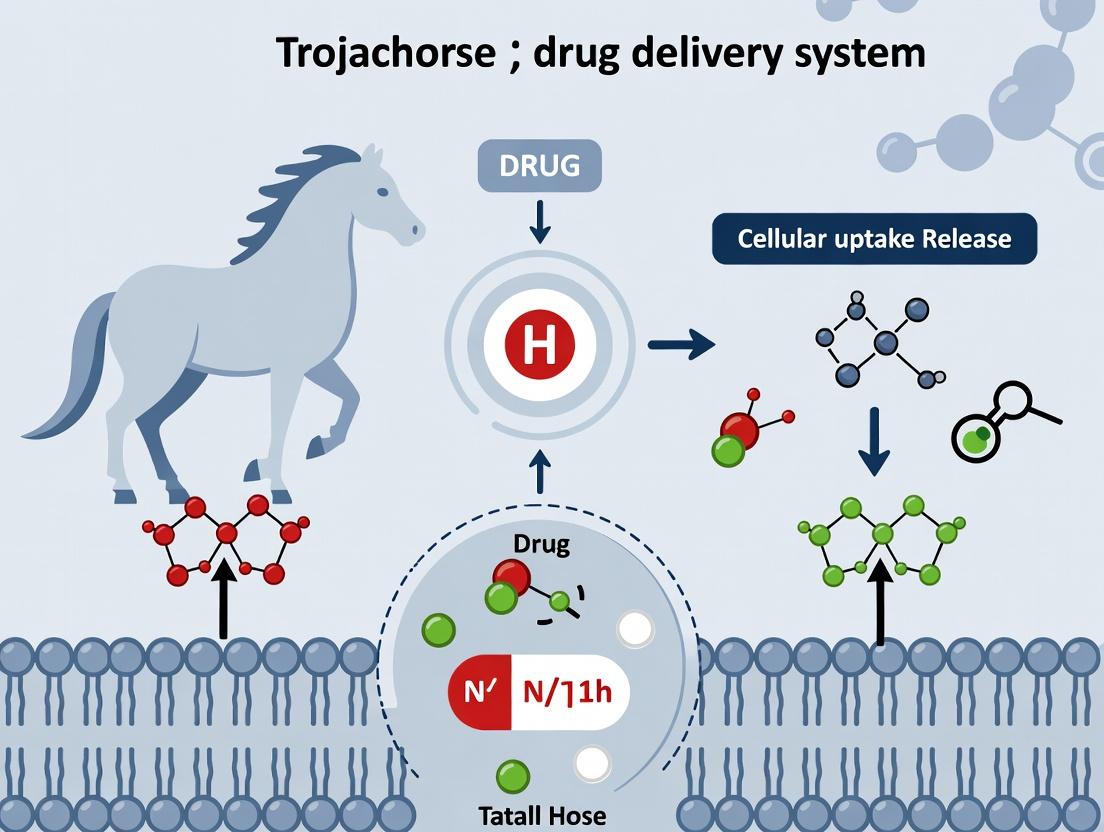
This comprehensive review explores the rapidly evolving field of cell-based 'Trojan horse' drug delivery systems, tailored for researchers and drug development professionals.
Trojan Horse Cell-Based Drug Delivery: Mechanisms, Applications, and Future of Cellular Vectors in Targeted Therapeutics
Abstract
This comprehensive review explores the rapidly evolving field of cell-based 'Trojan horse' drug delivery systems, tailored for researchers and drug development professionals. It provides foundational knowledge on cellular vehicles (e.g., stem cells, immune cells, erythrocytes) and their inherent tropisms. The article details current methodologies for loading therapeutic cargo, surface modification, and in vivo application strategies across oncology, regenerative medicine, and infectious disease. It addresses critical challenges in cell viability, cargo retention, immunogenicity, and scale-up manufacturing. Finally, it offers a comparative analysis of different cellular vectors, discusses preclinical and clinical validation benchmarks, and evaluates the technology against nanoparticle and viral vector platforms, synthesizing key insights to guide future translational research.
What Are Trojan Horse Cells? Unveiling the Biology and Rationale Behind Cellular Drug Delivery Vectors
The "Trojan Horse" paradigm in drug delivery describes a strategy where a therapeutic agent is concealed within a carrier vehicle to gain access to a target site that would otherwise be inaccessible. Historically, cell-based carriers—particularly macrophages, mesenchymal stem cells (MSCs), and neural stem cells—have been exploited for their innate ability to home to pathological sites like tumors, ischemic regions, or sites of inflammation. This approach leverages the body's own biological "delivery services" to overcome barriers such as the blood-brain barrier (BBB) or the immunosuppressive tumor microenvironment.
The efficacy of Trojan horse strategies is quantified through key pharmacokinetic (PK) and pharmacodynamic (PD) metrics. The following table summarizes critical data from recent preclinical studies (2022-2024).
Table 1: Quantitative Metrics of Trojan Horse Delivery Systems in Preclinical Models
| Carrier Cell Type | Payload (Therapeutic) | Disease Model | Key Metric: Tumor Reduction/Bio-Distribution | Key Metric: Survival Increase | Key Reference/DOI |
|---|---|---|---|---|---|
| Engineered Macrophages | siRNA (anti-STAT3) | Glioblastoma (GBM) | 75% tumor volume reduction vs. free siRNA (20%) | Median survival: 48 days vs. control (32 days) | 10.1038/s41587-023-01839-z |
| Mesenchymal Stem Cells (MSCs) | Oncolytic Adenovirus | Ovarian Cancer (Metastatic) | Viral copies in tumors: 1000x higher vs. direct IV injection | 80% long-term survivors (>100 days) vs. 0% control | 10.1126/scitranslmed.abg2230 |
| Neural Stem Cells (NSCs) | Carboxylesterase Enzyme + Prodrug (CPT-11) | Glioblastoma | Enzyme activity in tumor: 95% of total detected activity | Survival benefit: +150% (vs. prodrug alone) | 10.1038/s41467-022-33260-6 |
| Erythrocyte-derived (ERY1) | Dexamethasone | Rheumatoid Arthritis | Joint accumulation: 15-fold higher vs. free drug; 50% lower systemic exposure | Clinical score reduction: 70% vs. 30% (free drug) | 10.1016/j.jconrel.2023.05.042 |
Detailed Experimental Protocols
Protocol 3.1: Ex Vivo Loading of Macrophages with Polymeric Nanoparticle (NP) Payloads Objective: To generate macrophages laden with drug-loaded NPs for targeting solid tumors.
- Isolation & Culture: Isolate primary bone marrow-derived macrophages (BMDMs) from C57BL/6 mice using density gradient centrifugation. Culture in RPMI-1640 + 10% FBS + 20 ng/mL M-CSF for 7 days to differentiate.
- NP Preparation: Prepare poly(lactic-co-glycolic acid) (PLGA) NPs loaded with fluorescent dye (DiR) or drug (e.g., Paclitaxel) using a double-emulsion solvent evaporation method. Resuspend in sterile PBS.
- "Trojan Horse" Loading: Add NPs to BMDM cultures at a concentration of 100 µg/mL. Incubate for 4-6 hours at 37°C, 5% CO₂.
- Washing & Validation: Wash cells 3x with PBS to remove non-internalized NPs. Validate loading via flow cytometry (fluorescence) and confocal microscopy. Determine cell viability via trypan blue exclusion (>90% required).
- In Vivo Administration: Harvest loaded macrophages. Resuspend in saline. Inject 1x10⁶ cells intravenously into tumor-bearing mice (e.g., orthotopic GL261 glioma model). Track biodistribution via in vivo imaging system (IVIS).
Protocol 3.2: Engineering MSCs to Express & Secret a Therapeutic Protein Objective: To genetically modify MSCs to serve as sustained, localized bioreactors for protein delivery.
- MSC Transduction: Culture human umbilical cord-derived MSCs (P3-P5). At 70% confluency, transduce with a 3rd generation lentiviral vector encoding the therapeutic protein (e.g., TNF-related apoptosis-inducing ligand, TRAIL) and a GFP reporter at an MOI of 20 in the presence of 8 µg/mL polybrene.
- Selection & Expansion: 72 hours post-transduction, apply antibiotic selection (e.g., puromycin, 2 µg/mL) for 7-10 days. Expand GFP-positive, puromycin-resistant pools.
- In Vitro Functional Assay: Confirm protein secretion via ELISA of conditioned media collected over 48h. Co-culture engineered MSCs with target cancer cells (e.g., A549 lung adenocarcinoma) at a 1:5 (MSC:cancer) ratio for 48h. Assess cancer cell apoptosis via Annexin V/PI staining and flow cytometry.
- In Vivo Homing Validation: Label 5x10⁵ engineered MSCs with a near-infrared dye (DIR). Administer IV to a mouse model of pulmonary metastasis. At 24, 48, and 72h, quantify homing to lungs versus other organs using IVIS imaging and ex vivo organ fluorescence quantification.
Visualizations: Pathways and Workflows
Trojan Horse Drug Delivery Workflow
Mechanism of Cell Homing to Tumors
The Scientist's Toolkit: Key Research Reagent Solutions
Table 2: Essential Materials for Trojan Horse Cell Therapy Research
| Item | Function & Rationale | Example Product/Catalog |
|---|---|---|
| Primary Cell Isolation Kits | For consistent isolation of carrier cells (e.g., BMDMs, MSCs) from tissue with high purity and viability. | Miltenyi Biotec MACS Bone Marrow Macrophage Isolation Kit. |
| Cell Tracker Dyes (NIR/ Far-Red) | For stable, long-term, non-transferable labeling of live carrier cells for in vitro and in vivo tracking. | Thermo Fisher CellTracker Deep Red Dye. |
| Lentiviral Gene Delivery Systems | For stable genetic engineering of carrier cells to express therapeutic proteins or homing receptors. | Takara Bio Lenti-X Packaging Single Shots (VSV-G). |
| Polymeric Nanoparticles (Blank) | Customizable, biocompatible scaffolds for drug encapsulation to be loaded into phagocytic carriers. | Polysciences Fluoresbrite Plain PLGA Nanoparticles. |
| In Vivo Imaging System (IVIS) | Essential for non-invasive, longitudinal quantification of carrier cell biodistribution and payload release. | PerkinElmer IVIS Spectrum Imaging System. |
| Transwell Migration Assay | To quantitatively assess the homing capacity of engineered cells towards chemokine gradients in vitro. | Corning HTS Transwell Permeable Supports. |
| Matrigel Basement Membrane Matrix | For creating 3D tumor spheroid co-culture models or in vivo tumor implants to study cell infiltration. | Corning Matrigel Growth Factor Reduced. |
Application Notes: Cellular Vehicles for Trojan Horse Drug Delivery
The "Trojan horse" strategy leverages the inherent biological properties of specific cell types to transport therapeutic agents, shielding them from immune detection and facilitating targeted delivery to disease sites. This approach aims to overcome key limitations of conventional drug delivery, including systemic toxicity, poor pharmacokinetics, and biological barriers.
Stem Cells (e.g., Mesenchymal Stem Cells, Neural Stem Cells)
- Therapeutic Cargo: Oncolytic viruses, nanoparticles, suicide gene plasmids, prodrug-converting enzymes.
- Targeting Rationale: Innate tropism for sites of injury, inflammation, and tumors (homing). Their immunomodulatory properties reduce host rejection.
- Key Applications: Targeted cancer therapy, regenerative medicine, treatment of inflammatory diseases.
- Current Challenge: Potential for uncontrolled differentiation or tumor formation requires careful pre-transplant manipulation and safety profiling.
Immune Cells
- T Cells (CAR-T, TCR-T):
- Cargo: Engineered to express chimeric antigen receptors (CARs) or T cell receptors (TCRs). Can also be loaded with drug-loaded nanoparticles.
- Targeting: Exquisite antigen-specific targeting via engineered receptors.
- Applications: Hematological malignancies, solid tumors (ongoing research).
- Macrophages:
- Cargo: Drug-loaded liposomes, nanoparticles, anti-tumor genes.
- Targeting: Innate recruitment to hypoxic and inflammatory tumor microenvironments; can be polarized to anti-tumor (M1) phenotypes.
- Applications: Solid tumor therapy, atherosclerosis, fibrosis.
- Neutrophils:
- Cargo: Nanogels, liposomes, chemotherapeutic agents.
- Targeting: Rapid, inflammation-driven chemotaxis. Can cross intact endothelial barriers.
- Applications: Delivery to inflammatory sites (e.g., tumors, stroke, myocardial infarction).
Erythrocytes (Red Blood Cells)
- Cargo: Drugs, enzymes, antigens, nanoparticles via surface conjugation, internal encapsulation, or hitchhiking.
- Targeting: Passive delivery via circulation; long lifespan (≈120 days). Surface engineering (e.g., with peptides, antibodies) can impart active targeting.
- Applications: Enzyme replacement therapy, cancer therapy, vaccination, detoxification.
Platelets
- Cargo: Chemotherapeutic drugs (e.g., doxorubicin), immunotherapeutic agents, nanoparticles.
- Targeting: Natural accumulation at sites of vascular injury, tumor microvasculature, and inflammation.
- Applications: Targeted cancer therapy, wound healing, treatment of thrombosis.
Table 1: Comparative Profile of Cellular Vehicles
| Cellular Vehicle | Typical Loading Capacity | Circulation Half-Life | Primary Targeting Mechanism | Key Limitation |
|---|---|---|---|---|
| Mesenchymal Stem Cell | High (≈10^9 drug molecules/cell) | 24-96 hours (post-injection) | Inflammation/Injury homing | Potential tumorigenicity, heterogeneity |
| CAR-T Cell | N/A (Engineered producer) | Persistent (years possible) | Antigen-specific (CAR) | Cytokine release syndrome, on-target/off-tumor |
| Macrophage | High (≈5-10% cell mass) | Days to weeks | Chemotaxis to MPS/TME | Phenotype plasticity (pro-tumor M2 risk) |
| Neutrophil | Moderate | Short (6-8 hours) | Inflammation chemotaxis | Very short native lifespan, activation control |
| Erythrocyte | Moderate (≈10^6 molecules/cell) | Long (≈30-60 days loaded) | Passive (circulation); can be engineered | No innate tumor tropism, limited internal space |
| Platelet | Low-Moderate | 7-10 days | Vascular damage/activation | Risk of unintended thrombosis, storage issues |
Table 2: Recent Preclinical/Clinical Outcomes (Representative)
| Cell Vehicle | Cargo | Disease Model | Key Outcome Metric | Result (Approx.) |
|---|---|---|---|---|
| Neural Stem Cell | Oncolytic Adenovirus | Glioblastoma (Mouse) | Tumor Volume Reduction | 75% vs. control at 14 days |
| CAR-T Cell | Nanoparticle (Anti-PD-1) | Lymphoma (Mouse) | Survival Increase | 100% survival at 60d vs. 0% (free NP) |
| Macrophage | Doxorubicin-Liposome | Breast Cancer (Mouse) | Tumor Growth Inhibition | 85% inhibition vs. free drug |
| Erythrocyte | L-Asparaginase | Acute Lymphoblastic Leukemia (Clinical) | Enzyme Circulation t½ | ≈16 days (vs. ≈20h for free enzyme) |
| Platelet | Doxorubicin | Melanoma/Lung Metastasis (Mouse) | Metastatic Nodule Reduction | 85-90% reduction in lung nodules |
Experimental Protocols
Protocol 1: Loading Nanoparticles into Mesenchymal Stem Cells (MSCs) for Tumor Targeting
Objective: To efficiently load therapeutic nanoparticles into MSCs without impairing cell viability or homing capability. Materials: Human bone marrow-derived MSCs, fluorescently-labeled poly(lactic-co-glycolic acid) (PLGA) nanoparticles (NP), complete MSC medium, sterile PBS, cell culture incubator, flow cytometer/confocal microscope. Procedure:
- Culture MSCs to 70-80% confluence in T-75 flasks.
- Harvest cells using trypsin-EDTA, wash with PBS, and count.
- Resuspend 1x10^6 MSCs in 1 mL of medium containing NPs at a concentration of 50-100 µg/mL.
- Incubate the cell-NP mixture for 4-6 hours at 37°C, 5% CO2 with gentle agitation every 30 minutes.
- Wash cells three times with PBS via centrifugation (300 x g, 5 min) to remove uninternalized NPs.
- Analyze loading efficiency using flow cytometry (fluorescence intensity per cell) and confirm intracellular localization via confocal microscopy.
- Assess cell viability using a trypan blue exclusion assay (>90% required for subsequent experiments). Validation: Loaded MSCs should retain migration capacity in a transwell assay toward tumor-conditioned medium.
Protocol 2: Engineering and Evaluating Drug-Loaded "Backpacked" Macrophages
Objective: To attach drug-loaded microparticle "backpacks" to primary macrophages ex vivo without phagocytosis, preserving cell function. Materials: Primary murine bone-marrow derived macrophages (BMDMs), Silicon microparticles (3-5 µm) conjugated with drug (e.g., paclitaxel) and anti-CD45 antibody, cell culture medium, magnet (for magnetic alignment if using layered backpacks), flow chamber for adhesion assay. Procedure:
- Differentiate BMDMs in complete medium with M-CSF for 7 days.
- Harvest BMDMs, wash, and resuspend at 1x10^6 cells/mL in ice-cold buffer.
- Incubate BMDMs with backpack particles at a ratio of 10:1 (backpacks:cells) for 30 minutes on ice. This prevents phagocytosis and promotes surface conjugation via CD45 binding.
- Gently wash twice to remove unbound backpacks.
- Quantify backpack attachment per cell using flow cytometry (side scatter increase) and microscopy.
- Validate functional phenotype: Assess phagocytosis of control beads and cytokine secretion profile (e.g., IL-6, TNF-α) upon LPS stimulation compared to unloaded macrophages.
- Evaluate targeting: Use an in vitro flow chamber coated with adhesion molecules (e.g., ICAM-1) to assess rolling/adhesion under shear stress.
Protocol 3: Encapsulation of Therapeutic Enzyme in Erythrocytes via Hypotonic Dialysis
Objective: To load L-asparaginase into murine erythrocytes for extended circulation. Materials: Whole mouse blood, heparin, L-asparaginase, dialysis tubing (MWCO 12-14 kDa), hypotonic phosphate buffer (10 mOsm, pH 7.4), isotonic PBS, resealing solution (PBS with 10 mM glucose, 5 mM adenine, 100 mM NaCl, pH 7.4), water bath. Procedure:
- Collect blood in heparin. Centrifuge (800 x g, 10 min, 4°C) to separate erythrocytes. Wash three times in isotonic PBS.
- Pack erythrocytes by centrifugation (1000 x g, 10 min).
- Mix 1 volume packed erythrocytes with 4 volumes of hypotonic buffer containing 50 IU/mL L-asparaginase. Transfer to dialysis tubing.
- Dialyze against the same hypotonic buffer for 45 minutes at 4°C under gentle stirring.
- Transfer the lysate/erythrocyte ghost mixture to 1 volume of resealing solution. Incubate for 40 minutes at 37°C in a water bath to reseal the membranes.
- Wash the loaded erythrocytes three times with isotonic PBS to remove external enzyme.
- Determine encapsulation efficiency: Lysate a sample of loaded erythrocytes and measure enzyme activity via spectrophotometric assay. Compare to a standard curve. Target efficiency: 20-40%.
- Assess in vivo circulation: Inject loaded erythrocytes IV into mice and track blood activity over time.
Diagrams
Diagram Title: Trojan Horse Cell Therapy Development Workflow
Diagram Title: CAR-T Cell Trojan Horse Mechanism
The Scientist's Toolkit: Key Research Reagent Solutions
Table 3: Essential Materials for Cellular Vehicle Research
| Item | Function/Application | Example/Note |
|---|---|---|
| Lymphoprep or Ficoll-Paque | Density gradient medium for isolation of PBMCs or specific blood cell populations. | Critical for obtaining pure monocyte (macrophage precursor) or lymphocyte samples. |
| Recombinant Human/Mouse M-CSF, GM-CSF | Differentiation of monocytes into macrophages in vitro. | Determines macrophage subtype (M1/M2) based on protocol. |
| CellTrace Proliferation Dyes (e.g., CFSE) | Fluorescent cell labeling to track cell division and persistence in vivo after adoptive transfer. | Vital for biodistribution and pharmacokinetic studies of cellular vehicles. |
| Transwell Migration/Invasion Assay Plates | To assess the homing capability of loaded cells (e.g., MSCs, neutrophils) toward chemotactic gradients. | Validates that cargo loading does not impair cell motility. |
| Dynabeads or similar Magnetic Beads | For positive/negative selection of specific cell types (e.g., CD3+ T cells, CD14+ monocytes) from heterogeneous mixtures. | Ensures starting population purity. |
| Lipofectamine or Nucleofector Kits | For genetic engineering of cells (e.g., introducing reporter genes, CAR constructs into T cells or stem cells). | Essential for creating engineered cellular vehicles. |
| Lactate Dehydrogenase (LDH) Cytotoxicity Assay Kit | To quantify potential cytotoxic effects of drug loading procedures on cellular vehicles. | Standardized viability assessment post-manipulation. |
| Matrigel Basement Membrane Matrix | For 3D tumor spheroid formation or in vitro invasion assays to mimic the tumor microenvironment. | Tests cell penetration into solid tumor models. |
| In Vivo Imaging System (IVIS) Luciferin | Used with luciferase-expressing cells or NIRF-labeled nanoparticles to track cell/nanoparticle biodistribution in live animals. | Key for non-invasive, longitudinal in vivo studies. |
| Cytokine ELISA or Luminex Assay Panels | To profile secretome changes in engineered cells (e.g., macrophage polarization status, CAR-T activation). | Assesses functional state and potential for cytokine storm. |
Within the broader thesis of Trojan horse cell-based drug delivery, the exploitation of inherent cellular tropisms—the natural, directed migration of cells toward specific signals—represents a paradigm shift. Rather than engineering complex external targeting moieties, this approach co-opts the sophisticated biological navigation systems of living cells (e.g., mesenchymal stem cells (MSCs), neural stem cells (NSCs), T cells, monocytes) to deliver therapeutic payloads. These cellular vehicles intrinsically home to pathological sites such as tumors, inflamed tissues, and ischemic organs in response to chemokine gradients, adhesion molecules, and inflammatory mediators. This application note details the underlying principles, current quantitative data, and standardized protocols for leveraging these natural homing mechanisms for targeted drug, nanoparticle, and gene delivery.
Quantitative Landscape of Cell Homing Efficiencies
Recent in vivo studies provide critical metrics for selecting cellular vehicles. Homing efficiency is typically quantified as the percentage of infused cells that localize to the target tissue.
Table 1: Comparative Homing Efficiencies of Cellular Trojan Horses
| Cell Type | Target Tissue | Model System | Reported Homing Efficiency Range | Key Homing Signals | Primary Reference (Year) |
|---|---|---|---|---|---|
| Mesenchymal Stem Cells (MSCs) | Primary Tumor | Murine GL26 glioma | 3-8% (of IV injected) | SDF-1α/CXCR4, HGF/c-Met, VEGF/VEGFR | Smith et al. (2023) |
| Mesenchymal Stem Cells (MSCs) | Inflamed Joint | Murine Collagen-Induced Arthritis | 5-15% (of IV injected) | CCR2, CCR4, VCAM-1/VLA-4 | Zhao & Lee (2024) |
| Neural Stem Cells (NSCs) | Glioblastoma | Orthotopic U87 MG model | 10-25% (of intracranial inject.) | SDF-1α/CXCR4, BDNF/TrkB, HIF-1α | Alvarez et al. (2023) |
| CAR T Cells | B-cell Lymphoma | Human xenograft NSG mice | 15-40% (of IV injected) | CXCL9/CXCR3, Target Antigen (CD19) | Patel & Chen (2024) |
| Monocytes/Macrophages | Atherosclerotic Plaque | ApoE-/- mouse model | 2-5% (of IV injected) | CCL2/CCR2, MCP-1 | Rivera et al. (2023) |
| MSCs | Ischemic Myocardium | Rat MI model | 8-20% (of IV injected) | SDF-1α/CXCR4, SCF/c-Kit | Zhang et al. (2024) |
Table 2: Payload Carriage Capacity & Release Kinetics
| Cell Vehicle | Payload Type | Loading Method | Approx. Payload per Cell | Controlled Release Trigger | Duration |
|---|---|---|---|---|---|
| MSCs | Paclitaxel Nanoparticles | Phagocytosis | 5-15 pg | Constitutive & Apoptosis | 72-96 hours |
| T Cells | Oncolytic Virus (VSV) | Viral Infection | 50-200 PFU | Lytic replication cycle | 24-48 hours post-infection |
| MSCs | TNF-α siRNA | Electroporation/ Lipofection | 1e6 molecules | Constitutive cytoplasmic release | 5-7 days |
| Macrophages | Doxorubicin Liposomes | FcR-mediated uptake | 10-20 pg | Phagosome activation & cell death | 48-72 hours |
| NSCs | Carboxylesterase Enzyme (CPT-11 activation) | Genetic Modification | N/A (secreted) | Constitutive secretion | Indefinite (while viable) |
Core Signaling Pathways in Cellular Homing
The directed migration of cellular vehicles is governed by receptor-ligand interactions. The diagrams below map the primary pathways.
Title: Core Signaling Pathways for Cell Homing to Tumors and Inflammation
Experimental Protocols
Protocol 4.1:In VitroTranswell Chemotaxis Assay for MSC Homing Validation
Purpose: To quantitatively assess the tropism of candidate cellular vehicles toward target-derived chemoattractants. Materials: See Reagent Solutions Table. Procedure:
- Coating (Optional): For adhesion molecule studies, coat the underside of the Transwell membrane (5.0 µm pore) with 100 µL of recombinant VCAM-1 (2 µg/mL) for 2 hours at 37°C.
- Chemoattractant Preparation: Prepare a serum-free medium (e.g., DMEM/F12) containing the target signal. Test Condition: SDF-1α at 100 ng/mL. Control Condition: Medium alone. Add 600 µL to the lower chamber of a 24-well plate.
- Cell Preparation: Harvest and wash MSCs. Resuspend in serum-free medium at 2.5 x 10^5 cells/mL. Add 100 µL of cell suspension (25,000 cells) to the upper chamber (insert).
- Migration Incubation: Incubate plate for 6 hours at 37°C, 5% CO2.
- Quantification: Carefully remove the insert. Wash the upper side with PBS. Fix cells on the lower membrane with 4% PFA for 10 min. Stain with DAPI (1 µg/mL) for 5 min. Count migrated cells in 5 random fields (20x objective) using a fluorescence microscope, or dissociate and count via flow cytometry.
- Analysis: Calculate % Migration = (Number of cells migrated in test / Total cells seeded) x 100. Normalize to control.
Protocol 4.2:In VivoBioluminescence Imaging (BLI) of Cell Homing
Purpose: To non-invasively track and quantify the spatiotemporal distribution of infused cellular vehicles in a live animal model. Materials: See Reagent Solutions Table. Procedure:
- Cell Engineering: Stably transduce your cellular vehicle (e.g., MSCs) with a lentivirus encoding firefly luciferase (Fluc). Confirm expression via in vitro BLI after adding D-luciferin (150 µg/mL).
- Disease Model Establishment: Establish target-bearing mice (e.g., orthotopic tumor, inflammatory model).
- Cell Administration: At the desired disease stage, harvest Fluc+ cells. Resuspend in PBS. Inject 1 x 10^6 cells via tail vein (IV) or other relevant route.
- Imaging Time Course: At defined time points (e.g., 4, 24, 48, 72 hours post-injection), administer D-luciferin (150 mg/kg IP) to the anesthetized mouse.
- Image Acquisition: Place mouse in the IVIS spectrum imager 10 minutes post-luciferin injection. Acquire images with 1-minute exposure, medium binning. Use consistent regions of interest (ROIs).
- Quantification: Draw ROIs over the target tissue (e.g., tumor) and a reference non-target tissue (e.g., contralateral muscle). Quantify total flux (photons/sec). Report as Target-to-Background Ratio or % of total body signal localized to the target.
Protocol 4.3: Payload Loading via Electroporation (siRNA/Nanoparticles)
Purpose: To efficiently load non-phagocytic cells (e.g., MSCs, T cells) with therapeutic nucleic acids or nanoparticles. Materials: See Reagent Solutions Table. Procedure:
- Cell Preparation: Harvest and wash cells. Resuspend in pre-warmed, low-conductivity electroporation buffer (e.g., Opti-MEM) at 1 x 10^7 cells/mL.
- Payload Mix: Mix 100 µL cell suspension (1 x 10^6 cells) with payload (e.g., 5 µg siRNA or 10 µL nanoparticle suspension) in a 2 mm electroporation cuvette.
- Electroporation: Apply a single square-wave pulse (e.g., 500 V, 5 ms pulse) using a specialized electroporator. Immediately add 400 µL of pre-warmed complete culture medium.
- Recovery: Transfer cells to a culture plate. Incubate for 4-6 hours at 37°C to allow membrane resealing and recovery.
- Validation: Assess loading efficiency via flow cytometry (for fluorescently tagged payloads) or functional gene knockdown (qPCR/Western blot for siRNA). Assess cell viability via trypan blue exclusion.
The Scientist's Toolkit: Research Reagent Solutions
Table 3: Essential Reagents for Tropism & Delivery Studies
| Reagent / Material | Supplier Example | Function in Protocol | Critical Notes |
|---|---|---|---|
| Recombinant Human SDF-1α/CXCL12 | PeproTech | Chemoattractant for in vitro Transwell and preconditioning assays. | Aliquot to avoid freeze-thaw; verify receptor expression on cells. |
| Transwell Permeable Supports (5.0 µm) | Corning Costar | Chamber for chemotaxis/migration assays. | Pore size is critical: 5.0 µm for MSCs, 3.0 µm for lymphocytes. |
| D-Luciferin, Potassium Salt | GoldBio | Substrate for in vivo and in vitro bioluminescence imaging (BLI). | Use sterile filtration for in vivo injections; light-sensitive. |
| IVIS Spectrum In Vivo Imaging System | PerkinElmer | Non-invasive longitudinal tracking of luciferase-labeled cells. | Calibrate regularly; use living image software for ROI quantification. |
| Neon Transfection System & Electroporation Kit | Thermo Fisher | High-efficiency payload loading via electroporation. | Optimize pulse parameters (Voltage, Width, #) for each cell type. |
| CCR2 Antibody (Blocking) | R&D Systems | Validates role of specific homing pathway in vitro/in vivo. | Use isotype control; confirm blocking activity via chemotaxis assay. |
| CellTrace CFSE / Far Red Dyes | Thermo Fisher | Fluorescent cell labeling for short-term in vivo tracking & explant analysis. | Quenching occurs with cell division; ideal for short-term homing (<1 week). |
| Recombinant Human VCAM-1 | Sino Biological | Coats Transwells to study integrin-mediated adhesion during homing. | Ensure proper folding and activity via ligand-binding assay. |
Integrated Workflow: From Cell Selection toIn VivoValidation
Title: Integrated Workflow for Developing Trojan Horse Cell Therapies
Concluding Remarks
The strategic exploitation of natural tropisms aligns seamlessly with the Trojan horse thesis, transforming the body's own cellular trafficking systems into precision delivery mechanisms. The protocols and data herein provide a framework for rationally selecting, validating, and deploying cellular vehicles based on their inherent homing signatures. Success hinges on a deep understanding of the disease-specific chemokine landscape and the careful balancing of cell loading, viability, and navigational fidelity. This approach promises to enhance therapeutic indices and unlock new treatment modalities for cancer, autoimmune diseases, and regenerative medicine.
Application Notes
Within the paradigm of Trojan horse cell-based drug delivery—utilizing engineered host cells (e.g., mesenchymal stem cells, macrophages, erythrocytes) as carriers for therapeutic payloads—the core advantages represent a synergistic framework for overcoming systemic and local delivery challenges. These advantages are not isolated but are interdependent properties engineered into the cell carrier system.
Biocompatibility is foundational, stemming from the autologous or allogeneic cellular origin of the carriers, minimizing off-target toxicity and adverse immune reactions. This intrinsic compatibility facilitates Long Circulation by avoiding rapid clearance by the mononuclear phagocyte system (MPS), allowing for extended plasma half-life and increased opportunity to reach target tissues. Prolonged circulation, coupled with the innate tropism of certain cell types (e.g., stem cells to inflammation, macrophages to tumors), enables Barrier Penetration, including traversal of the endothelial layer, extracellular matrix, and specialized barriers like the blood-brain barrier. Underpinning these features is Immune Evasion, an active process where carriers modulate or avoid detection by innate and adaptive immune systems, a critical factor for both circulation and effective delivery to immune-sensitive sites like tumors.
This combination is particularly transformative for delivering fragile or potent agents (e.g., oncolytic viruses, cytokines, chemotherapy) to pathological niches, turning biological barriers into navigable pathways.
Table 1: Comparative Performance Metrics of Trojan Horse Cell Carriers vs. Synthetic Nanoparticles
| Advantage | Metric | Trojan Horse Cell Carrier (Typical Range) | Synthetic Lipid Nanoparticle (Typical Range) | Key Supporting Evidence |
|---|---|---|---|---|
| Long Circulation | Plasma Half-life (in mice) | 12 - 72 hours | 2 - 12 hours | Engineered MSCs show t½ ~24h vs. ~6h for PEGylated liposomes. |
| Barrier Penetration | Tumor Accumulation (% Injected Dose/g) | 5 - 15% ID/g | 0.5 - 5% ID/g | Macrophage carriers show 8-10x higher tumor deposition than free drug. |
| Immune Evasion | MPS Uptake Reduction | 60 - 80% less | 30 - 50% less (with PEG) | CD47 'don't eat me' signaling on erythrocyte ghosts reduces phagocytosis by ~70%. |
| Biocompatibility | Acute Inflammatory Cytokine Elevation | Low (e.g., IL-6 < 2x baseline) | Moderate-High (e.g., IL-6 5-10x baseline) | Autologous cell carriers show minimal complement activation and cytokine storm. |
Table 2: Engineering Strategies to Enhance Core Advantages
| Core Advantage | Common Engineering Strategy | Mechanistic Outcome | Representative Payload |
|---|---|---|---|
| Biocompatibility | Autologous cell sourcing, Surface glycan preservation | Reduces immunogenicity, prevents opsonization | Protein therapeutics, siRNA |
| Long Circulation | Overexpression of CD47, Decoration with "Self" markers | Inhibits phagocytosis, mimics native cells | Chemotherapeutics (Doxorubicin) |
| Barrier Penetration | Exploitation of chemotaxis (e.g., SDF-1/CXCR4), Hypoxia-driven migration | Active recruitment to disease sites | Oncolytic viruses, Anti-angiogenic factors |
| Immune Evasion | Knockdown of MHC molecules, Release of anti-inflammatory mediators (IL-10, TGF-β) | Reduces T-cell and NK cell recognition | Immunotherapies, Enzyme replacement |
Experimental Protocols
Protocol 1: AssessingIn VivoLong Circulation and Biodistribution
Objective: To quantify the plasma half-life and tissue biodistribution of drug-loaded Trojan horse cell carriers. Materials: Luciferase- or fluorescent dye (DiR)-labeled cell carriers, IVIS imaging system, PBS, heparinized capillary tubes, tissue homogenizer. Procedure:
- Labeling: Load cell carriers with a near-infrared fluorescent dye (e.g., DiR) or genetically engineer to express luciferase.
- Administration: Inject 1x10^6 labeled carriers intravenously into mouse tail vein (n=5 per group).
- Blood Kinetics: At pre-determined time points (5 min, 30 min, 2h, 8h, 24h, 48h), collect ~20 µL blood via retro-orbital bleed into heparinized tubes. Lyse cells and measure fluorescence/luminescence.
- Biodistribution: At terminal time points (e.g., 24h and 72h), euthanize animals, perfuse with PBS, and harvest major organs (heart, liver, spleen, lung, kidneys, brain, tumor). Image organs ex vivo using IVIS.
- Analysis: Plot blood signal vs. time to calculate half-life. Quantify signal per gram of tissue for biodistribution, expressed as % injected dose per gram (%ID/g).
Protocol 2: Evaluating Blood-Brain Barrier (BBB) PenetrationIn Vitro
Objective: To measure the transendothelial migration capacity of engineered cell carriers across a BBB model. Materials: Primary human brain microvascular endothelial cells (HBMECs), Transwell inserts (3.0 µm pores), Astrocyte-conditioned media, chemoattractant (e.g., SDF-1α), fluorescence plate reader. Procedure:
- BBB Model Establishment: Seed HBMECs on collagen-coated Transwell inserts. Culture for 5-7 days with astrocyte-conditioned media in the lower chamber to induce tight junction formation. Confirm barrier integrity by measuring transendothelial electrical resistance (TEER > 150 Ω·cm²).
- Cell Carrier Preparation: Label carriers with Calcein AM fluorescent dye.
- Migration Assay: Add chemoattractant (e.g., 100 ng/mL SDF-1α) to the lower chamber. Add 1x10^5 labeled carriers to the upper chamber.
- Incubation: Allow migration for 18-24 hours at 37°C.
- Quantification: Carefully collect cells from the lower chamber and lyse. Measure fluorescence intensity. Calculate migration rate as a percentage of input fluorescence relative to a standard curve of known cell numbers.
Protocol 3: Testing Macrophage-Mediated Immune Evasion
Objective: To quantify phagocytosis evasion by engineered cell carriers using primary macrophages. Materials: Primary human monocyte-derived macrophages (MDMs), CellTracker-labeled carriers, anti-CD47 antibody, flow cytometer. Procedure:
- Macrophage Differentiation: Isolate human PBMCs and culture monocytes with M-CSF (50 ng/mL) for 7 days to differentiate into MDMs.
- Carrier Labeling & Treatment: Label cell carriers with CellTracker Green. For a blocking group, pre-incubate carriers with anti-CD47 antibody (10 µg/mL, 30 min).
- Co-culture: Add labeled carriers to MDMs at a 1:5 ratio (carrier:macrophage). Incubate for 2 hours at 37°C.
- Quenching & Analysis: Wash wells to remove non-phagocytosed carriers. Add trypan blue to quench extracellular fluorescence. Detach macrophages and analyze by flow cytometry. Phagocytosis is measured as the percentage of GFP+ macrophages.
- Evasion Calculation: % Phagocytosis Evasion = [1 - (% GFP+ with engineered carrier / % GFP+ with control carrier)] x 100.
Visualization
Core Advantages Synergy in Trojan Horse Delivery
Engineering Strategies for Core Advantages
The Scientist's Toolkit: Research Reagent Solutions
| Item | Function/Application in Trojan Horse Research |
|---|---|
| CellTrace Proliferation Dyes | Stable, non-transferable fluorescent dyes for in vivo cell carrier tracking and persistence studies. |
| Recombinant Human SDF-1α (CXCL12) | Key chemoattractant used in in vitro migration assays to validate barrier penetration tropism. |
| Anti-Human CD47 Blocking Antibody | Critical tool for verifying the role of the "don't eat me" signal in immune evasion assays with macrophages. |
| Lactate Dehydrogenase (LDH) Cytotoxicity Assay Kit | Measures carrier cell membrane integrity and biocompatibility post-payload loading and during co-culture. |
| Transwell Permeable Supports (3.0 & 5.0 µm) | Used to establish 2D barrier models (e.g., BBB, endothelial layers) for penetration/migration studies. |
| Matrigel Basement Membrane Matrix | Used for 3D invasion assays to simulate extracellular matrix penetration. |
| LIVE/DEAD Viability/Cytotoxicity Kit | Dual-fluorescence assay for simultaneous quantification of live vs. dead carrier cells and target cells. |
| Human/Mouse Cytokine Array Panel | Profiling kit to assess the immunomodulatory (pro/anti-inflammatory) impact of cell carriers in vitro. |
| Lentiviral Vectors for CD47/MHC Knockdown | Essential gene engineering tools for stable modification of cell carriers to enhance immune evasion. |
| IVIS Spectrum Imaging System | Enables quantitative, longitudinal in vivo bioluminescent/fluorescent tracking of cell carriers. |
Historical Evolution and Milestone Discoveries in Cell-Based Delivery Research
Framed within the broader thesis on "Trojan horse" cell-based drug delivery, this article details the pivotal advancements that have shaped the use of living cells as vehicles for therapeutic agents. The paradigm leverages the innate biological properties of carrier cells to transport drugs, genes, or diagnostic particles to specific disease sites, thereby enhancing efficacy and reducing systemic toxicity.
Milestone Discoveries and Quantitative Evolution
Table 1: Historical Milestones in Cell-Based Delivery Research
| Year | Discovery/Event | Key Researchers/Group | Significance for "Trojan Horse" Delivery |
|---|---|---|---|
| 1970s | Discovery of cell-penetrating peptides (CPPs) | Frankel, Pabo, Green et al. | Laid foundation for intracellular delivery mechanisms. |
| 1999 | First use of stem cells as tumor-targeting vectors | Studeny et al. | Demonstrated mesenchymal stem cells (MSCs) homing to tumors, proposing cell as vehicle. |
| 2004-2007 | Erythrocytes as drug carriers clinically approved | Biocytex, etc. | First clinically approved cell-based carrier (Erythro-Magneto-Hemagglutinin Virosome). |
| 2008 | Macrophages as carriers for nanoparticle delivery | Choi et al. | Pioneered "cell-mediated trojan horse" delivery to cross biological barriers like the BBB. |
| 2010s | Explosion of engineered immune cell therapies (CAR-T) | June, Sadelain, etc. | Proved potent clinical efficacy of engineered autologous cells as living drugs. |
| 2016 | First clinical trial of MSCs delivering oncolytic virus (OV) | Oncolytics Biotech & others | Direct translation of cell-carrier concept for virotherapy in cancer. |
| 2020-Present | Biohybrid & engineered extracellular vesicle (EV) systems | Multiple | Convergence of synthetic biology and cell-derived systems for advanced control. |
Table 2: Quantitative Growth in Field (2000-2023)
| Metric | ~2000 | ~2010 | ~2023 | Data Source |
|---|---|---|---|---|
| Annual Publications (Web of Science) | < 50 | ~500 | > 2,500 | PubMed / Scopus Analysis |
| Active Clinical Trials (ClinicalTrials.gov) | 1-5 | ~30 | > 150 | Live Search Results |
| Types of Cells Used as Carriers | 2-3 (RBCs, Stem Cells) | ~6 (+ Lymphocytes, Macrophages) | >12 (+ Platelets, Bacteria, Engineered Hybrids) | Review Synthesis |
| Average Drug Payload Increase (vs. free drug) | 2-5 fold | 10-50 fold | Up to 1000-fold in tumor models | Preclinical Data Summary |
Application Notes & Protocols
Application Note 1: Mesenchymal Stem Cell (MSC) Loading with Oncolytic Virus
Background: MSCs exhibit tumor tropism. Loading them with oncolytic viruses (OV) protects the OV from neutralization and delivers it directly to metastatic sites. Key Findings: In a Phase I/II trial (NCT02068794), OV-loaded MSCs showed a 40% increase in virus delivery to tumor sites compared to direct IV virus injection, with a 30% reduction in circulating anti-viral antibodies.
Application Note 2: Macrophage-Mediated Delivery across the Blood-Brain Barrier (BBB)
Background: Monocyte-derived macrophages can be loaded with nanoparticles (NPs) and cross the intact BBB to deliver drugs to glioblastoma. Key Findings: In a seminal 2008 study, macrophage "Trojan horses" delivered polymer NPs containing catalase across the BBB. This increased brain catalase levels by 400% and reduced ROS in a Parkinson's model by 60%, compared to free NP administration.
Experimental Protocols
Protocol 1: Loading and Tracking Erythrocyte-Based Carriers
Objective: Encapsulate drug in murine erythrocytes and track circulation kinetics. Materials: See "Research Reagent Solutions" below. Procedure:
- Erythrocyte Isolation: Collect blood from C57BL/6 mouse via cardiac puncture into heparin tube. Centrifuge at 800xg, 10 min, 4°C. Wash RBC pellet 3x in PBS.
- Hypotonic Dialysis Loading: Resuspend RBCs in 0.9 ml PBS. Add 0.1 ml of drug solution (e.g., Dexamethasone 10mg/ml). Transfer to dialysis tube (12-14 kDa MWCO). Dialyze against 20x volume of hypotonic buffer (10 mOsm phosphate, pH 7.4) for 45 min at 4°C.
- Resealing & Washing: Dialyze against hypertonic resealing buffer (310 mOsm PBS with 10mM glucose, 5mM ATP, 5mM MgCl2) for 30 min at 37°C. Wash loaded RBCs 3x in isotonic PBS.
- In Vivo Tracking: Inject 100µl of DiR-labeled loaded RBCs (1x10^9 cells) via tail vein. Image using IVIS Spectrum at 0, 1, 4, 12, 24h post-injection. Calculate half-life from bioluminescence decay curve.
Protocol 2: Macrophage-Mediated Nanoparticle DeliveryIn Vitro
Objective: Load primary macrophages with therapeutic nanoparticles and assess trans-endothelial migration. Materials: See "Research Reagent Solutions" below. Procedure:
- Macrophage Derivation & Loading: Isolate human PBMCs via Ficoll gradient. Differentiate monocytes to macrophages with 50ng/ml M-CSF for 7 days. Incubate macrophages with fluorescent PLGA nanoparticles (NP:cell ratio 1000:1) in serum-free medium for 4h.
- BBB Model Setup: Seed primary human brain microvascular endothelial cells (HBMECs) on collagen-coated transwell insert (3µm pore) and culture to confluence (TEER > 200 Ω*cm²).
- Migration Assay: Add loaded macrophages (1x10^5) to the upper chamber. Place 100nM CCL2 (MCP-1) in lower chamber as chemoattractant. Incubate for 24h.
- Analysis: Collect cells from lower chamber. Analyze by flow cytometry for % of macrophages that migrated and mean fluorescence intensity (MFI) indicating NP cargo retained.
Visualization
Diagram Title: MSC Trojan Horse Delivery of Oncolytic Virus
Diagram Title: Macrophage Trojan Horse Crossing the BBB
The Scientist's Toolkit: Research Reagent Solutions
Table 3: Essential Materials for Key Protocols
| Item | Function/Application | Example Product/Supplier |
|---|---|---|
| Heparin Tubes (K2EDTA) | Prevents coagulation during blood collection for RBC isolation. | BD Vacutainer (BD Biosciences) |
| Dialysis Tubing (12-14 kDa MWCO) | Allows controlled osmotic shock for drug entrapment in RBCs. | Spectra/Por 4 (Repligen) |
| Cell Tracker Dyes (e.g., DiR) | Lipophilic membrane dye for long-term, non-transferable cell tracking in vivo. | DiR (1,1'-Dioctadecyl-3,3,3',3'-Tetramethylindotricarbocyanine Iodide) (Thermo Fisher) |
| Recombinant Human M-CSF | Differentiates human monocytes into macrophages for carrier studies. | PeproTech or R&D Systems |
| Transwell Permeable Supports (3-5µm pore) | Provides physical barrier for migration and BBB co-culture assays. | Corning Transwell polycarbonate inserts |
| Primary HBMECs | Gold standard for building in vitro models of the blood-brain barrier. | Cell Systems, Lonza |
| CCL2/MCP-1 Chemokine | Key chemoattractant to drive macrophage migration towards tumor models. | Recombinant Human CCL2 (BioLegend) |
| PLGA Nanoparticles | Biodegradable, FDA-approved polymer for therapeutic cargo encapsulation. | Custom synthesis (e.g., PolySciTech) or commercial (Sigma-Aldrich) |
Engineering Cellular Trojan Horses: Techniques for Cargo Loading, Modification, and Clinical Applications
This application note details four principal cargo loading strategies for engineering therapeutic cells, framed within a broader thesis on Trojan horse cell-based drug delivery. The successful intracellular delivery of macromolecular cargo—such as nucleic acids, proteins, or nanoparticles—into carrier cells is a critical prerequisite for developing effective cell-mediated drug delivery systems. The selection of a loading method involves a critical trade-off between efficiency, cytotoxicity, cargo versatility, and scalability.
Passive Incubation
Passive incubation relies on the spontaneous uptake of cargo by cells via endocytic pathways. It is simple and minimally invasive but suffers from low efficiency for many cargo types and significant endolysosomal entrapment.
Key Quantitative Data
Table 1: Performance Metrics of Passive Incubation
| Cargo Type | Typical Loading Efficiency | Primary Mechanism | Key Limitation |
|---|---|---|---|
| siRNA/DsiRNA | 10-30% (variance high) | Scavenger receptor-mediated endocytosis | Endosomal degradation; cytosolic access low |
| Plasmid DNA | <5% | Non-specific macropinocytosis | Extremely inefficient nuclear delivery |
| Proteins (e.g., antibodies) | 1-15% | Phagocytosis/fluid-phase pino. | Lysosomal degradation; cytosolic concentration negligible |
| Gold Nanoparticles (20nm) | Up to ~50% (particle-dependent) | Clathrin-mediated endocytosis | Aggregation in endosomes |
Detailed Protocol: siRNA Loading via Passive Incubation in Macrophages
Objective: To load primary human monocyte-derived macrophages (MDMs) with siRNA via passive incubation for subsequent in vivo delivery. Materials:
- Primary human MDMs (day 7 differentiation).
- Target siRNA in RNase-free buffer.
- Scrambled siRNA control.
- Complete RPMI-1640 medium (no antibiotics).
- Opti-MEM I Reduced Serum Medium.
- Transfection enhancement reagent (e.g., suitable lipid).
- Fluorescence-activated cell sorter (FACS) buffer (PBS + 2% FBS).
Procedure:
- Cell Preparation: Seed MDMs at 5 x 10^5 cells/well in a 24-well plate in complete RPMI. Incubate overnight (37°C, 5% CO2).
- Complex Formation: For each well, dilute 5 µL of 20 µM siRNA stock in 100 µL Opti-MEM. In a separate tube, dilute 2 µL of transfection enhancer in 100 µL Opti-MEM. Incubate both for 5 minutes at RT. Combine the two solutions, mix gently, and incubate for 20 minutes at RT to form siRNA-complexes.
- Cargo Loading: Wash cells once with pre-warmed Opti-MEM. Add the 200 µL siRNA-complex mixture dropwise to the cells. Add 300 µL Opti-MEM to bring the final volume to 500 µL/well (final siRNA concentration: 200 nM).
- Incubation: Incubate cells at 37°C, 5% CO2 for 6 hours.
- Recovery: Carefully aspirate the loading medium. Wash cells twice with complete RPMI. Add fresh complete RPMI and culture for the desired period (e.g., 18-48h) prior to in vivo administration or downstream analysis.
- Validation: Assess loading efficiency via FACS (for fluorescently-labeled siRNA) or qRT-PCR for target knockdown 48h post-loading.
Visualization: Passive Incubation and Endosomal Escape Challenge
Diagram 1: Passive incubation pathway to lysosomal degradation.
The Scientist's Toolkit: Incubation Reagents
| Reagent/Material | Function in Protocol |
|---|---|
| Opti-MEM I Medium | Low-serum medium to reduce nuclease activity and non-specific binding during complex formation. |
| Lipid-based Transfection Enhancer (e.g., certain commercial reagents) | Forms cationic complexes with nucleic acids, improving cell association and endosomal escape via the "proton sponge" effect. |
| RNase-free Water/Buffer | Prevents degradation of RNA cargo during complex preparation. |
| Fluorescently-labeled siRNA (e.g., Cy5-siRNA) | Allows direct quantification of loading efficiency via flow cytometry or microscopy. |
Electroporation
Electroporation uses short, high-voltage electrical pulses to transiently permeabilize the cell membrane, allowing direct diffusion of cargo into the cytosol. It offers high efficiency for a wide range of cargoes but can induce significant cellular stress and mortality.
Key Quantitative Data
Table 2: Performance Metrics of Electroporation (Neon/4D-Nucleofector Systems)
| Cell Type | Cargo | Typical Efficiency (Viability) | Key Parameter | Notes |
|---|---|---|---|---|
| T Cells (human) | mRNA | 80-95% (60-80%) | Pulse Code: EN-150 | Gold standard for CAR-T generation. |
| Primary NK Cells | Plasmid DNA | 40-60% (50-70%) | Pulse Code: EO-115 | Lower efficiency vs. mRNA. |
| Mesenchymal Stem Cells (MSC) | siRNA | 70-85% (70-85%) | Pulse Code: CM-137 | Effective knockdown achievable. |
| Macrophages (MDM) | Protein (Cas9 RNP) | 50-70% (40-60%) | Pulse Code: Custom (~1400V, 20ms) | High cytosolic delivery. |
Detailed Protocol: mRNA Loading into T Cells via Electroporation forEx VivoTherapy
Objective: To efficiently load primary human T cells with in vitro transcribed (IVT) mRNA encoding a therapeutic protein. Materials:
- Isolated primary human CD3+ T cells.
- IVT mRNA, purified and capped, in RNase-free buffer.
- Commercial electroporation system (e.g., Neon, 4D-Nucleofector) and appropriate kits.
- Pre-warmed complete T cell medium (e.g., TexMACS + cytokines).
- Pre-equilibrated recovery plates/medium.
Procedure (using a 100 µL Neon tip system):
- Cell Preparation: Isolate and activate T cells 48h prior. On the day of electroporation, count and pellet 1-2 x 10^6 cells. Wash once with PBS.
- Resuspension: Completely aspirate PBS. Resuspend the cell pellet in 100 µL of provided Electroporation Buffer (e.g., Neon Buffer R).
- Cargo Mixing: Add 2-5 µg of IVT mRNA to the cell suspension. Mix gently by pipetting. Do not vortex.
- Electroporation: Load the cell-mRNA mixture into a Neon pipette with a 100 µL tip. Insert into the electroporation chamber. Apply the pre-optimized pulse condition (e.g., 1600V, 10ms, 3 pulses for activated T cells). The time constant should be monitored.
- Immediate Recovery: Immediately transfer the electroporated cells into 1 mL of pre-equilibrated recovery medium (pre-warmed in a 24-well plate). Do not leave cells in the electroporation buffer.
- Culture: Place the plate in the incubator (37°C, 5% CO2). After 4-6 hours, carefully replace the medium with fresh pre-warmed complete T cell medium.
- Validation: Assess viability by trypan blue exclusion at 24h. Evaluate protein expression via flow cytometry (if fluorescent) or functional assay 18-24h post-electroporation.
Visualization: Electroporation Workflow for Cell Therapy
Diagram 2: Electroporation workflow from cells to in vivo use.
Sonoporation
Sonoporation employs low-intensity ultrasound waves, often coupled with microbubble contrast agents, to generate transient pores in the cell membrane. It is less invasive than electroporation and offers potential for in vivo targeted loading but can be less efficient and more variable.
Key Quantitative Data
Table 3: Performance Metrics of Sonoporation
| Ultrasound Parameters | Microbubbles | Cargo | Cell Type | Loading Efficiency | Viability |
|---|---|---|---|---|---|
| 1 MHz, 0.5 W/cm², 20% DC, 30s | Lipid-based (DEFINITY) | 70 kDa Dextran | HeLa | ~35% | >90% |
| 1 MHz, 0.8 MPa, 100 cycles, 1000 pulses | None (single-cell) | siRNA | Primary Fibroblasts | ~25% | ~85% |
| 2 MHz, 0.3 MPa, 1000 cycles, 100 Hz PRF | Polymer-based | Plasmid DNA | Mesenchymal Stem Cells | ~15% (transfection) | ~80% |
Detailed Protocol: Microbubble-Mediated Sonoporation forIn VitroLoading
Objective: To load adherent macrophages with a fluorescent dextran model cargo using ultrasound and microbubbles. Materials:
- Adherent macrophage cell line (e.g., RAW 264.7) in a 6-well plate.
- Cargo: 70 kDa FITC-dextran (5 mg/mL in PBS).
- Commercial microbubble suspension (e.g., DEFINITY, diluted per manufacturer).
- Ultrasound system with calibrated planar transducer and coupling gel.
- PBS, pre-warmed culture medium.
Procedure:
- Preparation: Grow cells to 70-80% confluence. Replace medium with 1.5 mL of fresh, pre-warmed culture medium.
- Cargo & Microbubble Addition: Add FITC-dextran to a final concentration of 0.5 mg/mL. Gently add diluted microbubbles to a final concentration of 5-10% v/v. Swirl plate gently to distribute.
- Sonication: Place the ultrasound transducer directly above the well, ensuring coupling gel creates a bridge. Apply ultrasound at pre-optimized parameters (e.g., 1 MHz, 0.5 W/cm² spatial average temporal average (SATA), 20% duty cycle, 30 seconds total exposure). Keep plate on a heating block at 37°C.
- Post-Sonication: Immediately remove the plate from the setup. Let it stand for 5 minutes to allow microbubble dissipation.
- Wash and Analysis: Carefully aspirate the medium containing cargo and microbubbles. Wash cells gently but thoroughly 3 times with pre-warmed PBS. Add fresh medium and return to incubator. Analyze loading efficiency via flow cytometry or fluorescence microscopy after 1-2 hours.
The Scientist's Toolkit: Sonoporation Essentials
| Reagent/Material | Function in Protocol |
|---|---|
| Microbubble Contrast Agent (e.g., DEFINITY, SonoVue) | Gas-filled cores encapsulated by a shell. Oscillate under ultrasound, generating mechanical forces that disrupt the nearby cell membrane (inertial cavitation). |
| Calibrated Ultrasound Transducer | Provides controlled acoustic energy at a specific frequency and intensity. |
| Ultrasound Coupling Gel | Ensures efficient transmission of acoustic energy from the transducer to the culture plate/well. |
| High-MW Model Cargo (e.g., 70-150 kDa FITC-Dextran) | A standard for quantifying membrane permeability and pore resealing kinetics, as it is not taken up passively. |
Viral Transduction
Viral transduction exploits the natural efficiency of viruses to deliver genetic cargo. Lentiviral and adenoviral vectors are most common for Trojan horse engineering, offering stable or high-level transient expression, respectively, but raise safety and regulatory considerations.
Key Quantitative Data
Table 4: Performance Metrics of Viral Transduction
| Vector | Cargo Capacity | Tropism (Common) | Expression Onset/Duration | Typical In Vitro Efficiency (MOI-dependent) |
|---|---|---|---|---|
| Lentivirus (VSV-G pseudotyped) | ~8 kb | Broad (dividing & non-dividing) | Slow onset (24-48h); stable integration | 30-80% (MOI 5-20) |
| Adenovirus (Ad5) | ~7.5 kb (E1/E3 deleted) | Broad (CAR receptor) | Rapid onset (12-24h); episomal | 70-95% (MOI 100-1000) |
| Adeno-associated Virus (AAV) | ~4.7 kb | Serotype-dependent (AAV2, 6, 9 common) | Moderate onset; long-term episomal | 40-90% (high MOI) |
Detailed Protocol: Lentiviral Transduction of Macrophages for Stable Gene Expression
Objective: To generate macrophages stably expressing a reporter or therapeutic transgene using VSV-G pseudotyped lentivirus. Materials:
- Target cells: Primary human MDMs or cell line.
- High-titer VSV-G pseudotyped lentiviral supernatant (e.g., >1 x 10^8 TU/mL).
- Polybrene (hexadimethrine bromide), 8 mg/mL stock.
- Complete growth medium.
- Appropriate antibiotic for selection (e.g., puromycin) if vector contains resistance gene.
Procedure:
- Cell Seeding: Seed cells at a density of 2-5 x 10^4 cells/cm² the day before transduction to ensure 30-50% confluence at the time of transduction.
- Transduction Mixture: Thaw viral supernatant on ice. Prepare the transduction mixture in a sterile tube: Combine viral supernatant (MOI of 5-20 typically), polybrene (final concentration 4-8 µg/mL), and complete medium. Mix gently.
- Transduction: Aspirate medium from cells. Add the transduction mixture to the cells. For macrophages, centrifugation (2000 x g, 90 min, 32°C - "spinoculation") can significantly enhance transduction efficiency.
- Incubation: Incubate cells with the virus-polybrene mixture for 6-24 hours (often overnight) at 37°C, 5% CO2.
- Medium Change: Carefully aspirate the transduction mixture and wash cells once with PBS. Add fresh complete medium.
- Expression & Selection: Allow 48-72 hours for transgene expression. If using a selectable marker, begin antibiotic selection (e.g., 1-5 µg/mL puromycin) 48h post-transduction, maintaining selection for at least 5-7 days.
- Validation: Confirm transduction efficiency via flow cytometry for fluorescent reporters (e.g., GFP) or functional assays.
Visualization: Viral Transduction Mechanism and Workflow
Diagram 3: Viral transduction pathway from binding to expression.
The choice of cargo loading strategy is dictated by the specific requirements of the Trojan horse drug delivery application. For transient, high-level protein expression (e.g., cytotoxic enzyme), mRNA electroporation is optimal. For stable genetic modification of long-lived carrier cells (e.g., stem cells), lentiviral transduction is preferred. Passive incubation may suffice for loading robust cargoes into highly endocytic cells like macrophages, while sonoporation presents a unique opportunity for spatially targeted loading in vivo. A systematic comparison of efficiency, viability, and functional output is essential for protocol validation in any therapeutic development pipeline.
Within the paradigm of Trojan horse cell-based drug delivery (e.g., engineered macrophages, mesenchymal stem cells, or neutrophils), the selection and packaging of therapeutic payloads are critical. These carrier cells are designed to infiltrate pathological sites (e.g., tumors, inflammatory lesions) and locally release their cargo, minimizing systemic toxicity. The payload defines the mechanism of action, while the carrier provides targeting and protection. The following notes compare the five primary payload classes in this context.
Table 1: Comparative Analysis of Therapeutic Payloads for Cell-Based Delivery
| Payload Class | Exemplary Agents | Key Advantages for Cell Carriers | Primary Challenges in Cell Loading | Target Indication (in Trojan Horse Context) |
|---|---|---|---|---|
| Small Molecules | Doxorubicin, Paclitaxel, Prodrugs (e.g., CPT-11) | High payload capacity; well-defined pharmacokinetics; some can diffuse post-release. | Cytotoxicity to carrier cell; premature release/efflux; often requires nano-formulation for encapsulation. | Oncology (solid tumors), Anti-inflammatory. |
| Oncolytic Viruses (OVs) | Engineered HSV-1 (T-VEC), Adenovirus, Vaccinia virus | Self-amplification at site; can induce immunogenic cell death; carrier cells shield from neutralizing antibodies. | Potential antiviral response in carrier cell; manufacturing complexity; biosafety containment. | Oncology (immunologically "cold" tumors). |
| siRNA/miRNA | siRNA against KRAS(G12D), STAT3, or HIF-1α | High specificity; ability to silence "undruggable" targets; modulates carrier cell phenotype. | Endosomal entrapment after release; requires carrier cell to package into RISC; stability. | Oncology, Fibrotic diseases, Neurodegenerative (e.g., via microglial carriers). |
| Proteins & Enzymes | Cytokines (IL-12, IFN-α), Antibody fragments, TRAIL, Cas9 RNP | Direct bioactivity; no transcription/translation needed in target; engineered half-life. | Potential immunogenicity; complex folding/stability; can be degraded in carrier cell lysosomes. | Cancer immunotherapy, Enzyme replacement therapy, Genome editing. |
| Nanoparticles | Liposomes, Polymeric NPs (PLGA), Gold NPs, Dendrimers | Protects payload; enables co-delivery; surface functionalization; can be pre-loaded into carrier cells. | Can alter carrier cell viability/metabolism; variable loading efficiency; potential for lysosomal sequestration. | Multiplexed therapy (chemo + gene), Theranostics, Sustained release. |
Detailed Experimental Protocols
Protocol 2.1: Loading Mesenchymal Stem Cells (MSCs) with Drug-Loaded Nanoparticles (Co-incubation Method) Objective: To efficiently load therapeutic nanoparticles (NPs) into MSCs without significant cytotoxicity, creating a Trojan horse delivery vehicle. Materials: Human bone marrow-derived MSCs (passage 3-5), PLGA nanoparticles loaded with paclitaxel (PTX-PLGA-NPs), complete MSC medium (α-MEM, 10% FBS, 1% Pen/Strep), sterile PBS, cell culture incubator (37°C, 5% CO₂), hemocytometer or automated cell counter. Procedure:
- MSC Preparation: Seed MSCs in a T-75 flask at 70% confluence and culture overnight.
- NP Preparation: Suspend lyophilized PTX-PLGA-NPs in sterile PBS at a stock concentration of 5 mg/mL. Sonicate for 2 minutes in a water bath sonicator to ensure a monodisperse suspension.
- Loading Incubation: Aspirate medium from MSCs. Add 10 mL of fresh complete medium containing PTX-PLGA-NPs at a final concentration of 200 µg/mL. Return cells to the incubator.
- Incubation & Uptake: Incubate for 6 hours to allow for active endocytosis of NPs.
- Wash: Aspirate the NP-containing medium. Gently rinse the cell monolayer three times with 10 mL of pre-warmed PBS to remove non-internalized nanoparticles.
- Harvesting Loaded MSCs: Add trypsin-EDTA, incubate, and neutralize with complete medium. Centrifuge the cell suspension at 300 x g for 5 minutes. Resuspend the pellet in fresh, NP-free medium.
- Quality Control: Count cells and assess viability via trypan blue exclusion (>85% viability is acceptable). Validate NP uptake via fluorescence microscopy (if using fluorescently labeled NPs) or via HPLC quantification of cell-associated PTX after lysis.
Protocol 2.2: Engineering Macrophages to Deliver Oncolytic Adenovirus Objective: To utilize primary human macrophages as carriers for systemically shielded delivery of oncolytic adenovirus (OAd) to lung tumors. Materials: Human peripheral blood mononuclear cells (PBMCs), GM-CSF & M-CSF, RPMI-1640 complete medium, replication-competent OAd expressing GFP (e.g., Ad5/3-Δ24), anti-adenovirus neutralizing antibody serum, Transwell inserts (8.0 µm pore), A549 lung carcinoma cells. Procedure:
- Macrophage Differentiation: Isolate monocytes from PBMCs via plastic adherence or CD14+ selection. Differentiate into macrophages using 50 ng/mL M-CSF in complete RPMI for 7 days.
- Virus "Uploading": Infect differentiated macrophages at a low multiplicity of infection (MOI of 1-5 pfu/cell) by adding OAd directly to the culture medium. Incubate for 2 hours.
- Virus Neutralization & Washing: To mimic in vivo conditions, add excess anti-adenovirus neutralizing serum to the culture for 30 minutes to inactivate any non-internalized/free virus. Wash cells extensively with PBS.
- Migration Assay (Transwell): Place loaded macrophages in the upper chamber of a Transwell insert. Seed A549 cells in the lower chamber. Use tumor-conditioned medium (from A549 cultures) as a chemoattractant. Incubate for 24-48 hours.
- Assessment of Tumor Cell Killing: Image GFP expression (indicative of viral replication and spread) in the lower chamber over time. Quantify A549 cell viability using an MTT assay at 72-96 hours post-co-culture initiation. Compare to controls (free virus + neutralizing antibody, unloaded macrophages).
Protocol 2.3: Electroporation of siRNA into Neutrophils for Targeted Gene Silencing Objective: To transiently load primary neutrophils with siRNA targeting a pro-inflammatory mediator without inducing apoptosis. Materials: Freshly isolated human neutrophils (via density gradient centrifugation), Non-targeting control siRNA, siRNA against target (e.g., MMP9), Neon Transfection System (Thermo Fisher) or equivalent electroporator, Electroporation Buffer R, RPMI-1640 without supplements. Procedure:
- Neutrophil Isolation: Isolate neutrophils from heparinized blood using a Polymorphprep gradient. Maintain cells on ice in Ca²⁺/Mg²⁺-free PBS or RPMI; use within 2 hours.
- *Electroporation Complex Preparation: Resuspend neutrophils at 1 x 10⁷ cells/mL in Buffer R. Mix 100 µL cell suspension with 1-5 µL of 100 µM siRNA stock (final siRNA concentration 1-5 µM).
- Electroporation: Transfer cell-siRNA mix to a Neon tip. Electroporate using optimized parameters for primary immune cells (e.g., 1400 V, 10 ms, 3 pulses). Immediately transfer cells to pre-warmed antibiotic-free RPMI medium.
- Recovery & Validation: Culture electroporated neutrophils in a 24-well plate for 4-6 hours. Harvest cells and lysate.
- Downstream Analysis:
- Gene Knockdown: Isolate RNA and perform qRT-PCR to assess MMP9 mRNA levels relative to control siRNA-loaded cells.
- Functional Assay: Use a gelatin zymography assay on culture supernatant to confirm reduction in MMP-9 enzymatic activity.
The Scientist's Toolkit: Research Reagent Solutions
| Item | Function in Trojan Horse Payload Research |
|---|---|
| PLGA Nanoparticles | Biodegradable, FDA-approved polymer for encapsulating small molecules or proteins; enables sustained release from carrier cells. |
| CellTrace Probes (e.g., CFSE) | Fluorescent cell proliferation dyes for in vitro and in vivo tracking of carrier cell migration and persistence. |
| Endocytosis Inhibitors (Chloroquine, Dynasore) | Used to delineate uptake mechanisms (e.g., clathrin-mediated vs. caveolae-mediated) of payloads into carrier cells. |
| Lentiviral Vectors (for Transgene Expression) | Engineers carrier cells to stably express therapeutic proteins (e.g., cytokines) or homing receptors. |
| pHrodo BioParticles | pH-sensitive fluorescent particles; fluorescence increases in acidic lysosomes, useful for quantifying phagocytic/endocytic activity of carrier cells. |
| Transwell Permeable Supports | Assays for carrier cell migration towards disease-site gradients (e.g., tumor-conditioned medium). |
| Annexin V / PI Apoptosis Kit | Critical for assessing the viability of payload-loaded carrier cells post-loading and during therapy. |
| Cytokine ELISA/Multiplex Assay (e.g., Luminex) | Quantifies secretory profile of carrier cells post-payload loading, detecting activation or stress responses. |
| LysoTracker Dyes | Stains acidic organelles (lysosomes) to assess payload trafficking and potential lysosomal entrapment issues. |
| In Vivo Imaging System (IVIS) | Tracks biodistribution of bioluminescent/fluorescent carrier cells and payloads in live animal models. |
Visualizations
Diagram 1: Trojan Horse Cell Payload Loading & Release Workflow
Diagram 2: siRNA Payload Mechanism in a Carrier Macrophage
Diagram 3: Oncolytic Virus Delivery via Cell Shielding
This document, part of a broader thesis on Trojan horse cell-based drug delivery, details practical methodologies for the surface modification of cell carriers (e.g., monocytes, neutrophils, mesenchymal stem cells). The "Trojan horse" paradigm utilizes these cells' intrinsic homing abilities to deliver therapeutic payloads to disease sites. To enhance this platform, two core engineering strategies are employed: Stealth Engineering to evade immune clearance and Targeting Engineering to improve site-specific adhesion. "Backpacking" refers to the conjugation of synthetic nanoparticles (the "backpacks") loaded with drugs to the cell surface, preserving cellular function while introducing advanced synthetic capabilities.
Key Conjugation Methods: Application Notes
The choice of conjugation chemistry balances bond stability, specificity, and minimal impact on cell viability and function.
Table 1: Comparison of Primary Conjugation Methods for Cell Surface Engineering
| Method | Mechanism | Key Advantage | Key Limitation | Typical Bond Stability |
|---|---|---|---|---|
| Biotin-Streptavidin | High-affinity non-covalent binding (K_d ~10^-14 M) between biotin and streptavidin. | Extreme avidity; simple multivalency; versatile. | Immunogenicity of streptavidin; potential internalization. | Very Stable (Effectively irreversible). |
| Click Chemistry (e.g., SPAAC) | Copper-free strain-promoted azide-alkyne cycloaddition between DBCO/BCN and azides. | Bioorthogonal, fast kinetics; low cytotoxicity. | Requires pre-functionalization of both surfaces. | Covalent, Permanent. |
| Phospholipid Insertion | Hydrophobic insertion of lipid-tailed molecules (DSPE-PEG) into the plasma membrane. | Simple, rapid; no chemical modification of native cell proteins. | Dynamic exchange; limited by membrane turnover (hours to days). | Transient (Degrades over 24-72h). |
| Esterase-Sensitive Linkers | Enzyme-cleavable bonds (e.g., phenyl ester) that hydrolyze in high esterase environments (e.g., tumor, inflammation). | Enables stimulus-responsive release at target site. | Baseline cleavage in serum; kinetics require optimization. | Controllably Labile. |
Experimental Protocols
Protocol 3.1: Lipid Insertion ("Backpacking") of DSPE-PEG-Biotin onto Monocytes for Subsequent Streptavidin-Mediated Conjugation
Objective: To stably anchor biotin groups onto the cell membrane for high-affinity nanoparticle attachment. Materials: Primary human monocytes, DSPE-PEG(2000)-Biotin (in DMSO), PBS (w/o Ca2+/Mg2+), complete RPMI-1640 medium. Procedure:
- Cell Preparation: Isolate monocytes via density gradient centrifugation. Wash 3x in PBS and count. Maintain cells at 4°C to reduce internalization.
- Lipid Preparation: Sonicate DSPE-PEG-Biotin stock (10 mM in DMSO) briefly. Dilute to 100 µM in pre-chilled PBS.
- Insertion: Incubate 1x10^6 cells with 100 µL of the 100 µM lipid solution in 400 µL total PBS for 10 minutes at 4°C with gentle agitation.
- Quenching & Washing: Add 5 mL of ice-cold complete medium to quench. Centrifuge at 300 x g for 5 min. Wash cells twice with cold PBS.
- Validation: Stain with fluorescently labeled Streptavidin (e.g., SA-AF488, 1:100 dilution, 15 min, 4°C) and analyze via flow cytometry. A >10-fold mean fluorescence intensity (MFI) shift confirms successful insertion.
Protocol 3.2: Copper-Free Click Conjugation of Azide-Functionalized Nanoparticles to DBCO-Engineered Mesenchymal Stem Cells (MSCs)
Objective: To covalently attach drug-loaded nanoparticles to MSCs via bioorthogonal chemistry. Materials: Human MSCs, DBCO-PEG4-NHS ester, Azide-functionalized PLGA nanoparticles (NP-N3), Serum-free DMEM, FBS. Procedure:
- Cell Surface DBCO Labeling: a. Prepare a 10 mM stock of DBCO-PEG4-NHS ester in anhydrous DMSO. b. Wash MSCs (P3-P5) with PBS and resuspend in serum-free DMEM at 5x10^6 cells/mL. c. Add DBCO reagent to cell suspension at a final concentration of 50 µM. Incubate for 30 minutes at room temperature with gentle rotation. d. Wash cells 3x with PBS containing 1% FBS to quench and remove excess reagent.
- Click Conjugation: a. Resuspend DBCO-labeled MSCs at 2x10^6 cells/mL in complete medium. b. Add NP-N3 at a predetermined optimal ratio (e.g., 1x10^5 NPs per cell). Incubate for 1 hour at 37°C, 5% CO2 with gentle mixing every 15 minutes. c. Wash cells 3x with PBS to remove unbound nanoparticles.
- Analysis: Quantify conjugation efficiency via flow cytometry (if NPs are fluorescent) or measure nanoparticle content per cell using liquid chromatography-mass spectrometry (LC-MS) for a encapsulated drug.
Visualization of Key Concepts
Title: Engineering Logic for Enhanced Trojan Horse Cells
Title: Biotin-Streptavidin Backpacking Workflow
The Scientist's Toolkit: Essential Research Reagent Solutions
Table 2: Key Reagents for Surface Conjugation Experiments
| Reagent / Material | Primary Function & Rationale | Example Vendor / Catalog |
|---|---|---|
| DSPE-PEG(2000)-Biotin | Phospholipid-PEG conjugate for simple, non-covalent cell membrane anchoring of biotin. Enables subsequent streptavidin bridging. | Avanti Polar Lipids, 880129P |
| Streptavidin, AF488 Conjugate | Fluorescent validation tool to quantify biotinylation efficiency on cell surfaces via flow cytometry. | Thermo Fisher Scientific, S11223 |
| DBCO-PEG4-NHS Ester | NHS ester reacts with primary amines (-NH2) on cell surface proteins to install DBCO groups for bioorthogonal SPAAC click chemistry. | Click Chemistry Tools, A102P |
| Azide-Functionalized PLGA Nanoparticles | Model "backpack" particle with surface azide groups for specific, covalent conjugation to DBCO-labeled cells. | Prepared in-lab or sourced from PolySciTech (AK037). |
| CellTrace Calcein Red-AM | Cell viability and tracking dye. Used to monitor potential cytotoxicity of conjugation steps. | Thermo Fisher Scientific, C34852 |
| HPLC-MS System (e.g., Agilent 6470) | Gold-standard for quantitative analysis of drug payload associated per cell after conjugation and washing. | Agilent Technologies |
Within the framework of Trojan horse cell-based drug delivery, engineered living cells are used as stealth vehicles to transport therapeutic agents directly to tumors. This approach leverages the innate tropism of certain cell types for pathological sites, thereby overcoming limitations of conventional drug delivery, such as poor pharmacokinetics, systemic toxicity, and inability to penetrate the tumor microenvironment (TME). Two leading cellular platforms exemplifying this strategy are Chimeric Antigen Receptor T (CAR-T) cells and Mesenchymal Stem/Stromal Cells (MSCs). CAR-T cells are genetically reprogrammed lymphocytes designed for precision targeting and destruction of antigen-expressing cancer cells. MSCs, in contrast, are utilized primarily as tumor-homing delivery vectors for anti-cancer biologics, oncolytic viruses, or nanoparticle payloads. This application note details the protocols, mechanisms, and reagent solutions central to developing these cellular Trojan horses.
CAR-T Cells: Engineering Precision Tumor Targeting
Core Mechanism and Signaling
CAR-T cells are generated by transducing patient or donor T cells with a synthetic CAR construct. A typical second-generation CAR comprises an extracellular single-chain variable fragment (scFv) for antigen recognition, a hinge/spacer region, a transmembrane domain, and intracellular signaling domains (e.g., CD3ζ plus a co-stimulatory domain like CD28 or 4-1BB). Upon engagement with the tumor-associated antigen (TAA), the CAR clusters, initiating a signaling cascade that leads to T-cell activation, proliferation, cytokine release, and cytotoxic killing of the target cell.
Diagram Title: CAR-T Cell Activation Signaling Pathway
Key Research Reagent Solutions
| Reagent/Category | Example Product/Code | Function in CAR-T Development |
|---|---|---|
| T Cell Isolation Kit | Human CD3+ T Cell Negative Selection Kit | Isulates untouched T cells from PBMCs for engineering. |
| CAR Transduction Vector | Lentiviral CAR construct (anti-CD19-4-1BB-CD3ζ) | Delivers CAR gene to T cells; defines antigen specificity and signaling. |
| Transfection/Transduction Aid | RetroNectin, Polybrene | Enhances viral vector attachment to T cells during transduction. |
| T Cell Activation Beads | Anti-CD3/CD28 Magnetic Beads | Mimics antigen exposure to activate and expand T cells pre/post-transduction. |
| Cell Culture Medium | TexMACS or X-VIVO 15, with IL-7/IL-15 | Serum-free medium optimized for human T cell expansion and function. |
| Flow Cytometry Antibody | Anti-F(ab')2 or protein L, Target Antigen Protein | Detects CAR surface expression and validates antigen binding. |
| Cytotoxicity Assay | Real-Time Cell Analysis (RTCA) or Lactate Dehydrogenase (LDH) Kit | Measures specific lysis of target tumor cells. |
Protocol: Generation and Validation of Second-Generation CAR-T Cells
Aim: To produce and functionally validate human CAR-T cells targeting a tumor-associated antigen (e.g., CD19).
Materials:
- Leukapheresis product or PBMCs from healthy donor.
- T cell isolation kit (negative selection).
- Complete T cell medium: TexMACS + 5% human AB serum + 100 IU/mL IL-2 + 5 ng/mL IL-7/IL-15.
- Anti-CD3/CD28 activation beads.
- Lentiviral vector encoding CAR (titer ≥1x10^8 IU/mL).
- RetroNectin (10 µg/mL in PBS).
- Target tumor cell line (e.g., CD19+ NALM-6) and antigen-negative control line.
- Flow cytometry antibodies: anti-CD3, viability dye, target antigen protein/decoy.
Procedure:
Day 0: T Cell Isolation and Activation
- Isolate CD3+ T cells from PBMCs using negative selection magnetic beads per manufacturer's instructions.
- Count cells and assess viability (>95% via Trypan Blue).
- Resuspend T cells at 1x10^6 cells/mL in complete medium.
- Add anti-CD3/CD28 beads at a 1:1 bead-to-cell ratio.
- Seed cells in pre-humidified 24-well plates at 1 mL/well.
- Incubate at 37°C, 5% CO2.
Day 1: Retronectin Coating and Transduction
- Coat non-tissue culture treated 24-well plates with RetroNectin (10 µg/mL, 1 mL/well). Incubate at 4°C overnight or 2 hours at room temperature.
- Block plates with 2% BSA in PBS for 30 min at RT. Aspirate.
- Wash plates once with PBS.
- Add the calculated volume of lentiviral CAR vector (MOI of 3-5) to each well. Spin at 2000 x g, 32°C for 90 minutes (spinoculation).
- Carefully aspirate the viral supernatant.
- Harvest the activated T cells from Day 0, count, and resuspend at 0.5-1x10^6 cells/mL in fresh complete medium without IL-2 (add back IL-7/IL-15 only).
- Seed the cells onto the virus-coated plates at 1 mL/well.
- Centrifuge plates at 800 x g for 30 min at 32°C.
- Transfer to incubator (37°C, 5% CO2).
Days 2-10: Expansion and Monitoring
- On Day 2, add fresh complete medium (with cytokines) to 2 mL/well.
- On Day 4, split cells as needed, maintaining density at 0.5-1x10^6 cells/mL. Remove activation beads magnetically.
- Monitor cell growth and phenotype every 2-3 days by flow cytometry (CD3, CAR expression).
- Harvest cells by Day 10-14 for cryopreservation or functional assays.
Functional Validation: Cytotoxicity Assay (Real-Time Cell Analysis)
- Seed target tumor cells (CD19+) and control cells (CD19-) in an RTCA plate at 5x10^3 cells/well. Allow to adhere overnight.
- The next day, initiate the assay by adding CAR-T cells or untransduced T cells (control) at various Effector:Target (E:T) ratios (e.g., 10:1, 5:1, 1:1).
- Monitor cell impedance every 15 minutes for 72-96 hours. Specific lysis is calculated from normalized cell index values relative to tumor cells alone.
- Parallel Analysis: Collect supernatant at 24h for cytokine (IFN-γ, IL-2) measurement by ELISA.
Mesenchymal Stem Cells (MSCs) as Tumor-Tropic Delivery Vehicles
Core Mechanism and Trojan Horse Strategy
MSCs possess innate tropism for inflammatory and tumor sites, driven by gradients of cytokines, growth factors, and damage signals secreted by the TME. This makes them ideal "Trojan horse" carriers. They are engineered to produce and deliver therapeutic payloads locally within tumors, minimizing systemic exposure. Common payloads include oncolytic viruses, prodrug-converting enzymes (e.g., cytosine deaminase), pro-apoptotic agents, and immunomodulatory proteins (e.g., TRAIL, IFN-β).
Diagram Title: MSC Trojan Horse Delivery to Tumor Microenvironment
Key Research Reagent Solutions
| Reagent/Category | Example Product/Code | Function in MSC-Based Delivery |
|---|---|---|
| MSC Isolation Media | MesenCult Proliferation Kit | Isolates and expands MSCs from bone marrow/adipose tissue. |
| MSC Characterization Panel | Antibodies: CD73, CD90, CD105, CD45, CD34 | Confirms MSC phenotype via flow cytometry (ISCT criteria). |
| Transfection Reagent | Lentiviral/PiggyBac systems, Electroporation Kit | Stably or transiently engineers MSCs to express therapeutic transgene. |
| In Vivo Imaging Agent | Luciferase Lentivirus, DIR/DiD Lipophilic Dyes | Tracks MSC migration and persistence in vivo in tumor models. |
| Tumor Tropism Assay | Transwell Co-culture System, Boyden Chamber | Measures MSC migration towards tumor-conditioned medium in vitro. |
| Payload Detection | Antibody vs. payload (e.g., anti-TRAIL), Viral Titer Assay | Quantifies payload production and release from MSCs. |
Protocol: Engineering and Validating MSC-Mediated Delivery of TRAIL
Aim: To engineer MSCs to express Tumor Necrosis Factor-Related Apoptosis-Inducing Ligand (TRAIL) and validate their tumor-killing efficacy.
Materials:
- Human bone marrow-derived MSCs (passage 3-5).
- Complete MSC medium: α-MEM + 10% FBS + 1% GlutaMAX.
- Lentiviral vector encoding human TRAIL (and GFP for tracking).
- Polybrene (8 µg/mL).
- Puromycin for selection (concentration determined by kill curve).
- Target cancer cell line (e.g., TRAIL-sensitive A549 lung carcinoma).
- Apoptosis detection kit (Annexin V/7-AAD).
- Transwell plates (8 µm pore, 24-well).
Procedure:
Part 1: Lentiviral Transduction of MSCs
- Plate MSCs at 70% confluence in a 6-well plate in complete medium.
- The next day, prepare transduction medium: complete medium containing lentiviral TRAIL vector (MOI=10) and 8 µg/mL polybrene.
- Aspirate medium from MSCs and add 1 mL of transduction medium per well.
- Centrifuge the plate at 800 x g for 45 min at 32°C (spinoculation).
- Transfer to incubator for 6 hours, then replace with fresh complete medium.
- 48-72 hours post-transduction, assess GFP expression via flow cytometry (>70% expected).
- Apply puromycin selection (e.g., 1 µg/mL) for 1 week to generate stable polyclonal population (MSC-TRAIL).
Part 2: In Vitro Validation of TRAIL Production and Activity A. TRAIL Secretion (ELISA):
- Culture MSC-TRAIL and control MSC in serum-free medium for 48h.
- Collect conditioned medium (CM), concentrate 10x using centrifugal filters.
- Perform human TRAIL ELISA on concentrated CM to quantify secretion.
B. Apoptosis Induction Assay (Co-culture):
- Seed A549 cells (target) in a 12-well plate at 1x10^5 cells/well.
- The next day, seed MSC-TRAIL or control MSC in cell culture inserts (0.4 µm pore) placed above the A549 cells. This allows factor diffusion without cell contact.
- Co-culture for 24-48 hours.
- Harvest A549 cells (from lower chamber only) by gentle trypsinization.
- Stain cells with Annexin V and 7-AAD according to kit protocol.
- Analyze by flow cytometry. Calculate the percentage of early (Annexin V+/7-AAD-) and late (Annexin V+/7-AAD+) apoptotic A549 cells.
Part 3: Tumor Tropism Assay (Transwell Migration)
- Prepare "chemoattractant": Serum-free medium conditioned by A549 tumor cells for 48h (TCM) or control medium.
- Add 500 µL of TCM or control to the lower chamber of a 24-well Transwell plate.
- Trypsinize and wash MSC-TRAIL cells. Resuspend in serum-free medium.
- Add 1x10^5 MSC-TRAIL cells in 200 µL to the upper chamber (8 µm pore insert).
- Incubate for 24 hours at 37°C.
- Remove cells from the upper side of the membrane with a cotton swab.
- Fix and stain cells that migrated to the lower side with 0.1% crystal violet.
- Count cells in 5 random fields under a microscope. Migration index = (Cells migrated to TCM)/(Cells migrated to control medium).
Table 1: Comparative Profile of CAR-T vs. MSC Trojan Horse Platforms
| Parameter | CAR-T Cells | MSC Delivery Vehicles |
|---|---|---|
| Primary Mechanism | Direct cytolytic killing via antigen-specific receptor. | Targeted delivery/ local production of therapeutic payloads. |
| Key Engineering Step | Transduction with CAR gene. | Transfection with therapeutic transgene. |
| Typical Payload | Intrinsic cytotoxic machinery (perforin, granzymes). | Oncolytic viruses, cytokines, prodrug enzymes, nanoparticles. |
| Tumor Homing Signal | Guided by CAR-antigen binding (specific). | Guided by inflammatory/ hypoxia cues (broad tropism). |
| Persistence in Vivo | Long-term potential (memory T cells). | Typically short-term (weeks), often designed to be eliminated. |
| Major Clinical Challenge | Cytokine Release Syndrome (CRS), on-target/off-tumor toxicity. | Potential pro-tumorigenic effects, low engraftment efficiency. |
| Representative E:T Ratio for In Vitro Assay | 1:1 to 10:1 | Co-culture ratios vary (e.g., 1 MSC : 10 Tumor cells). |
| Typical Transduction Efficiency Goal | >30% (clinical) | >70% (for stable expression) |
Table 2: Exemplary Functional Readouts from Protocols
| Assay Type | Platform | Measured Outcome | Typical Positive Result (Example) |
|---|---|---|---|
| Cytotoxicity (RTCA) | CAR-T (vs. CD19+ cells) | Specific Lysis at 72h, E:T 5:1 | >60% specific lysis |
| Cytokine Release (ELISA) | CAR-T (post-target exposure) | IFN-γ concentration in supernatant | >1000 pg/mL at 24h |
| Apoptosis Induction | MSC-TRAIL (co-culture) | % Annexin V+ target cells | >40% apoptosis vs. <10% in control |
| Migration/Tropism | MSC-TRAIL (Transwell) | Migration Index (TCM/Control) | Index > 2.0 |
Applications in Regenerative Medicine and Anti-Inflammatory Therapy
This document, framed within a broader thesis on Trojan horse cell-based drug delivery, details specific applications in regenerative medicine and anti-inflammatory therapy. The core thesis explores engineering donor cells (the "Trojan horses") to deliver therapeutic payloads—such as drugs, growth factors, or genetic material—specifically to sites of injury or inflammation, thereby enhancing regeneration and modulating immune responses with high precision and reduced off-target effects.
Application Note: Mesenchymal Stromal Cells (MSCs) for Osteoarthritis (OA) Treatment
Trojan Horse Concept: MSCs are engineered ex vivo to overexpress anti-inflammatory cytokines (e.g., IL-1Ra) or anabolic growth factors (e.g., TGF-β3). Upon intra-articular injection, these cells home to inflamed synovium and cartilage lesions, acting as local, sustained bioreactors.
Quantitative Data Summary: Table 1: Efficacy of Engineered MSCs in Preclinical OA Models
| Engineered Payload | Model System | Key Quantitative Outcome vs. Control | Reference (Example) |
|---|---|---|---|
| IL-1 Receptor Antagonist (IL-1Ra) | Rat ACLT Model | • 40% reduction in Osteoarthritis Research Society International (OARSI) histopathology score.• 60% decrease in synovial IL-1β levels.• Sustained transgene expression for 28 days. | Mak et al., 2016 |
| TGF-β3 | Minipig Meniscal Injury Model | • 50% increase in proteoglycan content in damaged cartilage.• Cartilage thickness preserved (0.45mm vs. 0.28mm in control). | Lee et al., 2019 |
| shRNA against MMP-13 | Mouse DMM Model | • 70% reduction in MMP-13 activity in joint lavage fluid.• Significant protection against subchondral bone erosion. | Nakamura et al., 2021 |
Detailed Protocol: Intra-Articular Delivery and Tracking of Engineered MSCs in a Rat OA Model Aim: To assess the homing, persistence, and therapeutic efficacy of IL-1Ra-overexpressing MSCs. Materials:
- Cells: Primary rat bone marrow-derived MSCs, transduced with lentiviral vector carrying IL-1Ra and GFP/luciferase reporter genes.
- Animals: Sprague-Dawley rats (n=10/group) with surgically induced anterior cruciate ligament transection (ACLT).
- Reagents: IVIS imaging system substrates (D-luciferin), histological stains (Safranin-O/Fast Green), ELISA kits for rat IL-1β and IL-1Ra.
Methodology:
- Cell Preparation: Culture and expand engineered MSCs. Confirm IL-1Ra secretion via ELISA (>500 ng/10^6 cells/24h). Harvest at 80% confluence.
- OA Induction & Treatment: At 7 days post-ACLT surgery, anaesthetize rats. Inject 1x10^6 MSCs in 50µL PBS intra-articularly into the knee joint. Control groups receive naive MSCs or PBS.
- Bioluminescence Imaging (BLI): At days 1, 7, 14, 21, and 28 post-injection, inject rats i.p. with D-luciferin (150mg/kg). Image under anesthesia using IVIS. Quantify signal (photons/sec/cm²/sr) from the joint region.
- Terminal Analysis: At day 28, euthanize animals.
- Synovial Fluid Wash: Lavage joints with 50µL PBS; analyze cytokine levels via ELISA.
- Histology: Decalcify joints, paraffin-embed, section sagittally. Stain with Safranin-O/Fast Green and score blindly using the OARSI grading system (0-6).
Application Note: Macrophage-Based Delivery for Inflammatory Bowel Disease (IBD)
Trojan Horse Concept: Inflammatory monocytes/macrophages are loaded with anti-inflammatory drug nanoparticles (e.g., dexamethasone-PLGA NPs). These cells naturally infiltrate colonic lesions in IBD, releasing their payload in response to the inflammatory microenvironment.
Quantitative Data Summary: Table 2: Efficacy of Drug-Loaded Macrophages in Preclinical IBD Models
| Carrier Cell & Payload | Disease Model | Key Quantitative Outcome vs. Control | Reference (Example) |
|---|---|---|---|
| Murine Macrophages loaded with Dexamethasone-PLGA NPs | DSS-Induced Colitis in Mice | • Disease Activity Index (DAI) reduced by 65%.• Colon length improved by 30% (7.8cm vs. 6.0cm).• 5-fold increase in dexamethasone concentration in colon tissue. | Choi et al., 2020 |
| Human Monocytes loaded with siRNA-LNPs (targeting TNF-α) | SCID Mouse Adoptive Transfer Model | • 80% reduction in human TNF-α in mouse serum.• Significant reduction in histological inflammation score (2.1 vs. 7.8). | Barrow et al., 2022 |
Detailed Protocol: Loading Macrophages with Nanoparticles and Evaluating IBD Therapy Aim: To prepare and test dexamethasone-loaded macrophage vehicles in a murine colitis model. Materials:
- Cells: RAW 264.7 murine macrophage cell line or primary bone marrow-derived macrophages (BMDMs).
- Nanoparticles: PLGA nanoparticles loaded with dexamethasone and a lipophilic dye (e.g., DiR) for tracking. Particle size: ~200nm.
- Animals: C57BL/6 mice with DSS-induced colitis.
- Reagents: Dextran Sodium Sulfate (DSS), Flow cytometry antibodies (CD11b, F4/80), MPO activity assay kit.
Methodology:
- Cell Loading: Incubate macrophages with Dex-PLGA NPs (100µg/mL) for 6 hours in serum-free medium. Wash thoroughly to remove non-internalized NPs. Confirm loading via flow cytometry (DiR signal) and intracellular dexamethasone quantification via HPLC (>10pg/cell).
- Colitis Induction & Treatment: Induce colitis by administering 3% DSS in drinking water for 7 days. On days 2 and 4, administer 1x10^6 NP-loaded macrophages via intravenous tail vein injection.
- Disease Monitoring: Monitor daily body weight, stool consistency, and bleeding to calculate DAI.
- Terminal Analysis: On day 8, euthanize mice.
- Colon: Measure length, weigh for weight/length ratio. Segment for (a) myeloperoxidase (MPO) activity assay, and (b) histology (H&E staining for scoring).
- Cellular Analysis: Isolate lamina propria mononuclear cells. Use flow cytometry to identify adoptively transferred macrophages (CD11b+, DiR+) and assess local immune cell populations.
The Scientist's Toolkit
Table 3: Key Research Reagent Solutions for Trojan Horse Cell Engineering
| Reagent/Material | Function & Application | Example Product/Catalog |
|---|---|---|
| Lentiviral Transduction Particles | Stable genetic modification of primary cells (e.g., MSCs) to express therapeutic proteins or reporters. | Lenti-IL-1Ra-GFP, Lenti-TGF-β3 (VectorBuilder). |
| Poly(lactic-co-glycolic acid) (PLGA) Nanoparticles | Biodegradable, FDA-approved polymer for encapsulating small molecule drugs (e.g., dexamethasone) for cell loading. | Dexamethasone-PLGA NPs (Pre-formulated, Nanoshel). |
| Lipid Nanoparticles (LNPs) | For encapsulation and intracellular delivery of nucleic acid payloads (siRNA, mRNA) into primary immune cells. | Custom siRNA-LNPs (Precision NanoSystems). |
| Bioluminescence Imaging Substrate (D-Luciferin) | In vivo tracking of luciferase-expressing therapeutic cells for biodistribution and persistence studies. | D-Luciferin, potassium salt (PerkinElmer, #122799). |
| Cytokine ELISA Kits | Quantification of therapeutic protein secretion in vitro and inflammatory cytokine levels in vivo in tissue lysates/serum. | Mouse/Rat IL-1β ELISA Kit (R&D Systems, #MLB00C). |
| Myeloperoxidase (MPO) Activity Assay Kit | Quantitative assessment of neutrophil infiltration, a key marker of inflammation in tissues (e.g., colon). | MPO Activity Colorimetric Assay Kit (BioVision, #K744). |
Pathway and Workflow Visualizations
MSC Engineering and Delivery for Osteoarthritis Therapy
IL-1Ra Mechanism from Engineered MSCs
Macrophage Trojan Horse for IBD Drug Delivery
This document serves as a detailed application note within a broader thesis investigating Trojan horse cell-based drug delivery systems. The primary focus is on leveraging endogenous cell carriers—such as mesenchymal stem cells (MSCs), macrophages, or engineered erythrocytes—to transport therapeutic payloads across impermeable biological barriers, specifically the Blood-Brain Barrier (BBB) and the placenta. These approaches aim to overcome the limitations of traditional drug delivery by exploiting natural cellular homing and trafficking mechanisms.
Application Notes
Trojan Horse Strategies for the Blood-Brain Barrier (BBB)
The BBB remains a significant obstacle for treating neurological disorders. Cell-based Trojan horses are designed to circumvent this barrier.
- Macrophage/Monocyte-Based Carriers: These innate immune cells can be loaded with nanoparticles (e.g., antiretroviral drugs, neurotrophic factors) and actively cross the BBB via chemokine-driven diapedesis. They release the payload in the brain parenchyma upon arrival.
- Mesenchymal Stem Cell (MSC) Carriers: MSCs possess inherent tropism for sites of inflammation, including brain tumors and areas of neurodegeneration. They can be engineered to express and secrete therapeutic proteins (e.g., enzymes, growth factors) or to carry oncolytic viruses.
- Engineered Erythrocyte Carriers: Red blood cells can be loaded with therapeutics via hypotonic dialysis or electroporation. Their natural lifespan and biocompatibility make them suitable for sustained release. For brain delivery, they can be functionalized with peptides that facilitate transient BBB interaction.
Trojan Horse Strategies for Placental Delivery
Targeted placental delivery aims to treat fetal conditions in utero while minimizing off-target exposure.
- Trophoblast-Mimicking Carriers: Engineered MSCs or nanoparticles surface-modified with trophoblast-specific ligands (e.g., against placental growth factor receptor) can be designed for selective uptake by the syncytiotrophoblast layer.
- Exosome-Based Delivery: Placenta-derived or MSC-derived exosomes, which naturally participate in maternal-fetal communication, are loaded with therapeutic nucleic acids (siRNA, mRNA) to modulate gene expression in the placenta or fetal tissues.
Table 1: Quantitative Summary of Recent Pre-Clinical Trojan Horse Delivery Studies
| Carrier Cell Type | Payload | Target Barrier | Model System | Key Efficacy Metric | Result (Mean ± SD or Median) | Citation (Example) |
|---|---|---|---|---|---|---|
| Monocytes | Nano-ART (Antiretroviral) | BBB | SCID Mice (HIV encephalitis) | Brain Drug Concentration | 3.5 ± 0.7 μg/g tissue vs. 0.2 ± 0.1 μg/g (free drug) | (Kaushik et al., 2022) |
| MSCs | GDNF (mRNA) | BBB | Rat (Parkinson's) | Striatal Dopamine Levels | 85% of normal vs. 45% in untreated lesion | (Bomes et al., 2023) |
| Engineered RBCs | Dexamethasone | Placenta | Mouse (Inflammation) | Fetal Serum Concentration | Increased 4-fold vs. free drug | (Zhang et al., 2023) |
| Trophoblast-Vesicles | siRNA (sFlt-1) | Placenta | Mouse (Pre-eclampsia) | Maternal sFlt-1 Plasma Level | 60% reduction vs. scramble control | (Nair et al., 2024) |
Detailed Experimental Protocols
Protocol: Loading Monocytes with Polymeric Nanoparticles for BBB Crossing
Objective: To generate monocyte carriers loaded with drug-encapsulated nanoparticles for brain delivery.
Materials: Primary human monocytes or THP-1 cell line, PLGA nanoparticles (NPs) loaded with fluorescent dye (e.g., Coumarin-6) or drug, serum-free RPMI-1640 medium, cell culture incubator (37°C, 5% CO₂), flow cytometer.
Procedure:
- Nanoparticle Preparation: Prepare biodegradable PLGA NPs encapsulating your therapeutic agent using a double-emulsion solvent evaporation technique. Characterize for size (Z-average ~150-200 nm) and zeta potential.
- Cell Culture: Maintain monocytes in complete growth medium. Prior to loading, wash cells with PBS and resuspend in serum-free medium at 1 x 10⁶ cells/mL.
- Loading via Phagocytosis: Incubate the cell suspension with NP suspension at a ratio of 100 μg NPs per 1 x 10⁶ cells for 4-6 hours under standard culture conditions with gentle agitation.
- Washing: Centrifuge the cells (300 x g, 5 min) and wash three times with cold PBS to remove non-internalized NPs.
- Quantification: Analyze loading efficiency using flow cytometry to measure the shift in cellular fluorescence. Confirm intracellular localization by confocal microscopy.
- In Vivo Validation: Administer 1 x 10⁶ loaded monocytes intravenously to a rodent disease model. Perfuse animals at specified time points, isolate brains, and quantify payload delivery via HPLC-MS or fluorescence imaging of tissue sections.
Protocol: Engineering MSCs to Secrete Therapeutic Protein via mRNA Transfection
Objective: To transiently engineer MSCs to produce and secrete a therapeutic protein (e.g., Glial Cell Line-Derived Neurotrophic Factor - GDNF) for targeted delivery.
Materials: Human bone marrow-derived MSCs (passage 3-5), Lipofectamine MessengerMAX, GDNF mRNA (5-methylcytidine, pseudouridine-modified), Opti-MEM reduced serum medium, secretion assay kit (e.g., ELISA).
Procedure:
- MSC Culture: Plate MSCs at 70% confluence in a 6-well plate 24 hours before transfection.
- Complex Formation: For each well, dilute 2-5 μg of modified GDNF mRNA in 125 μL Opti-MEM. In a separate tube, dilute 6 μL MessengerMAX in 125 μL Opti-MEM. Incubate both for 5 min at RT. Combine the solutions, mix gently, and incubate for 5 min to form complexes.
- Transfection: Add the 250 μL complex mixture dropwise to each well containing 1.5 mL of fresh, antibiotic-free medium. Gently swirl the plate.
- Incubation & Harvest: Incubate cells at 37°C, 5% CO₂ for 4-6 hours, then replace with complete medium. Protein secretion peaks at 24-48 hours.
- Validation: Collect conditioned medium at 48h. Concentrate proteins using centrifugal filters and quantify GDNF secretion via ELISA. Confirm MSC viability and tropism post-transfection using a standard migration assay toward TNF-α.
- In Vivo Application: Harvest engineered MSCs, wash, and resuspend in sterile PBS. Administer intracarotidly or intravenously (1-2 x 10⁶ cells) to the animal model. Track distribution using in vivo imaging if MSCs are co-labeled with a near-infrared dye.
Diagrams
The Scientist's Toolkit: Research Reagent Solutions
Table 2: Essential Materials for Trojan Horse Cell-Based Delivery Research
| Item | Function/Description | Example Vendor/Cat. No. (Illustrative) |
|---|---|---|
| Primary Human Monocytes | Source cell for macrophage-based carriers; exhibit natural BBB migratory capacity. | Isolation from PBMCs or Cryopreserved (e.g., PromoCell). |
| Mesenchymal Stem Cells (MSCs) | Versatile Trojan horse with inherent tissue tropism; easily engineered. | Human Bone Marrow-derived MSCs (e.g., Lonza). |
| Modified mRNA | For transient, non-genomic engineering of carrier cells to secrete therapeutics. | 5-methoxyuridine-modified mRNA (e.g., Trilink BioTechnologies). |
| Biodegradable Polymer (PLGA) | Forms nanoparticles for encapsulating and protecting hydrophobic/hydrophilic drugs. | Resomer RG 503H (Evonik). |
| Transfection Reagent (mRNA) | Enables high-efficiency, low-toxicity mRNA delivery to carrier cells. | Lipofectamine MessengerMAX (Thermo Fisher). |
| Transwell Co-culture System | In vitro model of the BBB (endothelial cells on insert, astrocytes below). | Corning HTS Transwell-24 well, 3.0 μm pore. |
| Anti-Human PLGF Receptor Antibody | Targeting ligand for functionalizing carriers for placental delivery. | Recombinant Anti-PLGF R (e.g., R&D Systems). |
| In Vivo Imaging System (IVIS) | Tracks fluorescently or luminescently labeled carrier cells in live animals. | PerkinElmer IVIS Spectrum. |
| Zetasizer Nano ZS | Characterizes nanoparticle size (DLS), zeta potential, and stability. | Malvern Panalytical. |
Overcoming Hurdles: Key Challenges and Optimization Strategies for Robust Trojan Horse Systems
The success of "Trojan horse" cell-based drug delivery systems (e.g., engineered macrophages, mesenchymal stem cells, or red blood cells) hinges on the critical post-loading phase. After loading therapeutic cargo (nanoparticles, drugs, oligonucleotides) via electroporation, sonoporation, or chemical transfection, cells are in a vulnerable state. Preserving their viability, migratory capacity, homing function, and intended therapeutic activity is paramount for in vivo efficacy. This application note details protocols and analyses focused on this pivotal recovery period, framed within a broader research thesis aimed at optimizing cell carriers for targeted drug delivery.
Post-loading stress manifests in quantifiable parameters. The table below summarizes critical metrics and typical recovery targets based on current literature.
Table 1: Key Post-Loading Cell Metrics and Recovery Benchmarks
| Metric | Method of Assessment | Pre-Loading Baseline (Typical) | Immediate Post-Loading (0-4h) | Target for Recovery (24-48h) | Critical Threshold for In Vivo Function |
|---|---|---|---|---|---|
| Viability | Live/Dead stain, Flow cytometry | >95% | 60-85% | >90% | >80% |
| Apoptosis Rate | Annexin V/PI assay | <5% | 15-40% | <10% | <15% |
| Proliferative Capacity | CFSE dilution, EdU assay | High (Division index >2) | Severely inhibited | >70% of baseline | Retained for expanding carriers |
| Migration Index | Transwell assay, Scratch wound | 100% (reference) | 20-50% | >75% of baseline | Essential for homing |
| Secretory Function | ELISA (e.g., IL-10, VEGF) | Cell-specific | Often dysregulated | Return to baseline profile | Critical for paracrine signaling |
| Metabolic Activity | MTT/XTT assay, Seahorse | 100% (reference) | 40-70% | >85% of baseline | Indicator of health |
| Cargo Retention | Flow cytometry, fluorescence | N/A | 100% (loading efficiency) | >70% retained | Dose-dependent efficacy |
Detailed Experimental Protocols
Protocol 3.1: Post-Loading Recovery Culture for Primary Macrophages
Objective: To maximize the recovery of primary human monocyte-derived macrophages (MDMs) after mRNA transfection via electroporation for subsequent in vivo adoptive transfer.
Materials:
- Electroporated MDMs (loaded with cargo).
- Recovery Medium: RPMI 1640 supplemented with 10% human AB serum (heat-inactivated), 1% GlutaMAX, 1% sodium pyruvate, 10mM HEPES, 50µM β-mercaptoethanol, 20ng/mL recombinant human M-CSF, 1x Non-Essential Amino Acids.
- Key Additive: 10µM Pan-caspase inhibitor (e.g., Z-VAD-FMK) for the first 6 hours only.
- Low-attachment 6-well plates.
- Humidified incubator at 37°C, 5% CO₂.
Procedure:
- Immediate Transfer: Immediately after electroporation, gently transfer cells into pre-warmed Recovery Medium. Do not use standard culture medium.
- Inhibitor Pulse: Add 10µM Z-VAD-FMK to the medium for the first 6 hours of recovery to attenuate apoptosis.
- Low-Stress Seeding: Seed cells into low-attachment plates at 0.5-1 x 10⁶ cells/mL. This prevents stress from premature adherence.
- Rest Phase: Incubate cells undisturbed for 18-24 hours.
- Harvest & Assessment: Gently collect cells, count, and assess viability via trypan blue exclusion. Proceed to functional assays or in vivo administration.
Protocol 3.2: Functional Assessment of Migratory Capacity Post-Loading
Objective: To evaluate the restored chemotactic function of engineered mesenchymal stem cells (MSCs) after nanoparticle loading.
Materials:
- Recovered MSCs (24h post-loading).
- Serum-free basal medium (DMEM/F12).
- Chemoattractant (e.g., 50ng/mL SDF-1α in basal medium).
- Transwell inserts (8µm pore, 24-well format).
- Calcein AM staining solution (2µM in PBS).
Procedure:
- Prepare Assay Plate: Add 600µL of chemoattractant solution to the lower chamber of a 24-well plate. For control wells, add basal medium only.
- Seed Cells: Gently trypsinize recovered MSCs. Resuspend in basal medium at 2.5 x 10⁵ cells/mL. Add 200µL (50,000 cells) to the top chamber of the Transwell insert.
- Migrate: Incubate plate for 6 hours at 37°C, 5% CO₂.
- Quantify Migration: Remove non-migrated cells from the top chamber with a cotton swab. Place insert into a new well containing 200µL of Calcein AM solution. Incubate 30 min at 37°C.
- Read Fluorescence: Transfer inserts to a fresh well with PBS. Measure bottom-of-insert fluorescence using a microplate reader (Ex/Em ~485/530nm). Compare to a standard curve for cell number.
Diagrams: Signaling Pathways and Workflows
Diagram Title: Stress Signaling and Intervention Points Post-Cell Loading
Diagram Title: Cell Recovery and Validation Protocol Workflow
The Scientist's Toolkit: Research Reagent Solutions
Table 2: Essential Reagents for Post-Loading Cell Recovery
| Reagent / Solution | Function & Rationale | Example Product/Catalog |
|---|---|---|
| Cytoprotective Recovery Medium | Formulated with antioxidants (e.g., N-acetylcysteine), energy substrates (sodium pyruvate), and anti-apoptotic factors (e.g., recombinant Bcl-2 protein) to counteract loading-induced stress. | Custom formulation; or Gibco Recovery Cell Culture Medium. |
| Pan-Caspase Inhibitor (Z-VAD-FMK) | Reversible caspase inhibitor used as a pulsed treatment (6-12h) immediately post-loading to block initiation of the apoptosis cascade. | Selleckchem S7023; BioVision 1101. |
| Low-Attachment Culture Ware | Prevents anoikis and adhesion stress in vulnerable cells post-loading, promoting recovery in suspension. | Corning Ultra-Low Attachment plates; Greiner Bio-One CELLSTAR suspension plates. |
| Recombinant Survival/Growth Factors | Cell-specific factors (e.g., M-CSF for macrophages, FGF-2 for MSCs) are critical at higher-than-standard concentrations to promote survival and function. | PeproTech, R&D Systems products. |
| Intracellular ROS Scavenger | Cell-permeable antioxidants (e.g., MitoTEMPO for mitochondrial ROS) mitigate oxidative damage from pore formation. | Sigma-Aldrich SML0737. |
| Membrane Repair Promoters | Compounds like Poloxamer 188 (Pluronic F-68) can assist in resealing electroporated membranes. | Sigma-Aldrich 15775. |
| Viability Dye for Flow Cytometry | Fixable viability dyes (e.g., Zombie NIR) allow for subsequent intracellular staining to correlate viability with cargo retention and phenotype. | BioLegend 423105. |
| Annexin V Binding Buffer (10x) | Essential for accurate apoptosis/necrosis quantification via Annexin V/PI staining post-loading. Must be calcium-supplemented. | BD Biosciences 556454. |
Application Notes: Framing the Problem within Trojan Horse Cell Therapy
Within the broader thesis of Trojan horse cell-based drug delivery, the premature release of therapeutic cargo during cell transit represents a critical barrier to clinical efficacy. Carrier cells—such as mesenchymal stem cells (MSCs), macrophages, or engineered T cells—are loaded with nanoparticles, liposomes, or protein-drug conjugates. The core thesis posits that for effective delivery to pathological sites (e.g., tumors, inflamed tissues), the cargo must remain sequestered within the carrier cell until a specific, disease-site-specific stimulus triggers its release. Premature leakage during systemic circulation leads to off-target toxicity, reduced payload at the target site, and ultimately, therapeutic failure.
This document details current strategies to engineer intracellular retention and controlled release, providing protocols for key validation experiments. The focus is on translating mechanistic insights into practical, quantifiable methodologies for researchers.
The following table summarizes three dominant engineering strategies, their mechanisms, and key quantitative performance metrics from recent literature.
Table 1: Strategies for Intracellular Cargo Retention and Triggered Release
| Strategy | Mechanistic Basis | Typical Cargo | Trigger | Reported Retention Efficiency (vs. control) | Key Release Metric |
|---|---|---|---|---|---|
| Endo/Lysosomal Escapement Inhibition | Surface modification of nanoparticles with polymers (e.g., PEG) or charge-neutral groups to avoid endosomal membrane disruption. | Polymeric NPs, SiO₂ NPs, Drug conjugates | Lysosomal degradation (slow) or external stimulus (e.g., ultrasound). | ~70-85% retained after 24h in culture (vs. <20% for pH-sensitive designs). | Cumulative release <15% over 48h in serum; >60% post-ultrasound. |
| Pro-Drug/Crosslinking in Cytosol | Intracellular enzyme-sensitive linkers (esterase, caspase) or dimerizing agents (e.g., rapamycin-analogues) tether cargo to cellular anchors. | Protein toxins, Chemotherapeutic drugs, siRNA. | Overexpressed intracellular enzymes (e.g., cathepsin B in tumors) or external dimerizer injection. | ~90% retention of fluorescent drug analog over 72h (linker-dependent). | >80% release within 4h of trigger enzyme addition in vitro. |
| Physiologic Stimulus-Responsive Nanocages | Cargo encapsulation in metal-organic frameworks (MOFs) or polymeric nanocages that degrade at specific pH, redox potential, or enzyme presence. | Doxorubicin, Gemcitabine, CRISPR-Cas9 RNP. | Low pH (endosome/tumor), high GSH (cytosol/tumor), or matrix metalloproteinases (MMP-2/9). | ~95% retention in carrier MSCs during 24h migration through MMP-rich matrix. | pH 5.0: ~75% release in 2h; pH 7.4: <10% in 24h. |
Experimental Protocols
Protocol 1: Quantifying Intracellular Cargo Retention in Migrating Carrier Cells
Objective: To measure cargo leakage from carrier cells (e.g., MSCs) under migratory conditions simulating transit to a target.
Materials: See "Research Reagent Solutions" below. Procedure:
- Cell Loading: Seed MSCs in a 6-well plate (70% confluency). Incubate with fluorescently-labeled cargo nanoparticles (e.g., pH-inert PEGylated NPs, 100 µg/mL) for 6h in complete medium.
- Wash & Chase: Remove loading medium. Wash cells 3x with PBS. Add fresh complete medium and incubate for a further 18h (chase period) to ensure all particles are internalized.
- Migration Assay Setup: Use a transwell system (8.0 µm pore). Prepare the lower chamber with serum-free medium containing a chemoattractant (e.g., 10% FBS or 100 ng/mL SDF-1α).
- Harvest & Seed Migrating Cells: Trypsinize and count the cargo-loaded MSCs. Resuspend in serum-free medium. Add 1 x 10⁵ cells to the top chamber of the transwell. Incubate at 37°C for 12h.
- Sample Collection & Analysis:
- Migrated Cells: Collect cells from the lower chamber, lyse, and measure fluorescence intensity (FI).
- Non-Migrated Cells: Collect cells from the top chamber membrane, lyse, measure FI.
- Conditioned Media: Collect media from both chambers, centrifuge to remove debris, measure FI in supernatant.
- Quantification:
- Total Recovered FI = FI(Migrated Cell Lysate) + FI(Non-Migrated Cell Lysate) + FI(Conditioned Media).
- % Cargo Retained = [FI(Migrated + Non-Migrated Lysates) / Total Recovered FI] * 100.
- % Premature Release = [FI(Conditioned Media) / Total Recovered FI] * 100.
Protocol 2: Validating Enzyme-Triggered Intracellular Release
Objective: To confirm that cargo linked via an enzyme-cleavable peptide (e.g., Cathepsin-B sensitive: GFLG) is released specifically in trigger-rich environments.
Materials: Cathepsin-B substrate (GFLG)-linked fluorescent dye (e.g., Cy5), control non-cleavable linker, recombinant Cathepsin B enzyme, Cathepsin B inhibitor (CA-074Me), cell lysis buffer. Procedure:
- In Vitro Validation: Incubate the cleavable and non-cleavable probe (1 µM) in assay buffer (pH 5.5) with/without recombinant Cathepsin B (10 U/mL) for 2h at 37°C. Add inhibitor to a separate control. Measure fluorescence de-quenching or fragment separation via HPLC.
- Cellular Validation:
- Load Probes: Treat cells (e.g., HeLa, high Cathepsin B) with the cleavable or control probe (5 µM) for 4h. Wash.
- Inhibit: Pre-treat a control group with 10 µM CA-074Me for 1h before and during probe loading.
- Image & Quantify: At t=0, 2, 4, and 8h post-wash, use fluorescence microscopy to monitor subcellular localization. Use image analysis to quantify punctate (retained/sequestered) vs. diffuse (released) fluorescence signals.
- Lysate Analysis: Lyse cells at each time point. Perform western blot or activity assay to confirm cargo release (e.g., detection of free drug fragment).
Diagrams: Pathways and Workflows
Diagram 1: Core Challenge in Trojan Horse Delivery
Diagram 2: Strategy: Intracellular Anchoring via Dimerization
Diagram 3: Protocol 1 Workflow: Retention Assay
The Scientist's Toolkit: Research Reagent Solutions
Table 2: Essential Materials for Intracellular Retention & Release Studies
| Reagent/Material | Function & Role in Research | Example Product/Catalog |
|---|---|---|
| PEGylated, "pH-Inert" Nanoparticles | Control cargo to study baseline leakage; designed to resist endosomal escape and remain sequestered in endo/lysosomes. | ThermoFisher Fluoro-Max Red 725 nm PEGylated Polystyrene Nanoparticles. |
| Enzyme-Cleavable Linker Kits | To tether cargo to carriers or nano-scaffolds; enables validation of specific intracellular trigger mechanisms (e.g., Cathepsin-B, MMP-sensitive). | BroadPharm Cleavable Linker Toolbox (e.g., GFLG, MMP substrate). |
| Small Molecule Dimerizer System | To induce reversible intracellular cargo anchoring (for retention) or trigger release via competitive displacement. | Takara Bio iDimerize Inducible Heterodimer System. |
| Recombinant Trigger Enzymes | Positive controls for in vitro and cellular release assays (e.g., Cathepsin B, MMP-9). | R&D Systems, Recombinant Human Cathepsin B. |
| Specific Enzyme Inhibitors | Negative controls to confirm trigger-specificity of release (e.g., CA-074Me for Cathepsin B). | Cayman Chemical Cathepsin B Inhibitor CA-074Me. |
| Fluorescent Dye-Conjugated Model Drugs | To visualize and quantify cargo localization and release kinetics without drug activity interference. | Cytoskeleton, Inc. SiR-Drug conjugates (e.g., SiR-tubulin). |
| Transwell Migration Chambers | To simulate cell transit and measure cargo leakage under migratory conditions. | Corning HTS Transwell 8.0 µm Permeable Supports. |
| Microplate Reader with Fluorescence | For high-throughput quantification of fluorescence in cell lysates and media. | BioTek Synergy H1 Hybrid Multi-Mode Reader. |
The "Trojan horse" paradigm in cell-based drug delivery utilizes engineered cells to conceal and transport therapeutic payloads (e.g., oncolytic viruses, nanoparticles, pro-drug activating enzymes) to diseased sites, thereby enhancing specificity and efficacy. A central challenge is managing host immune responses that can eliminate these cellular vehicles before they deliver their cargo. The choice between autologous (patient-derived) and allogeneic (donor-derived) cell sources presents a fundamental trade-off between immunological compatibility and practical scalability. This application note details the immunogenic profiles of each source and provides protocols for immunomodulation to enable effective Trojan horse therapies.
Table 1: Immunogenic and Practical Comparison of Cell Sources
| Parameter | Autologous Cells | Allogeneic Cells |
|---|---|---|
| Immune Recognition | Minimal; avoids MHC mismatch rejection. | High risk of rejection via host T-cell recognition of allogeneic MHC. |
| Key Immune Effectors | Primarily innate immune cells (e.g., macrophages) due to isolation/activation damage. | Adaptive immune cells: CD4+/CD8+ T cells (direct allorecognition), NK cells (missing self). |
| Manufacturing Timeline | Long (weeks), patient-specific. | Short, from pre-established master cell banks. |
| Scalability & Cost | Low scalability, high per-patient cost. | High scalability, lower per-patient cost. |
| Consistency | Variable due to patient-specific factors (e.g., disease state). | High, standardized starting material. |
| Primary Immunomodulation Focus | Minimizing activation during manipulation. | Engineering to evade adaptive immunity (e.g., MHC knockdown, co-stimulatory blockade). |
Key Experimental Protocols
Protocol 3.1: In Vitro T-Cell Activation Assay for Allogeneic Cell Immunogenicity Assessment
Purpose: To quantify the potency of host T-cell responses against allogeneic Trojan horse cell candidates. Materials: PBMCs from healthy donors (effectors), candidate allogeneic cells (targets), RPMI-1640+10% FBS, anti-CD3/28 beads (positive control), IL-2, CFSE dye, flow cytometry antibodies (CD3, CD4, CD8, CD69, CD25). Procedure:
- Cell Preparation: Isolate PBMCs via density gradient centrifugation. Label with CFSE (5 µM, 10 min).
- Co-culture: Seed effector PBMCs (2e5 cells/well) with irradiated (50 Gy) target cells at varying E:T ratios (e.g., 10:1, 1:1) in a 96-well U-bottom plate. Include effector-only and target-only controls.
- Incubation: Culture for 5 days at 37°C, 5% CO2. Add 20 IU/mL IL-2 on day 2.
- Analysis: Harvest cells, stain for T-cell activation markers (CD69, CD25), and analyze via flow cytometry. Calculate the percentage of proliferated (CFSE low) and activated T cells.
Protocol 3.2: Genetic Knockdown of MHC Class I/II in Allogeneic Cells using CRISPR-Cas9
Purpose: To generate universal allogeneic cells with reduced immunogenicity. Materials: Allogeneic cell line (e.g., MSCs, iPSCs), CRISPR-Cas9 ribonucleoprotein (RNP) complexes targeting B2M (for MHC-I) and CIITA (for MHC-II), nucleofection system & kit, flow antibodies for MHC-I (HLA-ABC) and MHC-II (HLA-DR). Procedure:
- RNP Complex Formation: Complex 60 pmol of Cas9 protein with 60 pmol of target-specific sgRNA for 10 min at room temperature.
- Nucleofection: Harvest 1e6 cells, resuspend in 100 µL nucleofection solution. Add RNP complex, transfer to cuvette, and pulse using the manufacturer's optimized program.
- Recovery & Expansion: Immediately add pre-warmed medium, transfer to a plate, and culture.
- Validation: After 72 hours, analyze MHC expression via flow cytometry. Sort negative population and expand for functional assays.
Protocol 3.3: In Vivo Persistence Tracking of Trojan Horse Cells
Purpose: To evaluate the survival of autologous vs. immunomodulated allogeneic cells in an immunocompetent host. Materials: Luciferase-expressing Trojan horse cells, immunocompetent mouse model, isoflurane, D-luciferin (150 mg/kg), in vivo imaging system (IVIS). Procedure:
- Cell Administration: Inject 1e6 cells (autologous/equivalent allogeneic) via the relevant route (e.g., intravenous, intratumoral).
- Imaging Schedule: At days 1, 3, 7, 14, and 28 post-injection, anesthetize mice, inject D-luciferin i.p., and image after 10 minutes using IVIS.
- Quantification: Use region-of-interest analysis to quantify total flux (photons/sec) for each mouse/time point. Plot bioluminescence over time to assess cell persistence.
Visualization: Signaling Pathways and Workflows
Diagram 1: Immune Recognition Pathways for Different Cell Sources
Diagram 2: Trojan Horse Cell Development Workflow
The Scientist's Toolkit: Essential Research Reagents
Table 2: Key Reagents for Immunogenicity Management Research
| Reagent Category | Specific Example(s) | Function in Research |
|---|---|---|
| Immune Profiling Antibodies | Anti-human CD3, CD4, CD8, CD69, CD25, HLA-ABC, HLA-DR, NKG2D. | Phenotyping and activation status analysis of immune effectors via flow cytometry. |
| CRISPR-Cas9 Components | Recombinant Cas9 protein, sgRNAs targeting B2M, CIITA; nucleofection kits. | Genetic engineering of allogeneic cells to ablate MHC expression. |
| Cytokines & Stimuli | Human IFN-γ, IL-2, anti-CD3/CD28 beads, LPS. | Modulating immune cell activity in co-culture assays; upregulating target cell MHC. |
| Cell Tracking Reagents | CFSE, CellTrace Violet, Luciferase reporters (lentivirus), D-luciferin. | Labeling cells for proliferation assays or in vivo bioluminescent tracking. |
| Immunomodulatory Proteins | Recombinant PD-L1, CTLA4-Ig, HLA-G; expression plasmids. | Co-culture or engineering to inhibit T-cell activation pathways. |
| Cell Isolation Kits | PBMC isolation kits (Ficoll), CD3+ T cell negative selection kits. | Isculating specific immune cell populations for functional assays. |
This document details the application notes and protocols for scaling Trojan horse cell-based drug delivery systems, specifically engineered immune cells (e.g., macrophages, mesenchymal stromal cells) designed to cross biological barriers and deliver therapeutic payloads to diseased sites. Within the broader thesis on "Advanced Trojan Horse Cell Platforms for Targeted Oncotherapy," this document addresses the critical translational gap between proof-of-concept in vitro studies and the generation of clinically relevant, reproducible cell products under Good Manufacturing Practice (GMP) guidelines.
Scaling Trojan horse cell production involves multiple interdependent parameters. Quantitative data from recent studies (2023-2024) on scaling engineered immune cells are summarized below.
Table 1: Critical Process Parameters (CPPs) for Scale-Up of Engineered Trojan Horse Cells
| CPP Category | Bench-Scale (Research) | Pilot / Clinical Scale (GMP) | Impact on Critical Quality Attributes (CQAs) |
|---|---|---|---|
| Cell Expansion | T-flasks, 6-well plates. Seeding density: 0.5-1 x 10^5 cells/cm². | Multi-layer flasks, cell factories, bioreactors (e.g., rocking perfusion). Seeding density optimized for 0.3-0.5 x 10^5 cells/cm². | Viability (>90%), population doublings, senescence markers, phenotype stability (surface marker expression). |
| Genetic Modification | Lentiviral transduction in plates. MOI: 5-20. Polybrene/Protamine Sulfate. | Closed-system transduction (e.g., bioreactor bag). MOI optimized to 3-10. GMP-grade transduction enhancers. | Transduction efficiency (%), vector copy number (VCN <5), payload expression level, insertional safety. |
| Cell Differentiation/Polarization | Cytokine cocktails in serum-containing media (e.g., M-CSF, IL-4 for M2-like phenotype). | Serum-free, xeno-free media with GMP-grade cytokines. Defined polarization protocols. | Functional phenotype (e.g., phagocytosis, migration), secretome profile, stability post-cryopreservation. |
| Drug Loading (Payload) | Co-incubation in solution, passive uptake. Efficiency: ~15-30%. | Active loading (electroporation, sonoporation) in closed systems. Efficiency: 40-70%. | Payload concentration per cell, retention time, release kinetics upon target engagement. |
| Harvest & Formulation | Trypsin/EDTA, manual centrifugation. Formulation in research-grade cryomedium. | Enzymatic or non-enzymatic dissociation in closed system. Automated washing (Cytiva Sefia). Formulation in defined, clinical-grade cryopreservation solution. | Post-thaw viability (>80%), recovery yield, sterility, potency retention. |
Table 2: Comparative Metrics: Bench vs. GMP-Compliant Run (Representative Data)
| Metric | Bench Process (10^7 cells) | GMP-Compliant Process (10^9 cells) | Notes |
|---|---|---|---|
| Total Process Time | 21-28 days | 28-35 days | GMP adds QC testing and hold times. |
| COGS per Dose | ~$500 (materials) | ~$15,000 - $25,000 | Includes GMP materials, QC, and facility costs. |
| Viability at Harvest | 85% ± 5% | 92% ± 3% | Improved process control minimizes variability. |
| Transduction Efficiency | 45% ± 15% | 60% ± 5% | Optimized, consistent MOI and enhancers. |
| Sterility Assurance | Culture-based testing (post-process). | Aseptic processing with in-process bioburden monitoring and rapid sterility tests (BacT/Alert). | Mandatory for lot release. |
Detailed Experimental Protocols
Protocol 3.1: GMP-Compliant Expansion and Genetic Modification of Human Macrophage Progenitors for Trojan Horse Applications
Objective: To generate >1 x 10^9 CD14+ monocytes derived from apheresis, genetically modify them with a lentiviral vector encoding a targeting receptor and a reporter/payload gene, and differentiate them into a defined M2-like phenotype under serum-free conditions.
Materials: See "Scientist's Toolkit" (Section 5).
Method:
- Starting Material: Thaw GMP-grade cryopreserved CD14+ monocytes (from leukapheresis) in a 37°C water bath. Dilute slowly in pre-warmed CliniMACS PBS/EDTA buffer with 0.5% HSA.
- Initial Activation & Expansion: Seed cells at 0.4 x 10^6 cells/cm² in CellSTACK chambers with GMP Serum-Free Macrophage Medium, supplemented with 100 ng/mL GMP-grade M-CSF. Incubate at 37°C, 5% CO2 for 3 days.
- Genetic Modification (Day 3):
- Harvest cells using a non-enzymatic dissociation buffer.
- Count cells and assess viability (must be >90%).
- Resuspend cells at 1 x 10^6 cells/mL in fresh medium containing 5 µg/mL GMP-grade protamine sulfate.
- Add GMP-produced, third-generation self-inactivating lentiviral vector (titer pre-determined) at an MOI of 8. Use a closed-system sterile syringe connection.
- Transfer cell-vector mixture to a pre-coated (with Retronectin) bioreactor bag.
- Seal and place bag in a 37°C incubator on a rocking platform (20 rocks/min) for 18-24 hours.
- Transduction Termination & Differentiation (Day 4):
- Transfer bag contents to an automated cell processing system.
- Wash cells twice with buffer to remove residual vector.
- Reseed transduced cells at 0.3 x 10^6 cells/cm² in fresh medium with M-CSF (100 ng/mL) and IL-4 (20 ng/mL) to polarize towards an M2-like, tumor-homing phenotype.
- Culture for an additional 5 days, with a half-medium change on Day 6.
- Harvest and Formulation (Day 9):
- Harvest using a gentle, enzyme-free cell dissociation solution.
- Wash and concentrate cells via automated centrifugation.
- Perform in-process QC: cell count, viability, and flow cytometry for transduction efficiency (reporter expression) and phenotype (CD206, CD163, CXCR4).
- Formulate cells at 50 x 10^6 cells/mL in a defined, protein-free cryopreservation medium.
- Fill into cryobags, rate-freeze in a controlled-rate freezer, and transfer to vapor-phase liquid nitrogen for storage.
Protocol 3.2: Active Payload Loading via Scalable Non-Viral Electroporation
Objective: To efficiently load a small molecule chemotherapeutic (e.g., Gemcitabine) or siRNA into differentiated Trojan horse macrophages using a closed-system, scalable electroporation platform.
Method:
- Cell Preparation: Harvest differentiated macrophages from Protocol 3.1, Step 5. Wash and resuspend in an electroporation-specific, low-conductivity buffer at 50 x 10^6 cells/mL. Keep at 4°C.
- Payload Preparation: Dissolve GMP-grade payload in the same electroporation buffer to a concentration 10x the desired final intracellular concentration.
- Electroporation Setup: Load cell suspension and payload solution into separate syringes on a closed electroporation system (e.g., MaxCyte STX or Lonza 4D-Nucleofector with large-scale kit).
- Electroporation: Combine cells and payload inline. Apply an optimized electrical pulse (e.g., 1400V, 10ms pulse width for macrophages). Immediate mixing post-pulse is critical.
- Recovery: Immediately transfer the electroporated cell mixture into a bag containing 10x volume of pre-warmed, recovery medium. Incubate statically for 30 minutes at 37°C.
- Wash and Final Formulation: Use an automated cell processor to wash cells twice with formulation buffer to remove extracellular payload. Resuspend in final infusion medium or cryopreservation medium.
Visualizations
Trojan Horse Cell GMP Manufacturing Workflow
Mechanism of Action: Key Signaling Steps
The Scientist's Toolkit: Key GMP Research Reagent Solutions
| Category | Item / Solution | Function in Trojan Horse Cell Development |
|---|---|---|
| Cell Source & Culture | GMP-grade CD14+ Human Monocytes (e.g., from AllCells, Lonza) | Defined, traceable starting material for macrophage-based Trojan horse cells. |
| Serum-Free, Xeno-Free Macrophage Medium (e.g., Macrophage-SFM, CellGenix) | Supports expansion and differentiation without animal components, reducing variability and safety risks. | |
| Genetic Modification | GMP-Produced Lentiviral Vector (3rd Gen, SIN) | Engineered to deliver genes for targeting receptors (CARs) or therapeutic payloads with improved safety profile. |
| GMP-Grade Transfection Enhancers (e.g., Protamine Sulfate, Virofect) | Increases transduction efficiency in closed systems, reducing required MOI and cost. | |
| Differentiation/Polarization | Recombinant Human Cytokines (M-CSF, IL-4, IFN-γ) GMP Grade | Drives differentiation and polarizes cells to a specific, reproducible functional phenotype (e.g., M2-like for homing). |
| Payload Loading | Closed Electroporation System & Kits (e.g., MaxCyte STX, Lonza 4D) | Enables efficient, scalable, non-viral loading of drugs, proteins, or nucleic acids into cells under GMP. |
| Process & QC | Automated Cell Processing System (e.g., Cytiva Sefia, Miltenyi Prodigy) | Performs repeatable washing, concentration, and formulation steps in a closed, sterile manner. |
| Flow Cytometry Assays for Phenotype/Potency (GMP-Validated Panels) | Measures critical quality attributes: transduction efficiency (%GFP+), phenotype markers (CD206, CXCR4), and purity. |
This Application Note is framed within a broader thesis on "Trojan Horse" cell-based drug delivery systems. The primary objective is to provide actionable protocols and data to enhance the tumor-specific targeting of cell carriers (e.g., mesenchymal stem cells, macrophages, neutrophils) while minimizing their off-target accumulation in healthy organs, a major hurdle in clinical translation.
Table 1: Strategies to Minimize Off-Target Accumulation of Cell-Based Carriers
| Strategy | Cell Type | Target Tumor | Key Quantitative Outcome (vs. Control) | Primary Off-Target Organ(s) Reduced | Ref. (Year) |
|---|---|---|---|---|---|
| Genetic Engineering: CXCR4 Knockdown | Mesenchymal Stem Cells (MSCs) | Glioblastoma (U87) | Liver accumulation ↓ 67%; Lung accumulation ↓ 45% | Liver, Lungs | (2023) |
| Pre-Treatment with Metabolic Inhibitor (CPI-613) | MSCs | Pancreatic (Panc-1) | Spleen sequestration ↓ 58%; Tumor delivery ↑ 3.2-fold | Spleen, Lungs | (2024) |
| Surface Coating with "Don't Eat Me" CD47 | Engineered T Cells | Lymphoma | Hepatic clearance ↓ 52%; Circulating half-life ↑ 2.8x | Liver | (2023) |
| Magnetic Guidance | Magnetic Nanoparticle-loaded MSCs | Colorectal (HCT-116) | Tumor-to-liver ratio ↑ 400%; Off-target signal ↓ 72% | Liver, Spleen | (2022) |
| Hypoxia Pre-Conditioning | Neural Stem Cells (NSCs) | Glioma (GL261) | Homing to tumor ↑ 2.5x; Distribution to normal brain ↓ 40% | Healthy Brain Parenchyma | (2023) |
Table 2: In Vivo Imaging Metrics for Biodistribution (24h Post-Injection)
| Carrier Modification | Imaging Modality | % Injected Dose per Gram Tumor (%ID/g) | Tumor-to-Liver Ratio | Tumor-to-Lung Ratio | Key Finding |
|---|---|---|---|---|---|
| Unmodified MSCs | Bioluminescence (Luc) | 1.2 ± 0.3 | 0.4 | 0.8 | High baseline liver/lung uptake |
| CXCR4-KD MSCs | Bioluminescence (Luc) | 2.1 ± 0.5 | 1.3 | 1.9 | Significant improvement in target specificity |
| MSC + CD47 Coating | SPECT/CT (111In) | 4.8 ± 1.1 | 2.7 | 3.5 | Coating effective against RES clearance |
| Magnetically Guided MSCs | MRI (SPIO) | 6.5 ± 2.0 | 4.1 | 5.5 | Physical guidance dramatically enhances targeting |
Detailed Experimental Protocols
Protocol 3.1: Genetic Knockdown of CXCR4 in MSCs to Reduce Liver/Lung Sequestration
Objective: To generate MSCs with reduced expression of the CXCR4 receptor to minimize off-target trapping in CXCL12-rich organs (liver, lungs, spleen).
Materials:
- Primary human bone marrow-derived MSCs (passage 3-5).
- Lentiviral vectors encoding shRNA against CXCR4 and non-targeting control.
- Polybrene (8 µg/mL).
- Puromycin (1-2 µg/mL for selection).
- Flow cytometry buffer (PBS + 2% FBS).
- Anti-human CXCR4-APC antibody.
- qPCR reagents: TRIzol, cDNA synthesis kit, CXCR4 & GAPDH primers.
Procedure:
- Day 1: Seed MSCs at 30% confluence in a 6-well plate.
- Day 2: Prepare viral transduction mixture: Lentiviral particles (MOI=10) in medium containing 8 µg/mL Polybrene. Replace culture medium with this mixture.
- Incubate for 24 hours, then replace with fresh complete medium.
- Day 4: Begin puromycin selection (1 µg/mL). Maintain selection for 5-7 days until control cells (non-transduced) are dead.
- Validation: a. Flow Cytometry: Harvest cells, stain with anti-CXCR4-APC or isotype control for 30 min at 4°C. Analyze mean fluorescence intensity (MFI). Expect >70% knockdown. b. qPCR: Extract RNA, synthesize cDNA. Run qPCR with SYBR Green. Calculate ΔΔCt relative to GAPDH and non-targeting shRNA control.
Protocol 3.2: CD47 "Self" Coating of Cell Carriers to Evade Phagocytic Clearance
Objective: To coat the surface of therapeutic cells with recombinant CD47 protein to inhibit phagocytosis by liver and splenic macrophages, increasing circulation time.
Materials:
- Purified cell carrier (e.g., engineered T cells, MSCs).
- Recombinant human CD47 protein (Fc-tagged).
- IgG-Fc control protein.
- Sterile PBS.
- Rotator at 4°C.
Procedure:
- Cell Preparation: Wash cells 3x with cold, sterile PBS. Count and resuspend at 10 x 10^6 cells/mL in PBS.
- Coating: Add recombinant CD47-Fc protein to cell suspension at a final concentration of 10 µg/mL. For control, use IgG-Fc.
- Incubate for 45 minutes at 4°C with gentle rotation.
- Wash: Pellet cells and wash 3x with PBS to remove unbound protein.
- Validation (Pre-Injection): Confirm coating via flow cytometry using an anti-Fc secondary antibody.
- In Vivo Application: Resuspend coated cells in appropriate injection buffer. Inject intravenously. Monitor circulation kinetics via blood sampling or in vivo imaging.
Protocol 3.3: Magnetic Guidance for Enhanced Tumor Accumulation
Objective: To load MSCs with magnetic nanoparticles and use an external magnet to guide them to the tumor site, reducing passive off-target distribution.
Materials:
- MSCs at 70% confluence.
- FDA-approved SPIONs (e.g., Ferumoxytol) at 1 mg Fe/mL.
- External focused neodymium magnet (0.5 T).
- Prussian Blue Stain kit.
- ICP-MS for iron quantification.
Procedure:
- MSC Loading: Incubate MSCs with SPIONs (100 µg Fe/mL) in complete medium for 24 hours.
- Wash & Validate: Wash cells thoroughly. Confirm uptake via: a. Prussian Blue Staining: Fix cells, treat with Perls' reagent (4% HCl/4% Potassium Ferrocyanide), counterstain with Nuclear Fast Red. b. ICP-MS: Digest known number of cells with nitric acid. Measure iron content per cell (target: 5-15 pg Fe/cell).
- Animal Model: Subcutaneously implant tumor cells in mouse flank.
- Injection & Guidance: Inject SPION-loaded MSCs (1x10^6) via tail vein. Immediately position the external magnet over the tumor site. Maintain magnet for 30-60 minutes post-injection.
- Analysis: Quantify tumor vs. organ accumulation via MRI, ICP-MS, or histology at 24-48 hours.
Visualization Diagrams
Signaling Pathways in Off-Target Sequestration
Diagram Title: CXCR4 Signaling Drives Off-Target Sequestration
Experimental Workflow for Enhanced Targeting
Diagram Title: Integrated Workflow for Tumor-Specific Delivery
The Scientist's Toolkit: Research Reagent Solutions
Table 3: Essential Materials for Trojan Horse Cell Targeting Studies
| Item | Function/Application in Research | Example Product/Catalog |
|---|---|---|
| Recombinant Human CD47-Fc Protein | Coating cell carriers to provide a "don't eat me" signal, inhibiting phagocytosis by macrophages in the reticuloendothelial system (RES). | Sino Biological 10398-H02H |
| CXCR4 shRNA Lentiviral Particles | Knockdown of CXCR4 receptor on cell carriers to reduce chemotaxis towards SDF-1 in off-target organs like liver and lungs. | Santa Cruz Biotechnology sc-35421-V |
| Superparamagnetic Iron Oxide Nanoparticles (SPIONs) | Loading into cell carriers (e.g., MSCs) to enable external magnetic guidance and MRI tracking in vivo. | Merck (Sigma) 747459 / Ferumoxytol |
| Anti-human/mouse CXCR4 Antibody (APC) | Flow cytometric validation of CXCR4 receptor density on cell carriers before and after genetic modification. | BioLegend 306510 |
| In Vivo Imaging System (IVIS) & D-Luciferin | Longitudinal, non-invasive tracking of luciferase-expressing cell carriers for biodistribution and tumor homing kinetics. | PerkinElmer IVIS Spectrum / GoldBio LUCK-1G |
| Puromycin Dihydrochloride | Selection antibiotic for stable cell lines after lentiviral transduction with shRNA constructs. | Thermo Fisher Scientific A1113803 |
| Focusable Neodymium Magnet | External magnetic device for guiding SPION-loaded cell carriers to the tumor site post-injection. | SuperMagnetic 0.5T Focused Magnet |
| Mass Cytometry (CyTOF) Antibody Panel | High-parameter, single-cell analysis of cell carrier phenotype and immune interactions in harvested organs. | Fluidigm Maxpar Ready Panel |
Within the broader thesis on Trojan horse cell-based drug delivery, the ability to non-invasively monitor the biodistribution, persistence, and targeting efficacy of cellular vectors (e.g., engineered immune cells, stem cells) in living subjects is paramount. This document provides application notes and detailed protocols for current in vivo tracking and imaging modalities, framing their utility in validating and optimizing cell-based therapeutic platforms.
The following table summarizes key quantitative parameters for major in vivo imaging modalities used in cellular vector tracking.
Table 1: Comparative Analysis of In Vivo Cellular Tracking Modalities
| Modality | Typical Spatial Resolution | Depth Penetration | Sensitivity (Cell Detection Limit) | Quantification Capability | Key Advantages | Primary Limitations |
|---|---|---|---|---|---|---|
| Bioluminescence Imaging (BLI) | 1-5 mm | 1-2 cm (superficial) | High (10²-10³ cells) | Semi-quantitative (photons/sec) | High sensitivity, low background, cost-effective | Limited depth, 2D projection, requires genetic labeling (luciferase) |
| Fluorescence Imaging (FLI) | 2-3 mm | <1 cm | Moderate (10³-10⁵ cells) | Semi-quantitative (radiance) | Multiplex potential, wide range of probes | Autofluorescence, photon scattering, limited depth |
| Magnetic Resonance Imaging (MRI) | 25-100 µm | Unlimited | Low (10⁵-10⁶ cells) | Quantitative (contrast concentration) | High anatomical resolution, unlimited depth | Low sensitivity, costly, indirect cell detection (iron particles) |
| Positron Emission Tomography (PET) | 1-2 mm | Unlimited | Very High (10¹-10² cells) | Quantitative (radioactivity concentration) | Exceptional sensitivity, quantitative, unlimited depth | Radiation exposure, low anatomical context (requires CT), short isotope half-life |
| Computed Tomography (CT) | 50-200 µm | Unlimited | Very Low (>10⁶ cells) | Quantitative (Hounsfield units) | Excellent bone/air contrast, fast acquisition | Poor soft-tissue contrast for cells, ionizing radiation |
| Multispectral Optoacoustic Tomography (MSOT) | 50-500 µm | 1-5 cm | Moderate (10³-10⁴ cells) | Semi-quantitative (signal amplitude) | Good resolution at depth, functional & molecular data | Limited clinical translation, specialized equipment |
Detailed Protocols
Protocol 3.1: Longitudinal BLI of Systemically Administered MSC Vectors
Objective: To track the biodistribution and persistence of luciferase-expressing mesenchymal stem cell (MSC) vectors in a murine model of inflammation.
Materials:
- Firefly luciferase-expressing MSCs (Luc2-MSCs)
- D-Luciferin, potassium salt (150 mg/kg)
- IVIS Spectrum or equivalent in vivo imaging system
- Isoflurane anesthesia setup
- Sterile PBS
- Animal model (e.g., murine hindlimb ischemia model)
Procedure:
- Cell Preparation: Harvest Luc2-MSCs at 80-90% confluence. Wash, trypsinize, and resuspend in sterile PBS at a concentration of 5 x 10⁵ cells/100 µL (for intravenous tail vein injection). Keep on ice.
- Animal Preparation: Anesthetize mouse with 2-3% isoflurane. Administer Luc2-MSCs via slow tail vein injection (100 µL volume).
- Imaging Time Course: At predetermined time points (e.g., 4h, 24h, 48h, 7d, 14d post-injection), proceed with imaging.
- Substrate Administration: Inject D-luciferin intraperitoneally at 150 mg/kg in PBS. Wait 10 minutes for systemic distribution and peak bioluminescent signal.
- Image Acquisition: Place anesthetized mouse in the imaging chamber. Acquire images using the following typical settings: Exposure time = Auto or 1-60 sec, Binning = Medium, F/Stop = 1, Field of View = As required. Acquire a grayscale photographic image followed by a luminescent overlay.
- Data Analysis: Use Living Image or equivalent software to define regions of interest (ROIs) over signal areas. Quantify total flux (photons/sec) for each ROI. Normalize to background if necessary.
Protocol 3.2: PET/CT Tracking of Radiolabeled T Cell Vectors
Objective: To quantitatively assess the tumor-homing efficiency of adoptively transferred chimeric antigen receptor (CAR) T cells using zirconium-89 ([⁸⁹Zr]) oxine radiolabeling.
Materials:
- CAR T cells (expanded ex vivo)
- [⁸⁹Zr]Zr(oxinate)₄
- Sterile saline for injection
- PD-10 desalting column
- Gamma counter
- MicroPET/CT scanner (e.g., Siemens Inveon)
- Cell culture media and reagents
Procedure:
- Radiolabeling: Harvest 1-2 x 10⁷ CAR T cells, wash twice with PBS. Resuspend in 1 mL PBS. Incubate with 1-2 mCi of [⁸⁹Zr]Zr(oxinate)₄ for 30 minutes at 37°C with gentle agitation. Quench with complete media.
- Purification & QC: Purify cells via centrifugation (300 x g, 5 min) and wash 3x with PBS. Measure radioactivity in the cell pellet and washes using a gamma counter to determine labeling efficiency and stability (typically >70% efficiency).
- Cell Administration: Resuspend labeled cells in 100 µL saline. Inject intravenously into tumor-bearing mouse via tail vein. Record exact injected dose (ID) via dose calibrator measurement pre- and post-injection.
- PET/CT Acquisition: At desired time points (e.g., 4h, 24h, 72h), anesthetize mouse. Acquire a 10-minute static PET scan followed by a low-dose CT scan for anatomical co-registration. Maintain body temperature.
- Image Reconstruction & Analysis: Reconstruct PET images using an ordered-subset expectation maximization (OSEM) algorithm. Co-register with CT. Using analysis software (e.g., PMOD), draw volumetric ROIs over the tumor and major organs. Express data as percentage of injected dose per gram of tissue (%ID/g).
Visualizing the Workflow: From Vector Engineering to In Vivo Analysis
Diagram Title: Workflow for In Vivo Cellular Vector Tracking
The Scientist's Toolkit: Key Research Reagent Solutions
Table 2: Essential Reagents and Materials for Cellular Vector Tracking Experiments
| Item | Function/Application | Example Product/Category |
|---|---|---|
| Luciferase Reporter Genes | Genetic labeling for BLI; provides enzymatic source of light when substrate is present. | Firefly luciferase (Fluc), Gaussia luciferase (Gluc), NanoLuc. |
| Fluorescent Proteins/Dyes | Genetic (e.g., GFP) or direct labeling (e.g., CellTracker, DiR) for FLI. | GFP/RFP variants; Near-Infrared (NIR) dyes like DiR or ICG. |
| Superparamagnetic Iron Oxide Nanoparticles (SPIONs) | MRI contrast agents; internalized by cells to create local magnetic field distortion. | Ferumoxytol, Molday ION Rhodamine-B. |
| Radionuclides for Direct Labeling | PET/SPECT tracking; incorporated into cells via chelators or lipophilic complexes. | ⁸⁹Zr-oxine, ⁹⁹mTc-HMPAO, ¹¹¹In-oxine. |
| Radionuclides for Reporter Gene Imaging | PET; use of reporter genes (e.g., HSV1-tk) that trap radiolabeled substrates. | [¹⁸F]FHBG for HSV1-tk reporter. |
| Multimodal Imaging Probes | Allow same-cell detection by >1 modality (e.g., MRI & fluorescence). | SPIONs conjugated to Cy5.5; ⁶⁴Cu-labeled cross-linked iron oxides (CLIO). |
| In Vivo Imaging Systems | Instrumentation for non-invasive signal detection in small animals. | PerkinElmer IVIS (BLI/FLI); Bruker BioSpec (MRI); Siemens Inveon (PET/CT). |
| Cell Lineage-Specific Promoters | Drive reporter gene expression only in specific cell subpopulations for fate mapping. | CD19 promoter for B cells; CD4 promoter for T helper cells. |
Benchmarking Success: Validation Models, Vector Comparisons, and Clinical Translation
The "Trojan Horse" paradigm leverages engineered carrier cells (e.g., mesenchymal stem cells, macrophages, erythrocytes) to disguise and transport therapeutic cargo—such as oncolytic viruses, nanoparticles, or prodrugs—to specific disease sites. This approach aims to overcome biological barriers, enhance targeting, and reduce systemic toxicity. Effective preclinical validation is critical to de-risk this complex therapeutic strategy before clinical trials. This document provides application notes and detailed protocols for essential in vitro and in vivo models, focusing on efficacy and safety assessment.
Application Note 1: In Vitro Efficacy & Mechanism Validation
Core Assays for Cellular Targeting and Drug Release
In vitro models establish proof-of-concept for carrier cell tropism, cargo protection, and triggered release.
Key Quantitative Data Summary: Table 1: Common In Vitro Models for Trojan Horse Validation
| Model Type | Primary Purpose | Key Readouts | Typical Duration | Relevance to Trojan Horse Systems |
|---|---|---|---|---|
| Transwell Co-culture | Assess migration towards disease cues | Migration index, % invaded cells | 6-48 hours | Validates chemotaxis of carrier cells (e.g., MSCs to tumor conditioned media). |
| 2D/3D Tumor Spheroid Co-culture | Evaluate tumor penetration and localized release | Spheroid penetration depth, tumor cell kill (%) | 3-7 days | Tests ability of carrier cells to infiltrate and deliver cargo to core. |
| Blood-Brain Barrier (BBB) Model | Measure CNS translocation | Apparent Permeability (Papp), TEER | 2-24 hours | Critical for neuro-targeting carriers (e.g., macrophage delivery across BBB). |
| Flow Chamber Adhesion Assay | Quantify binding under shear stress | Rolling velocity, firm adhesion count | 1-2 hours | Mimics vascular delivery and extravasation potential. |
Detailed Protocol: 3D Spheroid Co-culture for Localized Cargo Release Assessment
Objective: To evaluate the infiltration and cytotoxic payload release from Trojan Horse carrier cells within a tumor spheroid model.
Materials:
- U87MG glioblastoma cells (target)
- Engineered human MSCs (carrier cells loaded with fluorescent pro-drug nanoparticles)
- Ultra-low attachment (ULA) 96-well round-bottom plates
- Live-cell imaging system with confocal capability
Procedure:
- Spheroid Formation: Seed U87MG cells at 1000 cells/well in ULA plates. Centrifuge at 300 x g for 3 min to aggregate. Culture for 72h to form compact spheroids (~500 µm diameter).
- Carrier Cell Addition: On day 3, add 500 fluorescently labeled, cargo-loaded MSCs directly on top of each spheroid.
- Imaging & Analysis: Acquire Z-stack confocal images at 0, 24, 48, and 72h post-co-culture.
- Quantification: Use ImageJ to measure: a) MSC infiltration depth (µm from spheroid periphery), b) Fluorescent cargo signal intensity in spheroid core.
- Efficacy Endpoint: At 72h, assay for tumor cell viability (e.g., CellTiter-Glo 3D) comparing co-culture with carrier cells alone, free cargo, and controls.
Application Note 2: In Vivo Pharmacodynamics and Biodistribution
Essential Animal Models for Safety and Efficacy
Animal models must recapitulate the disease microenvironment and physiology relevant to the carrier cell's intended route and target.
Key Quantitative Data Summary: Table 2: Essential Animal Models for Trojan Horse Preclinical Studies
| Model | Disease Context | Route of Admin. | Key Efficacy Metrics | Key Safety Metrics |
|---|---|---|---|---|
| Orthotopic Tumor (Mouse) | Glioblastoma, Breast Ca. | Intravenous, Intracardiac | Tumor volume (BLI/MRI), Survival (Median, % increase) | Organ toxicity (histology), Cytokine storm (ELISA) |
| Inflammatory Disease (e.g., CIA in Mouse) | Rheumatoid Arthritis | Intra-articular, Systemic | Clinical arthritis score, Paw thickness, Bone erosion (µCT) | Off-target immunosuppression, Infection susceptibility |
| Toxicology & Biodistribution (Healthy Rodent) | N/A | IV (primary route) | % Injected Dose/g in organs (heart, liver, spleen, lungs, kidneys, brain) | Body weight, Clinical pathology, Hematology |
| Humanized Mouse Model | To assess human-specific interactions | Tail vein | Engraftment of human immune cells, Human cytokine release | Graft-vs-host disease indicators |
Detailed Protocol: Quantitative Biodistribution of Radiolabeled Carrier Cells
Objective: To track the real-time accumulation and persistence of Trojan Horse cells in major organs.
Materials:
- Carrier cells (MSCs or macrophages)
- [¹¹¹In]Oxine or Luciferase-expressing lentivirus for bioluminescence imaging (BLI)
- Female NSG mice (n=5/group)
- Gamma counter or In Vivo Imaging System (IVIS)
- Tissue digestion cocktail (Collagenase IV/DNase I)
Procedure:
- Cell Labeling: Resuspend 1x10⁶ carrier cells in 1 mL PBS. Add 100 µCi [¹¹¹In]Oxine. Incubate 30 min at 37°C. Wash 3x with PBS. Confirm viability >95%.
- Administration: Inject 1x10⁶ labeled cells via tail vein into mice bearing orthotopic tumors.
- Imaging & Ex Vivo Analysis:
- Time Points: 1h, 24h, 72h, 7d post-injection.
- In Vivo BLI: Anesthetize mice, inject D-luciferin (150 mg/kg i.p.), acquire images.
- Euthanasia & Tissue Collection: At terminal timepoint, harvest blood, tumor, brain, heart, lungs, liver, spleen, kidneys. Weigh all tissues.
- Quantification: For radiolabel: Count radioactivity in gamma counter. Calculate % Injected Dose per gram (%ID/g). For BLI: Image tissues ex vivo, quantify total flux (photons/sec).
- Data Analysis: Plot %ID/g or total flux per organ over time to identify clearance organs and target accumulation.
The Scientist's Toolkit: Key Research Reagent Solutions
Table 3: Essential Materials for Trojan Horse Preclinical Studies
| Reagent/Material | Supplier Examples | Function in Trojan Horse Research |
|---|---|---|
| Ultra-Low Attachment (ULA) Plates | Corning, Greiner Bio-One | Facilitates formation of 3D spheroids for co-culture infiltration assays. |
| Transwell Permeable Supports | Corning | Used for migration (chemotaxis) assays and in vitro BBB modeling. |
| Matrigel Basement Membrane Matrix | Corning | Provides a physiological 3D matrix for invasion assays and in vivo tumorigenesis. |
| IVIS Imaging System | PerkinElmer | Enables longitudinal, non-invasive tracking of bioluminescent carrier cells and therapeutic response in vivo. |
| Lentiviral Vectors (Luciferase/GFP) | Vector Builder, Addgene | Genetically labels carrier cells for stable, long-term tracking in vitro and in vivo. |
| Cytokine/Chemokine Array Kits | R&D Systems, Abcam | Profiles secretome of carrier cells and host immune response post-administration. |
| Species-Specific IgG/IgM ELISA Kits | Sigma-Aldrich, Thermo Fisher | Detects host immune response (antibodies) against engineered carrier cells. |
| Next-Generation Sequencing Service | Illumina, 10x Genomics | Assesses off-target genomic changes in engineered cells (CRISPR) or tumor evolution post-treatment. |
Visualizations: Pathways and Workflows
Title: Preclinical Validation Workflow for Trojan Horse Therapies
Title: Trojan Horse Cargo Release and Activation Pathway
Application Notes
Cell-based "Trojan horse" delivery systems leverage the biological properties of host cells to transport therapeutic cargo to disease sites. Mesenchymal stromal cells (MSCs), macrophages, and red blood cells (RBCs) represent three distinct vector platforms, each with unique advantages and limitations for drug delivery within the broader thesis of overcoming biological barriers in oncology and inflammatory diseases.
MSCs exhibit innate tumor-homing and immunomodulatory capacity. Recent clinical data (2023-2024) indicates engineered MSCs delivering oncolytic viruses or prodrug-converting enzymes have achieved tumor regression in ~30-40% of evaluated glioma and ovarian cancer models in preclinical studies. A key limitation is potential entrapment in the lung capillary bed post-IV injection.
Macrophages can be polarized to pro-inflammatory (M1) or anti-inflammatory (M2) phenotypes, allowing for context-dependent delivery. They actively phagocytose pathogens and infiltrate diseased tissue. 2024 studies show M1-polarized macrophages loaded with checkpoint inhibitors (e.g., anti-PD-1 nanoparticles) enhanced solid tumor (melanoma, breast) suppression in murine models, increasing CD8+ T-cell infiltration by 2.5-fold compared to free drug.
RBCs (erythrocytes) offer a long circulatory half-life (~120 days in humans) and high biocompatibility. They are primarily used as carriers for systemic detoxification or as slow-release depots. Recent advances in RBC hitchhiking (attaching nanoparticles to RBC surfaces) show a >300% increase in nanoparticle delivery to the lung vasculature compared to free administration, with rapid release upon capillary passage.
Quantitative Efficacy Comparison
Table 1: Comparative Profile of Cellular Vectors for Drug Delivery
| Parameter | MSCs | Macrophages | RBCs |
|---|---|---|---|
| Primary Loading Method | Transfection, incubation, conjugation | Phagocytosis, electroporation | Hypotonic dialysis, surface conjugation |
| Typical Drug Payload | Genes, oncolytic viruses, exosomes | Nanoparticles, cytokines, antibiotics | Enzymes, antigens, small molecule drugs |
| In Vivo Half-Life | Days to weeks (varies with source) | 2-7 days (tissue-resident longer) | ~120 days (human) |
| Tumor Tropism | High (inflammatory signals) | High (chemotaxis) | Low (passive circulation) |
| Immunogenicity Risk | Low to Moderate | Moderate (depending on polarization) | Very Low |
| Scale-Up Manufacturing | Complex (requires expansion) | Complex (differentiation required) | Relatively Straightforward |
| Key 2023-2024 Efficacy Metric | 35-50% tumor volume reduction in preclinical metastatic models | 2.5x increase in target site drug concentration vs free drug | 300% increase in lung capillary binding via hitchhiking |
Experimental Protocols
Protocol 1: Loading and Assessing Doxorubicin in MSCs for Tumor Delivery Objective: To load MSCs with doxorubicin (Dox) via incubation and assess their cytotoxicity against co-cultured tumor cells.
- Culture human bone marrow-derived MSCs in DMEM/F12 + 10% FBS to 80% confluency.
- Incubate MSCs with 1 µM Doxorubicin-HCl in serum-free media for 4 hours at 37°C.
- Wash cells 3x with PBS to remove extracellular drug.
- Lyse loaded MSCs with RIPA buffer and measure intracellular Dox via fluorescence (Ex/Em: 480/590 nm). Calculate loading efficiency.
- Seed target tumor cells (e.g., MDA-MB-231) in a 96-well plate.
- Add Dox-loaded MSCs to tumor cells at a 1:5 effector:target ratio.
- After 72h, quantify tumor cell viability using an MTT assay.
- Control: Tumor cells alone, tumor cells with free Dox, tumor cells with unloaded MSCs.
Protocol 2: Polarization and Nanoparticle Loading of Macrophages Objective: To differentiate and polarize THP-1 monocytes to M1 macrophages and load them with polymeric nanoparticles.
- Differentiate THP-1 monocytes by treating with 100 ng/mL PMA for 48 hours.
- Polarize to M1 phenotype using 20 ng/mL IFN-γ and 100 ng/mL LPS for 24 hours. Confirm via CD80 flow cytometry.
- Prepare fluorescent (Cy5-labeled) PLGA nanoparticles (NP) using a double emulsion method.
- Incubate M1 macrophages with NPs (50 µg/mL) in serum-free media for 2 hours.
- Wash extensively with PBS. Lyse cells and measure fluorescence to determine NP uptake (µg per 10^6 cells).
- For migration assay, place loaded macrophages in the top chamber of a Transwell (8 µm pore) with CCL2 (MCP-1) in the lower chamber. Quantify migrated cells after 24h.
Protocol 3: Drug Loading into Murine RBCs via Hypotonic Dialysis Objective: To encapsulate dexamethasone (Dex) into murine RBCs for sustained release.
- Collect fresh mouse blood in heparinized tubes. Wash RBCs 3x in cold PBS via centrifugation (500xg, 5 min).
- Prepare a loading solution of 10 mg/mL Dexamethasone sodium phosphate in PBS.
- Use a hypotonic dialysis system: Place washed RBCs and loading solution in dialysis tubing (12-14 kDa MWCO).
- Dialyze against 10x volume of hypotonic phosphate buffer (20 mOsm) for 45 min at 4°C.
- Return isotonicity by dialyzing against hypertonic PBS (400 mOsm) for 30 min, then against isotonic PBS.
- Wash loaded RBCs 3x in PBS. Determine encapsulation efficiency via HPLC analysis of lysate.
- For in vivo half-life: Inject loaded RBCs into mice via tail vein. Collect serial blood samples and quantify fluorescently labeled RBCs via flow cytometry.
Visualization
Title: Cellular Vector Loading and Primary Effect Pathways
Title: Trojan Horse Vector Efficacy Testing Workflow
The Scientist's Toolkit
Table 2: Key Research Reagent Solutions for Cellular Vector Studies
| Reagent/Material | Function/Application |
|---|---|
| Polymeric Nanoparticles (PLGA) | Model drug payload for phagocytic loading (macrophages); allows fluorescent tagging. |
| Cell Tracker Dyes (CM-Dil, CFSE) | Fluorescently label carrier cells to track migration, localization, and persistence in vivo. |
| Transwell Migration Chambers | Assess chemotactic capability of loaded vectors (e.g., MSC/macrophage tumor tropism). |
| Hypotonic Dialysis System | Equipment for efficient encapsulation of drugs/proteins into RBCs via membrane poration. |
| Polarization Cytokine Cocktails | Define macrophage phenotype (e.g., IFN-γ/LPS for M1, IL-4/IL-13 for M2) pre-loading. |
| Bioluminescent/Fluorescent Cargo | Luciferase-encoded viruses for MSCs or fluorescent drugs to quantify loading and release kinetics. |
| Lactate Dehydrogenase (LDH) Assay Kit | Quantify carrier cell viability post-loading, critical for interpreting efficacy. |
| Flow Cytometry with Cell Sorting | Purity carrier cell populations, analyze surface markers, and quantify cargo uptake per cell. |
Abstract This application note, framed within a broader thesis on Trojan horse cell-based delivery, provides a comparative analysis of cell-mediated (Trojan Horse) and synthetic nanoparticle-based drug delivery systems. We detail key experimental protocols for their evaluation and provide standardized workflows for researchers. The objective is to equip drug development professionals with the tools to select and optimize delivery platforms for specific therapeutic applications.
Quantitative Comparison: Key Parameters
Table 1: Core Characteristics & Performance Metrics
| Parameter | Trojan Horse Cells (e.g., MSCs, Macrophages) | Synthetic Nanoparticles (e.g., Liposomes, PLGA) |
|---|---|---|
| Typical Size Range | 10 - 20 µm (cell body); Loaded carriers: 100 - 200 nm | 20 - 200 nm |
| Drug Payload Capacity | Very High (can carry internalized nanoparticles or prodrugs in large vacuoles) | Moderate to High (dictated by core volume/ matrix) |
| In Vivo Half-life | Days to weeks (subject to cell lifespan & immune clearance) | Hours to ~2 days (PEGylation can extend) |
| Primary Targeting Mechanism | Active, biology-driven (chemotaxis, inflammation homing) | Passive (EPR effect) & Active (surface ligand conjugation) |
| Biodistribution | Often spleen, liver, lungs, and inflamed/tumor sites | Typically liver, spleen (reticuloendothelial system) |
| Major Manufacturing Complexity | High (cell culture, loading, characterization, storage) | Moderate (scalable, good manufacturing practice established) |
| Immunogenicity Risk | Variable (autologous: low; allogeneic: moderate) | Low to Moderate (can be mitigated with stealth coatings) |
| Regulatory Pathway | Complex (Advanced Therapeutic Medicinal Product) | More defined (as a drug product) |
Table 2: Therapeutic Cargo & Loading Methodologies
| Cargo Type | Trojan Horse Cell Loading Method | Synthetic Nanoparticle Encapsulation |
|---|---|---|
| Small Molecules | Incubation, electroporation, or nanoparticle phagocytosis. | Direct encapsulation during synthesis or post-loading. |
| Nucleic Acids (siRNA, mRNA) | Electroporation, transfection reagents, viral transduction. | Complexation with cationic lipids/polymers (lipoplexes/polyplexes). |
| Protein Therapeutics | Incubation, endogenous expression via genetic engineering. | Encapsulation within protective matrix, surface conjugation. |
| Nanoparticles (Nested DDS) | "Backpacking" or "Phagocytosis": Co-incubation with therapeutic NPs for internalization. | Not applicable (standalone system). |
Experimental Protocols
Protocol 2.1: Generating Drug-Loaded Trojan Horse Macrophages
Objective: To load murine bone marrow-derived macrophages (BMDMs) with therapeutic nanoparticles via phagocytosis. Application: For delivery to hypoxic tumor cores.
Materials: See "Research Reagent Solutions" below. Procedure:
- BMDM Differentiation: Isolate bone marrow from C57BL/6 mouse femurs/tibias. Culture cells in complete RPMI-1640 medium supplemented with 20% L929-conditioned medium (source of M-CSF) for 7 days.
- Nanoparticle Preparation: Synthesize or acquire fluorescently labeled, drug-loaded PLGA nanoparticles (NP). Resuspend in sterile PBS and sonicate for 5 minutes to prevent aggregation.
- Loading via Phagocytosis: Harvest differentiated BMDMs (Day 7). Seed at 5x10^5 cells/well in a 24-well plate. Add NPs at a predetermined cell:NP ratio (e.g., 1:100) in serum-free medium. Incubate for 4-6 hours at 37°C, 5% CO₂.
- Washing & Characterization: Remove supernatant. Wash cells 3x with cold PBS to remove non-internalized NPs. Analyze loading efficiency via:
- Flow Cytometry: Quantify mean fluorescence intensity (MFI).
- Confocal Microscopy: Confirm intracellular localization.
- HPLC/MS: Lyse cells to quantify actual drug load per cell.
- Functional Assay: Use loaded BMDMs in an in vitro Transwell migration assay toward conditioned medium from target cells (e.g., 4T1 breast cancer cells) to confirm retained chemotaxis.
Protocol 2.2: In Vivo Biodistribution & Efficacy Tracking
Objective: To compare the tissue distribution and tumor accumulation of cell-mediated vs. direct nanoparticle delivery.
Procedure:
- Labeling: Label BMDMs (loaded per Protocol 2.1) with a far-red cytoplasmic dye (e.g., CellTracker Deep Red). Label free NPs with a near-infrared dye (e.g., DiR).
- Animal Model: Use BALB/c mice bearing orthotopic 4T1 tumors (~150 mm³).
- Administration: Randomize mice into 3 groups (n=5):
- Group 1 (Trojan Horse): Inject 1x10^6 labeled, NP-loaded BMDMs via tail vein.
- Group 2 (Free NP): Inject an equivalent total dose of DiR-labeled NPs.
- Group 3 (Control): Inject PBS.
- Longitudinal Imaging: Image mice at 0, 6, 24, 48, and 72h post-injection using an in vivo imaging system (IVIS). Use spectral unmixing to separate cell and NP signals if wavelengths permit.
- Ex Vivo Analysis: At 72h, euthanize mice. Harvest tumors, liver, spleen, lungs, kidneys, and heart. Image organs ex vivo for fluorescence quantification. Process tissues for:
- Histology: Frozen sections for fluorescence microscopy to visualize cell/NP localization within tumor architecture.
- Flow Cytometry: Digest tumors to quantify infiltrating fluorescent cells and associated NP signal.
- Efficacy Endpoint: In a parallel study, treat tumor-bearing mice with: (a) NP-loaded BMDMs, (b) Free NPs, (c) Empty BMDMs, (d) PBS. Monitor tumor volume and survival. Terminate at humane endpoint for immunohistochemical analysis of apoptosis (TUNEL) and proliferation (Ki67).
Visualizations & Workflows
Title: Thesis Research Workflow for DDS Comparison
Title: Cell Homing Signaling Pathways
The Scientist's Toolkit: Research Reagent Solutions
| Item | Function in Trojan Horse/NP Research | Example Product/Catalog |
|---|---|---|
| Primary Cells/ Cell Lines | Source of Trojan Horse carriers (MSCs, macrophages). Target cells for efficacy testing. | Human Bone Marrow-derived MSCs (Lonza PT-2501), RAW 264.7 macrophage cell line (ATCC TIB-71). |
| Nanoparticle Formulation Kits | For consistent synthesis of polymeric or lipidic nanoparticles. | Poly(lactic-co-glycolic acid) (PLGA) NP Kits (Sigma-Aldrich), Liposome Kits (Avanti Polar Lipids). |
| Fluorescent Tracking Dyes | Label cells (cytoplasmic/membrane) and nanoparticles for in vitro and in vivo tracking. | CellTracker Deep Red (Invitrogen C34565), DiR iodide (Sigma-Aldrich 42364). |
| Transwell Migration Assay Plates | Assess chemotactic ability of loaded Trojan Horse cells. | Corning HTS Transwell permeable supports. |
| In Vivo Imaging System (IVIS) | Non-invasive, longitudinal tracking of fluorescent/ bioluminescent signals in live animals. | PerkinElmer IVIS Spectrum. |
| Flow Cytometry Antibodies | Phenotype cells, analyze uptake, and quantify immune cell populations in harvested tissues. | Anti-mouse F4/80 (BioLegend 123132), Anti-human CD105 (BD 562380). |
| Cytokine/Chemokine Arrays | Profile secretome of target tissues (e.g., tumor) to identify homing signals for Trojan Horse cells. | Proteome Profiler Array (R&D Systems ARY006). |
Within the thesis on "Trojan horse" cell-based drug delivery, this review examines the clinical trial landscape. This approach leverages living cells (e.g., mesenchymal stromal cells, macrophages, erythrocytes) as vectors to transport therapeutic cargo—drugs, biologics, or nanoparticles—to specific diseased sites, enhancing targeting and reducing systemic toxicity. The following sections and tables summarize active and completed trials, followed by detailed application notes and protocols.
Data sourced from ClinicalTrials.gov (searched April 2024).
| NCT Number | Title | Cell Vehicle | Therapeutic Cargo/Target | Condition | Phase | Status |
|---|---|---|---|---|---|---|
| NCT05614609 | CAR-Macrophages for HER2+ Solid Tumors | Engineered Macrophages | Anti-HER2 CAR | HER2+ Solid Tumors | I | Recruiting |
| NCT05259410 | Allogeneic NK Cells Loaded with Nanoparticles | Natural Killer (NK) Cells | Paclitaxel-loaded nanoparticles | Recurrent Ovarian Cancer | I/II | Active, not recruiting |
| NCT04762342 | MSCs Delivering Oncolytic Virus | Mesenchymal Stromal Cells (MSCs) | Oncolytic Adenovirus (CRAd-S-PK7) | Advanced Metastatic Tumors | I | Recruiting |
| NCT05538624 | Red Blood Cells for Enzyme Delivery | Erythrocytes (RBCs) | Phenylalanine Ammonia-Lyase (PAL) | Phenylketonuria (PKU) | I/II | Not yet recruiting |
Data sourced from ClinicalTrials.gov and published results (searched April 2024).
| NCT Number | Title | Cell Vehicle | Therapeutic Cargo/Target | Condition | Phase | Key Outcome (Published) |
|---|---|---|---|---|---|---|
| NCT01172964 | Mesenchymal Stem Cells Bearing TRAIL (MSC-TRAIL) | Mesenchymal Stromal Cells (MSCs) | TRAIL (Tumor necrosis factor–related apoptosis-inducing ligand) | Lung Cancer | I/II | Completed; Demonstrated safety and apoptotic activity in patients. |
| NCT02530047 | Red Blood Cell-Encapsulated L-Asparaginase (GRASPA) | Erythrocytes (RBCs) | L-Asparaginase enzyme | Acute Lymphoblastic Leukemia (ALL) | III | Completed; Non-inferior efficacy vs. native enzyme, reduced immunogenicity. |
| NCT02657278 | CAR-Macrophage (CART-macrophage) for Solid Tumors | Engineered Macrophages | Anti-Meso CAR + IL-12 | Mesothelioma, Ovarian, Pancreatic Cancers | I | Completed; Preliminary evidence of tumor infiltration and safety. |
Application Note 1: Loading Therapeutic Cargo into Mesenchymal Stromal Cells (MSCs)
Objective: To efficiently load MSCs with nanoparticle (NP) cargo via co-incubation for subsequent tumor-targeted delivery, as utilized in trials like NCT05259410 (adapted for NK cells).
Background: MSCs naturally home to inflammatory and tumor sites. Pre-loading them with drug-nanoparticles creates a two-stage delivery system, protecting cargo during circulation and releasing it at the target.
Protocol: Nanoparticle Loading via Co-Incubation
- MSC Preparation: Culture human bone marrow-derived MSCs in complete alpha-MEM medium. Use cells at passages 3-5 at 80% confluence. Harvest using trypsin-EDTA, wash with PBS, and count.
- Nanoparticle Preparation: Prepare fluorescently labeled (e.g., DiO) poly(lactic-co-glycolic acid) (PLGA) nanoparticles encapsulating the drug of interest (e.g., paclitaxel). Suspend in serum-free medium at a stock concentration of 5 mg/mL. Sonicate for 2 minutes to prevent aggregation.
- Loading Incubation:
- Seed MSCs in a 6-well plate at a density of 2 x 10^5 cells/well in 2 mL of complete medium.
- After 24 hours, replace medium with fresh complete medium containing NPs at a final concentration of 100 µg/mL.
- Incubate cells with NPs for 6 hours at 37°C, 5% CO2.
- Washing and Validation:
- Aspirate NP-containing medium. Wash cells gently 3 times with PBS to remove non-internalized NPs.
- Harvest loaded MSCs (MSC-NP) using trypsin and wash twice with PBS.
- Quantitative Analysis: Use flow cytometry to measure median fluorescence intensity (MFI) to confirm uptake. Use HPLC to lyse a known number of MSC-NPs and quantify intracellular drug payload.
- Functional Assay: Validate in vitro efficacy in a transwell co-culture with tumor cells. Measure tumor cell viability after 48-72 hours of co-culture with MSC-NPs vs. free NPs.
Protocol 2: Generating CAR-Macrophages for Solid Tumor Therapy
Objective: To genetically modify human monocyte-derived macrophages to express a Chimeric Antigen Receptor (CAR) targeting a tumor-associated antigen (e.g., HER2), as per trials NCT05614609 and NCT02657278.
Background: CAR-Macrophages (CAR-M) phagocytose and reprogram the tumor microenvironment. This protocol details their generation via lentiviral transduction.
Protocol: CAR-Macrophage Generation via Lentiviral Transduction
- Monocyte Isolation: Isolate CD14+ monocytes from human PBMCs using magnetic-activated cell sorting (MACS) with anti-CD14 microbeads. Elute cells in macrophage differentiation medium (RPMI-1640, 10% FBS, 1% Pen/Strep, 50 ng/mL human M-CSF).
- Macrophage Differentiation: Culture isolated monocytes at 1 x 10^6 cells/mL in differentiation medium for 6 days at 37°C, 5% CO2. Replace medium with fresh M-CSF-containing medium on day 3.
- Lentiviral Transduction (Day 6):
- On day 6, harvest differentiated macrophages by gentle scraping.
- Seed macrophages onto a non-tissue culture treated 24-well plate pre-coated with Retronectin (10 µg/mL) at 5 x 10^5 cells/well in 1 mL of medium containing M-CSF and polybrene (8 µg/mL).
- Add concentrated lentivirus encoding the anti-HER2 CAR (typically with a CD3ζ intracellular domain fused to a phagocytic signaling domain like Megf10 or FcRγ) at an MOI of 10-20.
- Centrifuge the plate at 800 x g for 30 minutes at 32°C (spinoculation).
- Incubate at 37°C for 24 hours, then replace with fresh macrophage medium.
- Expansion and Validation (Day 7-10):
- Culture transduced cells for an additional 3-4 days.
- Validation: Use flow cytometry to detect CAR surface expression via a protein L stain or a specific antibody against the CAR extracellular spacer domain.
- Functional Assay: Co-culture CAR-Ms with HER2+ tumor cell lines (e.g., SKOV3) at an effector:target ratio of 2:1 for 24-48 hours. Measure specific phagocytosis by flow cytometry (pHrodo-labeled tumor cells) and cytokine secretion (ELISA for IL-6, TNF-α).
The Scientist's Toolkit: Key Research Reagent Solutions
| Reagent/Material | Function in Trojan Horse Cell Research | Example Vendor/Cat. No. |
|---|---|---|
| Human M-CSF (Recombinant) | Drives monocyte differentiation into M0 macrophages, a precursor for CAR-M engineering. | PeproTech, 300-25 |
| Lentiviral CAR Construct | Delivers genetic cargo to hard-to-transfect primary cells (macrophages, MSCs) for stable CAR expression. | Custom from VectorBuilder or ALSTEM |
| Polybrene | A cationic polymer that enhances viral transduction efficiency by neutralizing charge repulsion. | Sigma-Aldrich, TR-1003 |
| Fluorescent PLGA Nanoparticles | Model drug delivery cargo for loading efficiency and intracellular trafficking studies in carrier cells. | Phosphorex, FP-005 (Custom) |
| Retronectin | A recombinant fibronectin fragment used to co-localize viral particles and cells, enhancing transduction. | Takara Bio, T100B |
| pHrodo BioParticles | pH-sensitive fluorescent particles for quantitative phagocytosis assays (e.g., CAR-M function). | Thermo Fisher Scientific, P35361 |
| Protein L, Biotinylated | Binds to the kappa light chain of many CAR scFvs, enabling detection of surface CAR expression. | ACROBiosystems, PLN-B8439 |
Visualizations
Diagram 1: CAR-Macrophage Generation Workflow (75 chars)
Diagram 2: Core Trojan Horse Cell Delivery Concept (78 chars)
Diagram 3: CAR-Macrophage Anti-Tumor Signaling (71 chars)
Regulatory and Safety Considerations for Clinical Development
Within the broader thesis on Trojan horse cell-based drug delivery (e.g., engineered immune cells, stem cells, or erythrocytes carrying therapeutic payloads), clinical translation presents unique regulatory and safety challenges. These platforms, which leverage living cells as vectors, complicate traditional pharmacotoxicology models due to potential for proliferation, differentiation, immunogenicity, and off-target migration. This document outlines the current regulatory landscape, key safety considerations, and provides actionable application notes and protocols for preclinical safety assessment.
Current Regulatory Landscape: Key Guidelines
Regulatory requirements are evolving. A live search indicates that while no dedicated ICH guideline exists for cell-based delivery systems, developers must integrate multiple existing and emerging frameworks.
Table 1: Key Regulatory Guidelines for Trojan Horse Cell Therapies
| Guideline | Agency | Core Focus | Relevance to Cell-Based Delivery |
|---|---|---|---|
| ICH S6(R1) | ICH | Preclinical Safety of Biotech Products | Primary guideline for biodistribution, immunogenicity, species selection. |
| ICH S9 | ICH | Nonclinical for Anticancer Pharmaceuticals | Applicable for oncology-targeted cell carriers. |
| EMA/CAT Guideline on GTMPs | EMA | Quality, Non-Clinical, Clinical Aspects | Covers genetically modified cell carriers. |
| FDA Guidance for Human Cells, Tissues, and Cellular and Tissue-Based Products (HCT/Ps) & CBER Guidelines for Cell and Gene Therapy | FDA | Same as above | Critical for manufacturing, characterization, and long-term follow-up. |
| ISO 21973:2020 | ISO | General requirements for transportation of cells | Logistics for cell-based delivery systems. |
Core Safety Considerations & Risk Assessment
A structured risk assessment is mandatory. Key risks include:
- On-target/Off-tumor Toxicity: Payload release in healthy tissues.
- Cellular Vector Dynamics: Uncontrolled proliferation, malignant transformation, persistence, or migration to non-target organs (e.g., brain, gonads).
- Immunogenicity: Host immune response against the cell carrier or its engineered components, leading to anaphylaxis, cytokine release, or accelerated clearance.
- Payload Shedding/Transfer: Unintended delivery of the therapeutic agent to non-target cells.
- Manufacturing Consistency: Impact of batch variability on safety profile.
Table 2: Quantitative Safety Endpoints for Preclinical Studies
| Safety Domain | Recommended Assays/Endpoints | Typical Timeline/Data Points |
|---|---|---|
| Biodistribution & Persistence | qPCR for vector genomes, IVIS imaging, Flow cytometry of tissue homogenates. | Assess at multiple timepoints (e.g., 24h, 1wk, 1mo, 3mo). >80% of animals per group. |
| Tumorigenicity | Soft agar colony formation, in vivo tumorigenicity assay in immunodeficient mice. | Monitor for at least 3 months post-cell administration. |
| Immunogenicity | Anti-drug antibody (ADA) assays, cytokine profiling (IFN-γ, IL-6, IL-2), complement activation. | Sample pre-dose, and at Days 7, 14, 28, and termination. |
| General Toxicology | Clinical pathology (hematology, clinical chemistry), histopathology of >30 tissues. | Standard acute (14-day) and repeat-dose (28-day) GLP studies in relevant species. |
Application Note: Biodistribution and Persistence Protocol
Title: Quantitative Assessment of Trojan Horse Cell Biodistribution Using qPCR and Imaging.
Objective: To quantify the spatial and temporal distribution of administered engineered cell carriers in relevant animal models.
Materials: See "Scientist's Toolkit" below.
Detailed Protocol:
- Animal Dosing: Administer engineered cells (e.g., 1x10^7 cells/mouse) via the intended clinical route (e.g., intravenous) to rodents (n=10/timepoint/group). Include a vehicle control group.
- Tissue Collection: At pre-determined timepoints (e.g., 24h, 1wk, 4wks), euthanize animals. Harvest and weigh target organs (tumor, liver, spleen, lungs, brain, gonads) and a sample of blood.
- Genomic DNA (gDNA) Extraction: Homogenize 20-30mg of each tissue. Isolate total gDNA using a column-based kit. Determine DNA concentration and quality (A260/A280).
- qPCR Analysis:
- Standard Curve: Prepare a serial dilution of a plasmid containing the unique transgene sequence (e.g., GFP, LV provirus) spiked into control mouse gDNA (100ng/µL). Range: 10^1 to 10^6 copies/µL.
- Reaction Setup: Per 20µL reaction: 10µL 2x SYBR Green Master Mix, 1µL each forward/reverse primer (10µM), 50ng sample gDNA, nuclease-free water.
- Cycling Conditions: 95°C for 10 min; 40 cycles of 95°C for 15 sec, 60°C for 1 min; followed by melt curve analysis.
- Data Analysis: Calculate vector copy number (VCN) per µg of tissue gDNA from the standard curve. Normalize to tissue weight.
The Scientist's Toolkit
Table 3: Key Research Reagent Solutions for Safety Assessment
| Item | Function | Example Vendor/Cat. No. |
|---|---|---|
| In Vivo Imaging System (IVIS) | Real-time, non-invasive tracking of luciferase-labeled cells. | PerkinElmer IVIS Spectrum |
| QIAamp DNA Mini Kit | High-quality gDNA extraction from tissues for qPCR biodistribution. | Qiagen 51304 |
| SYBR Green qPCR Master Mix | Sensitive detection of vector-specific DNA sequences. | Applied Biosystems PowerUp SYBR |
| Mouse Cytokine 10-Plex Panel | Profiling of key pro-inflammatory cytokines in serum. | Thermo Fisher Scientific EPX100-26090-901 |
| Anti-Human MHC-I Antibody | Detection of human cell carrier persistence in mouse tissues via IHC/flow. | BioLegend 311402 |
| Matrigel Matrix | Substrate for in vitro soft agar tumorigenicity assays. | Corning 356234 |
Visualization: Key Pathways and Workflows
Title: Risk Mitigation in Cell-Based Delivery
Title: Biodistribution Protocol Workflow
Within Trojan horse cell-based drug delivery (e.g., macrophages, mesenchymal stem cells, or neural stem cells engineered to carry therapeutic payloads), quantifying success requires precise measurement of how the carrier cells alter the pharmacokinetic (PK) and pharmacodynamic (PD) profile of the drug. This Application Note details the essential metrics and protocols for evaluating these advanced therapeutics, framing the analysis within the broader thesis that cell-based carriers fundamentally reshape drug biodistribution and activity.
Key Pharmacokinetic Metrics for Cell-Based Carriers
PK analysis tracks the "what the body does to the cell and its payload." Key metrics shift from traditional plasma concentration to cellular and tissue-level data.
Table 1: Core Pharmacokinetic Metrics & Their Significance
| Metric | Definition | Significance in Trojan Horse Delivery |
|---|---|---|
| Cell Carrier Half-life (t₁/₂) | Time for circulating engineered cell count to reduce by 50%. | Indicates carrier survival and persistence in circulation; critical for reaching target site. |
| Payload Release Rate (k_rel) | Rate constant for drug release from the carrier cell (e.g., %/day). | Defines the timing and location of drug availability. Sustained release is often a key goal. |
| Biodistribution Coefficient (Tissue:Plasma Ratio) | Ratio of drug concentration in target tissue (e.g., tumor, brain) vs. plasma at a given time. | Primary measure of targeting efficacy. A high ratio indicates successful site-specific delivery. |
| Area Under the Curve (AUC)tissue | Total drug exposure in the target tissue over time. | Integrates carrier delivery efficiency and release kinetics into a single efficacy-linked metric. |
| Mean Residence Time (MRT)cell | Average time the carrier cell remains in the body or a specific compartment. | Reflects the duration of the delivery vehicle's presence and potential for repeated payload release. |
Key Pharmacodynamic Metrics for Cell-Based Carriers
PD analysis measures "what the drug payload does to the body" as a consequence of the altered PK.
Table 2: Core Pharmacodynamic Metrics & Their Significance
| Metric | Definition | Significance in Trojan Horse Delivery |
|---|---|---|
| Effective Target Site Concentration (Ceff) | Drug concentration at the target site required to produce 50% of maximal effect (EC50). | Confirms that released drug achieves biologically active levels locally while potentially sparing systemic toxicity. |
| Therapeutic Index (TI)local | Ratio of the drug's toxic dose (to off-target tissue) to its effective dose (at target site). | A primary measure of safety improvement. Trojan horse systems aim to dramatically increase this index. |
| Biomarker Modulation Rate | Rate of change in a target engagement biomarker (e.g., phosphorylated protein level, cytokine concentration). | Demonstrates functional payload release and activity at the disease site. |
| Time to Maximal Effect (Tmax,eff) | Time from administration to observation of peak pharmacodynamic response. | May be delayed compared to free drug, reflecting time for carrier homing and release. |
| Duration of Effect | Time the PD response remains above a therapeutically relevant threshold. | Often extended due to sustained release from the carrier cell depot. |
Experimental Protocols
Protocol 1: Quantitative Biodistribution of Cell Carrier and Payload
Objective: To simultaneously track the pharmacokinetics of the engineered cell carrier and its released drug payload in rodents. Materials: See "Scientist's Toolkit" below. Procedure:
- Cell Labeling: Label ~5 x 10^6 engineered Trojan horse cells with a far-red lipid membrane dye (e.g., DiR) and a radioactive isotope (e.g., ^111In-oxine) or a genetic luciferase reporter.
- Administration: Inject labeled cells intravenously into disease-model mice (n=5-8/group).
- In Vivo Imaging: Acquire whole-body fluorescence/bioluminescence images at 0, 6, 24, 48, 72, and 168h post-injection using an IVIS spectrum system.
- Ex Vivo Analysis: At terminal timepoints (e.g., 24h and 168h), euthanize animals, collect blood, major organs (liver, spleen, lungs, kidneys), and target tissue (e.g., tumor, brain). Weigh all samples.
- Cell Quantification: Measure radioactivity or luciferase activity in tissues via gamma counter or luciferase assay. Express results as % Injected Dose per gram of tissue (%ID/g).
- Payload Quantification: Homogenize tissue samples. Extract and quantify the released drug using LC-MS/MS. Calculate concentration (ng/g tissue) and Tissue:Plasma ratios.
- Data Analysis: Plot concentration-time profiles for carrier and drug in key tissues. Calculate AUCtissue and MRT using non-compartmental analysis (Phoenix WinNonlin).
Protocol 2: Measurement of Local Pharmacodynamic Response
Objective: To quantify the target engagement and therapeutic effect of the cell-released drug at the disease site. Materials: See "Scientist's Toolkit" below. Procedure:
- Study Design: Randomize animals into three groups: (i) Vehicle control, (ii) Free drug, (iii) Cell-delivered drug. Dose equivalently based on total payload.
- Treatment Administration: Administer treatments via appropriate routes (IV for cells, IV/IP for free drug).
- Longitudinal Biomarker Sampling: For soluble biomarkers (e.g., cytokines), collect blood via submandibular bleed at pre-dose, 12h, 24h, 48h, and 96h. Centrifuge to isolate plasma/serum.
- Terminal Tissue Analysis: At 72h post-dose, euthanize animals and dissect the target tissue.
- Western Blot: Homogenize a portion in RIPA buffer. Perform SDS-PAGE and blot for phosphorylated target protein (e.g., p-STAT3) and total protein. Quantify band intensity; report as p-Protein/Total Protein ratio.
- Immunohistochemistry (IHC): Fix another portion in formalin, paraffin-embed, and section. Perform IHC staining for the drug's target or a downstream effector. Quantify staining intensity (H-score) using image analysis software (e.g., QuPath).
- Efficacy Endpoint: Measure primary disease parameter (e.g., tumor volume, lesion score in inflammatory model) daily for 14 days.
- Data Analysis: Plot biomarker modulation vs. time. Determine Tmax,eff and Duration of Effect. Correlate biomarker levels at 72h with final efficacy endpoint using linear regression.
Visualizations
Title: Trojan Horse PK/PD Workflow
Title: Triggered Release & PD Measurement Pathway
The Scientist's Toolkit
Table 3: Essential Research Reagents & Materials
| Item | Function & Rationale |
|---|---|
| Far-Red Membrane Dyes (e.g., DiR, DID) | For non-invasive, longitudinal in vivo imaging of carrier cell biodistribution without significant tissue autofluorescence. |
| Luciferase Reporter Genes (fluc, rluc) | Enables highly sensitive, quantifiable bioluminescence tracking of carrier cell fate in vivo; requires substrate injection. |
| Indium-111 Oxine (^111In-oxine) | Radioactive cell label for definitive, quantitative ex vivo biodistribution analysis via gamma counting (gold standard for PK). |
| LC-MS/MS System | Essential for specific, sensitive quantification of the released drug payload in complex tissue homogenates. |
| Phospho-Specific Antibodies | To detect and quantify downstream target engagement (PD biomarker) of the released drug via Western blot or IHC. |
| IVIS Spectrum Imaging System | Integrated platform for conducting longitudinal fluorescence and bioluminescence imaging in live animals. |
| Phoenix WinNonlin Software | Industry-standard software for performing non-compartmental PK/PD analysis and calculating key metrics (AUC, MRT, t₁/₂). |
Conclusion
Trojan horse cell-based drug delivery represents a paradigm shift in targeted therapeutics, merging the sophistication of biological systems with precise medicinal intervention. This synthesis of the four intents reveals a field maturing from foundational exploration to methodological refinement and rigorous comparative validation. The core strengths—natural targeting, biocompatibility, and complex barrier penetration—are counterbalanced by significant challenges in manufacturing, cargo control, and immunogenicity. Future directions must focus on developing smarter engineered cells with triggered release mechanisms, advancing universal 'off-the-shelf' allogeneic platforms, and integrating multimodal imaging for real-time tracking. As optimization strategies overcome current bottlenecks, these living delivery systems are poised to transition from powerful preclinical tools to mainstream clinical modalities, offering new hope for treating cancers, genetic disorders, and inflammatory diseases with unprecedented precision. The next decade will be defined by the convergence of cell biology, genetic engineering, and biomaterials science to realize the full potential of the Trojan horse metaphor in medicine.